Stories Behind Markets That Became Global Hubs
Markets begin tiny—just a handful of sellers meet by chance on a roadside or dockside. People show up looking for fresh catch, greens, and cloth. Over time, location, luck, and the choices of countless traders transformed some of these casual meetups into hubs tied to worldwide exchange.
These markets weren’t aiming for global dominance, but their positions and timing gave them unique advantages. Let’s explore how some of the world’s most famous markets evolved.
Venice’s Rialto Bridge Market
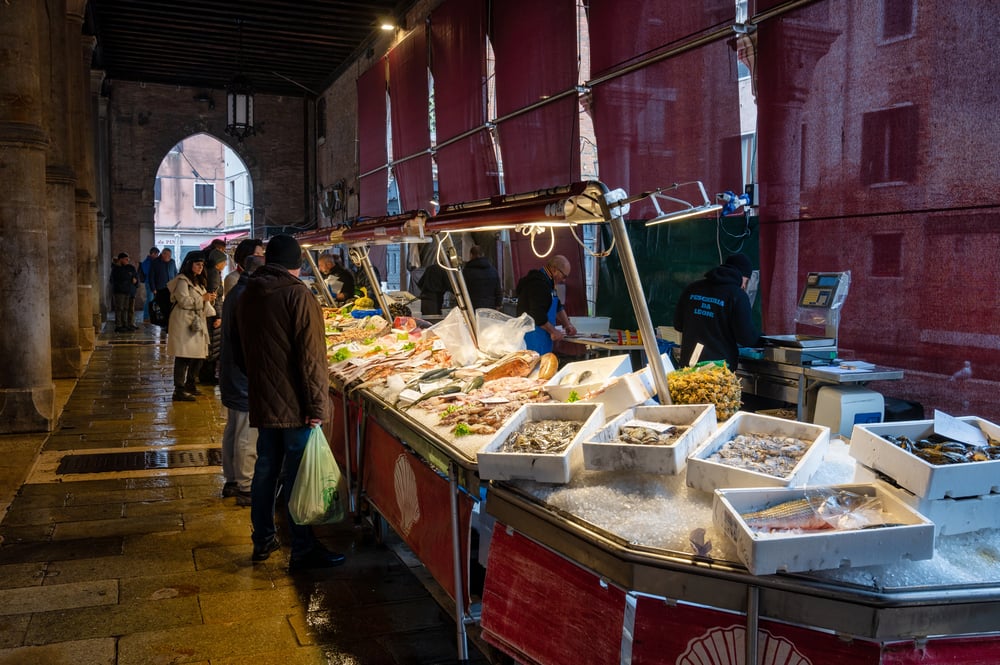
Venice built its wealth on salt production, maritime control, and trade privileges secured through political maneuvering. The Rialto market sat at the narrowest crossing of the Grand Canal, making it the natural center of the city.
Merchants from across the Mediterranean gathered to trade spices, silk, and precious metals. Standardized weights and measures ensured reliable transactions, and by the 1300s, goods from as far as China and India passed through Rialto’s stalls. The market’s success funded Venice’s naval power, which in turn protected the trade routes feeding the market.
London’s Billingsgate Fish Market
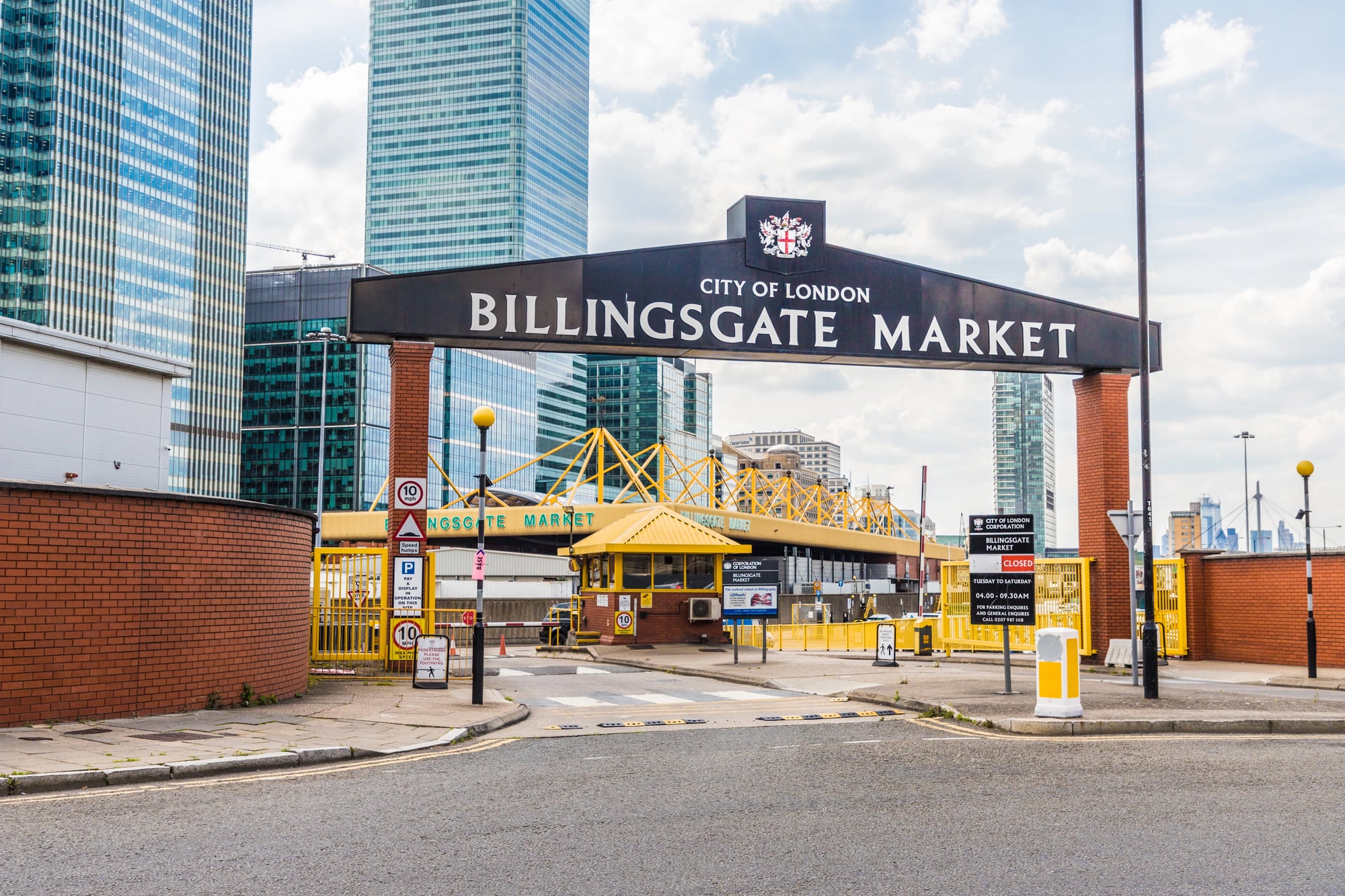
Billingsgate began as a general market on the Thames in the 900s, becoming a dedicated fish market in 1699. London’s river access made it ideal for receiving fresh catches from North Sea fleets.
As the British Empire expanded, colonial merchants sold exotic seafood alongside local catches. The market developed its own colorful slang—“Billingsgate language”—and handled more fish than any other market by the 1800s, influencing European fishing industries.
Istanbul’s Grand Bazaar
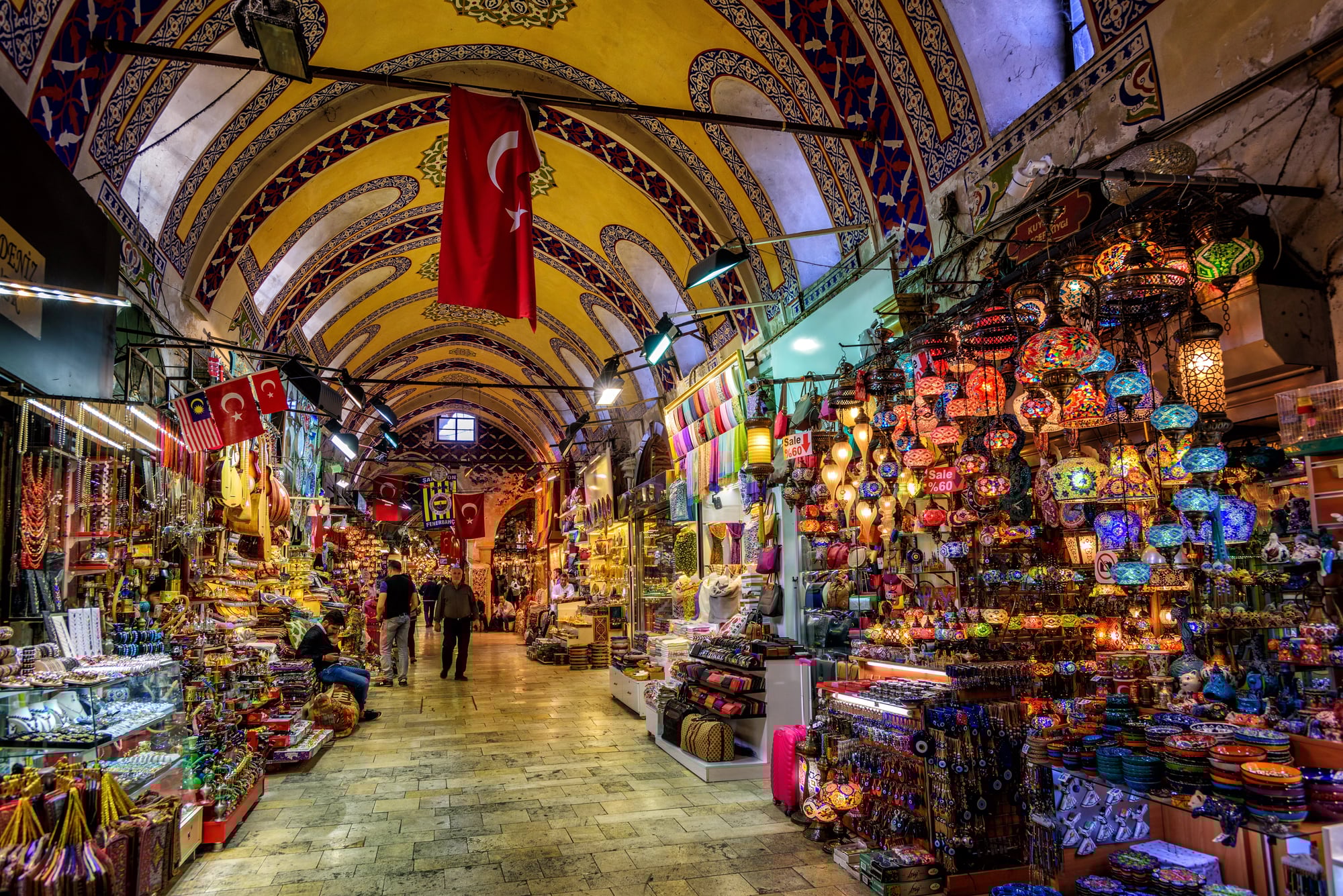
Founded in the 1450s after the Ottoman conquest of Constantinople, the Grand Bazaar was designed to revive commerce in the new capital. Sultan Mehmed II built covered halls for specific trades and storage.
By the 16th century, it spanned over 60 streets, connecting Europe, Asia, and Africa. Silk, spices, slaves, and European goods all passed through its stalls. Strict guild regulations organized vendors, making it easier for buyers to navigate the vast marketplace.
Amsterdam’s Stock Exchange
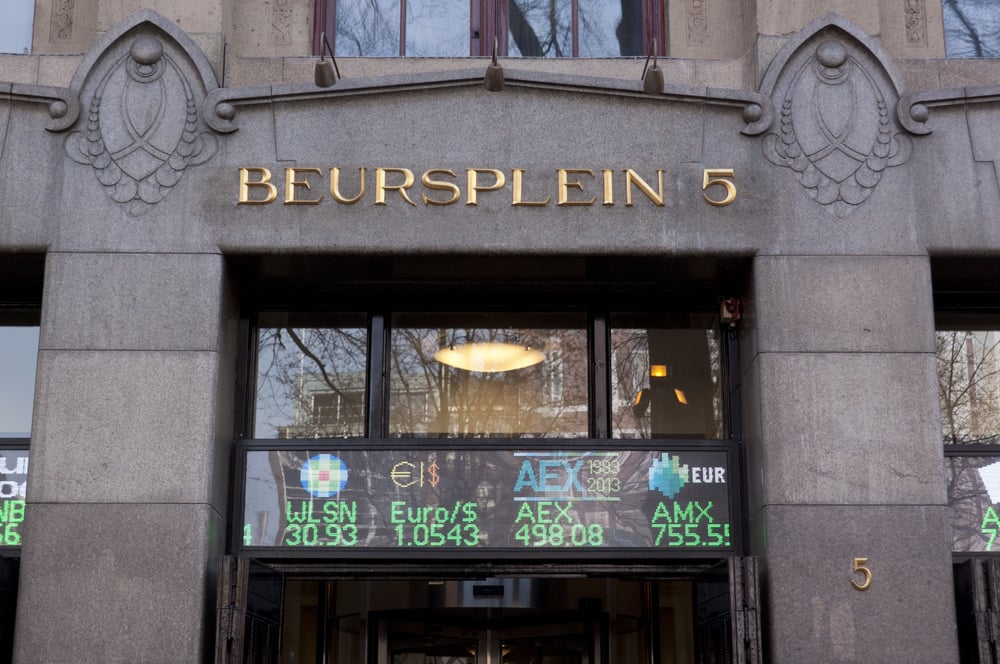
In the early 1600s, Dutch merchants funding long voyages to Asia needed a way to share risk. The Dutch East India Company solved this by selling tradable shares before ships returned.
Merchants met regularly at Amsterdam’s Beurs to buy and sell these shares, creating the world’s first continuous organized securities exchange. Over time, commodities like tulip bulbs, whale oil, and colonial goods were added, spreading financial techniques globally.
Hong Kong’s Temple Street Night Market
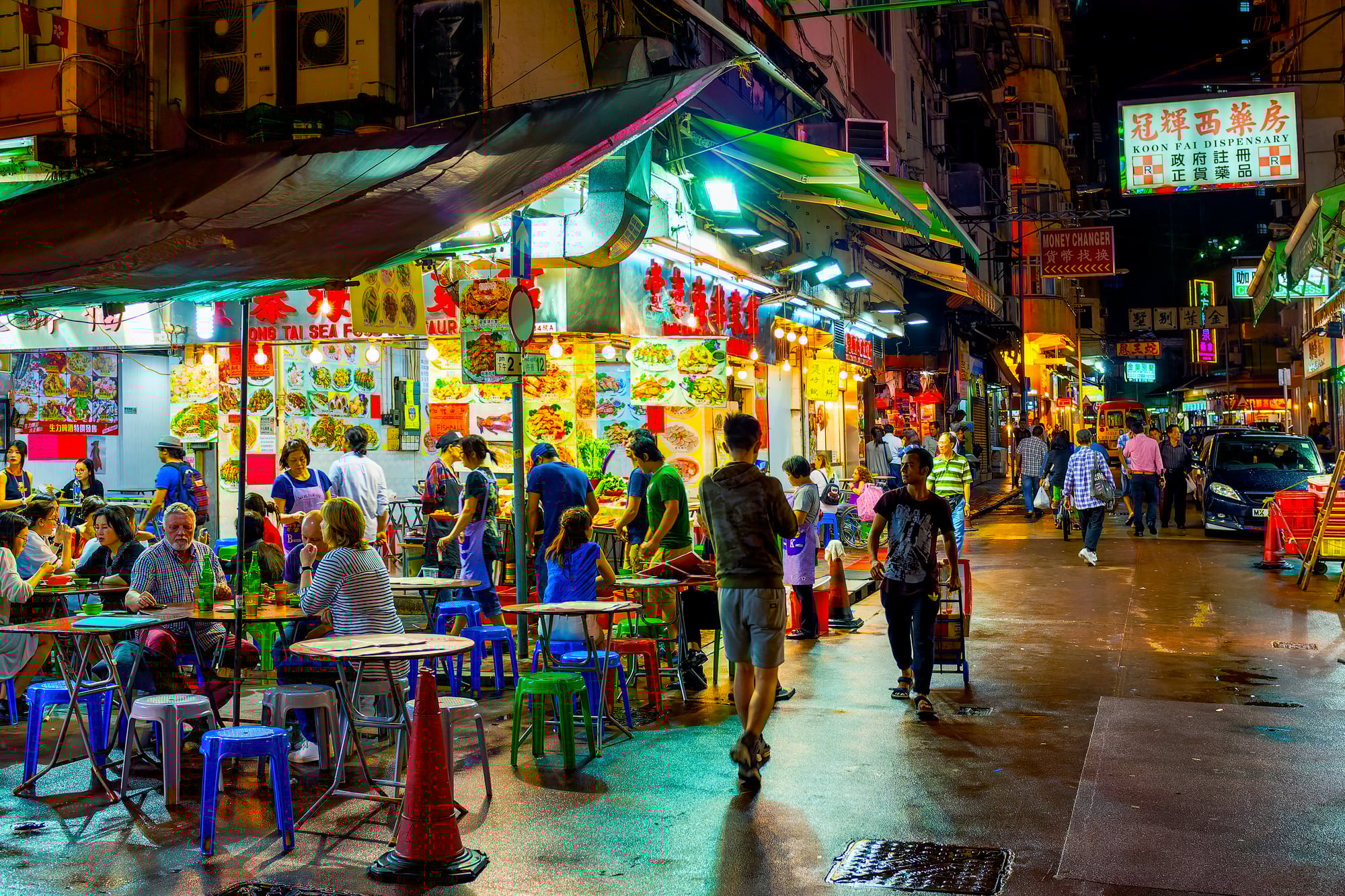
Temple Street began as early 20th-century street trading but grew as a night market by mid-century. Vendors reached workers leaving nearby factories, selling items unavailable in regular stores.
By the 1980s, the market stretched for blocks with neon lights, fortune-tellers, and bargain goods. Films showcased its energy, attracting tourists while locals continued shopping for affordable essentials.
Singapore’s Bugis Street Market
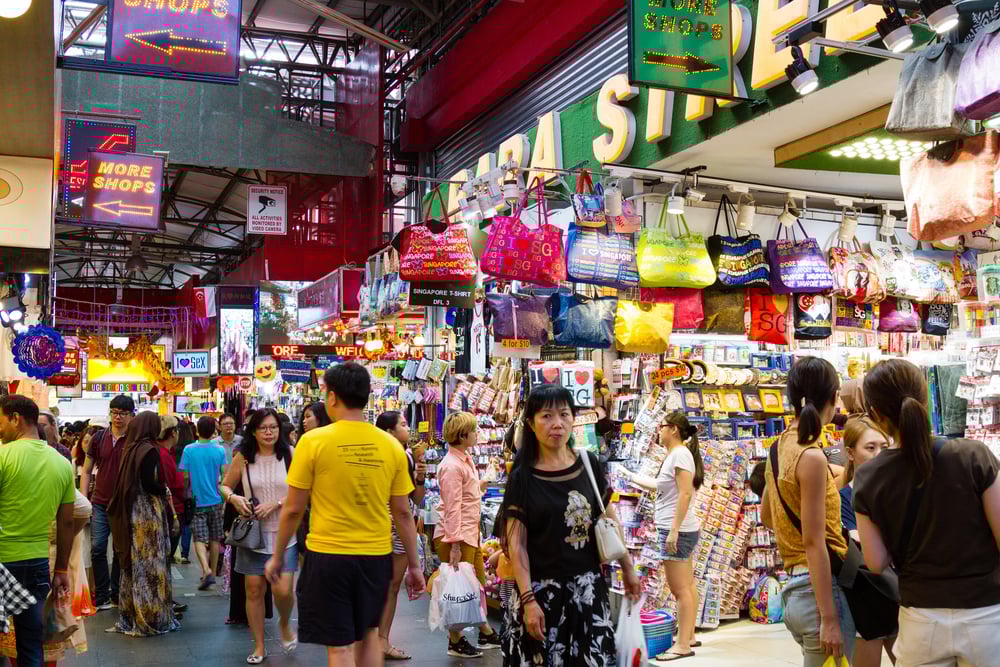
Bugis Street rose to fame in the postwar decades, known for its transgender nightlife and diverse vendors. Sailors and travelers came for pirated cassettes, knockoff clothes, electronics, and street food.
The market earned a reputation for “anything you could want.” Urban renewal in the 1980s demolished the original market and rebuilt a sanitized version nearby, but many argue it lost the chaotic energy that made Bugis Street special.
Dubai’s Gold Souk
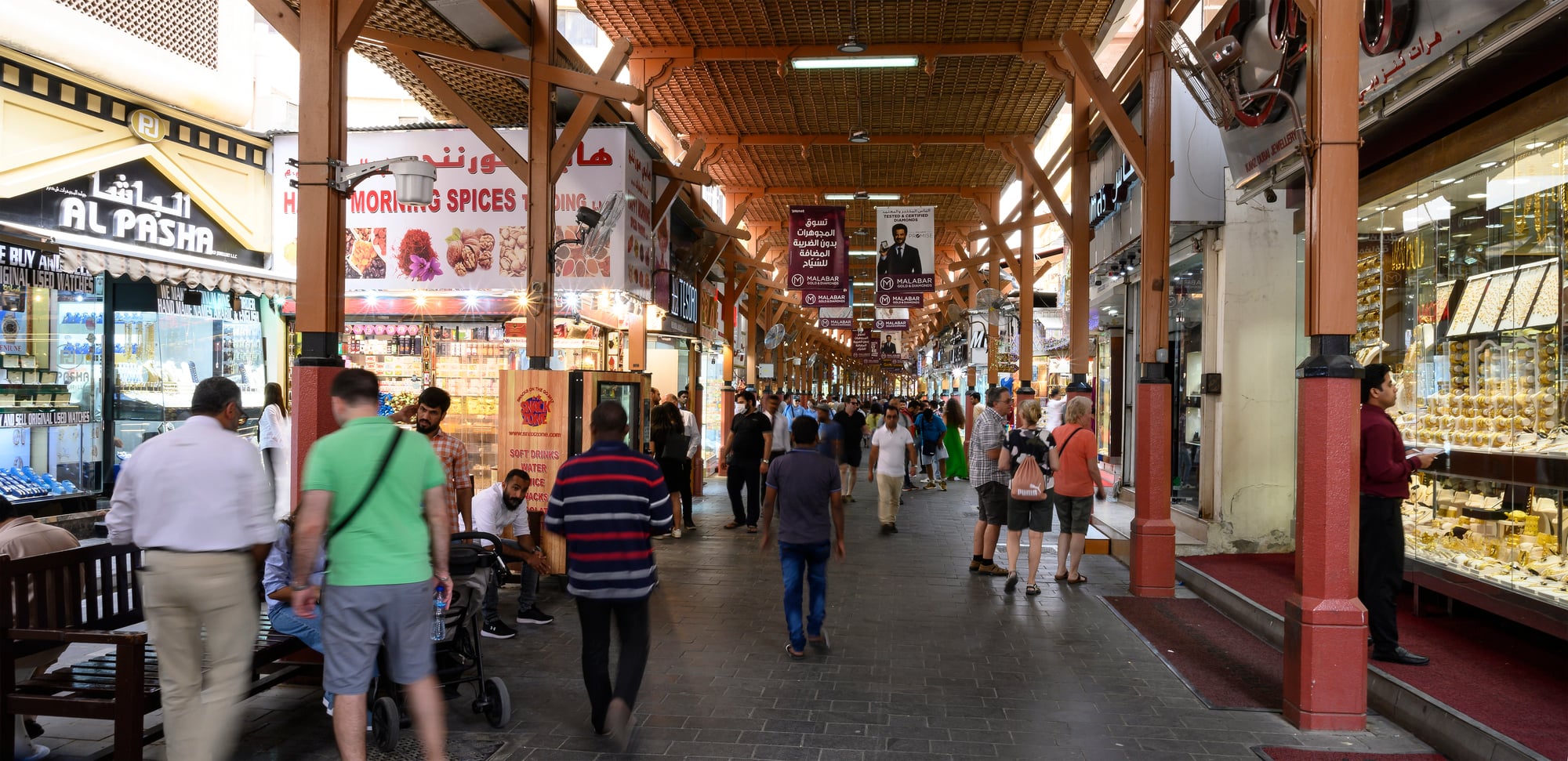
Initially a small trading post, Dubai’s gold market boomed in the 1960s due to its strategic location between India and Europe. India’s heavy gold taxes and global restrictions created huge demand.
Dubai merchants imported gold legally and sold it to traders carrying it to India. Minimal taxes encouraged expansion, turning the Gold Souk into a global hub with prices affecting markets from Mumbai to Milan.
Antwerp’s Diamond District

Antwerp’s diamond trade dates back to the 1500s, but expertise arrived in waves, particularly with Jewish cutters fleeing persecution in the late 1800s.
The port allowed access to African diamonds, and trust networks enabled million-dollar deals by handshake. By the 1900s, roughly 80% of the world’s rough diamonds passed through Antwerp. The district developed strict rules and arbitration systems, sustaining its role as a global diamond hub.
Bangkok’s Chatuchak Weekend Market

Originating from a 1942 government order for central markets, Chatuchak moved to its current site in the 1980s as Thailand’s economy boomed. The 35-acre market hosts over 8,000 stalls.
Vendors sell clothing, furniture, pets, antiques, and crafts from hill tribes. Retailers from across Southeast Asia come to buy wholesale, turning Chatuchak into both a tourist attraction and a regional trading hub.
Mexico City’s Tepito Market

Tepito emerged in a working-class neighborhood and became Mexico’s largest informal market by the mid-1900s. Vendors sold a mix of contraband, stolen goods, counterfeits, and regular merchandise.
Its low prices attracted buyers unable to afford department stores, making Tepito economically indispensable. Attempts to close it failed due to its importance to local livelihoods.
Nairobi’s Gikomba Market

Gikomba started as a small used clothing market in the 1960s. The rise of global secondhand clothing trade in the 1980s and 1990s transformed it.
Vendors sorted bales of donated Western clothing, selling individual items and employing thousands. Gikomba became a source of affordable clothing and household goods across East Africa, constantly rebuilding after fires that destroyed sections of the market.
São Paulo’s 25 de Março Street
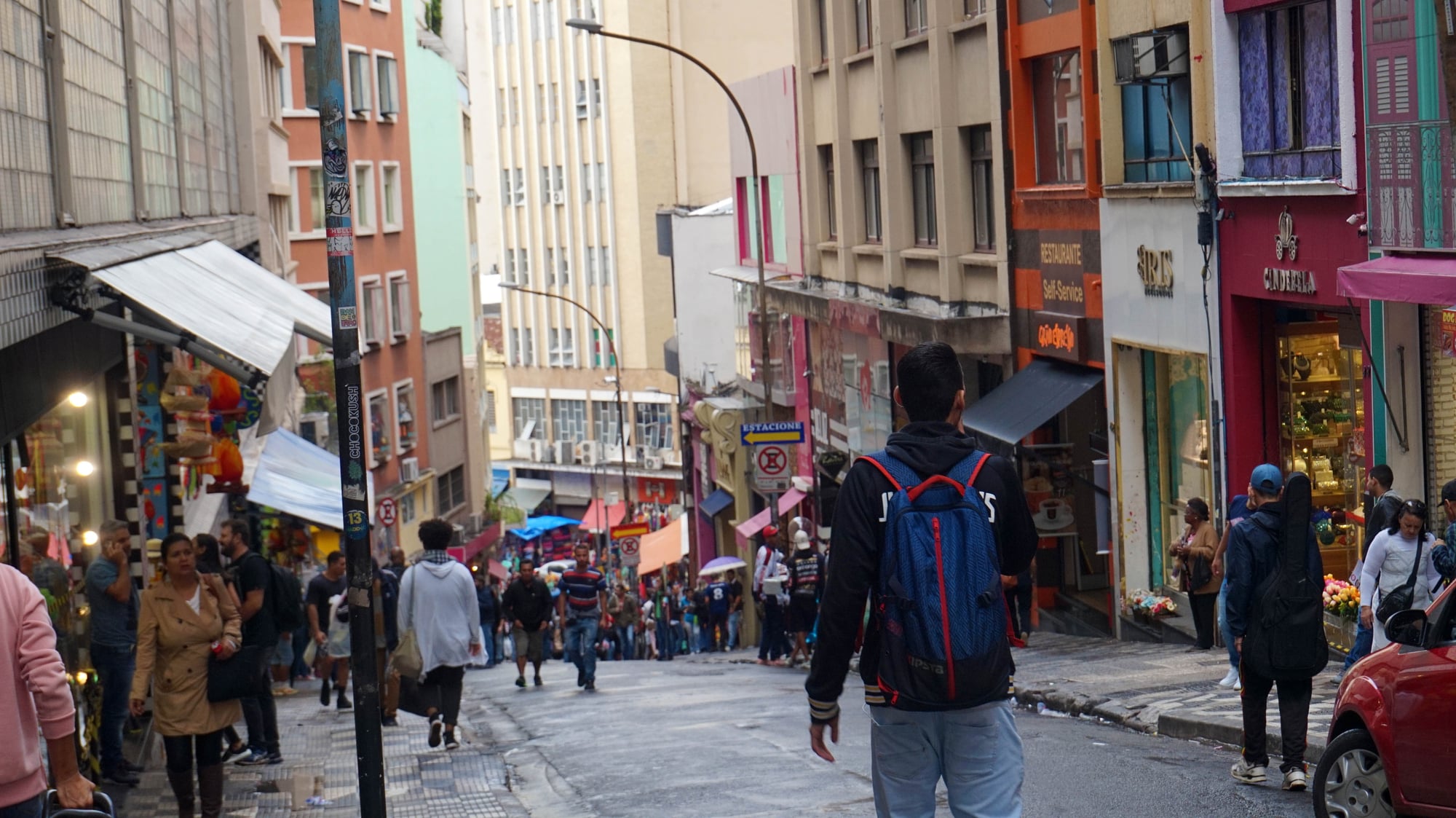
Founded by Arab and Jewish immigrants in the early 1900s, the street market sold fabric, buttons, and small goods. Industrialization expanded the market to supply small manufacturers and shops throughout Brazil.
By the late 1990s, Chinese manufacturers discovered 25 de Março as a distribution point. The market developed a reputation for the lowest prices on toys, electronics, and clothing, drawing retailers from across the country.
Mumbai’s Chor Bazaar

The “Thieves Market” began in the 1800s trading antiques, scrap metal, and secondhand goods. Stolen items were sold alongside legitimate goods, giving it a notorious reputation.
After independence, it became famous for Bollywood props, vintage cameras, colonial furniture, and antiques. Specialized vendors emerged, restoring and selling collectibles to buyers worldwide.
Where Commerce Found Its Path
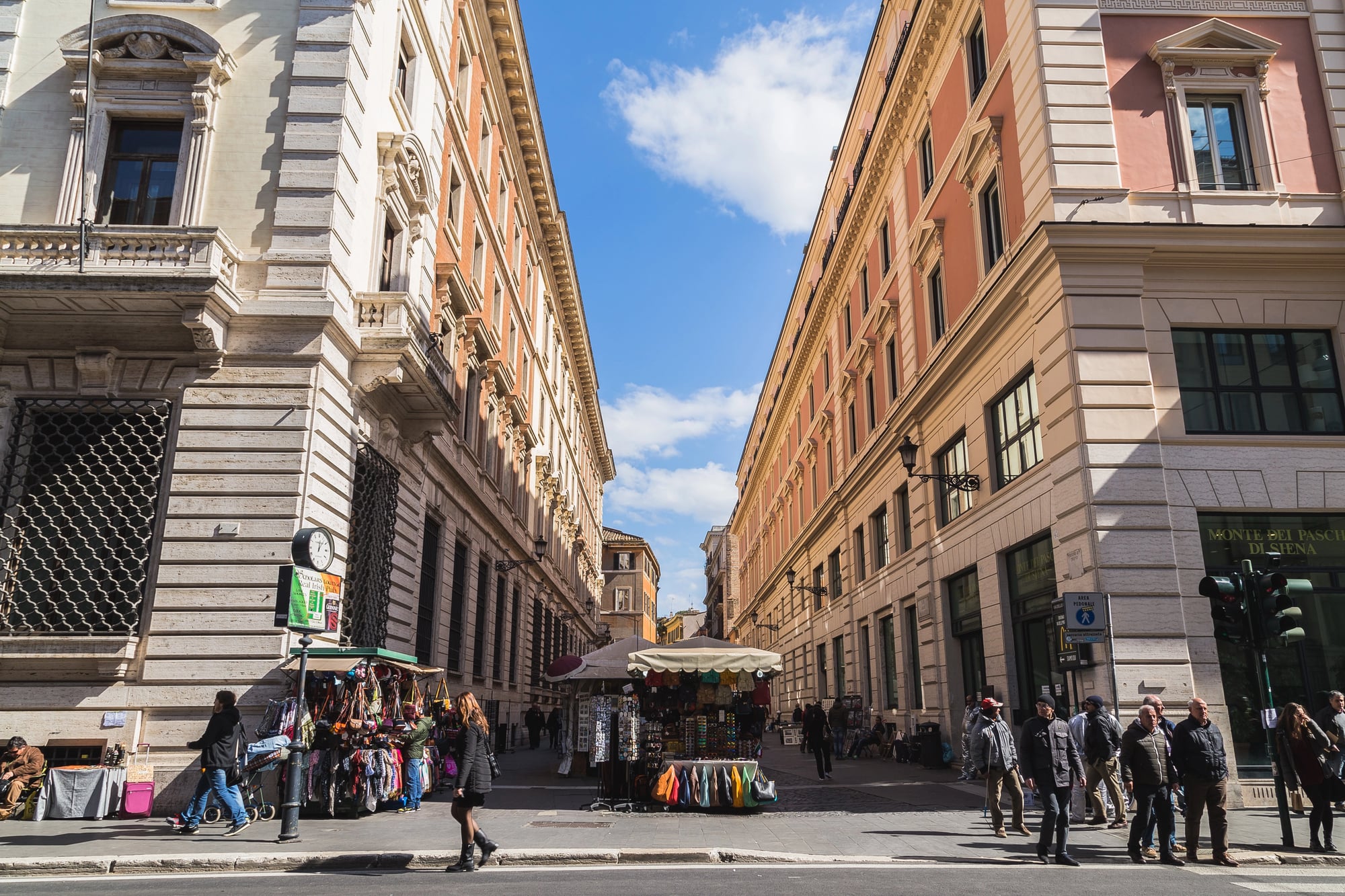
These markets didn’t follow a blueprint—they emerged where demand met chance and context. Some succeeded due to strategic location, others by serving neglected groups or exploiting legal loopholes.
Across continents, these hubs share one trait: stubborn persistence. Wars, crashes, and regulations couldn’t stop them. By linking buyers and sellers faster and offering goods hard to find elsewhere, these markets became global centers of commerce.
More from Go2Tutors!

- The Romanov Crown Jewels and Their Tragic Fate
- 13 Historical Mysteries That Science Still Can’t Solve
- Famous Hoaxes That Fooled the World for Years
- 15 Child Stars with Tragic Adult Lives
- 16 Famous Jewelry Pieces in History
Like Go2Tutors’s content? Follow us on MSN.



