15 Marketing Mascots That Took on Lives of Their Own—Literally
Marketing mascots begin as simple advertising tools but sometimes evolve into cultural icons that transcend their original purpose. These corporate characters develop personalities, backstories, and even moral philosophies that connect with audiences on a deeper level than their creators ever imagined.
Some mascots become so beloved that they essentially achieve a form of commercial immortality. Here is a list of 15 marketing mascots that grew beyond their advertising roles to become genuine cultural phenomena.
Tony the Tiger

Kellogg’s tiger mascot debuted in 1952 as just one of four character options for Frosted Flakes cereal. His signature ‘They’re Gr-r-reat!’ catchphrase and athletic persona resonated so strongly with consumers that he quickly outshone his competitors.
Tony evolved from a simple cereal box character into a role model who promotes active lifestyles and positive values. His popularity led to merchandise lines, video game appearances, and even a Twitter account with hundreds of thousands of followers.
The Michelin Man
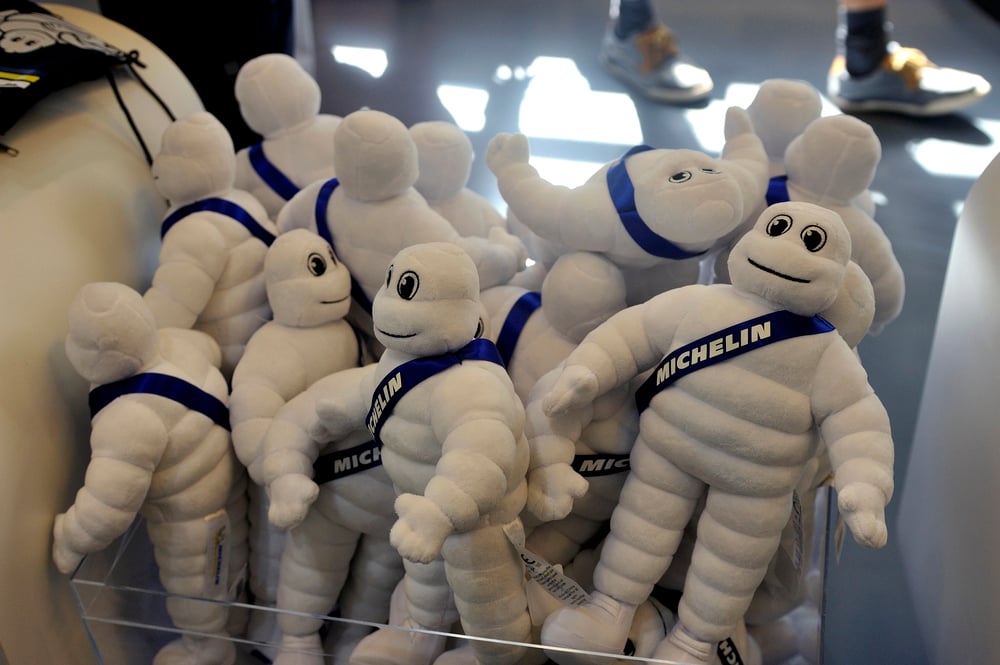
Bibendum, commonly known as the Michelin Man, has been promoting tires since 1898, making him one of advertising’s oldest continuous mascots. Originally designed with a champagne glass in hand and appearing rather ghostly, he was meant to show Michelin tires could ‘drink up obstacles.’
The character slimmed down over the decades and transformed from a somewhat intimidating figure into a friendly guardian of safety on the road. His longevity and evolution reflect changing societal standards while maintaining brand recognition for over 120 years.
The Energizer Bunny

This pink mechanical rabbit with sunglasses and flip-flops first appeared in 1989 in a parody of rival Duracell’s battery commercials. The drum-beating bunny was initially supposed to star in a short-lived campaign but became so popular that Energizer continued featuring him for decades.
His catchphrase ‘Still going’ perfectly embodied the brand’s message about battery longevity while entering everyday language as a metaphor for persistence. The mascot’s cultural impact even led to its mention in political campaigns and dictionary entries.
Mr. Clean
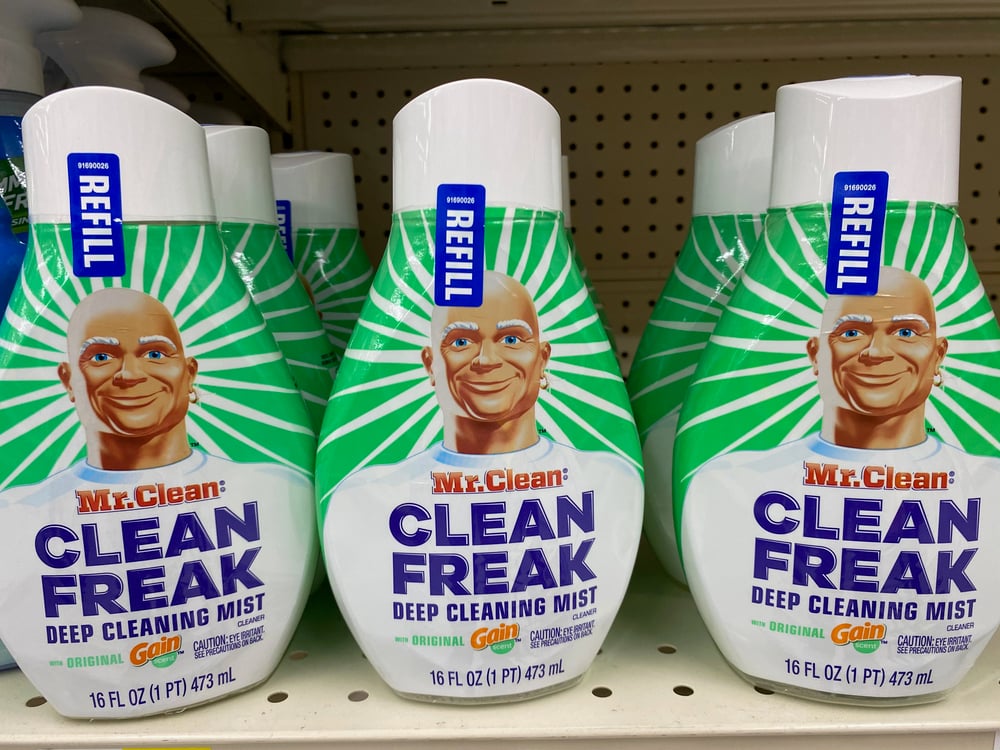
Procter & Gamble introduced the bald, muscular cleaning expert in 1958, and he quickly became a household name. His crossed arms, earring, and knowing smile conveyed authority on cleaning matters while his gentle demeanor made him approachable.
Mr. Clean transcended his role as a cleaning product mascot to become a template for masculine domesticity at a time when household chores were predominantly considered women’s work. The character received a fictional backstory in later advertisements, establishing him as a former sailor who discovered cleaning magic on a far-off island.
The GEICO Gecko
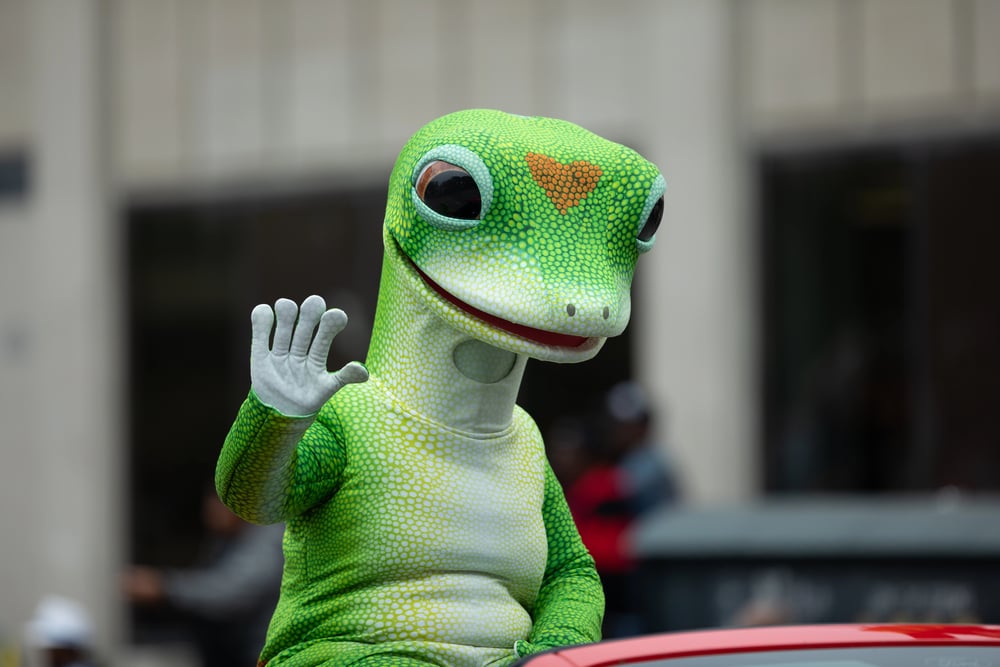
This small green lizard with a British accent initially appeared in 1999 during an actors’ strike that limited human appearances in commercials. What began as a practical solution to a labor problem evolved into one of insurance advertising’s most recognizable figures.
The gecko’s personality developed from a somewhat frustrated character annoyed at being confused with GEICO to a charming, helpful company representative. His evolution demonstrates how mascots can adjust their personalities to better connect with consumers over time.
Colonel Sanders
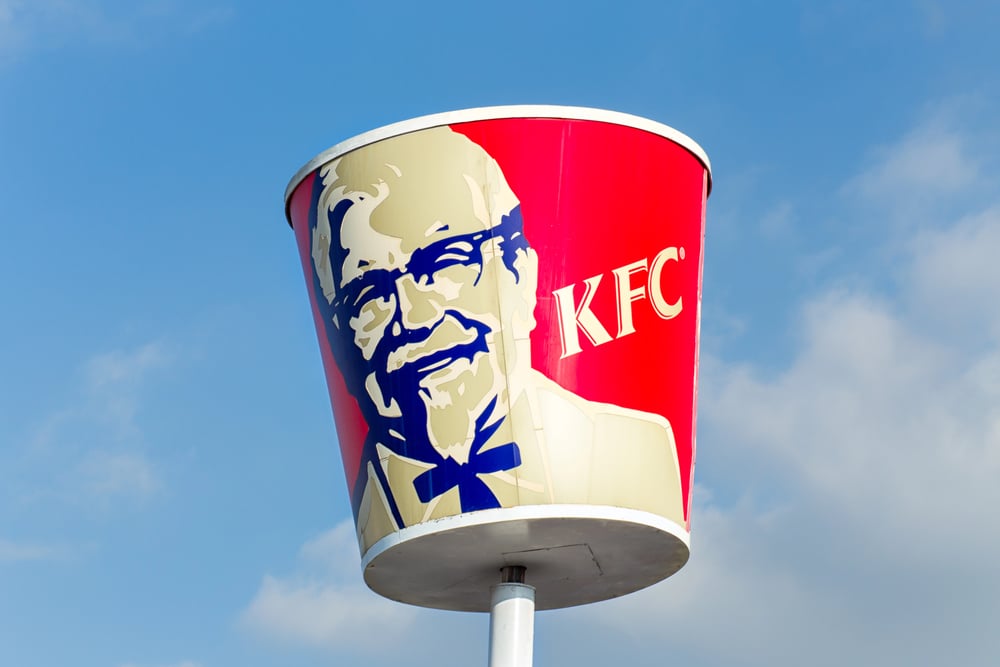
Kentucky Fried Chicken founder Harland Sanders became the face of his company, and even after his death in 1980, his likeness continues to represent the brand. The white-suited colonel with his distinctive goatee and glasses has been portrayed by numerous celebrities in recent years while maintaining his essential character traits.
What makes Sanders unique is that he began as a real person before transitioning into a corporate symbol and eventually a fictional character with exaggerated southern gentleman qualities. This evolution from founder to mascot represents a rare trajectory in brand representation.
Ronald McDonald

The fast-food clown first appeared in 1963 and quickly became the face of McDonald’s marketing to children. Beyond selling hamburgers, Ronald expanded into charitable work through the Ronald McDonald House Charities, giving the character a philanthropic dimension that extended beyond commerce.
His significance eventually rivaled Mickey Mouse in recognition among American children, though his prominence has diminished in recent years as food marketing to kids faces increased scrutiny. Ronald demonstrates how mascots can evolve from pure advertising tools into multi-dimensional brand ambassadors.
The Pillsbury Doughboy
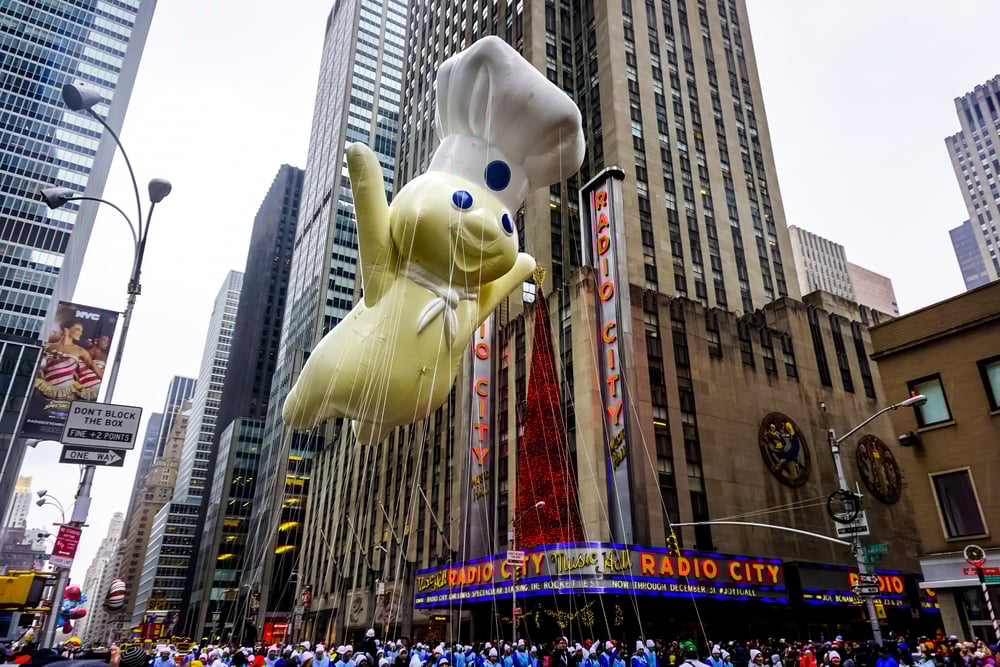
Poppin’ Fresh, the giggling dough mascot with the white chef’s hat, first poked his way into American homes in 1965. His signature giggle when poked in the stomach created an interactive element to television advertising that viewers found endearing.
Pillsbury developed an entire fictional universe for the character, complete with a dough family and pets. The mascot’s softness and warmth perfectly embodied the home-baking experience the brand wanted to convey to consumers.
M&M’s Characters
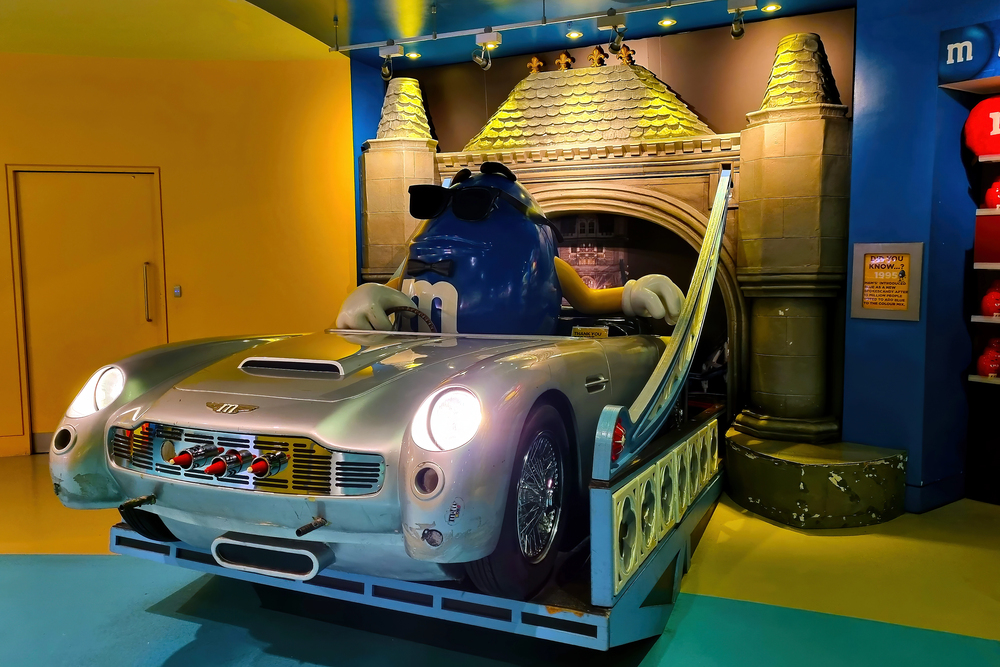
What began as simple animated candy pieces in the 1950s evolved into a diverse cast of color-coded personalities by the 1990s. Each M&M character developed distinct traits: Red is confident but paranoid, Yellow is simple but sweet, Green became famously flirtatious, and Blue is cool and collected.
The candies transformed from interchangeable mascots into a dysfunctional family whose interactions drive advertising narratives. Their popularity led to merchandise lines and even a short-lived TV show concept, demonstrating the strength of their character development.
The Kool-Aid Man
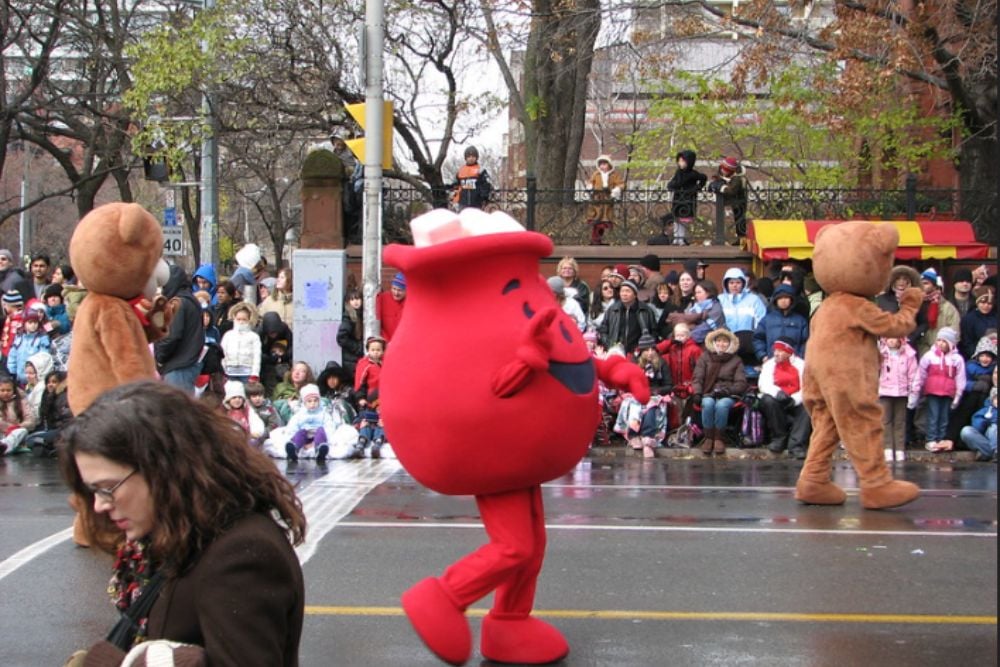
This walking pitcher of fruit drink became famous for bursting through walls with his thunderous ‘Oh yeah!’ catchphrase starting in the 1970s. Initially just a smiling pitcher with limbs, the character received extensive updates in 2013 to become a CGI-enhanced character with a more defined personality.
The Kool-Aid Man’s property-destroying entrances made him both memorable and meme-worthy decades before internet culture existed. His evolution from simply animated pitcher to fully realized character with thoughts and feelings represents the deepening complexity of modern mascots.
Flo from Progressive

Stephanie Courtney has portrayed the enthusiastic insurance employee since 2008, developing the character from a simple salesperson into a cultural icon. Flo’s retro appearance, boundless energy, and quirky personality made insurance advertising entertaining in an industry not known for creative marketing.
The character proved so popular that Progressive developed an entire fictional workplace around her, including colleagues, supervisors, and even family members. Flo demonstrates how a human mascot can achieve character development typically reserved for animated figures.
The Aflac Duck

The frustrated waterfowl quacking the company name debuted in 1999 and transformed the recognition of a previously low-profile insurance company. Before the duck campaign, Aflac had only 12% brand recognition; afterward, it soared to over 90%.
The character received a backstory as an actual actor who works for the company, blurring the lines between mascot and fictional performer. The duck’s popularity extended to Japan, where Aflac does significant business, showing how mascots can transcend cultural and language barriers.
Chester Cheetah

Frito-Lay’s mascot for Cheetos began as a simple cartoon character in 1986 but evolved into a smooth-talking, sunglasses-wearing cool cat with the catchphrase ‘It ain’t easy being cheesy.’ Chester’s personality developed from a generic mascot to a mischievous trickster who encourages consumers to embrace their playful side.
The character became so well-defined that Frito-Lay attempted to launch a Chester Cheetah video game and TV show, though regulatory concerns about marketing to children limited these efforts. Chester exemplifies how mascots can embody brand attitudes beyond the product itself.
The Most Interesting Man in the World
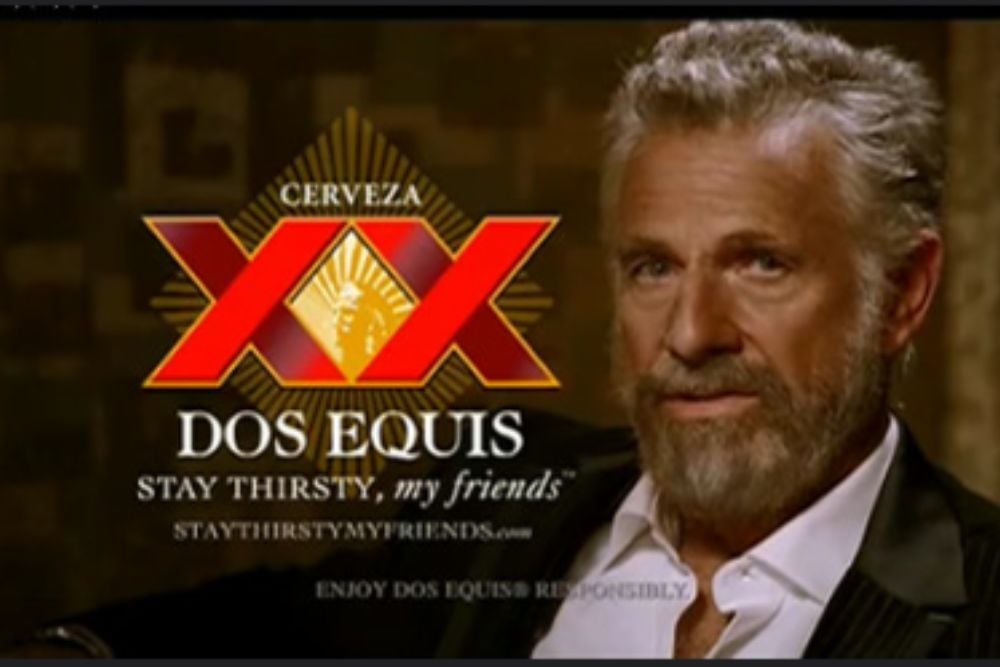
Dos Equis beer created this debonair, adventurous character who ‘doesn’t always drink beer, but when he does, he prefers Dos Equis.’ Actor Jonathan Goldsmith portrayed the character from 2006 to 2016 as a man whose life was so extraordinary that sharing his exploits became a meme template.
The campaign increased Dos Equis sales by over 22% while other imported beer sales declined. This mascot demonstrated how a human character with no animated elements could develop a fictional persona so compelling that audiences embraced the obvious exaggeration.
Mayhem from Allstate
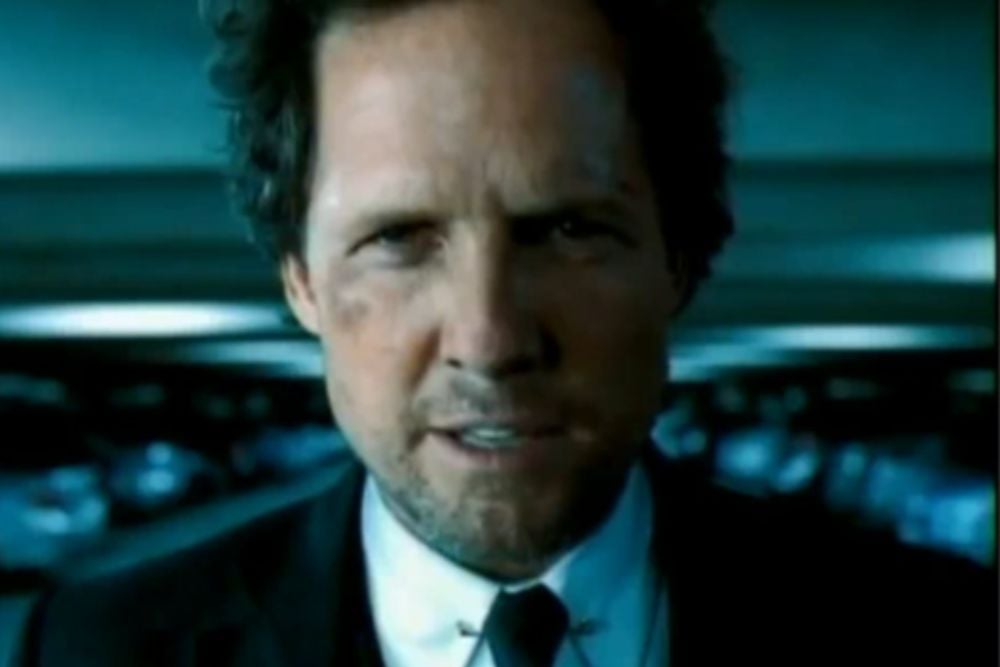
Actor Dean Winters has portrayed this personification of disaster and accidents since 2010, creating a character so popular that he influenced how other insurance companies approached their marketing. Mayhem represents everything that could go wrong in life, from falling trees to distracted teen drivers.
The character’s dark humor and direct acknowledgment of consumer fears about potential disasters created a mascot who is simultaneously villainous and oddly likable. Mayhem demonstrates how mascots can successfully represent negative concepts when handled with creativity and humor.
From Corporate Symbols to Cultural Icons

These mascots remind us that effective brand characters do more than sell products—they tell stories that resonate with human experiences and emotions. What begins as a simple advertising tool often evolves into something approaching digital personhood, complete with histories, relationships, and consistent personality traits.
The most successful mascots manage to represent brand values while developing identities that audiences connect with independently of the products they promote. When companies create characters with authentic personality traits and room to grow, they sometimes find their advertising creations take on lives that extend far beyond their commercial origins.
More from Go2Tutors!

- The Romanov Crown Jewels and Their Tragic Fate
- 13 Historical Mysteries That Science Still Can’t Solve
- Famous Hoaxes That Fooled the World for Years
- 15 Child Stars with Tragic Adult Lives
- 16 Famous Jewelry Pieces in History
Like Go2Tutors’s content? Follow us on MSN.