Lesser-Known Facts About Marie Curie
Marie Curie stands as one of the most celebrated scientists in history, famous for discovering radioactivity and winning two Nobel Prizes. But behind the iconic image of the brilliant physicist lies a complex woman whose personal struggles, bold decisions, and unconventional choices are just as fascinating as her scientific achievements.
Her life was marked by poverty, scandal, tragedy, and triumph in ways that most people never learn about in textbooks. Here is a list of lesser-known facts about Marie Curie that reveal the remarkable human being behind the scientific legend.
Her notebooks are still dangerously radioactive
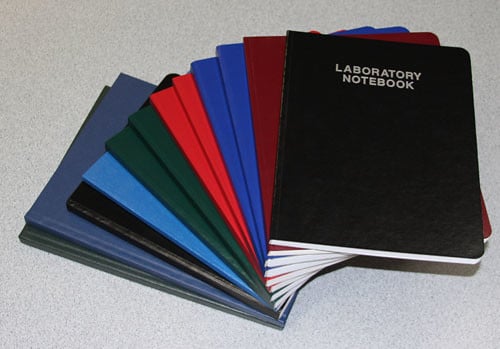
Marie Curie’s laboratory notebooks from the late 1890s remain so contaminated with radium that they’re stored in lead-lined boxes at France’s national library. Anyone who wants to view them must sign a liability waiver and wear protective clothing.
The radium has a half-life of about 1,600 years, which means these notebooks won’t be safe to handle without protection until around the year 3400.
She attended an illegal underground university

When Marie was a teenager in Russian-controlled Poland, women were banned from attending university. She enrolled in the ‘Flying University,’ a secret network of classes that constantly changed locations to avoid detection by Russian authorities.
This clandestine education system taught Polish students in their native language and admitted women at a time when formal higher education was reserved exclusively for men.
She worked as a governess for seven years to support her sister
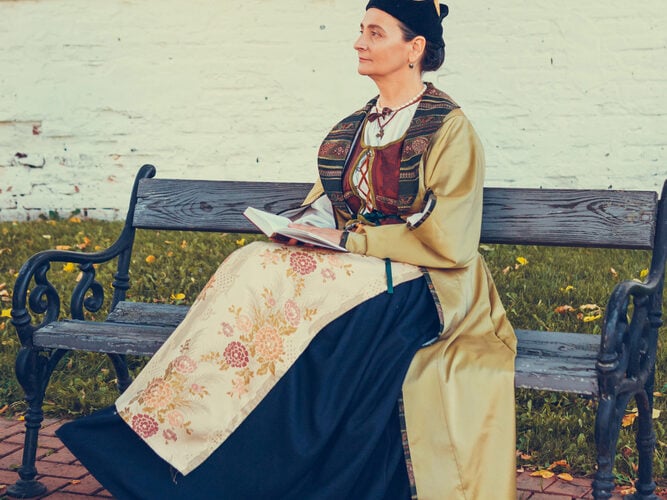
Marie spent years working as a governess in Poland, sending most of her earnings to Paris to fund her older sister Bronislawa’s medical school education. The sisters had made a pact that once Bronislawa became a doctor, she would return the favor and support Marie’s education.
Marie endured this arrangement patiently, studying on her own whenever she could steal a few moments away from her duties.
She rejected Pierre Curie’s marriage proposal three times
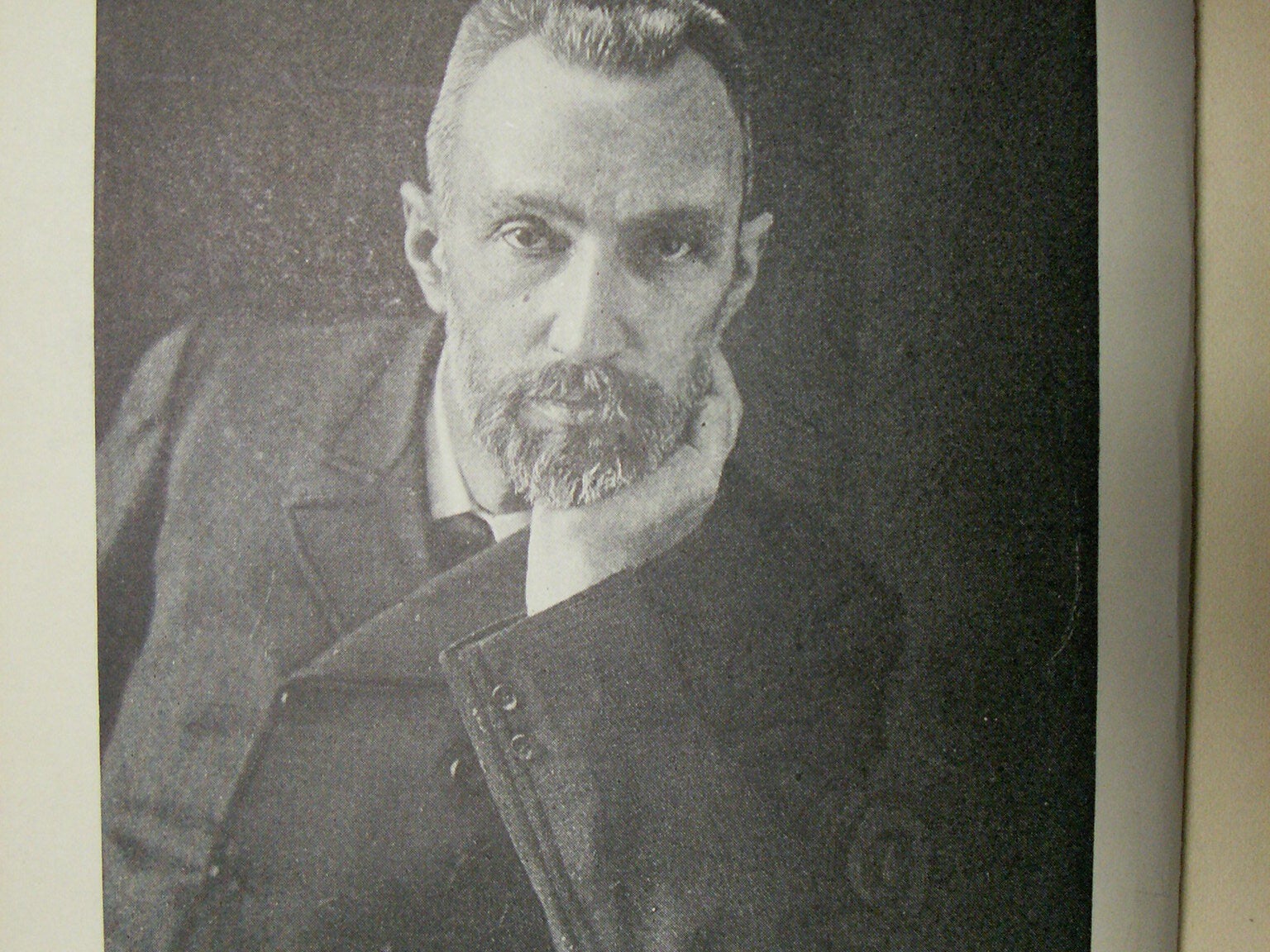
When Pierre first proposed to Marie in 1894, she turned him down flat because she was focused on returning to Poland to contribute to her country. Pierre proposed again, and again she refused.
He finally convinced her on the third attempt by promising they would work together as scientific equals, which was exactly what happened throughout their marriage.
They bought bicycles with their wedding money
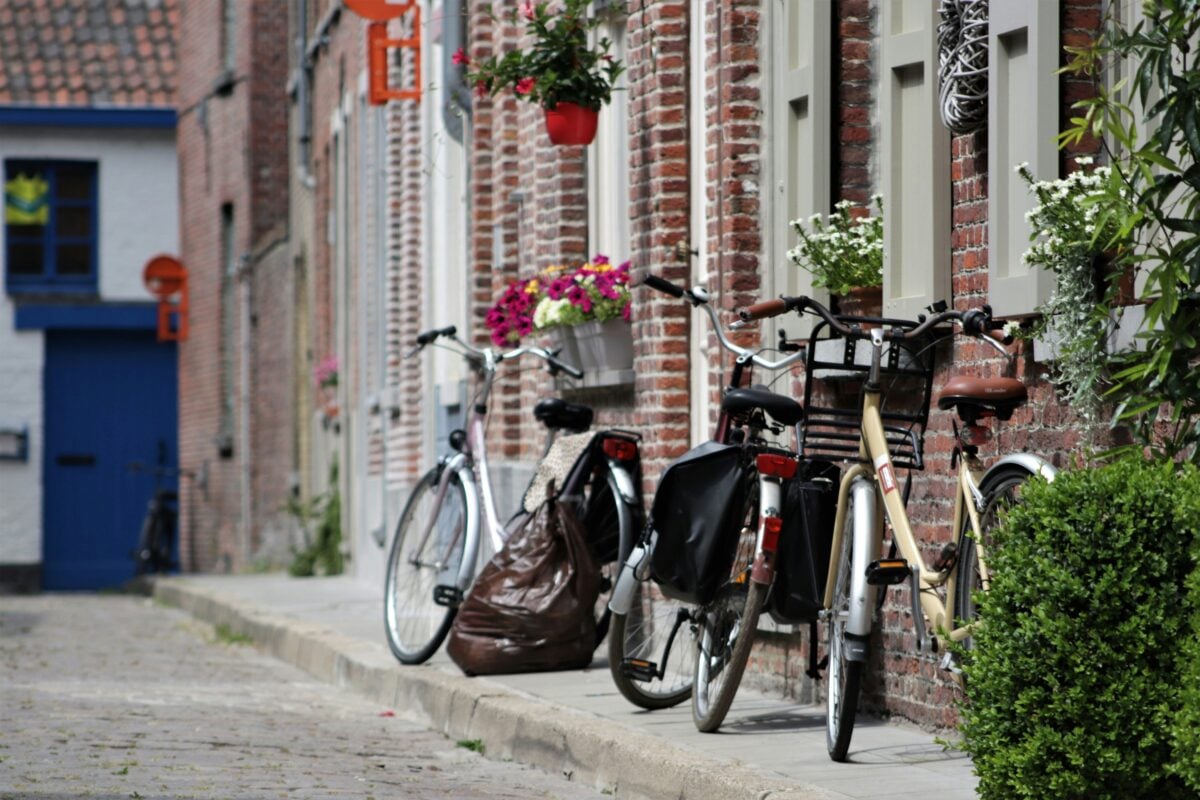
Instead of traditional wedding gifts, Marie and Pierre Curie received money from family and friends. They promptly spent it on two bicycles, which became their favorite way to relax.
The couple would take long cycling trips through the French countryside, sometimes riding for hours to escape the pressures of their work and enjoy each other’s company.
She wore her wedding dress as a lab coat

Marie got married in a simple dark blue dress rather than a traditional white wedding gown. She chose this practical outfit specifically because she could wear it later in the laboratory.
For years afterward, that same dark blue dress served as her everyday work uniform, getting stained with chemicals and worn thin from constant use.
She changed her name to sound more French

Born Maria Sklodowska in Poland, she adopted the French version ‘Marie’ when she enrolled at the Sorbonne in Paris. This wasn’t just a casual nickname but a deliberate choice to help her fit into French society.
She felt the French name would make her more accepted in academic circles, though she never lost her deep connection to her Polish heritage.
She invented the word ‘radioactive’
When Marie began studying uranium rays in the 1890s, there was no term to describe what these materials were doing. She coined the word ‘radioactive’ to describe elements that emit radiation when their atoms decay.
This term became fundamental to an entirely new field of science, and we still use it today exactly as she defined it.
She was almost written out of her first Nobel Prize
In 1903, members of the French Academy of Sciences nominated Henri Becquerel and Pierre Curie for the Nobel Prize in Physics, completely omitting Marie’s name from the nomination. Pierre found out about this deliberate exclusion and insisted that Marie’s contributions were essential to the discovery.
He threatened to refuse the prize unless Marie was included, and the committee finally relented.
She had a scandalous affair that nearly destroyed her career

Four years after Pierre died in 1906, Marie began a relationship with physicist Paul Langevin, one of Pierre’s former students who was married. Langevin’s wife hired someone to break into their shared apartment, steal their love letters, and leak them to the press.
The scandal was enormous, with newspapers calling Marie a ‘home-wrecker’ and incorrectly labeling her as Jewish to stoke xenophobic outrage.
The Nobel committee told her to skip the ceremony

When Marie won her second Nobel Prize in 1911, the scandal with Langevin was at its peak. The chairman of the Nobel committee actually wrote her a letter suggesting she should not come to Stockholm to accept the prize because of her ‘questionable moral standing.’
Marie responded with a powerful letter stating that her personal life had no connection to her scientific achievements, and she attended the ceremony as planned.
She refused France’s highest honor
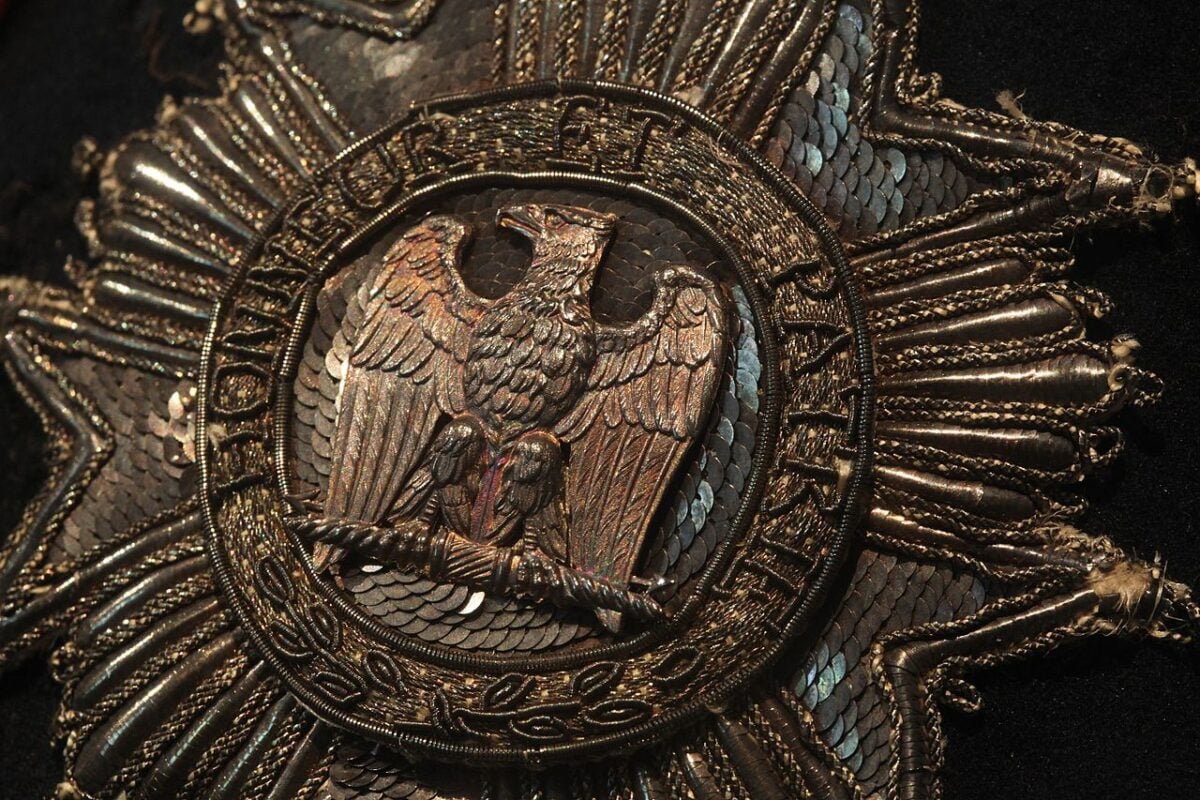
Before traveling to receive her second Nobel Prize, the French government offered Marie the Legion of Honour award to give her something prestigious to wear at the ceremony. She declined it outright.
Marie had never been interested in honors and medals for their own sake, believing that scientific achievement should be its own reward.
She created mobile X-ray units during World War I
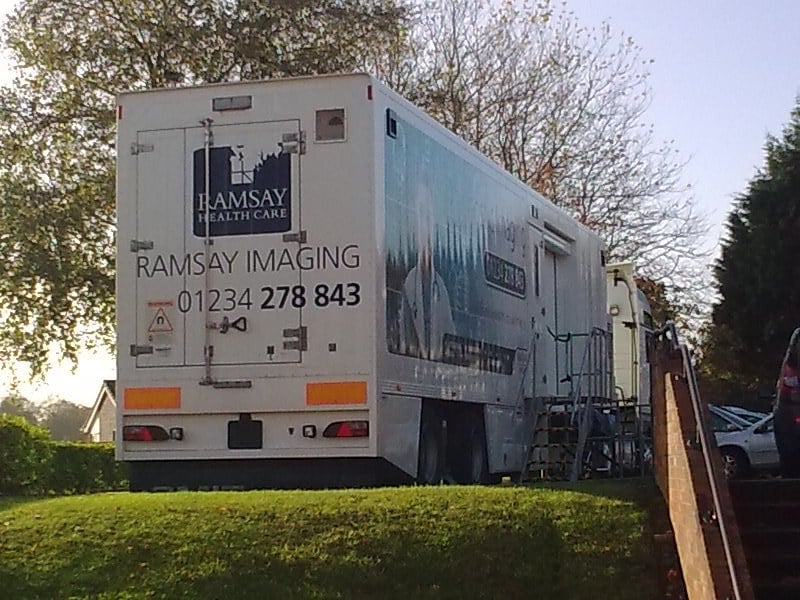
When World War I broke out in 1914, Marie temporarily abandoned her laboratory research to help wounded soldiers. She designed mobile X-ray vehicles, equipping about 20 vans and 200 stationary units at field hospitals.
These ‘petites Curies’ or ‘Little Curies’ allowed doctors to locate bullets and shrapnel in wounded soldiers’ bodies without exploratory surgery, saving countless lives and limbs.
She personally drove X-ray vans to the front lines

Marie didn’t just design the mobile X-ray units from a safe distance. She actually drove one of the vans herself, traveling to battlefields near active combat zones with her teenage daughter Irène.
At age 47, she learned to drive and perform basic automotive repairs specifically so she could operate these units, showing remarkable courage in dangerous conditions.
She was the first woman buried in the Panthéon for her own achievements
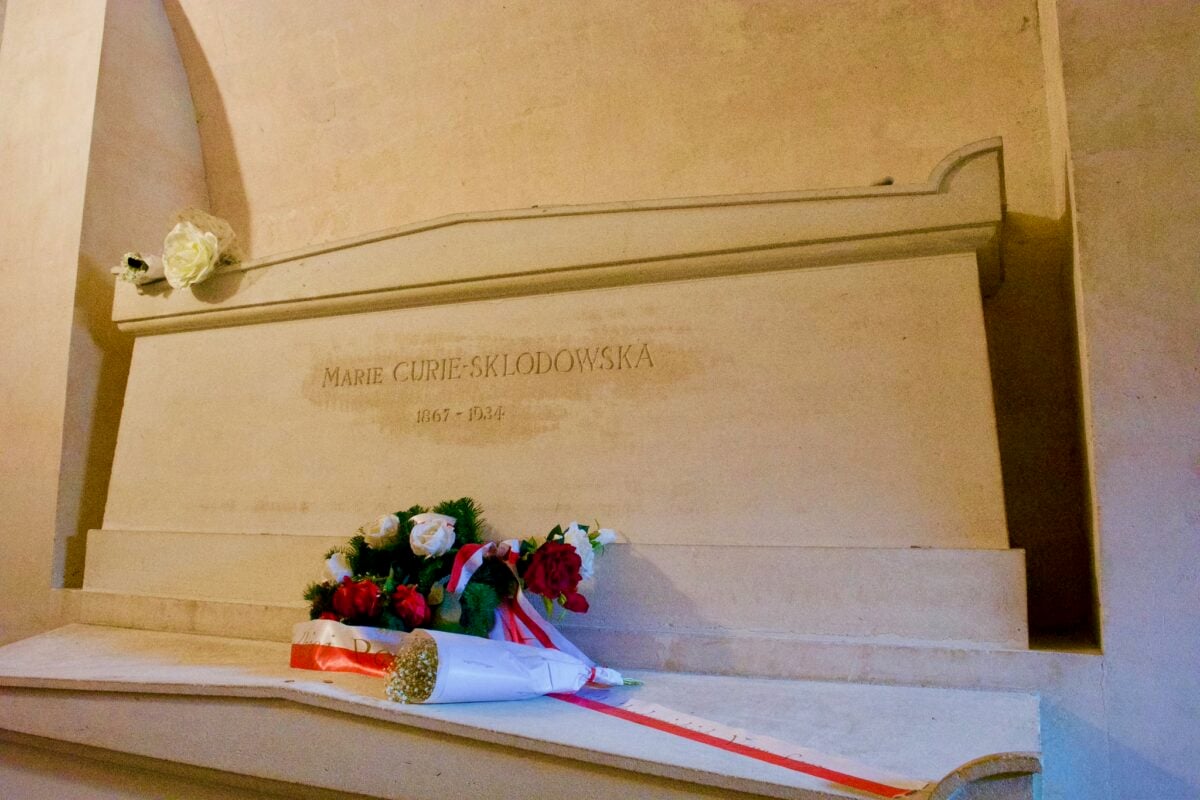
In 1995, Marie Curie’s remains were transferred from a cemetery to the Panthéon in Paris, France’s most prestigious burial site for national heroes. She became the first woman interred there based on her own accomplishments rather than as someone’s wife.
Her coffin was sealed in lead lining because her remains are still radioactive from a lifetime of exposure.
She tried to donate her Nobel Prize medals to the war effort
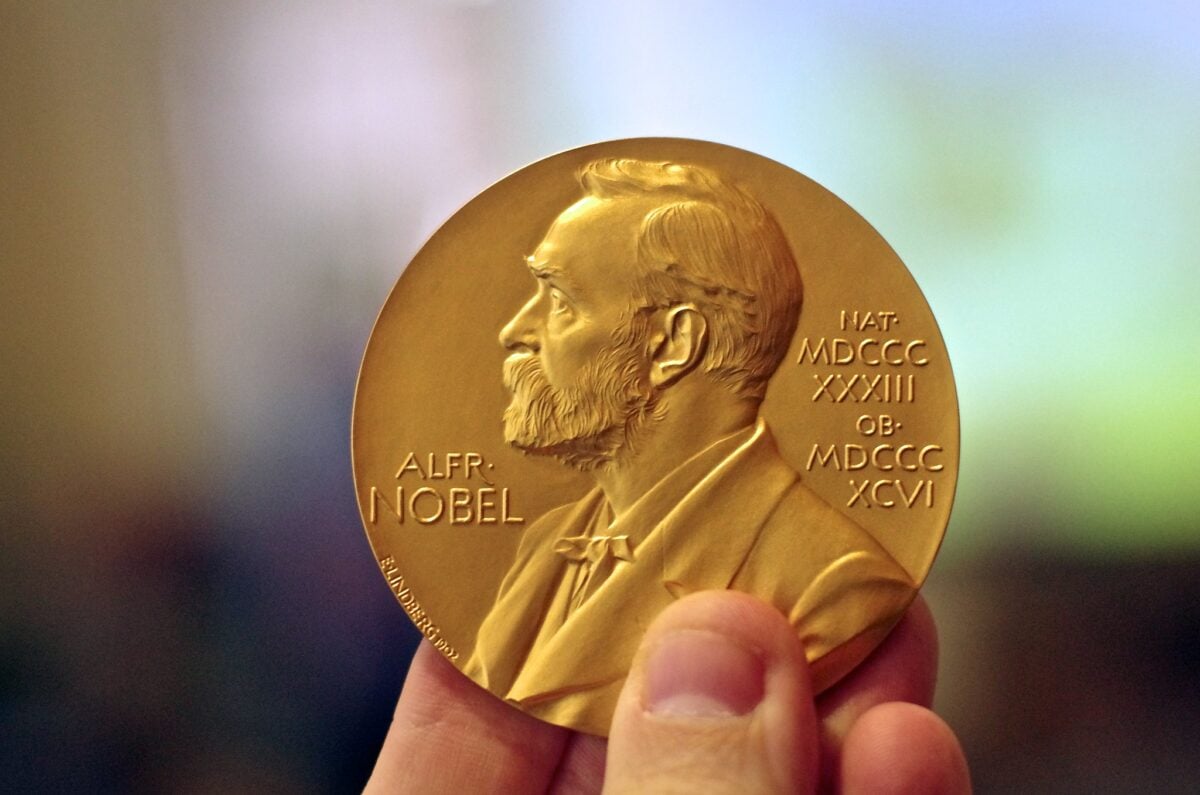
When World War I started, Marie attempted to donate her gold Nobel Prize medals to the French government to help fund the war effort. The French National Bank refused to accept them, considering the medals too symbolically important.
Undeterred, she used her Nobel Prize money to buy war bonds instead.
She processed tons of radioactive ore in a leaky shed
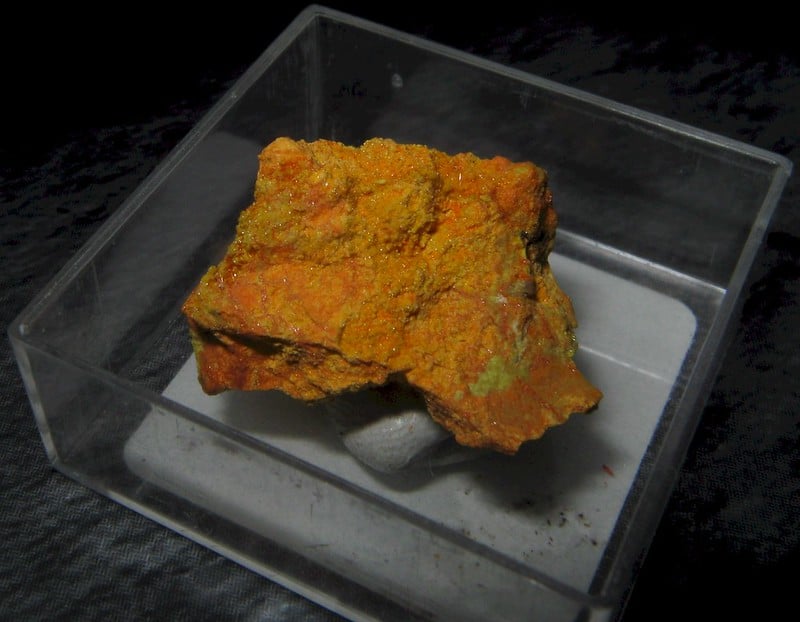
The Curies didn’t have access to a proper laboratory when they were isolating radium. They worked in a drafty, abandoned dissecting room that leaked when it rained and lacked proper ventilation.
Marie spent entire days stirring massive boiling vats of pitchblende ore with a rod nearly as tall as she was, personally processing multiple tons of material to extract just a tiny amount of radium.
A Legacy Forged in Radiation
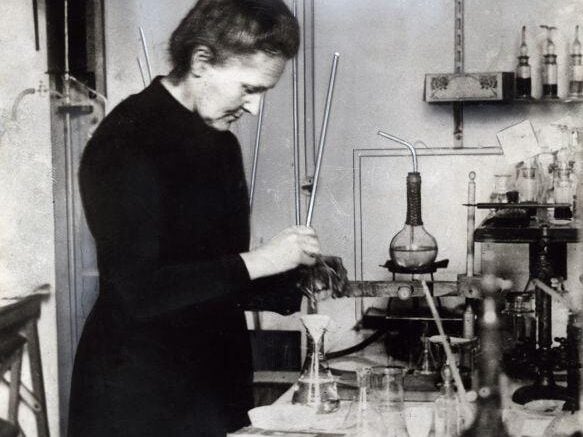
Marie Curie died in 1934 at age 66 from aplastic anemia, almost certainly caused by decades of radiation exposure she never fully understood was dangerous. She used to carry test tubes of radium in her lab coat pockets because she loved watching them glow in the dark like ‘fairy lights.’
Her death serves as a stark reminder that scientific pioneers often pay a personal price for expanding human knowledge. Yet her contributions fundamentally changed our understanding of atoms, energy, and matter, paving the way for everything from cancer treatment to nuclear power, ensuring her sacrifices continue to benefit humanity nearly a century later.
More from Go2Tutors!

- The Romanov Crown Jewels and Their Tragic Fate
- 13 Historical Mysteries That Science Still Can’t Solve
- Famous Hoaxes That Fooled the World for Years
- 15 Child Stars with Tragic Adult Lives
- 16 Famous Jewelry Pieces in History
Like Go2Tutors’s content? Follow us on MSN.



