15 Most Expensive Foods to Eat
Money can buy a lot of things, but some foods cost more than a month’s rent. These aren’t your typical luxury items sitting in gift shops.
They’re rare ingredients, delicacies that take years to produce, or foods that come from places most people will never visit. Some require dangerous harvests.
Others depend on timing so precisely that missing a day ruins everything. The price tags on these foods tell stories about geography, tradition, and sometimes just pure scarcity.
You won’t find most of them in regular stores, and even high-end restaurants struggle to keep them in stock. But understanding why they cost so much reveals something interesting about how we value food.
White Truffles From Alba

White truffles grow underground in a small region of northern Italy, and nobody has figured out how to farm them. Dogs sniff them out in the forests between October and December, and that’s the only way to find them.
The aroma hits you before you even see them—earthy, garlicky, almost overwhelming. A single pound can cost over $3,000, sometimes reaching $6,000 in years when the harvest fails.
Restaurants shave thin slices over pasta or risotto, and just a few grams transform a dish. The season lasts about six weeks, so when they’re gone, you wait until next year.
Almas Caviar

This caviar comes from albino sturgeon in the Caspian Sea, fish that can live for over a hundred years. The older the fish, the rarer the eggs, and the higher the price climbs.
The eggs themselves look almost white, with a delicate texture that dissolves on your tongue. You’ll pay around $25,000 per kilogram for authentic Almas.
It comes in a 24-karat gold tin, which tells you something about the target market. Most people will never taste it, and that’s exactly the point for those who do.
Japanese Wagyu Beef
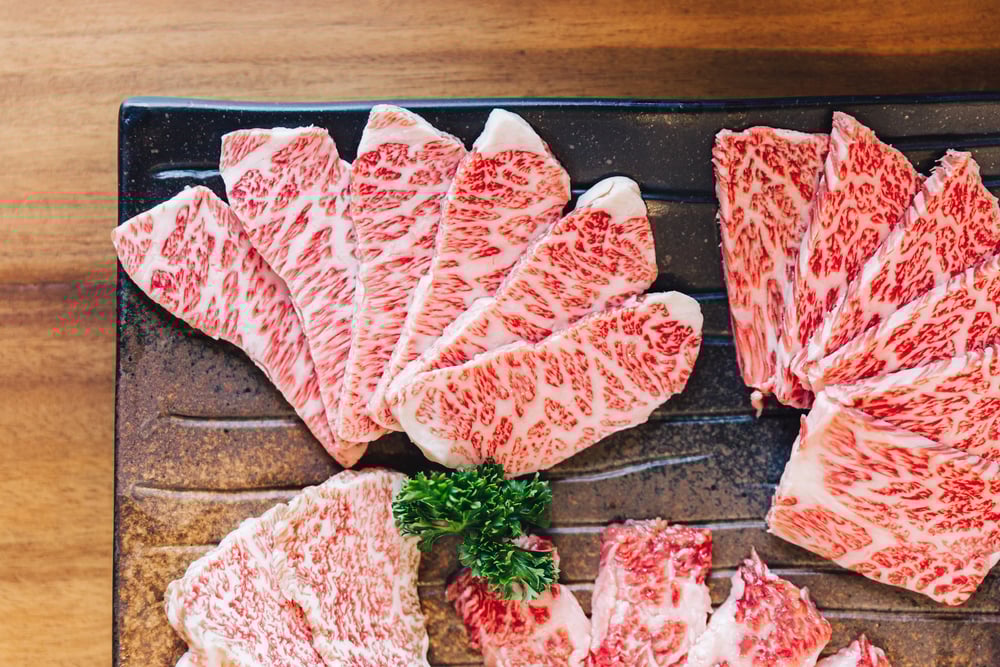
The marbling in Wagyu beef looks like art. Fat runs through the meat in intricate patterns, creating a texture that melts when cooked properly.
The cattle receive specific diets, careful handling, and attention that borders on obsessiveness. Different regions in Japan produce different grades, and the best cuts can cost $200 per pound or more.
Cooking Wagyu wrong is almost criminal. You need high heat for a short time, just enough to warm the fat.
When done right, the flavor is rich, buttery, and completely different from standard beef. A small portion satisfies in a way that a larger cheap steak never does.
Kopi Luwak Coffee

The Asian palm civet eats coffee cherries, digests them, and excretes the beans. Farmers collect the beans from the droppings, clean them thoroughly, and roast them like regular coffee.
The digestion process supposedly removes some of the bitter compounds and adds unique flavors. Prices reach $600 per pound for the real thing, though the market has plenty of fakes.
The ethical concerns are real too—many civets are kept in terrible conditions to mass-produce the beans. The taste? Smooth and earthy, but whether it’s worth the price depends on who you ask.
Saffron

Saffron comes from the stigmas of crocus flowers, and each flower only produces three tiny threads. Someone has to hand-pick them during a narrow harvest window in the fall.
It takes about 75,000 flowers to make one pound of saffron. You’re looking at $500 to $5,000 per pound, depending on the quality and origin.
Iranian and Spanish saffron command the highest prices. The flavor is subtle—floral, slightly bitter, with a distinct earthiness.
Too much ruins a dish, so you use it sparingly, which is fortunate given the cost.
Matsutake Mushrooms
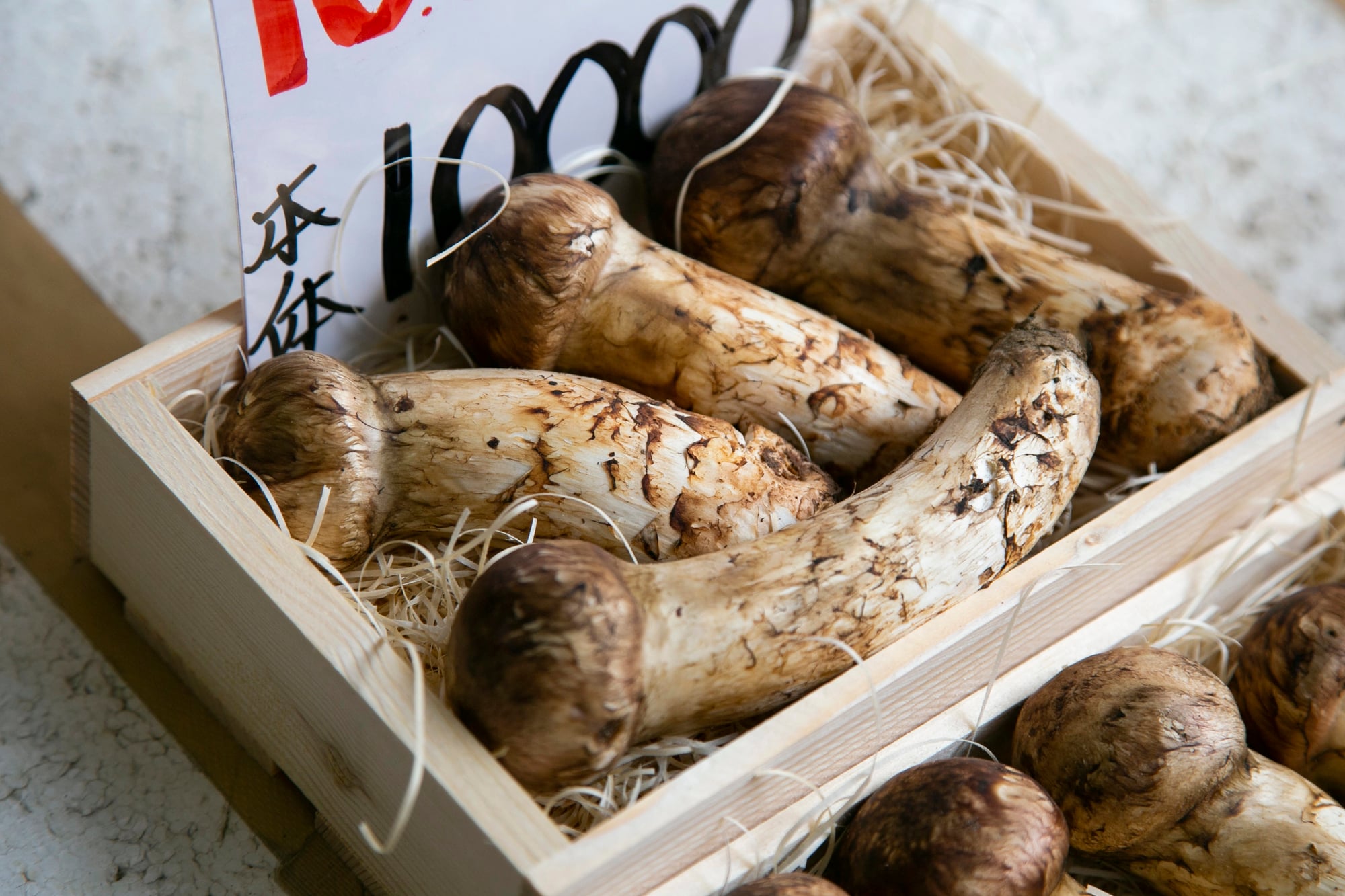
These mushrooms grow in Asia, hidden under specific trees in forests that are becoming harder to access. The relationship between the mushroom and its host tree is particular, and cultivation remains nearly impossible.
The season runs from September to November, and prices spike when typhoons or early snow damage the crop. In Japan, you’ll pay up to $1,000 per pound for the best specimens.
The aroma is spicy and pine-like, so strong it fills a room. They show up in traditional autumn dishes, prized for both flavor and cultural significance.
Finding them fresh outside of Asia takes serious effort and money.
Yubari King Melons

These melons grow in greenhouses in Hokkaido, Japan, under conditions more controlled than most hospital operating rooms. Each vine produces one melon, and farmers monitor temperature, humidity, and sunlight with precision.
The result is a perfectly round, orange fruit with flesh that’s supposed to be unmatched in sweetness. Two melons once sold at auction for $27,000.
Regular retail prices hover around $200 per melon. People give them as luxury gifts, and eating one is considered a special occasion.
Whether the taste justifies the price is debatable, but the craftsmanship behind growing them is undeniable.
Bluefin Tuna
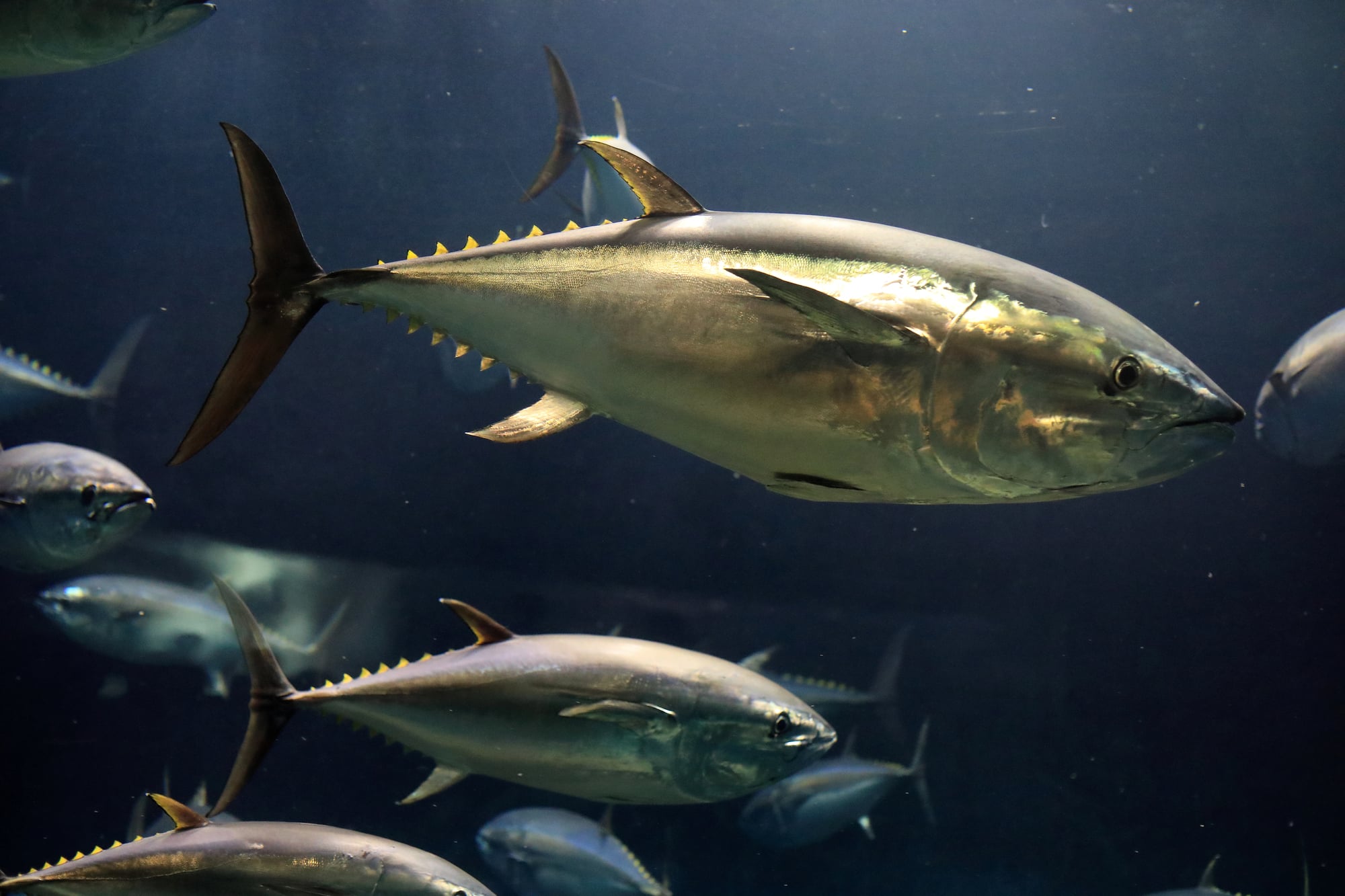
The largest bluefin tuna can weigh over 600 pounds, but overfishing has made them increasingly scarce. At Tokyo’s fish market, single fish have sold for over $3 million, though most don’t reach those absurd heights.
The fatty belly meat, called otoro, has a texture like butter and a rich, complex flavor. Even standard bluefin costs several hundred dollars per pound at wholesale.
Sushi restaurants feature it prominently, but conservation concerns hang over every bite. The demand continues despite the dwindling populations, keeping prices high and the future uncertain.
Bird’s Nest Soup

Swiftlets build their nests using saliva, creating small, delicate structures high on cave walls. Harvesting them is dangerous—collectors climb bamboo scaffolding in dark caves, sometimes falling to their deaths.
The nests get cleaned, removing feathers and debris, then sold to restaurants that turn them into soup. Prices range from $2,000 to $10,000 per kilogram, depending on the nest quality and color.
The soup itself is gelatinous and nearly tasteless, valued more for its supposed health benefits than flavor. Chinese culture has prized it for centuries, and that tradition keeps the market strong.
Spanish Ibérico Ham

Ibérico pigs roam oak forests in Spain, eating acorns and exercising freely. The best hams come from pure-bred pigs that feed exclusively on acorns during the montanera season.
After slaughter, the legs cure for two to four years in temperature-controlled rooms. A single leg of Jamón Ibérico de Bellota can cost $4,000 or more.
The meat is deep red, marbled with fat that tastes nutty from all those acorns. Thin slices melt on your tongue, releasing complex flavors that develop during the long curing process.
Cheaper hams exist, but they don’t compare.
Moose Cheese

Only one farm in Sweden produces moose cheese, and they do it in tiny quantities. The three moose on the farm produce milk for only a few months each year, yielding about 300 kilograms of cheese annually.
Milking a moose is exactly as difficult as it sounds. The cheese costs around $1,000 per kilogram when you can even find it.
It’s white, crumbly, and has a unique flavor profile that doesn’t quite match any other cheese. The extreme rarity, combined with the novelty, keeps this a collector’s item more than a serious culinary ingredient.
Escamoles

These ant larvae come from agave plants in Mexico, harvested from nests underground. The harvest happens once a year, and collectors face angry ants protecting their young.
The larvae look like tiny white grains, earning them the nickname “insect caviar.” You’ll pay about $500 per pound in Mexico, more if you find them elsewhere.
The flavor is buttery and nutty, with a texture similar to cottage cheese. Mexican cuisine has featured them for centuries, and they appear in tacos, omelets, and various traditional dishes.
The price reflects the labor-intensive harvest and limited season.
Densuke Watermelon

These black watermelons grow only on the island of Hokkaido, with fewer than 100 produced each year. The skin is so dark it’s almost black, and the flesh inside is supposed to be sweeter and crisper than regular watermelon.
Japanese farmers treat each one like a work of art. One sold at auction for $6,000, though typical prices range from $250 to $800.
People buy them as gifts or status symbols more than for eating. The exclusivity drives the price more than any radical difference in taste, but scarcity has always created value.
White Pearl Albino Caviar
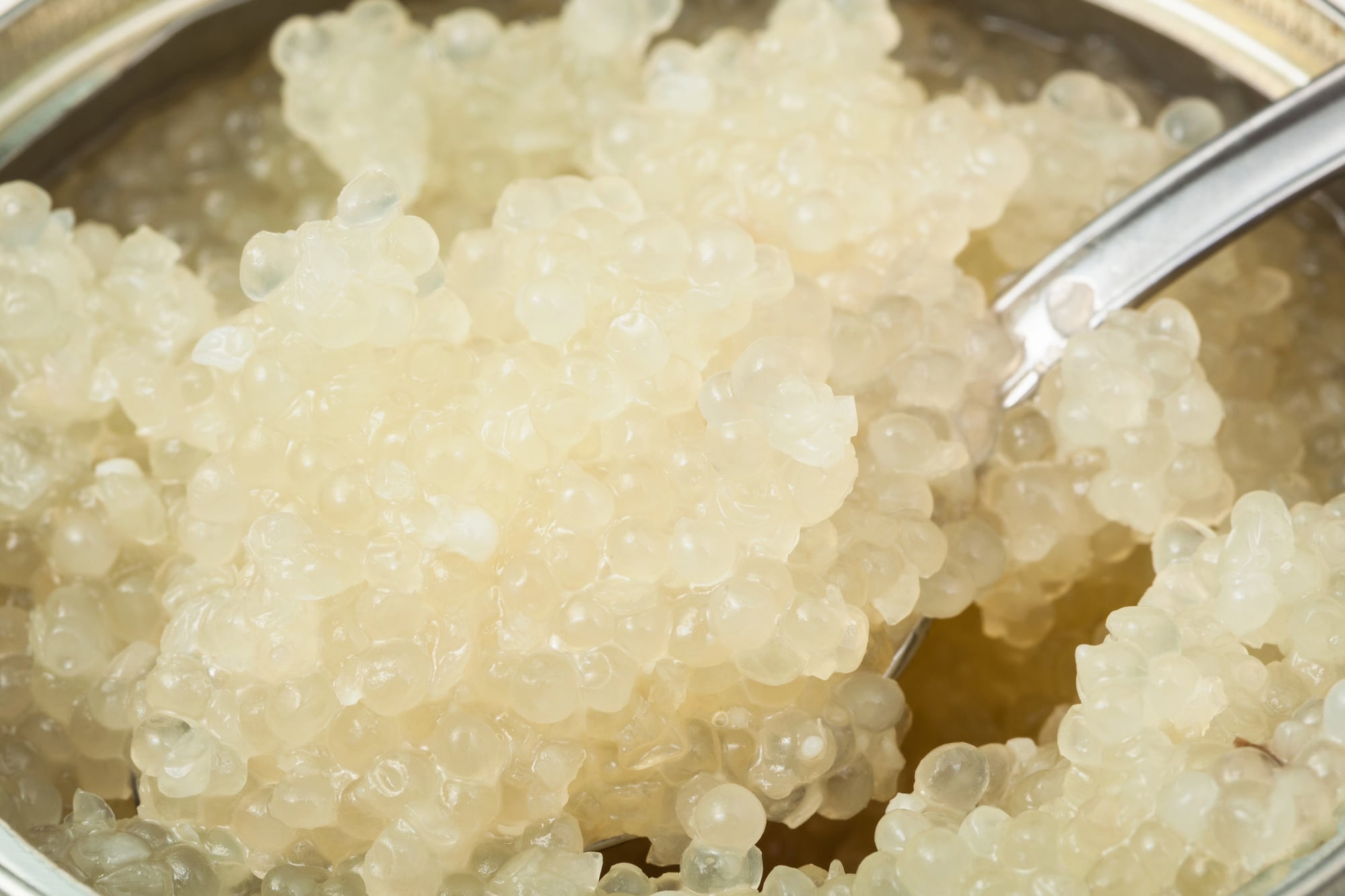
This comes from albino sturgeon that are rarer than the ones producing Almas caviar. The eggs are completely white, almost translucent, and the texture is delicate.
Only a handful of suppliers worldwide have access to these fish, and production quantities are minuscule. Prices can exceed $300,000 per kilogram for the most exclusive varieties.
A single tablespoon costs more than most people’s monthly food budget. At this level, the caviar stops being food and becomes something else entirely—a statement, a luxury item removed from normal eating experiences.
To-Bu Wagyu

Beyond costly Japanese Wagyu lies a rarer form – the To-Bu breed born in Hokkaido’s cold plains. Raised under stricter attention, these animals grow through meticulous feeding routines unlike others.
Their fat weaves deeper into muscle, creating patterns few can match. Each bite feels smoother, almost delicate, compared to regular rich beef.
Finding it? Nearly impossible – so tight is its supply. That tiny steak on your plate might set you back half a grand in certain fancy dining rooms.
Bids for rare cuts have even touched a thousand bucks just for one pound. What separates that meat from ordinary Wagyu isn’t always obvious at first glance.
Yet those hunting peak luxury tend to care deeply about slight variations others would miss. Experts behind the stove mostly say what drives up cost isn’t flavor leaping ahead – it’s how scarce it is, plus the shine of its name.
Price Reflects Performance

Something about these dishes sits where scarcity meets custom, tied to a hunger for things few ever get to try. Cost goes beyond flavor, yet flavor isn’t the main reason anyway.
To consume what others likely won’t, ever – that holds worth all on its own, apart from how it tastes. A few of these things earn praise.
Some thrive because they’re rare or well sold. Yet each turns dinner into a symbol, a rank, a tale.
It’s never only about the bite in front of you. The cost includes every step it took to land there.
More from Go2Tutors!

- The Romanov Crown Jewels and Their Tragic Fate
- 13 Historical Mysteries That Science Still Can’t Solve
- Famous Hoaxes That Fooled the World for Years
- 15 Child Stars with Tragic Adult Lives
- 16 Famous Jewelry Pieces in History
Like Go2Tutors’s content? Follow us on MSN.



