15 of the Most Pointless Cars Ever Produced
The automotive industry has given us countless masterpieces that changed how we move through the world. But for every groundbreaking vehicle that redefined transportation, there’s been another that left everyone scratching their heads, wondering what exactly the engineers were thinking.
Some cars failed because they were ahead of their time. Others failed because they were behind their time.
And then there are the ones that seemed to exist in no time at all — vehicles so baffling in their conception that they make you question the entire decision-making process that brought them to life. These aren’t just cars that sold poorly or had a few quirks.
These are automobiles that felt fundamentally unnecessary from the moment they rolled off the production line.
Pontiac Aztek
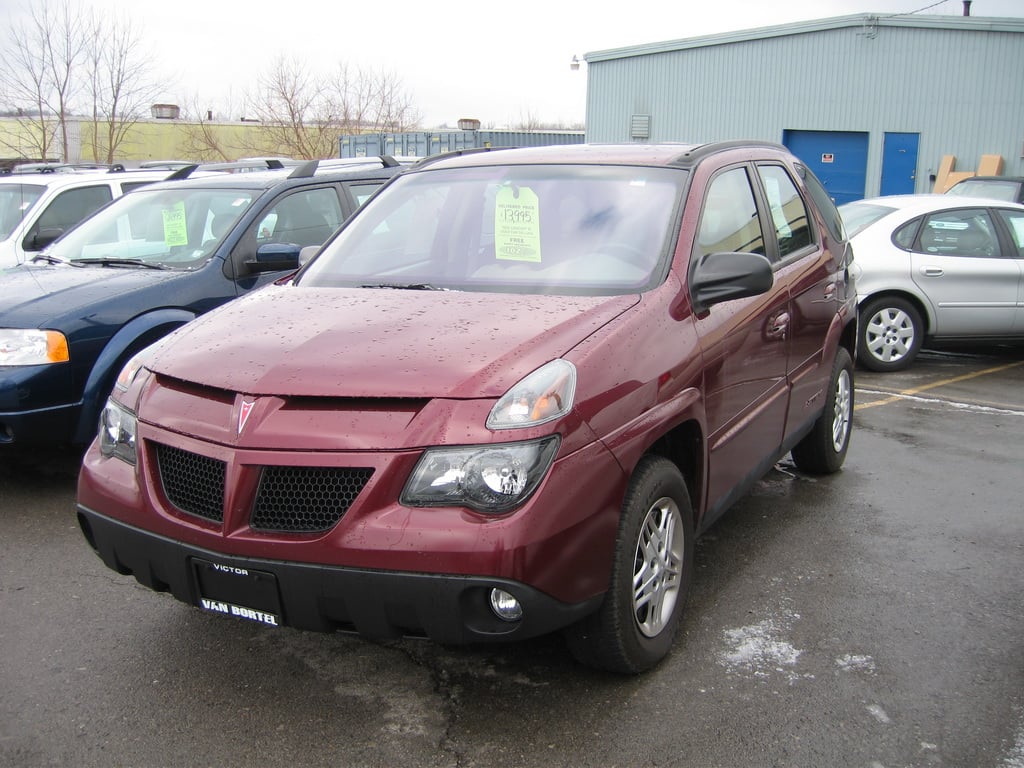
The Aztek became the poster child for automotive design disasters. Its angular, plastic-heavy body looked like someone had taken a minivan and hit it with a hammer until it gave up trying to be attractive.
The tent attachment for camping trips was a nice touch, but it couldn’t save a vehicle that managed to be both ugly and impractical at the same time.
Chrysler PT Cruiser
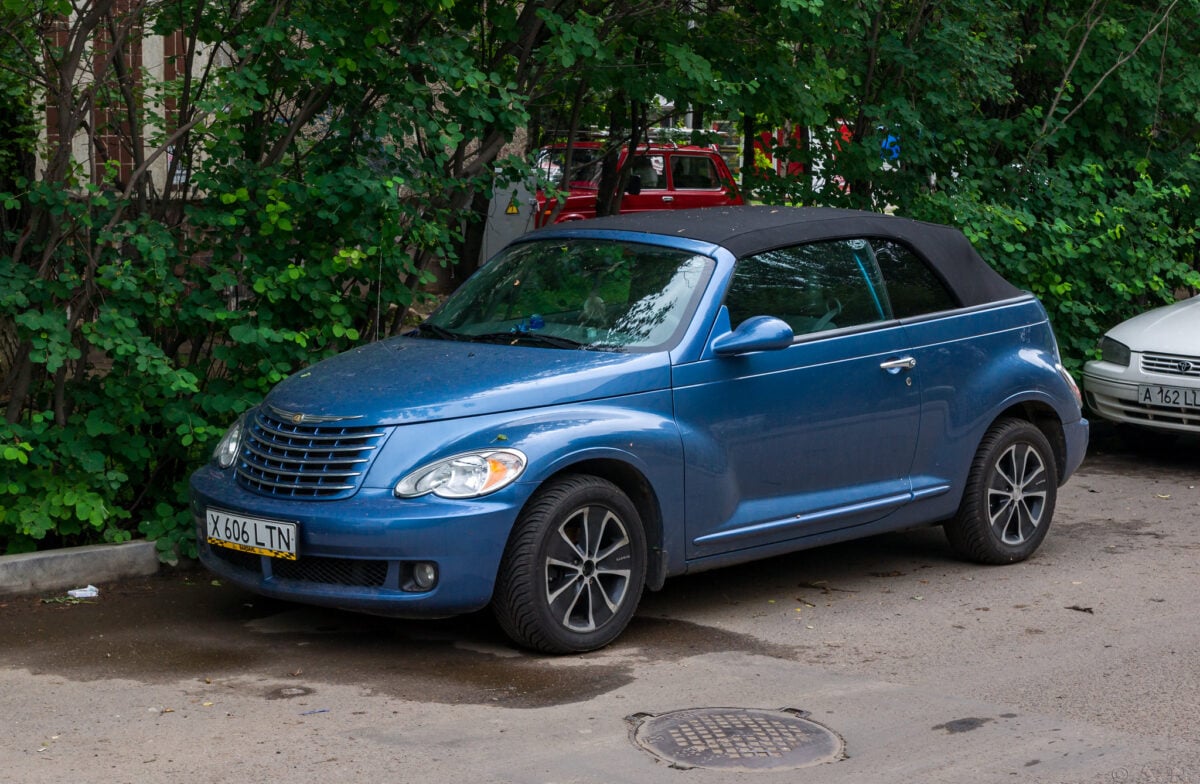
Here was a car that desperately wanted to be retro but couldn’t decide which decade it was trying to honor (and the result was a vehicle that looked like it had been designed by someone who had only heard descriptions of 1930s cars over a bad phone connection, never actually seen one). The PT Cruiser took the worst elements of both SUVs and sedans, somehow managing to be less practical than either while offering the driving experience of a shopping cart with delusions of grandeur.
And yet — because this is how the automotive world works — it sold reasonably well for a few years, which only proves that sometimes people will buy anything as long as it’s different enough from what everyone else is driving, even when different means objectively worse in nearly every measurable way.
Hummer H2
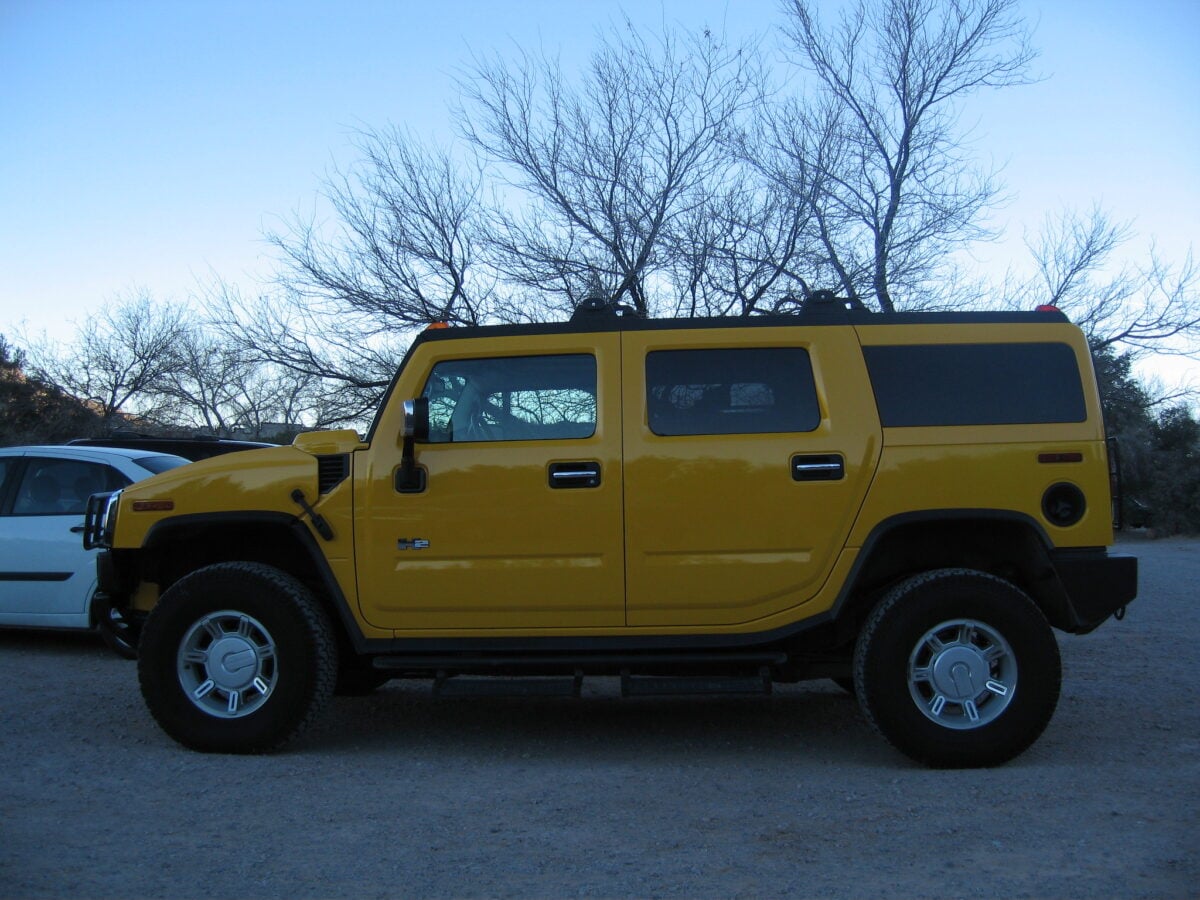
The H2 wanted to bring military vehicle aesthetics to suburban driveways. Like a bouncer wearing a tuxedo, it tried to soften its aggressive nature for civilian life but never quite figured out how to be both intimidating and practical.
The fuel economy made environmentalists weep, and parking it required the spatial reasoning skills of a geometry professor.
Smart ForTwo
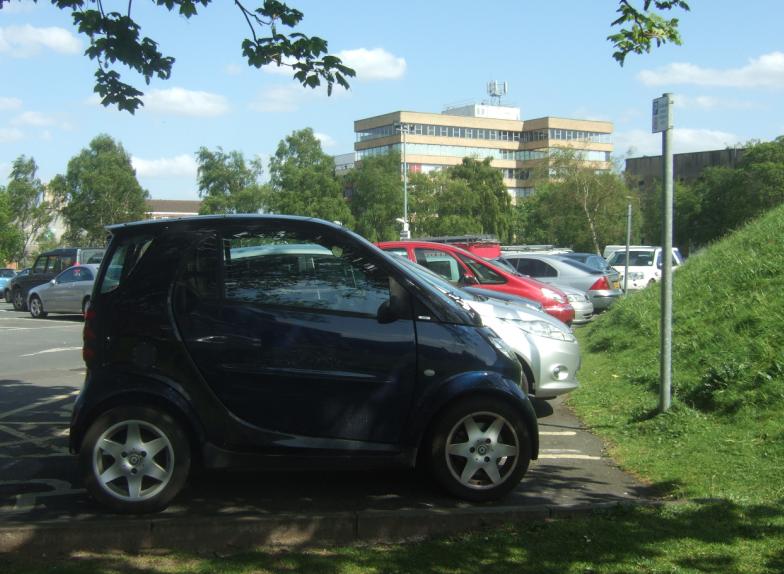
Smart took the radical approach of making a car so small that it could barely fit two people and their groceries (assuming those people were willing to hold the groceries on their laps and didn’t mind getting cozy with their passenger). The ForTwo was pitched as the perfect city car, but cities turned out to be full of highways where its tiny engine wheezed like an asthmatic hamster trying to keep up with traffic, and parking spaces that were actually big enough for real cars, making its one supposed advantage moot.
So it was too small for comfort, too slow for safety, and too weird for most people’s driveways. But at least it got good gas mileage — which was helpful, because you’d need to take a lot of trips to transport anything meaningful.
Cadillac Cimarron
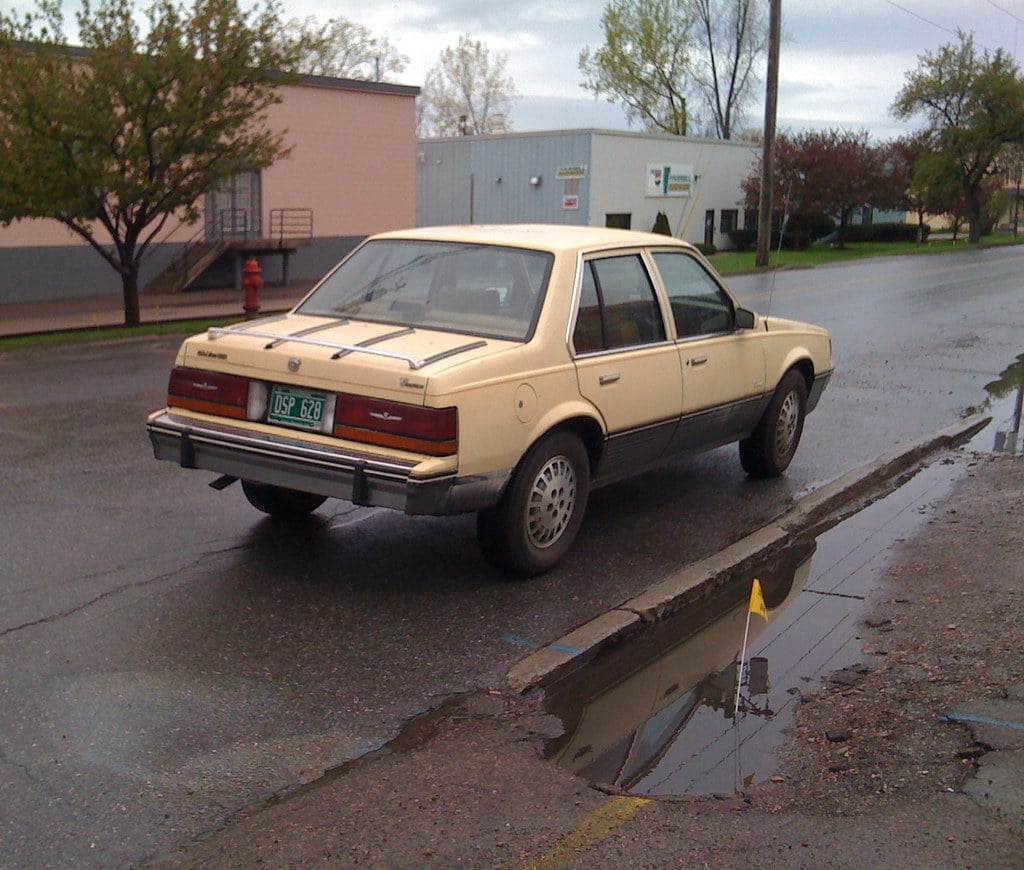
The Cimarron represented everything wrong with badge engineering. Cadillac took a basic Chevrolet Cavalier, added some leather seats and a higher price tag, then expected luxury car buyers to pretend they weren’t driving a dressed-up economy car. It fooled no one and damaged Cadillac’s reputation for years.
Plymouth Prowler

The Prowler looked like a hot rod that had been designed by someone who had only seen hot rods in comic books and assumed that looking fast was more important than actually being fast (which explains why this retro-styled speedster came with an automatic transmission and a V6 engine that produced all the excitement of a particularly energetic lawn mower). Plymouth spent enormous amounts of money creating a car that captured the aesthetic of 1930s street rods while somehow managing to miss everything that made those cars exciting to drive.
And the trunk — if you could call it that — had enough space for maybe a weekend bag, assuming that weekend involved staying somewhere that didn’t require a change of clothes. But hey, it looked cool parked outside the grocery store, which was apparently the point, even though most people who could afford its price tag already owned cars that were both faster and more practical.
Chevrolet SSR
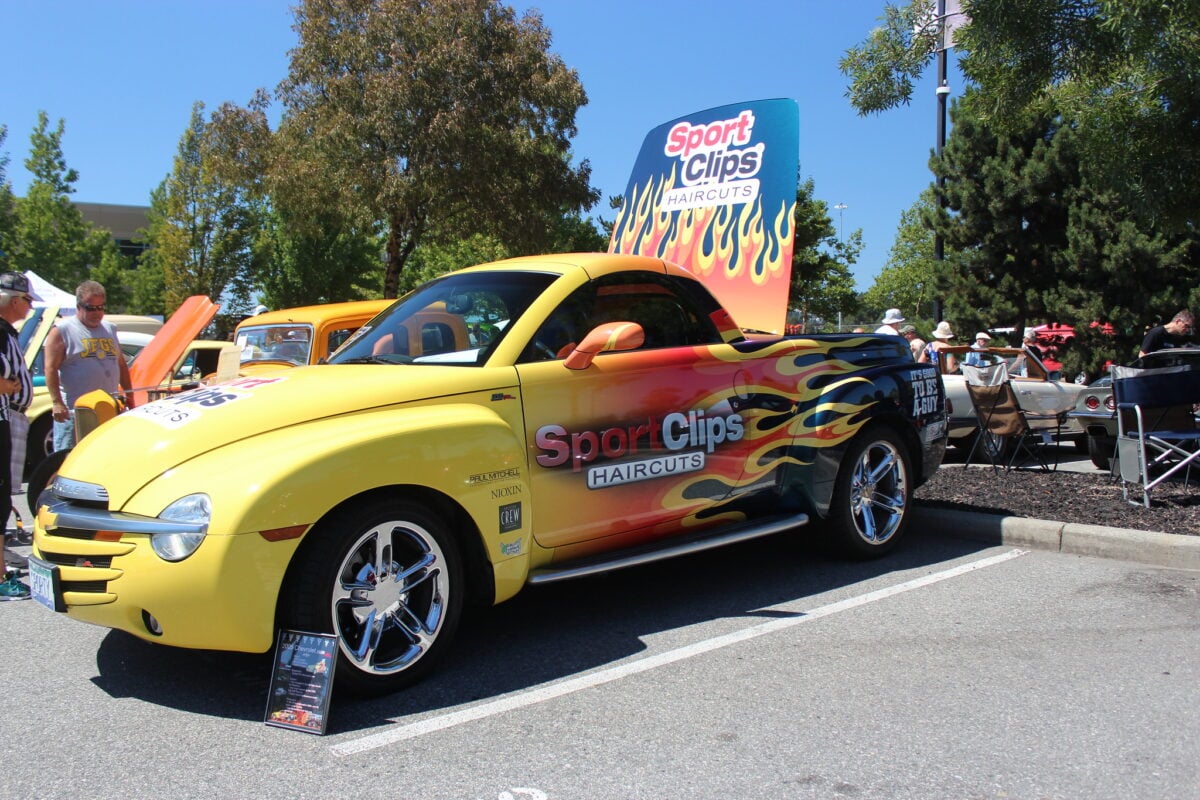
The SSR tried to be a pickup truck and a convertible sports car at the same time. This automotive identity crisis resulted in a vehicle that couldn’t haul anything meaningful in its tiny bed and couldn’t corner like a proper sports car because it weighed as much as a small building.
It pleased neither truck buyers nor sports car enthusiasts.
Lincoln Blackwood

Ford looked at the luxury truck market and decided what it really needed was a pickup truck with a carpeted bed that couldn’t actually carry anything dirty or useful (because apparently wealthy people wanted to pay truck prices for a vehicle that couldn’t do truck things, which turned out to be a miscalculation of spectacular proportions). The Blackwood lasted exactly one year in production, which was probably one year longer than anyone at Lincoln expected once they realized they’d created a truck for people who didn’t want a truck, marketed to people who wouldn’t buy a Lincoln.
And the bed — the entire reason pickup trucks exist — was lined with carpet and had a power tonneau cover that broke if you looked at it wrong, making it less useful for hauling than the trunk of most sedans.
Subaru Brat

Subaru created the Brat to exploit a trade loophole that classified it as a passenger vehicle rather than a truck. The solution was to bolt two plastic seats into the truck bed, facing backward, with no safety equipment whatsoever.
It was less a design choice than a regulatory hack that happened to involve human passengers.
Honda Ridgeline
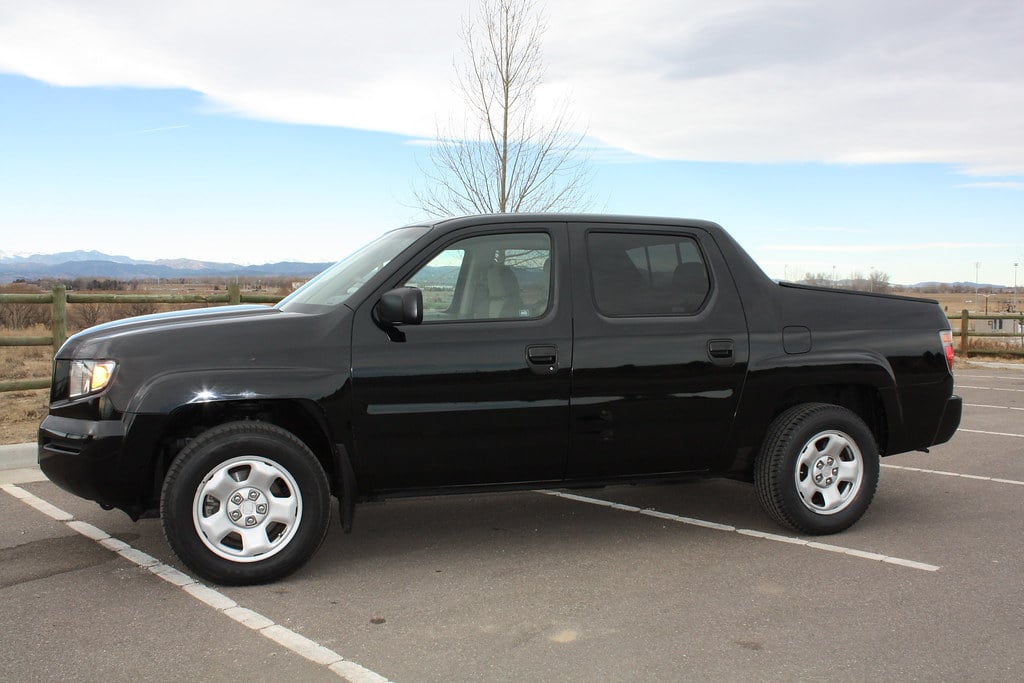
The first-generation Ridgeline tried to bring minivan sensibilities to truck buyers. Its unibody construction and car-like handling were admirable goals, but truck buyers wanted something that looked like it could survive a weekend of actual work.
The sloping bed sides and odd proportions made it look apologetic about being a truck.
Isuzu VehiCROSS

The VehiCROSS looked like a concept car that had accidentally been approved for production without anyone checking whether it made sense (and the answer, predictably, was that it didn’t make sense, not as an SUV, not as a sports car, not as anything except a very expensive way to confuse other drivers). Isuzu took legitimate off-road capability and wrapped it in a body that seemed designed to prompt questions rather than answer them.
And those recessed rear door handles — assuming you could find them — opened onto a back seat that had apparently been designed for people who had given up on leg circulation entirely. But it was certainly distinctive, which counts for something in a world full of sensible vehicles that people actually wanted to buy.
Chevy Avalanche
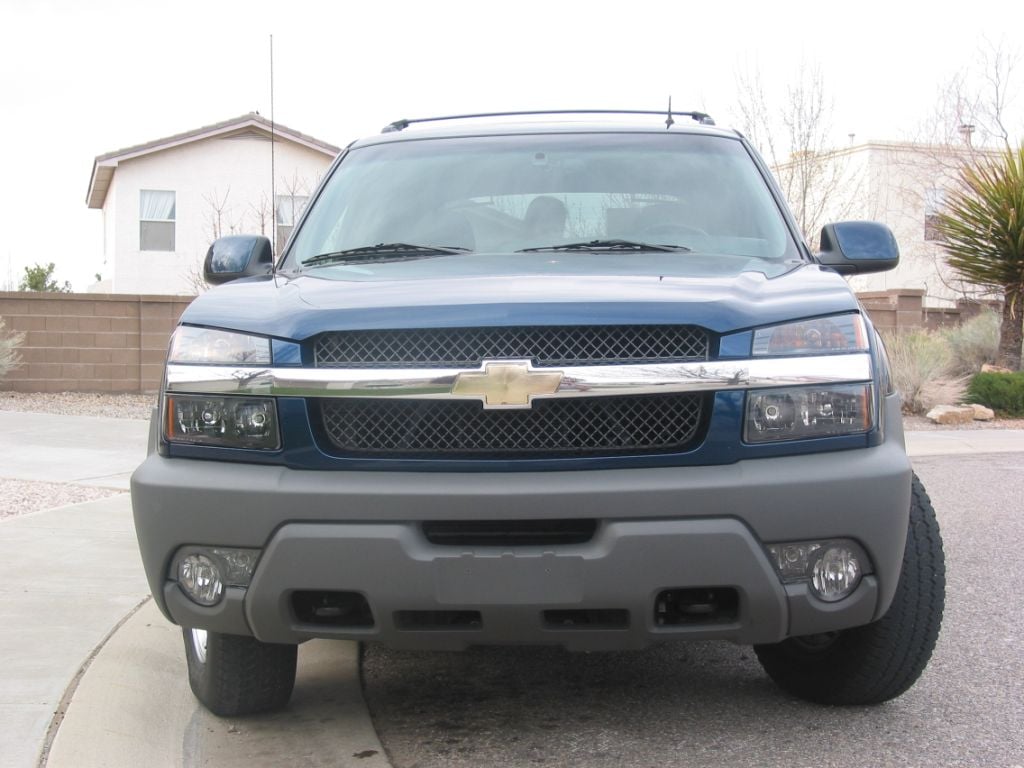
The Avalanche featured a “midgate” that could fold down to extend the bed into the cabin. This innovation solved a problem that approximately nobody had asked to be solved.
The result was a vehicle that was neither a proper SUV nor a useful pickup truck, but rather an expensive compromise that satisfied neither role particularly well.
Chrysler Crossfire
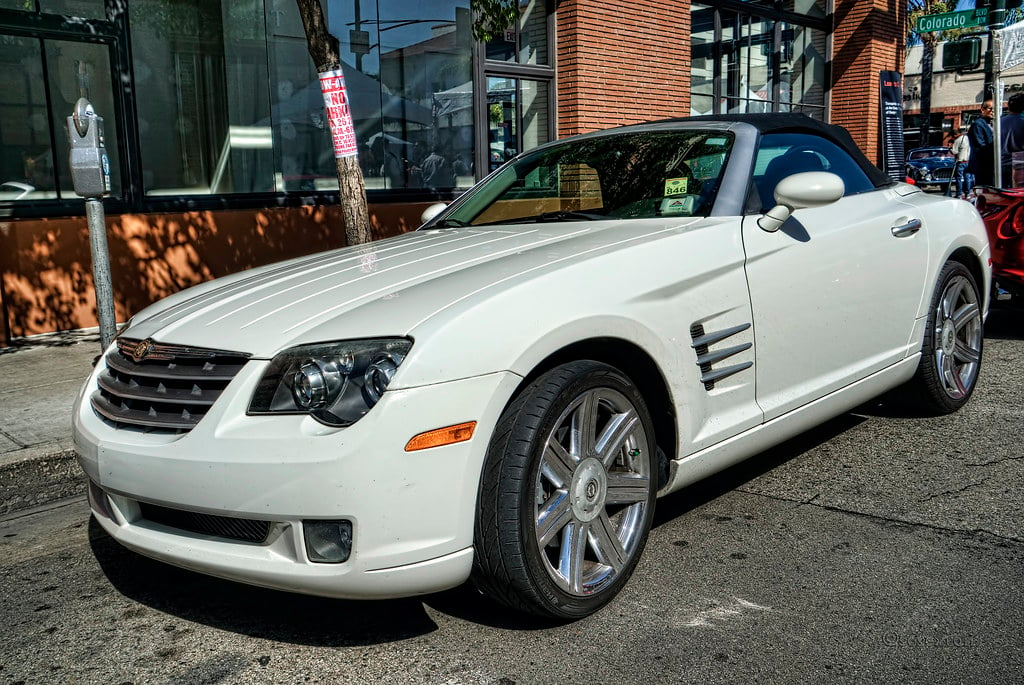
Mercedes-Benz supplied the mechanicals, Chrysler designed the body, and somehow the collaboration produced a sports car that looked fast but drove like a luxury sedan with commitment issues (which made sense once you realized it was basically a Mercedes SLK in an outfit it didn’t want to wear, engineered by people who seemed unclear about what sports cars were supposed to accomplish). The Crossfire had decent performance numbers on paper, but the driving experience felt like someone had taken all the fun parts of a sports car and replaced them with a very serious discussion about quarterly earnings.
And that rear window — positioned perfectly to ensure you’d need a periscope to see what was behind you — suggested that Chrysler’s designers had given up on the idea that drivers might want to change lanes without experiencing cardiac episodes.
Saturn Ion
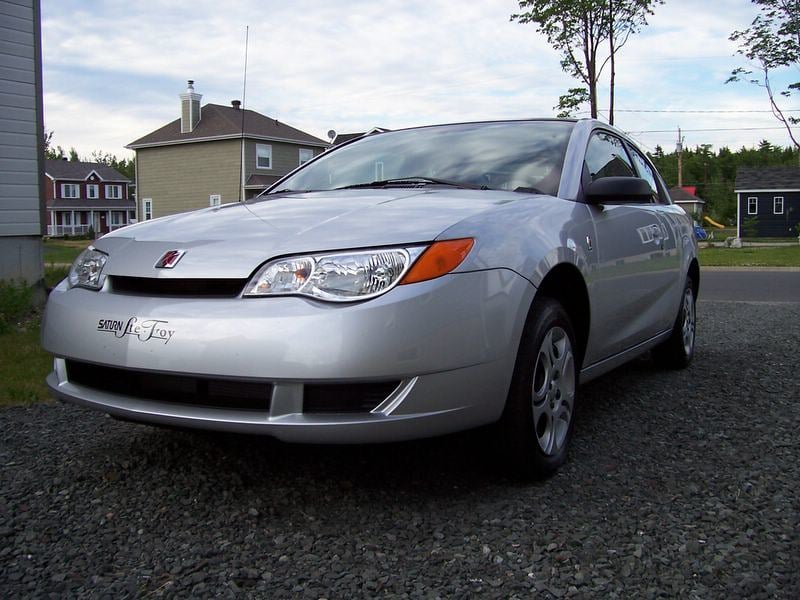
The Ion replaced the S-Series with a car that managed to be less distinctive, less reliable, and less appealing in every measurable way. Saturn’s whole identity was built on being different from other GM cars, so naturally they gave Ion the same platform as everything else and called it progress.
The dashboard looked like it had been designed by aliens who had never seen a car interior.
Pontiac Grand Am
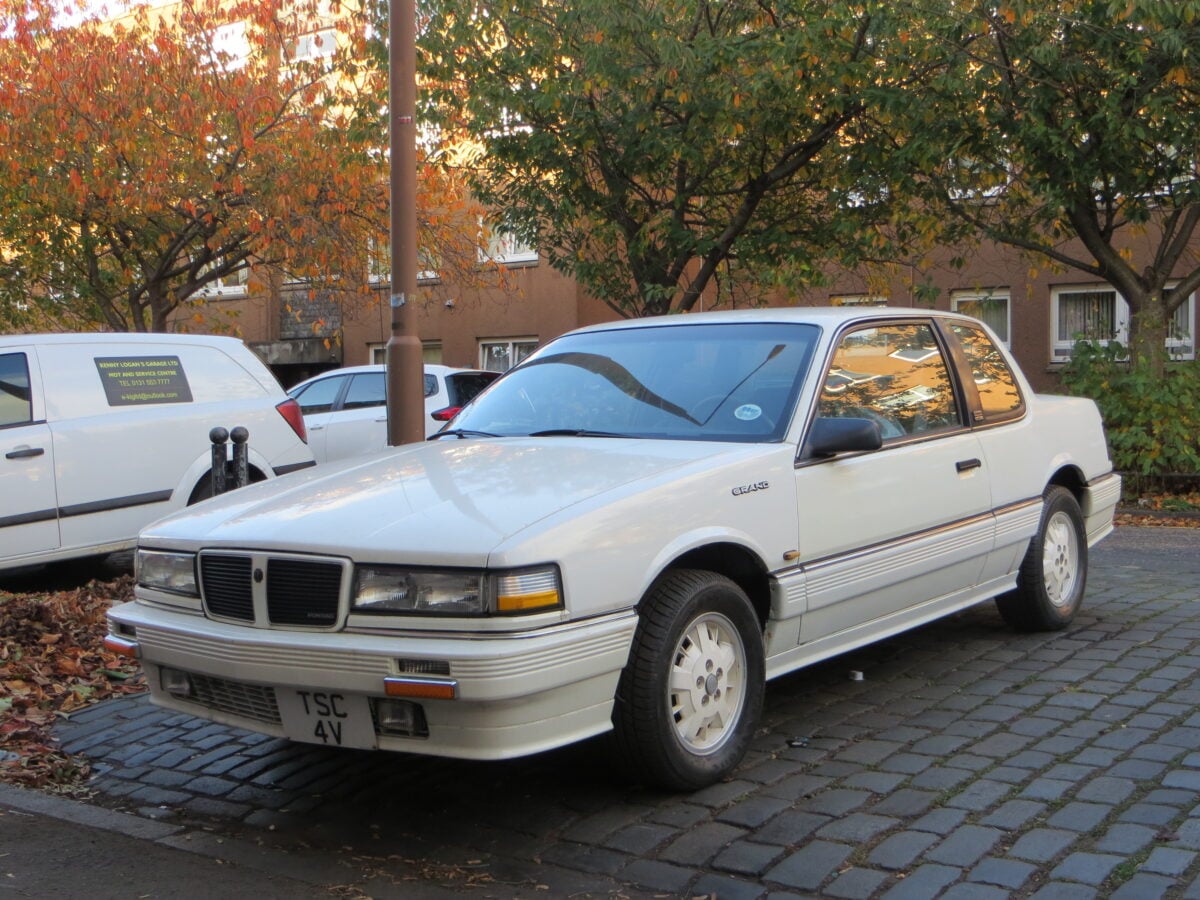
The Grand Am existed in various forms for decades, but never seemed to figure out what it wanted to be. It wasn’t sporty enough for enthusiasts, wasn’t reliable enough for practical buyers, and wasn’t cheap enough to compete with economy cars.
It just occupied dealership space and confused rental car customers who expected more from a car with “Grand” in its name.
Finding purpose in the purposeless

These automotive misfires serve as reminders that even massive corporations with unlimited resources and teams of engineers can sometimes produce something that makes you wonder if anyone involved in the process ever stopped to ask the simple question: “But why?” Each of these vehicles represents millions of dollars in development costs, countless hours of design work, and the sincere efforts of people who genuinely believed they were creating something the world needed.
That they were so thoroughly wrong doesn’t make them villains — just human beings who occasionally lose sight of the forest for the trees, or in this case, lose sight of transportation for the sake of innovation.
More from Go2Tutors!

- The Romanov Crown Jewels and Their Tragic Fate
- 13 Historical Mysteries That Science Still Can’t Solve
- Famous Hoaxes That Fooled the World for Years
- 15 Child Stars with Tragic Adult Lives
- 16 Famous Jewelry Pieces in History
Like Go2Tutors’s content? Follow us on MSN.