15 Most Iconic Movies of All Time
Some films just stick with you forever. They’re the ones people quote at dinner parties, reference in everyday conversations, and watch over and over without getting tired of them.
These aren’t just movies that made a lot of money or won fancy awards, though many did both. They’re the films that changed how people think about cinema itself.
Every generation has its classics, and the best ones keep finding new fans decades after they first hit theaters. Here are the films that earned their place in movie history.
The Godfather

Francis Ford Coppola turned Mario Puzo’s novel into a sprawling family saga that redefined gangster movies forever. Marlon Brando’s raspy-voiced performance as Don Vito Corleone became instantly legendary, and the film’s careful pacing lets viewers sink deep into the Corleone family’s world.
The movie doesn’t glorify violence but treats it as a tragic consequence of the characters’ choices. People still imitate Brando’s voice and quote lines about offers that can’t be refused, proving how deeply this 1972 film embedded itself in popular culture.
Casablanca

This World War II romance gave audiences everything they wanted: love, sacrifice, and unforgettable lines delivered by Humphrey Bogart and Ingrid Bergman. The film’s setting in a Moroccan nightclub during wartime creates constant tension, and the ending still gets people choked up today.
Director Michael Curtiz crafted a movie that works as both a thrilling drama and a meditation on doing the right thing when it costs everything. Released in 1942, it captured the mood of its time while telling a story that never gets old.
Star Wars

George Lucas created an entire universe that felt lived-in and real, even though it took place ‘a long time ago in a galaxy far, far away.’ The 1977 film combined old-fashioned adventure storytelling with groundbreaking special effects that made audiences believe they were watching actual spaceships zoom across the screen.
Kids who saw it in theaters grew up to show it to their own children, and then their grandchildren. The movie proved that science fiction could be fun, exciting, and emotionally powerful all at once, sparking a franchise that’s still going strong nearly five decades later.
Citizen Kane
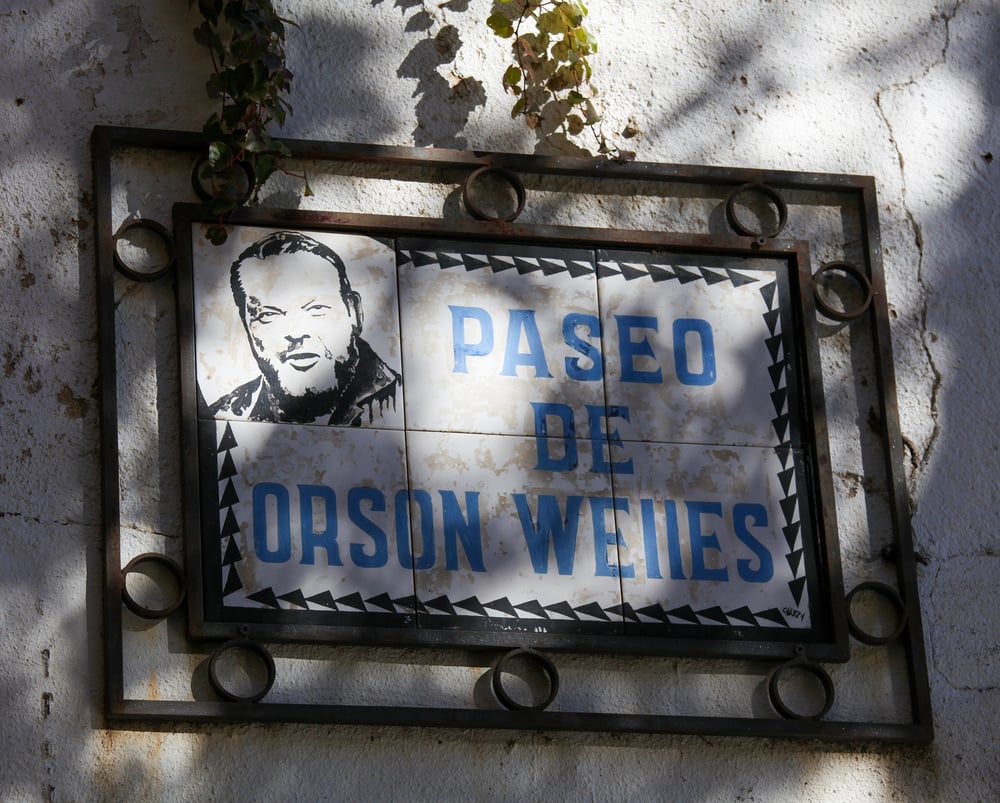
Orson Welles was only 25 when he made this film, and he broke just about every rule in the Hollywood playbook. The story of a newspaper tycoon’s rise and fall uses flashbacks, deep focus photography, and creative camera angles that other directors had never tried before.
Critics initially gave it mixed reviews, and it flopped at the box office in 1941. But film schools eventually recognized it as a masterclass in moviemaking technique, and its influence shows up in countless films that came after.
The Shawshank Redemption
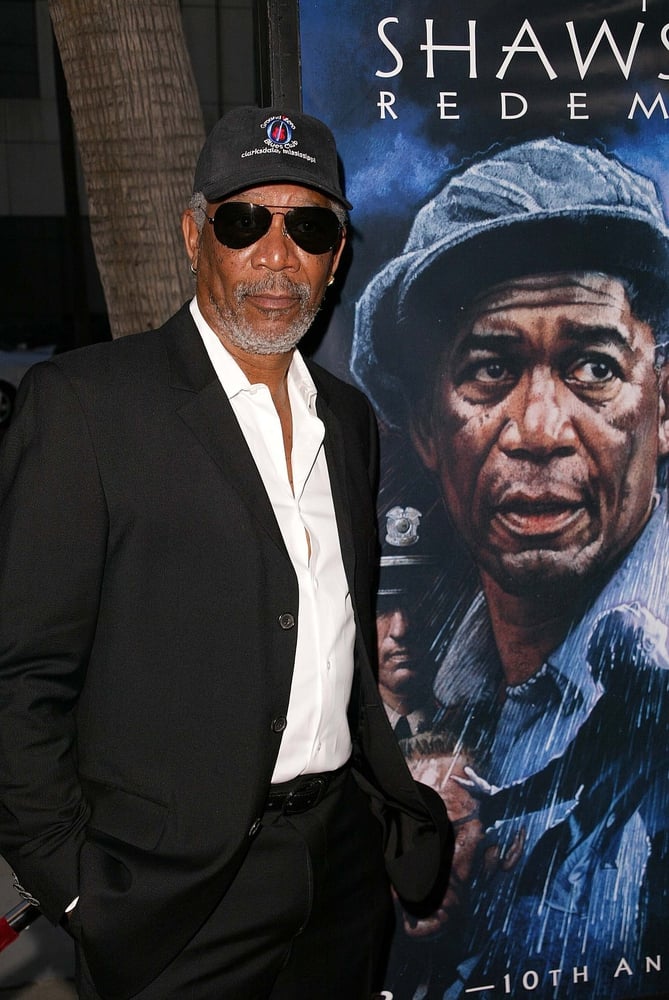
This prison drama barely made a ripple when it came out in 1994, but home video and cable TV turned it into one of the most beloved films ever made. Tim Robbins and Morgan Freeman play inmates who form an unlikely friendship over decades behind bars, and their performances feel completely genuine.
The movie takes its time building toward a finale that leaves viewers feeling genuinely uplifted. Director Frank Darabont adapted Stephen King’s novella with respect for both the source material and the audience’s intelligence.
Schindler’s List
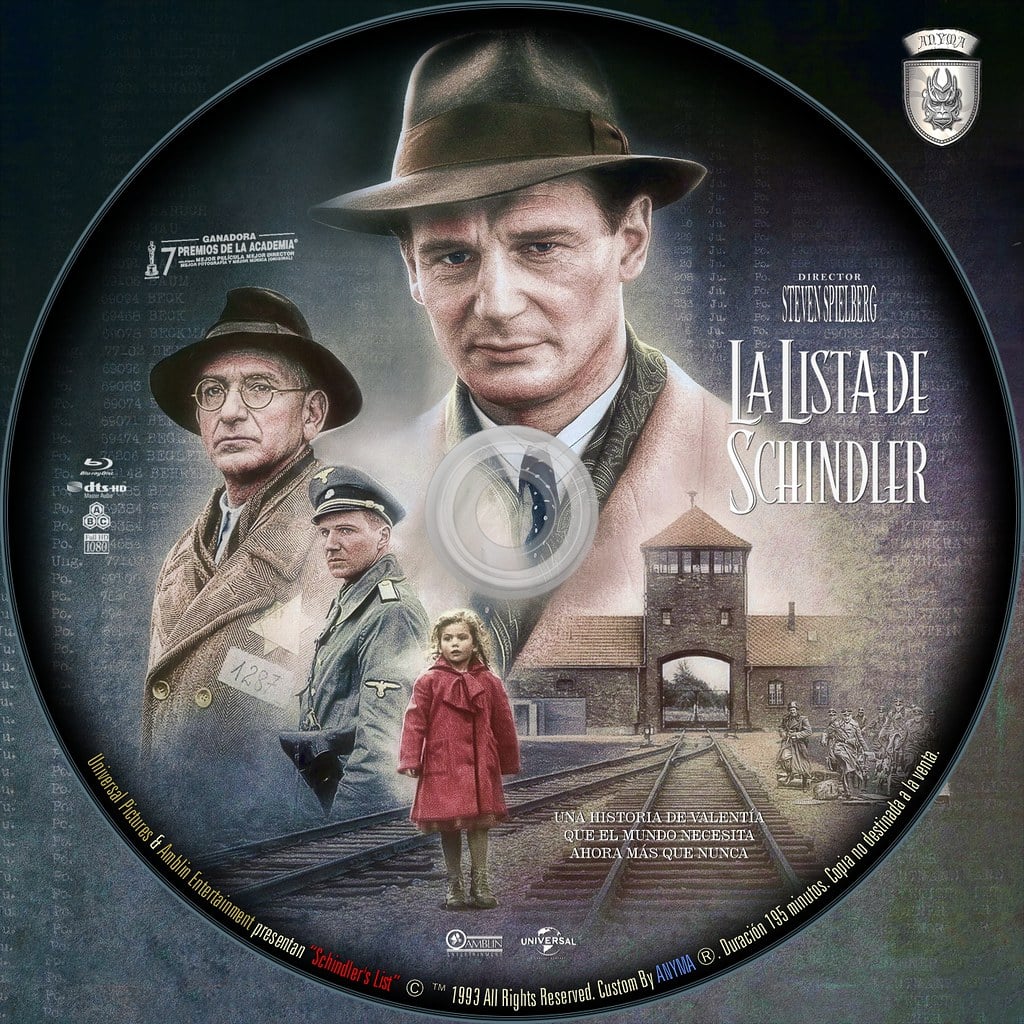
Steven Spielberg spent years preparing to tell this Holocaust story, knowing he needed to get it exactly right. The black-and-white cinematography gives the 1993 film a documentary feel, making the historical horrors hit even harder.
Liam Neeson plays Oskar Schindler, a German businessman who saved over a thousand Jewish lives during World War II. The movie doesn’t look away from the cruelty of the Nazi regime, but it also shows how individual acts of courage can make a real difference.
Spielberg donated all his personal profits from the film to Holocaust education efforts.
Pulp Fiction

Quentin Tarantino shuffled the timeline, filled the dialogue with pop culture references, and made violence both disturbing and darkly funny. The 1994 film follows several interconnected stories involving hitmen, boxers, and gangsters in Los Angeles, and viewers had to pay attention to piece together how everything fit.
John Travolta’s career got a massive second wind from his role as Vincent Vega. Tarantino proved that independent films could be just as entertaining and culturally significant as big-budget studio productions, inspiring countless filmmakers to take creative risks.
The Wizard of Oz
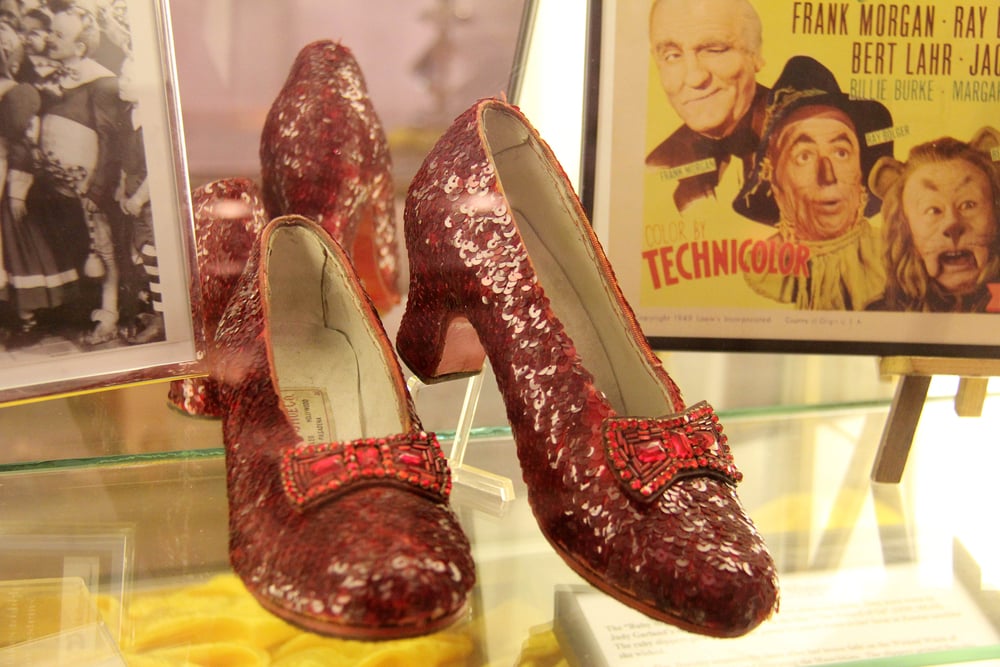
Dorothy’s journey over the rainbow has enchanted viewers since 1939, and the shift from sepia-toned Kansas to technicolor Oz still feels thrilling. Judy Garland was only 16 during filming, but her performance as Dorothy carries real emotional weight alongside the fantastical elements.
The movie flopped initially and only became a beloved classic after it started airing on television in the 1950s. Kids and adults both find something to love here, whether it’s the memorable songs, the creative costumes, or the simple message that sometimes home is exactly where you need to be.
Jaws

Steven Spielberg turned a malfunctioning mechanical shark into one of cinema’s greatest assets. The shark barely works, so Spielberg keeps it off screen for most of the 1975 film, building dread through John Williams’ iconic two-note theme and careful editing.
Roy Scheider, Richard Dreyfuss, and Robert Shaw play three very different men forced to work together to stop a great white shark terrorizing a beach town. The movie invented the summer blockbuster as we know it and made millions of people nervous about going into the ocean.
Gone with the Wind

This Civil War epic ran nearly four hours, cost a fortune to make, and became the biggest hit of 1939. Vivien Leigh plays Scarlett O’Hara, a Southern belle who refuses to let war, poverty, or social conventions stop her from surviving.
The film’s treatment of slavery and the Old South hasn’t aged well, and modern viewers rightly criticize its romanticized view of the Confederacy. But its technical achievements, sweeping scope, and memorable performances keep it relevant as a piece of film history that sparked important conversations about how Hollywood portrays the past.
2001: A Space Odyssey
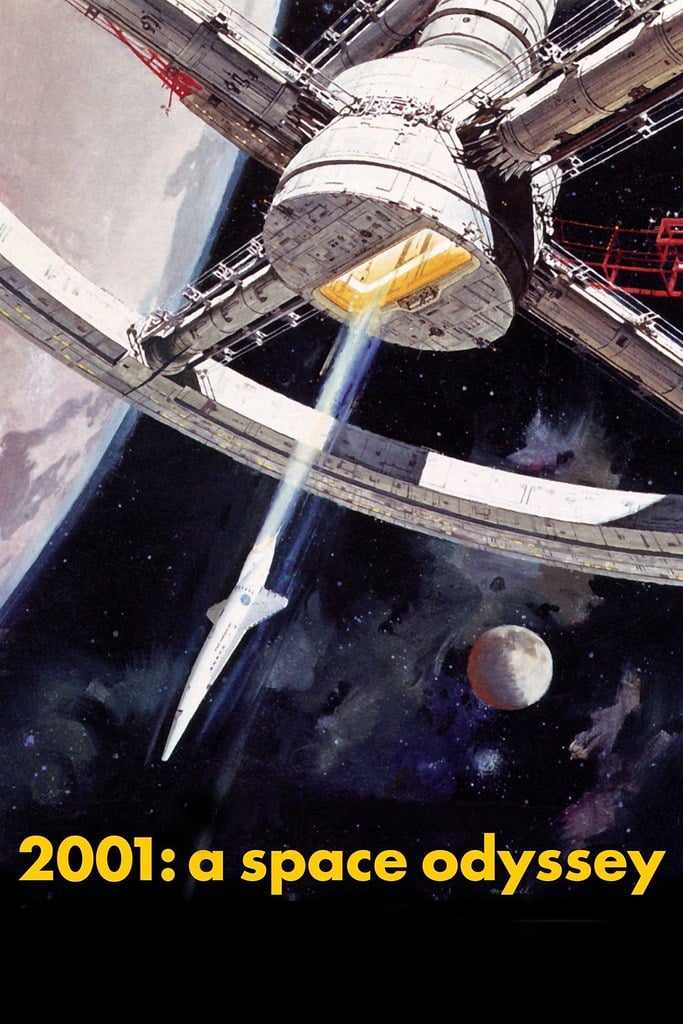
Stanley Kubrick’s 1968 science fiction film confused plenty of viewers when it first came out, and it still divides audiences today. The movie jumps from prehistoric apes to astronauts to psychedelic light shows, trusting viewers to make their own connections.
HAL 9000, the ship’s computer, became one of cinema’s most chilling villains despite being just a red light and a calm voice. Kubrick cared more about creating unforgettable images and raising big questions about human evolution than explaining every plot point, and that ambition makes the film endlessly rewatchable.
Psycho

Alfred Hitchcock killed off his biggest star halfway through this 1960 thriller, shocking audiences who thought they knew where the story was headed. The shower scene became the most famous murder in movie history, proving that suggestion and clever editing can be scarier than graphic violence.
Anthony Perkins plays Norman Bates with such nervous energy that viewers can’t help feeling sorry for him even as they realize how disturbed he is. Hitchcock shot the film quickly with a television crew to keep costs down, and the scrappy production gave it a raw intensity that big-budget horror films often lack.
Forrest Gump

Tom Hanks plays a simple man who stumbles through major historical events while maintaining an unshakeable optimism about life. The 1994 film uses cutting-edge digital effects to insert Forrest into actual historical footage, making him shake hands with presidents and appear at famous moments.
Some critics complained that the movie’s view of recent American history was too simplistic, but audiences connected with Forrest’s genuine kindness and the film’s emotional honesty. The box of chocolates metaphor became instantly famous, even if people sometimes misquote the actual line.
The Sound of Music

Julie Andrews leads the von Trapp family through the Austrian Alps while singing songs that everyone knows by heart. This 1965 musical runs over three hours, but the time flies by thanks to memorable tunes, beautiful scenery, and a story that balances sweetness with genuine stakes.
The real von Trapp family’s escape from Nazi-occupied Austria gets slightly altered for Hollywood, but the core truth remains. Families still gather to watch this film together, and many people can recite entire scenes from memory despite having first seen it decades ago.
E.T. the Extra-Terrestrial
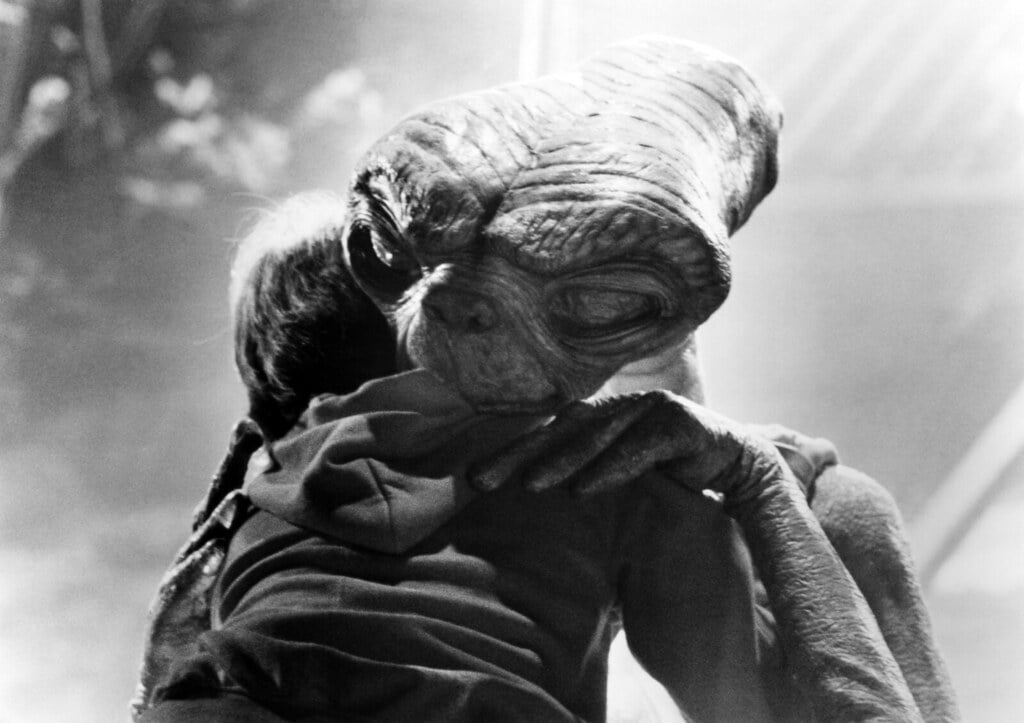
Steven Spielberg captured childhood wonder better than almost any director, and this 1982 film about a boy befriending an alien showcases his talent perfectly. The movie makes you believe that a weird-looking creature voiced by an elderly woman could be adorable and sympathetic.
John Williams’ score swells at just the right moments, and the flying bicycle silhouetted against the moon became an instant cultural icon. Spielberg drew on his own childhood loneliness to create something that speaks to anyone who ever felt like an outsider looking for connection.
Where Cinema Keeps Growing

These fifteen films shaped how people think about movies, but new classics keep emerging with each passing year. What made these particular films iconic wasn’t just their quality, though they’re all brilliantly made.
They captured something true about human experience and presented it in ways that stuck with viewers long after the credits rolled. The best movies don’t just entertain us for a couple of hours; they become part of how we see the world and talk about our lives.
More from Go2Tutors!

- The Romanov Crown Jewels and Their Tragic Fate
- 13 Historical Mysteries That Science Still Can’t Solve
- Famous Hoaxes That Fooled the World for Years
- 15 Child Stars with Tragic Adult Lives
- 16 Famous Jewelry Pieces in History
Like Go2Tutors’s content? Follow us on MSN.



