Concert Memorabilia That Became Collector’s Items
Walking into a record store and stumbling across a concert poster from a show you missed twenty years ago hits differently. The colors have faded a bit, the edges show wear, but there it sits—proof that something special happened, and you weren’t there.
That’s when the collecting bug bites. Concert memorabilia turns ordinary fans into hunters, searching for pieces of performances they attended or wish they had.
Some items started as throwaway souvenirs. Nobody thought much about keeping a ticket stub or grabbing a setlist from the stage floor.
Now those same pieces sell for hundreds or thousands of dollars. The transformation happens quietly.
A band breaks up, a venue closes, an artist dies, and suddenly everyone wants proof they were part of it.
Original Pressing Vinyl from Debut Tours

The records bands sold at their first tours tell a different story than later pressings. These versions often came with hand-numbered sleeves or were pressed in limited quantities at regional plants.
The Ramones sold their debut album at CBGB shows in quantities so small that finding a copy from those early batches now costs more than most people’s monthly rent. The vinyl itself sounds rawer too—mastered before studios smoothed out the rough edges.
Collectors chase these because they represent a band before fame changed everything. The packaging shows a scrappier aesthetic, sometimes with spelling errors or low-budget artwork that got fixed in later versions.
A first pressing from a tour stop in a college town might have only a few hundred copies in circulation. That scarcity drives values up, but the real appeal comes from owning music in its most unpolished form.
Signed Setlists
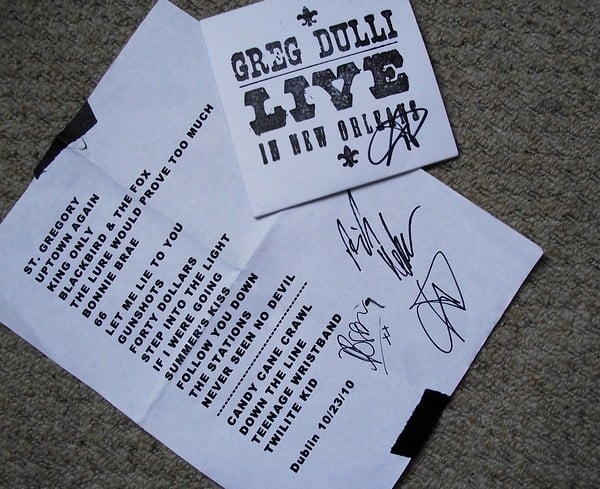
Bands tape their setlists to the stage floor or to monitor speakers. When the show ends, someone peels them off and takes them home.
Getting one signed turns a functional document into something worth keeping. The handwriting varies—some setlists show last-minute song swaps scrawled in Sharpie, others have jokes or inside references written in the margins.
Values climb when the setlist comes from a legendary show. A signed setlist from Nirvana’s MTV Unplugged taping or Prince’s First Avenue residency carries weight that a random Tuesday night at a casino doesn’t.
The list itself tells you what the band played, and the signature confirms someone in the band touched it. That combination makes these desirable.
Tour Merchandise from Legendary Runs

Tour shirts from specific runs become instant classics. The designs capture a moment—the aesthetic the band chose, the cities they hit, the year everything happened.
A shirt from The Rolling Stones’ Steel Wheels tour or Madonna’s Blonde Ambition run says more than just “I like this band.” It says “I was there during this specific chapter.”
Vintage tour merch has to be authentic, which gets tricky. Bootleggers made fake versions even back then, and modern reproductions flood the market.
Real shirts from the eighties have specific tags, print quality, and fabric that experts can identify. A mint condition original from a major tour can fetch several hundred dollars.
Worn ones with faded graphics and tears still sell because they look lived-in and real.
Backstage Passes

The laminated rectangles that got you past security now hang in frames. Each pass design was unique to a specific tour or even a single show.
The graphics ranged from elaborate artwork to simple text on colored paper. Having one means you were supposed to be somewhere most people couldn’t go.
After-show passes, all-access laminates, and crew badges each carry different values. An all-access pass from David Bowie’s Glass Spider tour or a backstage pass from Woodstock ’94 represents access to history.
Some collectors focus on passes from one artist across multiple tours, building a timeline through plastic and paper. Others want passes from specific venues during their heyday.
The unused ones in perfect condition are worth less than the beat-up versions that clearly went through a tour. Scuffs and wear prove authenticity.
A pass that looks like it spent three months clipped to someone’s belt loop tells a better story than one that sat in a drawer.
Concert Posters from Iconic Venues

Venues commissioned posters for major shows, and artists created designs that matched the music. The Fillmore in San Francisco produced psychedelic posters in the sixties that now sell for thousands.
These weren’t advertisements—they were art. The same thing happened at other legendary rooms.
A poster from The Stone Pony, The Troubadour, or CBGB carries the venue’s history along with the artist’s. Modern screen-printed posters by specific artists have become collectible too.
Concert poster artists like Emek, Ames Bros, and Todd Slater built followings. Fans line up hours before shows to buy their limited-edition prints.
These posters get numbered, signed, and often sell out before the band takes the stage. The value depends on the show, the venue, the artist who designed it, and the condition.
A poster that hung in someone’s dorm room with thumbtack pits and sun damage won’t fetch the same price as one stored flat in archival sleeves.
Ticket Stubs from Historic Shows
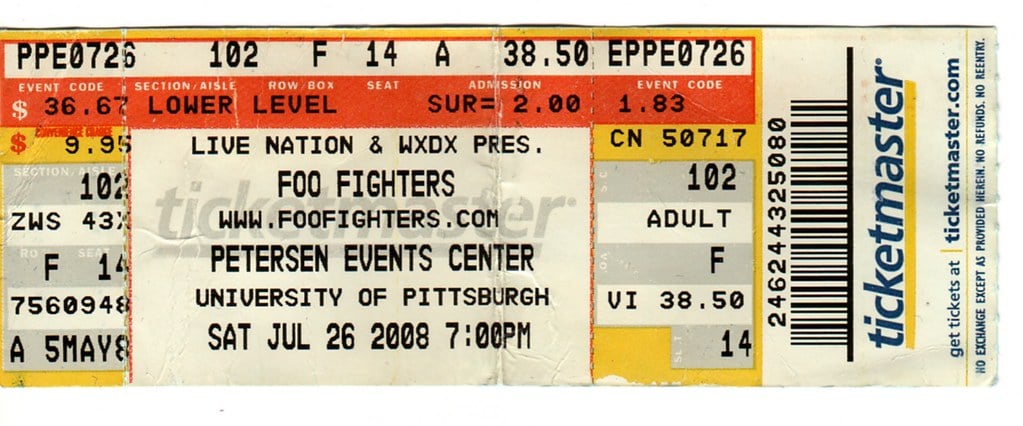
You tear the ticket in half at the door and stuff the stub in your pocket. Most people throw them away.
Some keep them in shoeboxes. A few frame them.
When the show becomes legendary, that stub becomes proof you were there. The Beatles at Shea Stadium, Led Zeppelin at Madison Square Garden, Jimi Hendrix at Monterey Pop—these stubs tell stories.
Digital ticketing killed the physical stub, which makes older ones more valuable. You can’t screenshot your way into a collection.
The stub has to be paper, ideally with minimal damage and the date printed clearly. Stubs from final performances or farewell tours command premium prices.
So do stubs from shows where something unexpected happened—a surprise guest, a stage collapse, a historic announcement.
Collectors want context. A stub alone is good.
A stub with a photo from the show, a t-shirt, and a program creates a display. The ticket proves attendance, and everything else fills in the story.
Guitar Picks

A tiny piece of plastic worth pennies becomes valuable when a famous guitarist throws it into the crowd. Catching a pick feels like a small victory.
Keeping it for decades turns it into memorabilia. Some musicians use custom picks with their name or logo printed on them, which makes authentication easier.
The challenge with picks is proving authenticity. Anyone can print a logo on a pick.
Without documentation—a photo of the guitarist throwing it, a video from the show, or some other proof—the pick might be real or might be a replica someone bought online. That uncertainty keeps values lower than other memorabilia unless the pick comes with strong provenance.
Musicians who died young or stopped touring see their picks increase in value. A pick from Stevie Ray Vaughan or Kurt Cobain carries more weight than one from an active artist who throws hundreds into crowds every night.
Scarcity matters. So does the story behind how you got it.
Drumsticks and Drum Heads

Drummers toss sticks into the crowd too, but they also sign them before shows. A used drumstick with visible wear and the drummer’s signature becomes a keeper.
The best ones show real use—chipped tips, tape residue, markings that prove someone played with them for weeks before giving them away.
Drum heads from famous kits take this further. The clear or white drum heads sit at the front of the bass drum where everyone can see them.
Bands often have graphics printed on them or write on them after shows. When the tour ends, the drum tech takes them down and sells them or gives them to crew members.
Finding one with signatures from the whole band makes it special. These items appeal to drummers especially, but collectors want them regardless of whether they play.
A drum head from The Who or Led Zeppelin carries history. The heads got beaten for hours every night, absorbed sweat and energy, and survived the chaos.
That makes them more than just band merch.
Stage-Worn Clothing

Musicians leave clothes backstage or give them to crew members after shows. Sometimes they auction them for charity.
These pieces—jackets, hats, shoes, scarves—become highly sought after because the artist actually wore them onstage. A jacket Kurt Cobain wore during a performance or a scarf Stevie Nicks twirled around isn’t just clothing.
It’s part of the show. Authentication matters more here than with almost any other memorabilia.
Photos from the concert showing the artist in that specific item provide proof. Auction houses require documentation before selling stage-worn pieces.
Without it, the clothing is just vintage, not historic. Values vary wildly.
A leather jacket from a famous photoshoot might sell for tens of thousands. A regular shirt worn during a lesser-known tour might bring in a few hundred.
The artist’s fame, the item’s condition, and how iconic the performance was all factor into the price.
Tour Laminates
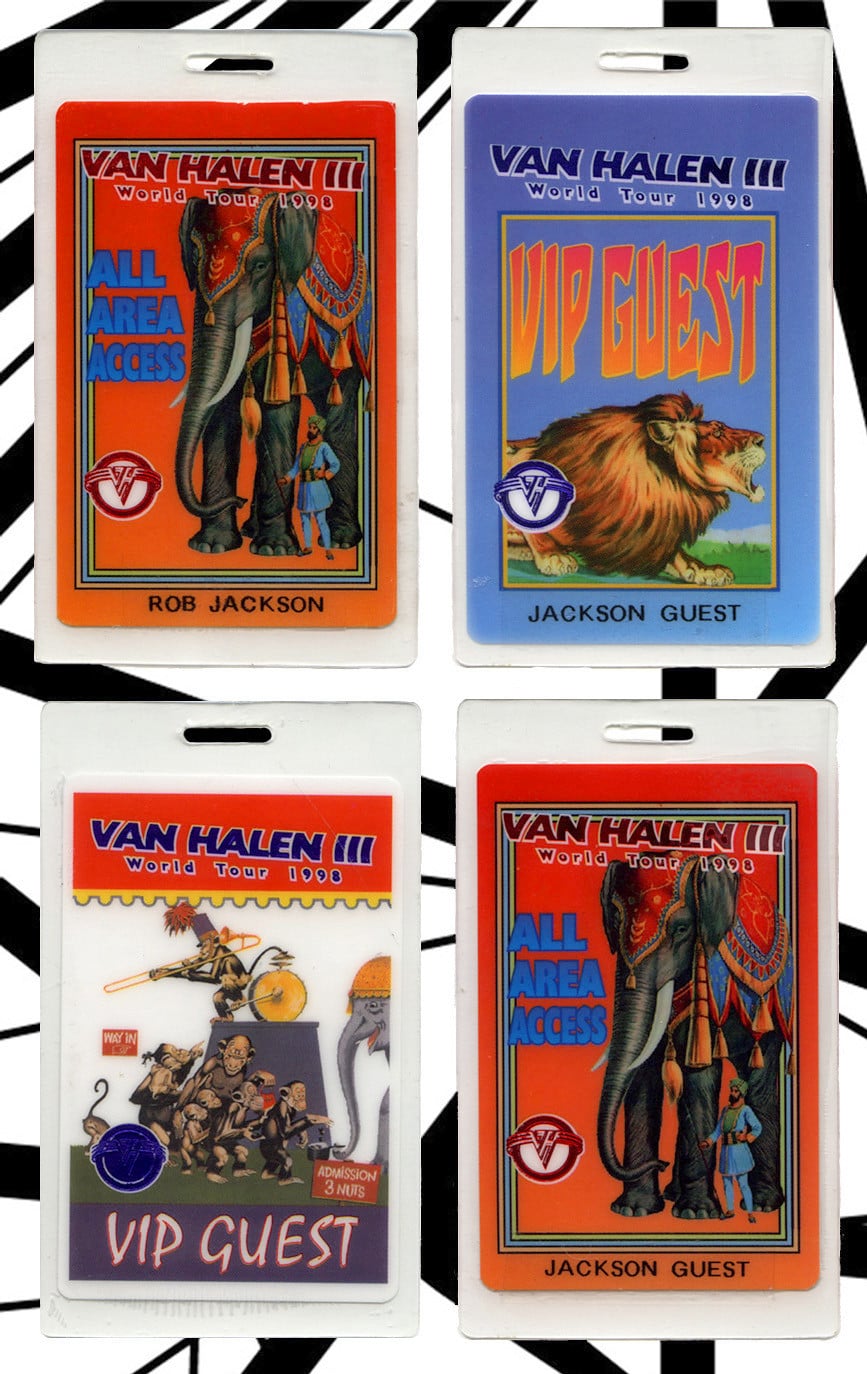
Tour laminates differ from backstage passes because they stay with crew members and band entourages for entire tours. These laminated passes got clipped to belt loops and survived months of shows, travel, and chaos.
Each tour had its own design, and sometimes different roles got different laminates—crew, guest, VIP, family. Collectors prize these because they’re rarer than single-show passes.
A crew laminate from a world tour shows someone worked that whole run. Some laminates include tour dates on the back or special holographic features to prevent counterfeiting.
The wear on a laminate tells you how much it got used. A pristine one suggests it never left a drawer.
A beat-up one clearly went everywhere. Musicians and crew sometimes keep their laminates and sell them years later when they need money or want to downsize.
Others end up in estate sales or donated to charity auctions. Finding them requires patience and connections within the music industry.
Concert Programs

Thick glossy programs sold at arena shows in the seventies and eighties contained photos, interviews, and tour information. They cost a few dollars at the merch table, and most people flipped through them once and forgot about them.
Programs from major tours by artists like Michael Jackson, Madonna, or U2 now sell for solid money if they’re in good condition. The programs documented the tour with professional photography and gave fans something to read while waiting for the opening act.
They also included advertisements, which now serve as time capsules for what sponsors paid to reach concert audiences. A program from The Rolling Stones’ 1981 tour shows which brands wanted association with rock music back then.
Like posters, condition drives value. Programs that got rolled up, stuffed in bags, and splashed with drinks aren’t worth much.
Ones kept flat and clean command better prices. The bigger and more elaborate the program, the more collectible it becomes.
Simple photocopied booklets from small venue shows matter less than hardbound programs from stadium tours.
Autographed Albums

Getting an album signed at a show creates a unique item. The artist’s signature on the cover transforms a mass-produced record into something personal.
Autographed albums from before an artist became famous are especially valuable because fewer copies exist. Early signatures look different too—less polished, more genuine.
The challenge is the same as with picks: proving it’s real. Autograph authentication services examine signatures for consistency with known examples.
They look at pen type, pressure, and specific quirks in how letters are formed. A certificate of authenticity helps, but serious collectors want photo documentation of the signing whenever possible.
Vinyl sounds better than CDs for many people, and signed vinyl attracts more interest than signed CDs. A signed copy of The Beatles’ White Album or a first pressing of Led Zeppelin IV with all four members’ signatures can sell for thousands.
Even more recent albums command good prices if they’re limited pressings or come from artists who rarely sign.
Limited Edition Box Sets
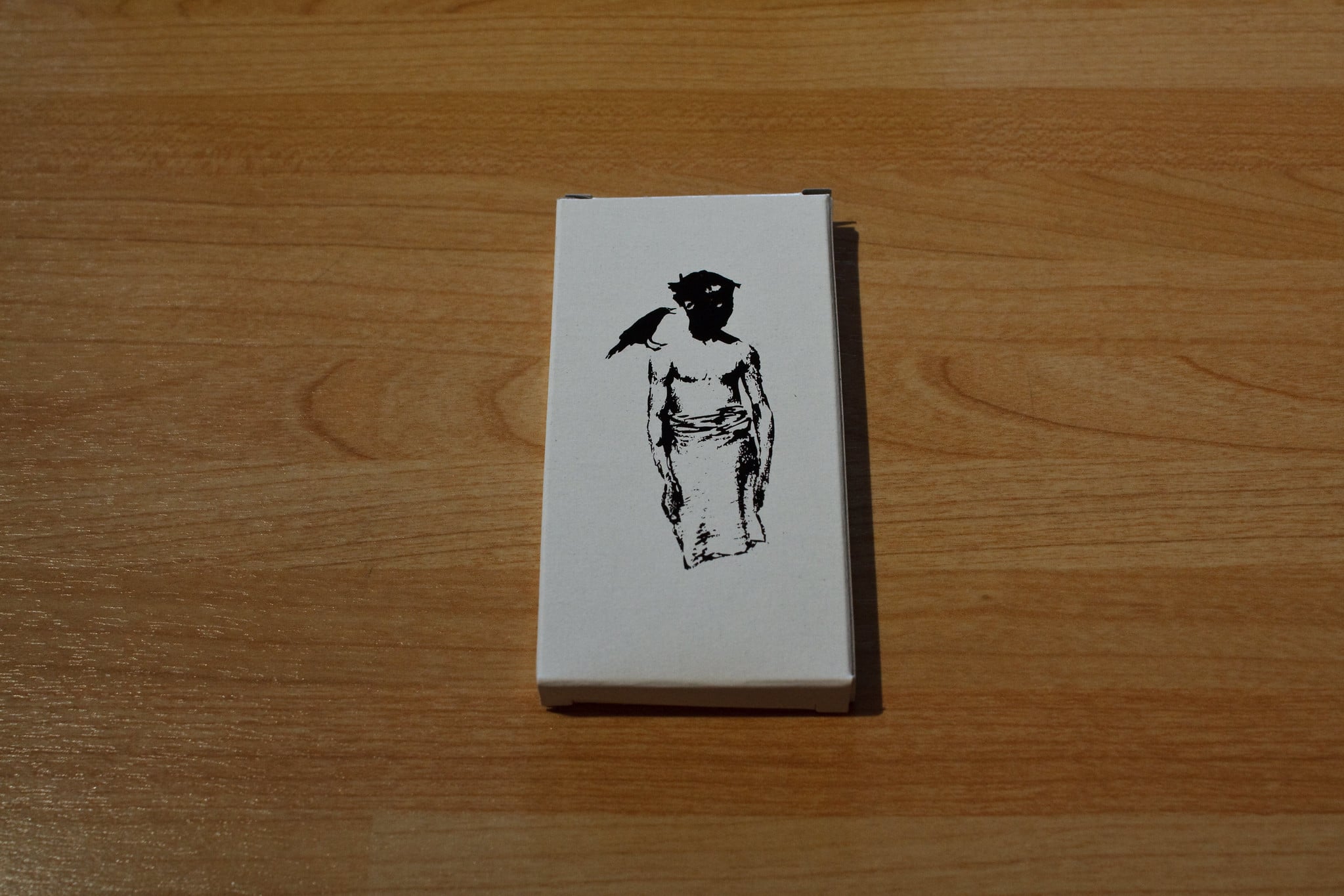
A fresh batch of old music arrives every now and then, tucked inside big packages that mark special dates or come back years later. One such set might hold cleaned-up versions of records, songs never shared before, booklets, prints on paper, plus extra bits stuffed into one box.
Only a small number get made – perhaps just two or three thousand exist across the entire planet. That tight supply pushes their worth up quickly after they appear.
What matters most is having it all. Lose just one piece, and the whole thing drops in price.
People hunting these things care about full condition – sealed if possible. Once opened, the cost usually falls, except when nothing else exists.
Sets by acts like The Beatles or Pink Floyd climb in value over time, simply because so few are around, yet everyone wants them. A few musicians put out several editions – basic, upgraded, then an expanded one packed with extras.
Often the flashiest release draws the biggest interest from collectors. Still, sometimes it is the middle option that stands out when it holds just the right material.
Spotting which package might rise in worth means watching how tastes shift across listeners. What people truly care about reveals what lasts.
When Objects Become Stories

A concert keeps living through things saved from it. Not the material stuff – ink on paper, threads in cloth – but the weight they gain later.
One scribbled list means nothing unless your mind goes back to those lights, that noise. Hold a torn corner of cardboard and suddenly you’re shoulder to shoulder again.
What was ordinary wakes up when memory touches it. Old things keep memories alive, even after time moves on.
Proof sits there, quiet, showing you once stood close to something real – or wanted to. Worth changes when music fades or grows loud again, shaped by who’s listening now.
What felt essential back then may seem dull today; what matters deeply to them feels strange in your hands. Still, holding on to these items – tucking them away safely, showing them off now and then, swapping them around – builds quiet links.
People appeared, who stood in that crowd too, or screamed along to those songs alone in their room. Objects turn into openings, ways for unfamiliar faces to find common ground through sound.
This shift changes everything: value moves from price tags to shared moments, old feelings, and what the noise meant back when it first hit.
More from Go2Tutors!

- The Romanov Crown Jewels and Their Tragic Fate
- 13 Historical Mysteries That Science Still Can’t Solve
- Famous Hoaxes That Fooled the World for Years
- 15 Child Stars with Tragic Adult Lives
- 16 Famous Jewelry Pieces in History
Like Go2Tutors’s content? Follow us on MSN.