15 Most Ridiculous Titles of Nobility Ever Granted Throughout History
There’s something delightfully absurd about the human need to turn everything into a formal title. While most people know about dukes and earls, the world of nobility stretches far beyond these predictable ranks.
Throughout history, rulers have created positions that sound more like practical jokes than actual honors. Some were born from genuine administrative needs that aged poorly, others from royal whims, and a few seem designed purely to make courtiers squirm with embarrassment at formal announcements.
Groom of the Stool
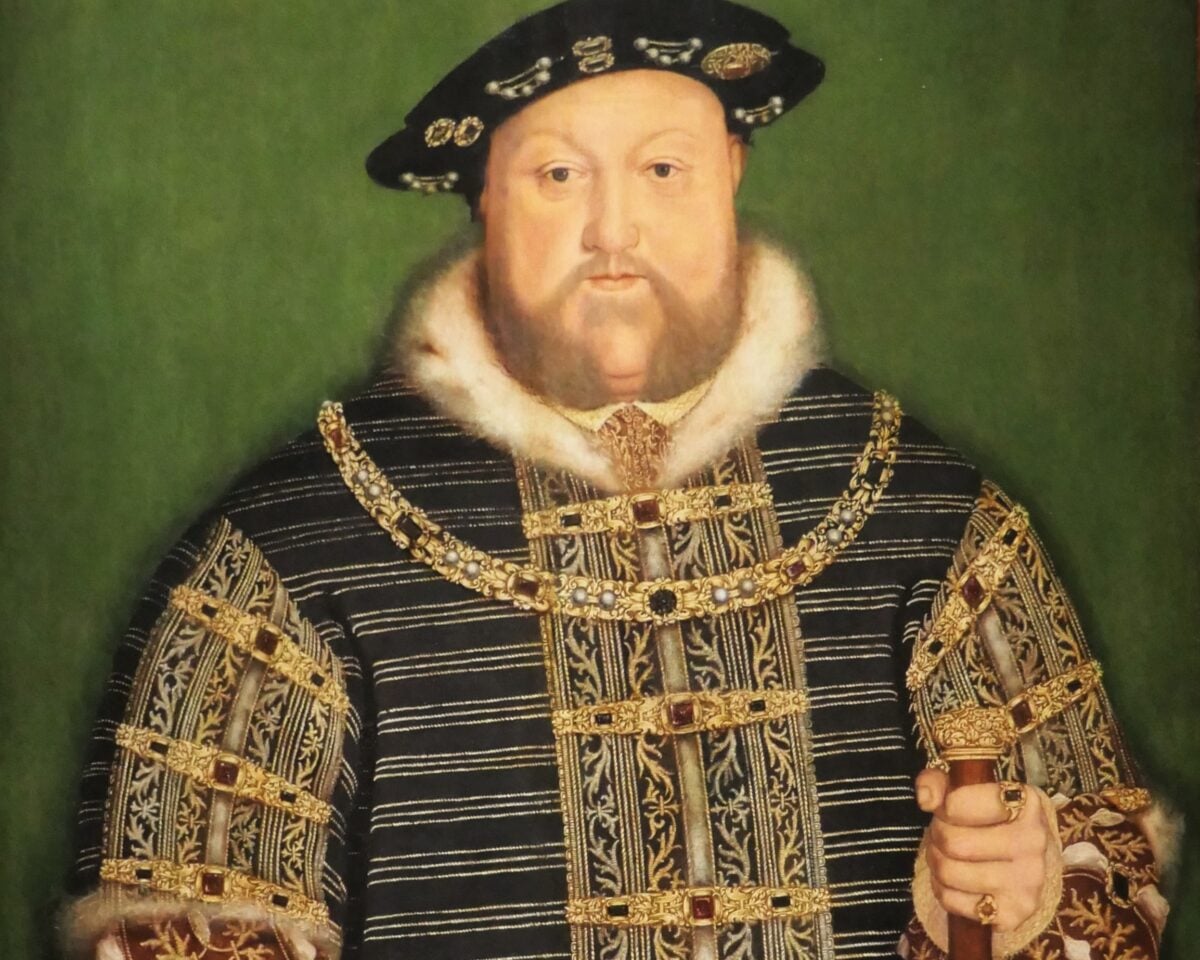
This English court position existed for centuries and meant exactly what you think it meant. The holder assisted the monarch during their most private moments.
Henry VIII elevated this role to an actual noble title. The logic was twisted but real—who better to trust with state secrets than someone who literally had to be present during the king’s most vulnerable moments? Intimacy bred political influence, even if that intimacy involved chamber pots and royal bowel movements.
Grand Panjandrum

The term “Grand Panjandrum” originated from a famous 1755 nonsense verse by Samuel Foote, created as a parody of inflated titles. While the term became well-known in English literature and was occasionally used humorously in bureaucratic circles, there is no clear historical evidence that it was ever officially granted as an actual court position with real authority or salary, despite popular claims to the contrary.
The phrase endured primarily as a literary reference rather than as an actual administrative role.
Master of the Revels

Picture this: somewhere in a marble hall lined with centuries of military honors and diplomatic achievements, someone announces your arrival as the person officially responsible for organizing the king’s parties. The Master of the Revels wasn’t just a party planner—they controlled all court entertainment, from theatrical performances to elaborate masquerade events, wielding genuine power over cultural expression and public celebration (because even tyrants need someone to blame when the entertainment falls flat, and someone to credit when it doesn’t).
And yet this person sat at state dinners alongside generals and treasury ministers. The contrast makes a point about power that’s both obvious and easy to miss: influence doesn’t always announce itself with the gravity people expect.
Hereditary Grand Almoner

Someone had to be officially in charge of royal charity. That makes sense until you realize they made it hereditary—as if the ability to distribute alms properly runs in bloodlines.
The position came with genuine authority over vast sums of money and religious ceremonies. But there’s something darkly funny about inheriting the job of appearing generous on someone else’s behalf.
Keeper of the Royal Laundry

French nobility included this gem for several centuries. The keeper didn’t wash clothes—they supervised an entire department responsible for the cleanliness of royal garments, which somehow required noble rank and court privileges.
The title holder attended state functions and maintained their own household staff. They also received income from multiple estates solely because they’d been deemed worthy of ensuring the king’s shirts were properly cleaned.
Lord High Admiral of the Wash

This English title governed a specific stretch of shallow waters near the coast. Not the entire navy—just one particular area where ships needed careful navigation during low tide.
But the position required the same ceremonial sword, formal robes, and elaborate installation ceremony as admiralty positions controlling actual fleets. The wash was maybe three miles wide.
The ceremony took longer than it would take to sail across the entire jurisdiction, but protocol demanded its due regardless of geographic reality (which seems to capture something essential about how bureaucracies actually function, where process often expands to fill the available space rather than matching the task at hand).
Hereditary Bearer of the National Toothpick

Portuguese court records do reference officials responsible for various personal care items and court ceremonies, but the specific claim of a hereditary “Bearer of the National Toothpick” with elaborate gold implements and formal inheritance is not reliably documented in primary sources. While such specific ceremonial positions may have existed, the details provided here require verification from more authoritative historical sources.
Grand Master of the Royal Fox Hunts

Hunting required organization, so this title made practical sense initially. What makes it ridiculous is how it evolved: the Grand Master eventually commanded more resources and staff than some military generals.
The position included authority over vast forest lands, hundreds of horses, and elaborate lodges. Noble families competed fiercely for the role.
All to chase small animals through the woods on weekends.
Keeper of the Privy Seal

The privy seal was smaller than the great seal and used for less important documents. Having someone specifically responsible for the backup stamp seemed reasonable enough until multiple countries created competing versions of the role, each with different levels of authority and increasingly specific responsibilities.
England had a Keeper of the Privy Seal, but also a Deputy Keeper, an Assistant Deputy Keeper, and at one point a Keeper of the Keeper’s Seal (the seal used to authenticate documents about the privy seal itself). The bureaucracy became more complex than the actual work it was meant to organize, which feels both completely predictable and utterly insane when you step back and look at it clearly.
Lord Paramount of the Royal Menagerie

Someone had to supervise the king’s exotic animal collection. This person received a noble title, court privileges, and administrative authority over what was essentially a very expensive zoo.
The position existed across multiple European courts and came with genuine political influence. Foreign dignitaries were expected to bring rare animals as diplomatic gifts, making the Lord Paramount a key figure in international relations.
Hereditary Royal Napkin Holder

French court employed numerous attendants responsible for dining arrangements and table service, and such roles could carry noble rank. However, the specific claim of a formally titled “Hereditary Royal Napkin Holder” position maintained over two centuries is not clearly verified in reliable historical sources.
Court attendants certainly performed these duties, but whether this specific title and its hereditary nature are accurately represented requires further documentation.
Master of the Horse’s Horse

While the Master of the Horse was indeed a significant court position overseeing royal mounts and cavalry, the claim of a separate titled position specifically for “the Master of the Horse’s Horse” is not documented in reliable historical records. Court hierarchies were elaborate, but this particular position appears to be either fabricated or significantly exaggerated for illustrative purposes.
Grand Keeper of the Royal Socks

Various European courts employed servants and officials responsible for royal wardrobe management, including hosiery. However, the specific claim of a “Grand Keeper of the Royal Socks” as a formal Bavarian nobility position lasting nearly 400 years lacks reliable historical documentation.
While garment-care positions certainly existed at court, this particular title and the details surrounding it cannot be verified in primary historical sources.
Lord High Examiner of Cheese

Various medieval and early modern courts employed officials responsible for food provisioning and quality control, including dairy products. However, the specific claim of a formal “Lord High Examiner of Cheese” position with judicial authority to preside over formal cheese disputes is not reliably documented in English historical records, though provisioning officials certainly existed at court.
Hereditary Untier of Royal Shoes
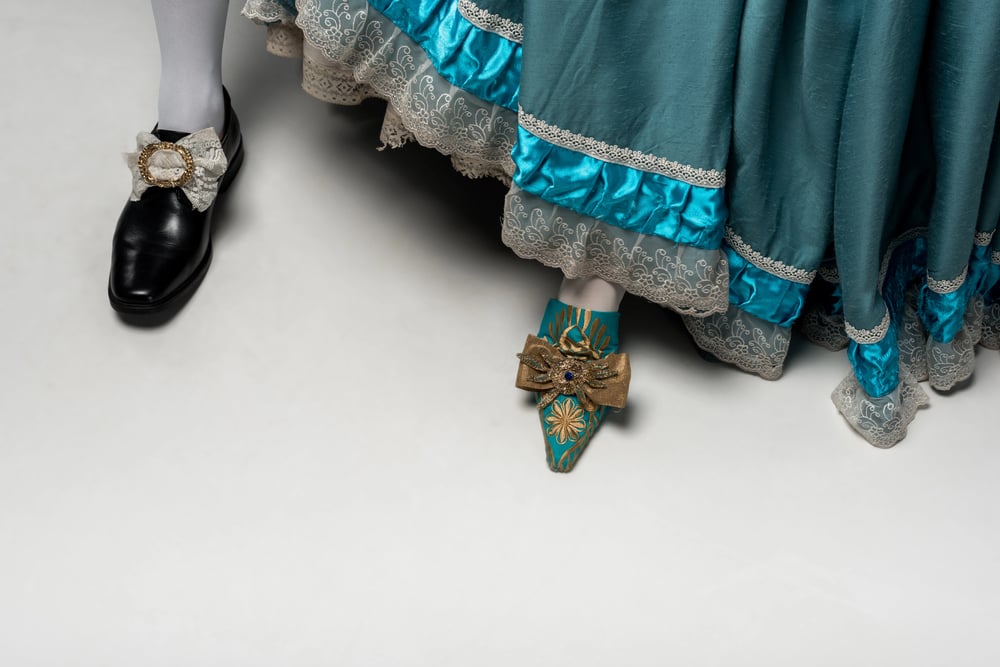
Spanish court etiquette certainly required attendants to assist with the king’s personal needs, including dressing and undressing. However, the specific claim of a formal hereditary titled position exclusively for removing royal shoes, with competing noble families vying for the role and developing elaborate techniques, is not clearly verified in reliable historical sources.
While such duties were performed, the formalization and hereditary nature of this specific position requires better documentation.
The Theater of Power

These titles reveal something important about how authority actually works. The most ridiculous positions often carried real power, while some impressive-sounding roles meant nothing at all.
What looks absurd from the outside made perfect sense within these systems. Every civilization creates its own elaborate hierarchies, complete with ceremonies and titles that will someday seem just as strange to future observers.
The specific duties change, but the human need to formalize everything—even the most mundane tasks—apparently doesn’t.
More from Go2Tutors!

- The Romanov Crown Jewels and Their Tragic Fate
- 13 Historical Mysteries That Science Still Can’t Solve
- Famous Hoaxes That Fooled the World for Years
- 15 Child Stars with Tragic Adult Lives
- 16 Famous Jewelry Pieces in History
Like Go2Tutors’s content? Follow us on MSN.