World’s Biggest Sporting Events by Global Viewership
Numbers tell stories, and in sports, viewership numbers tell the story of what captures the world’s attention. Some competitions draw a few hundred million viewers.
Others pull in billions. The difference isn’t always about the sport itself—it’s about timing, tradition, and how cultures connect to what they’re watching.
The FIFA World Cup
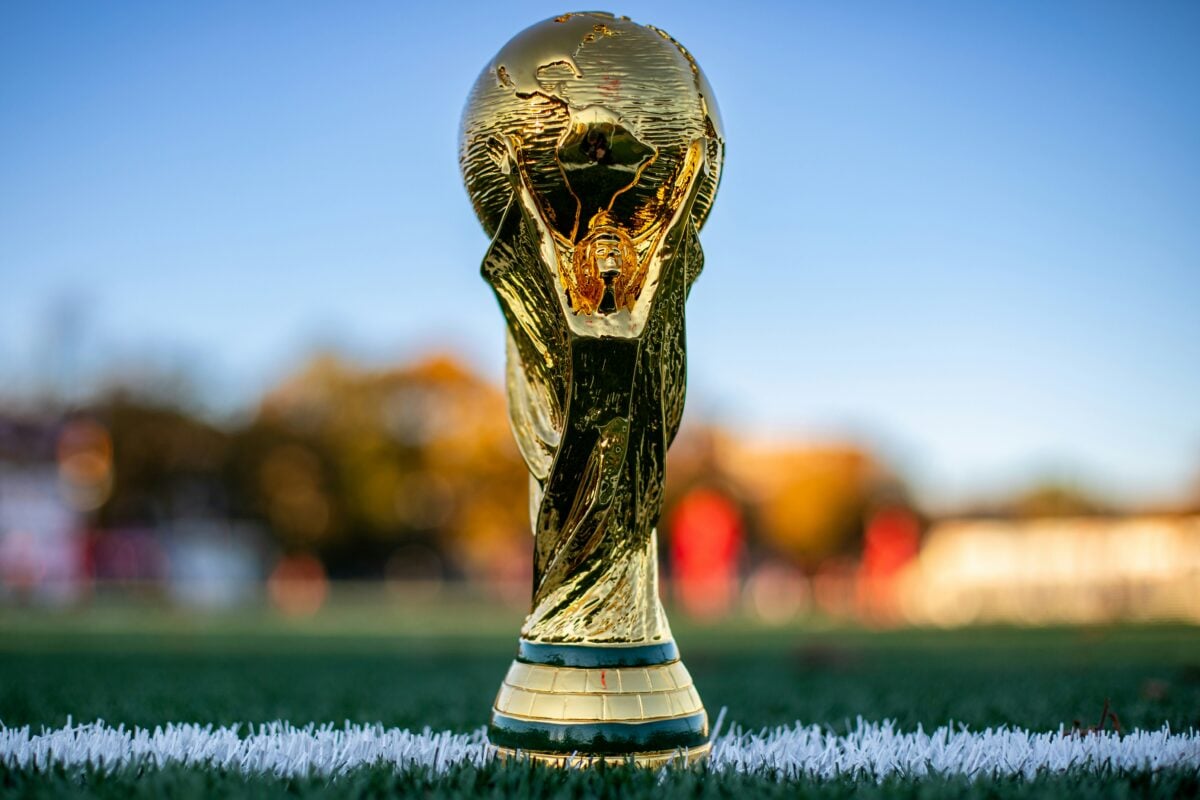
Every four years, almost half the planet stops to watch. The 2022 World Cup final between Argentina and France drew 1.5 billion viewers.
That’s not a typo. The entire tournament reached over 5 billion people across its month-long run.
No other sporting event comes close to these numbers. The format helps—32 nations competing means 32 countries tuning in, plus neutral fans who just love the sport.
The time zones work out. The matches happen during weekends and evenings when people can actually watch.
And the emotion runs deep because national pride sits at the center of everything. The beauty of this tournament lies in its accessibility.
You don’t need expensive equipment to play, which means kids in favelas and suburbs alike grow up dreaming of this stage. That global participation translates directly into global viewership.
Summer Olympics
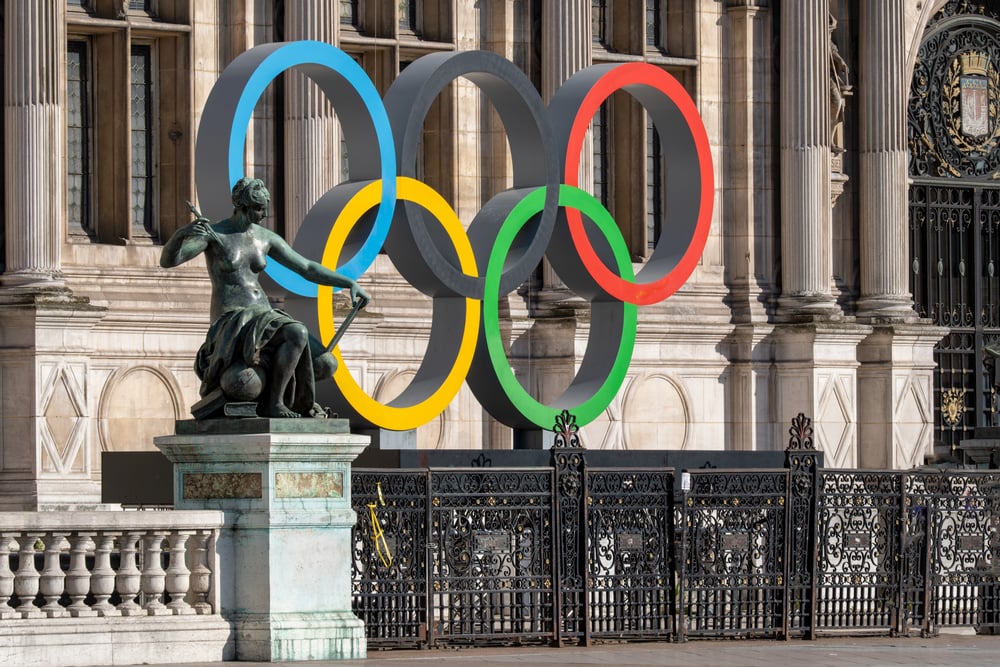
The Olympics offer something different—variety. Over two weeks, you get swimming, gymnastics, track and field, and dozens more sports packed into one event.
The 2020 Tokyo Olympics (held in 2021) reached 3.05 billion viewers worldwide. What makes the Olympics special is that people watch sports they’d never otherwise follow.
Suddenly, everyone becomes an expert on diving techniques or archery. The stories matter here—athletes overcoming odds, unexpected victories, veterans making one last run.
The opening ceremony alone can draw a billion viewers. That’s before a single medal gets awarded.
The ceremony sets the tone, and the narrative keeps building through each day until the closing celebration.
Cricket World Cup
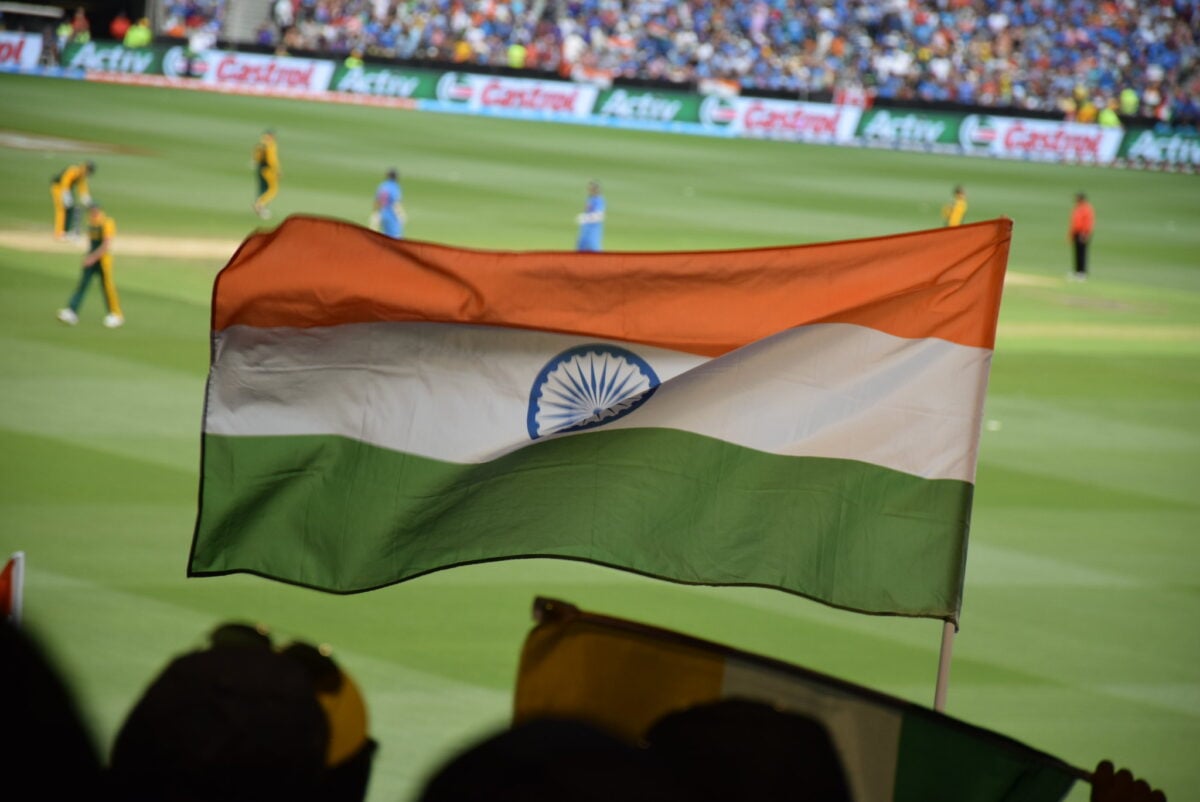
If you’re not in cricket-following countries, the viewership numbers feel shocking. The 2023 Cricket World Cup final between India and Australia pulled in 400 million viewers.
The entire tournament reached nearly 1.5 billion people. India drives these numbers.
With a population of 1.4 billion and cricket as the de facto national sport, the viewership becomes massive. Add Pakistan, Bangladesh, Sri Lanka, Australia, England, and the Caribbean nations, and you’ve covered a significant chunk of the planet.
The format differs from many other sports—matches can last an entire day. That sustained attention creates appointment viewing.
Families plan their schedules around these matches. Businesses close early.
Cities empty out.
The Super Bowl

Within the United States, nothing touches the Super Bowl. The 2023 game drew 115 million viewers domestically.
Globally, that number reaches about 150-180 million when you add in international audiences. The halftime show deserves its own mention.
Major artists perform, and sometimes the halftime show draws more viewers than parts of the game itself. Advertisers spend millions per 30-second spot because they know the audience will be watching.
The Super Bowl has become more than a sporting event—it’s an unofficial national holiday. Even people who don’t follow American football all season tune in for the spectacle.
The commercials, the food, the social aspect all contribute to making this event feel essential.
UEFA Champions League

Unlike tournaments that happen once every few years, the Champions League runs annually. The final regularly draws 300-400 million viewers.
The 2023 final between Manchester City and Inter Milan reached 450 million people. The weekly format throughout the season keeps fans engaged over months rather than weeks.
You get the best clubs from across Europe competing, which means local pride plus international stakes. A team from Spain facing one from Germany creates cross-border rivalries that millions tune in to watch.
The quality of play tends to be exceptional because only top clubs qualify. That guarantees meaningful matches with players at their peak.
The anthem alone—that orchestral piece before each match—has become iconic.
Tour de France

Three weeks of racing through French countryside might not sound like appointment television, but the Tour consistently reaches 3.5 billion viewers globally. That number accumulates across the entire event rather than one single day.
The format creates daily stakes. Each stage matters.
The scenery provides a backdrop that turns racing into a visual experience. Helicopters follow riders through mountain passes and medieval villages.
Even people who don’t care about cycling find themselves watching the cinematography. The race has history—over a century of tradition.
That longevity creates generational viewing. Grandparents watched with their parents, then with their children, and now with their grandchildren.
The tradition self-perpetuates.
Boxing’s Biggest Fights

The Mayweather-Pacquiao fight in 2015 drew 4.6 million pay-per-view buys in the United States alone. Globally, estimates suggest 500 million people watched.
When you get the right matchup—two champions, both in their prime, with a compelling narrative—boxing still commands attention. The buildup matters as much as the fight.
Press conferences, weigh-ins, face-offs—all of it builds anticipation. By fight night, millions have invested emotionally in the outcome.
That investment translates to viewership. Boxing’s decline in regular viewership makes these mega-fights even more special.
They become events unto themselves rather than regular occurrences. Scarcity drives demand.
Rugby World Cup

The 2023 Rugby World Cup final between New Zealand and South Africa drew 12 million viewers in France alone. Globally, the tournament reached 857 million viewers.
Those numbers keep growing as rugby expands beyond its traditional strongholds. The tournament happens every four years, similar to soccer’s World Cup.
But rugby’s culture differs—the respect between opponents, the post-match traditions, the physicality that’s controlled rather than chaotic. That culture attracts viewers who appreciate both the sport and the sportsmanship.
New Zealand, South Africa, Australia, England, France, Ireland, Wales, Scotland—these nations bring intense passion. When these teams face each other, decades of rivalry come with them. That history enriches every match.
Formula 1

The 2023 Formula 1 season averaged 70.3 million viewers per race. The Monaco Grand Prix alone drew 78 million.
What’s remarkable is that these are averages—F1 features 20+ races per season, and people keep tuning in. The Netflix series “Drive to Survive” changed F1’s trajectory by creating characters out of drivers.
Suddenly, people cared about personalities and team dynamics. That emotional investment brought new viewers who then started following races.
The sport combines speed, strategy, and technology. Each race unfolds like a chess match at 200 miles per hour.
Weather changes everything. One mistake can cost millions.
The stakes feel immediate and consequential.
NBA Finals

The 2023 NBA Finals averaged 11.6 million viewers in the United States. Globally, the games reached about 170 million people. Basketball’s expansion into China, Europe, and Africa has broadened the audience significantly.
The star power matters here. LeBron James, Stephen Curry, Giannis Antetokounmpo—these names transcend the sport. They’re global brands.
When they play in the Finals, their international fan bases tune in regardless of time zones. The seven-game series format creates dramatic arcs.
A team down 3-1 fighting back to win creates stories that people remember for years. Those narratives keep viewers coming back night after night.
Wimbledon

The Wimbledon finals consistently draw 300+ million viewers globally. The 2023 men’s final between Carlos Alcaraz and Novak Djokovic reached 11.3 million in the US alone.
Wimbledon’s prestige as the oldest tennis tournament gives it special status. The grass courts, the white clothing requirement, the strawberries and cream—these traditions create atmosphere.
But the tennis itself drives viewership. Five-set matches for men can last hours, with momentum shifting constantly.
That drama keeps people watching until the final point. The tournament timing helps too.
It happens mid-summer when many people have more leisure time. The afternoon matches align with evening viewing in North America.
Everything comes together to maximize the audience.
The Masters Tournament

The Masters draws about 200 million viewers globally each year. For golf, that’s massive.
The tournament’s exclusivity and tradition make it must-watch television for fans of the sport and even those with just casual interest. Augusta National’s beauty provides a stunning backdrop.
The azaleas, the manicured fairways, the par-3 contest—it all contributes to the event’s allure. The green jacket ceremony has become iconic enough that even non-golfers recognize it.
The tournament happens in April, which marks the start of the serious golf season. Players bring their best because winning here means eternal recognition.
That intensity translates to compelling television.
March Madness

Every March, around 150 million people tune in to watch the college basketball tournament unfold. With each game decided by just one defeat, tension runs high from the first tip-off.
A single mistake ends a team’s entire season without warning. Because of this, underdogs often shock favorites late in games.
Moments like last-second shots or surprise victories become unforgettable almost instantly. Fans juggle several screens at once when matchups overlap under this 68-team regional setup.
Jumping from broadcast to broadcast keeps them caught up in shifting plots. Even those who rarely watch sports get pulled into workplace betting grids.
The Final Four weekend represents the culmination. By then, only four teams remain, and the entire sports world pays attention.
The semi-finals and championship game draw the largest audiences, with the 2023 final reaching 14.7 million viewers.
When Sports Become Shared Experience

What grabs people shows up in stats, yet those figures miss the heart of it. Sport can be enough on its own.
More than once, though, it is struggle turned triumph that sticks. Nations meet without favor, individuals rise past limits no one saw coming.
Structure comes from rules and matches. What lasts lives in moments shaped by effort, emotion, chance.
More from Go2Tutors!

- 16 Historical Figures Who Were Nothing Like You Think
- 12 Things Sold in the 80s That Are Now Illegal
- 15 VHS Tapes That Could Be Worth Thousands
- 17 Historical “What Ifs” That Would Have Changed Everything
- 18 TV Shows That Vanished Without a Finale
Like Go2Tutors’s content? Follow us on MSN.



