15 Most Successful One Hit Wonders Of All Time
The term “one hit wonder” tends to get used as a mild insult — a way of dismissing an artist as a flash in the pan, someone who got lucky once and then disappeared. But spend any time with the actual list of songs that qualify, and the insult starts to feel misplaced.
Some of the most played, most remembered, and most culturally embedded songs in pop history were made by artists who never came close to repeating the trick. That’s not a failure.
That’s just a very particular kind of success. What follows are fifteen songs that conquered the charts, embedded themselves permanently in the cultural memory, and then — through some combination of circumstance, bad luck, changing tastes, or simple impossibility — proved to be the one unrepeatable thing their artists ever made.
Toni Basil — “Mickey” (1982)

“Mickey” is one of those songs that exists in a category of its own: inescapable, impossible to dislodge once it’s in your head, and built around a cheer so simple it somehow became one of the most recognisable hooks in pop history. Toni Basil was already a successful choreographer and director when the song came out, and she remained one afterwards — but as a recording artist, “Mickey” was both the beginning and the end.
It reached number one in the United States and has never really left the cultural rotation, appearing in films, television shows, and sporting events for more than four decades. Basil has said in interviews that she never set out to be a pop star, which perhaps explains why she only did it once and did it that well.
Dexys Midnight Runners — “Come On Eileen” (1982)

It feels almost unfair to call Dexys Midnight Runners a one hit wonder, because they were a serious, critically admired band with a devoted following on both sides of the Atlantic. But in terms of the broad, undeniable, chart-topping mass success that transcends music fandom and becomes something else entirely — that happened exactly once, with “Come On Eileen,” and it happened spectacularly.
The song went to number one in both the UK and the US, spent weeks at the top of charts across Europe, and has since become one of the most reliable crowd-pleasers at any event that involves a dancefloor and people over the age of thirty. Kevin Rowland has spent the years since making music that is either underappreciated or genuinely strange, depending on who you ask.
“Come On Eileen” remains untouchable.
Los Del Rio — “Macarena” (1996)
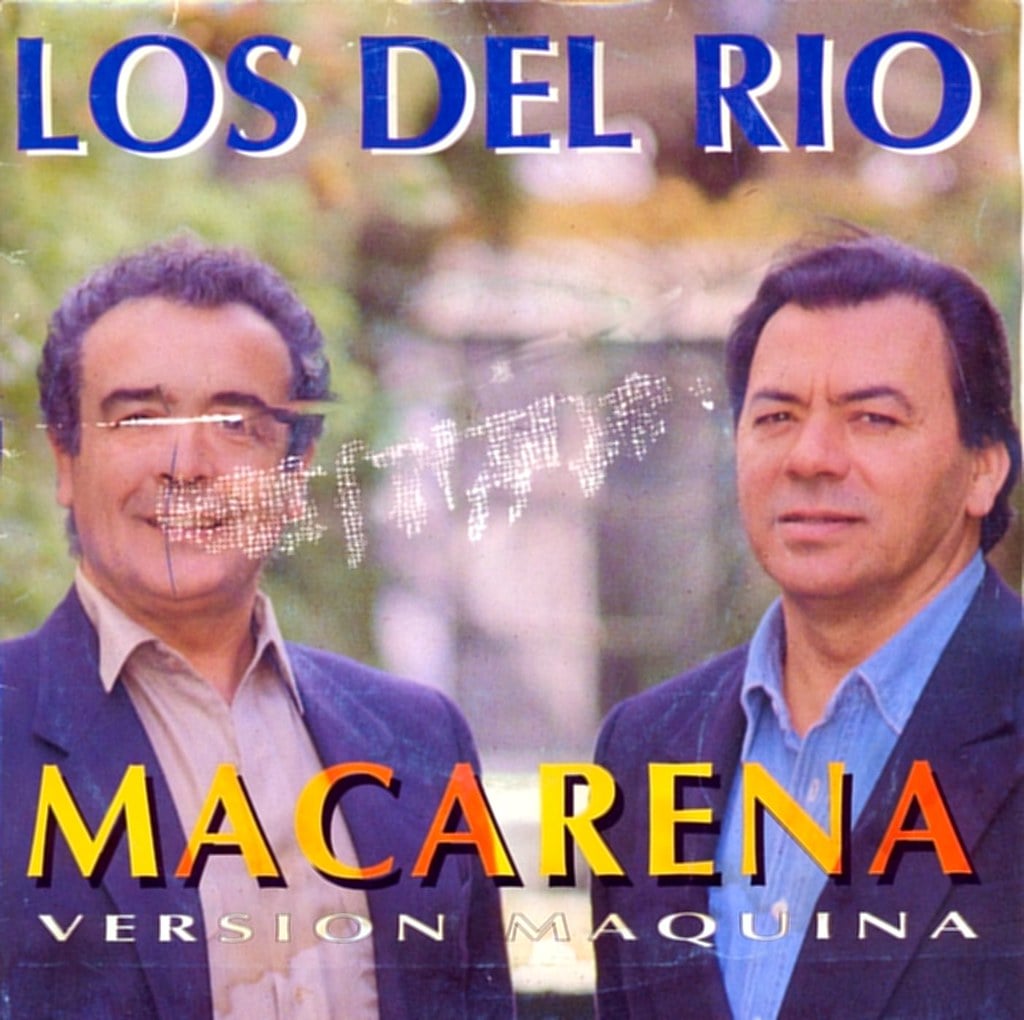
Few songs have colonised a moment as completely as “Macarena” colonised the summer of 1996. The song had actually been a hit in Spain two years earlier before a remix with a faster beat and English verses turned it into a global phenomenon.
It spent fourteen consecutive weeks at number one on the Billboard Hot 100 — a record at the time — and the accompanying dance became one of the most widely replicated choreographies in history. Los Del Rio were already seasoned performers in the Spanish music world before this, and they continued performing afterwards, but nothing ever came close to the scale of what happened that summer.
The Macarena exists now as a kind of cultural shorthand for the mid-nineties, which is an extraordinary legacy for a duo most people couldn’t name.
Soft Cell — “Tainted Love” (1981)

Marc Almond and David had a full career as Soft Cell, releasing albums that are still warmly regarded by fans of synth-pop and electronic music. But in the broader sense — the sense that matters for this list — they had one moment of complete, total, crossover success, and it was “Tainted Love.”
The song, originally recorded by Gloria Jones in 1964, was transformed into something colder, stranger, and somehow more emotionally devastating, and it became one of the defining records of the early eighties. It reached number one in the UK and performed strongly across Europe and in the US.
It has since been covered, sampled, and referenced so many times that it now feels less like a song and more like a permanent fixture of the cultural landscape.
Norman Greenbaum — “Spirit in the Sky” (1969)

“Spirit in the Sky” opens with one of the most distinctive guitar riffs in rock history — a fuzzed-out, distorted sound that feels like it arrived fully formed from somewhere outside normal musical convention. Norman Greenbaum wrote and recorded it in a single inspired stretch, it went to number three in the United States and number one in the UK, and then he essentially never charted again.
He has spoken about the song with remarkable good humour over the years, acknowledging that he hit on something he couldn’t replicate and made his peace with it. The song has appeared in dozens of films and television shows, been covered by numerous artists, and continues to generate royalties that have sustained Greenbaum comfortably for decades.
Sometimes one is genuinely enough.
Crazy Frog — “Axel F” (2005)

The Crazy Frog phenomenon is one of the stranger chapters in chart history. A CGI animated frog, originally created as an internet animation set to a ringtone imitation of a racing car, was licensed, turned into a full single, and somehow became the best-selling single of 2005 in the UK — knocking Coldplay’s “Speed of Sound” off the top spot in a chart battle that felt genuinely surreal at the time.
The follow-up singles performed significantly less well, and the Crazy Frog brand faded almost as quickly as it arrived. What remains is a record of how completely the internet and mobile phone culture of the mid-2000s could transform something entirely absurd into a chart-topping commercial juggernaut.
“Axel F” is still recognisable to an entire generation, which is more than can be said for most things that felt important in 2005.
Baha Men — “Who Let the Dogs Out” (2000)
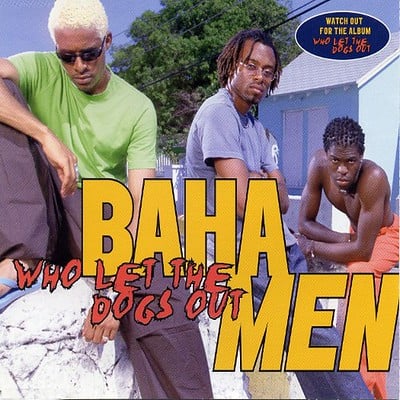
Few questions have been asked more rhetorically, more insistently, or more inescapably than the one posed by the Baha Men in the summer of 2000. The song won a Grammy for Best Dance Recording, which remains one of the more contentious decisions in Grammy history depending on who you ask, and it spent a period as the soundtrack to every sporting event, television programme, and children’s party in the Western world.
The Baha Men were a Junkanoo band from the Bahamas with a long career in Caribbean music before “Who Let the Dogs Out” arrived and briefly made them internationally ubiquitous. The follow-up work never translated to the same scale, but the song endures — still showing up in stadiums, still reliably generating both recognition and a certain fond exasperation.
Right Said Fred — “I’m Too Sexy” (1991)
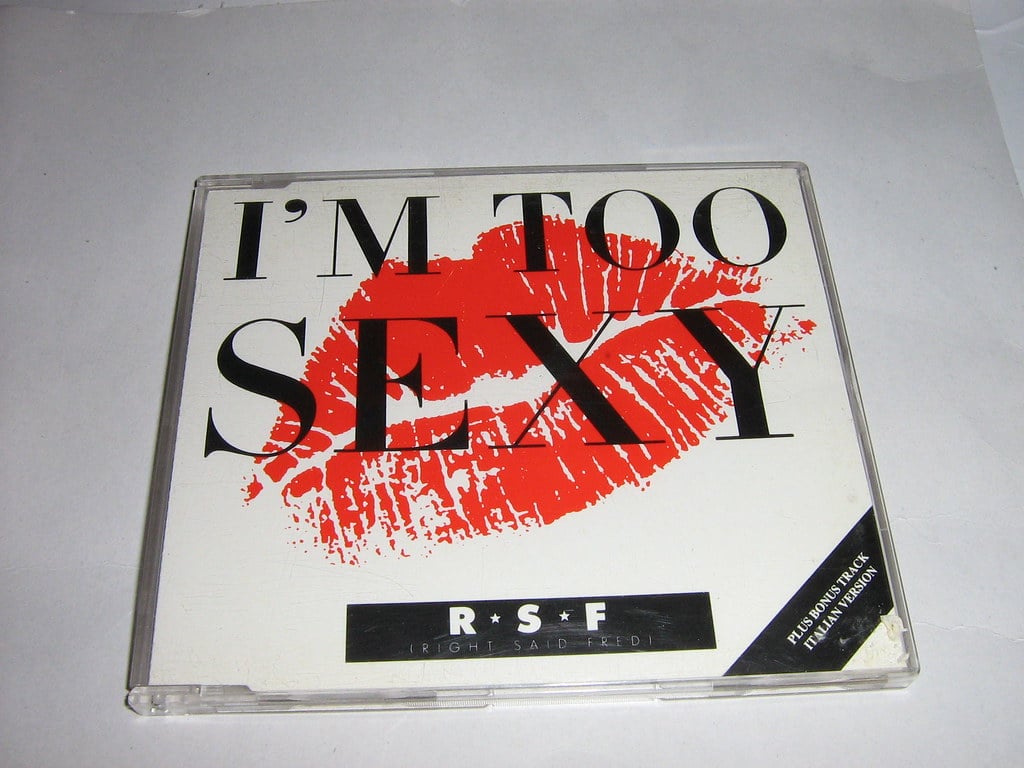
Two bald brothers from London made a song about a model who is too attractive for his own good, set it to a minimal electronic beat, and accidentally created one of the most quoted and parodied songs of the nineties. “I’m Too Sexy” reached number one in the UK and made it to number one in the United States as well — an unusual achievement for a British novelty record — and its hook entered the language in a way that very few pop songs ever manage.
Right Said Fred continued releasing music and remained active today, with a small but loyal following, but nothing they made afterwards ever approached the visibility of their debut. The song has since been sampled by Taylor Swift, which introduced it to an entirely new generation and reminded everyone else that it was there all along.
Los Lobos — “La Bamba” (1987)
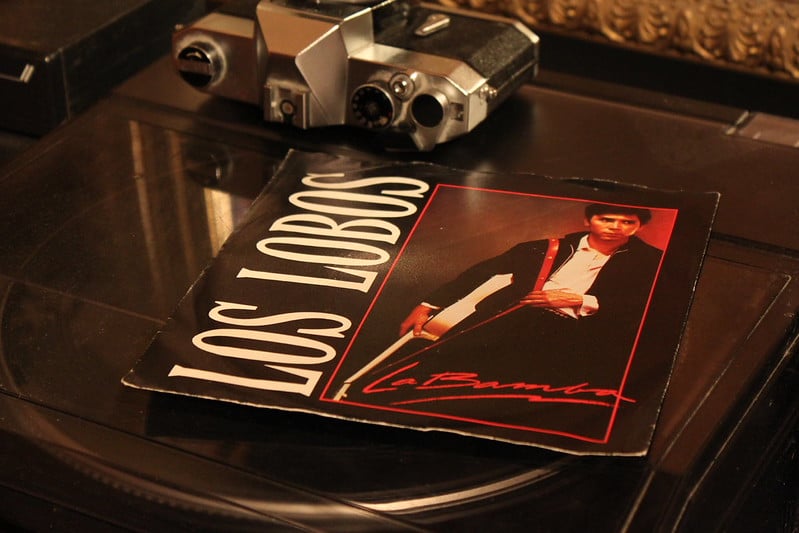
This one comes with a significant asterisk: Los Lobos are a genuinely exceptional band with a deep catalogue of music that spans rock, blues, Tex-Mex, and folk, and they have been critically admired for decades. But in terms of popular chart success, their recording of “La Bamba” — the traditional Mexican song re-recorded for the soundtrack of the biopic about Ritchie Valens — is in a different category to everything else they’ve done.
It went to number one on both sides of the Atlantic, sold millions of copies, and became one of the most recognised songs of the decade. It is, in the strict sense, a one hit wonder in the mainstream pop sense, even if calling Los Lobos a one hit wonder band feels like a profound mischaracterisation of who they are and what they’ve built over fifty years.
Nena — “99 Luftballons” (1983)
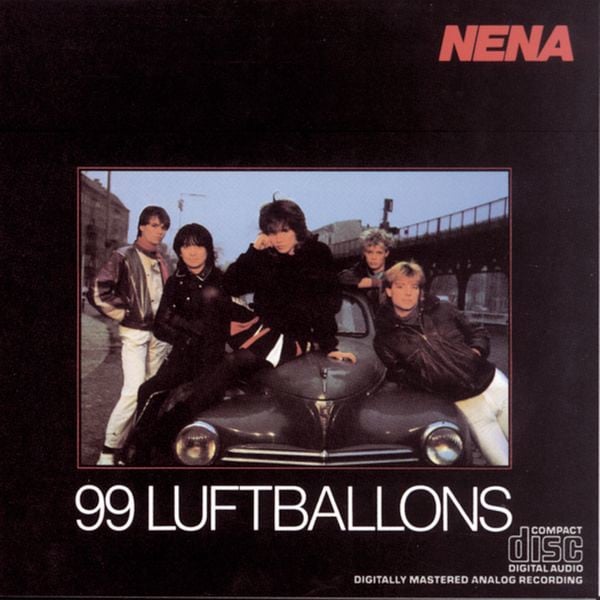
Nena was a hugely successful artist in Germany, with a long career that has included multiple hit albums and a devoted domestic fanbase. Internationally, however, the story is essentially one song: “99 Luftballons,” released in German in 1983 and later given an English-language version as “99 Red Balloons.”
The original German version reached number one in multiple countries, including the United States — an almost unheard-of achievement for a foreign-language song on the American charts at the time. Its Cold War anxiety, disguised as a pop song about balloons triggering a nuclear incident, gave it a strange depth that has kept it relevant long after most songs from that era faded.
Nena herself has had a long and successful career in Germany; it simply never translated back to the international scale of that one extraordinary moment.
Vanilla Ice — “Ice Ice Baby” (1990)
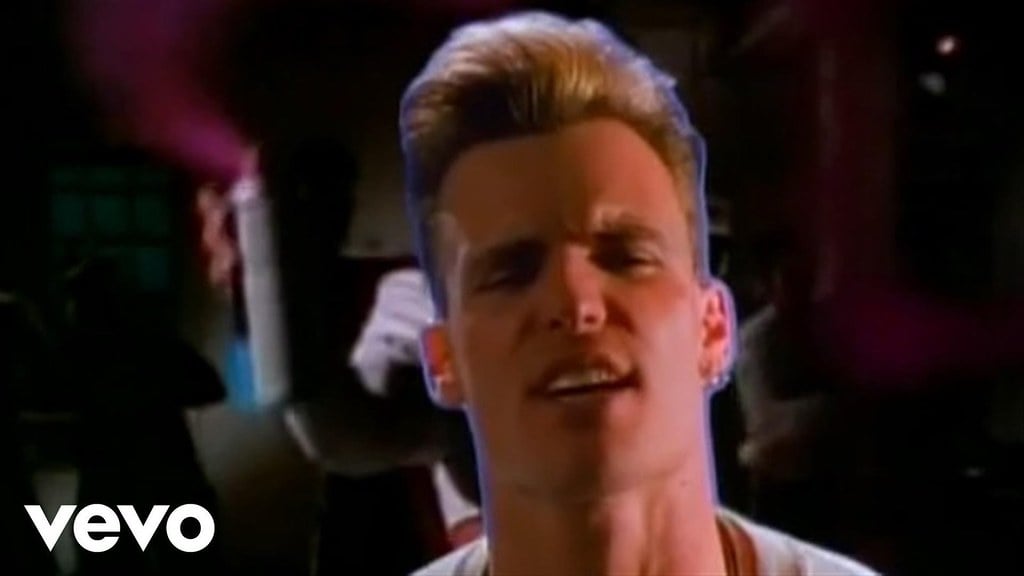
“Ice Ice Baby” was the first hip-hop single to top the Billboard charts, which is a genuinely significant historical fact that often gets lost in the broader cultural narrative around Vanilla Ice. The song was inescapable in 1990, reached number one in numerous countries, and made Robert Van Winkle briefly the most famous rapper in the world.
The follow-up material did not perform comparably, and the rise of artists like Nirvana changed the cultural conversation in ways that left Vanilla Ice’s brand of pop rap looking dated almost overnight. He has since become something of a cultural fixture in a different sense — a nostalgic reference point, a renovation television host, a fixture of nineties retrospectives — and has spoken with self-awareness about the arc of his career.
The song itself remains an undeniable artefact of its moment.
Eiffel 65 — “Blue (Da Ba Dee)” (1998)
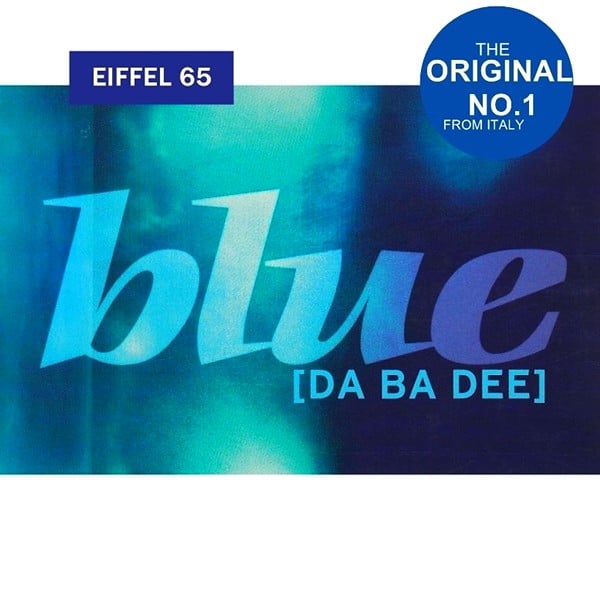
An Italian eurodance act made a song about being blue — in both the emotional and the literal, everything-is-blue sense — and it became one of the defining tracks of the late nineties. “Blue (Da Ba Dee)” reached number one or the top five in virtually every European country, was a significant hit in the United States, and its melody and chorus became instantly recognisable across an entire generation.
Eiffel 65 released follow-up material that had modest success in certain European markets, but nothing that came close to the global saturation of their debut. The song has since found new life through streaming, nostalgia playlists, and repeated use in films and advertisements, keeping it in circulation well into the streaming era.
Hanson — “MMMBop” (1997)

Three brothers from Tulsa, Oklahoma — the oldest of whom was sixteen when “MMMBop” was released — made one of the most immediately recognisable songs of the nineties and then did something unusual: they kept going. Hanson has released music steadily for three decades, runs its own independent label, and has a committed fanbase.
But in the mainstream, chart-topping, everybody-knows-this-song sense, “MMMBop” is the beginning and end of the story. The song reached number one in multiple countries, spent weeks at the top of the charts, and became so thoroughly embedded in the cultural memory of anyone who was alive in 1997 that it essentially defines the group’s public identity regardless of what they’ve done since.
They have handled this with considerable grace.
Chesney Hawkes — “The One and Only” (1991)

The title of Chesney Hawkes’s debut single turned out to be, with a certain uncomfortable irony, both a statement of his aspirations and an accurate description of his chart career. “The One and Only” went to number one in the UK, spent five weeks there, and became one of the most played songs of 1991.
The follow-up singles did not perform comparably, and Hawkes has spent the subsequent decades in the slightly unusual position of being completely identified with a single song that he did not write and that defined his public image entirely. He has, by most accounts, made his peace with this — performing the song at nostalgia events, appearing in television programmes that trade on nineties nostalgia, and becoming something of a cheerful ambassador for the concept of the one hit wonder itself.
A-Ha — “Take On Me” (1985)
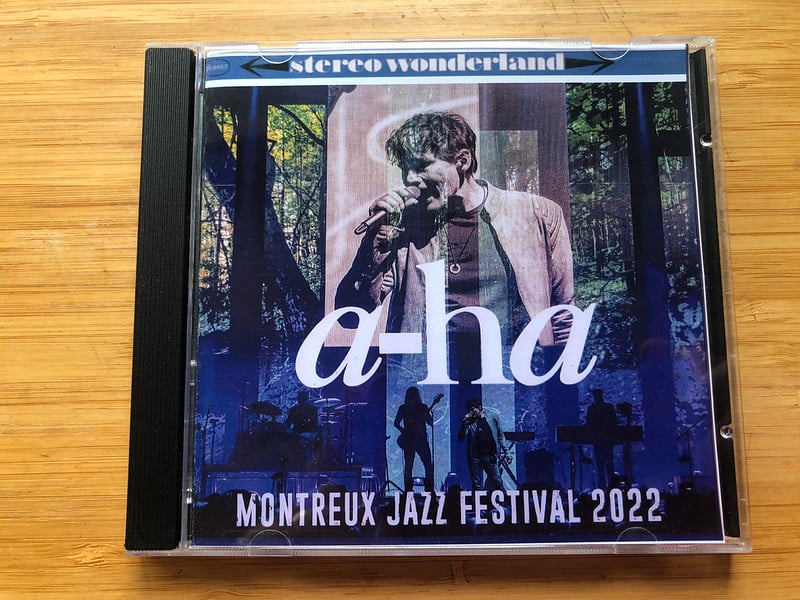
A-ha are another band for whom the “one hit wonder” label is a significant oversimplification — they had a substantial career in Norway and scored additional hits in Europe — but in terms of the global, pervasive, inescapable pop success that embeds a song permanently in the culture, “Take On Me” stands alone. The combination of the song’s irresistible melody and the iconic pencil-sketch music video, which won multiple MTV Video Music Awards and helped define the visual language of the decade, created something that transcended normal chart success.
It reached number one in numerous countries and has since been streamed hundreds of millions of times. The music video alone has over a billion views on YouTube.
Whatever A-ha did before and after, “Take On Me” is the thing — and it turns out, for most artists, getting to have one thing like that is more than enough.
A Final Word On Fleeting Greatness

A Final Thought on Temporary Brilliance. A single-hit artist usually feels like an afterthought – something left behind when fame fizzles out.
Yet hear these tracks and that thought starts to crack. Not random noise pretending to be a song.
Each one pinned down a pulse, a second in time, a melody shaped just right, stuck deep in countless minds, still playing years later. Chasing that spark fills many lifetimes.
For some names here, the search came later. Those who found calm in a single flash, seeing it clearly – something impossible to redo – they carry a quieter joy.
A second chapter isn’t always needed. Often, the music speaks fully on its own.
More from Go2Tutors!

- The Romanov Crown Jewels and Their Tragic Fate
- 13 Historical Mysteries That Science Still Can’t Solve
- Famous Hoaxes That Fooled the World for Years
- 15 Child Stars with Tragic Adult Lives
- 16 Famous Jewelry Pieces in History
Like Go2Tutors’s content? Follow us on MSN.



