16 Household Rules Kids Followed In The 1940s That Sound Unbelievable Today
Growing up in the 1940s meant living by a completely different set of rules than children follow today. These weren’t just gentle suggestions from parents — they were ironclad household laws that every kid understood and followed without question.
Some of these rules might make modern parents cringe, while others might actually make them nostalgic for a simpler time when children knew their place and expectations were crystal clear.
Children Were Seen, Not Heard

Kids spoke only when spoken to. That was it.
No chiming in during adult conversations, no interrupting, no offering unsolicited opinions about anything. Dinner table discussions happened over their heads, literally and figuratively.
No Refrigerator Raids Without Permission

Opening the icebox without asking first was grounds for serious trouble. Food was rationed during wartime, and even after the war ended, wasting food or eating between meals without permission remained unthinkable.
Every snack had to be approved by Mother first.
Shoes Off, Hands Washed, No Exceptions
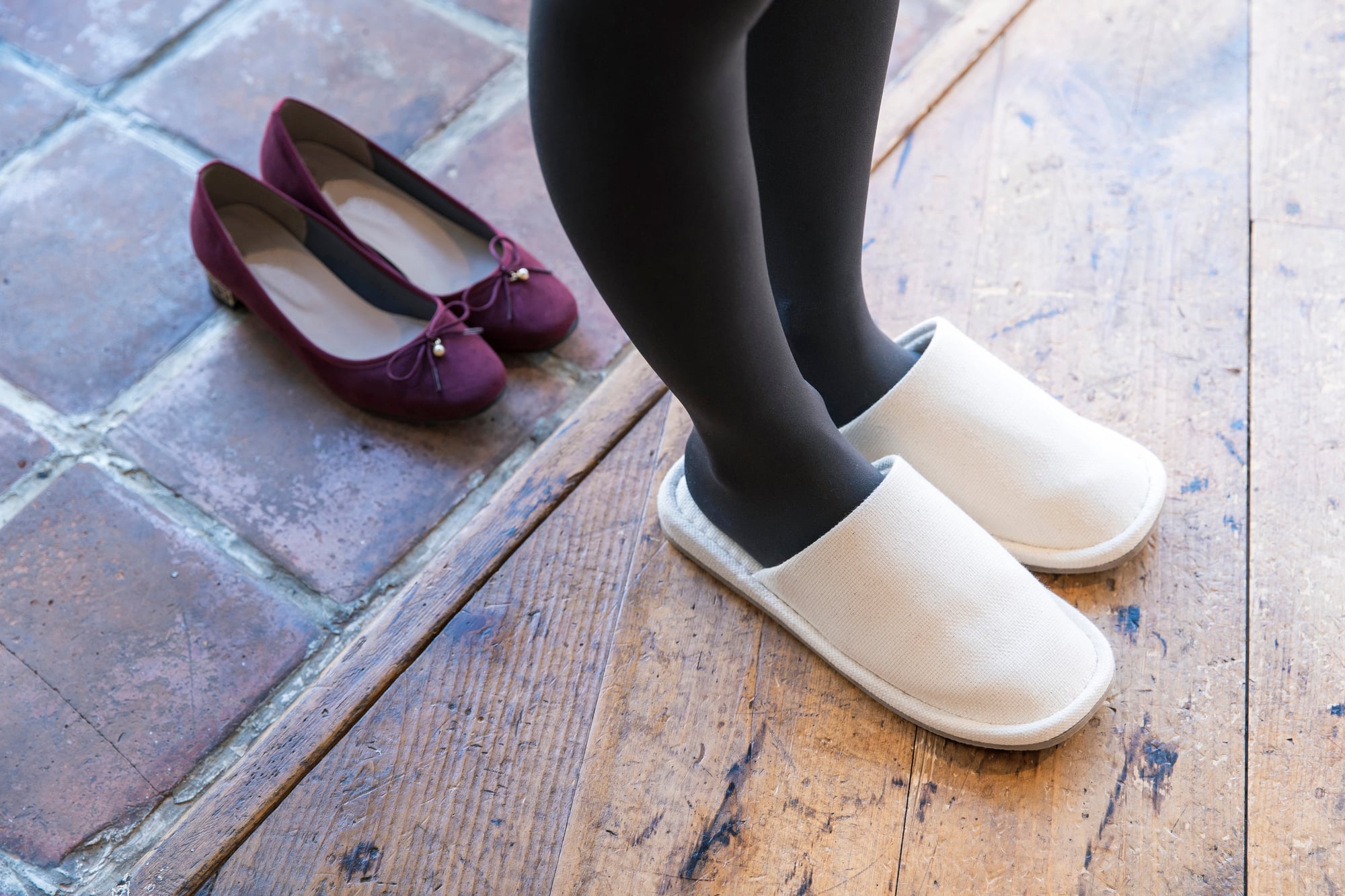
The ritual was automatic and non-negotiable. You came through the front door, kicked off your shoes (which stayed by the door, lined up properly), and marched straight to the kitchen sink to scrub your hands before touching anything else in the house.
No wandering around, no sitting down first, no “just let me grab something real quick.”
Sunday Clothes Meant Sunday Behavior

Once you were dressed for church or Sunday dinner, your entire demeanor had to match your outfit — and this is where things get particularly fascinating, because it wasn’t just about keeping the clothes clean (though that mattered plenty). The very act of wearing your “good” clothes meant you had to sit differently, walk more carefully, speak more quietly, and essentially transform into a miniature adult until you were given permission to change back into your play clothes.
Sunday clothes were like a physical reminder that you were representing the family’s reputation, and children understood that their behavior could bring shame or honor to the entire household.
No Talking Back, Ever

Arguing with parents wasn’t just discouraged — it was unthinkable. Kids might have thoughts about unfair rules, but voicing those thoughts meant swift punishment.
The phrase “Because I said so” ended all discussions immediately.
Earn Your Keep Around The House

Every child had daily chores that weren’t negotiable. Boys chopped wood, fed animals, and helped with heavy lifting.
Girls helped with cooking, cleaning, and mending. These weren’t ways to earn allowance — they were simply what children contributed to keep the household running.
Wait For Permission To Leave The Table

You sat until everyone finished eating and Father excused you. Getting up early, even to use the bathroom, required asking permission first.
Meals were family time, and children remained present until the adults decided dinner was officially over.
Proper Posture Was Constantly Monitored

Slouching got corrected immediately. Children sat up straight, kept their feet on the floor, and maintained proper posture whether they were at the dinner table, in church, or sitting in the living room.
Bad posture was seen as a sign of poor character and lazy upbringing.
No Indoor Playing On Rainy Days

Bad weather didn’t mean children got to run around inside the house — quite the opposite, actually, and this reveals something profound about how differently families thought about indoor space back then. The house was treated almost like a temple of order and quiet, a place where adults conducted the serious business of life, and children were expected to find ways to entertain themselves that didn’t disturb that sacred atmosphere.
So on rainy days, kids sat quietly with books, worked on puzzles, practiced handwriting, or helped with quiet indoor chores like mending or polishing silver. The idea that children might naturally need to burn off physical energy indoors wasn’t really acknowledged — instead, rainy days were seen as opportunities to practice patience and quiet activities.
Ask Before Using Anything
Every pencil, book, tool, or household item belonged to someone. Children couldn’t just grab scissors from a drawer or borrow a sibling’s toy without explicit permission from the owner.
Taking something without asking, even briefly, was considered stealing.
Respect Adult Spaces

Certain rooms were off-limits unless you had specific business there. Father’s study, Mother’s sewing room, and the formal living room weren’t play areas.
Children learned early which spaces belonged to them and which required permission to enter.
No Complaining About Food

You ate what was served without comment. Picky eating wasn’t accommodated, special meals weren’t prepared for individual preferences, and pushing food around your plate to avoid eating it only delayed the inevitable.
That same plate would reappear at the next meal until everything was gone.
Bedtime Meant Bedtime

When parents said it was time for bed, children went immediately. No stalling, no “five more minutes,” no getting up for water or bathroom trips that hadn’t been taken care of beforehand.
Once you were in bed, you stayed there until morning.
Company Manners Were Non-Negotiable

When guests visited, children became invisible unless specifically addressed. They couldn’t ask visitors questions, request attention, or expect to be included in adult conversations.
Good children made themselves scarce and reappeared only when called upon to demonstrate their manners.
No Wasting Anything

This went beyond just food (though in the 1940s, food waste was practically sinful). Paper had to be used on both sides, clothes were mended instead of replaced, and toys were expected to last for years.
Breaking something through carelessness meant facing serious consequences, and children learned to handle everything with care.
Saturday Baths Were Scheduled Events

Personal hygiene followed a strict schedule that didn’t accommodate individual preferences. Saturday night was bath night, period.
Hair got washed once a week whether it needed it or not, and children didn’t get to negotiate for daily baths or decide they weren’t dirty enough yet.
When Rules Were Rules

These household regulations shaped an entire generation of children who grew up understanding that family life required sacrifice, respect, and personal discipline. Modern parents might find some of these rules too rigid, but they created kids who knew how to contribute to their families and respect authority.
Whether that trade-off was worth it depends entirely on what kind of childhood — and what kind of adults — families want to create.
More from Go2Tutors!

- The Romanov Crown Jewels and Their Tragic Fate
- 13 Historical Mysteries That Science Still Can’t Solve
- Famous Hoaxes That Fooled the World for Years
- 15 Child Stars with Tragic Adult Lives
- 16 Famous Jewelry Pieces in History
Like Go2Tutors’s content? Follow us on MSN.