Little-Known Benefits of Common Garden Weeds
Most people see weeds as unwanted plants that take over gardens and spoil the look of a neat yard.
They’re pulled out, sprayed, or mowed down without a second thought.
But not all weeds are bad.
In fact, some of them have surprising benefits that often go unnoticed.
Some of these plants people try hard to remove could actually help with health, soil, or even food.
Here’s a look at some weeds that are more useful than they seem.
Dandelion

Dandelions pop up just about everywhere, and most gardeners treat them like pests.
But every part of this plant can be used.
The leaves are full of vitamins like A and C, the roots can be used in tea, and the flowers are edible too.
Some people even roast the roots to make a coffee-like drink.
Plus, they attract bees, which helps other plants grow.
Purslane
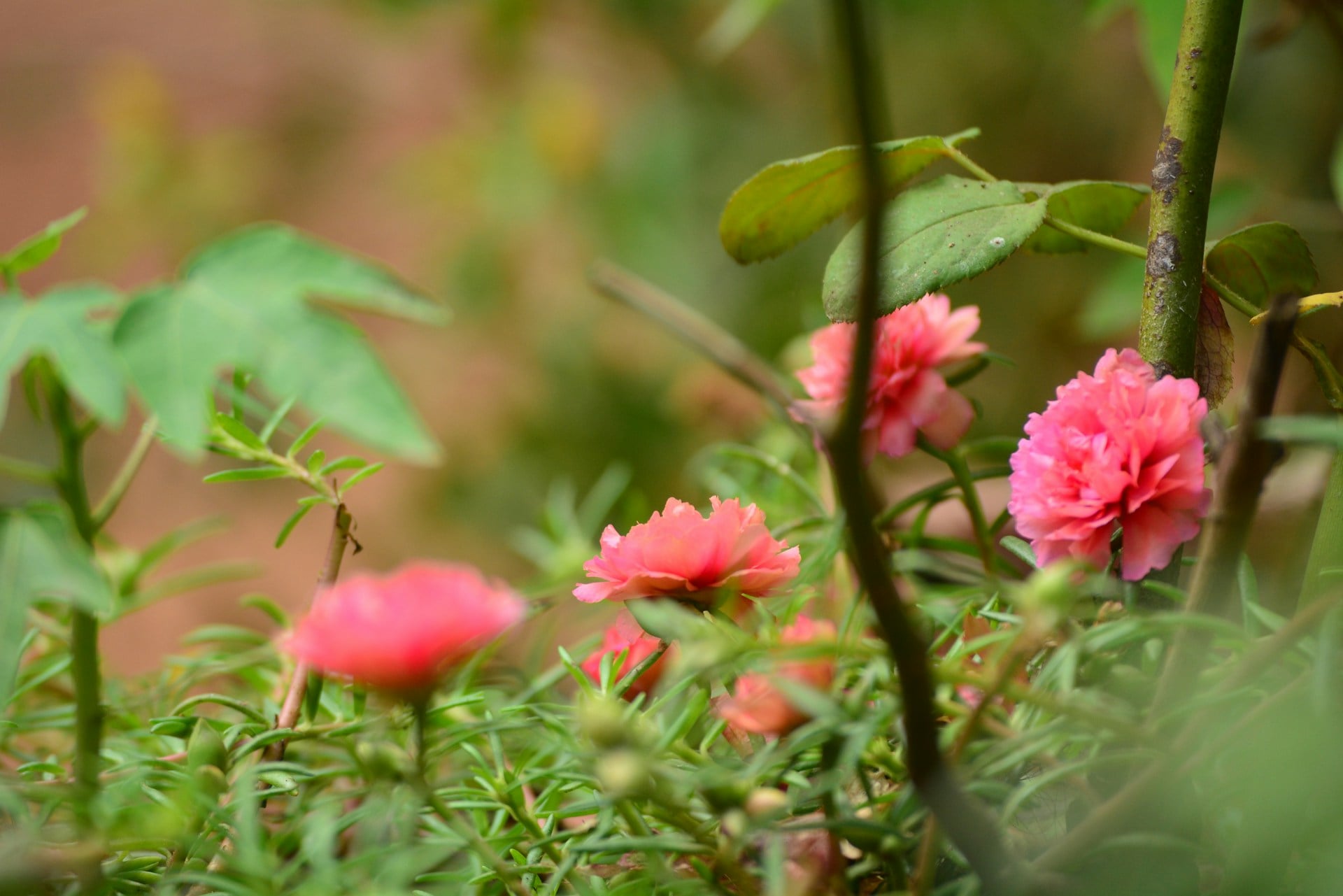
This low-growing plant shows up in cracks and bare spots in the yard.
Most don’t know it’s actually packed with omega-3 fatty acids.
Purslane is also full of fiber and can be eaten raw in salads or cooked like spinach.
It has a slightly sour taste but blends well with many dishes.
It’s common, easy to find, and surprisingly healthy.
Plantain (the weed, not the banana)
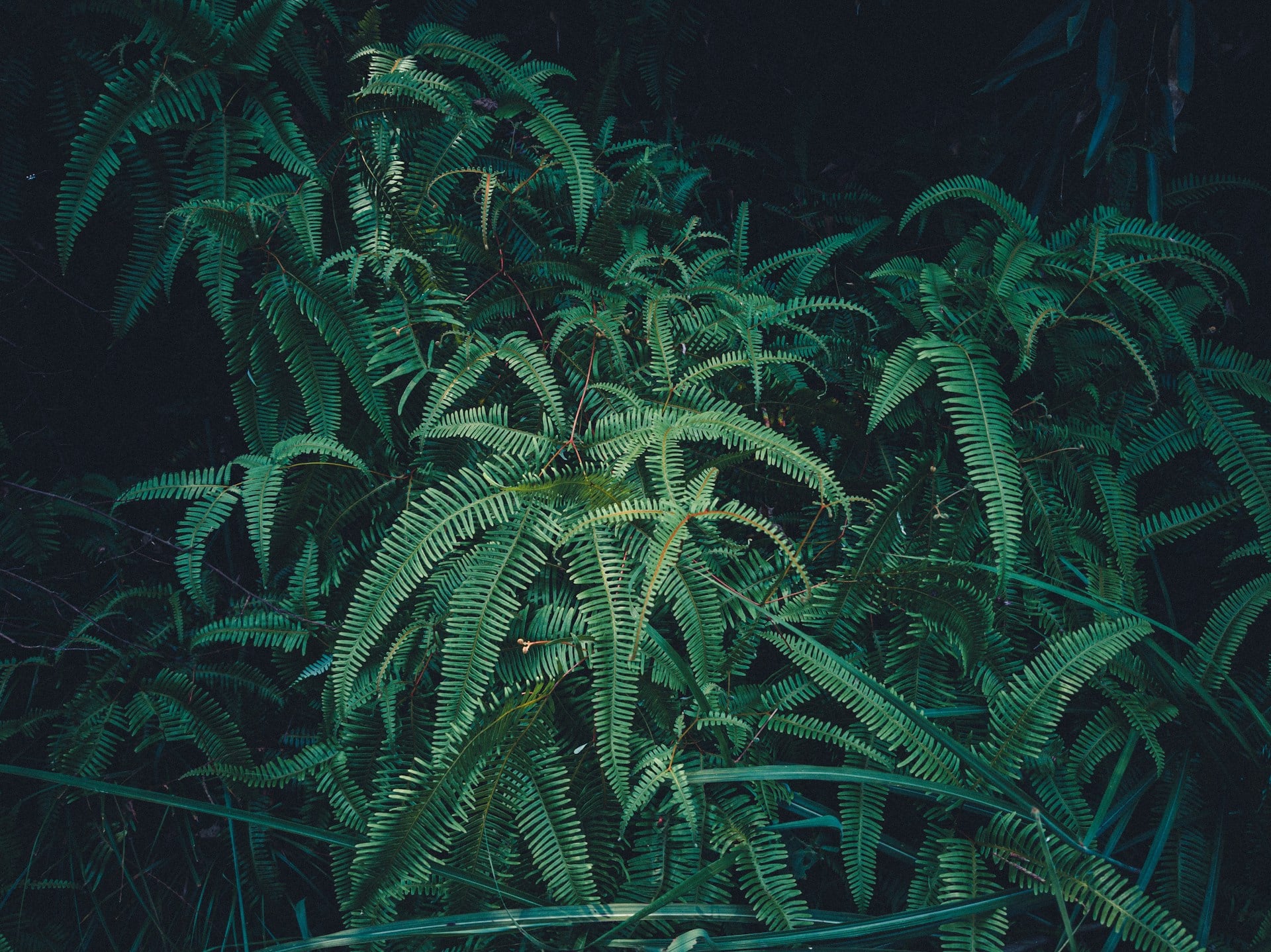
Broadleaf plantain is found in lawns, driveways, and parks.
It’s not much to look at, but the leaves can be used to soothe insect bites or minor cuts.
Some people chew the leaf and place it on the skin to reduce itching or swelling.
It also contains nutrients like calcium and vitamin K.
When young, the leaves can be eaten in a salad or cooked.
Clover
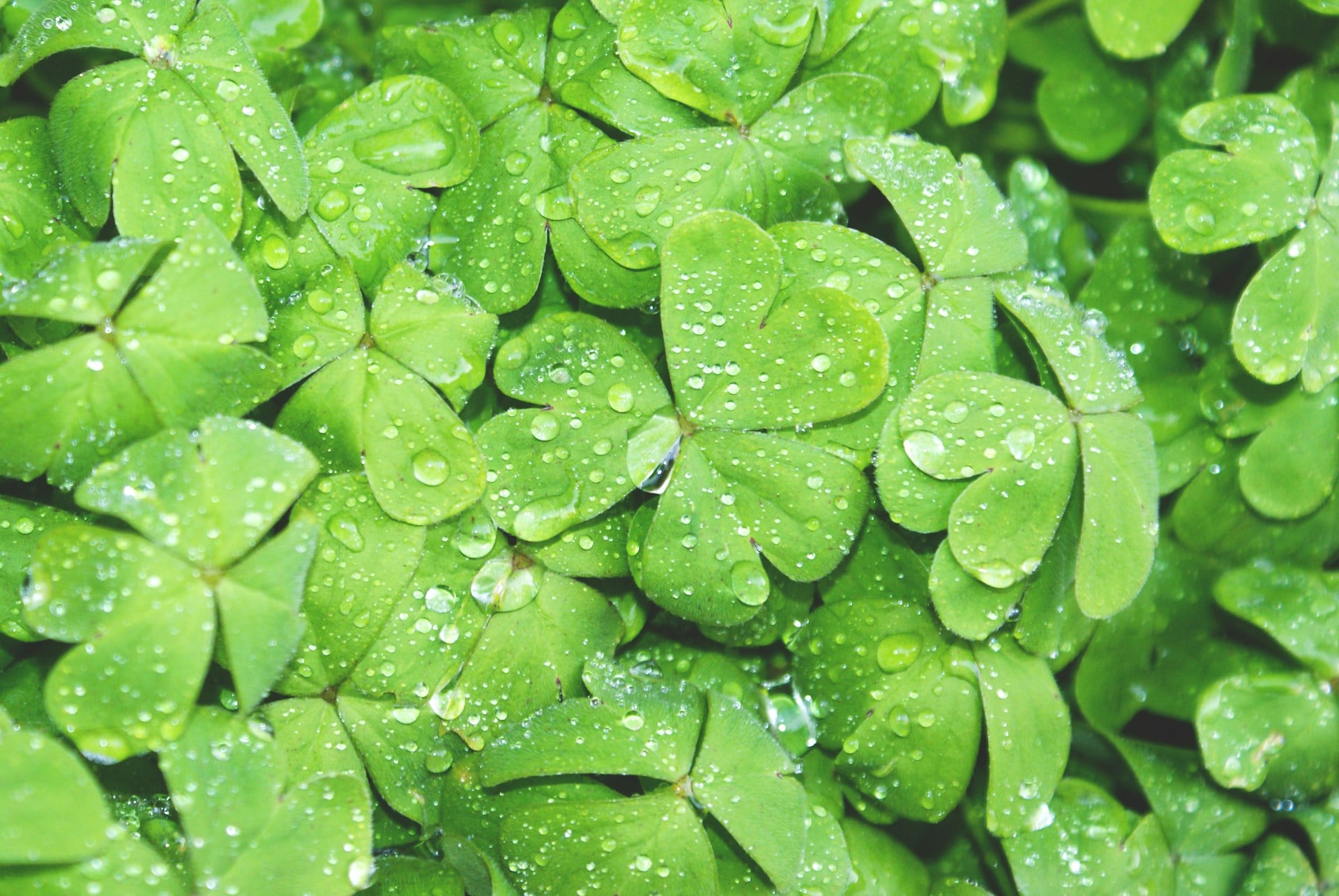
Clover often spreads across lawns and is known for its small, white or pink flowers.
It adds nitrogen to the soil, which helps other plants grow stronger.
Bees love it too, and clover honey comes straight from these little blooms.
The flowers and leaves can also be used in teas.
It’s not just lucky — it’s useful.
Chickweed
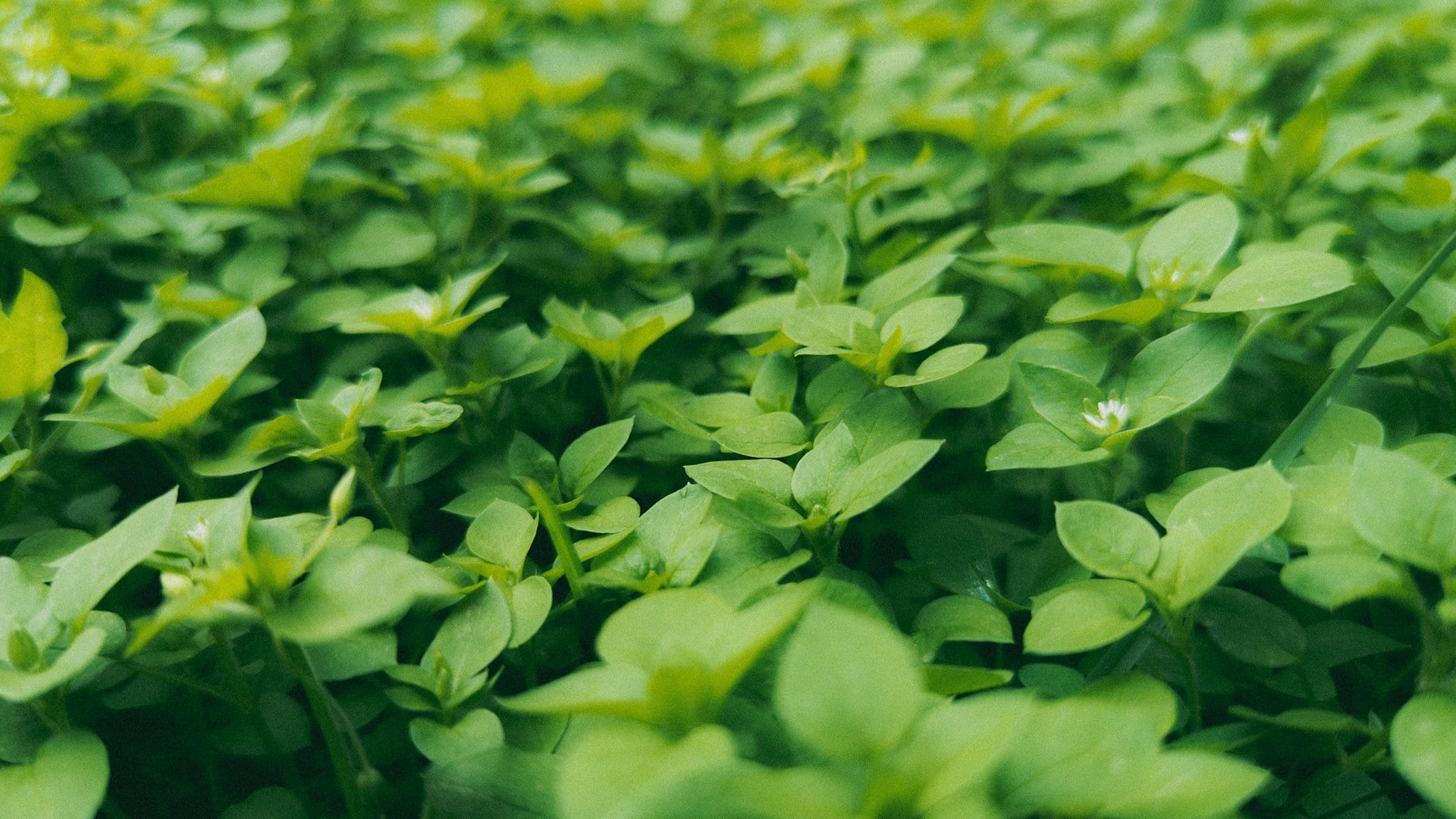
Chickweed grows quickly and spreads fast, but it’s not all bad news.
The leaves are tender and can be tossed into salads or cooked like greens.
Some people make ointments from it to help soothe dry or itchy skin.
It’s also known to have mild anti-inflammatory effects.
Though tiny, this plant has big potential.
Lamb’s quarters
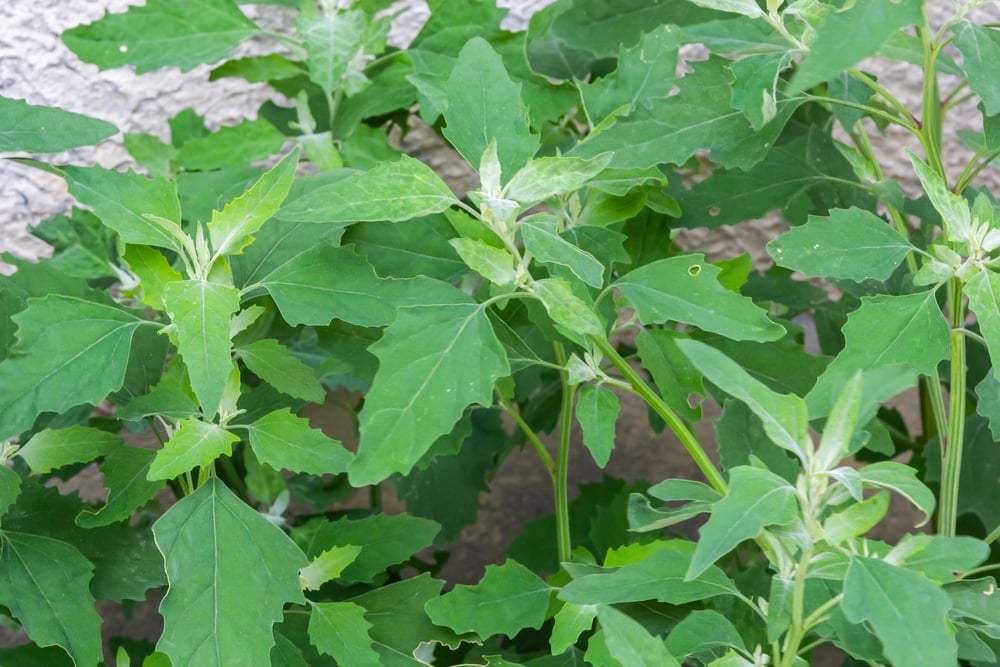
This common weed grows tall with dusty-looking leaves.
The leaves are rich in iron, calcium, and vitamin A.
It tastes similar to spinach and can be used in soups, stir-fries, or eaten raw.
It’s been eaten for centuries in different parts of the world.
Some even call it “wild spinach.”
Shepherd’s purse
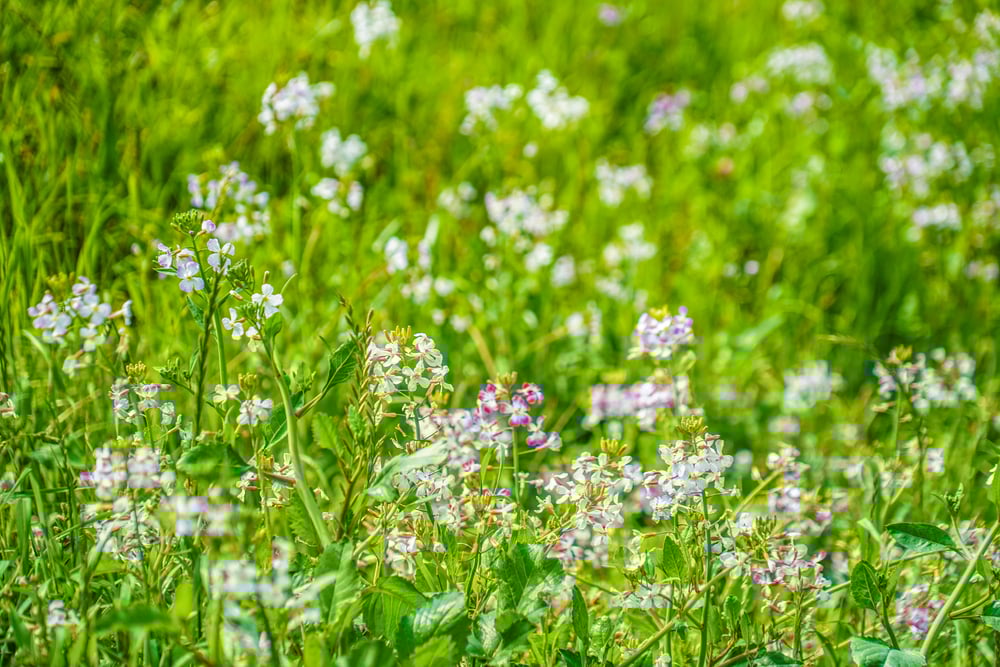
Named for the shape of its seed pods, shepherd’s purse has been used in traditional remedies for generations.
It’s thought to help with minor wounds and some women’s health issues.
It also adds a peppery flavor to dishes, a bit like mustard greens.
While it’s not flashy, it’s been quietly useful for a long time.
Mallow
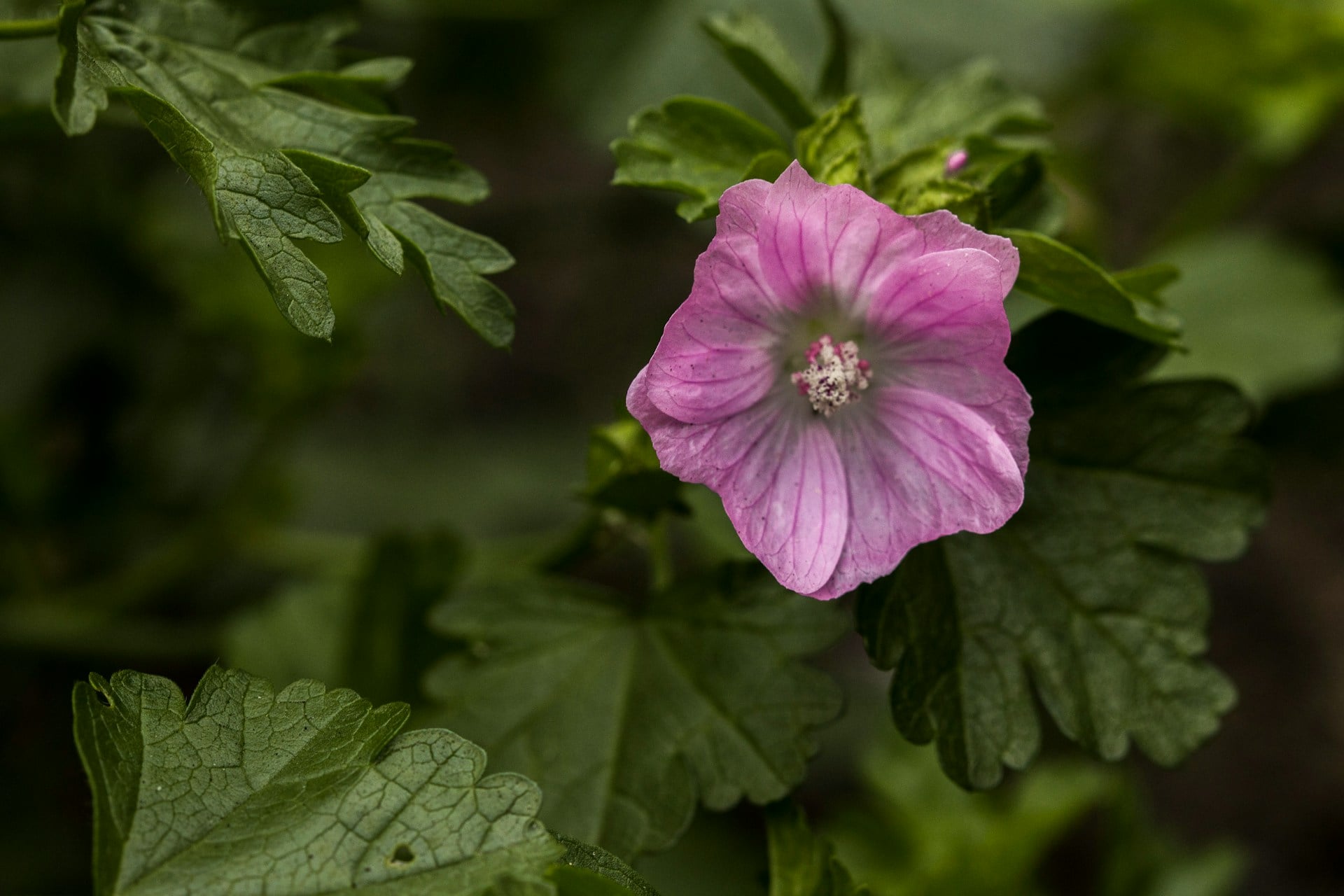
Common mallow has round leaves and pink or purple flowers.
The leaves are edible and have a mild, almost sweet taste.
People have used it in teas or cooked it into stews.
It also contains a natural thickening agent that helps soothe sore throats.
This gentle weed is more helpful than it looks.
Nettle (with care)
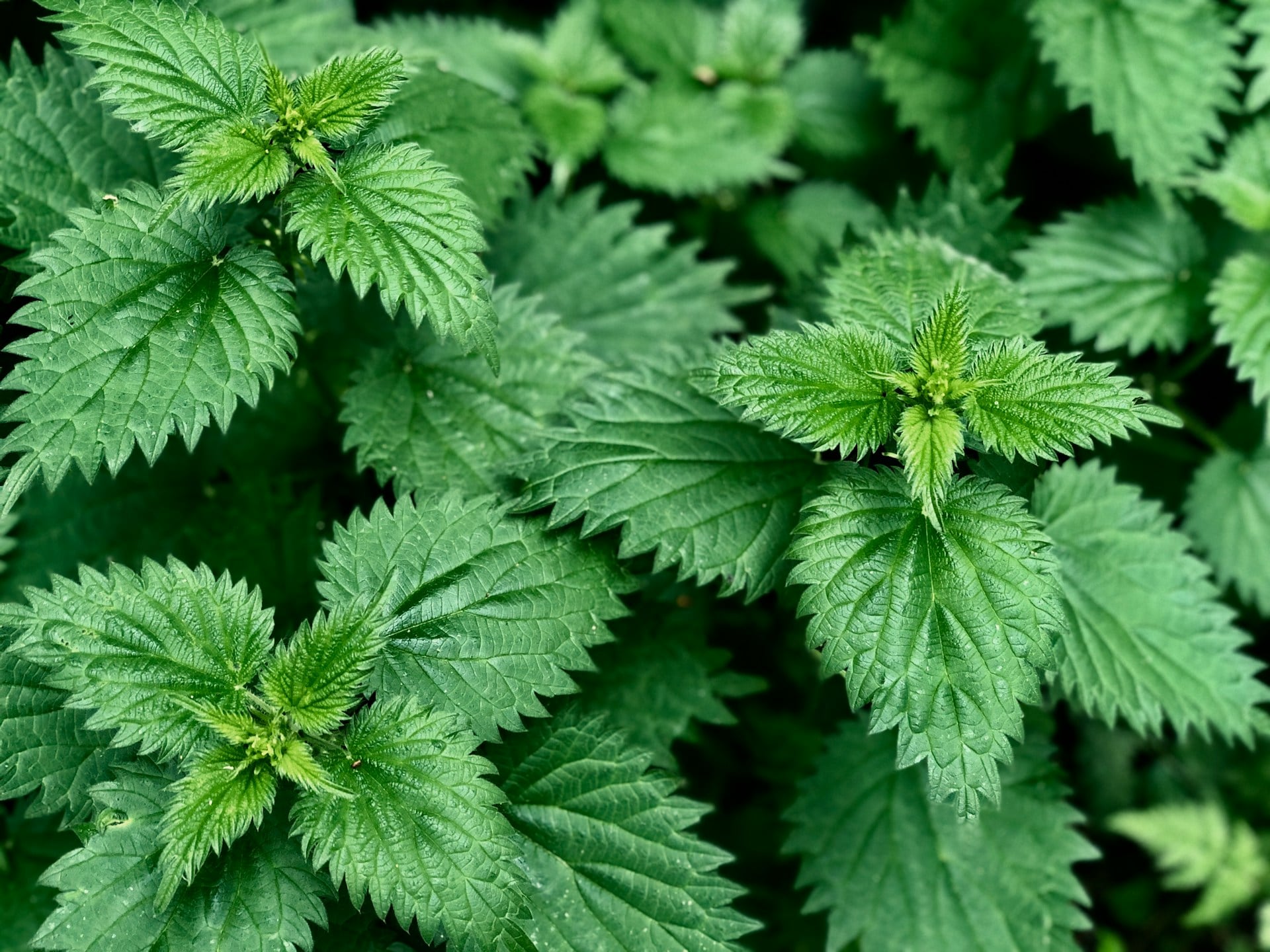
Nettles sting if touched raw, but once cooked or dried, they lose that bite.
The leaves are full of iron and other nutrients.
Nettles can be made into tea or cooked like spinach.
Some even say it helps with allergies.
Gloves are a must when picking, but the reward is worth it.
Burdock
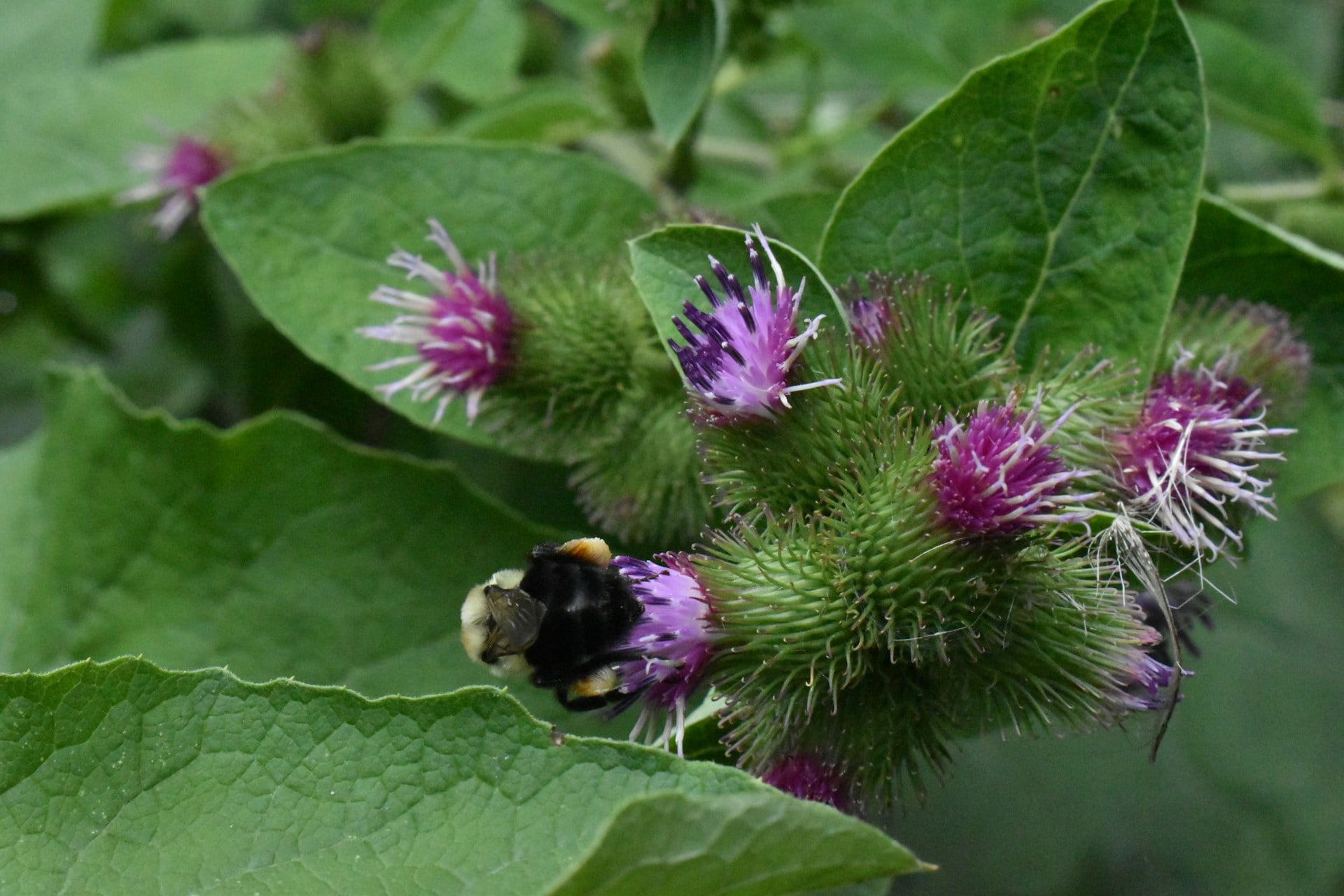
Burdock grows big leaves and burrs that stick to clothes.
Underneath, it hides a long root that’s used in cooking, especially in parts of Asia.
The root is earthy in flavor and rich in fiber.
Some also use it in herbal teas to help with skin health.
It’s tough on the outside, useful on the inside.
Wood sorrel
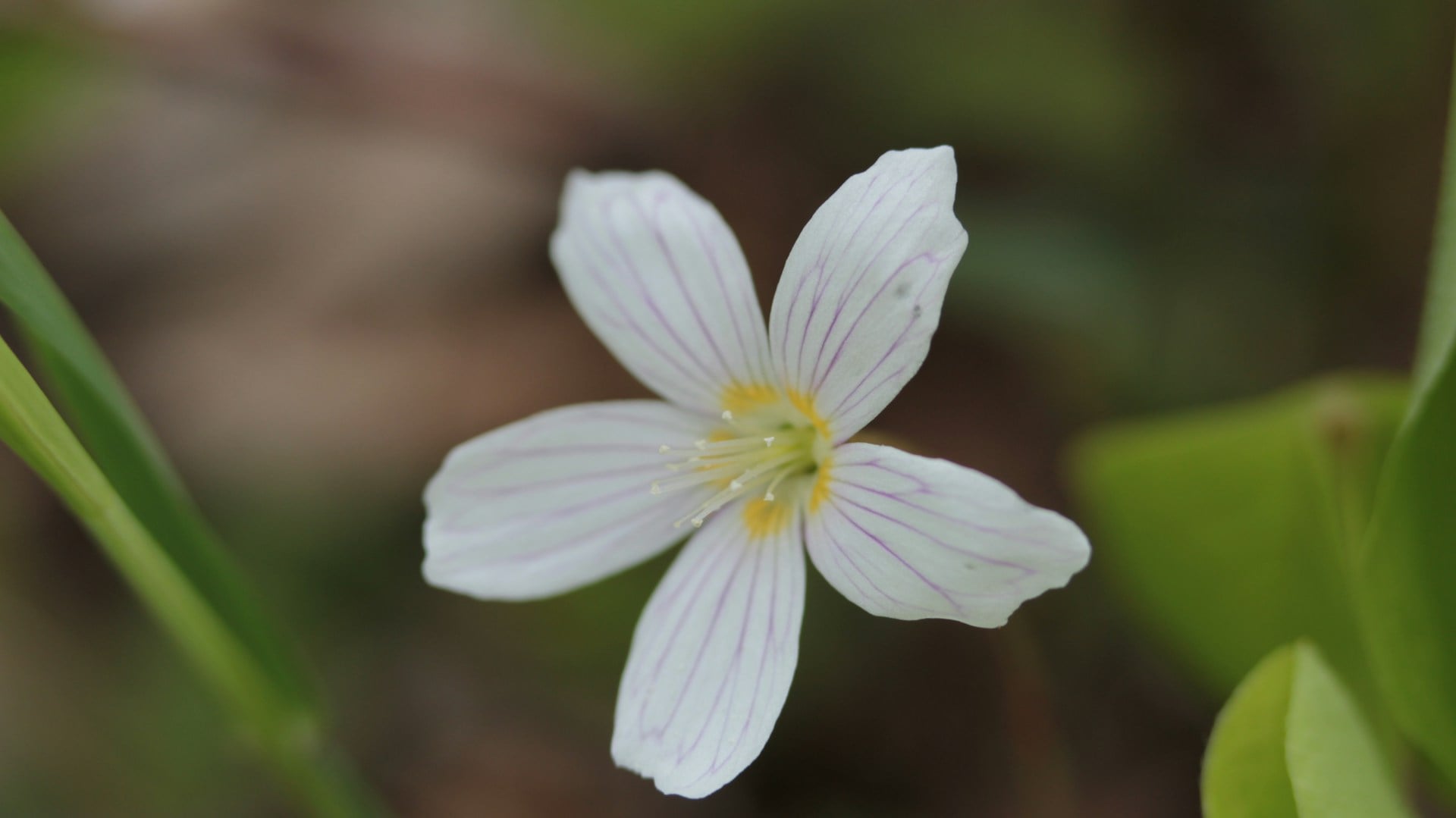
With heart-shaped leaves that look like clover, wood sorrel has a lemony taste.
It can be added to salads or used as a garnish.
Some people enjoy it fresh on sandwiches or mixed with greens.
While tasty in small amounts, it shouldn’t be eaten in large quantities too often.
Still, it adds a fun pop of flavor.
Yarrow
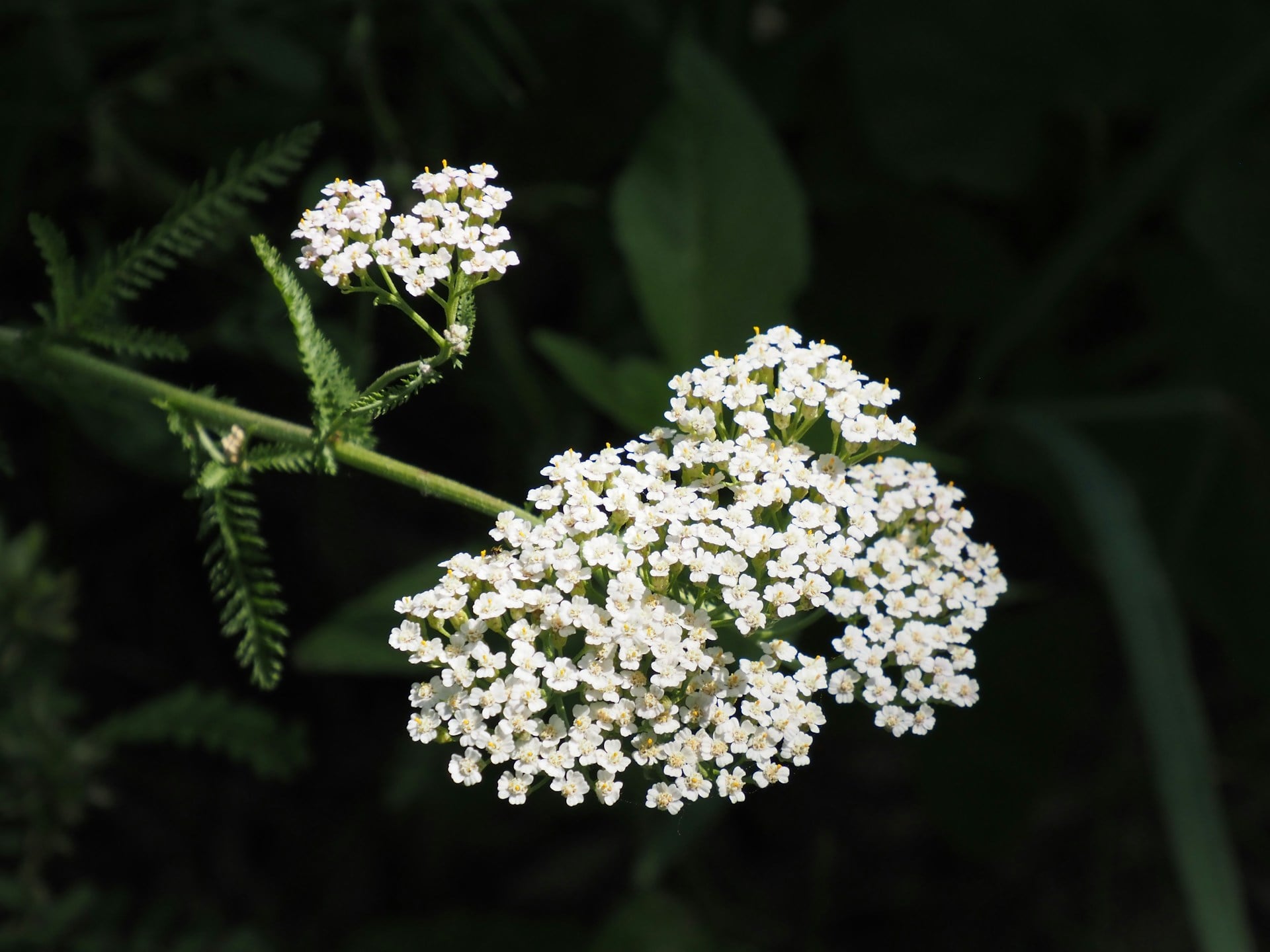
Yarrow grows feathery leaves and small clusters of white or pink flowers.
People have used it for ages to help with minor cuts and nosebleeds.
The leaves can be crushed and applied directly to skin.
It’s also used in teas for relaxation.
Beyond its look, it has a long history of being useful.
Wild violet
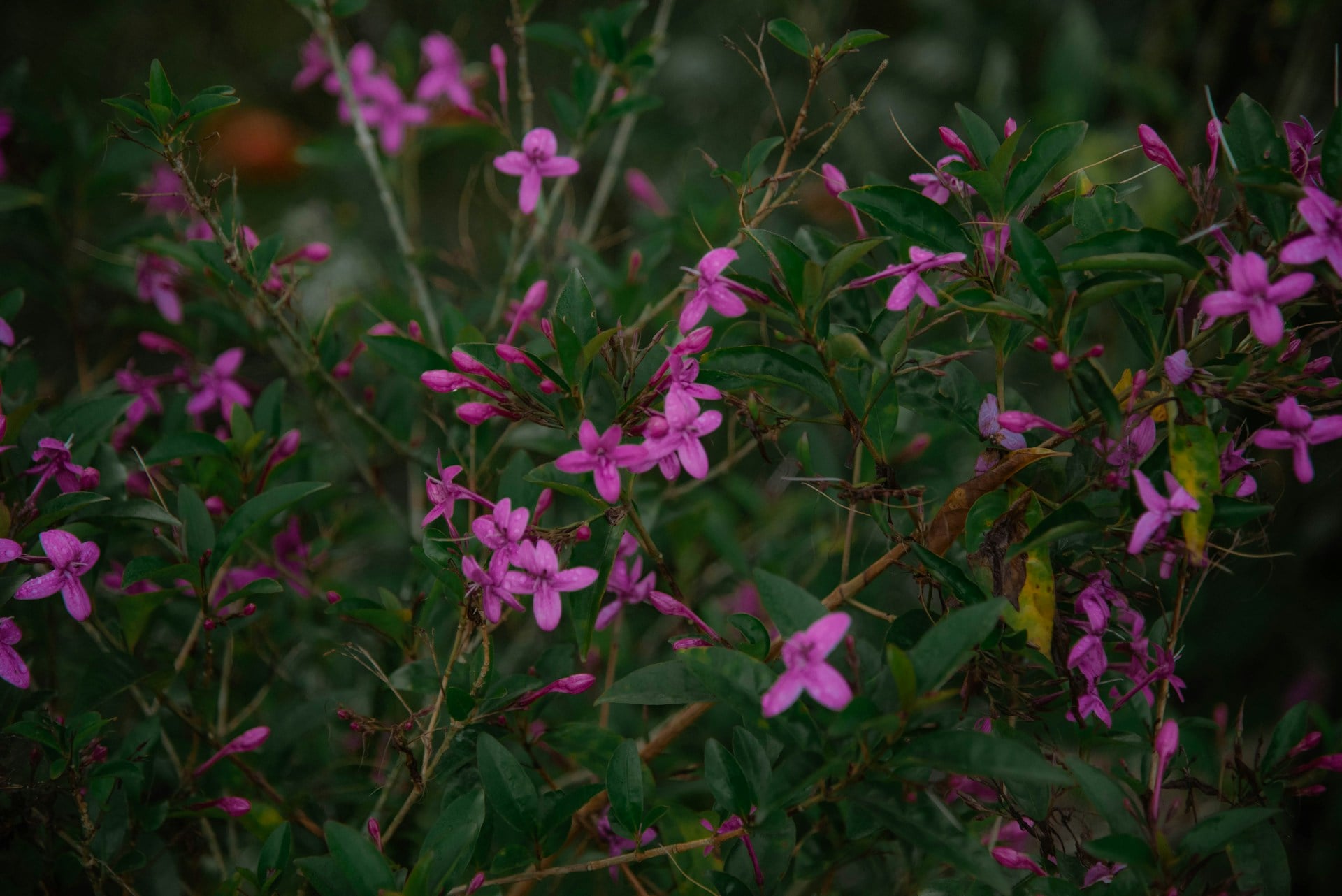
Wild violets spread fast and cover the ground with purple flowers.
The flowers and leaves are edible and can be used in salads or as decorations on desserts.
The plant also contains vitamin C.
Some people even candy the flowers.
It adds color and a bit of sweetness to any dish.
Creeping Charlie
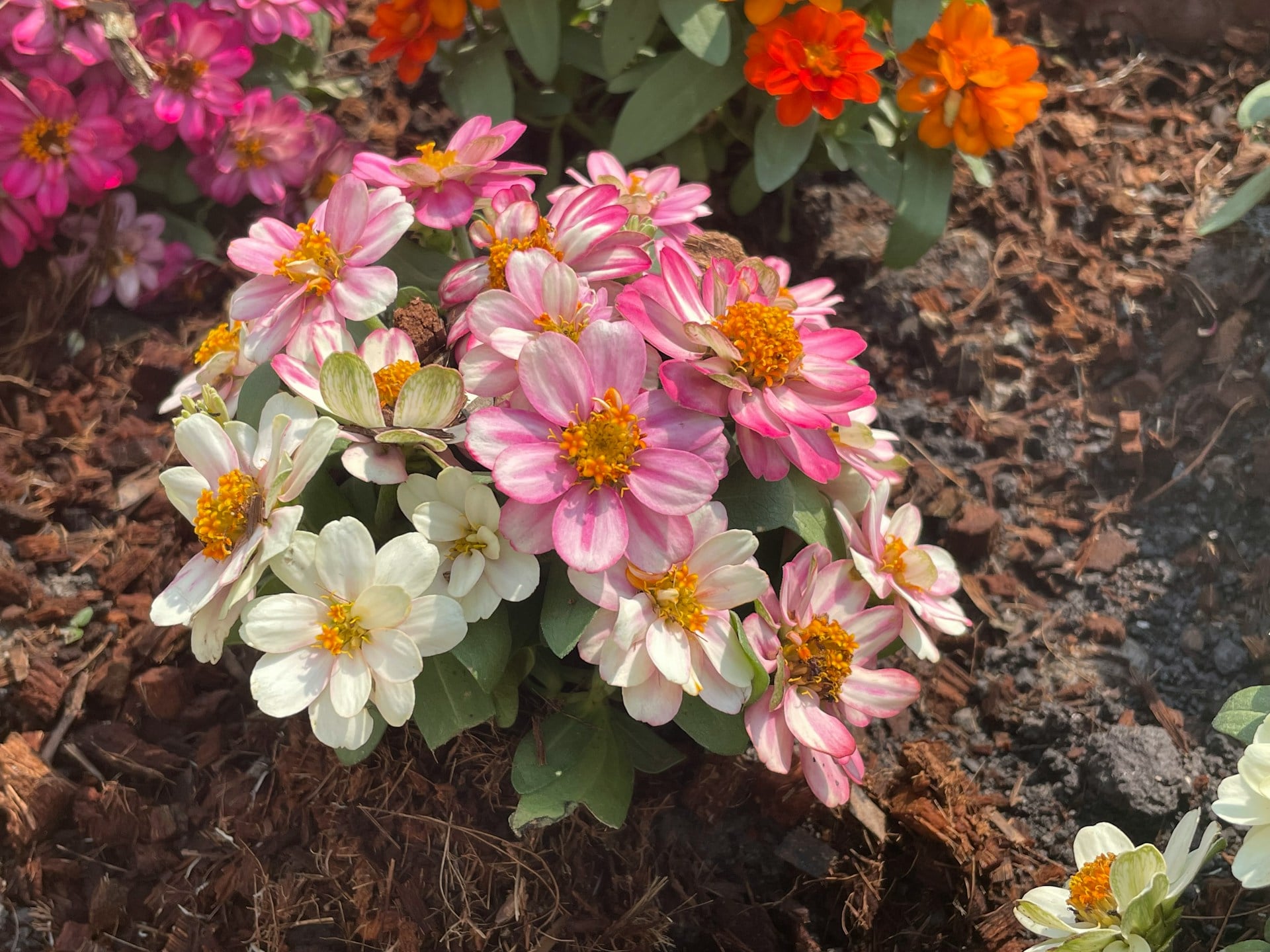
Also known as ground ivy, this weed can take over a yard fast.
But it has a strong minty smell and has been used in teas and herbal remedies.
Some even used it to flavor beer before hops became common.
It’s one of those plants that’s both pesky and useful at the same time.
Daisy
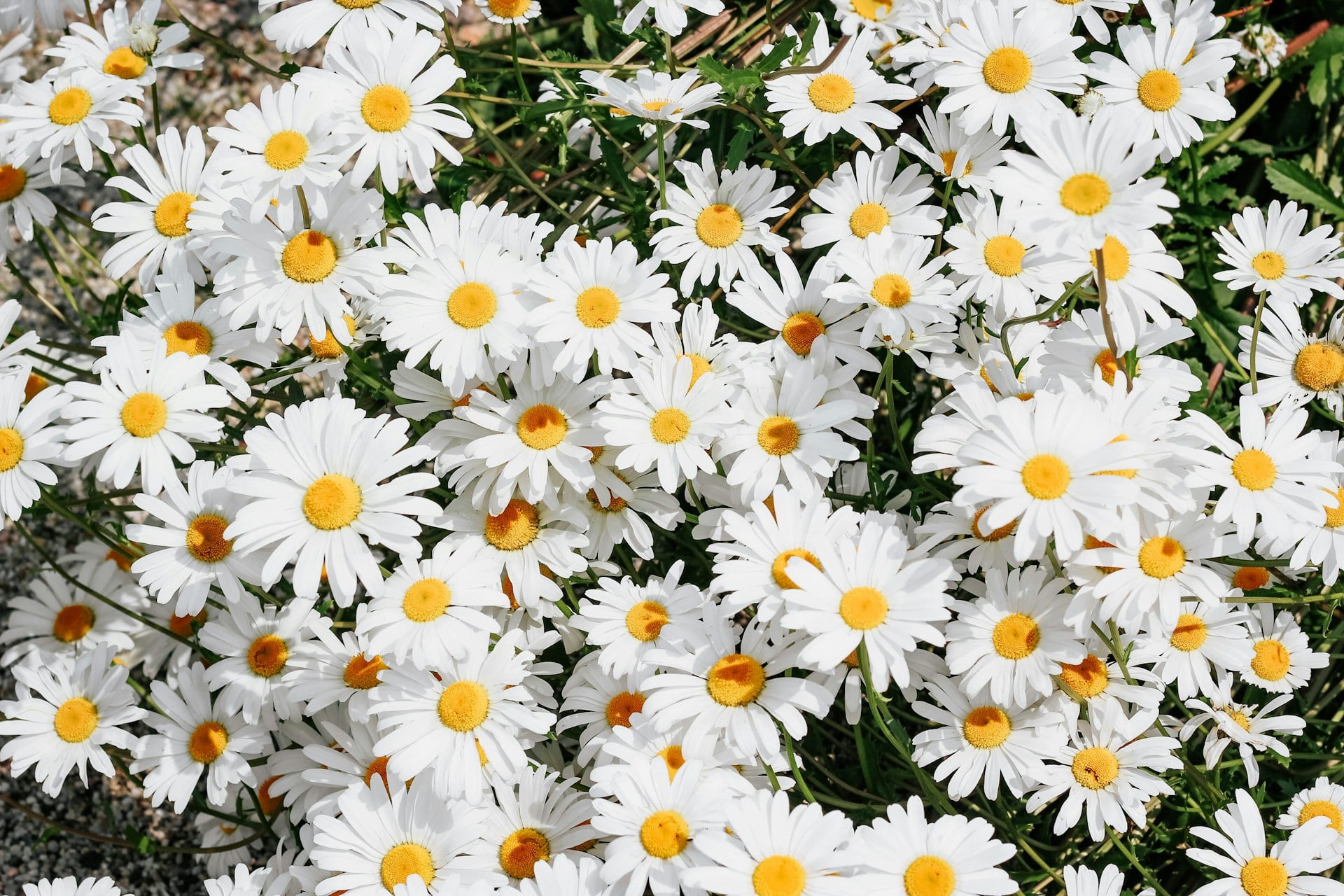
Daisies are more than just pretty faces.
Their petals and leaves are edible, though the taste is mild.
Some have used them in teas for mild coughs or sore throats.
They can also add a fresh look to salads.
They’re easy to overlook but can add value to a garden in more ways than one.
Curly dock
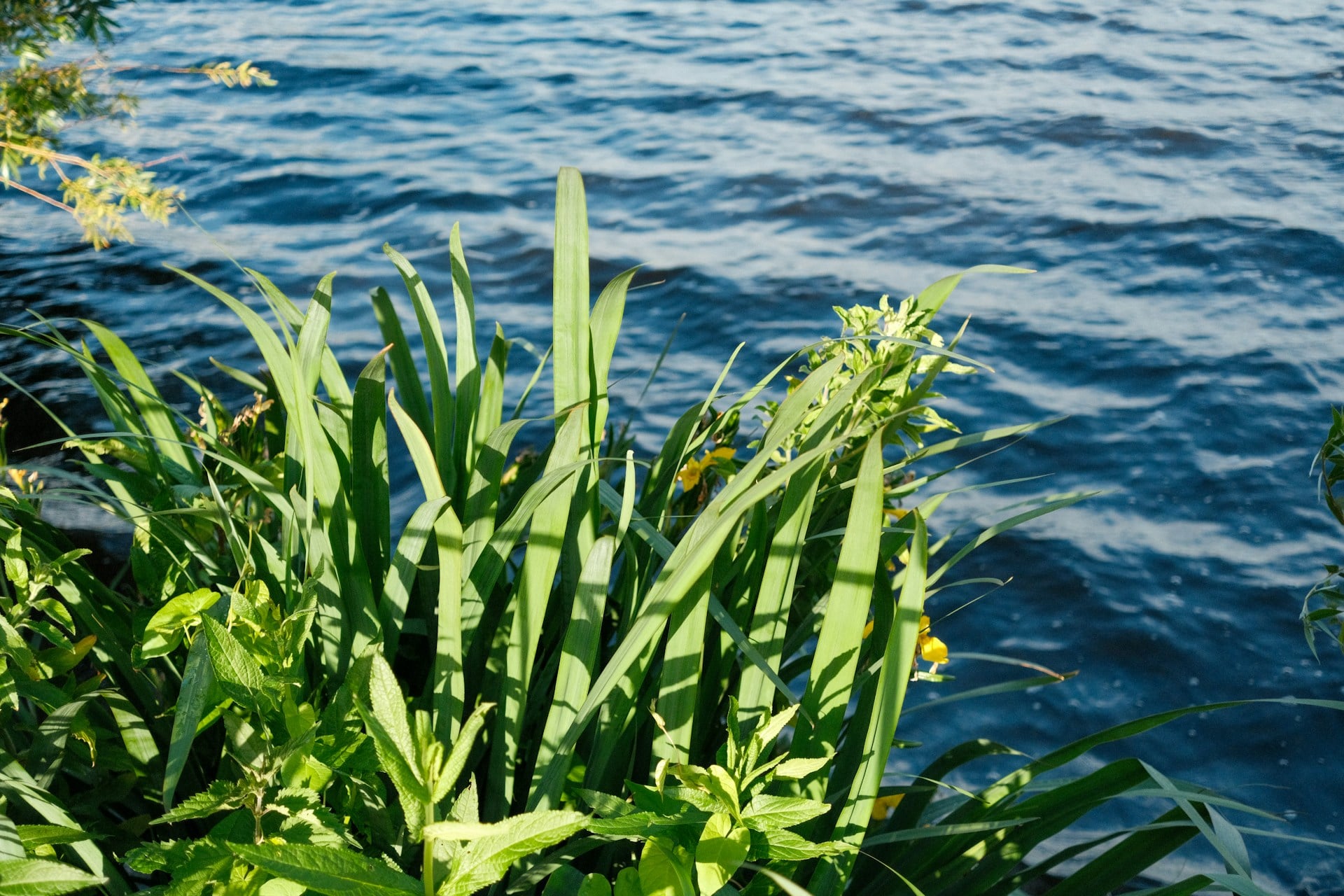
This tall weed with long, wavy leaves grows in disturbed soil.
The young leaves can be cooked and eaten, though they’re best in small amounts.
The root is sometimes dried and used in herbal medicine.
It has a slightly sour taste and needs careful prep.
But with the right touch, it’s surprisingly versatile.
Bittercress
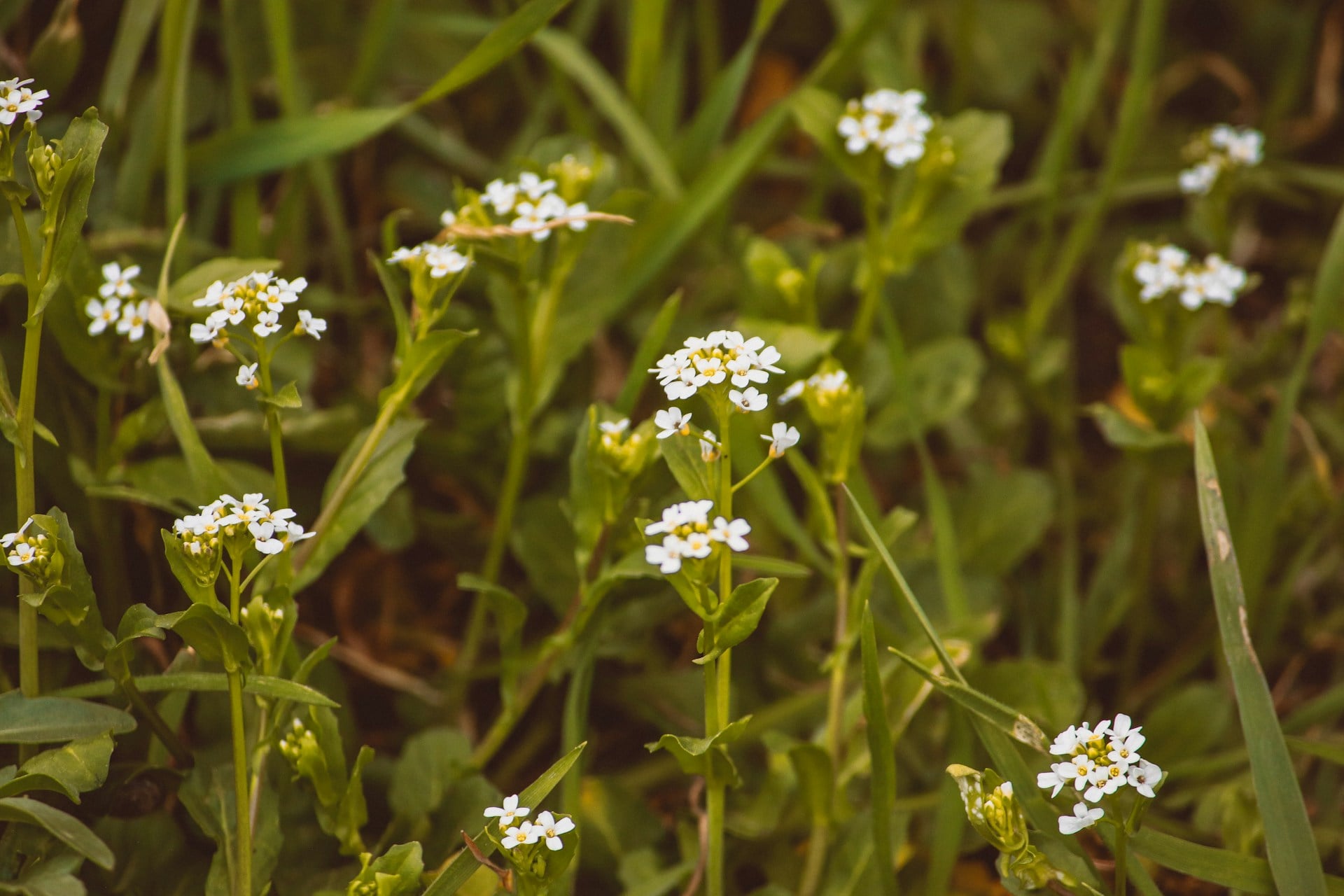
Bittercress grows low to the ground and spreads fast in cool months.
It has a peppery flavor, similar to arugula.
Some toss it in sandwiches or salads for a spicy kick.
It’s also packed with vitamin C.
Not bad for something most people try to dig out.
Nature’s little helpers in disguise
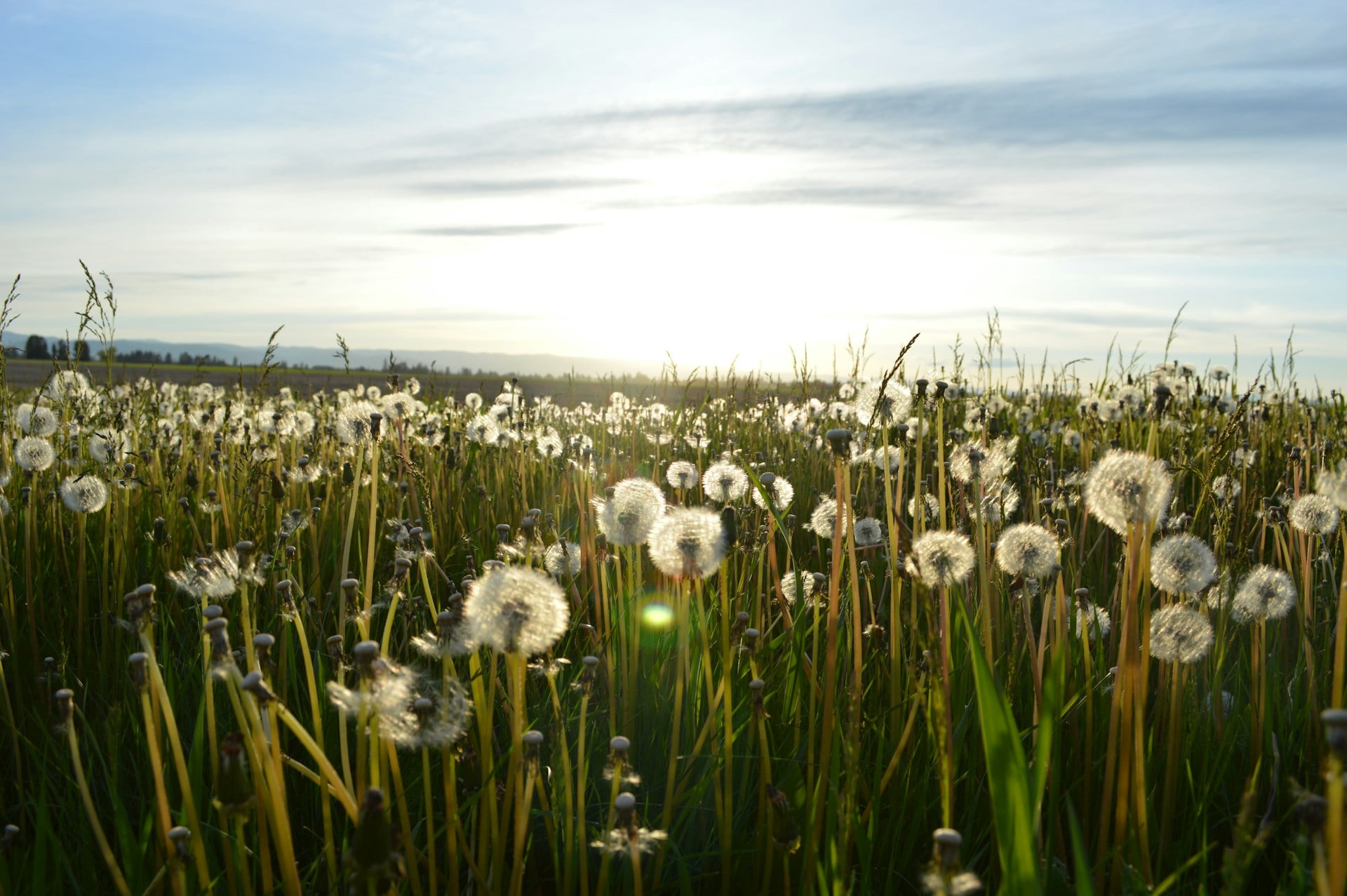
These so-called weeds might seem like trouble at first, but many of them offer something useful — whether it’s food, healing, or helping the soil.
Long before store-bought products took over, people used what grew around them.
Some of these plants are still helping today, even if most folks don’t notice.
Taking a closer look at what grows in the yard could lead to some nice surprises.
After all, not every weed is a problem — some are just waiting to be seen differently.
More frMore from Go2Tutors!

- The Romanov Crown Jewels and Their Tragic Fate
- 17 Halloween Costumes Once Considered Taboo
- Famous Hoaxes That Fooled the World for Years
- 15 Child Stars with Tragic Adult Lives
- 16 Famous Jewelry Pieces in History
Like Go2Tutors’s content? Follow us on MSN.