15 Natural Cycles That Take Exactly One Year to Complete
The natural world operates on an incredible variety of schedules. Some processes unfold over centuries. Others happen in seconds. But there’s something particularly fascinating about those biological phenomena that align perfectly with our planet’s annual orbit around the sun. These yearly cycles govern everything from tiny insect migrations to massive ecosystem transformations, creating a global symphony of perfectly timed events.
Each cycle connects to others in ways that scientists are still discovering. Here is a list of 15 natural cycles that take exactly one year to complete.
Earth’s Orbit Around the Sun

Our home planet takes 365.25 days to complete its elliptical journey around the sun. This fundamental cycle drives virtually every other annual pattern on Earth. The trip covers about 584 million miles at an average speed that would make a NASCAR driver jealous — roughly 67,000 mph. Earth’s 23.5-degree axial tilt creates our seasons, though the planet’s distance from the sun varies surprisingly little throughout the year.
Seasonal Migration of Monarch Butterflies
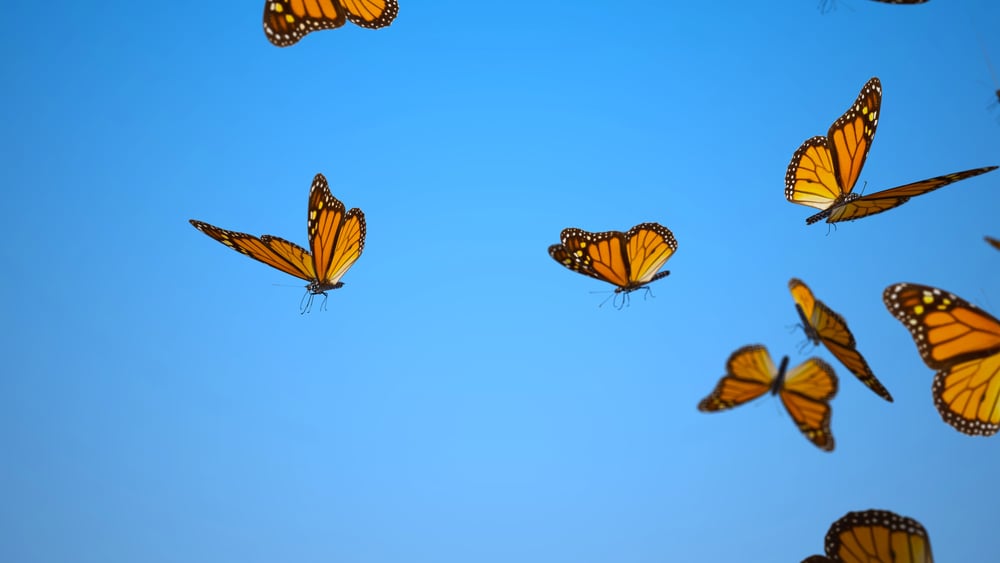
Monarch butterflies accomplish something that seems impossible for such delicate creatures. They travel up to 3,000 miles from breeding grounds in Canada all the way to specific forests in central Mexico. What makes this even more remarkable is that the butterflies completing the journey have never been there before — it takes multiple generations to complete the full cycle. Yet somehow they find the exact same trees their great-great-grandparents used.
Arctic Tern Migration

No animal on Earth travels farther annually than the Arctic tern. These birds cover approximately 44,000 miles each year — equivalent to flying around the Earth’s equator nearly twice. They experience two summers by following the sun from Arctic breeding grounds to Antarctic feeding areas and back again. Despite crossing vast oceans and multiple continents, they return to precisely the same nesting sites year after year.
Hibernation Cycles of Brown Bears
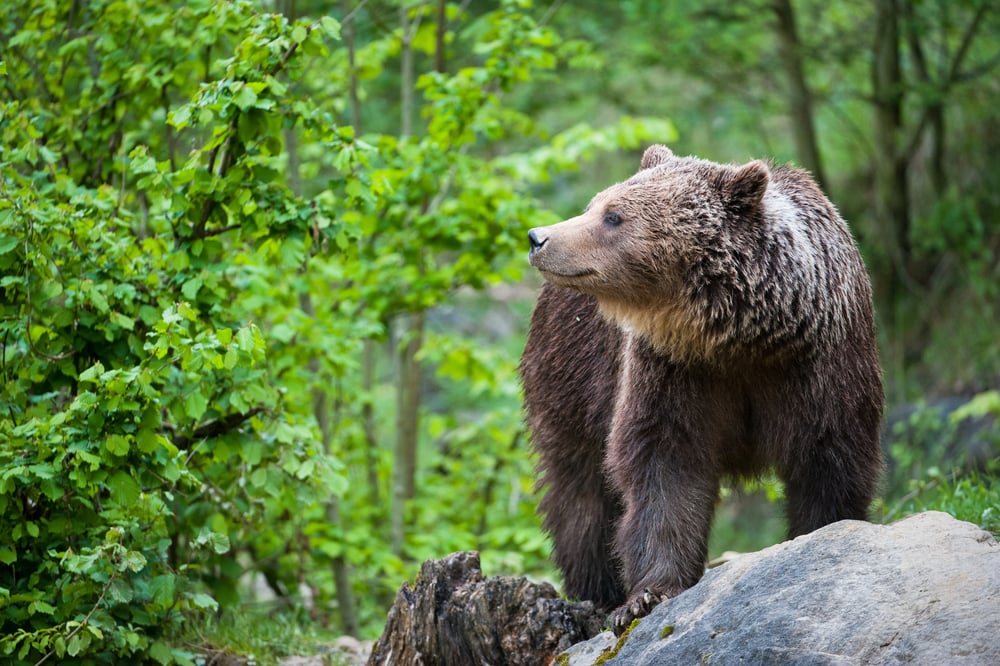
Brown bears have perfected the art of the ultimate winter nap. They enter hibernation each fall and emerge each spring in a cycle that’s remained consistent for thousands of years. During their 5-7 month sleep, their heart rate drops to just 8-10 beats per minute — about one-sixth of their normal rate. Female bears even give birth during hibernation, then wake up ready to teach their cubs how to survive in the wild.
Bamboo Flowering Cycles
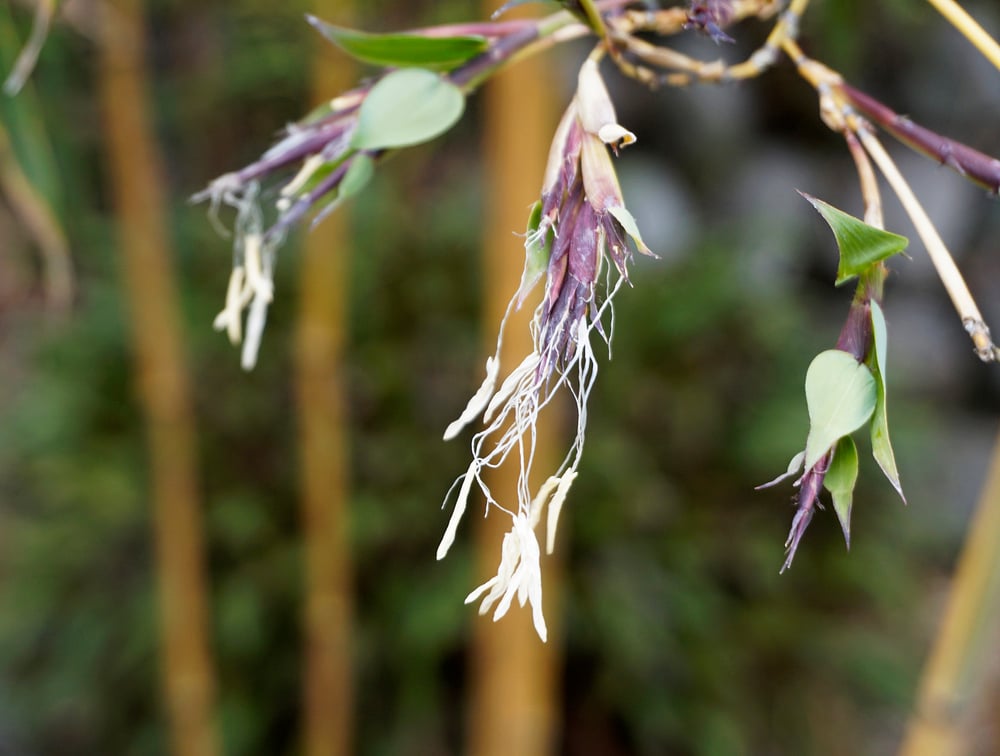
Some bamboo species follow annual flowering schedules, though others operate on much longer cycles that can span 65-120 years. Annual flowering bamboos bloom during specific months — then produce seeds and die. This mass flowering creates feast-or-famine conditions for animals that depend on bamboo. In some regions, entire ecosystems shift dramatically when bamboo completes its reproductive cycle.
Salmon Spawning Runs

Pacific salmon perform one of nature’s most determined annual journeys. They swim hundreds of miles from the ocean back to the exact streams where they were born — navigating by scent memories that somehow persist throughout their ocean years. The timing is so precise that indigenous communities have planned their seasonal activities around salmon runs for thousands of years. Each species has its own schedule, yet rarely varies by more than a few days annually.
Migratory Bird Patterns

Billions of songbirds follow migration routes that span entire continents with timing so accurate it’s almost supernatural. Ruby-throated hummingbirds — weighing less than a nickel — somehow cross the 500-mile Gulf of Mexico twice each year. Arctic warblers make epic journeys from Alaska to Southeast Asia. Changes in daylight trigger these migrations, though many birds return to the exact same territories season after season.
Tree Ring Formation

Trees in temperate climates create natural calendars by growing exactly one ring per year. Each ring tells a story about that year’s growing conditions — wide rings indicate good years with plenty of water and nutrients, while narrow rings reveal drought or stress. Scientists have used tree rings to reconstruct climate patterns going back thousands of years — making ancient trees some of our best historical weather stations.
Annual Plant Life Cycles
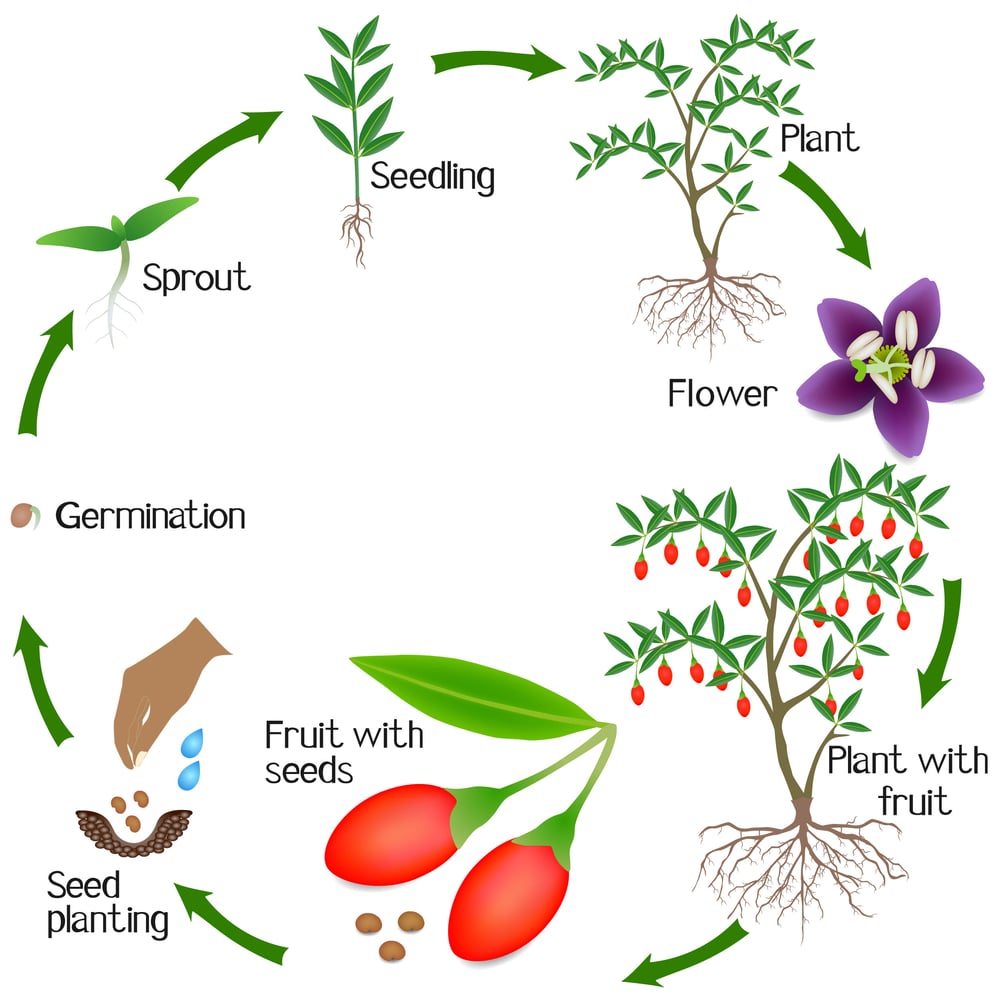
Annual plants pack their entire existence into a single growing season. From germination to death, they complete everything in roughly 365 days. Sunflowers, zinnias, and most vegetables follow this pattern — growing rapidly, flowering spectacularly, producing seeds, then dying before winter arrives. These plants have evolved to maximize their reproductive success within tight time constraints.
Caribou Migration

Caribou herds undertake some of the longest land migrations on Earth — covering over 3,000 miles annually between summer and winter ranges. These movements involve hundreds of thousands of animals following routes their ancestors have used for millennia. Pregnant females time their migration so precisely that they arrive at traditional calving grounds just as spring conditions become optimal for newborn survival.
Seasonal Molting in Arctic Animals

Arctic foxes, ptarmigan, and many other northern species undergo complete wardrobe changes twice each year. They grow thick white winter coats for camouflage against snow, then shed them in spring for brown or gray summer pelage. The timing is controlled by changing daylight hours rather than temperature, ensuring perfect seasonal camouflage regardless of unusual weather patterns.
Desert Wildflower Blooms
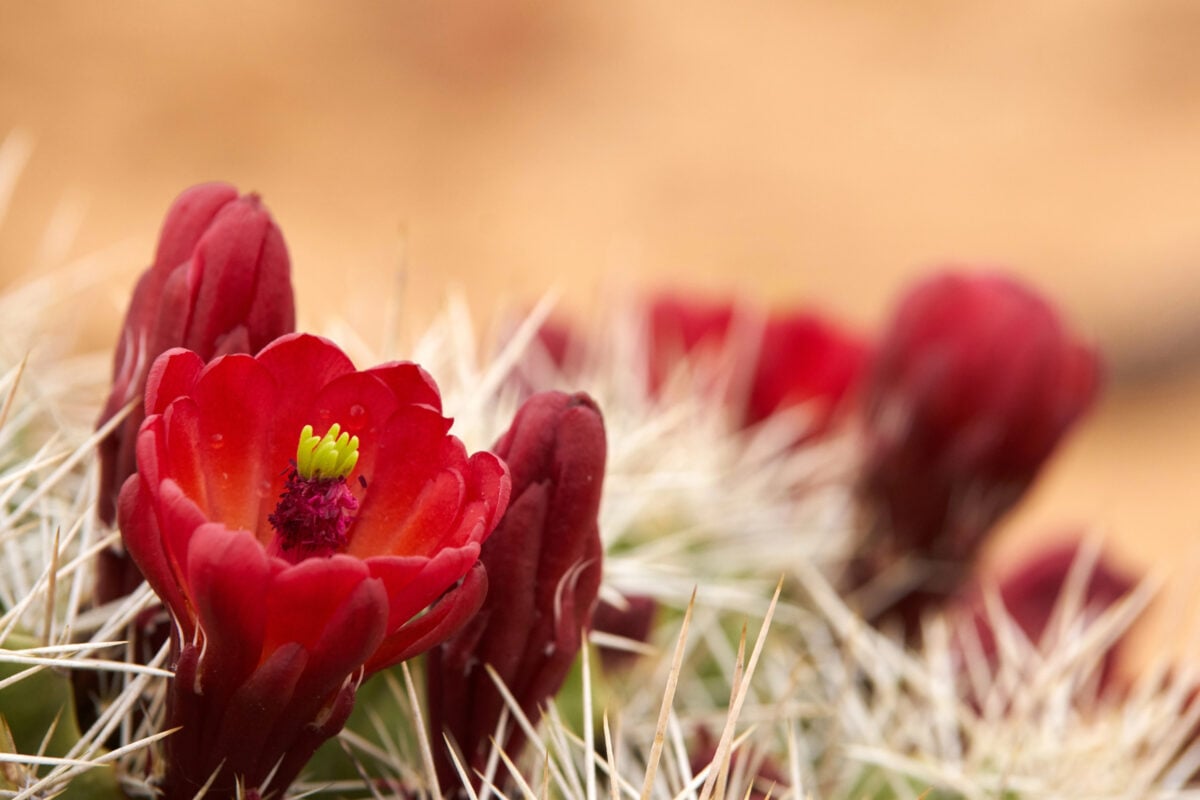
Desert wildflowers spend most of their lives as dormant seeds, waiting for the perfect conditions to germinate. When seasonal rains arrive at just the right time, millions of seeds burst into bloom simultaneously, creating spectacular carpets of color across seemingly barren landscapes. These displays typically last only a few weeks, yet they occur during predictable windows each year when temperature and moisture conditions align.
Coral Spawning Events
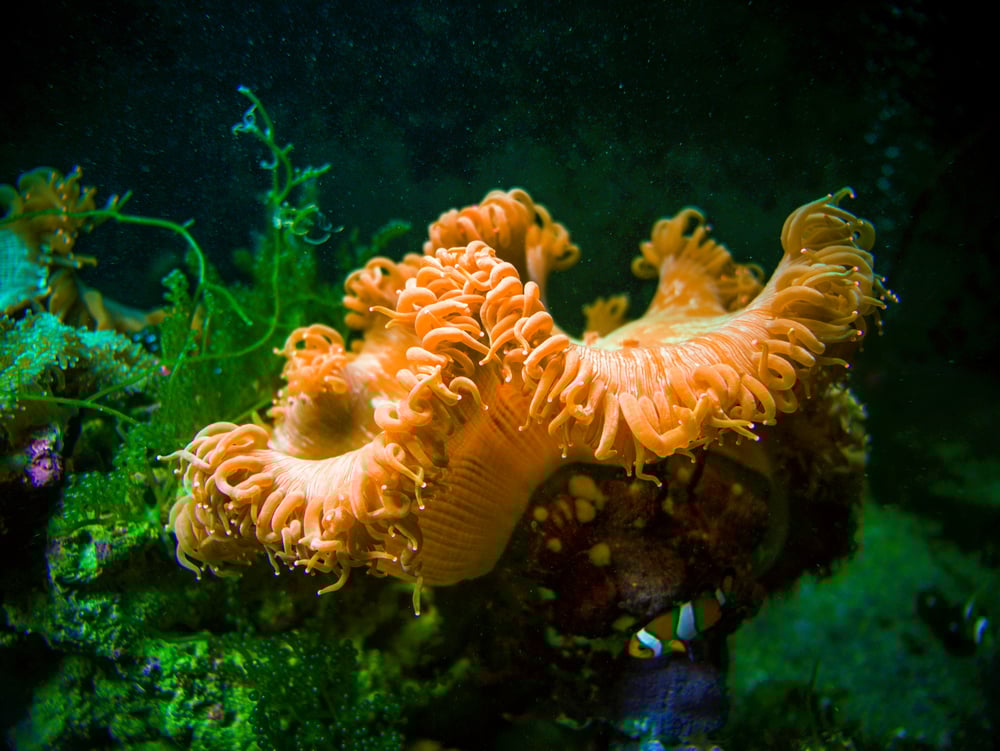
Many coral species coordinate their reproduction with lunar cycles and water temperatures, creating some of the ocean’s most spectacular annual events. The Great Barrier Reef’s mass spawning occurs each spring when billions of coral polyps release eggs and sperm simultaneously, turning the water into an underwater blizzard of reproductive material. This synchronized timing maximizes fertilization success across entire reef systems.
Antler Growth and Shedding
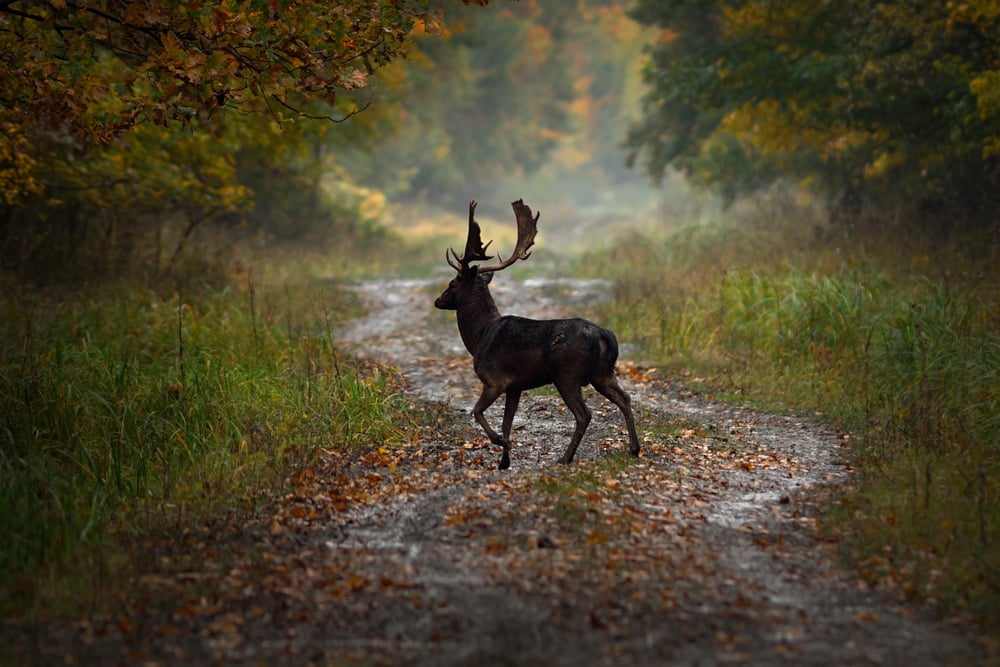
Male deer, elk, moose, and their relatives grow completely new antlers every single year. These bony structures begin developing in spring, reach full size by fall mating season, then fall off in winter when testosterone levels drop. Growing antlers requires enormous amounts of calcium and other nutrients, making this one of the most energy-intensive annual cycles in the animal kingdom.
Seasonal Plumage Changes

Many bird species undergo dramatic appearance changes twice yearly, developing bright breeding plumage in spring and more subdued colors for winter. Male mallards grow their iconic green head feathers each mating season, while goldfinches transform from dull brown to brilliant yellow. These changes happen in response to hormonal shifts triggered by changing day length, ensuring birds are properly dressed for each season’s challenges.
The Grand Choreography
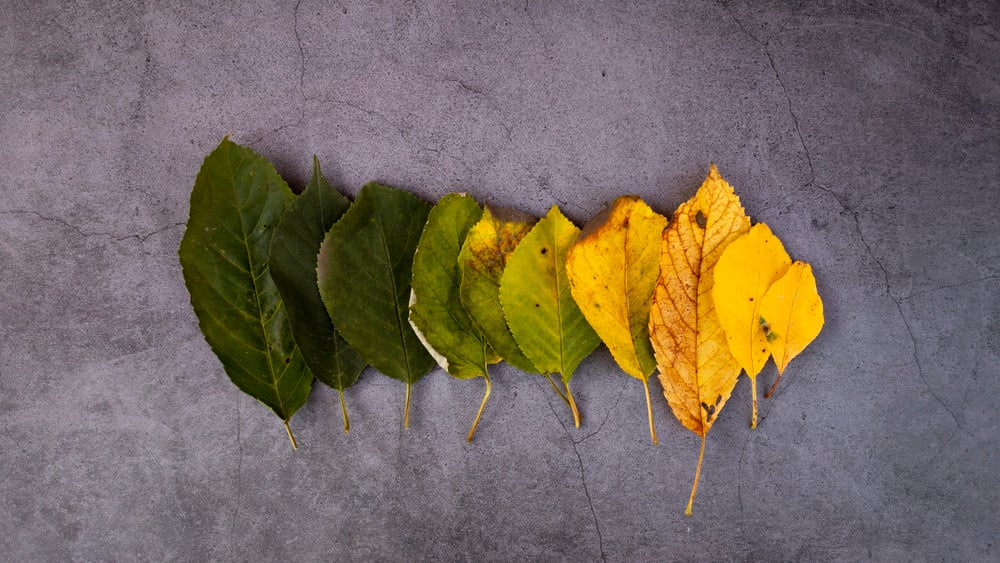
These annual cycles represent just a fraction of the countless natural rhythms that keep our planet functioning. While modern life often feels disconnected from natural patterns, these cycles continue their ancient dance with remarkable consistency. Each pattern influences others in ways we’re only beginning to understand, creating a complex web of interdependence that has evolved over millions of years. Understanding these rhythms helps us appreciate that we’re part of something much larger than ourselves — a living planet that operates with precision no human-made system has ever matched.
More from Go2Tutors!

- 16 Historical Figures Who Were Nothing Like You Think
- 12 Things Sold in the 80s That Are Now Illegal
- 15 VHS Tapes That Could Be Worth Thousands
- 17 Historical “What Ifs” That Would Have Changed Everything
- 18 TV Shows That Vanished Without a Finale
Like Go2Tutors’s content? Follow us on MSN.