15 Of The World’s Absolute Worst Airports Ranked
Every traveler has endured an airport that made them question their life choices. Maybe it was the endless security lines, the broken air conditioning in the middle of summer, or the bathroom situation that defied basic human dignity.
These airports have elevated inconvenience to an art form, transforming what should be a simple travel experience into a test of endurance. Some airports are just poorly designed, others seem actively hostile to human comfort, and a few manage to combine outdated infrastructure with truly baffling operational choices.
Jomo Kenyatta International Airport
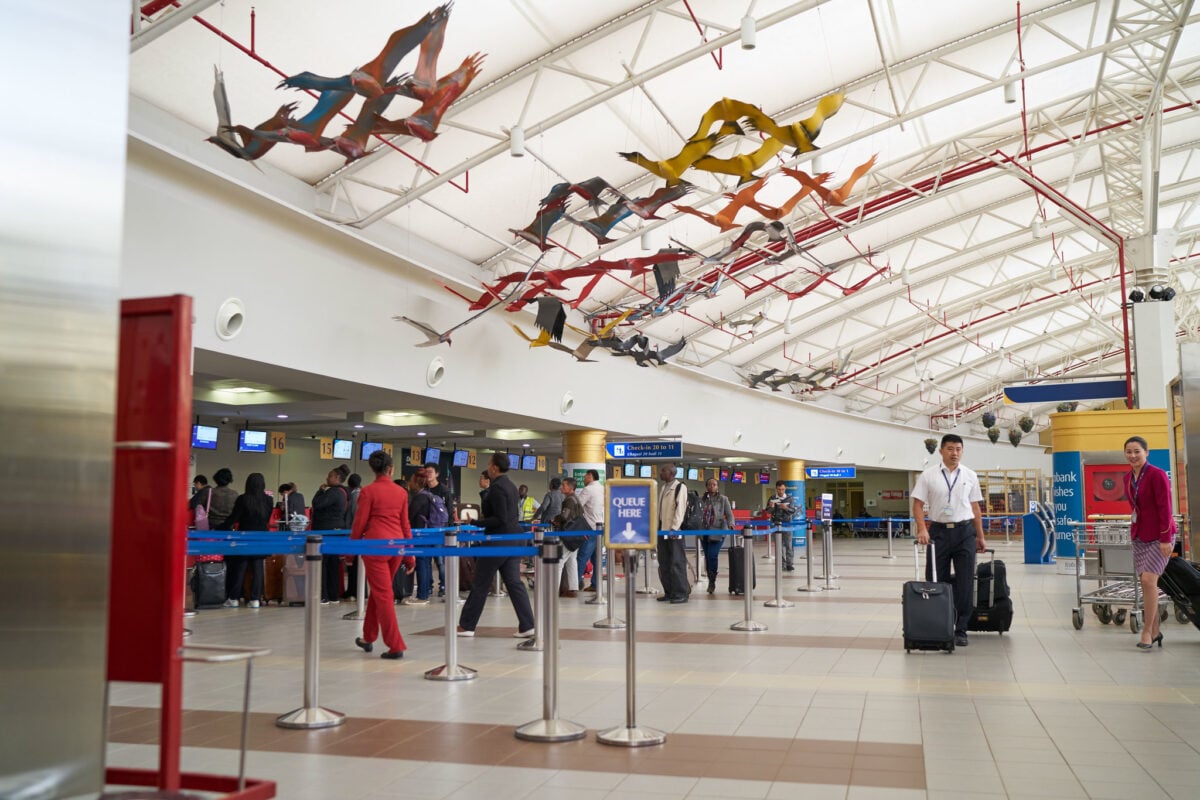
Security lines stretch for what feels like miles, and that’s before discovering half the X-ray machines aren’t working. The air conditioning gave up sometime in the early 2000s.
Don’t expect your luggage to arrive when you do.
Paris Charles de Gaulle Airport
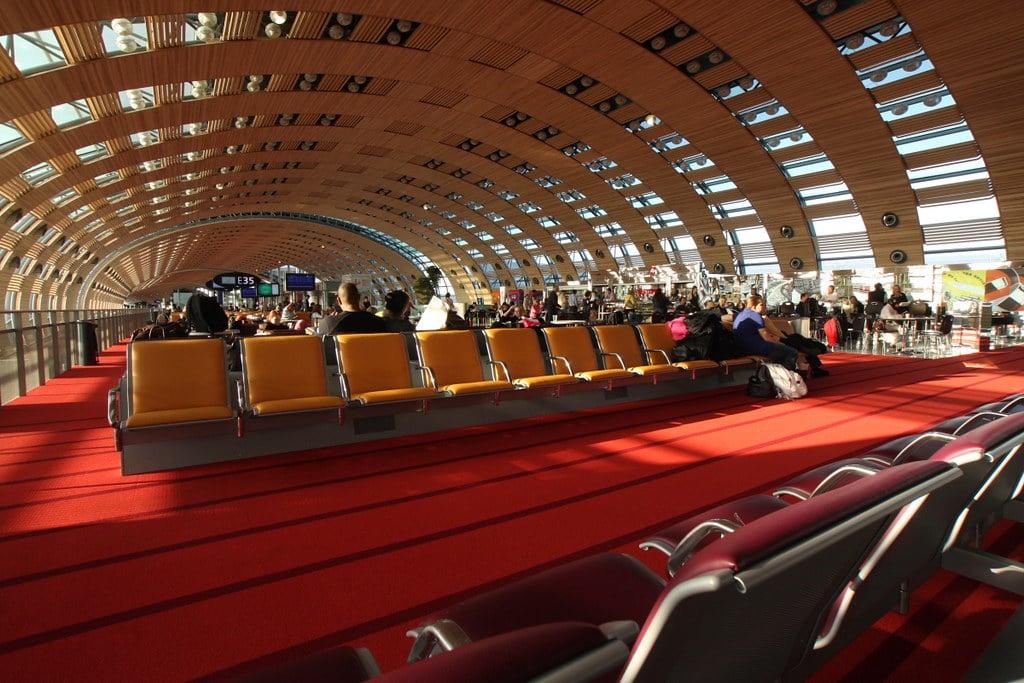
So this is what happens when architects prioritize looking futuristic over actually functioning — you get a maze of terminals connected by shuttle buses that may or may not show up, escalators that break down with the regularity of a Swiss watch (but in reverse), and a layout so confusing that seasoned travelers have been known to miss connections despite having hours to spare. And yet somehow, this concrete labyrinth continues to handle millions of passengers who stumble through its corridors like lost souls searching for gate numbers that seem to exist in another dimension.
The irony is thick.
Los Angeles International Airport
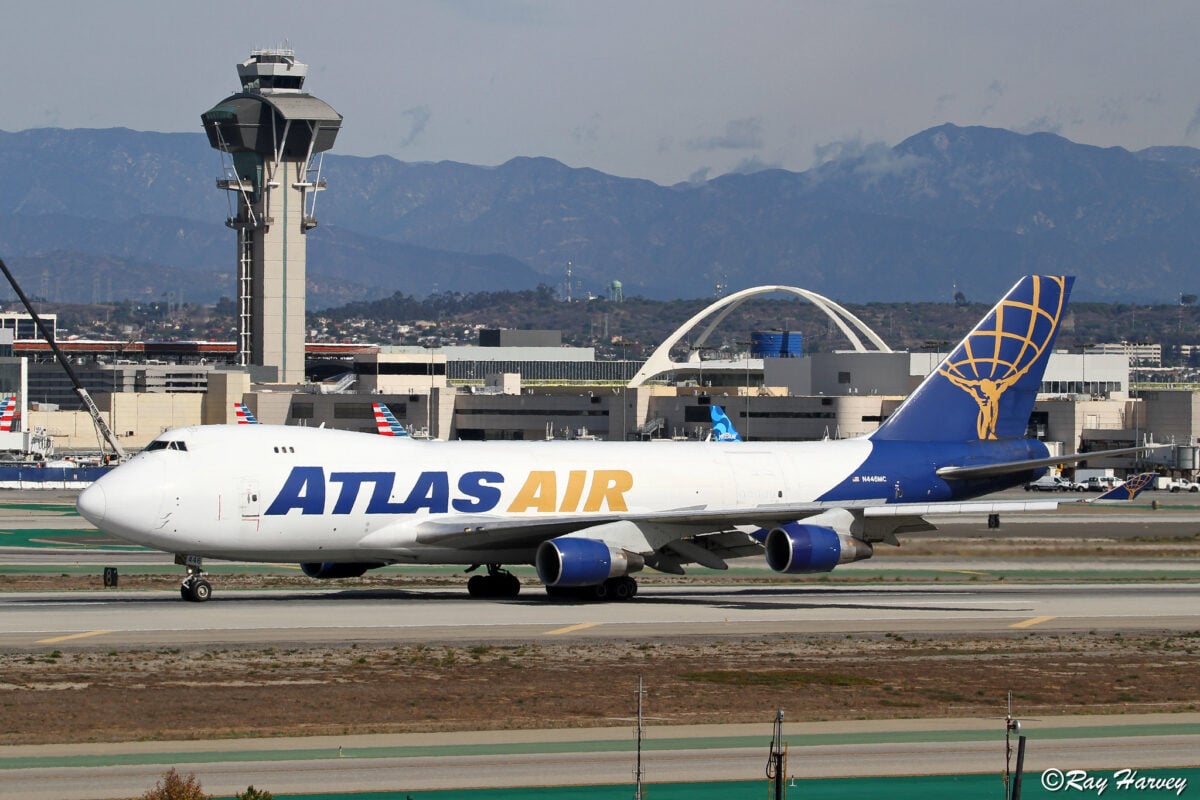
There’s something almost poetic about how LAX manages to capture the worst aspects of Los Angeles and concentrate them into a single travel experience. The traffic approaching the airport moves with all the urgency of continental drift, while inside, the terminal layout suggests it was designed by someone who had only heard airports described secondhand.
You’ll spend more time riding shuttles between terminals than you did on some of your actual flights, watching the California sun beat down on what appears to be an endless concrete parking lot punctuated by the occasional palm tree that looks as defeated as you feel. The bathrooms exist in a state of perpetual renovation or breakdown — it’s hard to tell which.
Even the coffee tastes like it’s given up hope.
Heathrow Airport Terminal 5
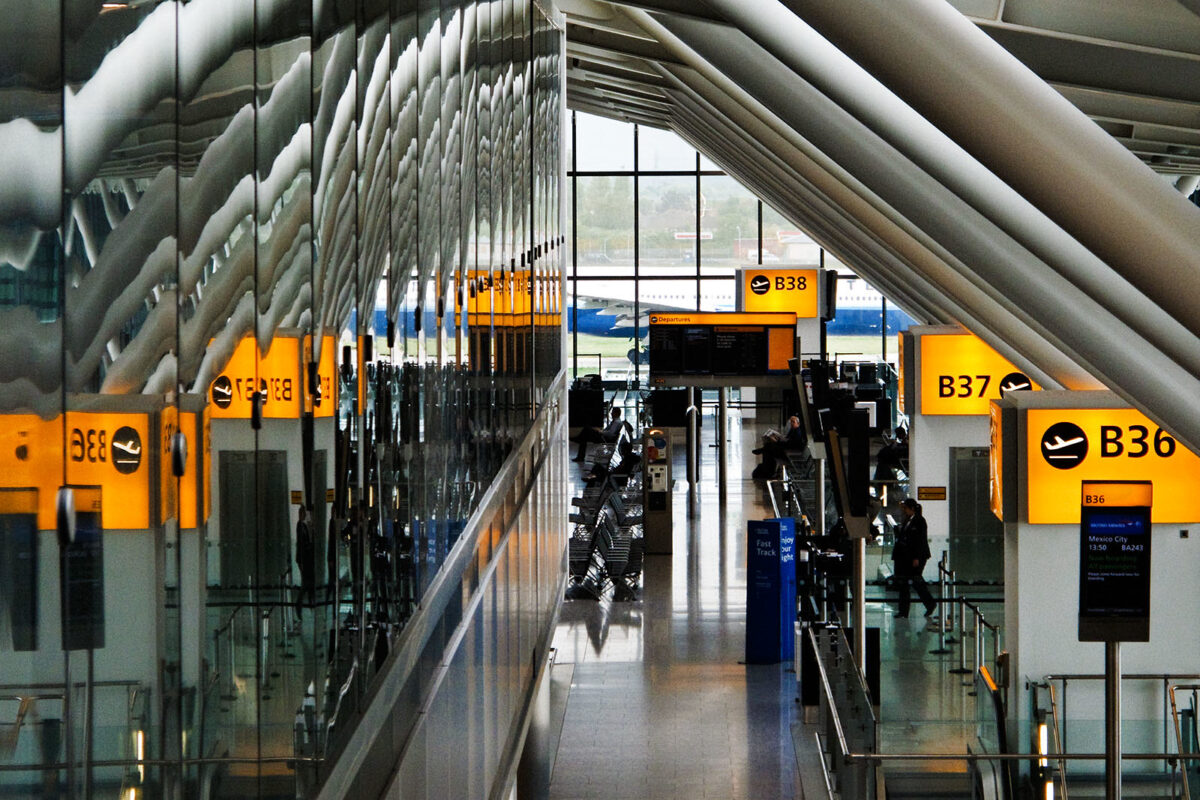
Terminal 5 looks impressive until you realize it’s essentially a shopping mall that reluctantly allows airplanes. The baggage system has its own mysterious agenda.
Security screening takes longer than some international flights, and the gate assignments change with the frequency of London weather.
LaGuardia Airport
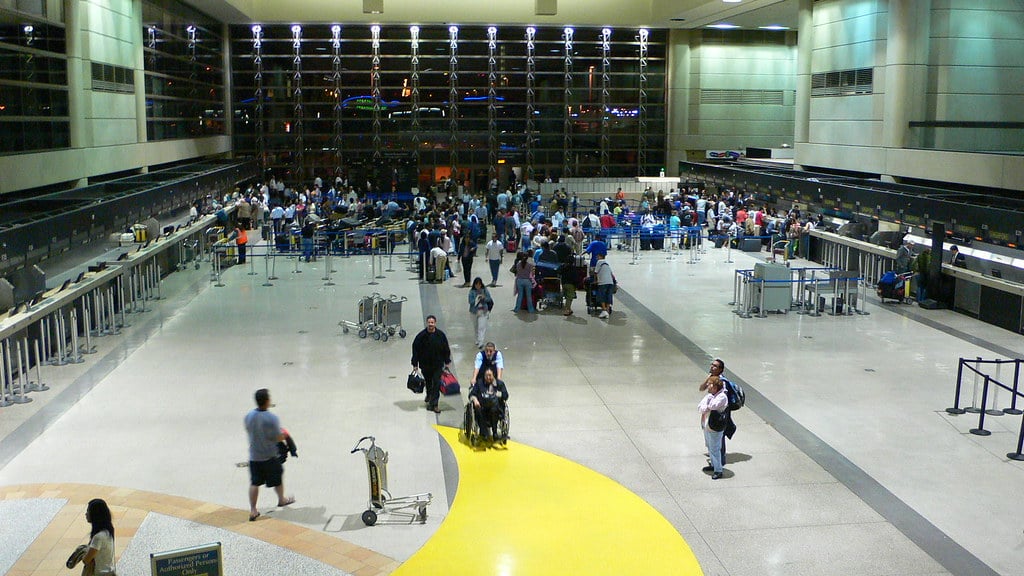
LaGuardia treats passengers like an inconvenience to be endured rather than customers to be served. The terminal ceilings leak when it rains, which in New York happens more often than anyone wants to admit.
Gates are cramped, food options range from overpriced to offensive, and the wifi works just well enough to let you know it’s not working properly.
King Abdulaziz International Airport
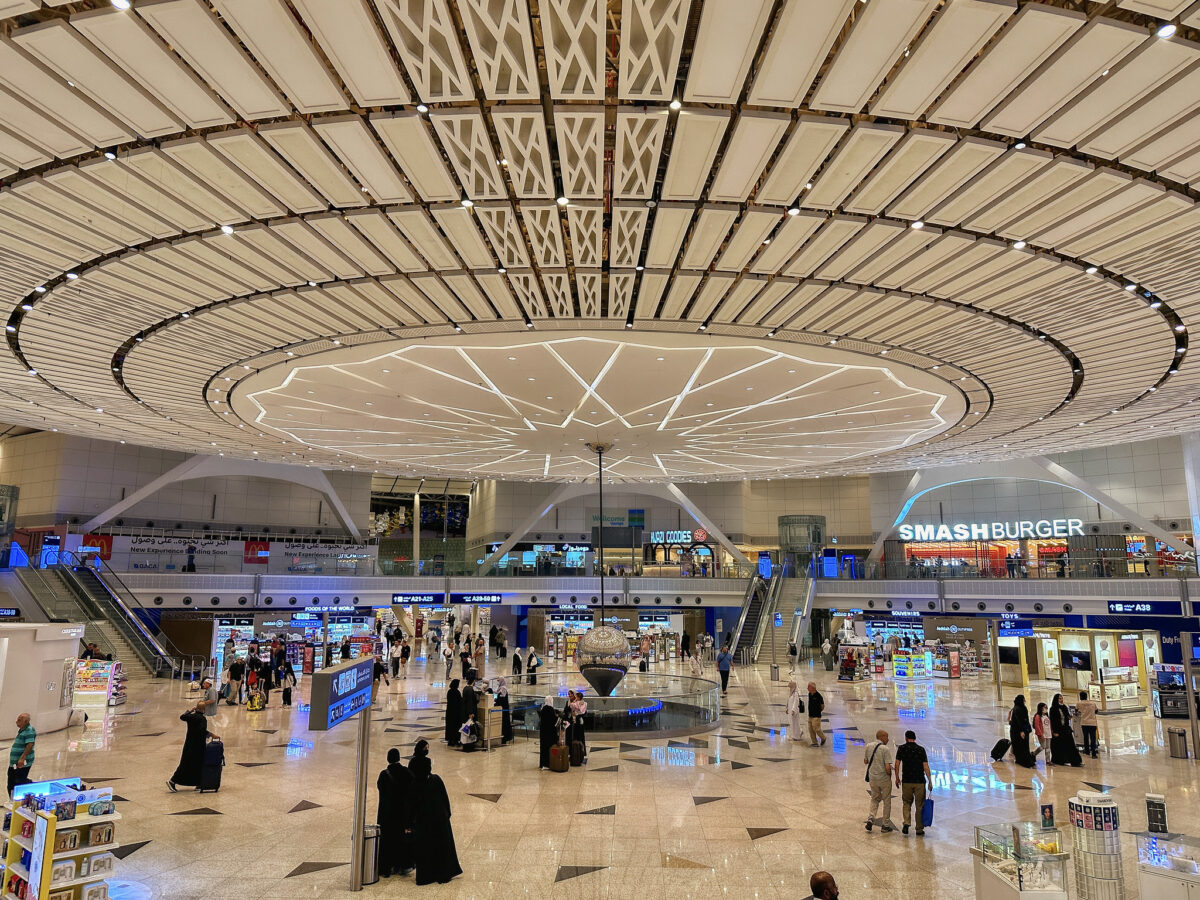
So you thought arriving at an airport meant you were close to your destination — but King Abdulaziz has other plans, plans that apparently involve shuttling passengers across what feels like several time zones just to reach the terminal building (assuming the shuttle shows up, which operates on a schedule known only to higher powers and possibly a few maintenance workers). The air conditioning battles the Saudi heat with all the effectiveness of an ice cube fighting a blowtorch, while the departure boards display information that may or may not correspond to actual flights departing from this physical realm.
But here’s the thing that really gets you: the prayer rooms are beautiful and well-maintained while everything else seems designed by someone who had never seen a human being before.
Caracas Simón Bolívar International Airport
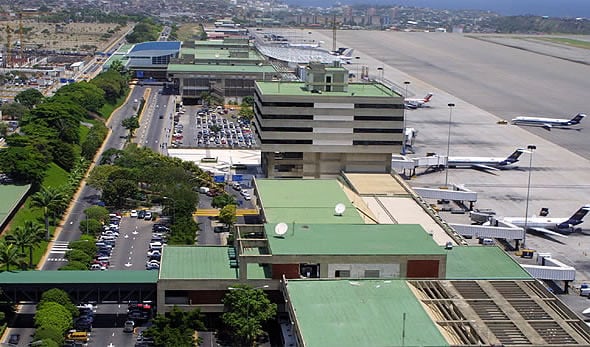
The lights work intermittently, and when they don’t, the backup generator might kick in. Or it might not.
The escalators are more decorative than functional at this point. Water shortages mean the bathrooms exist in various states of apocalyptic dysfunction.
Naples International Airport
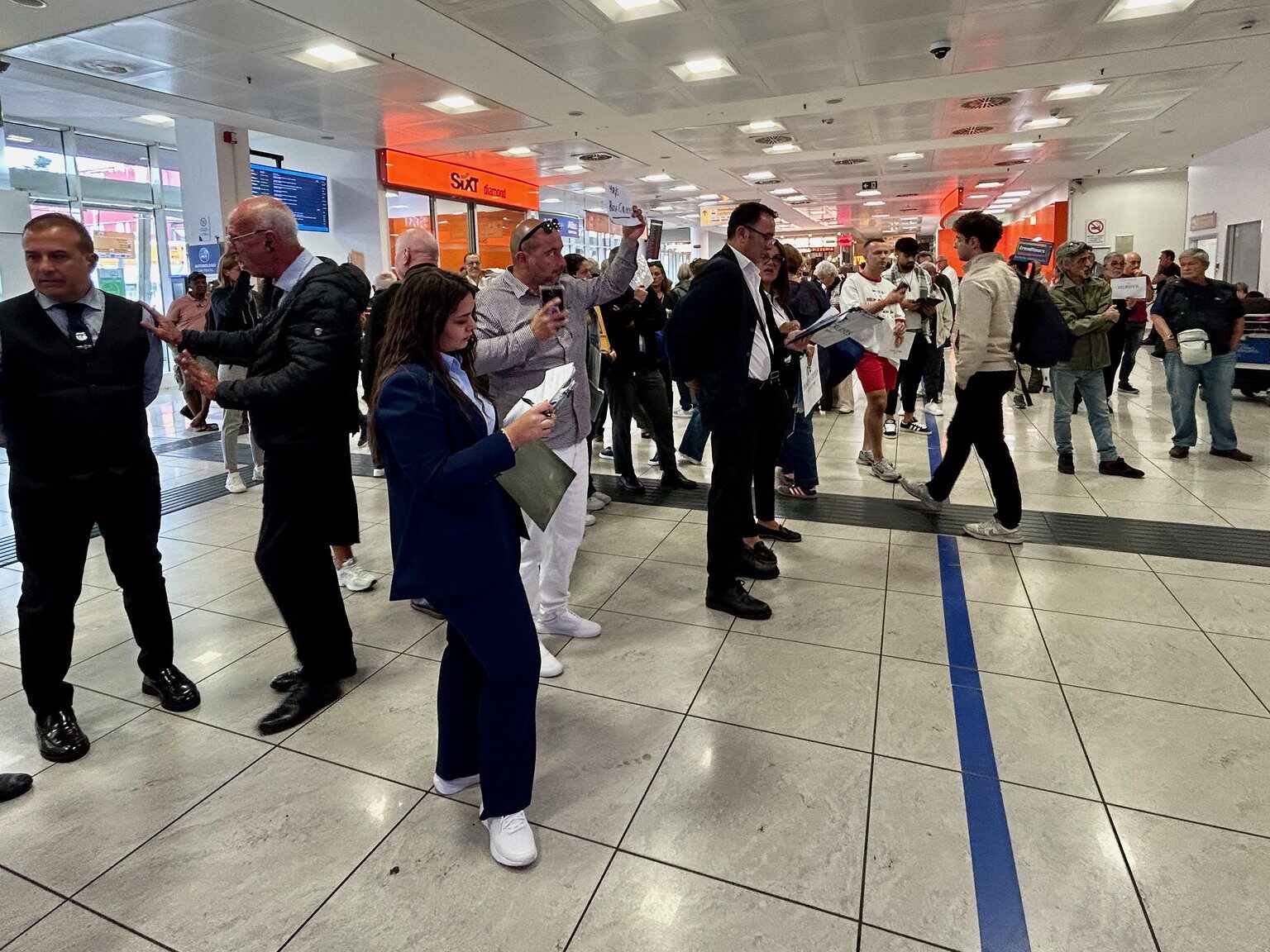
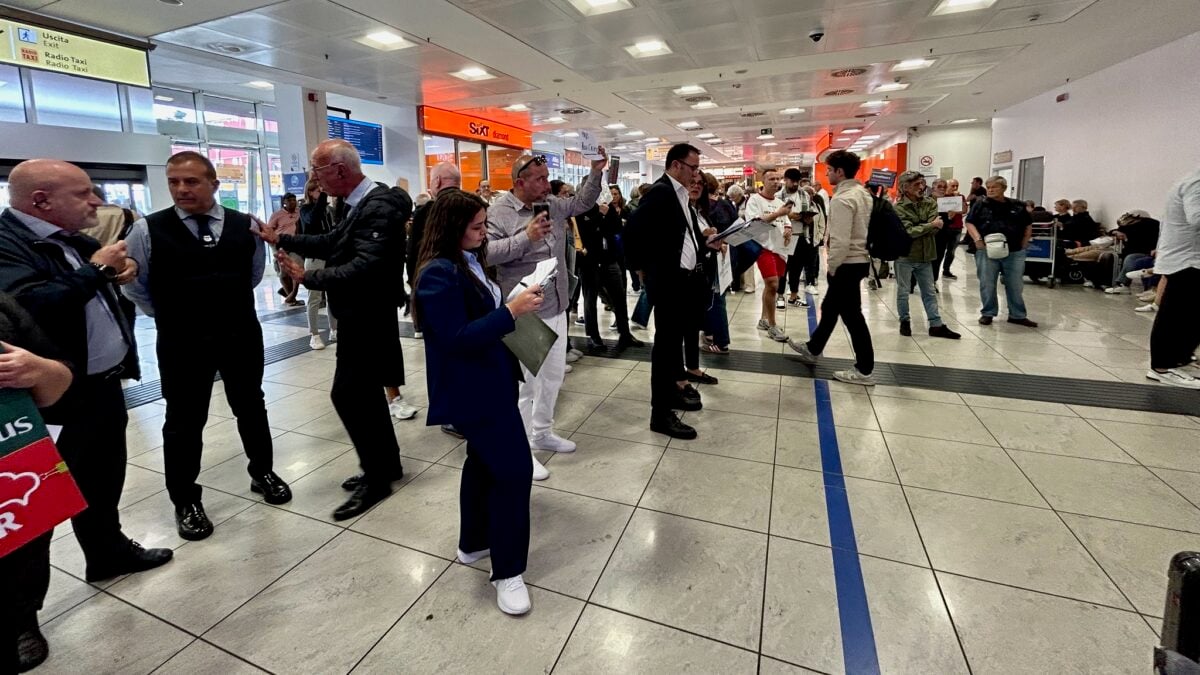
Naples International Airport earns its place on this list by treating chaos as an operational philosophy. The single terminal handles far more passengers than it was ever designed for, creating a human traffic jam that would make rush hour on the autostrada look organized.
Security lines snake through areas that weren’t meant to hold lines, departure gates are announced with all the advance notice of a surprise party, and the baggage claim operates on what can only be described as an honor system. The airport restaurant serves pizza that somehow manages to be worse than airport food has any right to be, which in Naples feels like a crime against humanity.
Tribhuvan International Airport
Tribhuvan exists at the intersection of high altitude and low expectations. The single runway handles traffic that would challenge airports with three times the infrastructure.
Power outages are frequent enough to feel scheduled, and the baggage handling system appears to operate on principles of chaos theory.
Hamid Karzai International Airport
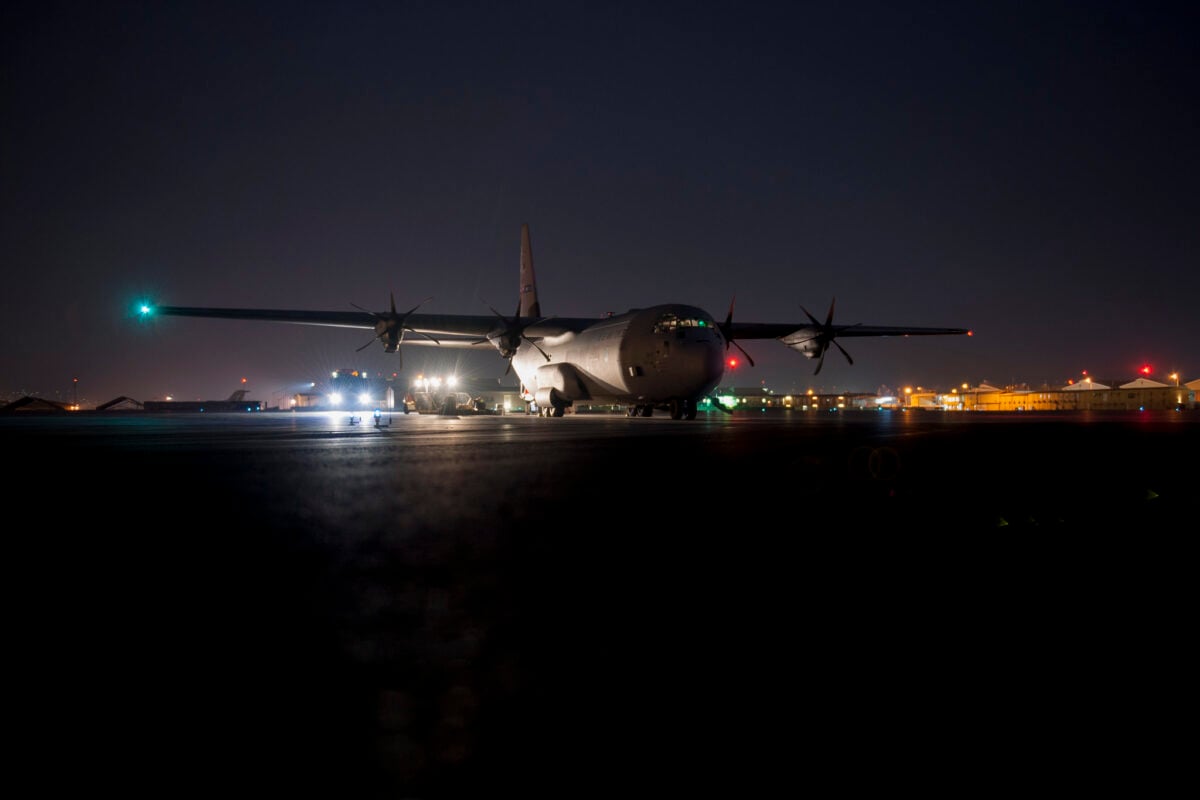
What happens when an airport becomes a symbol of geopolitical instability while still trying to handle commercial flights is not a theoretical question here — it’s Tuesday (and Wednesday, and pretty much every other day of the week, but who’s counting when the departure boards haven’t been updated since the previous administration and the security protocols change based on factors that have nothing to do with aviation safety and everything to do with whatever crisis is unfolding in the region this particular month). The terminal building shows the wear of hosting far more drama than any structure should reasonably be expected to endure, while passengers navigate a check-in process that involves more paperwork than some visa applications and security screening that operates according to rules that seem to be invented on the spot.
But the real issue — and this is where it gets genuinely surreal — is that departure times are treated more as rough suggestions than actual commitments.
Luanda Quatro de Fevereiro Airport
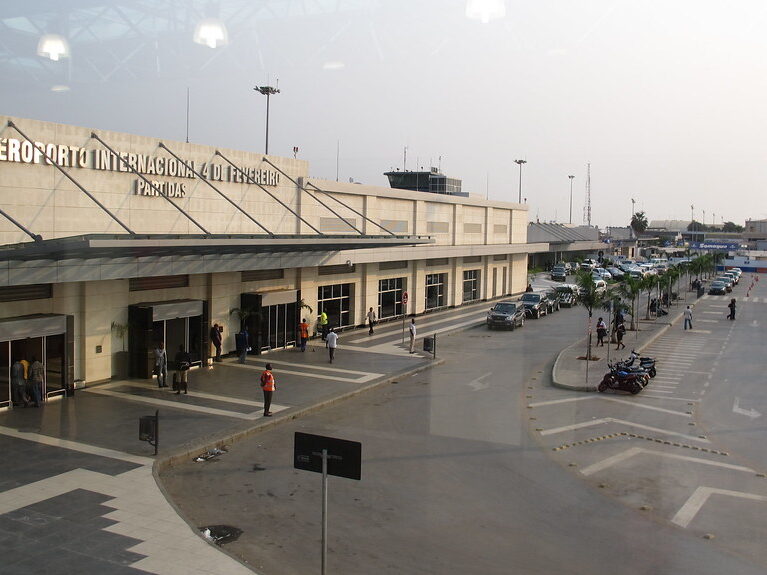
The visa process takes longer than some flights, conducted in a building that seems designed to test human patience. Air conditioning is theoretical.
The departure lounge has all the comfort of a waiting room in purgatory, assuming purgatory had worse coffee.
Port-au-Prince Toussaint Louverture International Airport
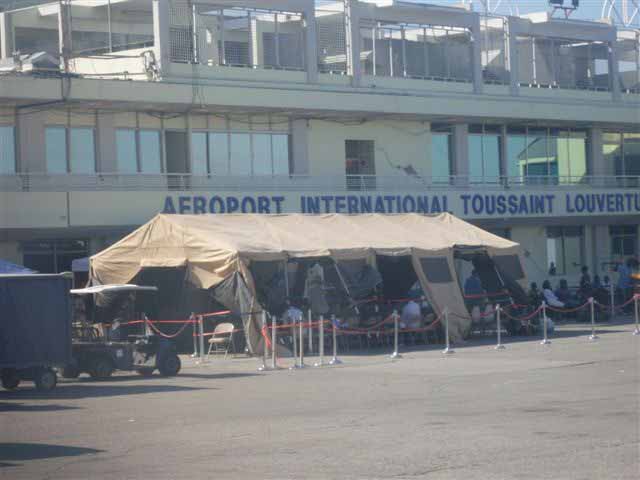
Port-au-Prince approaches airport operations with the confidence of someone who has never seen how airports work elsewhere. The terminal building handles Caribbean heat about as well as you’d expect from a structure that seems to have been designed by someone who had never experienced the Caribbean climate.
Immigration lines move with the speed of geological processes, while the baggage claim operates on island time, which means your luggage might arrive today, tomorrow, or possibly next week. The departure tax must be paid in cash, which passengers discover approximately thirty seconds before their flight is supposed to board.
Tashkent Islam Karimov International Airport
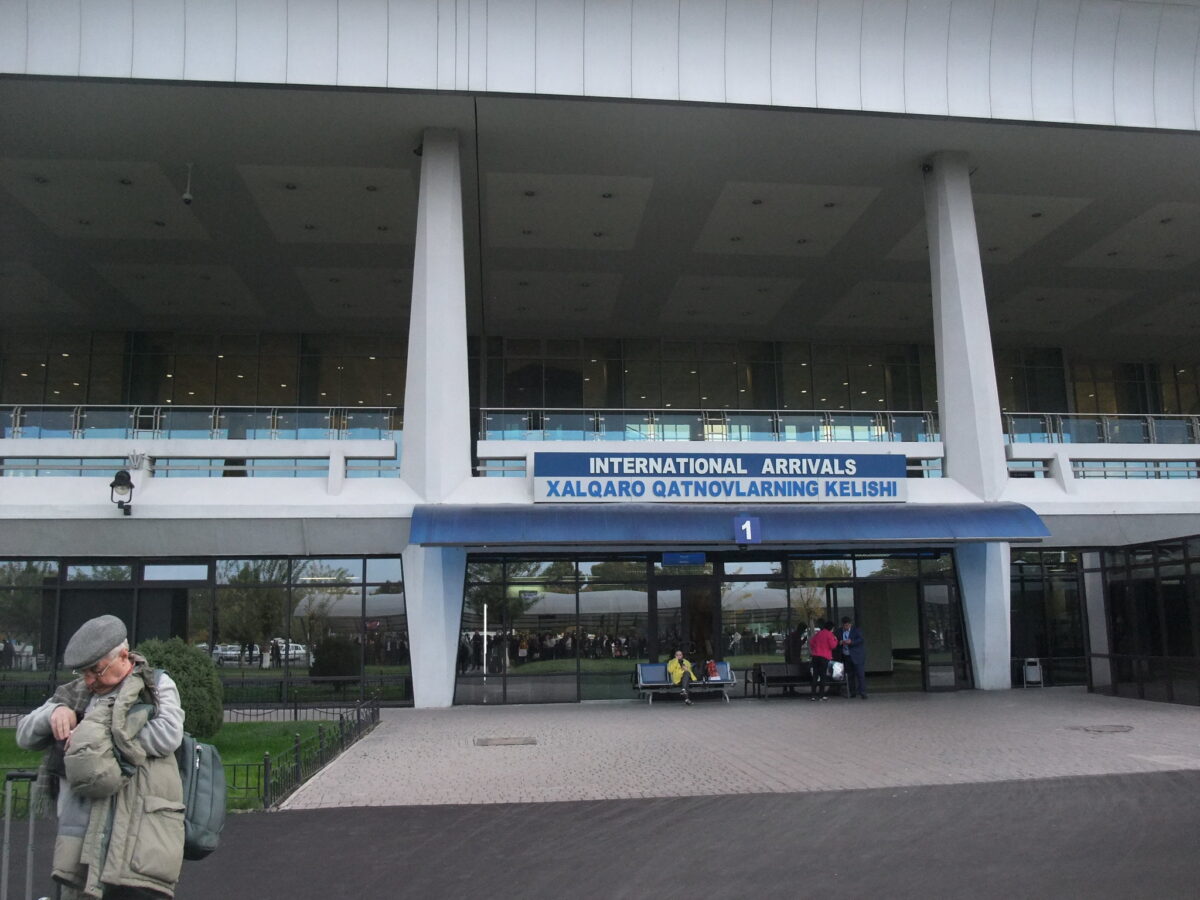
Soviet-era infrastructure meets modern air travel demands, and the results are about what you’d expect. The terminal design prioritizes durability over passenger comfort, which means everything is concrete and nothing is convenient.
Immigration officers operate with the efficiency of people who have nowhere else to be.
Simon Mwansa Kapwepwe International Airport
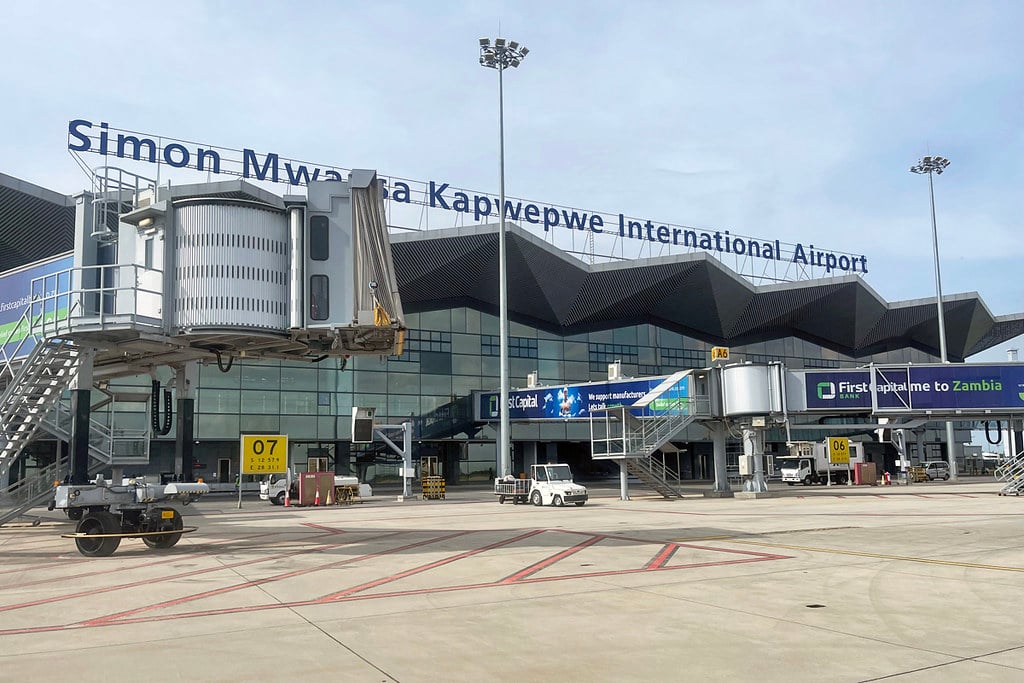
Simon Mwansa Kapwepwe handles international flights with domestic airport infrastructure — and that infrastructure was optimistic to begin with (the single terminal building appears to have been designed during a more innocent era when air travel was rare and passengers were apparently expected to entertain themselves for hours in what amounts to a concrete box with fluorescent lighting that flickers with the dedication of a dying firefly). The air conditioning works intermittently, which in Zambian heat creates conditions that can best be described as tropical punishment, while the departure lounge offers seating that was clearly selected by someone who had never actually sat down before.
And the immigration process — this is where things get truly special — involves forms that must be filled out in triplicate using pens that may or may not work, reviewed by officials who operate on a timeline that exists outside normal concepts of urgency.
Sana’a International Airport
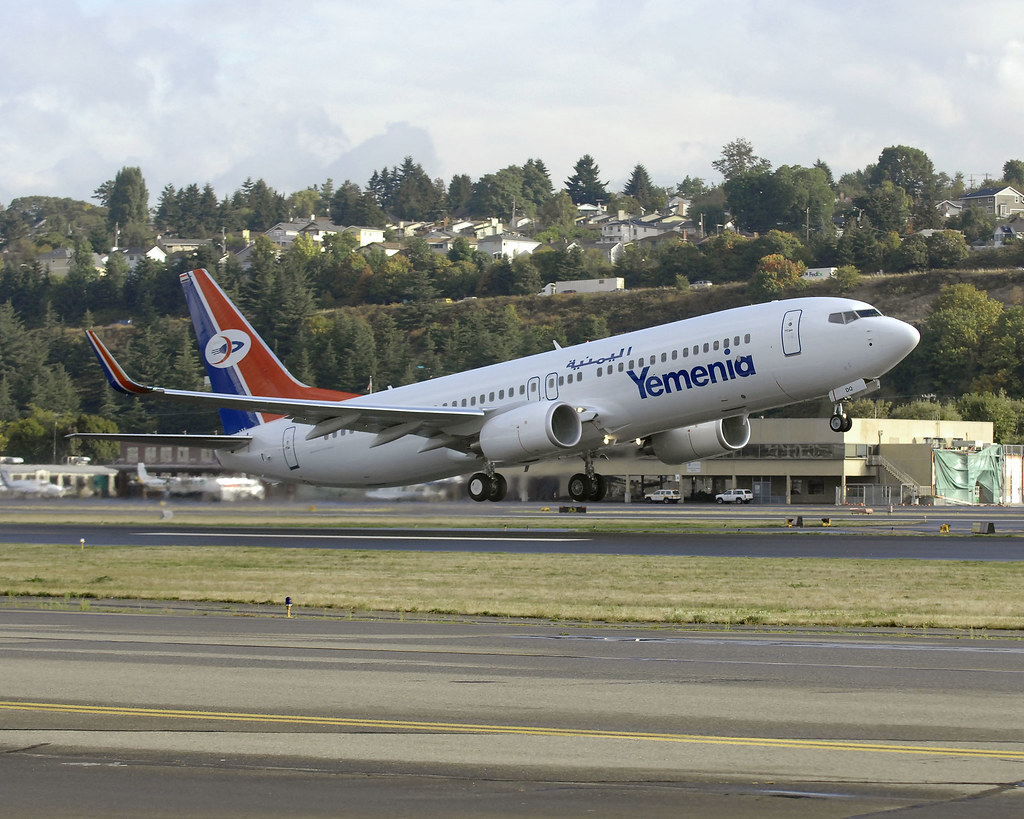
Sana’a International Airport operates under conditions that would challenge airports in stable countries, which this decidedly is not. The terminal building shows the wear of hosting air traffic during what can diplomatically be called uncertain times.
Departure schedules exist more as hopeful suggestions than actual commitments, while ground services operate according to fuel availability and regional stability.
The Real Journey Begins
The worst airports share a common trait that goes beyond broken escalators or questionable food courts — they remind travelers that getting somewhere is often more challenging than being somewhere. These places strip away the illusion that modern air travel is smooth or predictable, revealing the fragile complexity that keeps planes in the air and passengers moving from one place to another.
Sometimes the journey teaches you more about resilience than the destination teaches you about the world.
More from Go2Tutors!

- The Romanov Crown Jewels and Their Tragic Fate
- 13 Historical Mysteries That Science Still Can’t Solve
- Famous Hoaxes That Fooled the World for Years
- 15 Child Stars with Tragic Adult Lives
- 16 Famous Jewelry Pieces in History
Like Go2Tutors’s content? Follow us on MSN.



