Smallest Functioning Towns Hidden in the Swiss Alps
Forget the postcards and tourist brochures showing Switzerland’s famous mountain resorts. Scattered throughout the Alps are tiny communities that most travelers never hear about — places where life moves at a different pace, where the same families have lived for generations, and where the modern world feels like a distant concern.
These aren’t ghost towns or museum pieces. They’re living, breathing communities that happen to exist in some of the most spectacular settings on Earth.
These hidden settlements tell a different story about Alpine life. While Zermatt and St. Moritz grab the headlines, these quiet corners maintain traditions that stretch back centuries.
Some have populations you can count on two hands. Others barely reach triple digits.
But each one represents something increasingly rare: authentic mountain culture that hasn’t been packaged for tourists.
Corippo
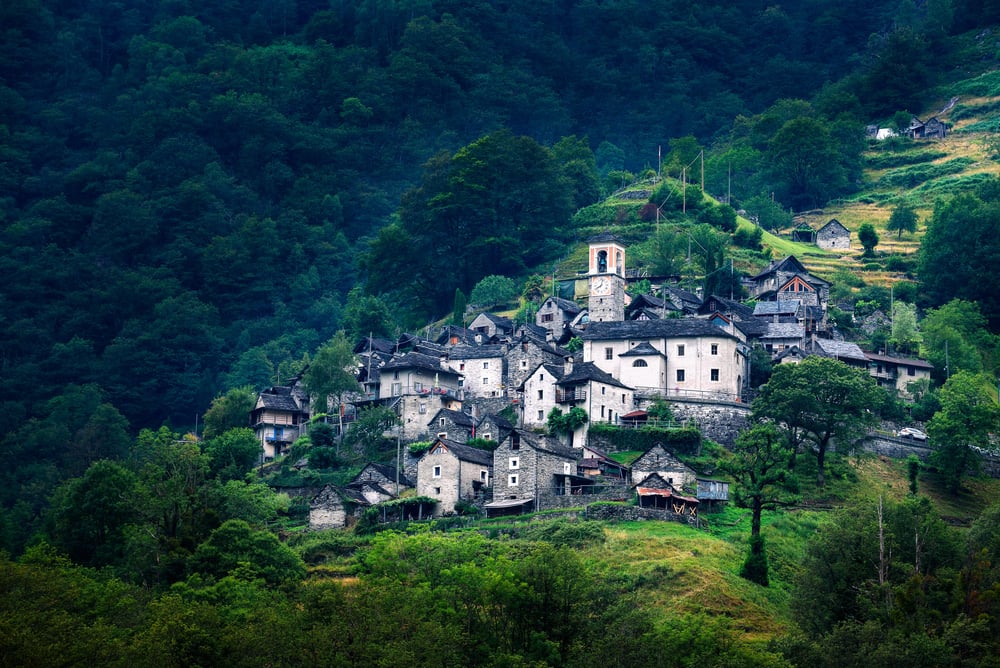
Corippo holds the distinction of being Switzerland’s smallest municipality by population. Eight permanent residents call this stone village home (though that number fluctuates with the seasons, and depending on who’s doing the counting).
The village clings to a hillside in the Verzasca Valley, its granite houses stacked like a careful arrangement of ancient building blocks.
The place operates more like an extended family than a traditional town. Everyone knows everyone, naturally, but the relationships run deeper than proximity — they’re woven through decades of shared mountain winters and the particular intimacy that comes from choosing to stay somewhere the rest of the world considers too remote.
Municipal meetings happen around kitchen tables. The postal service arrives when it arrives.
Corippo doesn’t bend to outside schedules.
And yet the village functions with a precision that would impress larger communities. The residents maintain their own water system, keep the stone pathways clear, and preserve buildings that date back to the 17th century.
It turns out you don’t need complicated bureaucracy when everyone understands their role without being told.
Bister
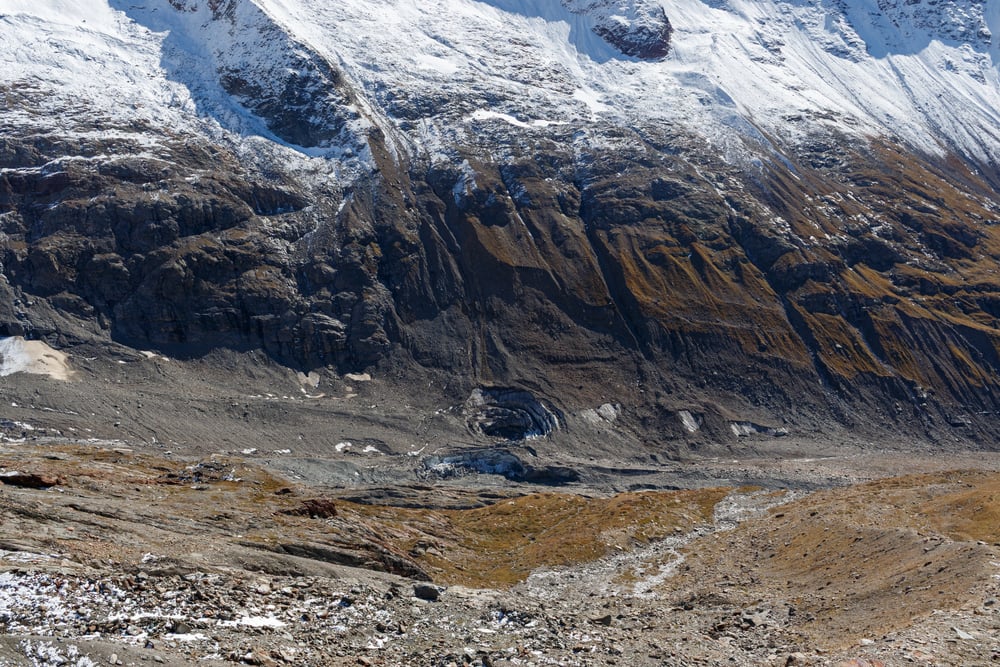
Bister sits at 1,400 meters above sea level in the Lötschental, a valley that feels like it exists in a different century entirely (because in many ways, it does — the Lötschental remained largely isolated until a road finally connected it to the outside world in 1956, which explains the persistence of certain traditions that vanished elsewhere generations ago). The village consists of roughly 40 traditional wooden chalets, most of them darkened by centuries of Alpine weather, and supports a population that hovers around 60 people, though the exact count depends on whether you include the seasonal residents who retreat here when the valley becomes accessible only by snowshoe or cross-country skis.
But here’s what makes Bister particularly stubborn in its authenticity: the residents still practice traditional farming methods that most of Switzerland abandoned decades ago, rotating their livestock through high-altitude pastures according to patterns their great-grandparents would recognize, and — here’s the part that surprises visitors who make the trek up here — they do it because it works, not because it’s quaint.
The village operates on what outsiders might call an honor system but residents simply consider common sense. Barn doors stay unlocked.
Milk gets collected from the communal station without supervision. So winter survival depends on collective effort, and collective effort requires trust.
Which, it turns out, isn’t complicated when your neighbors are also your lifeline.
Rasa
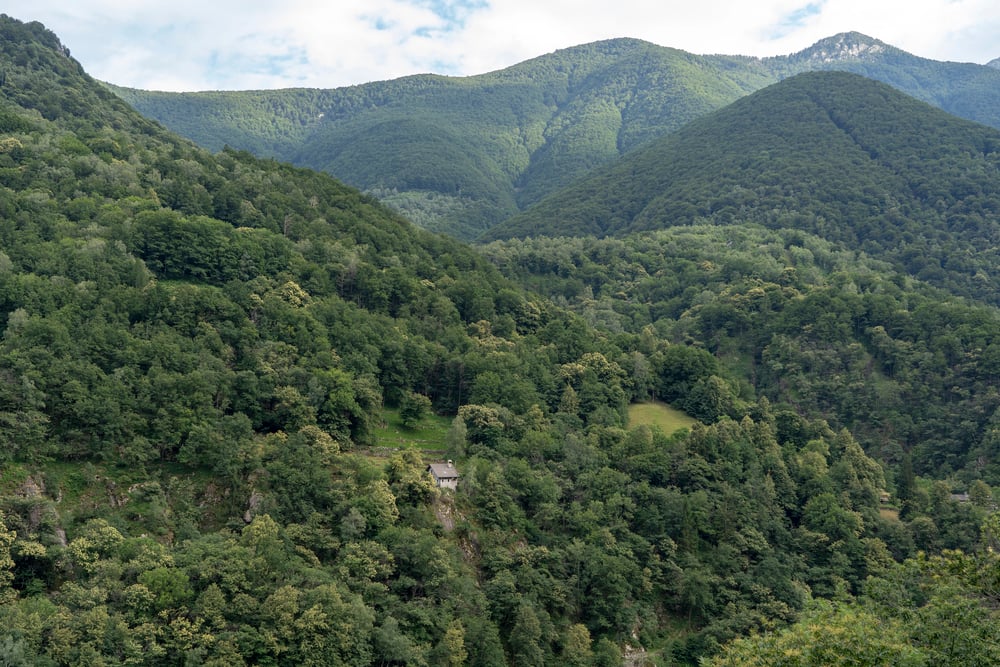
There are places that geography seems to have forgotten, and then there’s Rasa — perched on a mountain terrace above the Centovalli, accessible only by cable car, where the silence runs so deep it becomes a presence in itself. The village exists in a state of suspended animation, not quite abandoned but not exactly thriving either, with about 20 residents who’ve chosen this particular form of voluntary isolation.
Walking through Rasa feels like discovering a secret that the mountains have been keeping: stone houses arranged along pathways that follow the contours of the slope, each structure placed with the careful consideration of someone who understood that up here, every decision about shelter and placement could mean the difference between surviving the winter or not.
The cable car that connects Rasa to the valley below operates on a schedule that reflects mountain time rather than city urgency. Miss the last car up, and you’re spending the night in the valley. Miss the last car down, and you’re staying for breakfast.
The residents built their lives around this rhythm, and it shows in how they approach everything else — with a patience that comes from understanding that some things simply can’t be rushed.
Innerferrera
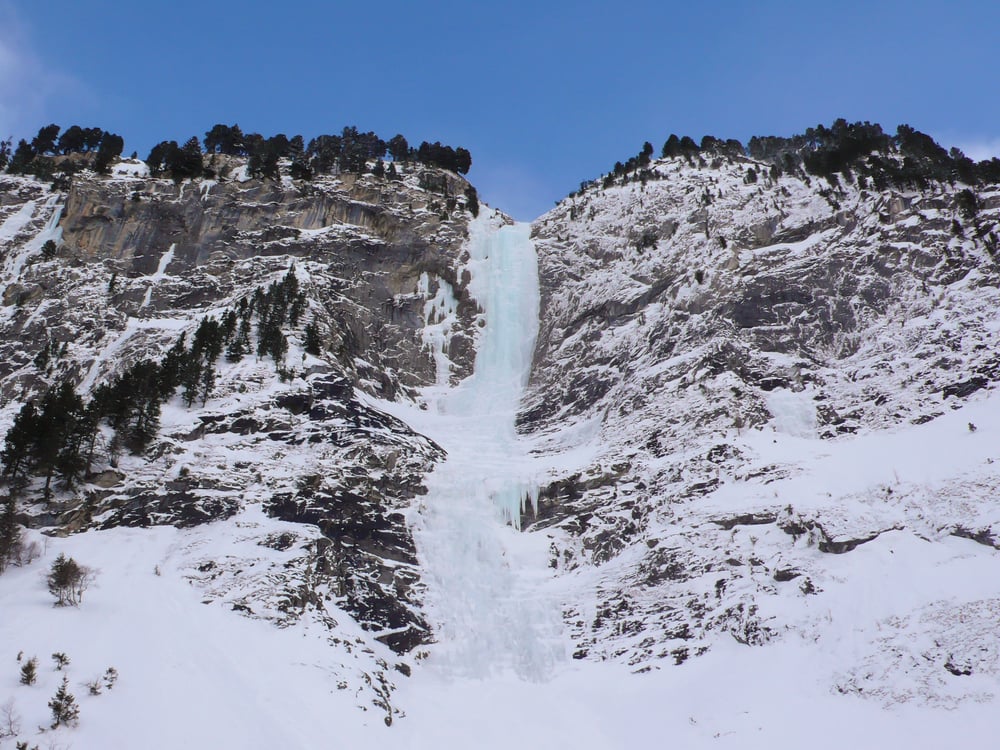
Innerferrera represents Alpine stubbornness at its finest. Thirty-eight people live in this village tucked into the Ferrera Valley, and they’ve made their peace with the fact that most of Switzerland has forgotten they exist.
The village doesn’t fight for attention or tourism dollars. It just continues doing what it’s always done: surviving winters that would break less determined communities.
The residents run a small school that serves children from several surrounding hamlets. They maintain their own chapel, their own community center, and their own particular way of organizing village life that doesn’t require outside validation.
Innerferrera works because the people who live there want it to work. Simple as that.
But don’t mistake simplicity for ease. Village life at this scale requires everyone to contribute in ways that city dwellers would find exhausting.
Snow removal becomes a community effort. Equipment gets shared without formal agreements.
The person who fixes engines also happens to serve on the village council, which meets in the same building where children learn their multiplication tables.
Madesimo
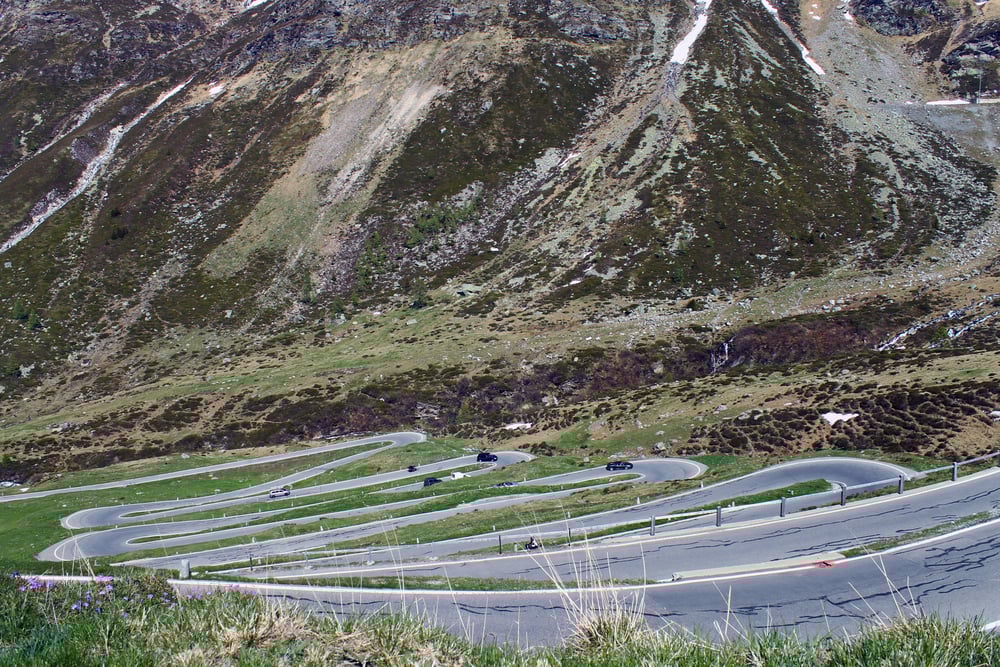
Tucked into the Splügen Pass region where Switzerland brushes against Italy, Madesimo manages to feel both completely isolated and surprisingly cosmopolitan (thanks to the handful of residents who speak three languages fluently and maintain business connections that stretch across the Alpine region, proving that geographic isolation doesn’t necessarily mean cultural isolation). The village supports roughly 500 residents, making it practically metropolitan by the standards of this list, but the settlement pattern — houses scattered across multiple elevations, connected by pathways that follow routes established by necessity rather than planning — creates the feeling of several smaller communities that happen to share a postal code.
And here’s where Madesimo demonstrates the particular genius of Alpine settlement: the residents have figured out how to maintain distinctly Italian architectural traditions (those stone arches and loggia-style galleries that you see throughout Lombardy) while adapting to Swiss climate and building requirements, which creates a visual aesthetic that belongs entirely to this specific valley and nowhere else.
The village operates its own ski lifts during winter, which sounds impressive until you realize this means a handful of residents spend their seasons maintaining equipment that serves maybe a few dozen visitors on busy days. But that’s exactly the point: Madesimo exists for the people who live there, not for the people who might visit.
The ski lifts run because residents want them to run. Everything else follows from that basic principle.
So the village continues its quiet existence, maintaining traditions that bridge two countries while owing complete allegiance to neither. Which, considering the history of border regions in the Alps, amounts to a form of practical wisdom that’s served the community well for centuries.
Bondo

Bondo carries the weight of recent tragedy alongside its centuries of Alpine history. This village of roughly 150 residents in the Bergell Valley made international news in 2017 when a massive rockslide destroyed several buildings and forced evacuations.
But the response to that disaster reveals something essential about how these small Alpine communities function: they rebuild, they adapt, and they continue.
The residents of Bondo didn’t abandon their village after the rockslide. They studied the geology, implemented new safety measures, and reconstructed what could be reconstructed.
They live with the knowledge that the mountains can be dangerous, but they also live with the deeper understanding that this particular valley is home in ways that transcend convenience or safety calculations.
Village life in Bondo follows rhythms that predate the rockslide by generations. Residents still tend vineyards that produce wine consumed mostly within the village itself.
They maintain hiking trails that connect to ancient trade routes through the Alps. The local inn serves meals prepared according to recipes that blend Swiss and Italian traditions in ways that make perfect sense once you understand the geography.
Ernen
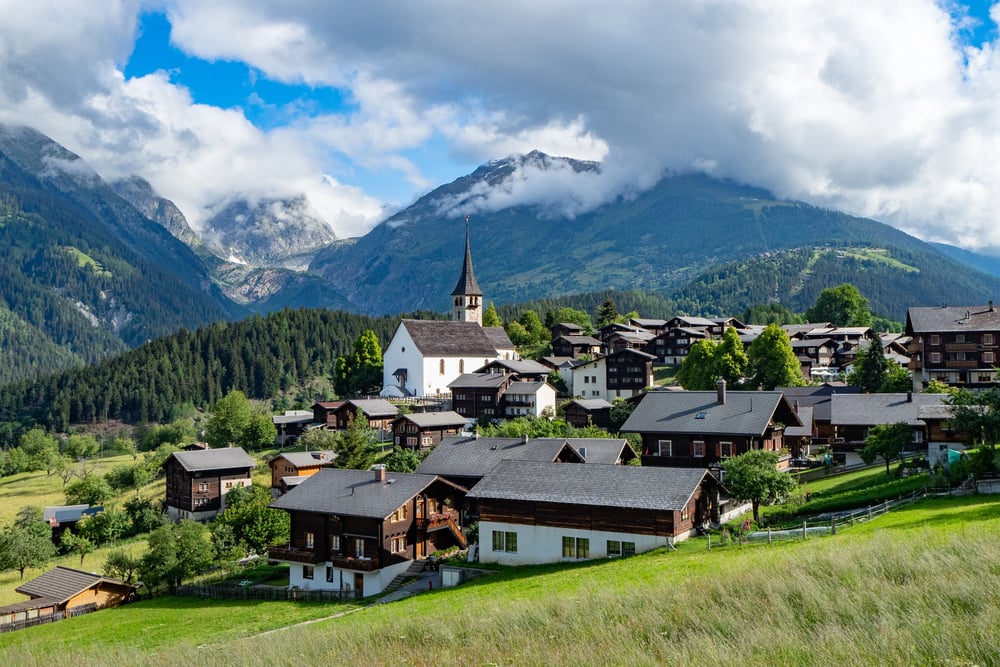
Ernen preserves medieval Alpine architecture with the dedication of a living museum, except the preservation happens naturally because the village never had reason to tear down buildings that still served their purpose perfectly well. The community of roughly 500 residents maintains structures that date back to the 13th century not as tourist attractions but as homes, workshops, and community spaces that continue to function exactly as they were designed to function seven centuries ago.
The village square hosts a farmers market that operates according to seasonal availability rather than consumer demand. When the local cheese is ready, it appears at market.
When the high-altitude vegetables ripen, they get sold until they’re gone.
Ernen doesn’t bend its agricultural calendar to accommodate outside expectations, which creates a rhythm of scarcity and abundance that feels increasingly unusual in a world of year-round availability.
But Ernen also demonstrates how traditional communities adapt without losing their essential character. The village hosts an annual classical music festival that brings performers from across Europe to this remote valley.
The concerts happen in venues that include the medieval church, converted barns, and outdoor stages that take advantage of the surrounding mountain acoustics. It’s a perfect example of how authentic traditions can embrace new elements without sacrificing what makes them authentic in the first place.
Versam
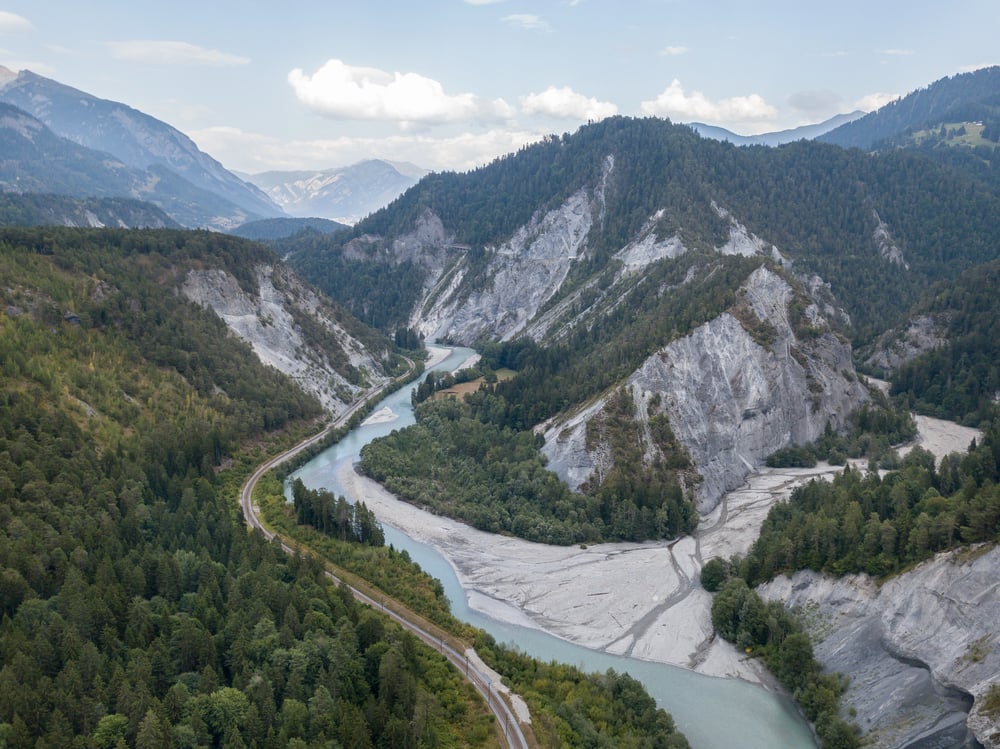
Versam exists in a state of beautiful suspension between the Rhine Valley below and the high Alps above, with its 400 residents scattered across multiple elevations that create distinct neighborhoods within what technically counts as a single village (though asking residents about neighborhood boundaries will get you answers that involve family histories, water rights, and geological features that wouldn’t appear on any official map, because the real divisions follow patterns that developed over generations of shared mountain life). The village maintains its own elementary school, its own post office, and its own particular approach to governance that involves more face-to-face conversation and less formal procedure than most communities can manage, partly because everyone knows everyone else’s farming schedule, family complications, and opinions about road maintenance without needing to consult official records.
And what makes Versam particularly remarkable among these hidden Alpine communities is how the residents have preserved traditional terraced agriculture on slopes that would challenge the balance of a mountain goat — stone walls that channel water and prevent erosion, built by people who understood that in the mountains, you work with gravity or gravity works against you, but you don’t get to ignore it.
The agricultural terraces around Versam represent generations of accumulated knowledge about mountain farming. Each stone wall placement reflects understanding about water flow, soil retention, and microclimate that can’t be learned from textbooks.
The residents continue farming these terraces not just because it’s traditional, but because it works better than modern alternatives would work in this specific landscape.
Walking through Versam means encountering architecture that spans several centuries without any sense of jarring transition. Medieval foundations support Renaissance modifications that incorporate Baroque details that blend seamlessly with 20th-century additions.
The village evolved organically, and it shows.
Safien
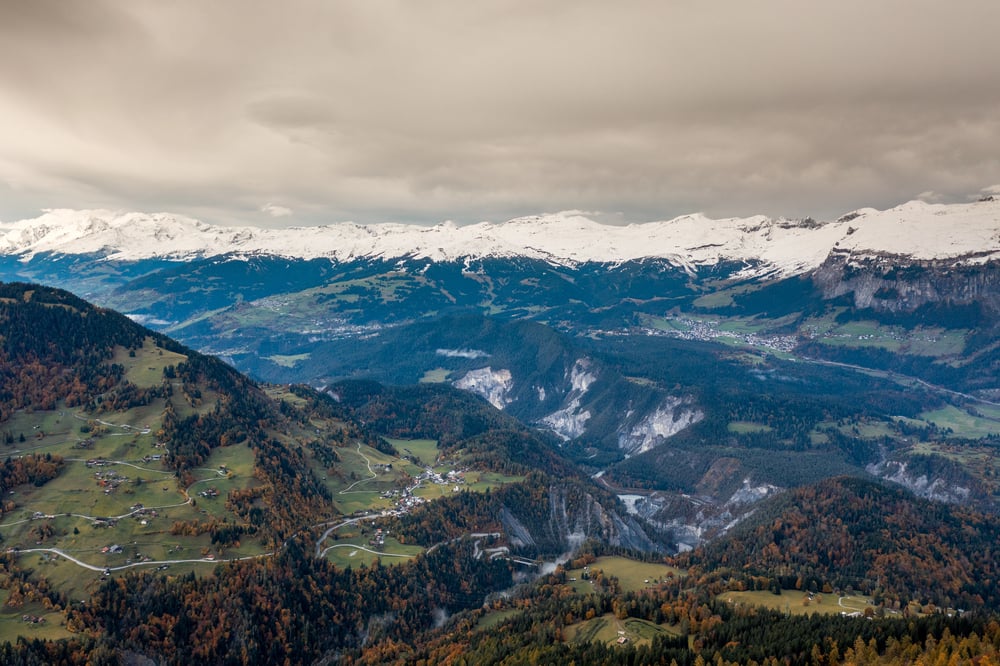
Safien spreads itself across a valley that feels like a secret kept by the mountains themselves. The village of 1,200 residents (practically a metropolis by the standards of this list) consists of multiple settlements scattered along the valley floor and up the surrounding slopes, connected by paths that follow routes established by livestock long before humans started drawing property lines.
What distinguishes Safien from larger Alpine communities is how the residents maintain traditional building techniques that have been abandoned elsewhere. New construction still follows methods that account for avalanche patterns, seasonal water flow, and wind patterns that change with elevation.
The village grows organically, respecting geographical constraints that more ambitious communities might try to overcome through engineering.
The valley supports its own school system, its own postal service, and its own approach to snow removal that involves community cooperation and equipment sharing arrangements that would baffle urban planners. But these systems work because they evolved to fit the specific needs of this specific place.
Safien doesn’t try to replicate urban efficiency. It operates according to mountain logic, which turns out to be perfectly efficient for mountain conditions.
Bosco Gurin
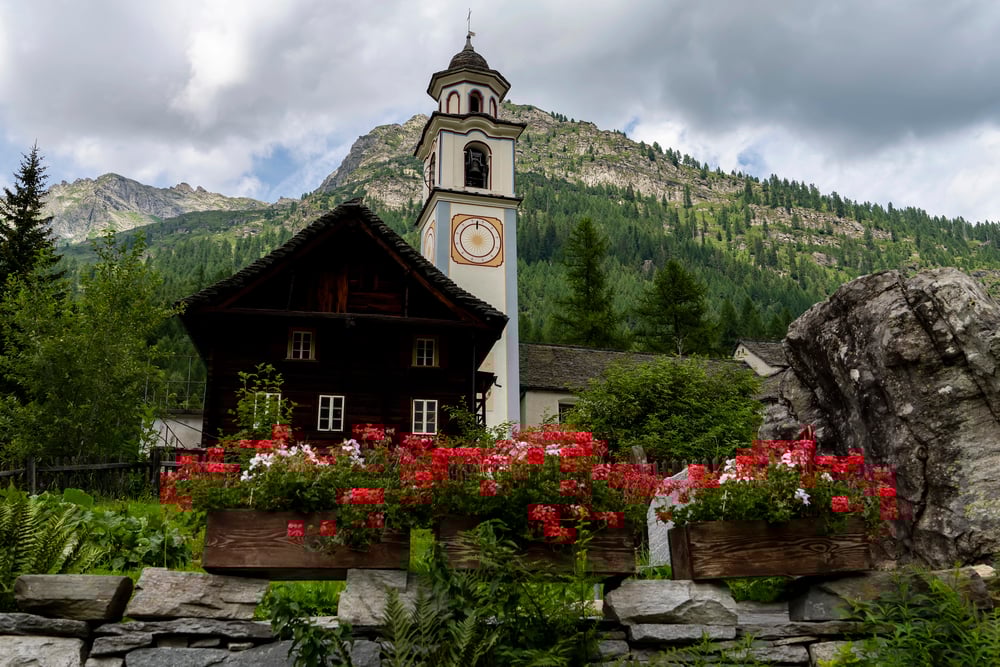
Bosco Gurin holds the distinction of being the highest permanently inhabited village in Ticino, but more importantly, it maintains the last remnant of Walser culture in this region of Switzerland. The 60 residents speak a German dialect that survived here while disappearing elsewhere, and they maintain building traditions that reflect adaptations to altitude and weather that most of Switzerland has forgotten.
The village operates according to collective decision-making processes that predate modern municipal government. Residents gather to discuss issues that affect the community, from snow removal to building maintenance to questions about how to handle the handful of tourists who discover this remote settlement.
These meetings happen in the community hall when formal discussion is required, or around kitchen tables when informal consensus-building works better.
Bosco Gurin demonstrates how cultural preservation happens not through museum displays but through daily practice. The dialect survives because people speak it.
Traditional building techniques continue because they work better than alternatives in this specific climate.
The village exists as a living example of how mountain communities adapted to extreme conditions, and those adaptations continue to serve the residents well.
Lü
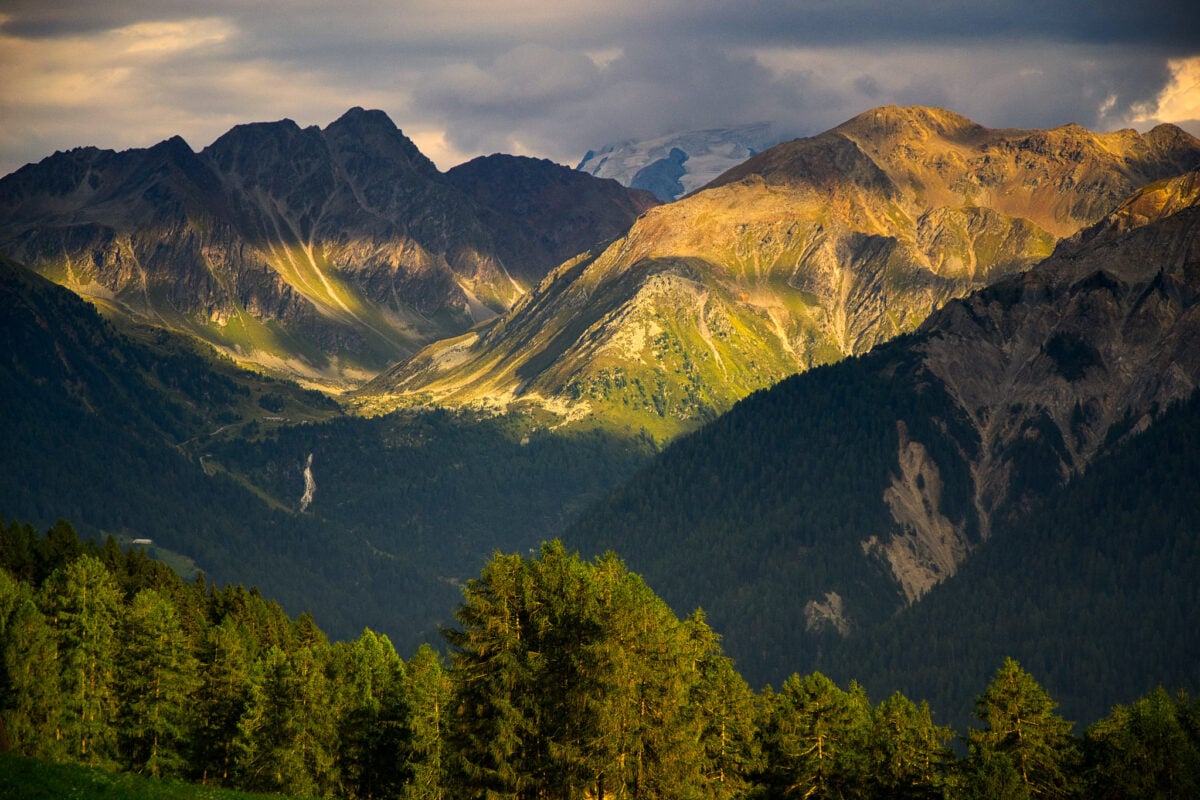
Lü sits at 1,920 meters above sea level in the Müstair Valley, making it one of the highest permanently inhabited villages in Switzerland. The 60 residents have structured their lives around altitude and isolation in ways that demonstrate remarkable adaptation to extreme mountain conditions.
Winter temperatures regularly drop below -20°C, and the village remains snowbound for months at a time.
But isolation has created self-sufficiency rather than hardship. Residents maintain their own power systems, their own water management, and their own food storage methods that account for seasonal availability and transportation limitations.
The village operates its own snow removal equipment, maintains its own communication systems, and organizes its own emergency response procedures.
Lü preserves architectural traditions that reflect centuries of learning about high-altitude construction. Buildings feature walls thick enough to maintain interior heat through Alpine winters, roof angles calculated to shed snow efficiently, and orientation that maximizes solar exposure during brief winter days.
These aren’t design choices made for aesthetic reasons. They’re survival adaptations that continue to serve their intended purpose.
Vals
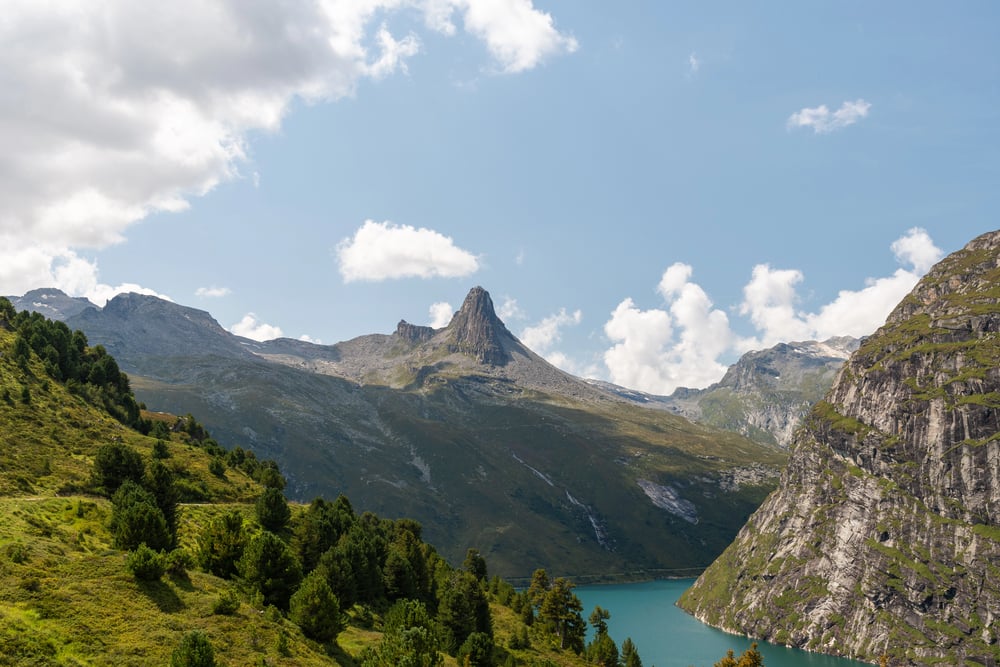
Vals built its reputation around thermal springs that have attracted visitors for centuries, but the village of 900 residents maintains a distinctly local character despite its modest fame. The thermal baths exist within a community that continues to function according to mountain rhythms rather than tourist expectations.
Residents farm the surrounding valleys, maintain traditional architecture, and operate local businesses that serve neighbors as much as visitors.
The village demonstrates how tourism can coexist with authentic community life when it remains secondary to local priorities. The thermal facility operates within the valley’s existing infrastructure rather than overwhelming it.
Visitors come for the springs, but they encounter a functioning mountain community that hasn’t reorganized itself around their presence.
Vals preserves the balance between accessibility and authenticity that many Alpine communities struggle to maintain. The village welcomes visitors while continuing to exist primarily for the people who live there year-round.
That balance requires constant attention, but it’s clearly possible when the community commits to maintaining it.
Guarda
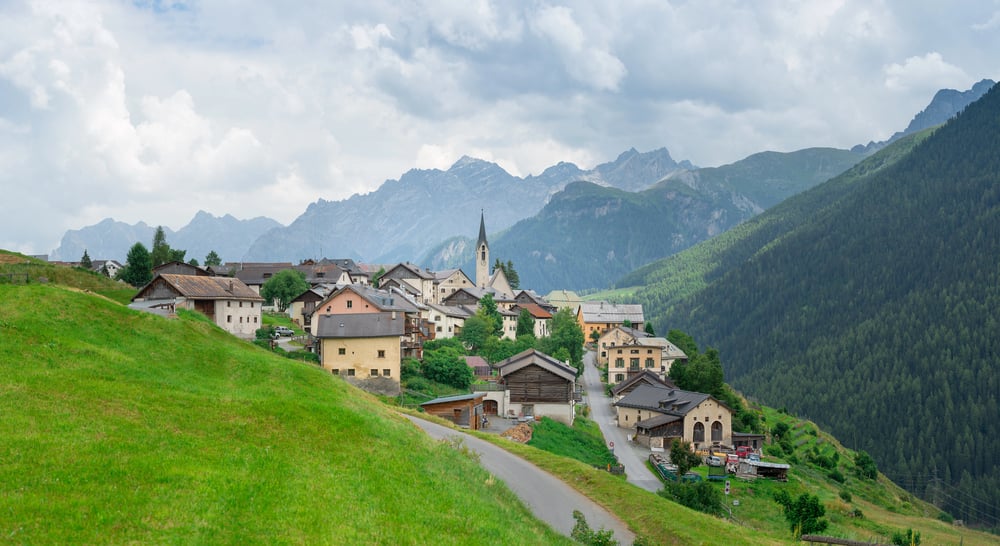
Guarda perches on a south-facing terrace in the Lower Engadin, its perfectly preserved Engadine architecture creating one of the most photographed village silhouettes in Switzerland. But the 170 residents live with the complications that come from inhabiting a place that looks like a fairy tale illustration.
Every building modification requires approval from preservation authorities. Tourism pressure increases each year.
The village struggles to balance architectural authenticity with the practical needs of contemporary life.
And yet Guarda continues to function as a living community rather than an open-air museum. Residents operate farms, businesses, and services that serve local needs.
Children attend the village school.
Municipal government addresses practical issues like road maintenance and snow removal alongside questions about historic preservation and tourist management.
The village represents both the benefits and challenges of successful preservation. Guarda’s architectural integrity attracts visitors and generates economic activity, but it also creates restrictions and pressures that residents must navigate carefully.
The community continues to evolve within constraints that most villages don’t face.
Bergün
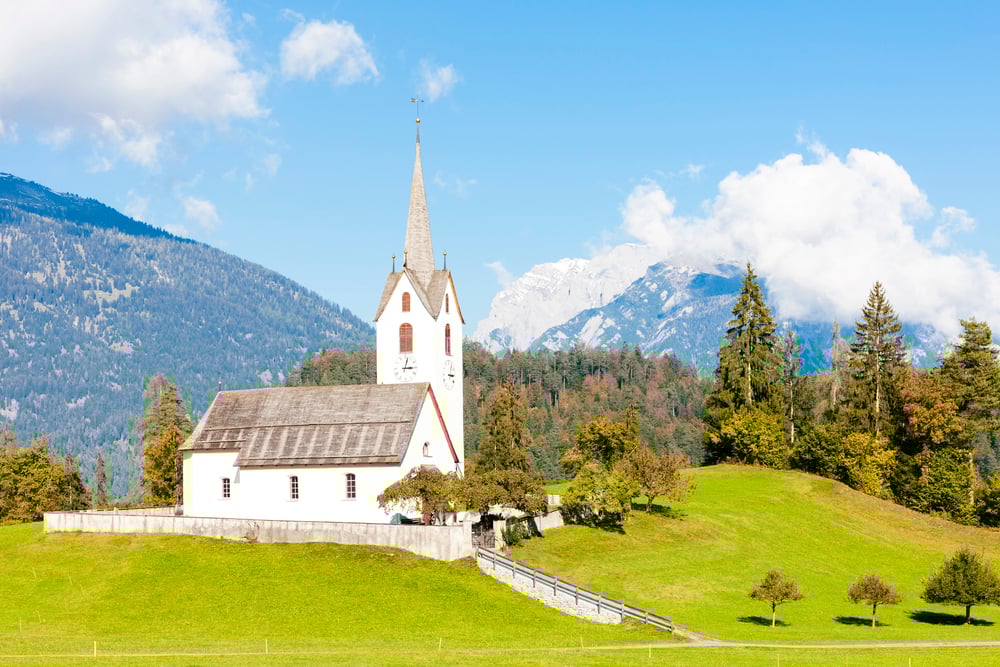
Bergün sits along the railway line that carries trains through some of Switzerland’s most spectacular mountain scenery, but the village of 450 residents exists as much more than a scenic photo opportunity. The community has adapted to its role as a transportation hub while maintaining distinctly local character and traditions that reflect centuries of life in this particular valley.
The railway brings visitors, but it also connects residents to employment and services in larger communities down the valley. This connection allows Bergün to maintain population levels that might not be sustainable in more isolated locations, while still preserving the small-scale community dynamics that characterize authentic Alpine villages.
Bergün demonstrates how infrastructure can support rather than overwhelm mountain communities when it’s designed and operated with local priorities in mind. The village benefits from transportation connections without losing the characteristics that make it worth preserving.
That balance requires ongoing attention, but it clearly works when community members remain actively involved in shaping how outside connections develop.
Where Stories Live in Stone
These villages exist because people chose to stay when leaving would have been easier. They continue because residents understand that some things matter more than convenience or economic opportunity.
Each community represents a different answer to the same fundamental question: how do you build a life that honors both tradition and necessity in places where both tradition and necessity require more commitment than most people want to make?
The Swiss Alps hide dozens of other communities that follow similar patterns — small populations, spectacular settings, and residents who’ve figured out how to maintain authentic mountain culture without turning it into performance art for tourists. These places survive not because they’re protected or subsidized, but because the people who live there want them to survive.
And that, more than any government program or preservation initiative, explains why they continue to exist when so many other mountain communities have either emptied out or transformed into something entirely different.
More from Go2Tutors!

- The Romanov Crown Jewels and Their Tragic Fate
- 13 Historical Mysteries That Science Still Can’t Solve
- Famous Hoaxes That Fooled the World for Years
- 15 Child Stars with Tragic Adult Lives
- 16 Famous Jewelry Pieces in History
Like Go2Tutors’s content? Follow us on MSN.