15 Outrageous Parties of Roman Emperors
Banquets that lasted for days, fountains that flowed with wine, and extravagance beyond imagination—Rome’s emperors turned feasting into theater. Their gatherings weren’t only about food and music, but also about power and reputation. Here’s a list of some of the most outrageous parties that shook the empire and left tales that still sound unbelievable today.
Nero’s Golden Banquets

— Photo by trotalo
Nero was infamous for his feasts in the Domus Aurea, his lavish “Golden House.” Guests reclined under ceilings that rained down rose petals and perfumes, sometimes so thick they suffocated diners. Luxury turned dangerous. And maybe just a little absurd.
Caligula’s Floating Palace

Caligula hosted floating banquets on ships fitted with marble floors and jewel-studded couches. These vessels drifted across Lake Nemi, carrying food, music, and decadence. The lake itself became his ballroom. Imagine waves sloshing against marble.
Elagabalus’s Exotic Dinners
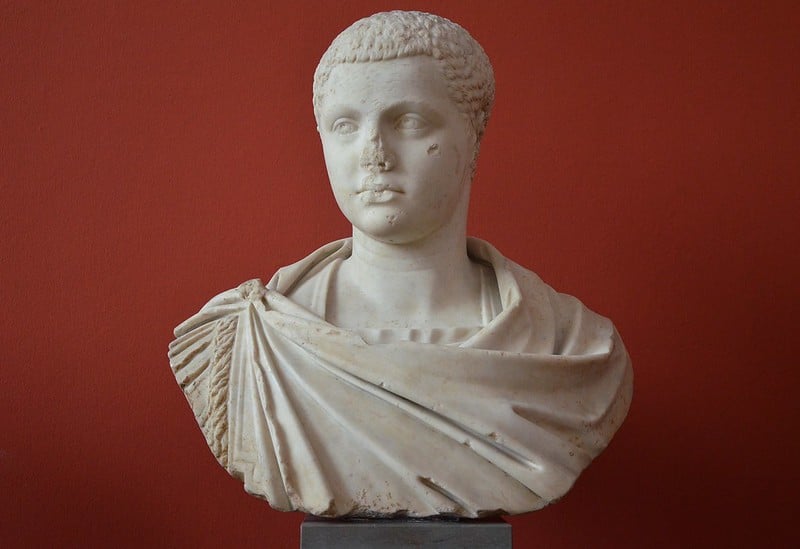
The young emperor Elagabalus filled his banquets with rare animals and strange foods—ostrich brains, camel heels, and flamingo tongues. Guests never knew what might arrive on their plates. Or if it was edible. Strange menu, strange times.
Commodus’s Gladiator Parties

Commodus blurred feasting with bloodsport, holding banquets inside the arena. He would fight wild beasts or crippled gladiators, then dine while the crowd roared. Food tasted of fear. Still, the show went on.
Vitellius’s Feasting Marathon

— Photo by marek_usz
Vitellius devoured banquets like they were a sport. His feasts could last from dawn until night, and one notorious meal allegedly contained two thousand fish and seven thousand birds. Not great for digestion. Excess was the main course.
Tiberius at Capri
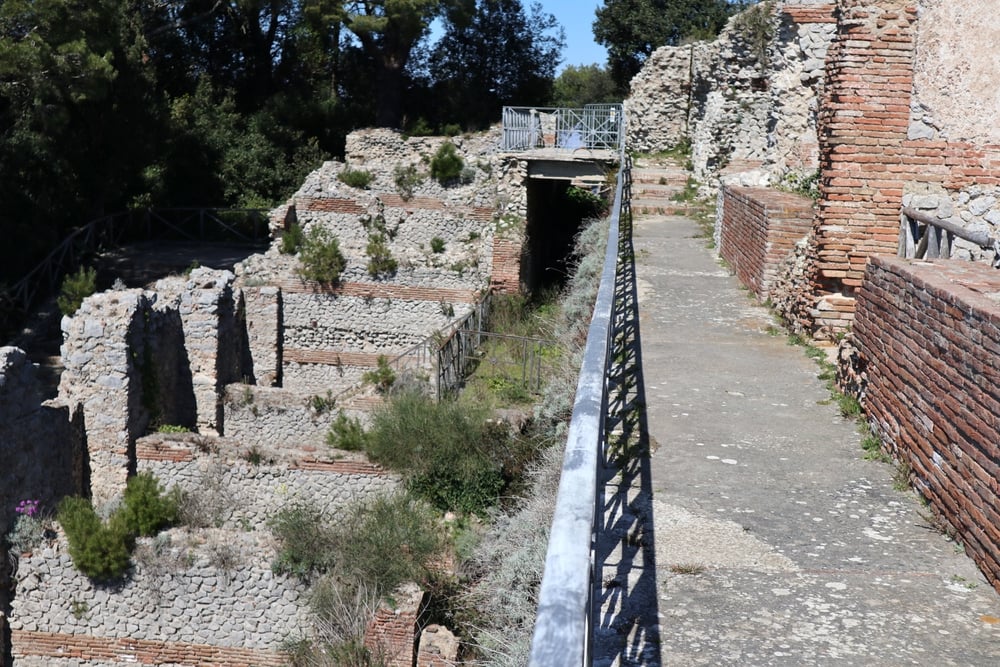
Retreating to his villa on Capri, Tiberius entertained guests with feasts that were whispered about in scandal for centuries. The parties blended indulgence with darker rumors—excess became legend. The sea air carried secrets. And gossip.
Claudius’s Endless Eating

Claudius enjoyed eating so much that he kept the parties rolling long after others gave up. Some claimed he used feathers to keep himself from stopping. Endless food, endless appetite. He simply couldn’t resist.
Nero’s Mock Weddings
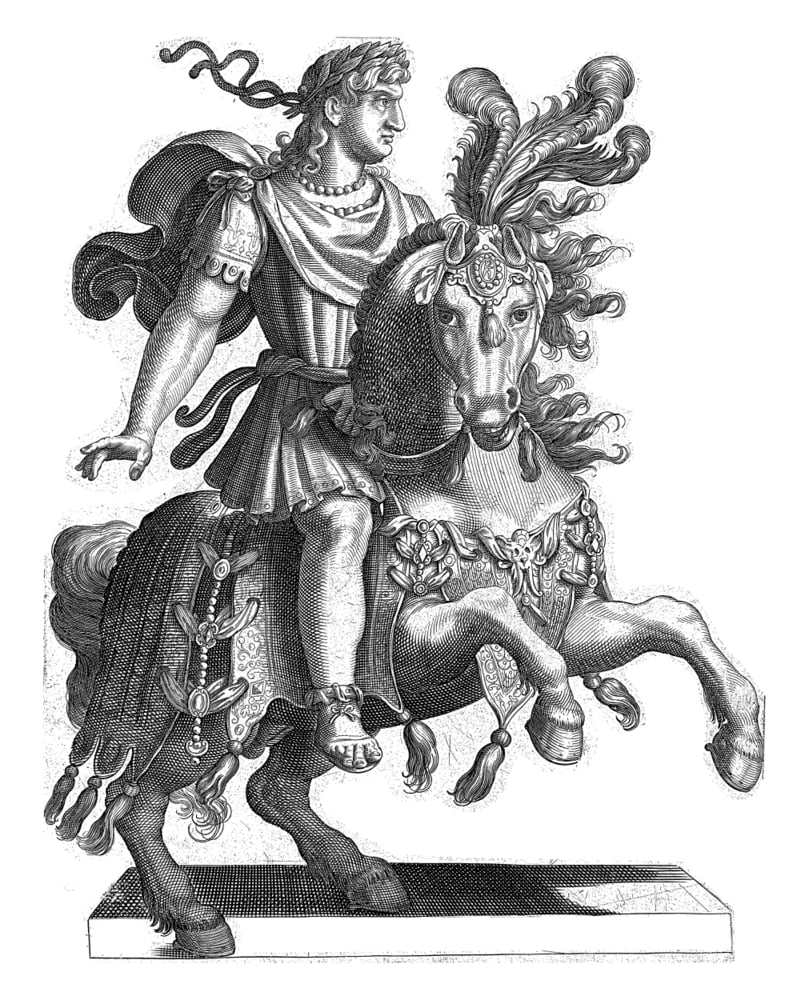
Nero staged elaborate banquets around his theatrical “marriages.” At one, he dressed as a bride and wed his courtier in a feast drenched in music, dancing, and wine. It was a party performed like a play. Strange theater, stranger emperor.
Caligula’s Moon Banquet

Caligula once ordered a feast where every dish glittered with gold leaf and pearls. He claimed it was food fit for gods, though many guests feared breaking a tooth. Wealth on a plate. So much for subtlety.
Elagabalus’s Rose Petal Trap

At one gathering, Elagabalus famously showered guests with so many petals from hidden panels in the ceiling that some suffocated. A feast that killed with flowers. Fragrant, but deadly.
Domitian’s Midnight Feasts

— Photo by irisphoto11
Domitian liked to host eerie night banquets. Guests dined in pitch-black halls where walls, seats, and servers were painted black. He served only the simplest food. Fear was the seasoning. And silence was the music.
Lucius Verus’ Luxury Hunts

This co-emperor turned hunting into a party spectacle. After massive staged hunts, the animals were roasted and served in overflowing banquets. Meat was more than a meal—it was theater. Roasting fires lit up the night.
Hadrian’s Garden Parties
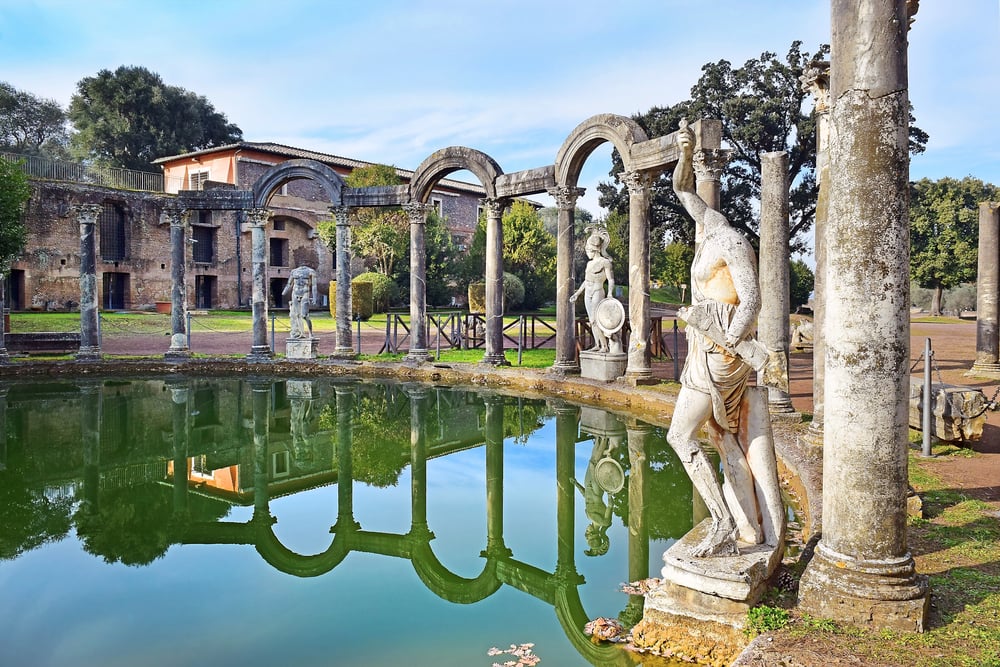
Hadrian entertained in his sprawling villa gardens with fountains, sculptures, and performers. These parties were gentler, but still opulent. The smell of jasmine lingered in the air. Softer, but no less grand.
Heliogabalus’s Party Tricks

Heliogabalus amused himself by serving fake meals: wax fruits, wooden bread, or food dyed in odd colors. Guests laughed—or grimaced—before real food was finally brought out. A prank on an imperial scale.
- Trick candles that wouldn’t light
- Wines swapped for vinegar
- Golden dishes filled with pebbles
People weren’t always amused.
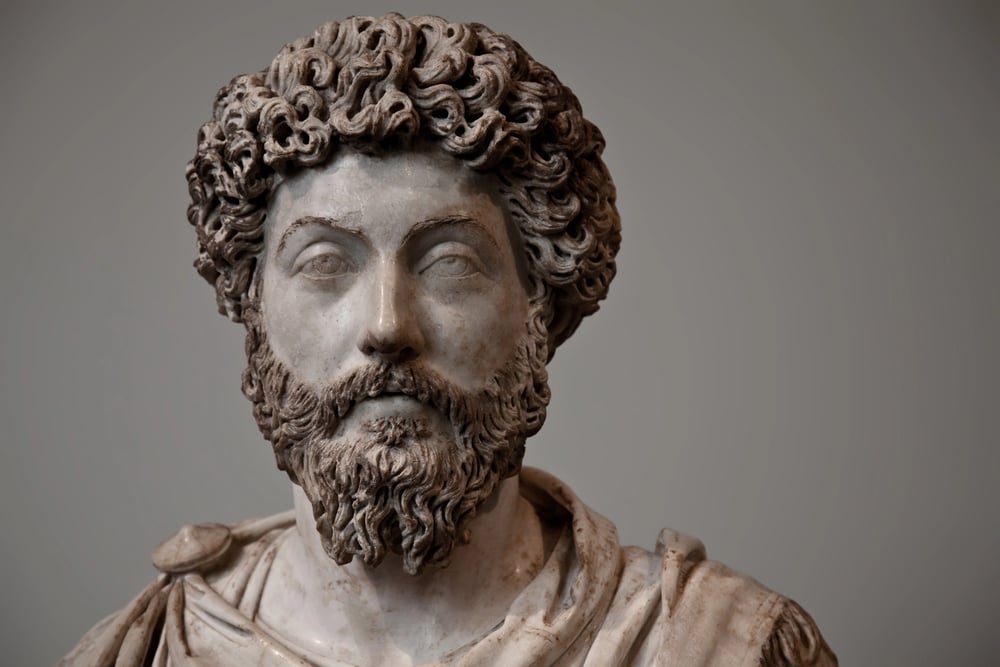
Marcus Aurelius’s Reluctance
— Photo by vkorost
Unlike others, Marcus Aurelius avoided such indulgence. When he did host banquets, they were simple, almost austere. Guests ate plain bread and vegetables, a quiet reminder that not all emperors worshipped excess. Still, his restraint stood out.
Revelry and Ruin

These parties dazzled, shocked, and sometimes horrified Rome. They revealed the extremes of imperial power—how emperors could use food, wine, and spectacle to inspire awe or spread fear. In their excess, the seeds of decline were quietly planted.
More from Go2Tutors!

- 16 Historical Figures Who Were Nothing Like You Think
- 12 Things Sold in the 80s That Are Now Illegal
- 15 VHS Tapes That Could Be Worth Thousands
- 17 Historical “What Ifs” That Would Have Changed Everything
- 18 TV Shows That Vanished Without a Finale
Like Go2Tutors’s content? Follow us on MSN.