15 People Who Lived Through Extreme Disasters
Throughout history, nature has unleashed its most devastating forces upon humanity—earthquakes that split the earth, waves that swallow entire cities, and fires that consume everything in their path. Yet amid these catastrophes, remarkable stories of human survival emerge. These are tales of ordinary people who faced extraordinary circumstances and lived to tell about it.
When disaster strikes, survival often comes down to split-second decisions, sheer luck, or incredible determination. Here is a list of 15 people whose encounters with extreme disasters reveal the remarkable resilience of the human spirit.
Charles Joughin
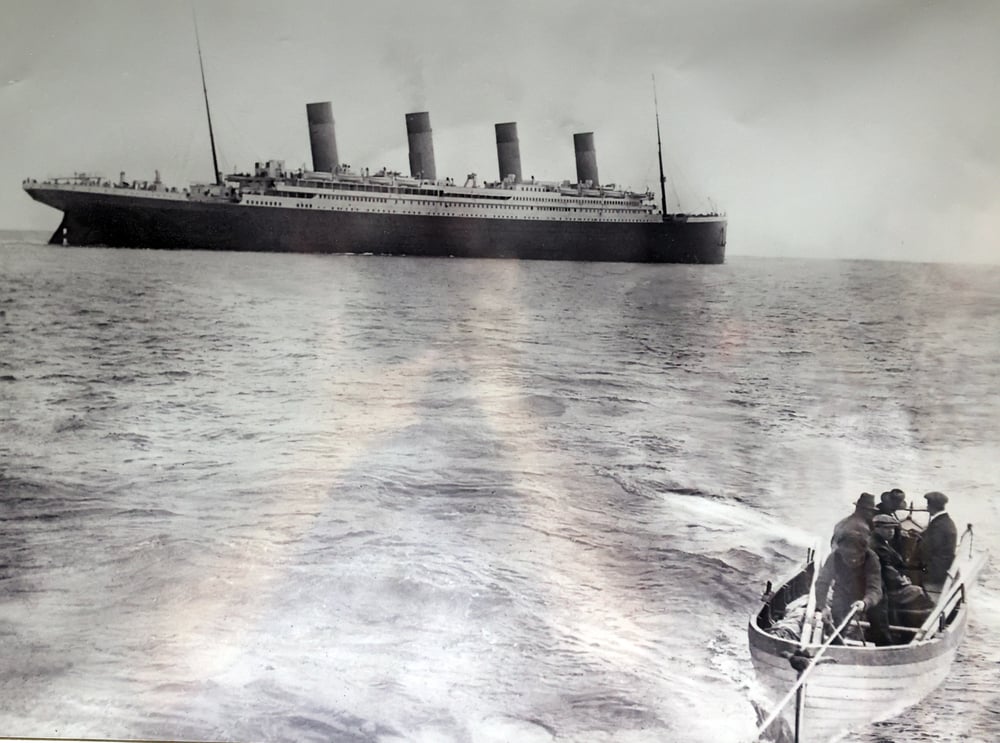
Charles Joughin holds perhaps the most bizarre survival story from the Titanic disaster. As the ship’s chief baker, Joughin consumed large amounts of alcohol while helping passengers into lifeboats, believing it would keep him warm in the frigid North Atlantic waters. When the ship finally sank, he found himself in the icy water for over three hours before being rescued.
Medical experts later confirmed that his elevated blood alcohol level likely prevented hypothermia and saved his life. Joughin went on to live another 44 years, proving that sometimes the most unconventional survival methods work.
Millvina Dean

At just nine weeks old, Millvina Dean became the youngest survivor of the Titanic disaster when her family escaped in Lifeboat No. 10. Her father had planned to open a nicotine shop in America, but he perished in the sinking while ensuring his family’s safety.
Dean lived to age 97, becoming the last living Titanic survivor when she died in 2009. Throughout her life, she carried the unique distinction of being both the youngest survivor and the final living link to one of history’s most famous maritime disasters.
Like Go2Tutors’s content? Follow us on MSN.
Eva Hart
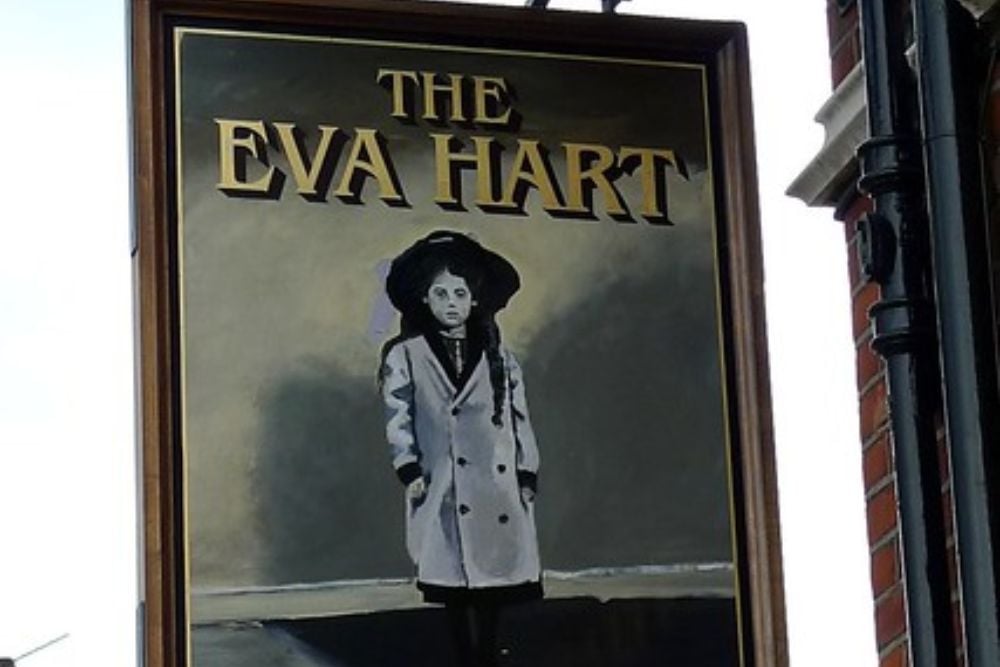
Seven-year-old Eva Hart lost her father in the Titanic disaster but survived with her mother in one of the lifeboats. What makes her story remarkable is her fearless approach to life afterward. ‘People I meet always seem surprised that I do not hesitate to travel by train, car, airplane or ship when necessary,’ Hart later said.
‘If I acted like that I would have died of fright many years ago—life has to be lived irrespective of the possible dangers and tragedies lurking round the corner.’ She became one of the Titanic’s most vocal advocates, criticizing the insufficient number of lifeboats and opposing salvage efforts.
Halima Suley
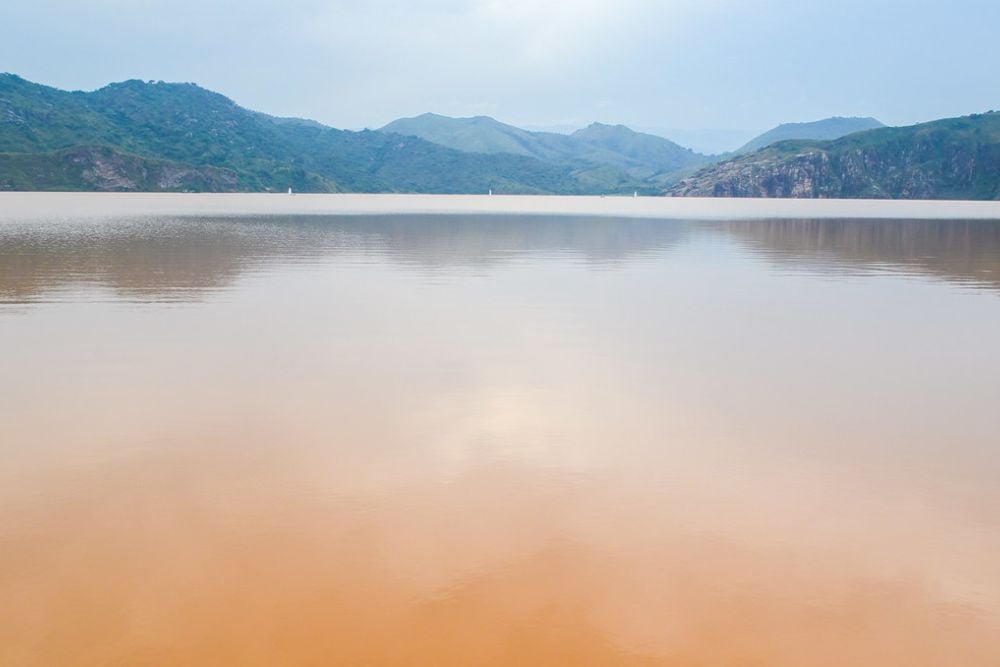
On August 21, 1986, Cameroonian villager Halima Suley was preparing for bed when she heard a rumbling noise near Lake Nyos. A deadly gas eruption from the lake created a toxic cloud that killed everything within 15 miles.
Suley lost consciousness but somehow survived while 35 of her family members, including all four of her children, died around her. She awoke the next morning to find herself one of only a handful of survivors in a landscape of death. Her survival from one of nature’s rarest disasters—a limnic eruption—defied all odds.
Roy Sullivan
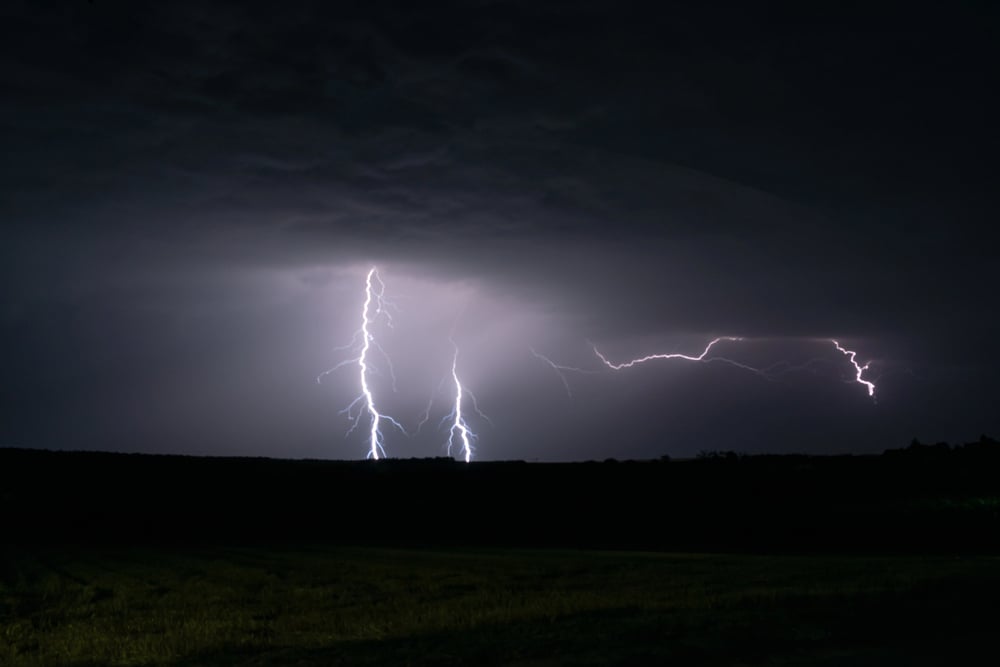
Park ranger Roy Sullivan earned a spot in the Guinness World Records for surviving more lightning strikes than anyone else—seven separate strikes between 1942 and his retirement. Each strike left him with burns and injuries, but he continued working outdoors in Virginia’s Shenandoah National Park.
Sullivan’s incredible survival rate from multiple lightning strikes, each carrying enough electricity to power a house for weeks, made him a living legend. His story proves that some people seem to attract danger yet possess an almost supernatural ability to survive it.
Like Go2Tutors’s content? Follow us on MSN.
Rachael Shardlow
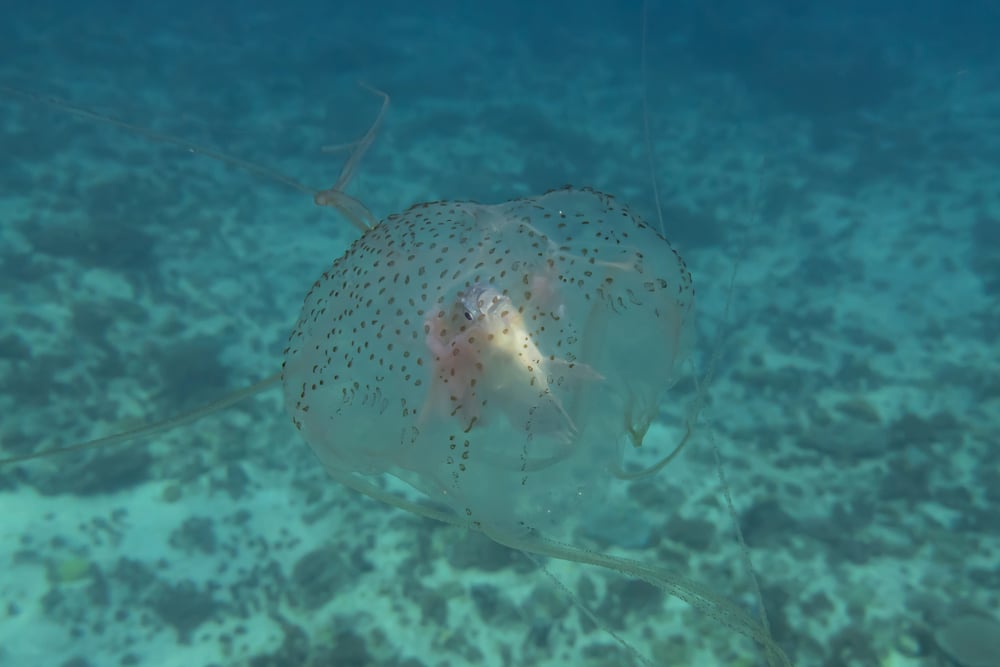
Ten-year-old Rachael Shardlow became the only person in recorded history to survive a severe box jellyfish attack when she was stung while swimming in Australia. The creature’s venom is so potent that most victims die within minutes from cardiac arrest.
Experts were shocked that Rachael was recovering in hospital instead of being wheeled into the morgue, and she left the hospital six weeks later with only tentacle scars and some short-term memory loss. Her survival gave scientists their first opportunity to study the long-term effects of box jellyfish venom on humans.
Ryo Kanouya
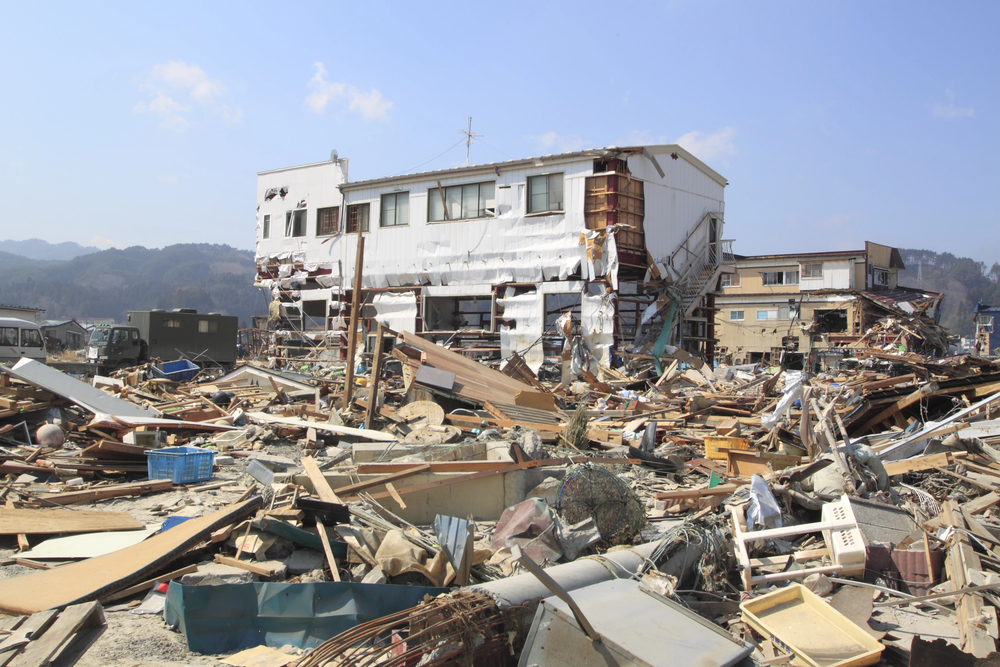
Twenty-six-year-old Ryo Kanouya was at work in Namie, Japan, when the March 11, 2011 earthquake struck. As the tsunami approached his village, he climbed to the second floor of his house with his grandmothers, watching the elementary school get hit by massive waves.
When the tsunami struck his home, the building held against the first wave, but a second wave completely destroyed it. Kanouya found himself trapped underwater but managed to swim to the surface and climb onto debris, spending hours in the freezing water before walking barefoot through his destroyed town. He can never return to his hometown due to radiation from the nearby Fukushima nuclear plant.
Margaret Brown

Margaret ‘Molly’ Brown was traveling on the Titanic when it sank, but she took charge in the lifeboats, searching for survivors and distributing blankets and food to fellow passengers. Her leadership during the disaster and tireless efforts to help others earned her the nickname ‘The Unsinkable Molly Brown.’
Brown was an important campaigner for women’s rights and education of the poor, and she had been journeying through Egypt when news of her sick grandchild led her to buy a ticket on the Titanic as the quickest way back to the United States. She was later immortalized in a 1960 musical bearing her nickname.
Like Go2Tutors’s content? Follow us on MSN.
Louis-Auguste Cyparis
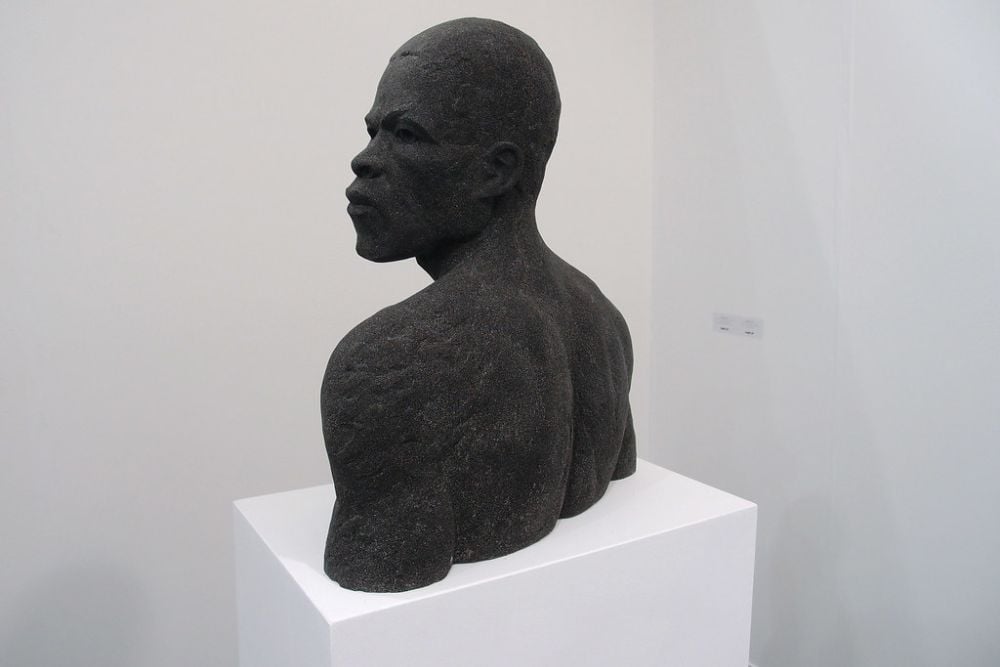
Louis-Auguste Cyparis was an escaped convict who turned himself in to authorities in May 1902 on the Caribbean island of Martinique. His decision to surrender saved his life—he was sentenced to solitary confinement in the local prison’s dungeon just days before Mount Pelée erupted.
The massive volcanic eruption completely destroyed the city of St. Pierre, killing nearly 30,000 people, but Cyparis survived in his underground cell. He was one of only two known survivors in the entire city, rescued days later by search teams who heard him calling for help from beneath the rubble.
Mateo Casaverde
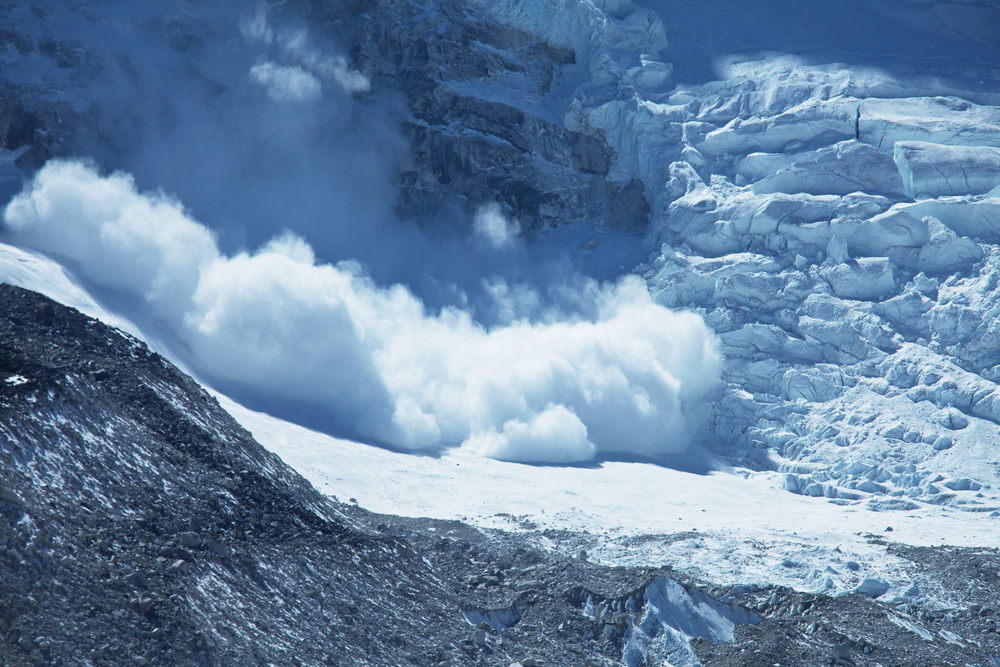
Mateo Casaverde witnessed one of the deadliest avalanches in history when an earthquake triggered a massive debris flow from Peru’s Huascarán mountain in 1970. ‘We heard a deep noise, different from the earthquake,’ Casaverde later described. ‘You could see a giant wave of gray mud, about 60 meters high, about to hit the left hand side of the city.
The sky went dark. We looked around. Yungay and its many thousands of inhabitants had disappeared.’ The avalanche buried the entire town of Yungay in minutes, killing up to 30,000 people, but Casaverde managed to reach higher ground just in time.
Neungduangjai Sritrakarn
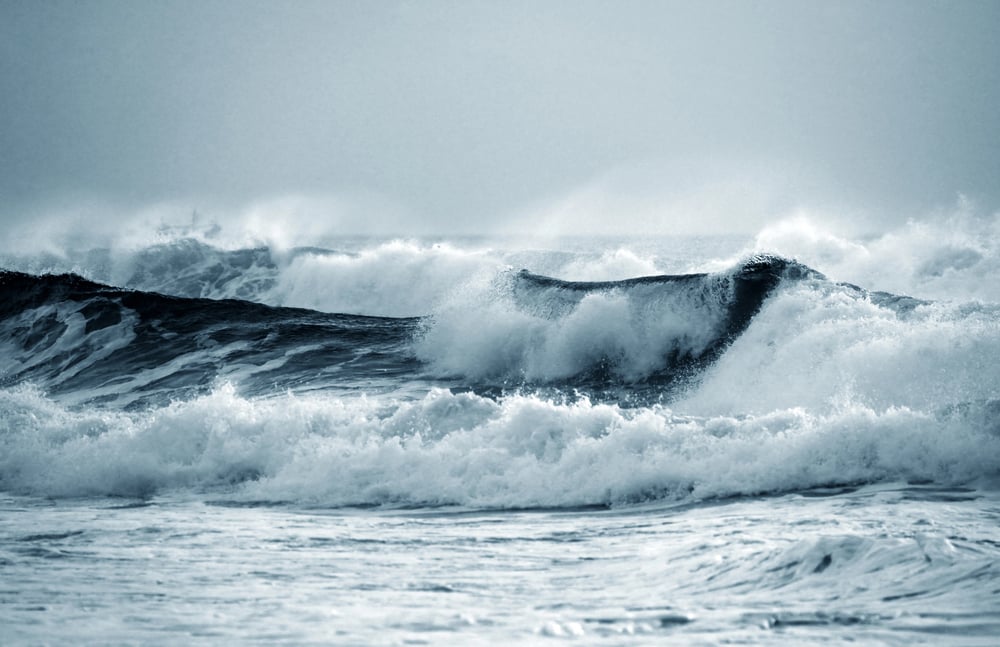
Twenty-year-old college freshman Neungduangjai Sritrakarn was asleep in her family’s house on Thailand’s Andaman Sea coast when her mother woke her on December 26, 2004, sensing something wasn’t right. The 2004 Indian Ocean tsunami destroyed the shrimp farm where her family worked and lived, but they survived by evacuating just in time.
Today, she runs a thriving bar and restaurant where their farm once stood. The view from her porch ‘wouldn’t be there if not for the tsunami that destroyed parts of the coast,’ she reflected, showing how survivors sometimes find unexpected opportunities in devastation’s wake.
Like Go2Tutors’s content? Follow us on MSN.
Nick Talbot

British climber Nick Talbot was attempting to become the first person with cystic fibrosis to summit Mount Everest when the 2015 Nepal earthquake triggered a massive avalanche at base camp. ‘This was like a tsunami,’ he told reporters.
‘I saw this wall of snow and ice coming. I ran away. I thought, there is no chance I can get away. I just had my socks on. It knocked me into the rocks. I got up and it knocked me over again.’ Despite being knocked down multiple times by the 50-story wall of snow racing at highway speeds, Talbot survived while 18 others at base camp perished.
Dorothy Gibson

Silent film actress Dorothy Gibson was aboard the Titanic with her mother when the ship struck an iceberg. They escaped on the first lifeboat launched, but even then faced danger when they discovered a damage in the lifeboat’s bottom—the rush of icy water was blocked by passengers’ dresses.
After reaching New York, Gibson starred in the first motion picture about the disaster, ‘Saved from the Titanic,’ just five days after the accident. She had to re-enact her traumatic experience wearing the same clothes she had worn during the actual sinking, but gave up acting shortly afterward.
Dominick Robinson
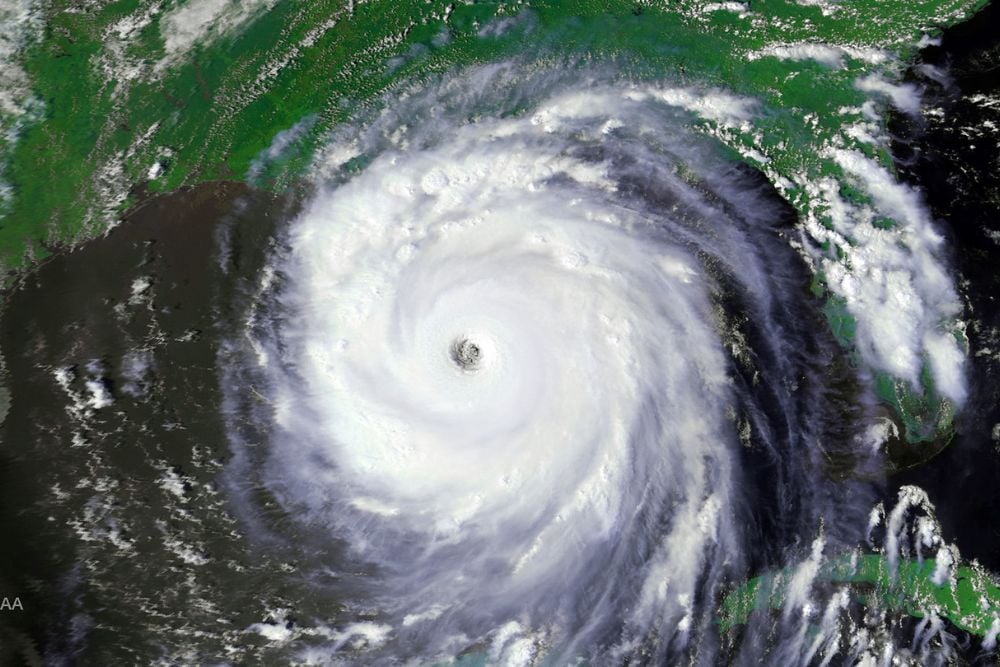
Dominick Robinson survived Hurricane Katrina in New Orleans in 2005, evacuating on a rescue boat to a shelter. Twelve years later, he found himself in the exact same situation during Hurricane Harvey in Houston—the city that had welcomed him as a Katrina refugee.
‘Pretty much the same thing, you know? It’s pretty much the same thing,’ Robinson said of his second hurricane evacuation. His experience surviving two major hurricanes in different cities taught him valuable lessons about patience and resilience. ‘Survival. Survival and just staying patient and just waiting and just kind of ride it out. That’s all you can pretty much do with these hurricanes,’ he reflected.
Like Go2Tutors’s content? Follow us on MSN.
Bruno Dellinger
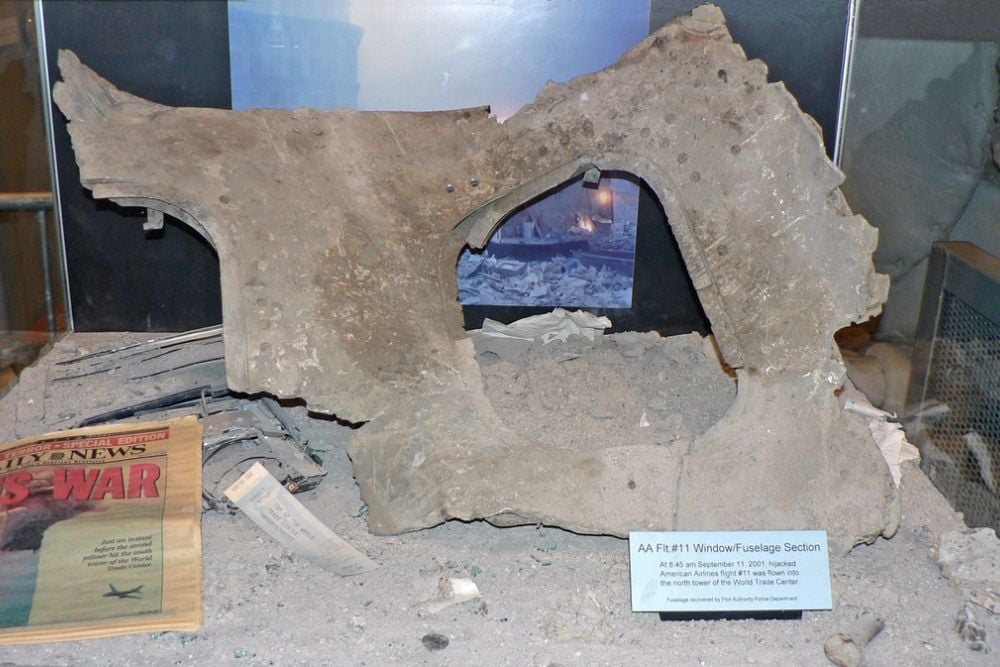
Bruno Dellinger was managing his art consultation company from the 47th floor of the World Trade Center’s North Tower when American Airlines Flight 11 struck the building on September 11, 2001. He recalls fellow survivors making way for injured civilians in the stairwell during his descent and witnessing the collapse of the South Tower moments after he reached street level.
Dellinger’s survival depended on the timing of his evacuation and the structural integrity of the stairwell he used. His company provided cultural ties between New York and France, making his presence in the tower that morning a tragic coincidence that he barely escaped.
From Tragedy to Triumph
These survivors share more than just luck—they demonstrate the extraordinary capacity humans have to endure the unimaginable. Whether facing walls of water, collapsing buildings, or nature’s most violent forces, each person’s story reveals different aspects of survival: quick thinking, community support, sheer determination, or sometimes just being in the right place at the right time.
Their experiences remind us that while disasters can destroy everything we know in moments, the human spirit’s ability to persevere and rebuild often proves even more powerful than the forces that tried to defeat it.
More from Go2Tutors!

- 16 Historical Figures Who Were Nothing Like You Think
- 12 Things Sold in the 80s That Are Now Illegal
- 15 VHS Tapes That Could Be Worth Thousands
- 17 Historical “What Ifs” That Would Have Changed Everything
- 18 TV Shows That Vanished Without a Finale
Like Go2Tutors’s content? Follow us on MSN.



