Items Bought For Pennies Worth A Massive Fortune
Some of the most valuable treasures in the world were once sitting in dusty attic corners, forgotten garage sales, or thrift store bins with price tags that barely covered the cost of the sticker.
The difference between junk and jackpot often comes down to timing, knowledge, or sheer dumb luck. These stories remind you that fortune favors not just the prepared mind, but sometimes the curious hand willing to dig through someone else’s discarded memories.
Superman Comic Found In Wall
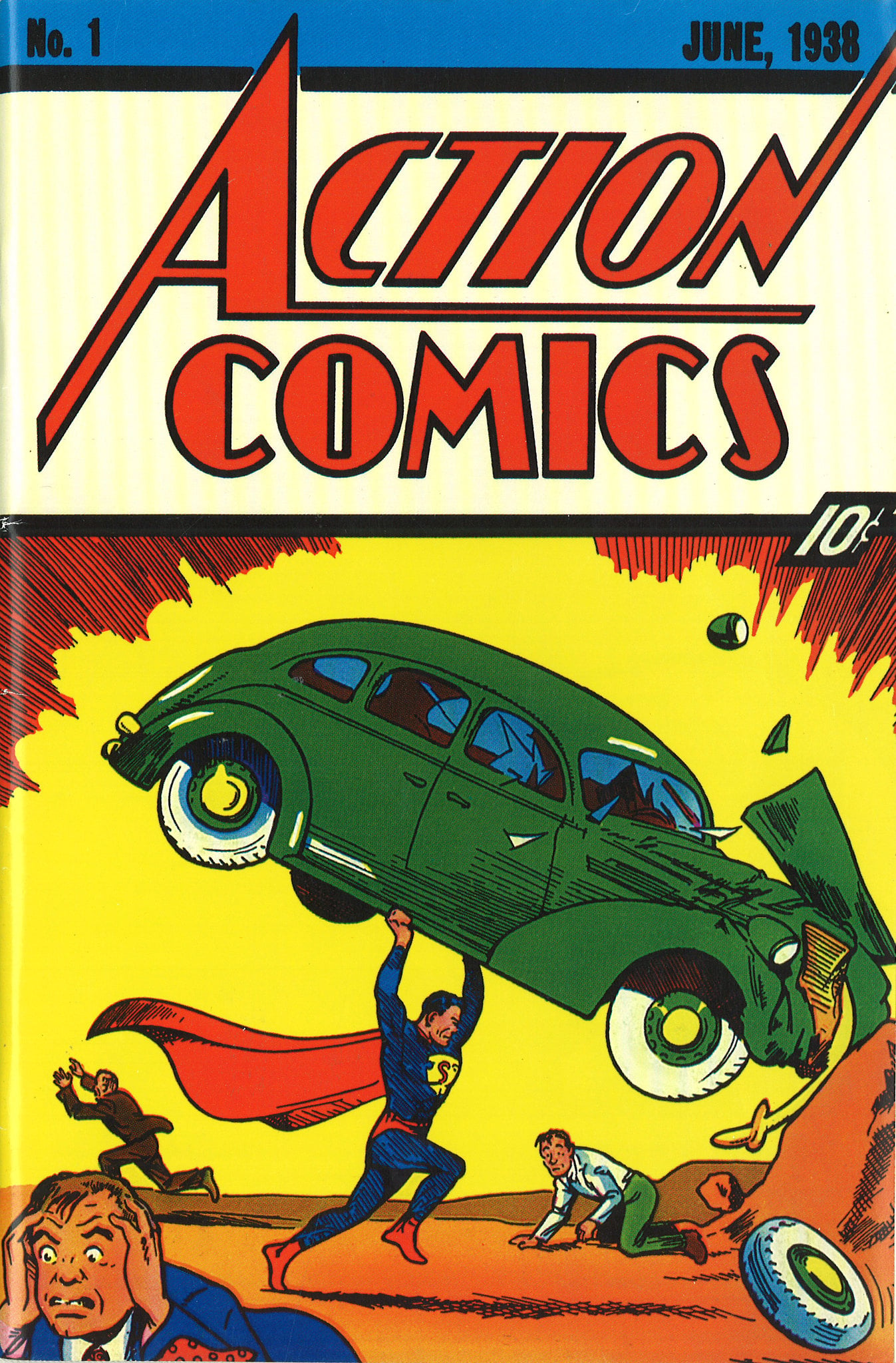
A contractor renovating a 1930s Minnesota house discovered Action Comics #1 wedged between the wall studs. The homeowner had used it as insulation decades earlier.
The comic book sold at auction for $175,000.
The pages were yellowed but intact (thanks to being sealed away from light for over sixty years), and the cover still showed Superman lifting that famous car above his head.
Sometimes the best hiding places aren’t meant to be hiding places at all.
Velázquez Painting At Estate Sale
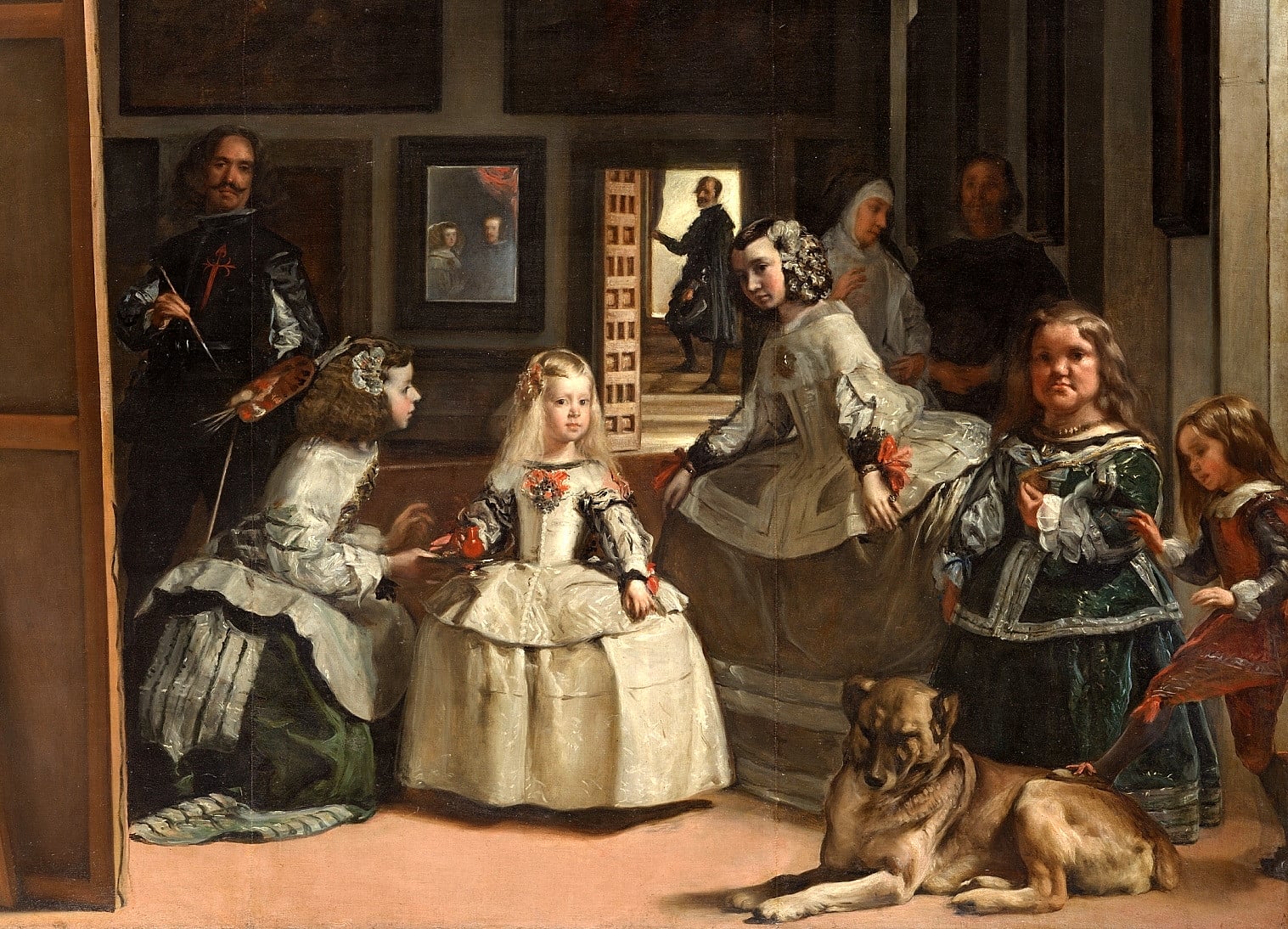
She bought it because the frame looked decent enough for twenty-five dollars. The painting inside — which she planned to paint over — turned out to be a lost work by 17th-century Spanish master Diego Velázquez, worth an estimated $6 million.
The painting had been misattributed for generations, hanging in suburban living rooms while art historians searched museum collections and private galleries for this exact piece.
The woman who bought it spent three years researching the signature in the corner before contacting auction houses. And yet the most remarkable part isn’t the money — it’s that she almost painted a landscape over it the first weekend she brought it home.
Rare Chinese Bowl
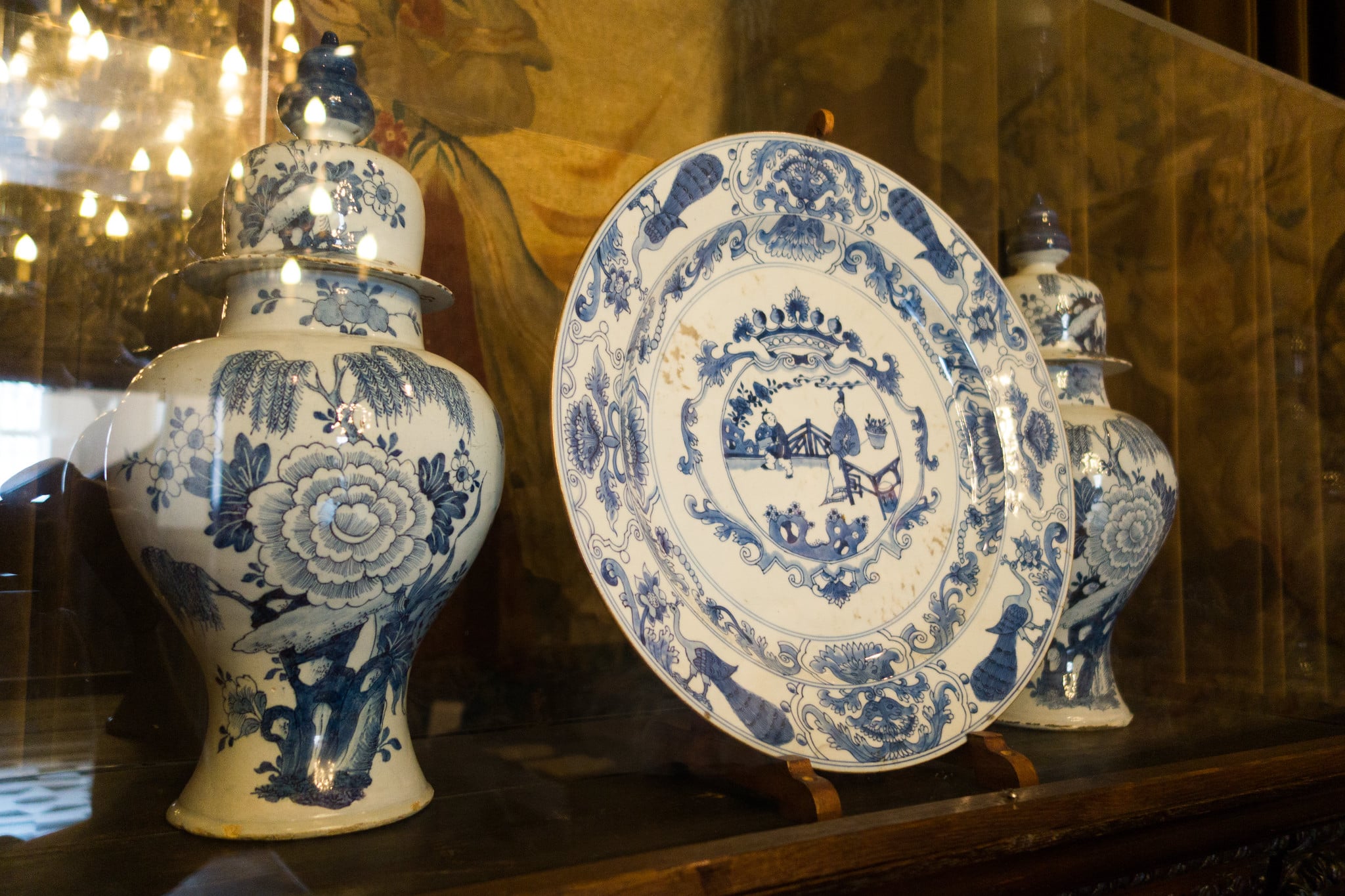
An ordinary-looking bowl purchased for three dollars at a Connecticut yard sale turned out to be a rare piece of Chinese porcelain from the Northern Song dynasty.
It sold for $2.2 million at Sotheby’s.
The bowl had been sitting on the seller’s mantelpiece for years, holding loose change and car keys.
The buyer recognized the distinctive glaze pattern from a museum catalog. That’s the thing about true expertise — it shows up in parking lots and suburban driveways just as much as it does in auction houses.
Declaration Of Independence Copy
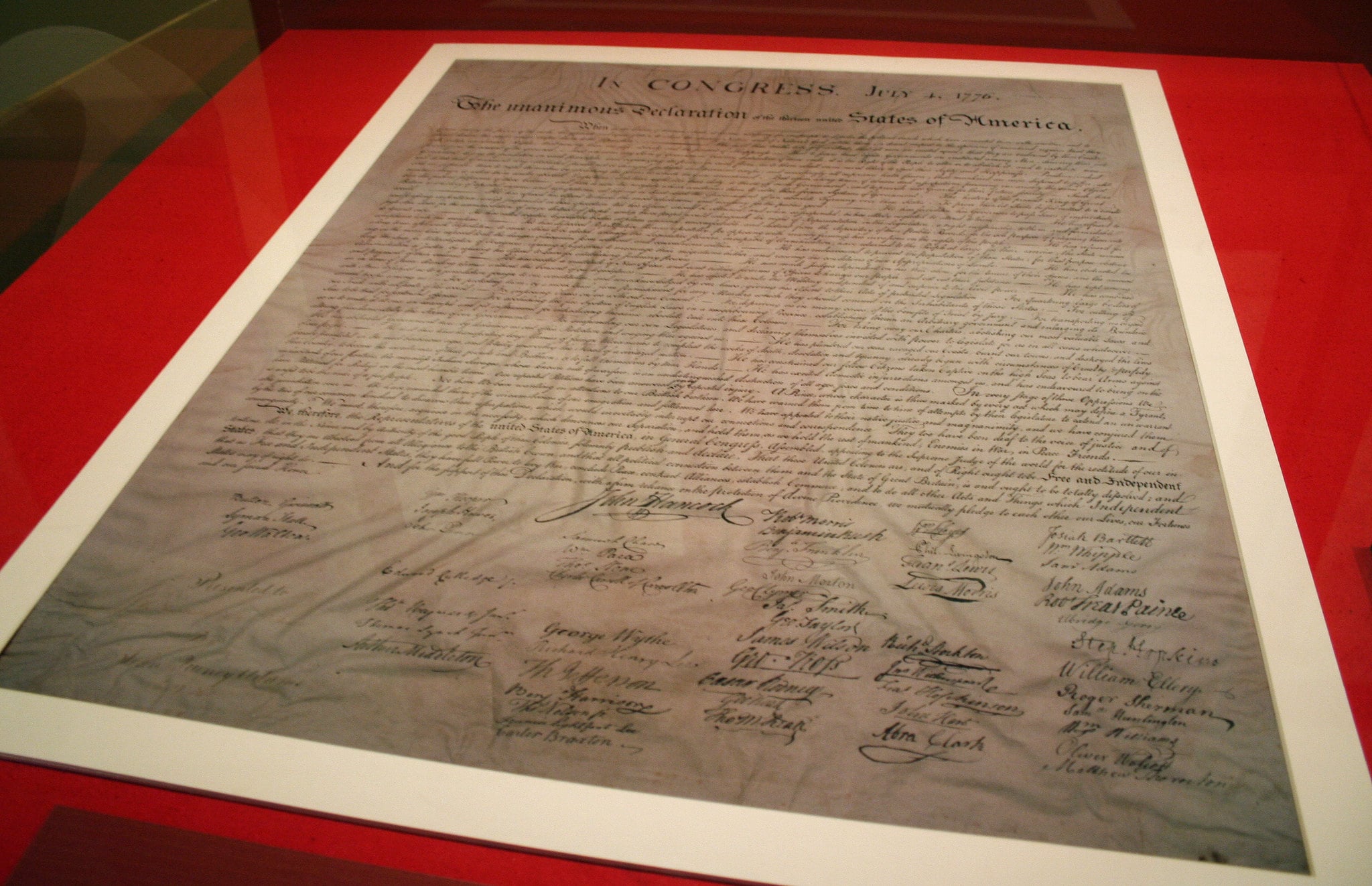
A $4 flea market picture frame contained one of the few remaining original copies of the Declaration of Independence. The buyer wanted the frame and planned to throw away the document inside.
He noticed the paper felt different when he was removing it — thicker and more textured than modern reproductions.
The printing quality looked sharper than what you’d expect from a souvenir shop copy. So he kept it.
That document sold for $8.1 million, making it one of the most expensive pieces of paper ever sold at auction.
Picasso Lithograph

The print was tucked behind another framed piece at a Las Vegas thrift store. Ten dollars for what appeared to be a poster of a Picasso drawing.
Turns out it was an original lithograph, authenticated and valued at $7,000.
Picasso created thousands of lithographs throughout his career, which makes authentication tricky — but also means originals surface in unexpected places more often than you’d think.
This one had been donated to the thrift store along with an entire estate’s worth of belongings, and nobody bothered to look twice at what appeared to be dorm room wall art.
Gold And Silver Trinket
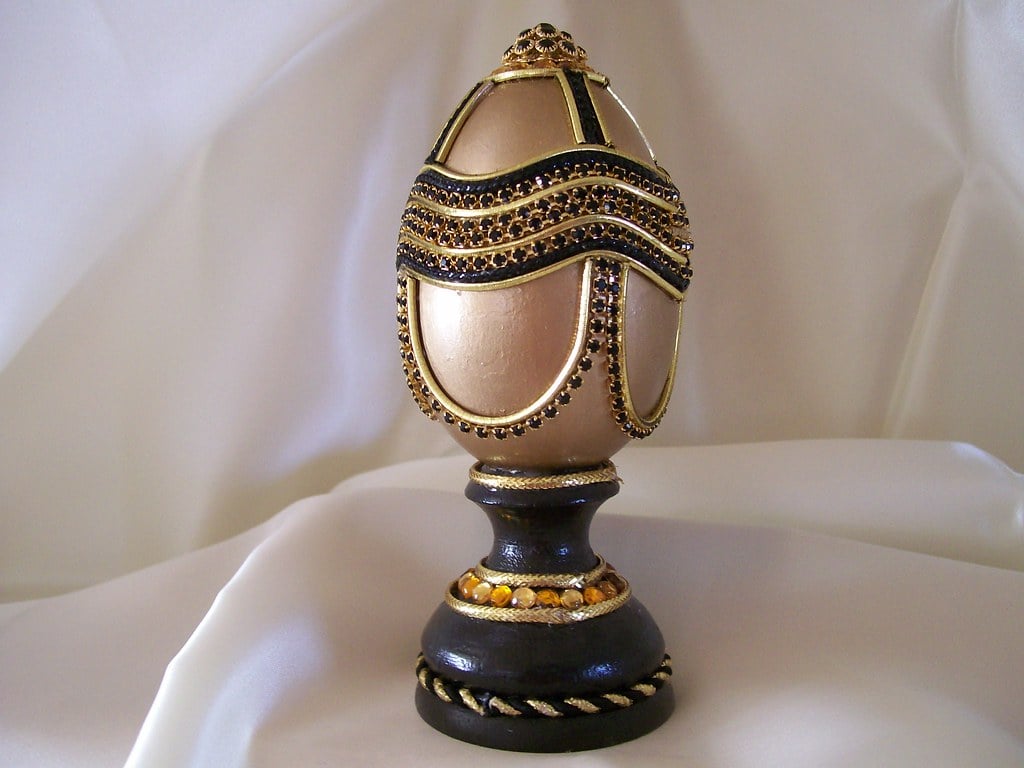
What looked like a cheap souvenir egg turned out to be a Fabergé original worth $20 million. A scrap metal dealer in the Midwest bought it for $13,000 at a flea market, planning to melt it down for the gold content.
Something about the craftsmanship made him hesitate (the hinges were too precise, the enamel work too detailed), so he researched Fabergé marks online before firing up the smelter.
The piece had been missing from imperial Russian collections since the revolution — one of only a few dozen surviving Fabergé eggs created for the royal family.
And it had been sitting in American flea markets for decades, priced as costume jewelry.
Maya Relic Bookend
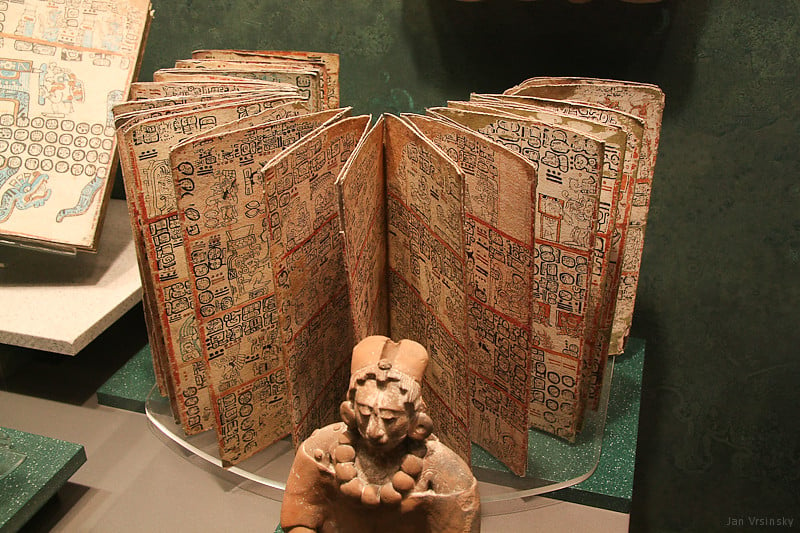
A stone sculpture used as a bookend for thirty years turned out to be a genuine Maya artifact worth $300,000. The family had inherited it from a relative who traveled extensively in Central America during the 1960s.
Everyone assumed it was a souvenir shop reproduction because of how heavy and crude it looked compared to the polished museum pieces they’d seen in books.
But Maya stonework is supposed to look that way — rough-hewn and weathered, carved by hand tools centuries before European contact.
The relative who brought it back probably knew exactly what it was; he just never told anyone.
Andy Warhol Sketch
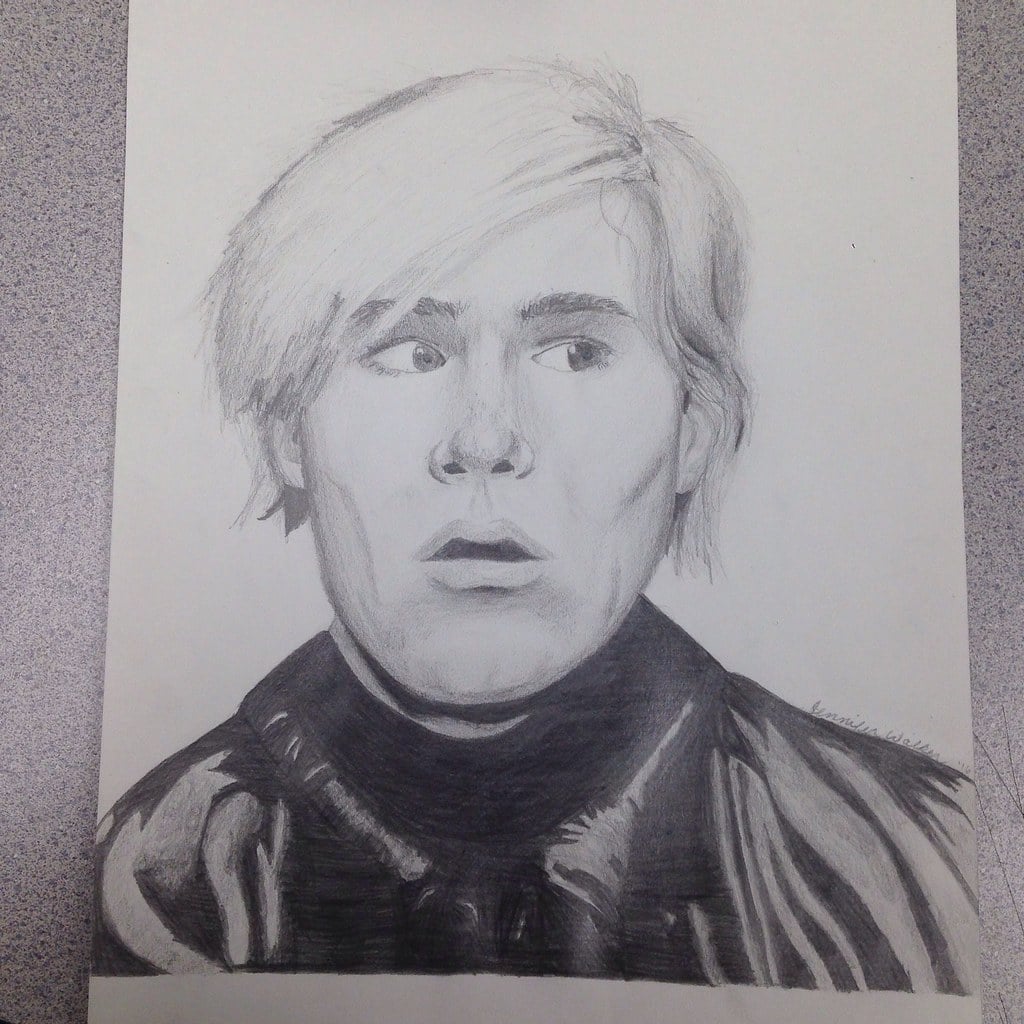
The drawing was tucked inside a book purchased for fifty cents at a library book sale. An authentic Andy Warhol sketch, signed and dated, worth approximately $2 million.
The sketch showed Rudy Nureyev in mid-leap, drawn during Warhol’s phase of documenting New York’s cultural scene in the 1970s.
Someone had used it as a bookmark and forgotten about it when they donated the book.
The buyer found it three months later while actually reading the book — which turned out to be a biography of Nureyev.
Persian Rug
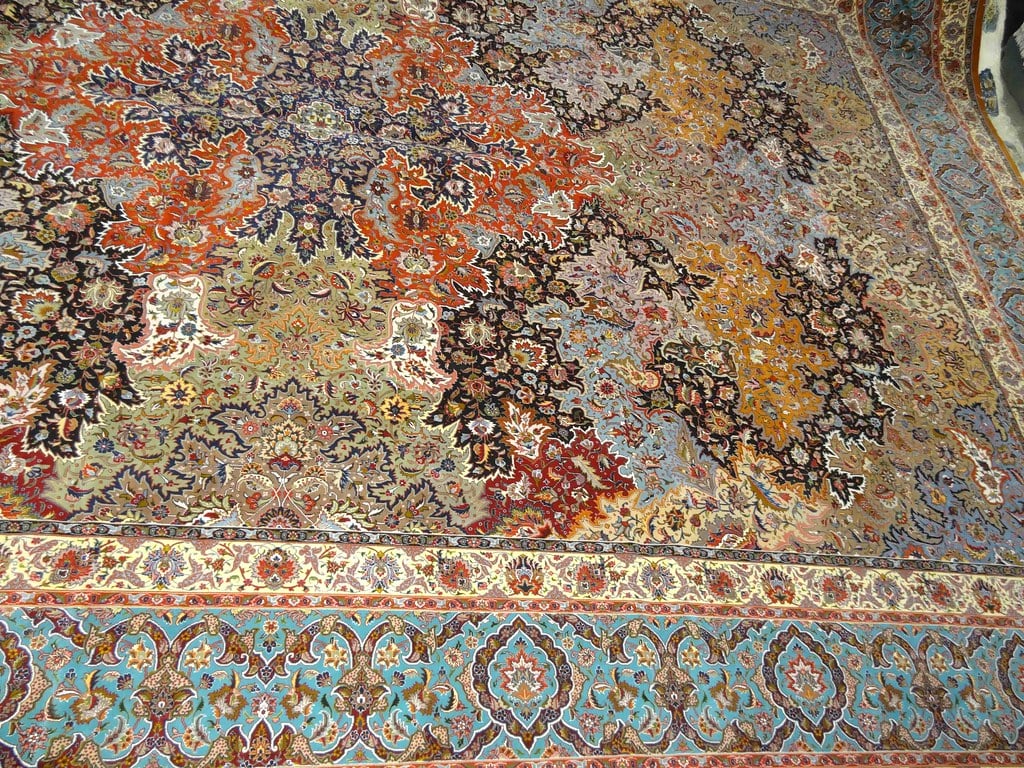
A garage sale rug that sold for fifteen dollars was later identified as a 17th-century Persian masterpiece worth $7.4 million. The family selling it had inherited the rug but considered it too old and faded for their modern home décor.
The rug had been woven in Isfahan during the height of Persian artistic achievement, when royal workshops produced pieces that took master weavers years to complete.
The fading that made it seem worthless to the sellers was actually the natural aging process that proves authenticity — modern reproductions don’t fade the same way.
A visiting relative from Iran recognized the style and convinced the buyers to have it appraised.
Caravaggio Painting
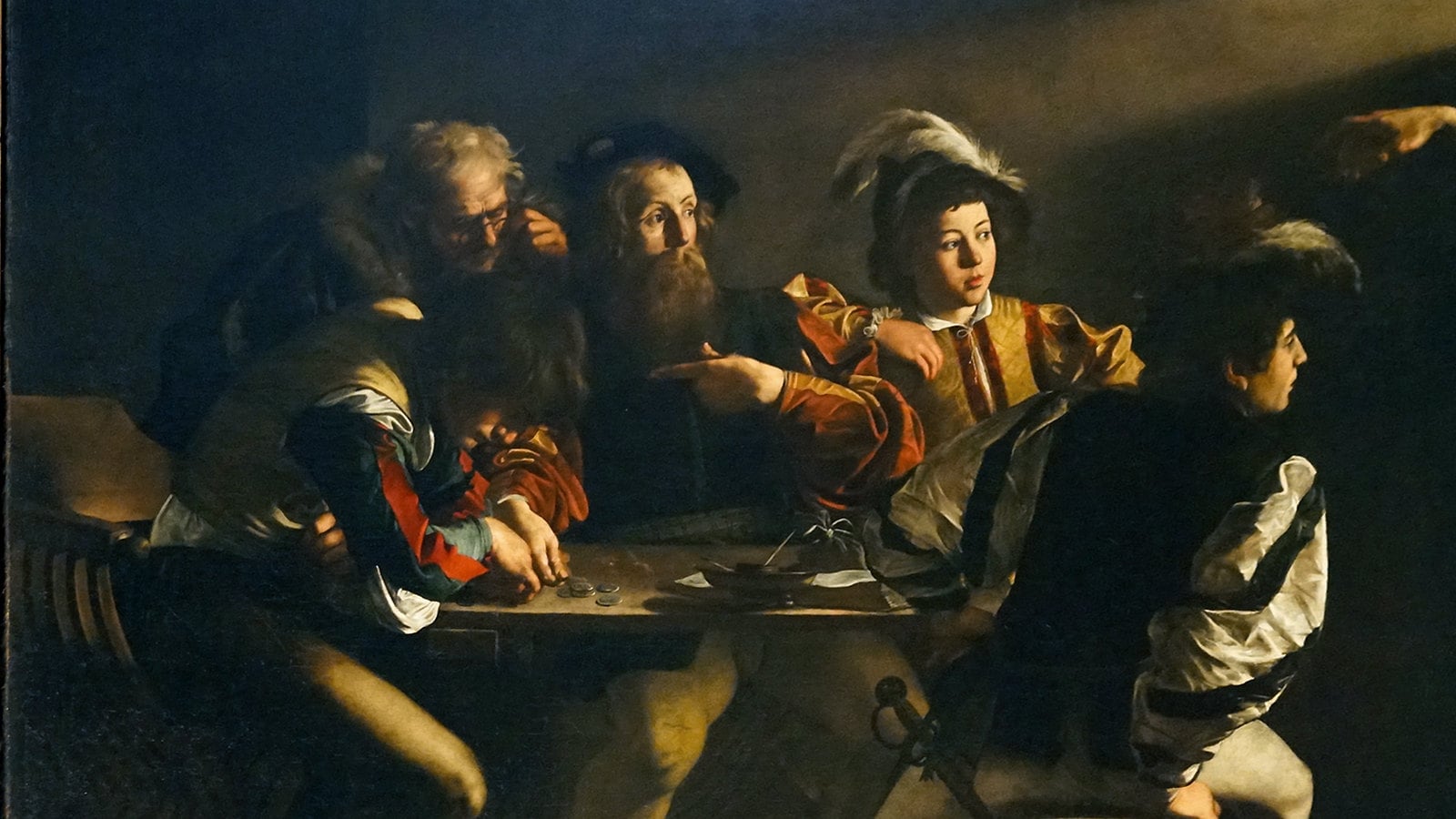
A painting bought for $1,175 at an estate sale was authenticated as a lost work by Caravaggio, valued at $10 million. The estate sale organizers had catalogued it as “old religious painting, artist unknown.”
Caravaggio’s distinctive use of dramatic lighting is hard to fake convincingly, but easy to overlook if you don’t know what to look for.
The painting had darkened with age and centuries of candle smoke, obscuring the details that would have immediately identified it as significant.
Professional cleaning revealed the masterpiece underneath — and the signature technique that art historians had been searching for in this particular lost work.
Native American Blanket
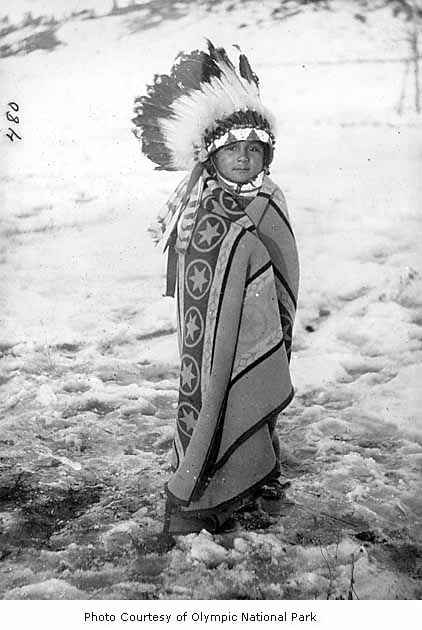
A $5 blanket from a rummage sale turned out to be a rare Navajo chief’s blanket from the 1850s, worth $1.5 million. The sellers thought it was just an old camping blanket, faded and worn from years of use.
The wear patterns were actually what made it valuable — they proved the blanket had been used for its intended ceremonial purpose rather than sitting in a collector’s climate-controlled display case.
First Phase Navajo chief blankets are among the rarest textiles in American history, and this one retained its original indigo dyes, which fade to exactly the muted blue that made the sellers think it was worthless.
Chinese Vase
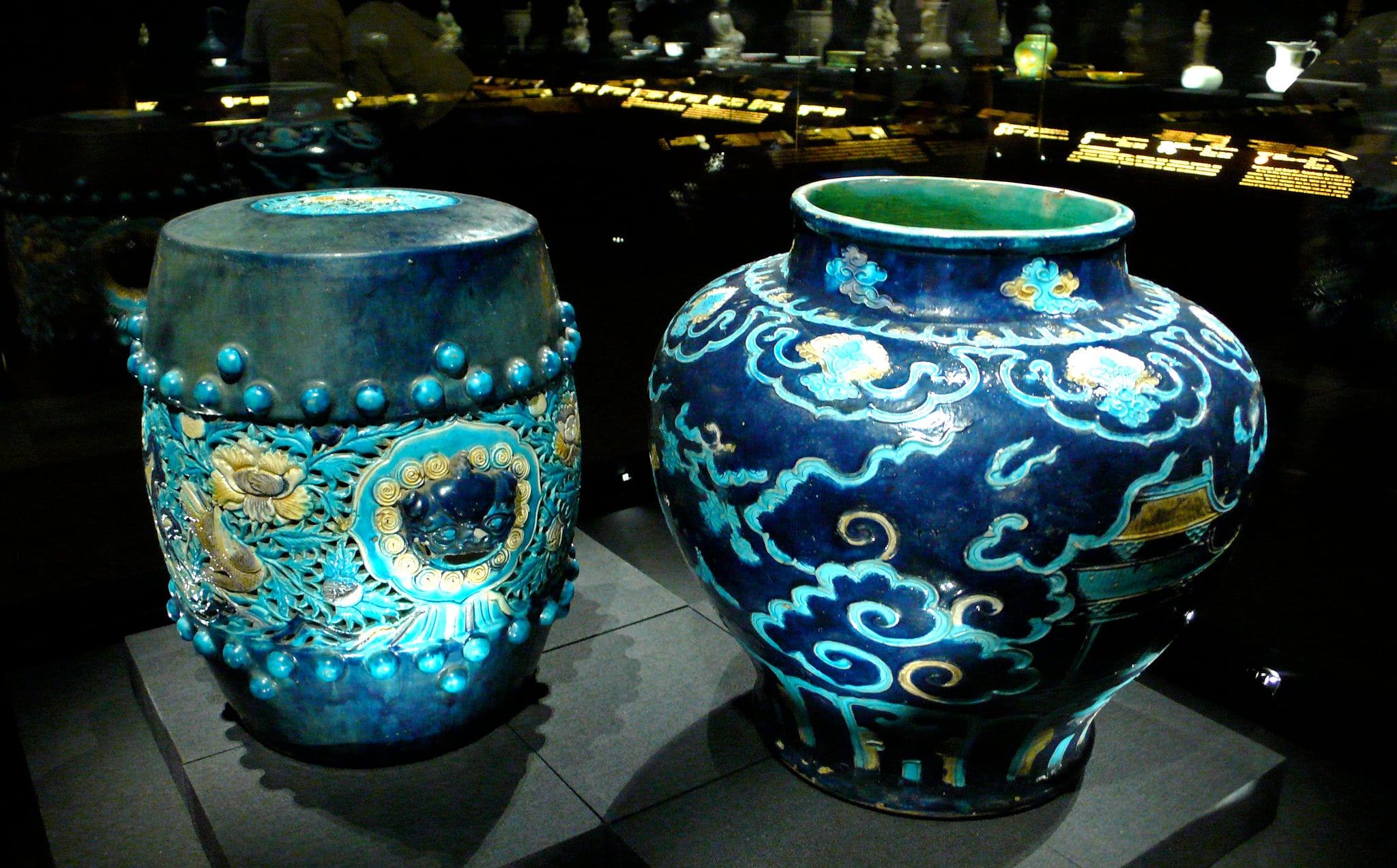
A vase purchased for one dollar at a Goodwill store was later identified as an 18th-century Chinese imperial piece worth $80,000. It had been donated along with other household items when an elderly woman moved to assisted living.
The vase bore the mark of Emperor Qianlong’s reign, but the mark had been deliberately obscured with paint — probably during World War II, when families hid valuable Chinese artifacts from occupying forces.
The buyer noticed the paint was coming off in small flakes and carefully removed it with cotton swabs and warm water.
Underneath was one of the most sought-after imperial marks in Chinese ceramics.
Jackson Pollock Painting
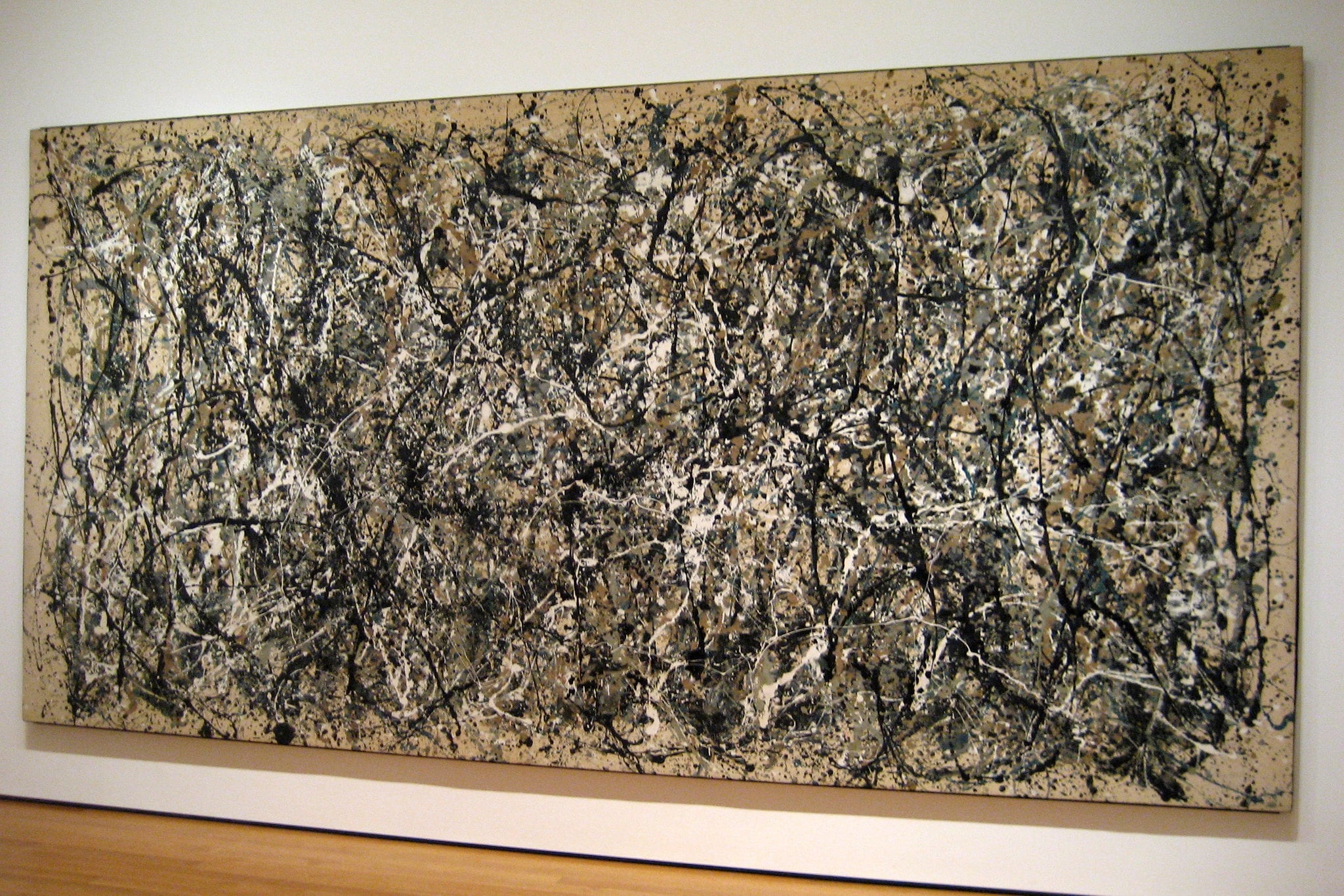
A canvas bought for $5 at a California thrift store was authenticated as a Jackson Pollock original worth $50 million. The previous owner had bought it decades earlier from a New York gallery going out of business.
The painting looked like something a child might create by accident, which is exactly what makes Pollock’s work so difficult to authenticate — and so easy to overlook.
The buyer was attracted to the frame rather than the painting itself, but something about the layering of the paint and the way it had aged made her research the signature.
Forensic analysis of the paint samples matched the specific pigments and techniques Pollock used during his most productive period.
Perfect Timing
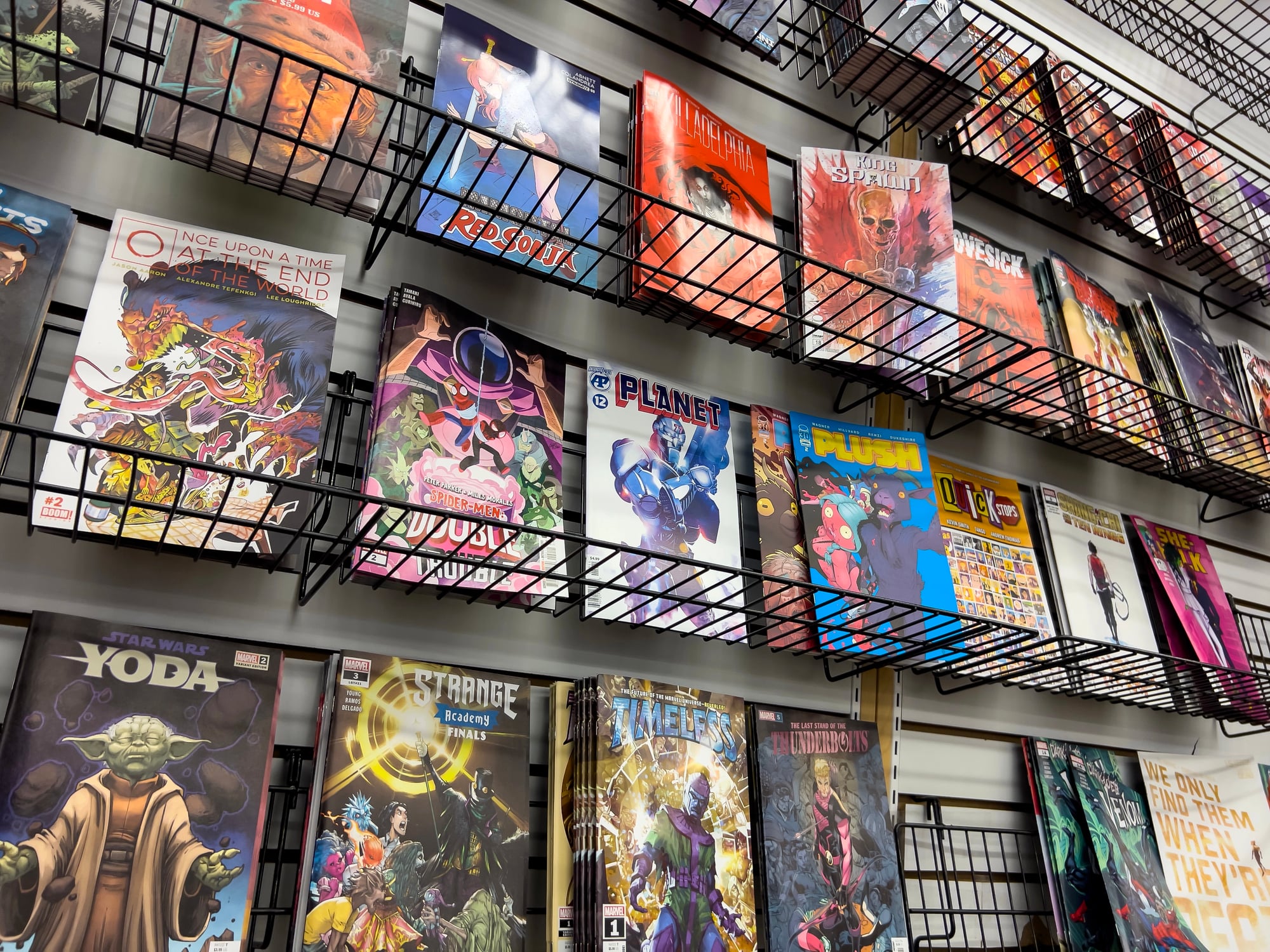
These discoveries share something beyond luck or good timing. They happened because someone looked twice, asked questions, or trusted their instincts when everything seemed ordinary.
The most valuable lesson isn’t about recognizing Picasso signatures or Ming dynasty pottery marks — it’s about staying curious in a world that’s quick to label things as worthless.
Every garage sale and thrift store visit is a small act of optimism. You’re betting that among all the discarded household items and outgrown hobbies, something remarkable might be waiting for the right person to notice it.
Sometimes that bet pays off in ways that change everything.
More from Go2Tutors!

- The Romanov Crown Jewels and Their Tragic Fate
- 13 Historical Mysteries That Science Still Can’t Solve
- Famous Hoaxes That Fooled the World for Years
- 15 Child Stars with Tragic Adult Lives
- 16 Famous Jewelry Pieces in History
Like Go2Tutors’s content? Follow us on MSN.