20 Moments in History That Came to Light Thanks to Old Letters
Long before texts and emails took over, handwritten letters were the heartbeat of human connection. People poured their thoughts, secrets, and everyday experiences onto paper — not knowing that, years (or even centuries) later, these faded scraps would offer a fresh look at the past. Historians have pieced together major revelations thanks to these lost correspondences — ones that, without a lucky discovery, might’ve been buried forever.
Here are 20 compelling moments that only became part of the historical record because someone, somewhere, decided to put pen to paper.
1. Einstein’s Candid Thoughts on Religion
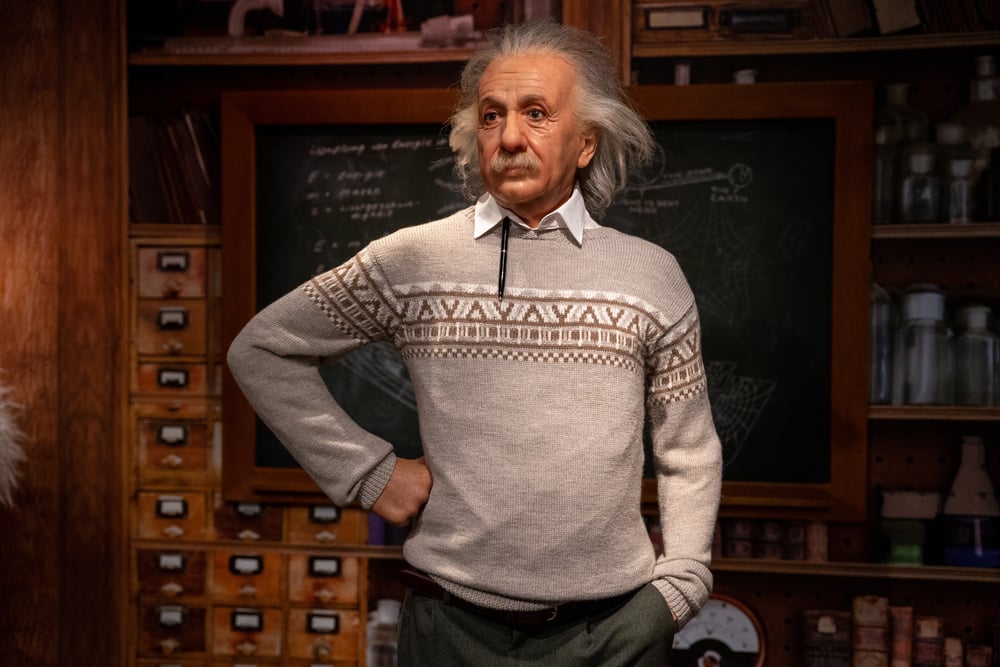
In 1954, Albert Einstein wrote a letter to philosopher Eric Gutkind — not intended for the public eye. But when it resurfaced at auction in 2008, the contents sparked serious debate. He described God as “nothing more than the expression of human weaknesses” — a sharp contrast to how many interpreted his public statements.
That one letter shook up a lot of assumptions about Einstein’s personal beliefs — and continues to stir conversation today.
2. Casanova’s Unexpected Financial Warnings

Casanova — known for his romantic exploits — turned out to be more than just a ladies’ man. A 1774 letter uncovered in an Italian archive revealed him cautioning the Prince of Saxony about a dangerous investment scam.
It’s now clear he had sharp political instincts and serious financial know-how, reshaping his image beyond the usual myth.
3. Marie Antoinette’s Hidden Words
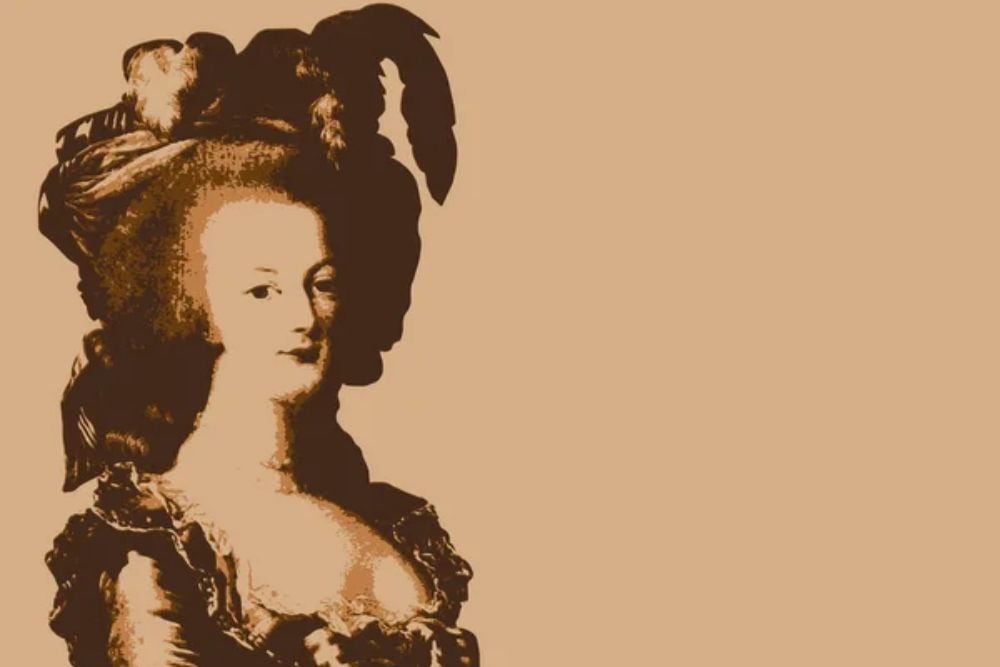
Letters exchanged between Marie Antoinette and Count Axel von Fersen remained censored until modern scanning peeled back ink blot after ink blot. Discovered in 1982, these redacted messages turned out to be far more emotionally revealing than anything previously seen.
They’ve added depth — and a bit of mystery — to her story during the revolutionary years.
4. Lincoln’s Letters on Melancholy
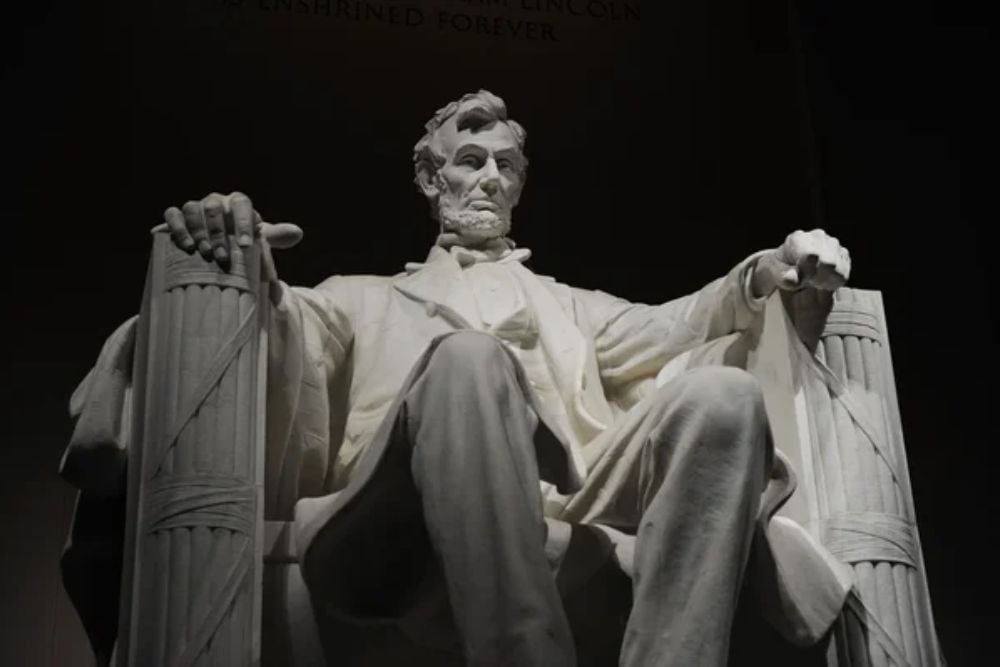
Tucked in an attic until 1942, Abraham Lincoln’s letters to his law partner William Herndon showed a man grappling with intense sadness. He wrote of “a tendency to melancholy” — a revealing phrase that’s helped historians understand how his emotional life may have influenced leadership during the Civil War.
5. Galileo’s Balancing Act
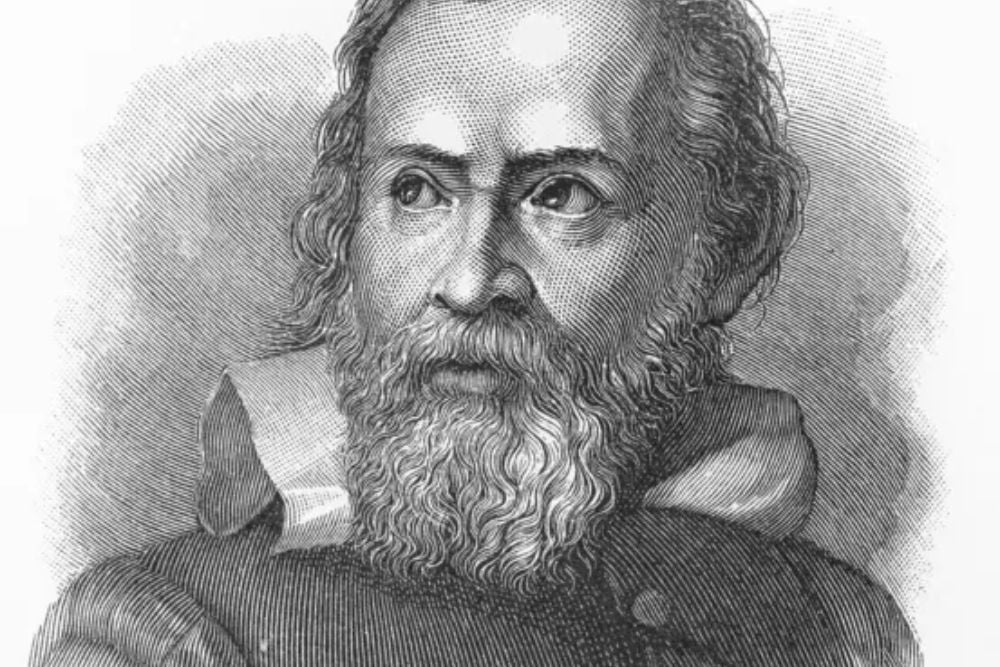
Found in a British archive, a 1613 letter showed Galileo carefully choosing his words on heliocentrism. In private, he was bold — but in public, more cautious.
The document highlights the tightrope he walked between science and survival in an age when new ideas could cost you your life.
6. Mozart’s Tensions at Home
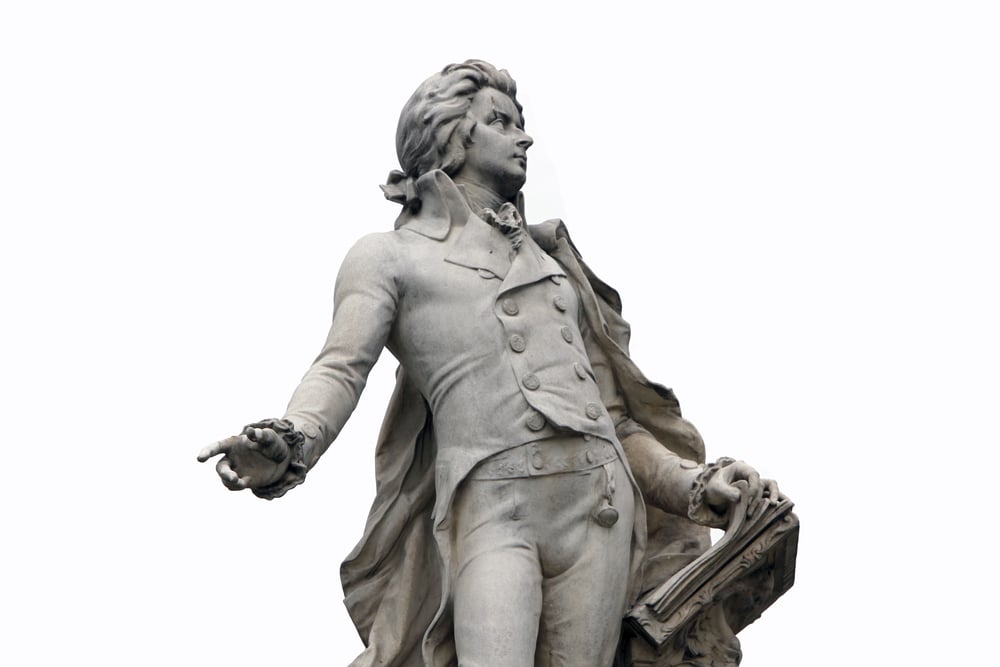
Letters between Mozart and his father Leopold — uncovered in 1982 — showed the composer under relentless pressure. His father was demanding, often controlling. Yet, despite the personal stress, Mozart kept composing at an astonishing pace.
These letters added another layer to the story of his genius.
7. Van Gogh’s Ear Mystery Solved
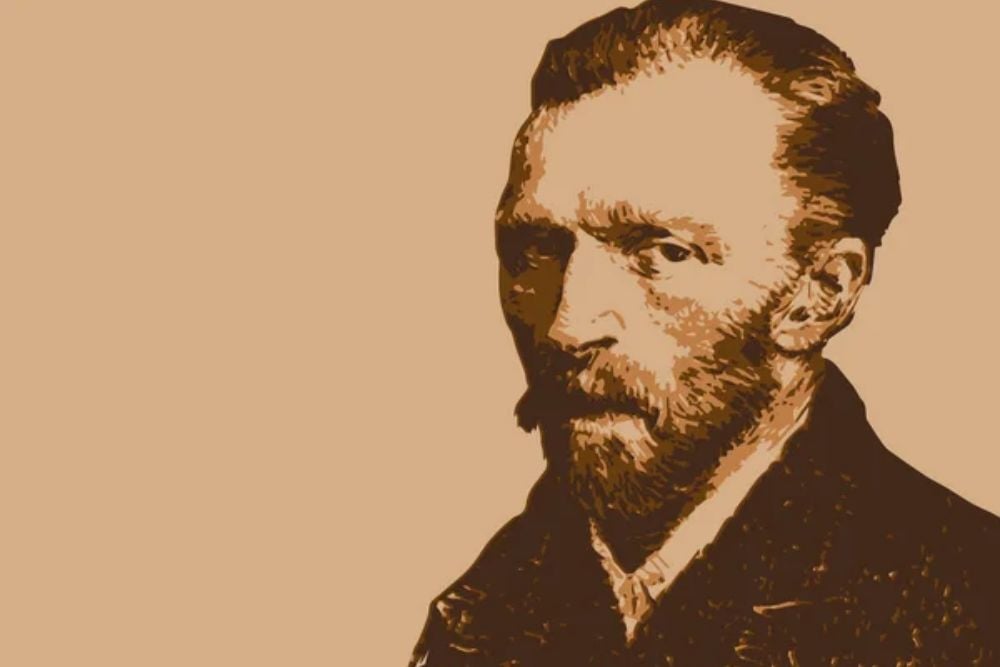
Debates around van Gogh’s infamous self-mutilation went on for decades — until a physician’s letter turned up in 2016. Dr. Felix Rey’s drawing confirmed that van Gogh severed the entire ear, not just part of it. That clinical detail put long-standing speculation to rest.
8. Darwin’s Inner Doubts
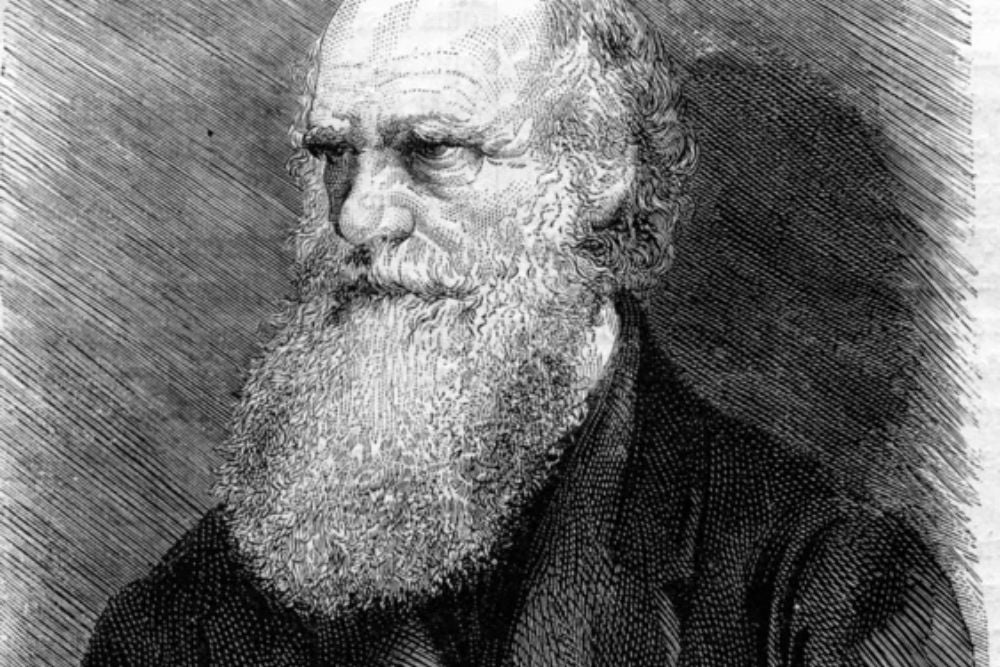
A batch of Darwin’s letters to botanist Joseph Hooker — long forgotten in Cambridge archives — revealed a deeply anxious scientist. Despite his public confidence, Darwin’s private thoughts were filled with uncertainty.
His doubts give us a more realistic view of the painstaking journey behind revolutionary theories.
9. A Secret Committee of Founding Fathers
Correspondence between Franklin, Adams, and Jefferson popped up in French diplomatic records — referencing a secret intelligence team during the American Revolution. Their letters described elaborate spy operations that changed how historians view the war effort — not just as a fight with muskets, but one of espionage and strategy.
10. Florence Nightingale’s Data Revolution
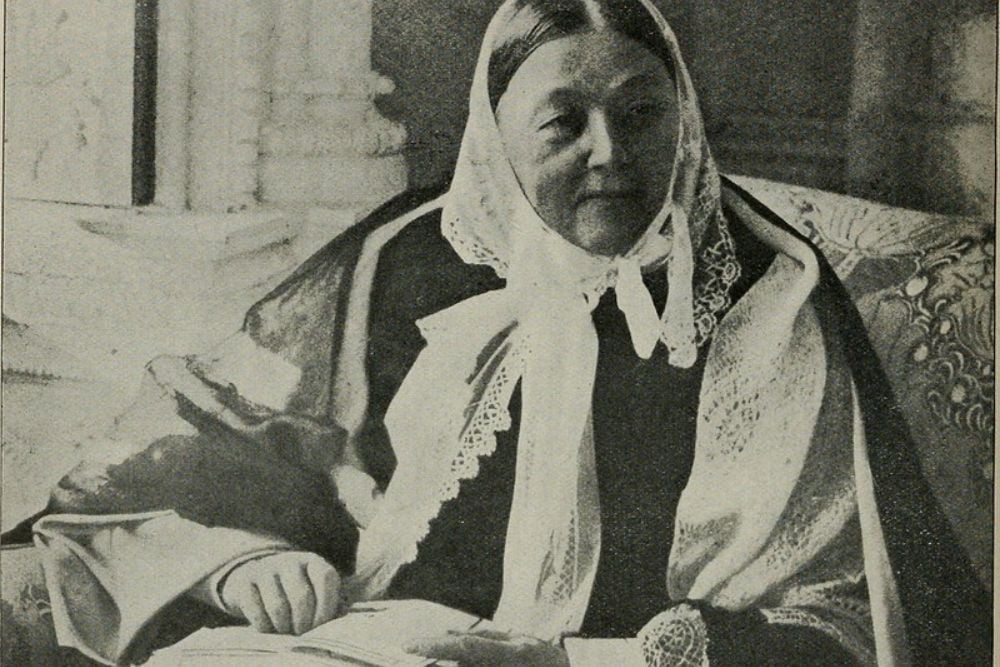
In 1992, letters between Florence Nightingale and government officials came to light. They weren’t just about patient care — they included statistical techniques she developed to track health outcomes.
These discoveries confirmed that she didn’t just change nursing — she laid the groundwork for evidence-based medicine.
11. Tesla’s Forgotten Visions

In 1983, letters from Nikola Tesla — stashed in an abandoned storage unit — detailed technologies that never saw the light of day. He described wireless power transmission and devices eerily similar to modern smartphones.
Though they stayed on paper, his concepts still inspire engineers today.
12. Napoleon’s English Lessons
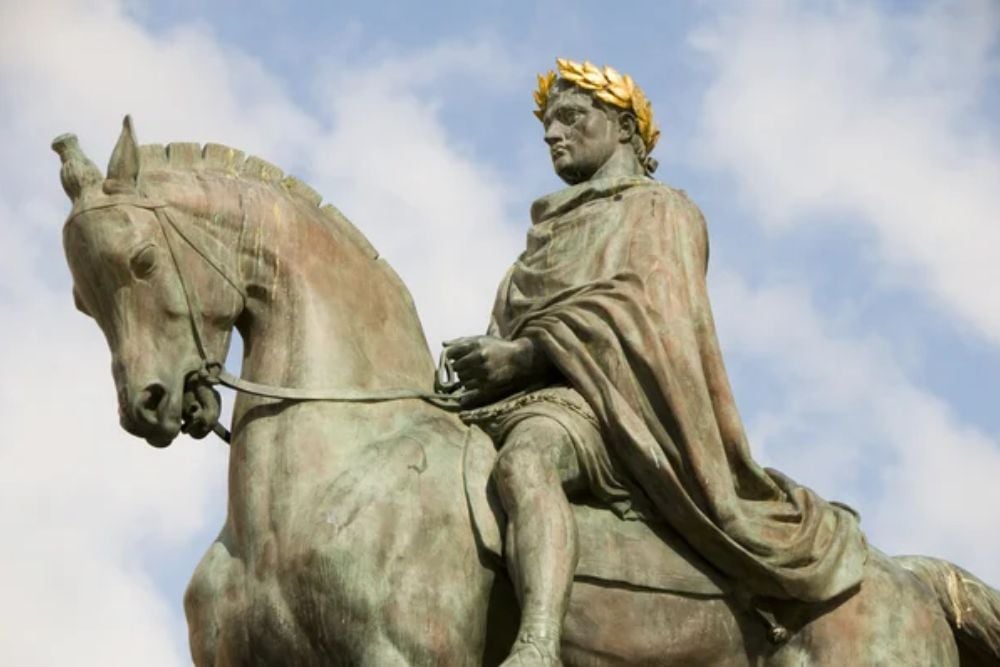
While exiled on St. Helena, Napoleon began learning English. Letters between him and his tutor surfaced in 2001, showing a deposed emperor still curious and determined to master the language of his old enemies.
It offered a more human side of the legendary figure.
13. Queen Victoria and John Brown’s Bond
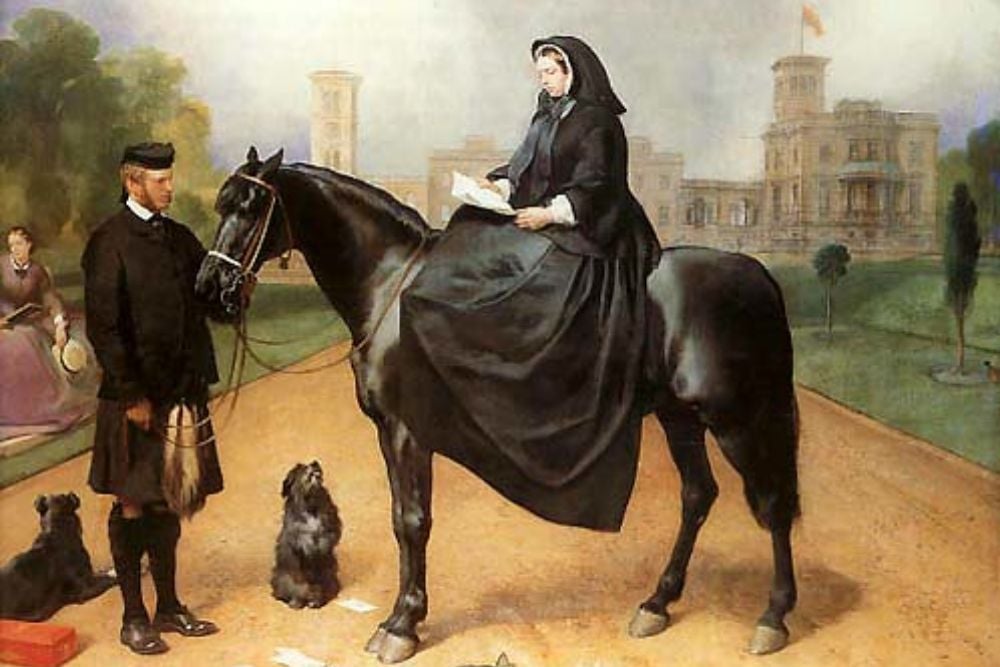
In 1990, letters between Queen Victoria and her Scottish servant John Brown emerged — more tender than anyone expected. While historians still debate the exact nature of their relationship, the notes revealed mutual respect and affection that deeply influenced her post-widowhood years.
14. George Washington’s Invisible Ink
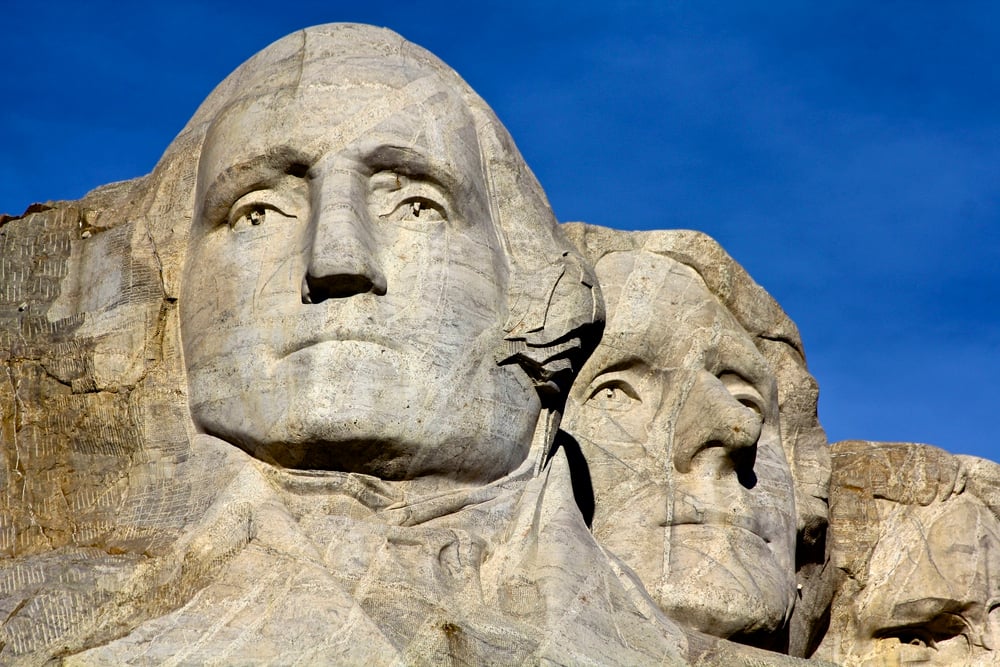
A dusty family trunk in 1929 revealed something extraordinary — letters written in invisible ink outlining the Culper Spy Ring’s moves during the Revolution. These communications helped tip military strategies in the colonies’ favor, proving that Washington wasn’t just a general — he was also a spymaster.
15. Emily Dickinson’s Heartfelt Letters
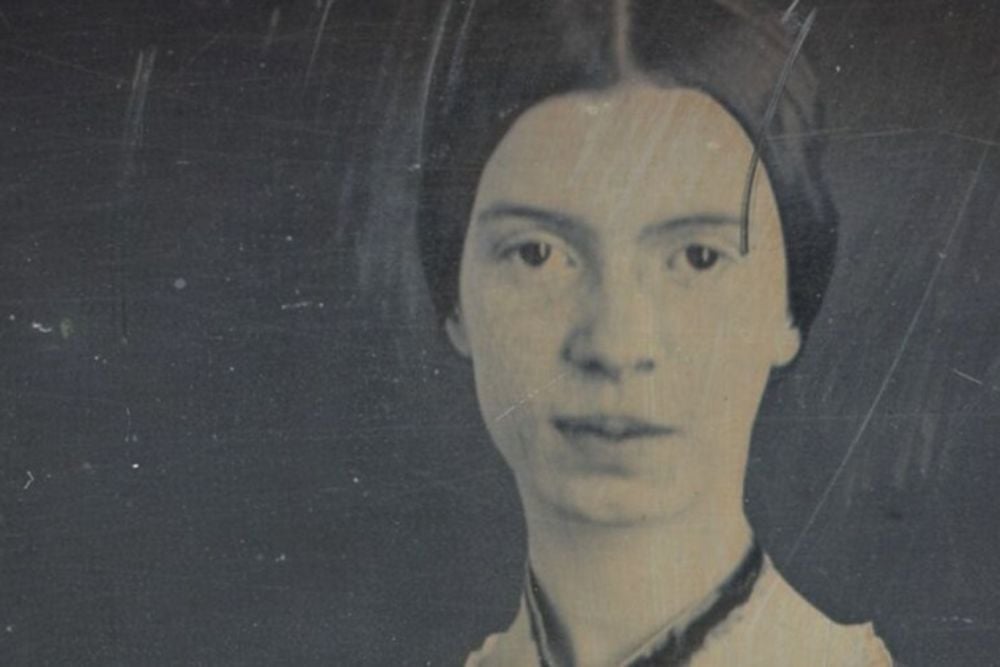
Her poetry is famously mysterious, but letters to her sister-in-law Susan Gilbert Dickinson — discovered mid-20th century — painted a clearer picture. Scholars now believe this close emotional bond had a profound influence on her writing, unlocking new interpretations of her most personal work.
16. Einstein’s Nuclear Alarm
The first draft of Einstein’s 1939 letter to Roosevelt — found in 1985 — carried a far more urgent tone than the final version. It underscored his deep fears about Nazi Germany’s nuclear ambitions and directly led to the Manhattan Project.
One letter, arguably, changed the course of history.
17. Michelangelo’s Artistic Frustrations
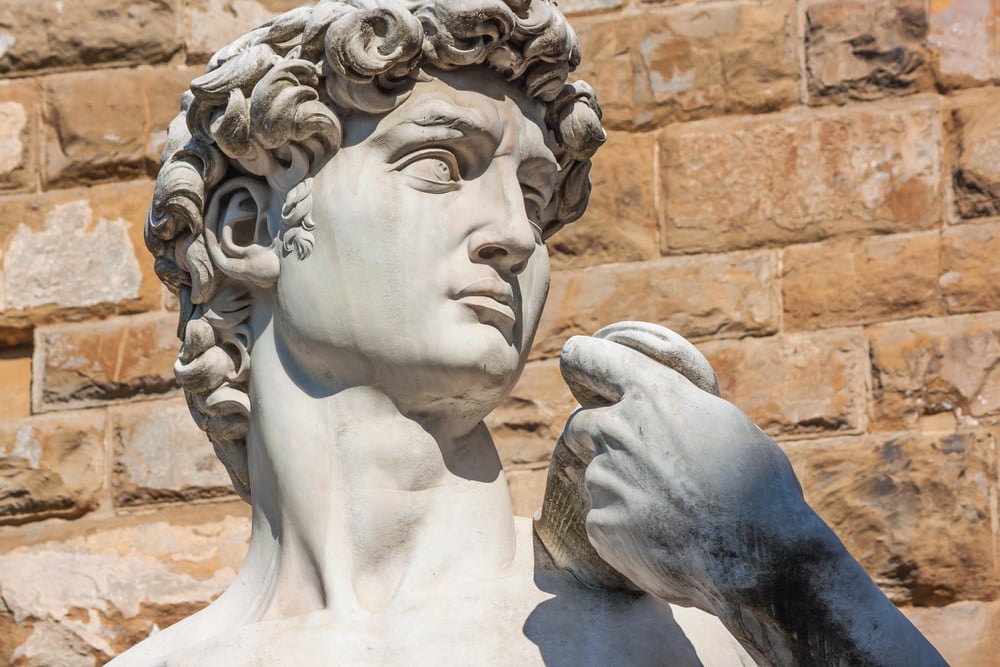
Letters discovered in 2007 showed the artist venting over poor supplies and shoddy scaffolding during the Sistine Chapel project. Far from glamorous, these daily struggles give a behind-the-scenes look at the technical grind behind his masterpieces.
18. Jane Austen’s Editorial Pushback
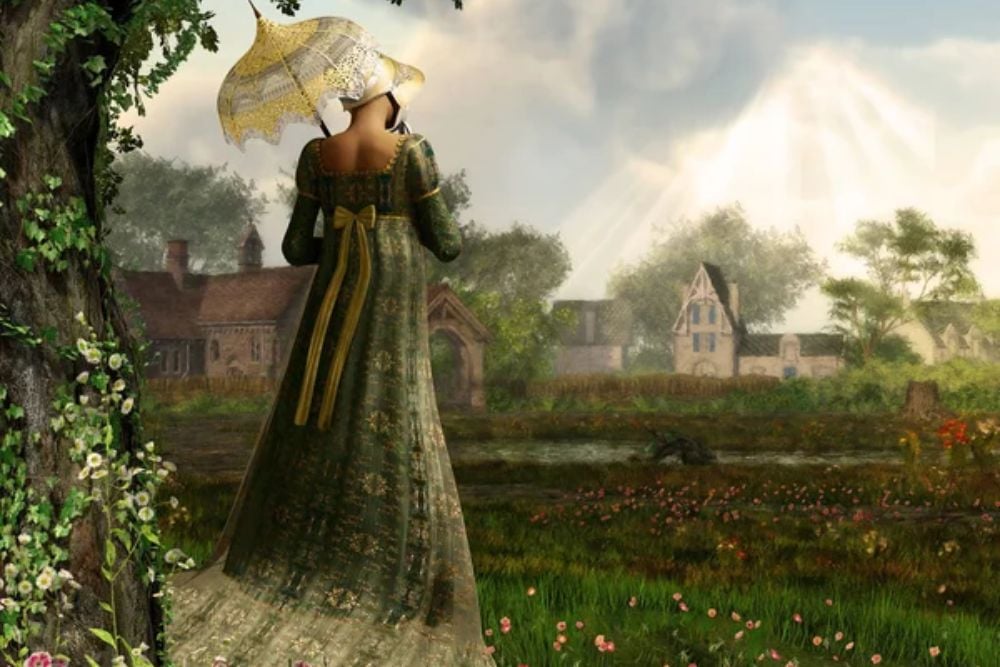
In 1989, a publisher’s archive revealed Austen’s letters objecting to edits she felt compromised her style. Far from a passive writer, she defended her work fiercely — reshaping the way literary scholars perceive her role in the publishing process.
19. Scott’s Antarctic Goodbye
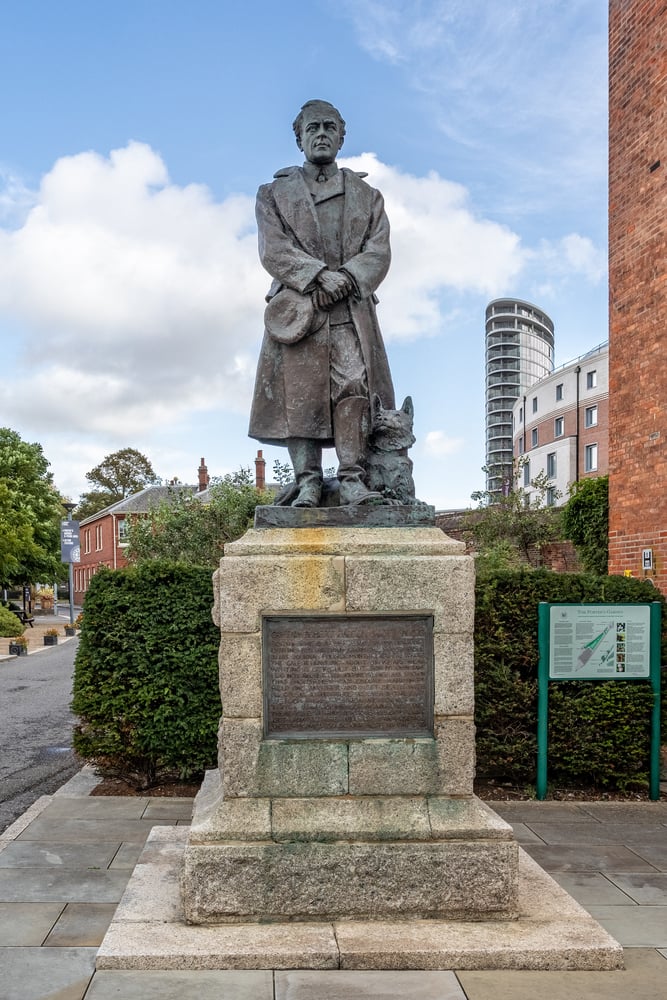
The last words of Robert Falcon Scott and his crew — retrieved alongside their frozen bodies — chronicled their final days in heartbreaking detail. Even as death approached, they continued documenting scientific data.
A staggering example of commitment to exploration.
20. The Rosetta Rivalry
In the 1820s, French archives held letters between Thomas Young and Champollion — two scholars racing to crack hieroglyphics. Their tense back-and-forths showed how breakthroughs don’t always come from collaboration.
Sometimes, it’s competition that pushes ideas over the edge.
Preserving the Past Through Ink and Paper
Letters don’t just tell us what happened — they show us how people felt about it. From scribbled notes to formal correspondence, each rediscovered message becomes a thread connecting us to a different time. While modern messages may vanish into inboxes and clouds, these paper time capsules keep history alive in the most human way possible.
More from Go2Tutors!

- The Romanov Crown Jewels and Their Tragic Fate
- 13 Historical Mysteries That Science Still Can’t Solve
- Famous Hoaxes That Fooled the World for Years
- 15 Child Stars with Tragic Adult Lives
- 16 Famous Jewelry Pieces in History
Like Go2Tutors’s content? Follow us on MSN.



