Flags With Unusual Designs
Most national flags follow a familiar pattern. Stripes, stars, simple geometric shapes. But scattered across the world, a handful of countries decided to do something completely different.
These flags break every rule about simplicity and symbolism. They feature weapons, animals in strange poses, and designs so complex that reproducing them accurately becomes a challenge.
Nepal: The Only Non-Rectangular Flag
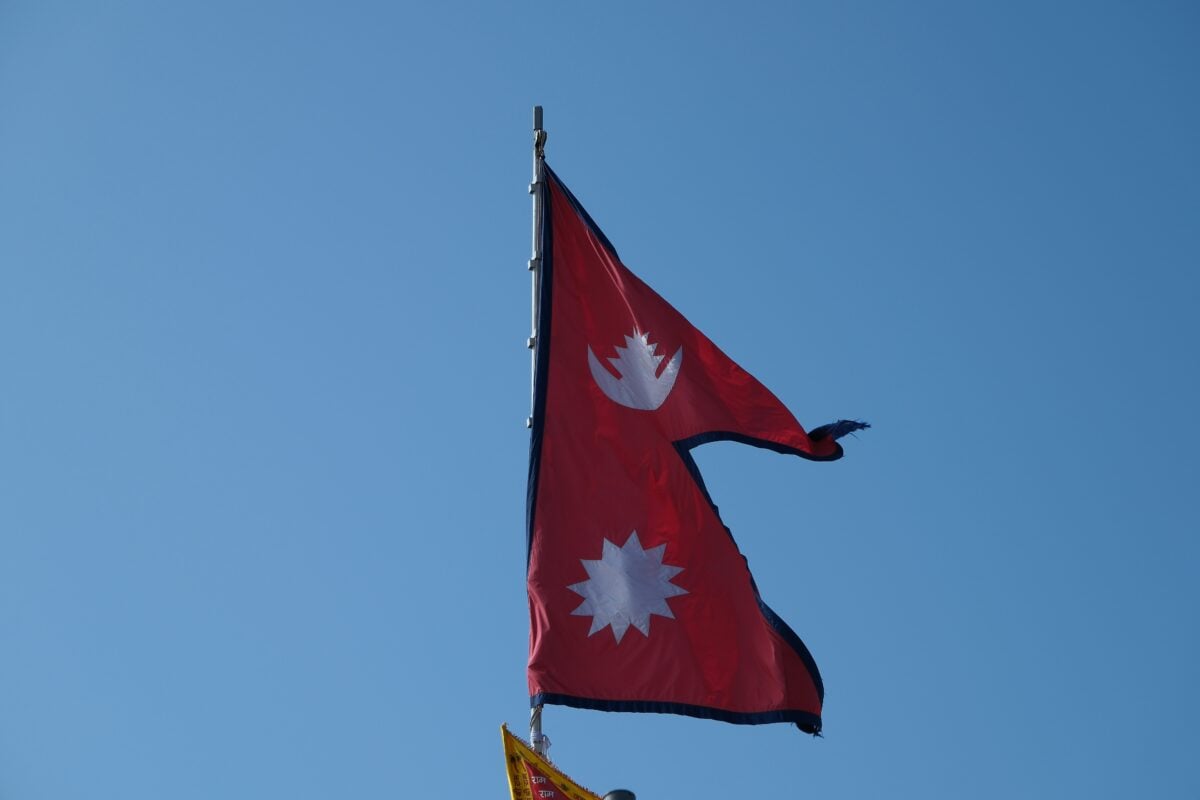
Nepal throws out the rectangle entirely. Two stacked triangles create a shape that looks more like a pennant than a traditional flag.
The design dates back centuries, combining two separate pennants that royal families once flew. Inside those triangles sit a moon and a sun with human faces, both outlined in white against crimson fabric.
The practical problems with Nepal’s flag show up immediately when countries try to display it. Standard flagpoles and presentation cases don’t work. Digital designers struggle with the aspect ratio.
But Nepal keeps the design anyway, partly because changing a constitution to modify a flag seems like too much work, and partly because the unique shape has become a point of pride.
Mozambique: An AK-47 Takes Center Stage

An assault rifle appears on Mozambique’s national flag. The AK-47 sits crossed with a hoe, both laid over an open book.
Most countries settle for lions or eagles or abstract symbols. Mozambique went straight for the Kalashnikov.
The rifle represents defense and vigilance, though critics point out that having a weapon on your flag sends a specific message to the international community. Debates about changing the design pop up every few years.
The flag stays the same. The rifle remains.
Bhutan: A Dragon With Jewels
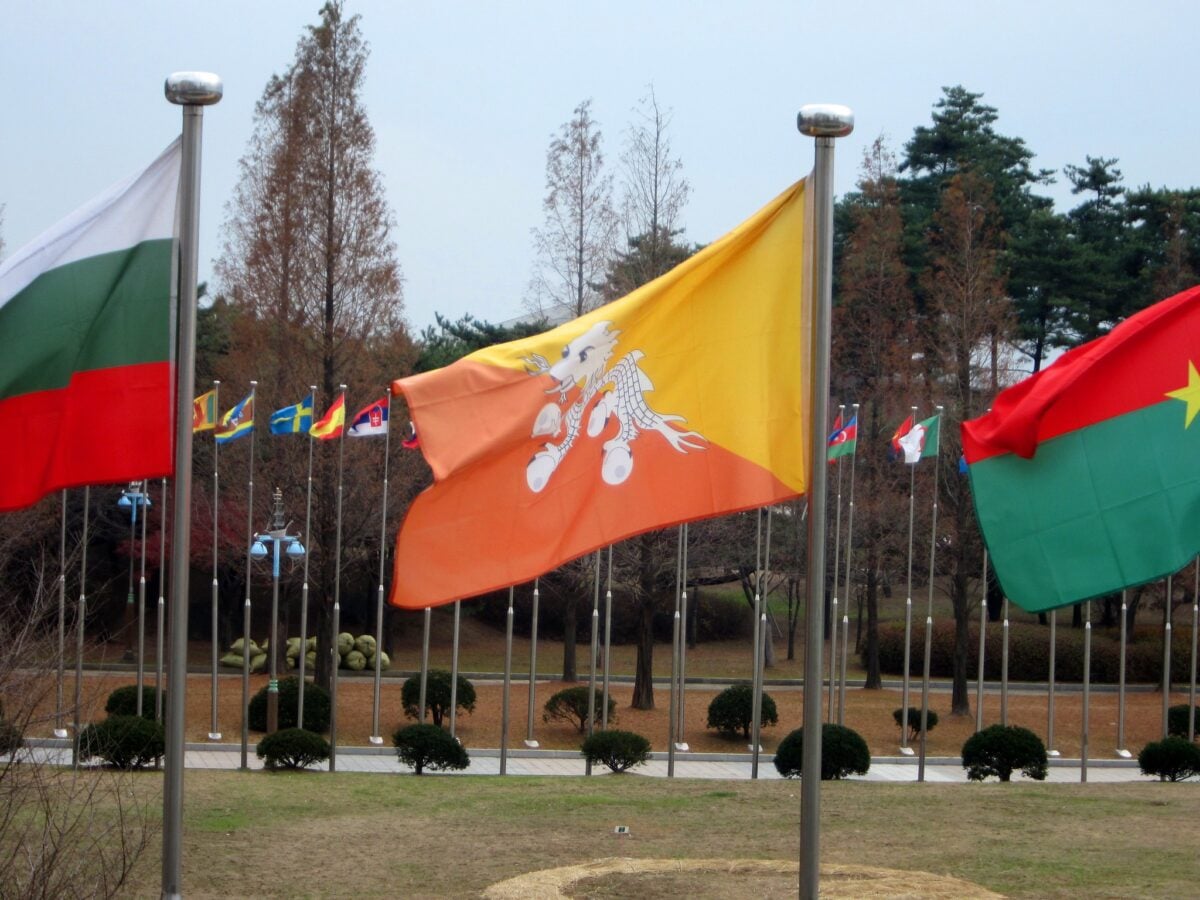
Bhutan places a dragon across its flag, but not just any dragon. This one clutches jewels in its claws, and the design requires careful attention to details that most flags skip entirely.
The dragon’s white color stands out against the divided yellow and orange background. The symmetry demands precision.
Artists who recreate this flag often struggle with the dragon’s proportions. Get the claws wrong, and the whole thing looks off.
The jewels need to sit at the right angle. The dragon’s expression matters.
For a country that measures Gross National Happiness instead of GDP, the complex flag fits the unconventional approach.
Cyprus: A Map Appears
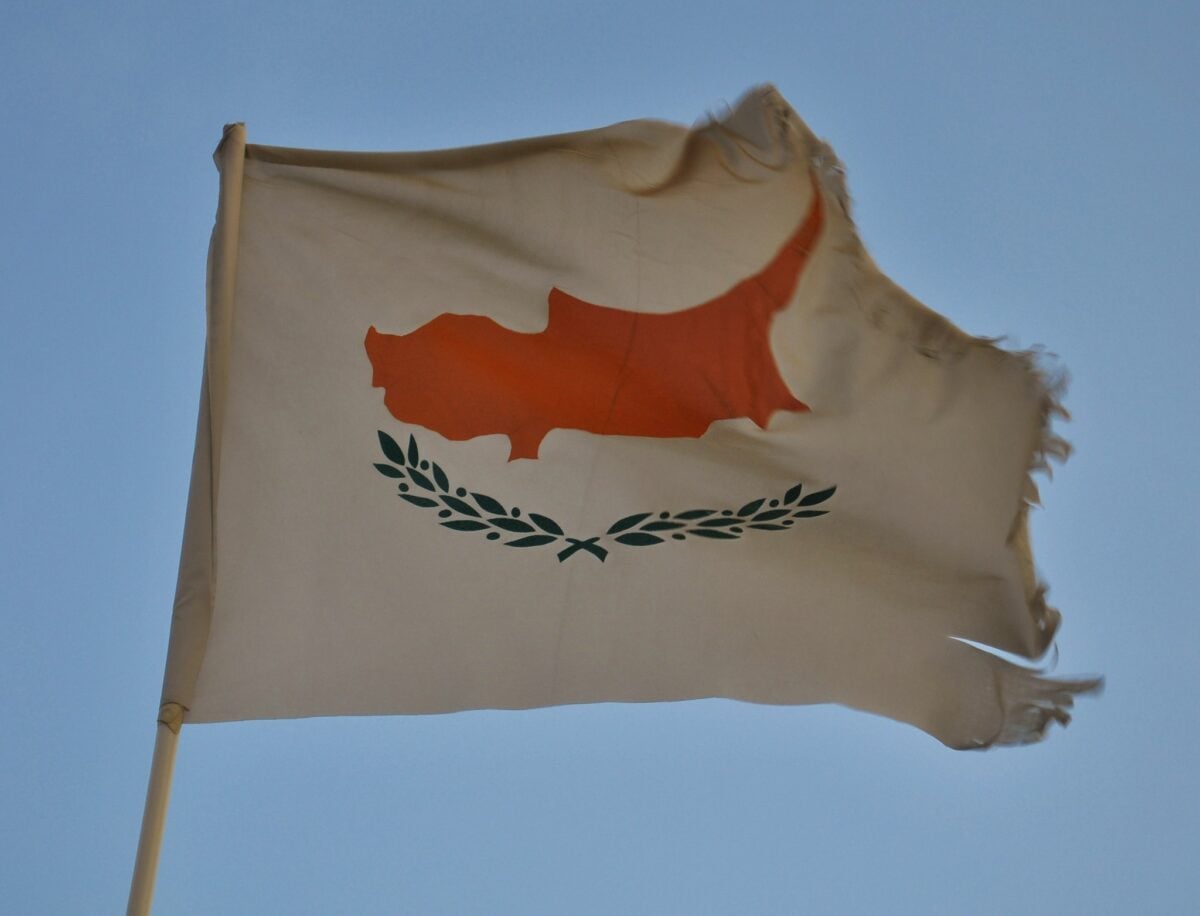
Cyprus prints its own map on the flag. The entire island appears in copper-orange, flanked by two olive branches below.
This breaks the unwritten rule that flags should be symbolic rather than literal. You’re looking at the actual shape of the country, not a representation of it.
The map creates problems when borders get disputed. Flags usually avoid geographical specifics for exactly this reason.
Cyprus went ahead anyway. The northern part of the island remains contested, but the flag shows the whole thing united.
Politics aside, you can identify Cyprus from space if you’re holding the right flag.
Wales: The Red Dragon
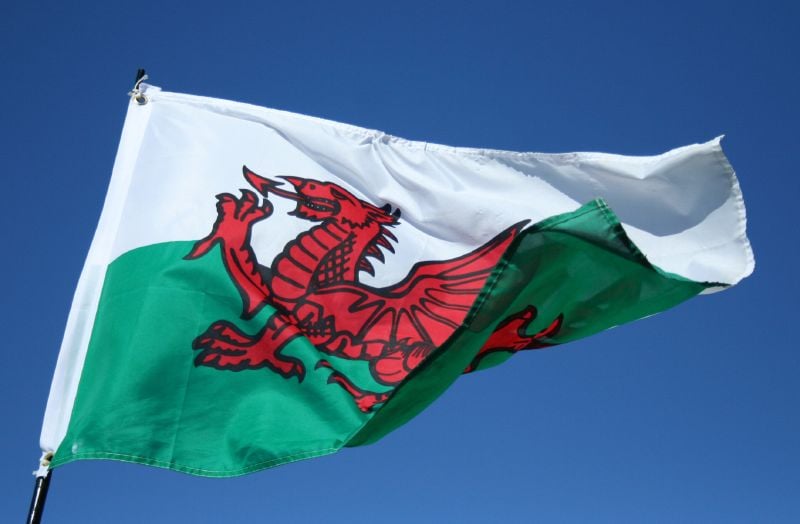
Wales features a dragon that looks ready for battle. The creature stands on its hind legs, one claw raised, against a background divided into white and green horizontal stripes.
Unlike Bhutan’s jewel-clutching dragon, this one appears aggressive and territorial. The design requires careful rendering.
The dragon’s scales, the position of the wings, the curve of the tail—each element needs precision. Children trying to draw the Welsh flag from memory usually end up with something that looks more like a confused lizard.
The actual design demands respect for detail.
Belize: 12 People and a Mahogany Tree
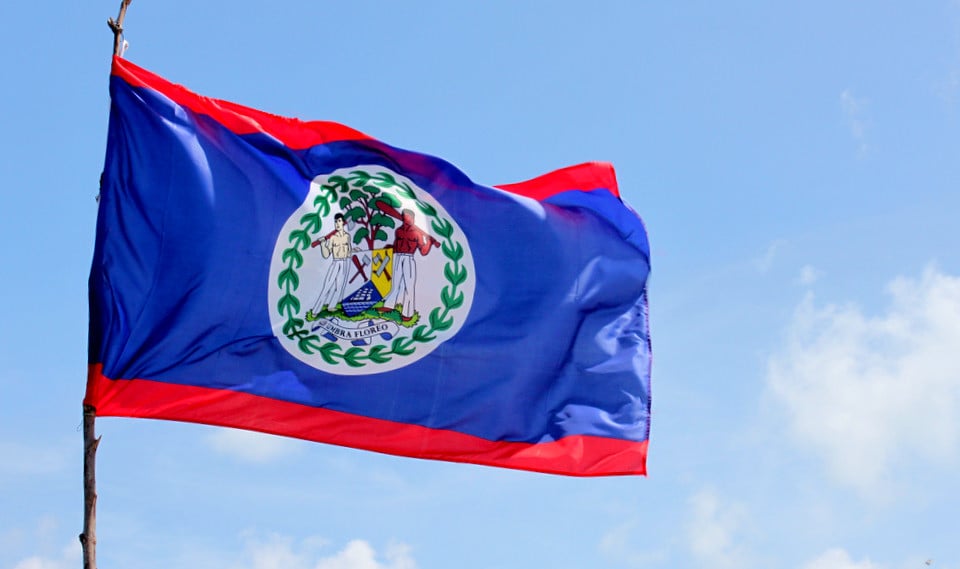
Belize decided that simplicity was overrated. The flag features twelve people, a mahogany tree, various tools, a ship, and a banner with text.
Count the elements and you’ll lose track. The whole scene sits inside a white circle bordered in red, all set against a blue background.
The twelve figures represent different ethnic groups in Belize’s history, each one requiring distinct features and clothing. The tools include an axe and a paddle.
The ship floats in the background. The motto reads “Sub Umbra Floreo” in Latin.
If you’re trying to stitch this flag by hand, you’d better clear your schedule.
Turkmenistan: A Carpet on the Side
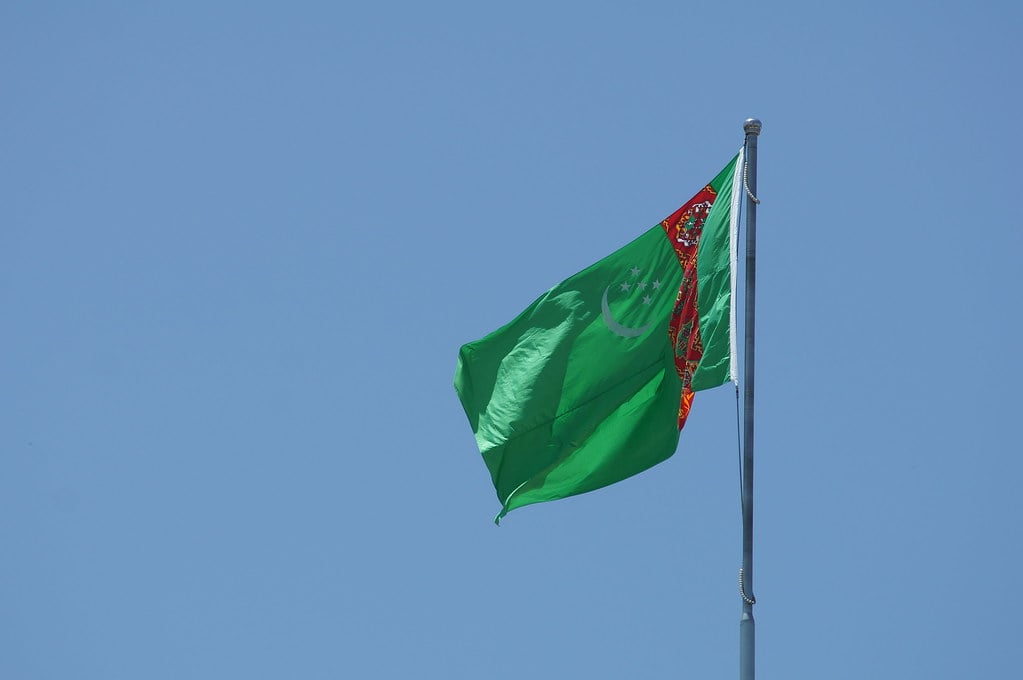
Turkmenistan adds a vertical stripe along the left side that displays five carpet patterns. These traditional designs, called guls, represent the five major tribes of Turkmen history.
Each pattern looks intricate enough to be a flag on its own. Together they create a design that demands extreme attention to detail.
The carpet patterns change how this flag behaves in the wind. The asymmetry means it doesn’t hang the same way most flags do.
The complexity means you can’t just paint broad strokes. Each gul needs its geometric precision maintained.
The flag looks like someone attached a museum piece to standard red and green fabric.
Paraguay: Two Different Sides
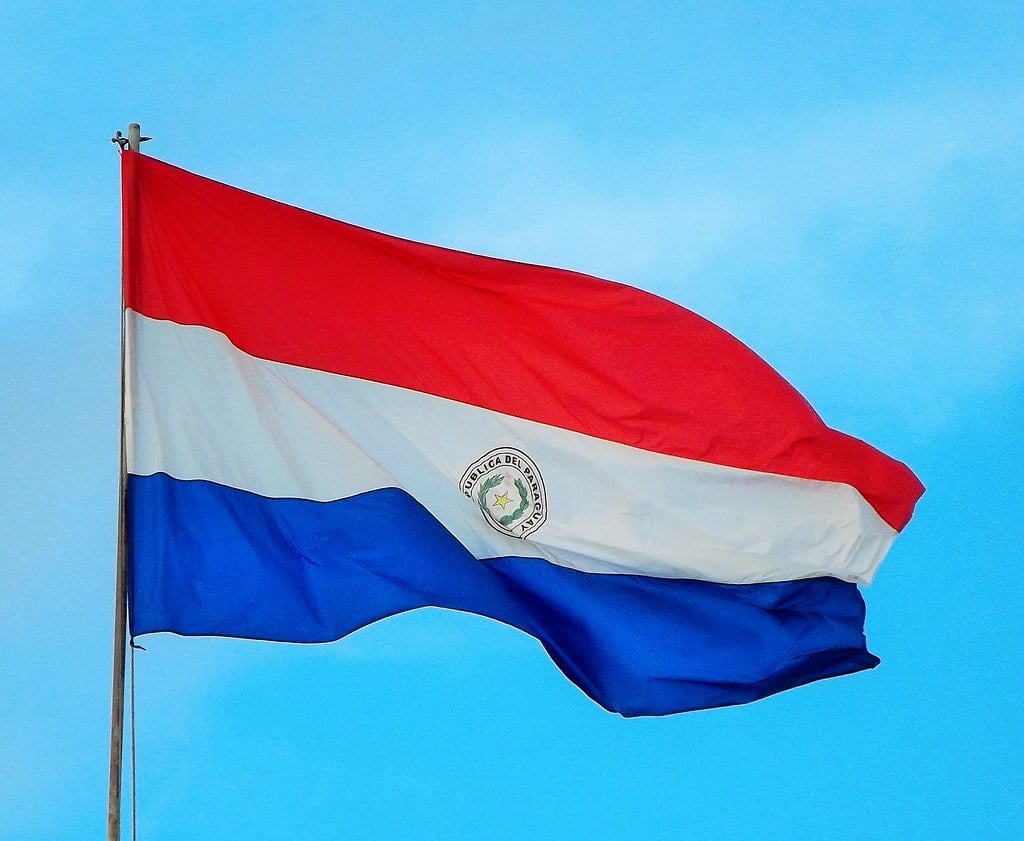
Paraguay’s flag shows different images depending on which side you’re viewing. One side displays the national coat of arms.
The other side shows the seal of the treasury. This creates manufacturing headaches that most countries avoid by keeping their flags identical front and back.
The decision to make a two-sided flag means you need twice the design work and more complex production. But Paraguay maintains this tradition, forcing flag makers to essentially create two flags in one.
Stand on one side of a building flying this flag and you’ll see something different than someone standing on the other side.
Saudi Arabia: Text That Can’t Be Flipped
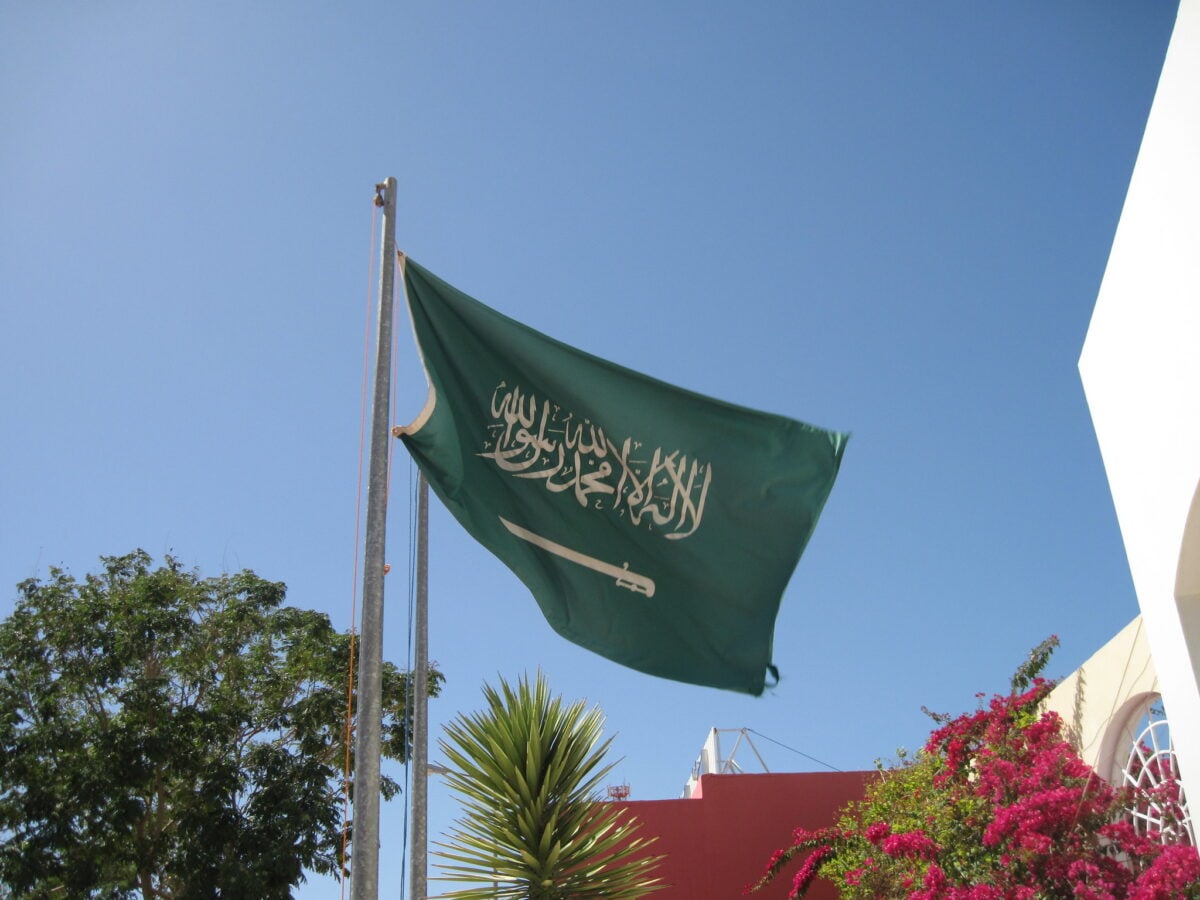
Saudi Arabia writes the Shahada across its flag in Arabic script. The text reads “There is no god but Allah, and Muhammad is the messenger of Allah.”
Because this text cannot be reversed or flown upside down without disrespecting it, the flag requires special construction. Both sides must show the text reading correctly.
This means Saudi Arabia’s flag needs to be made as two separate flags sewn back to back. The manufacturing process costs more.
The symbolism prevents the flag from being hung upside down even in distress situations. The text takes precedence over all practical flagging considerations.
Kenya: Traditional Shields and Spears
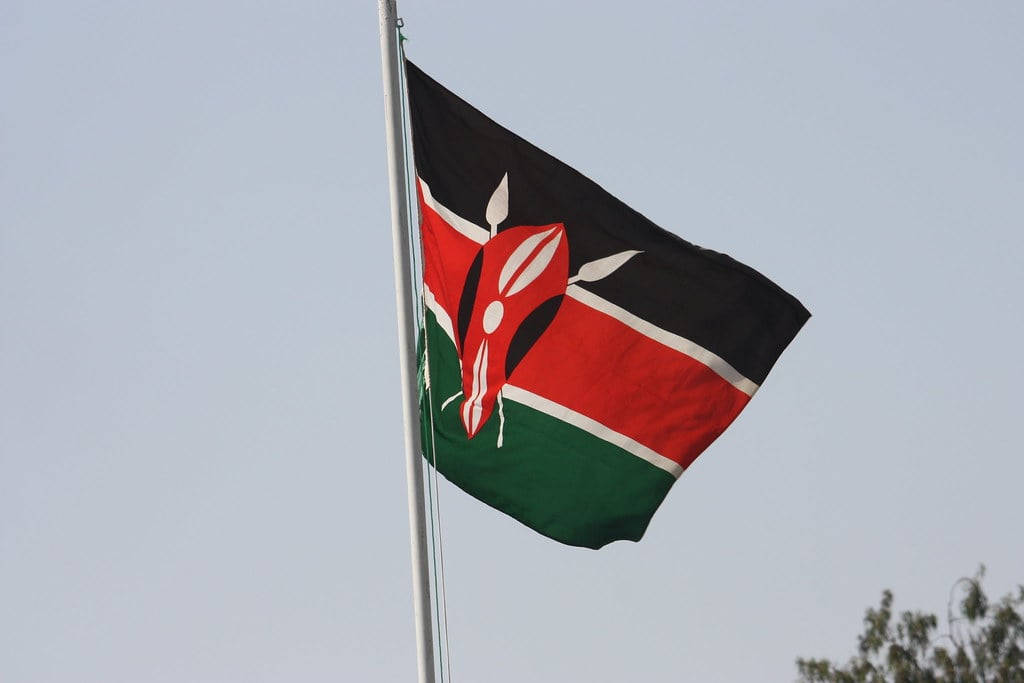
Kenya places a Maasai shield and two crossed spears in the center of its flag. The shield features intricate patterns in red, black, and white.
The spears cross behind it at precise angles. This combination of traditional weapons creates a design that requires careful attention to cultural accuracy.
The shield’s pattern isn’t arbitrary. The colors and their arrangement carry specific meanings related to Maasai culture.
Get the pattern wrong and you’re not just making a design mistake, you’re misrepresenting an entire tradition. The spears need to cross at the right angle.
The proportions matter.
Sri Lanka: A Lion With a Sword
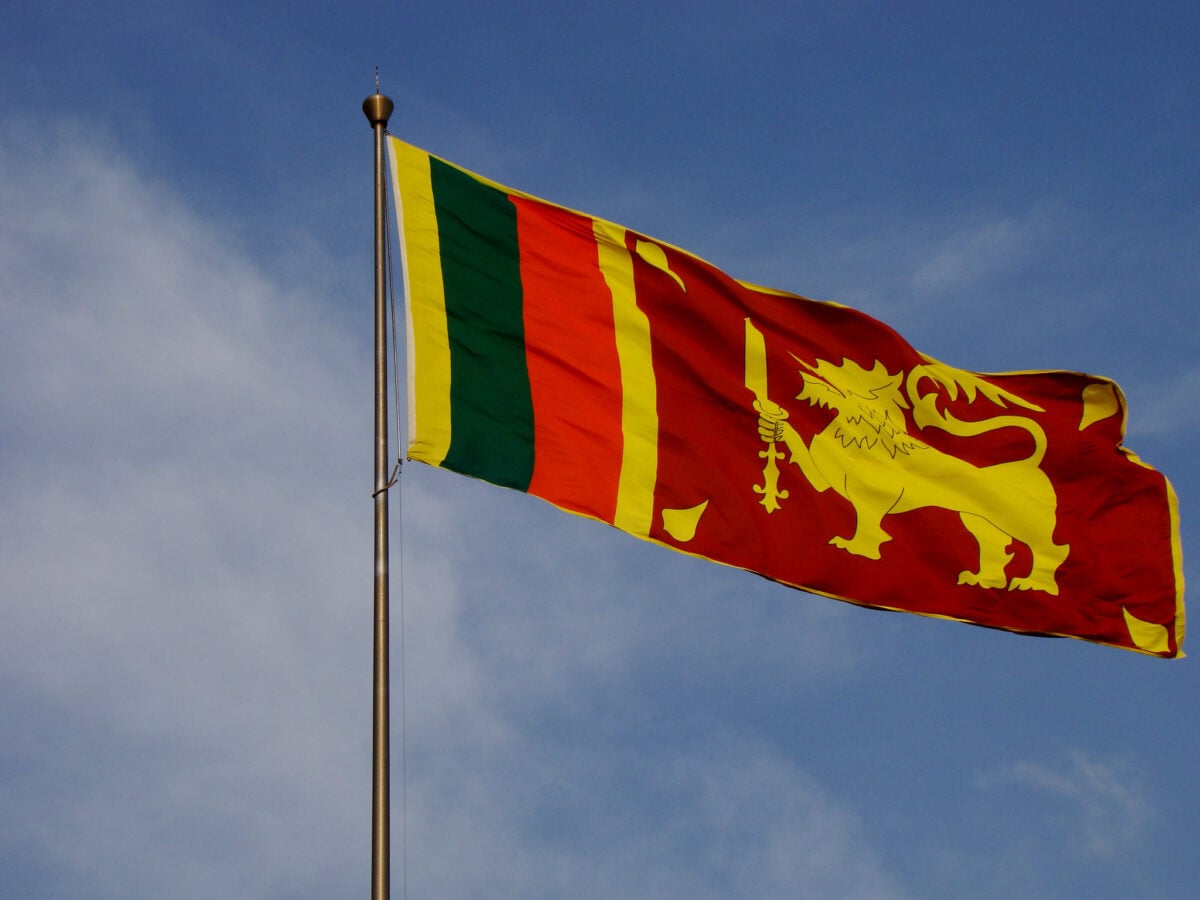
Sri Lanka’s lion holds a sword in its right paw while standing against a crimson background. The lion appears in profile, showing remarkable detail for something that needs to be recognizable from a distance.
Four bo leaves sit in the corners, each one requiring its own careful rendering. The sword adds complexity that most animal flags avoid.
The lion’s mane flows in a specific pattern. The tail curves just so.
Textile makers producing this flag need to maintain detail levels that would make other national flags look simple by comparison. The bo leaves, sacred in Buddhist tradition, can’t be reduced to simple shapes without losing their meaning.
Kiribati: A Frigate Bird Over the Ocean
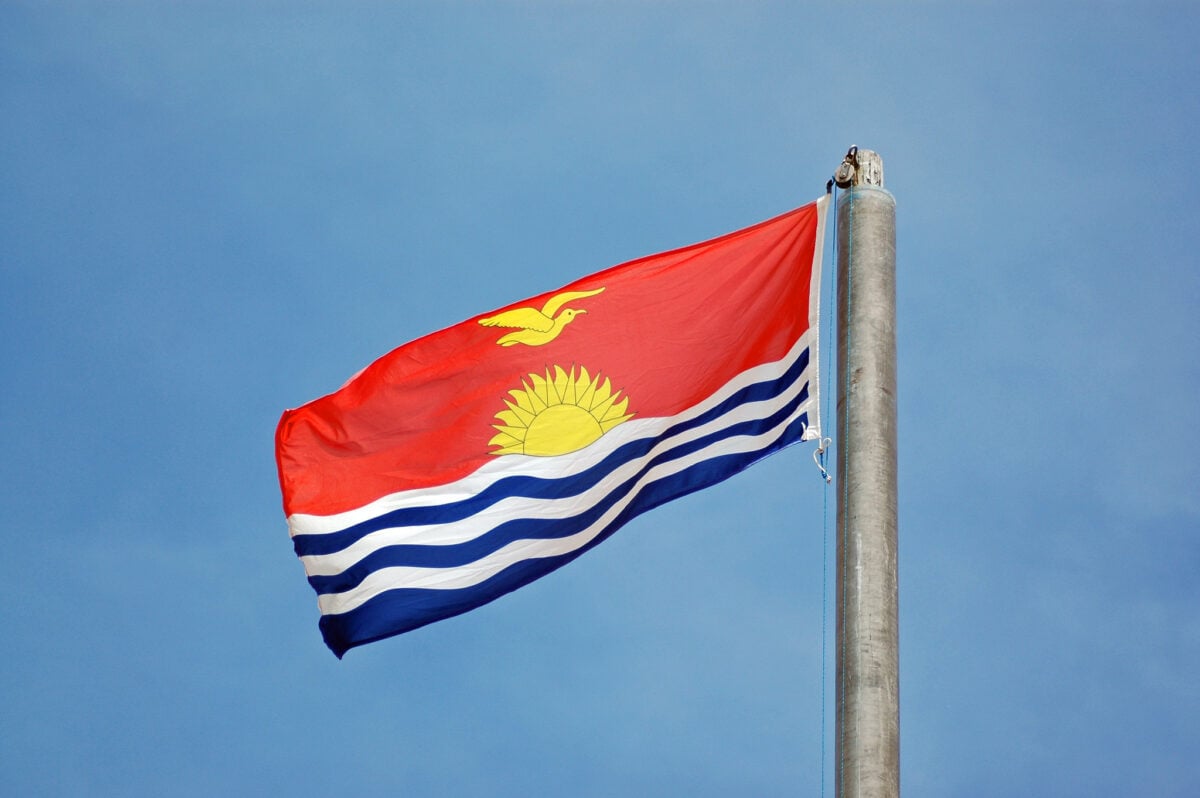
Kiribati shows a frigate bird flying over a rising sun, all positioned above ocean waves. The waves roll across the bottom half of the flag in white and blue stripes, creating a sense of movement.
The bird needs to be recognizable as specifically a frigate bird, not just any bird, which adds pressure to get the silhouette right. The sun emerges from the ocean with precise rays extending upward.
The waves follow a pattern that represents the Pacific Ocean surrounding the island nation. You can’t simplify this flag without losing essential elements.
The bird’s wingspan, the sun’s rays, the wave patterns—each piece contributes to the overall image.
Isle of Man: Three Legs Running
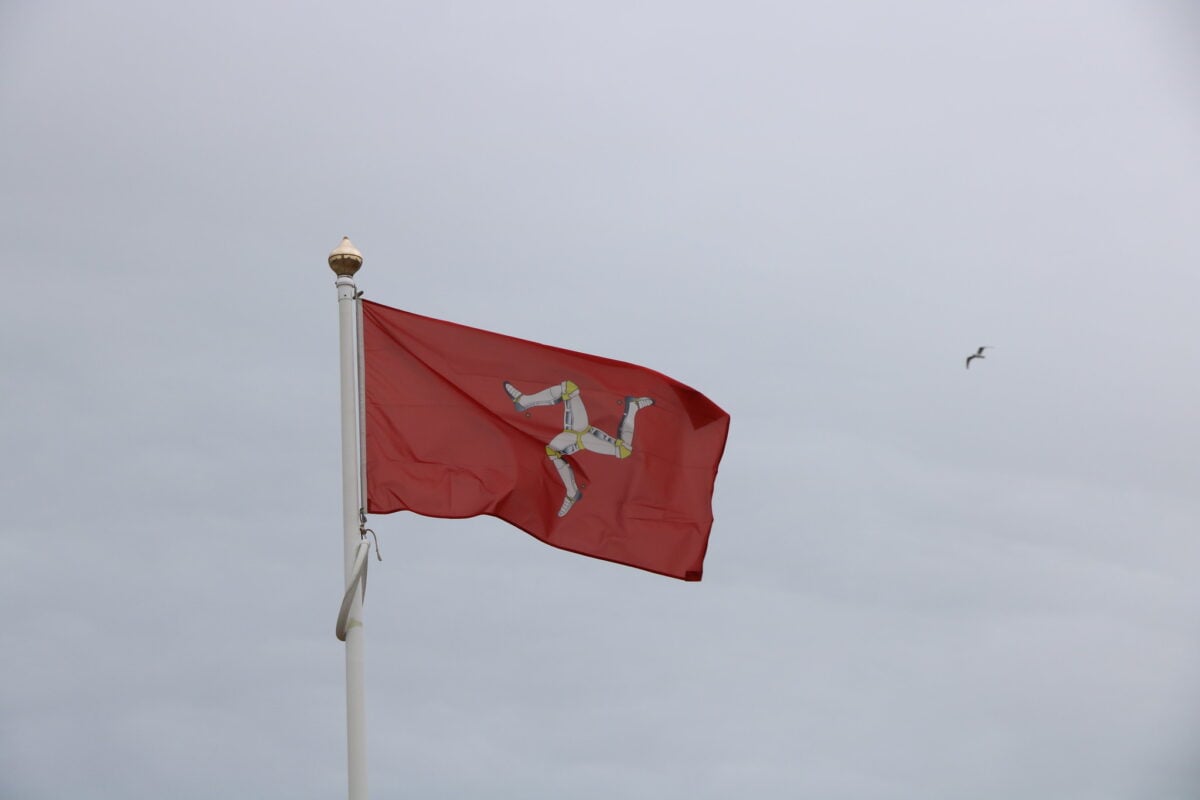
A shape sprinting on three armored limbs marks the Isle of Man – each leg fused mid-thigh, knees sharply angled forward. Odd to most who spot it, this triskelion carries old roots despite its strange stance.
Metal greaves wrap each limb; sharp spurs catch the eye too. Details pile up until what seems plain becomes puzzling instead.
A pivot holds the trio of limbs, each curved identically as they swing outward. Accuracy matters when drawing the protective shell.
Direction determines where the spiked heels aim. Wherever it shows up, people start wondering.
Curiosity drives folks toward meaning. Think ancient symbols, old European roots – yet what strikes you first? Three limbs swirling on a plane.
That spin holds eyes more than stories do.
Where Flags Go From Here

Change comes slow to national flags, yet it does come. Now and then, constitutions shift, contests shape new designs, people argue long into nights.
What makes certain banners different is not their detail alone – they break the mold on purpose. These take extra work from cutting fabric, building pixels, copying symbols by hand or machine.
A flag does not need to be complex to work well. Simple shapes spread fast, show up clearly, last longer when made cheaply.
Still, some nations choose harder designs because what they stand for beats ease of use. Meaning takes priority over clean lines.
Details carry history that basic patterns skip. Artists find something to wrestle with here.
People start asking questions upon seeing one. Even still, each moves differently when lifted by air.
More from Go2Tutors!

- The Romanov Crown Jewels and Their Tragic Fate
- 13 Historical Mysteries That Science Still Can’t Solve
- Famous Hoaxes That Fooled the World for Years
- 15 Child Stars with Tragic Adult Lives
- 16 Famous Jewelry Pieces in History
Like Go2Tutors’s content? Follow us on MSN.