15 Physical Features That Are as Unique as Fingerprints
Most people know that fingerprints are completely unique to each individual, serving as personal identifiers used in everything from crime scene investigations to unlocking smartphones. What’s less commonly understood is that our bodies contain numerous other features just as distinct as those tiny ridges on our fingertips.
Here is a list of 15 physical characteristics that are remarkably unique to each person, showing just how extraordinarily individual human biology truly is.
Iris Patterns

Your iris holds more detail than a fingerprint, with over 200 distinct points of identification. These intricate patterns form before birth and never change, making iris scans one of the most accurate forms of biometric recognition.
Ear Shape
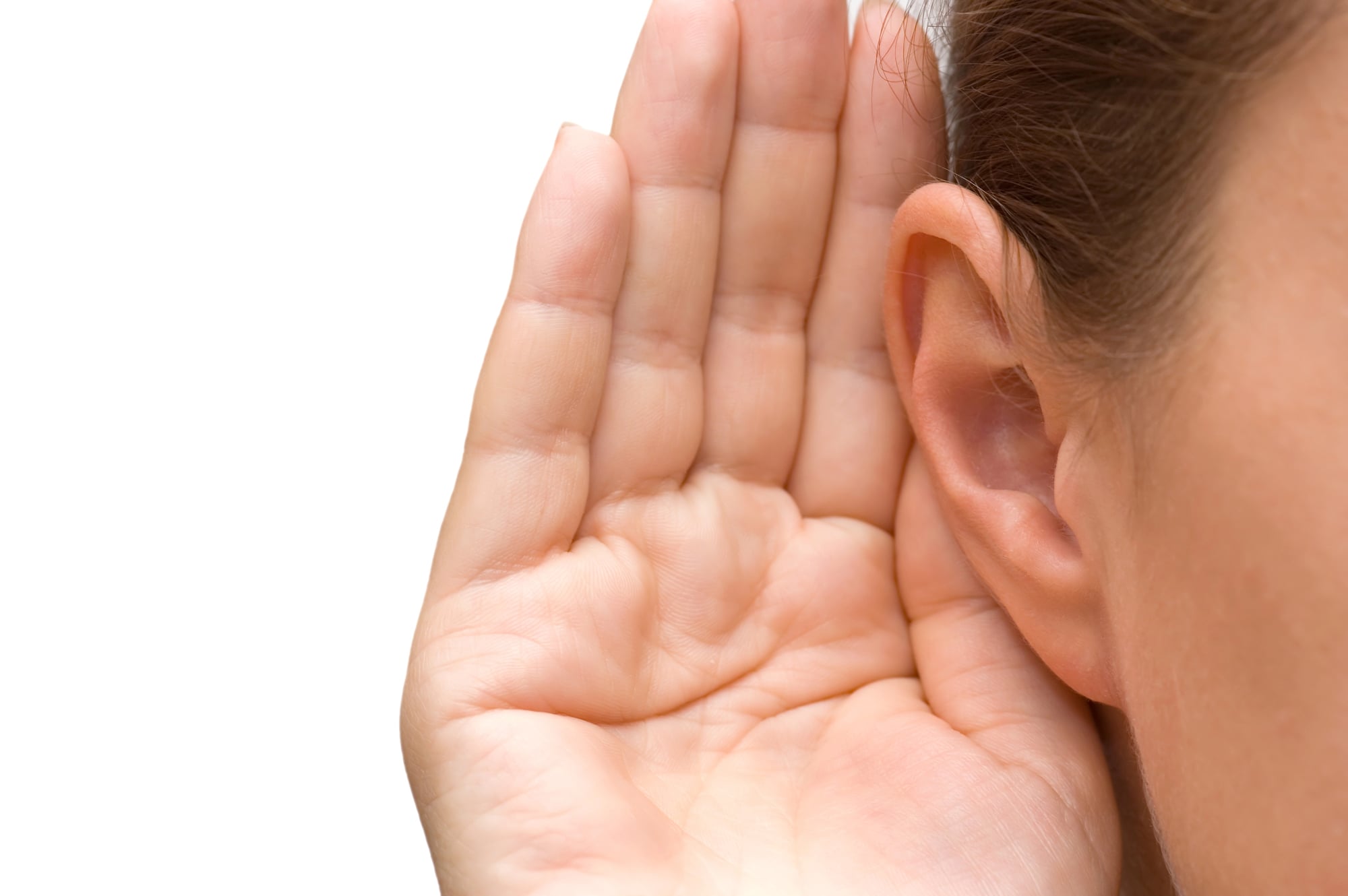
The curves and ridges of your ears are as individual as your voice. Even though ears continue to grow, their unique structure remains stable enough for law enforcement to use them in criminal investigations.
Tongue Print
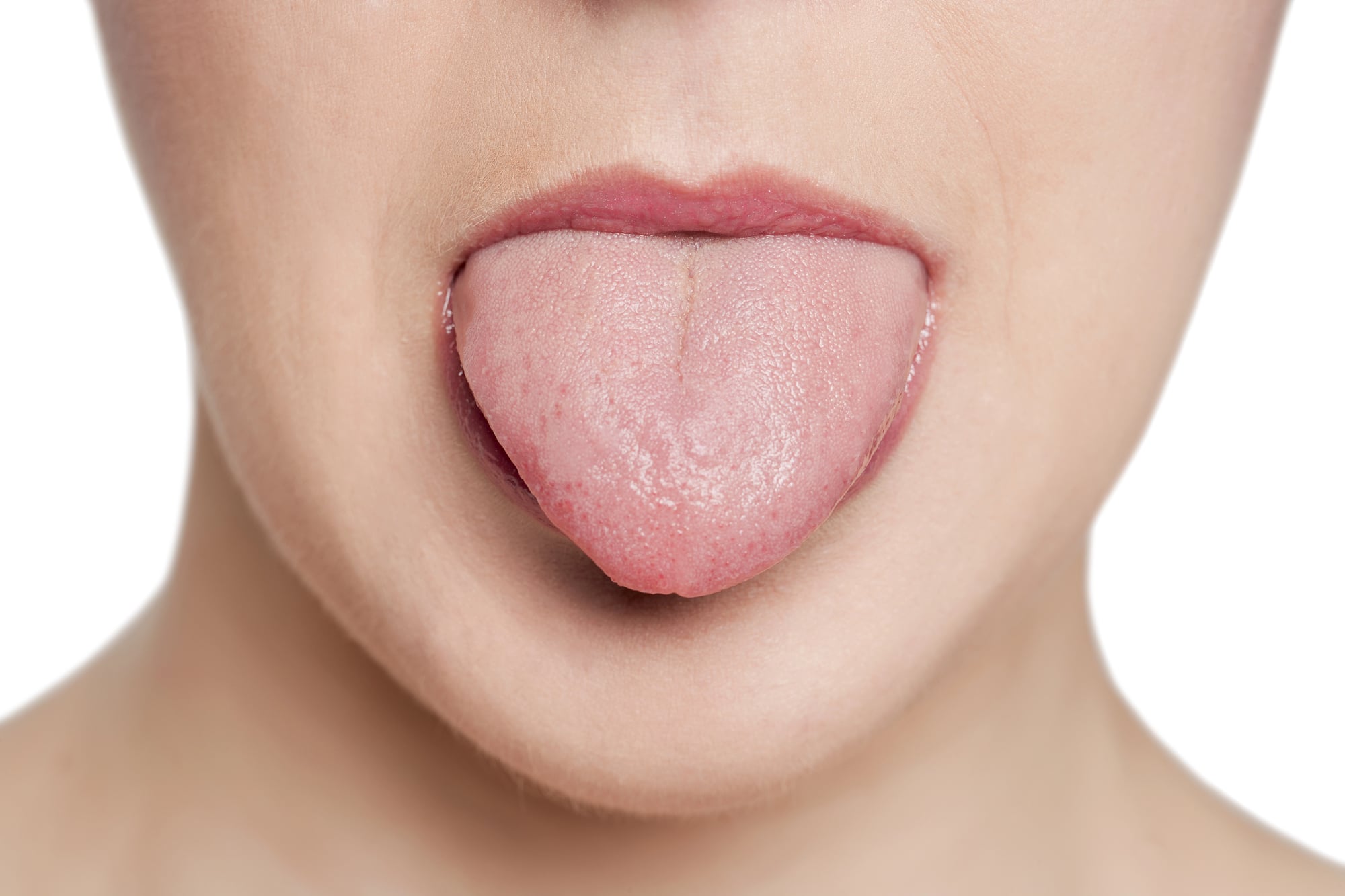
Your tongue is home to a distinctive topography of papillae and taste buds. Biometric researchers are now exploring tongue scans for high-security access due to their uniqueness and stability over time.
Lip Prints
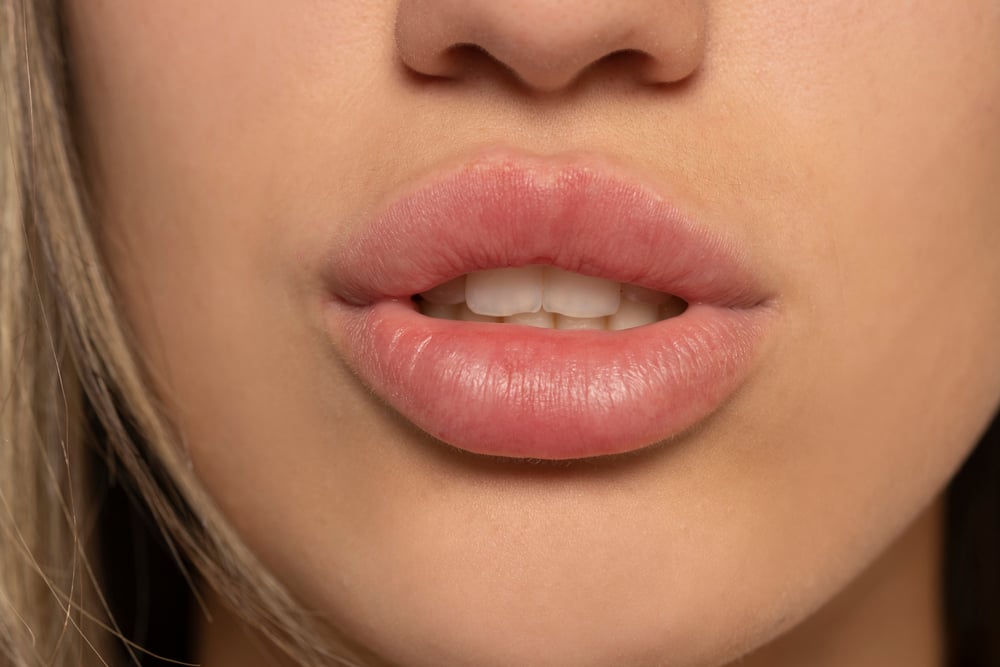
The grooves and lines on your lips form identifiable patterns known as cheiloscopy. These patterns remain consistent despite changes in weather, age, or health—making them valuable forensics tools and cosmetic research references.
Vein Patterns
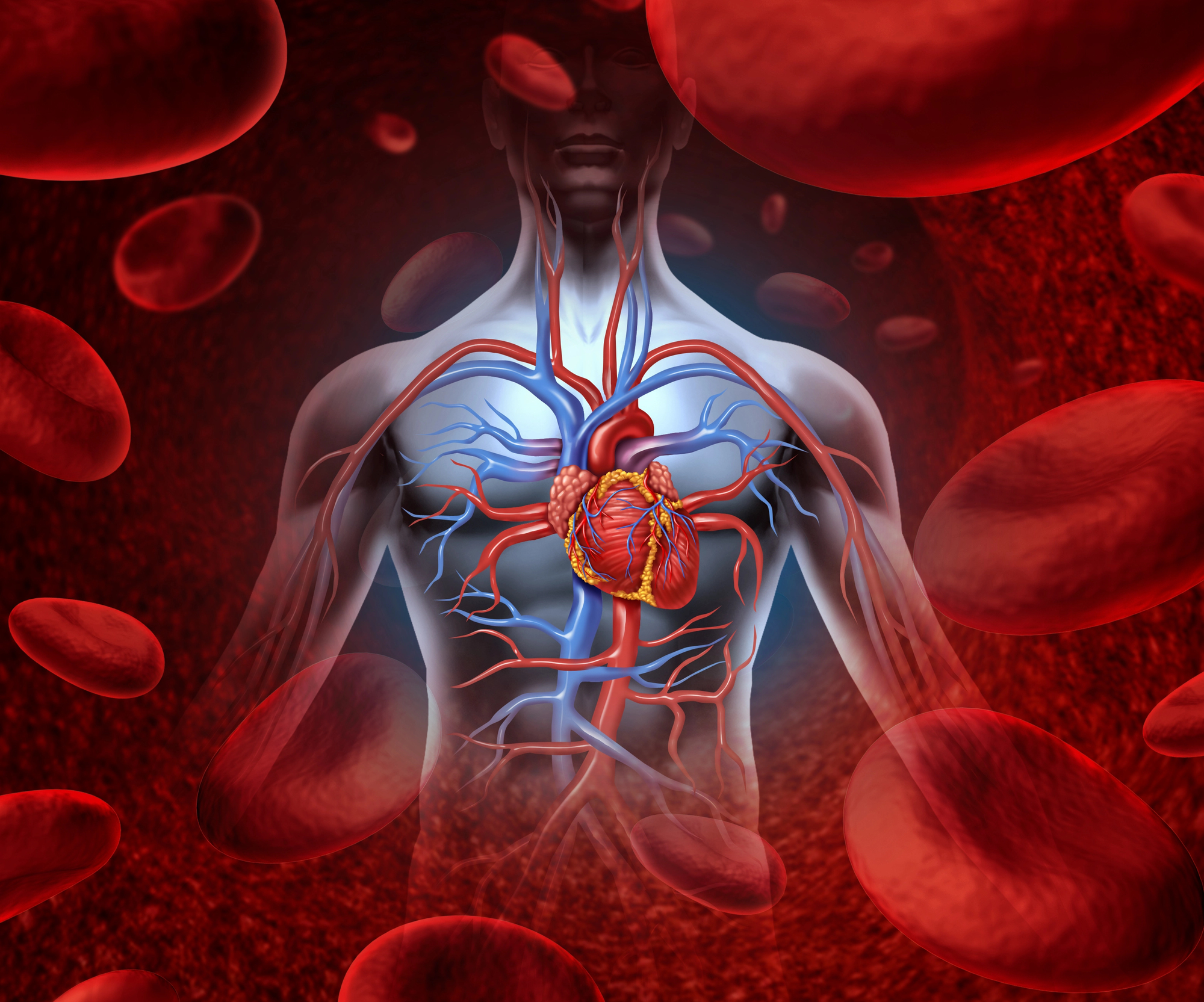
Veins beneath your skin form complex maps that are invisible to the eye but uniquely yours. Banks are turning to vein recognition as it’s harder to fake than fingerprints and doesn’t degrade with surface damage.
Voice Characteristics

Your vocal tone is shaped by your anatomy and speech habits, creating a sonic fingerprint. Even identical twins have noticeably different vocal patterns, making voice authentication increasingly reliable.
Gait Analysis

The way you walk is shaped by your muscles, bones, and years of habit. Security systems can identify you from afar based on the rhythm, speed, and style of your gait alone.
Facial Thermal Patterns
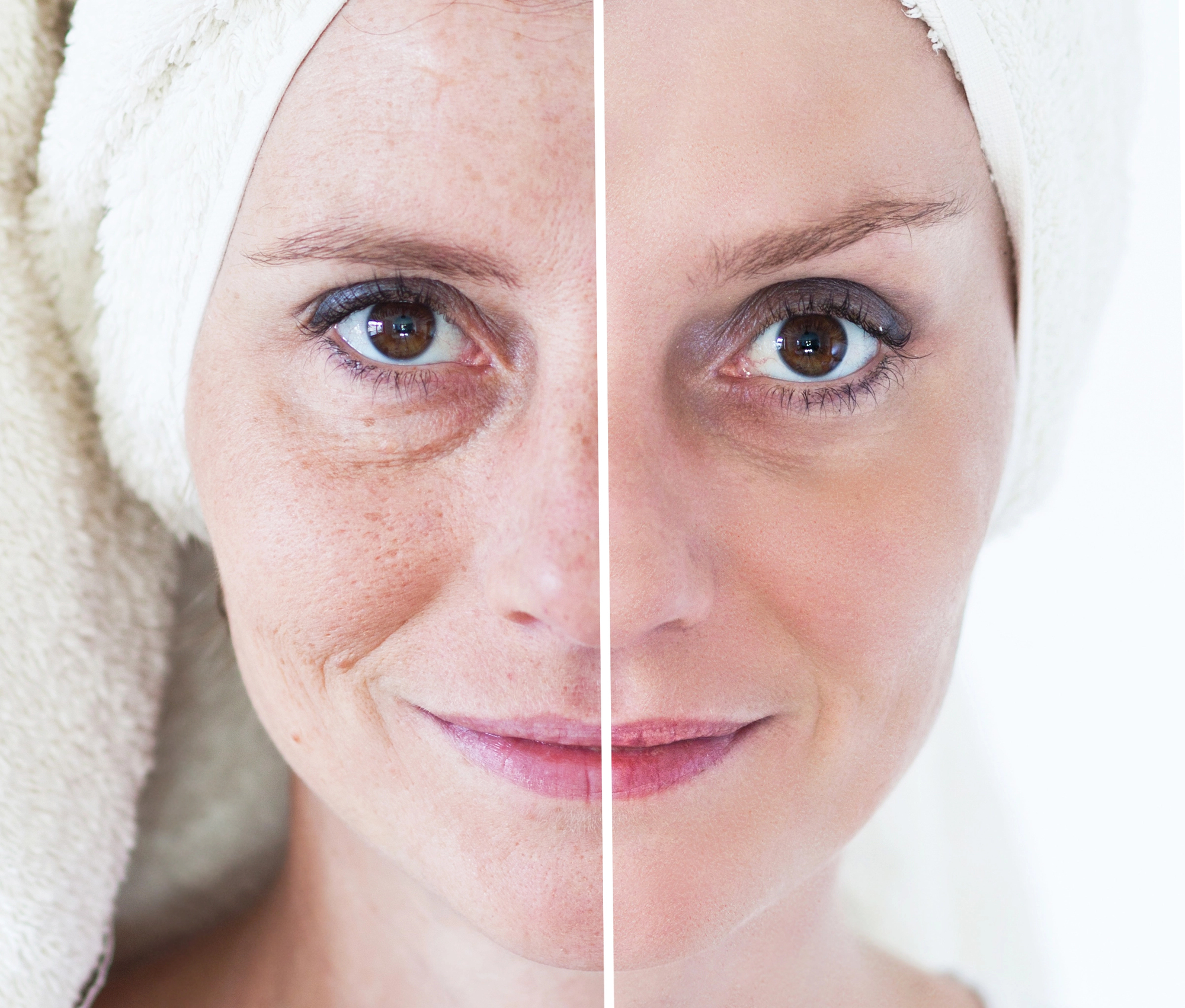
Heat signatures on your face trace your unique vascular structure. These thermal patterns don’t change with age or expression, making them ideal for recognition in total darkness.
Fingernail Bed Patterns
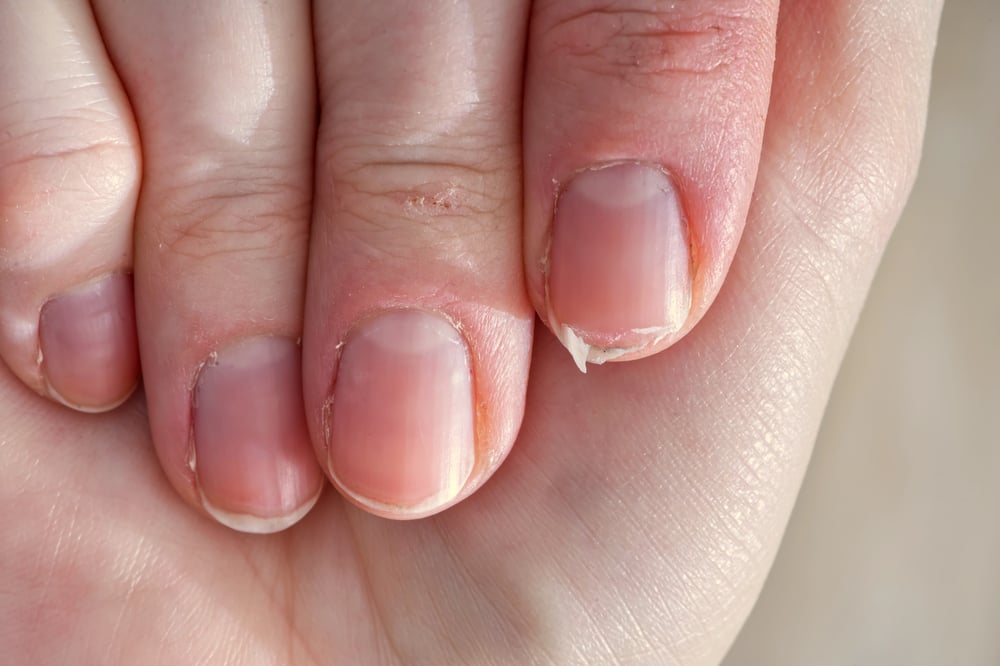
Beneath your nails lie tiny ridge patterns that mirror the uniqueness of fingerprints. These dermatoglyphics may even provide early clues to genetic conditions based on their structure.
Palmar Flexion Creases
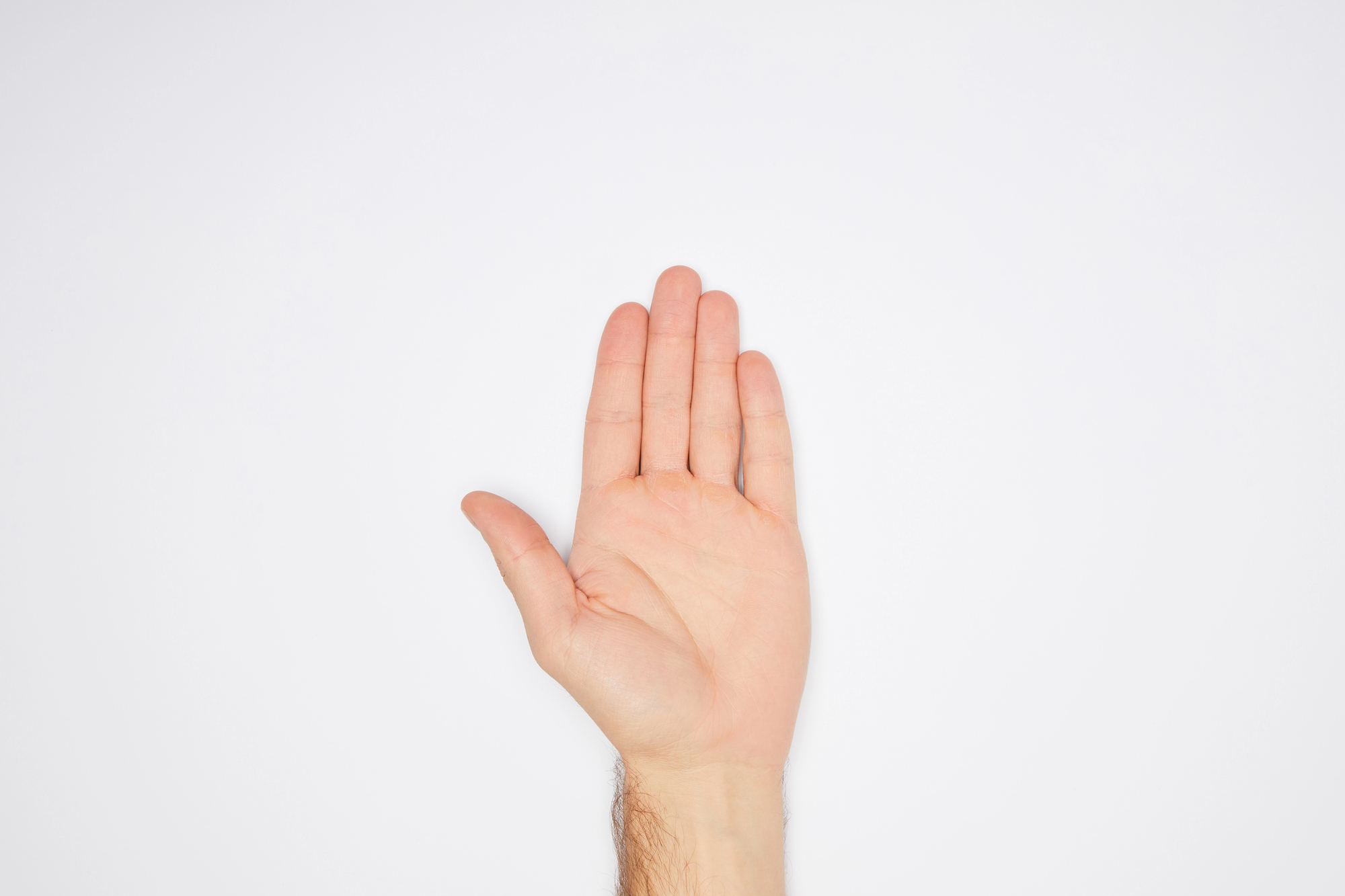
The three major lines on your palm are set before birth and rarely change. These creases can serve as biometric identifiers, offering a deeper layer of uniqueness beyond fingerprints.
Dental Patterns
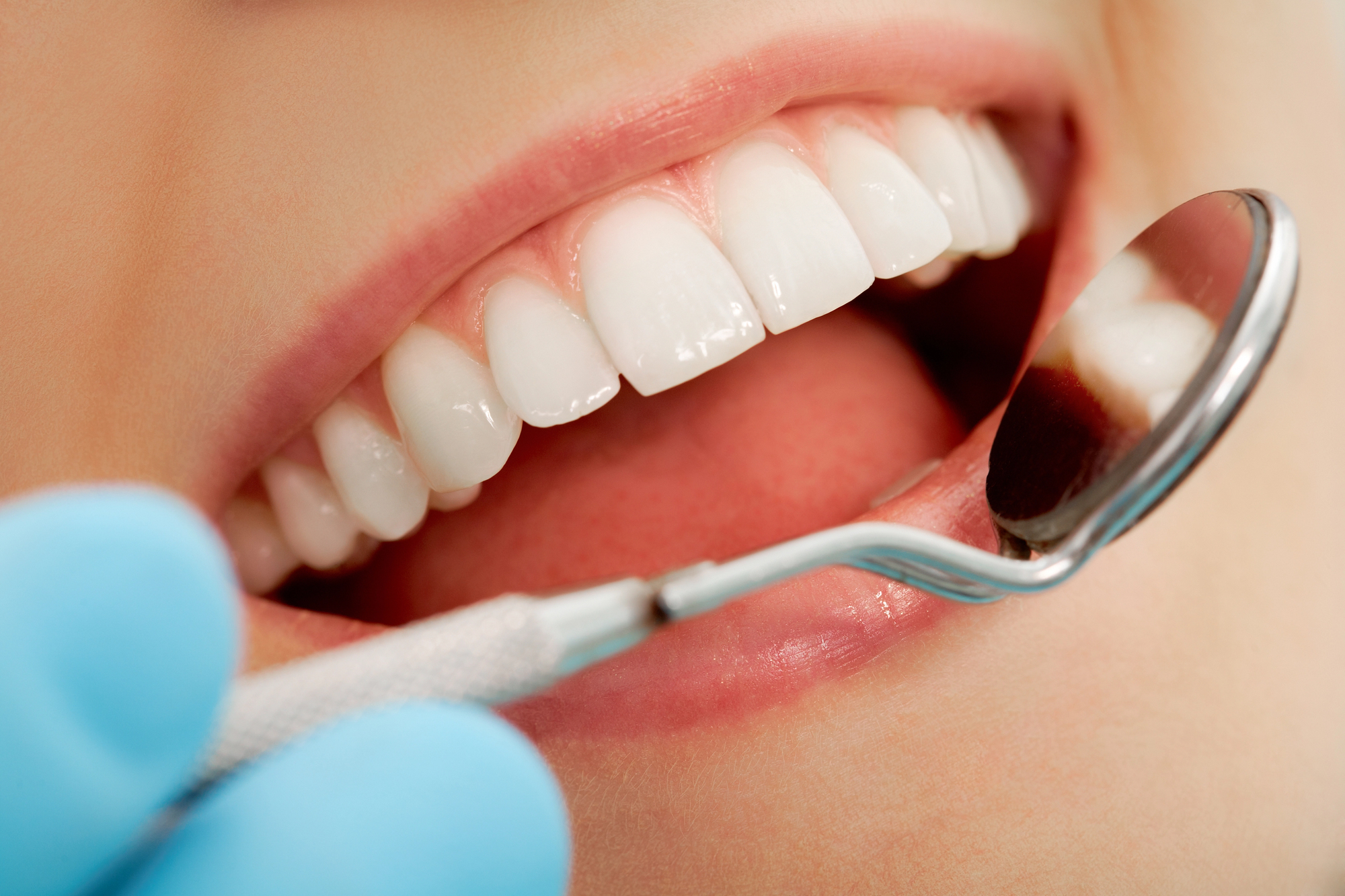
Your teeth create a pattern of alignment, wear, and spacing unlike anyone else’s. Forensic dentists rely on these patterns to identify individuals from bite marks or dental records with high accuracy.
Skin Pore Patterns
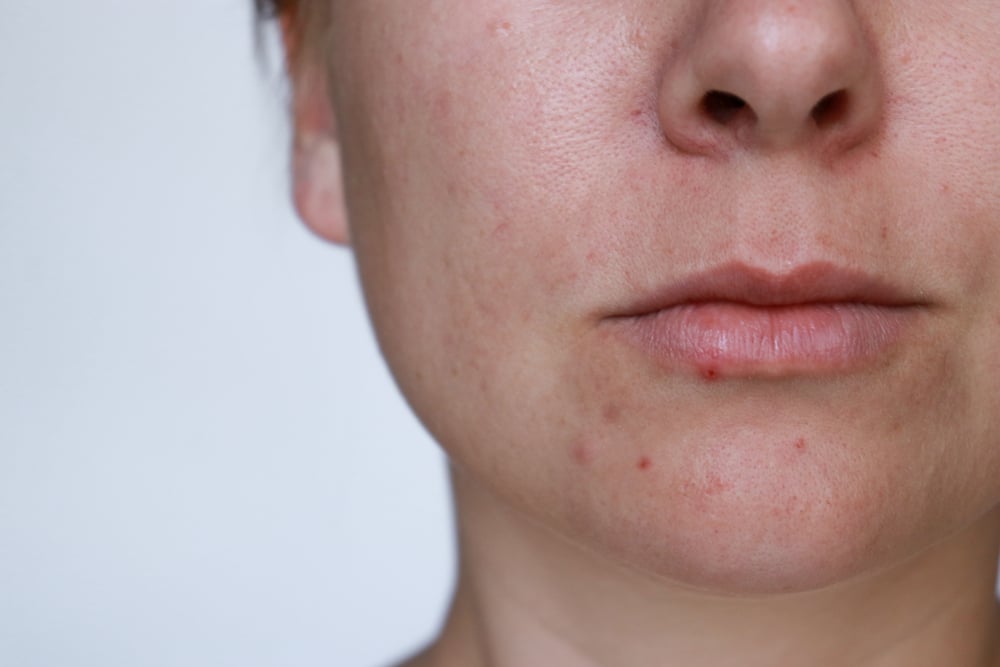
Your skin pores form a map that’s genetically determined and stays consistent throughout life. Advanced recognition systems now include pore mapping for higher accuracy, even among identical twins.
Tear Duct Configuration
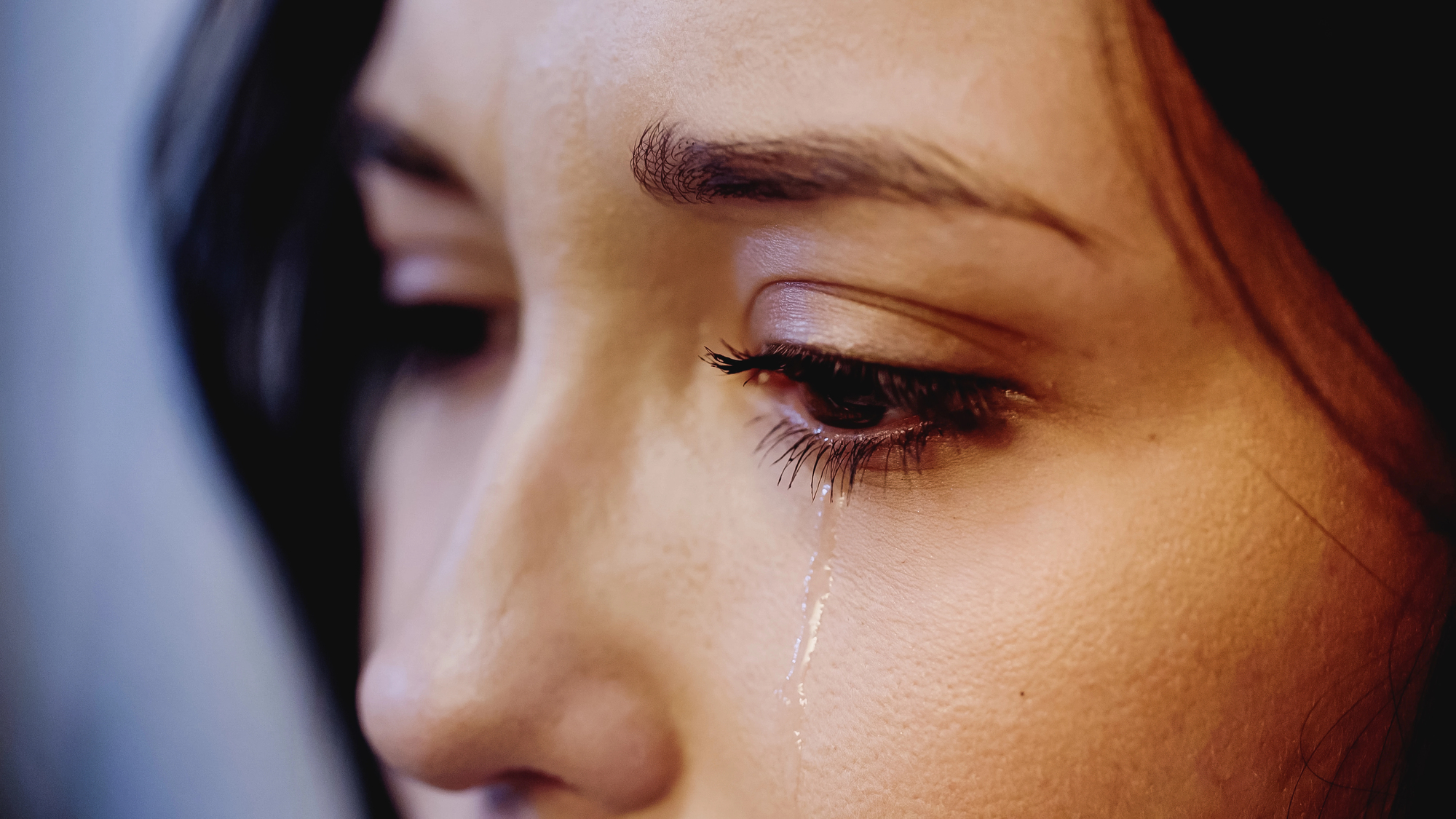
Your tear ducts have a one-of-a-kind shape that affects how your eyes drain and stay hydrated. Eye specialists use this pattern for custom treatment, and it may hold potential for future biometric applications.
Earlobe Biometrics
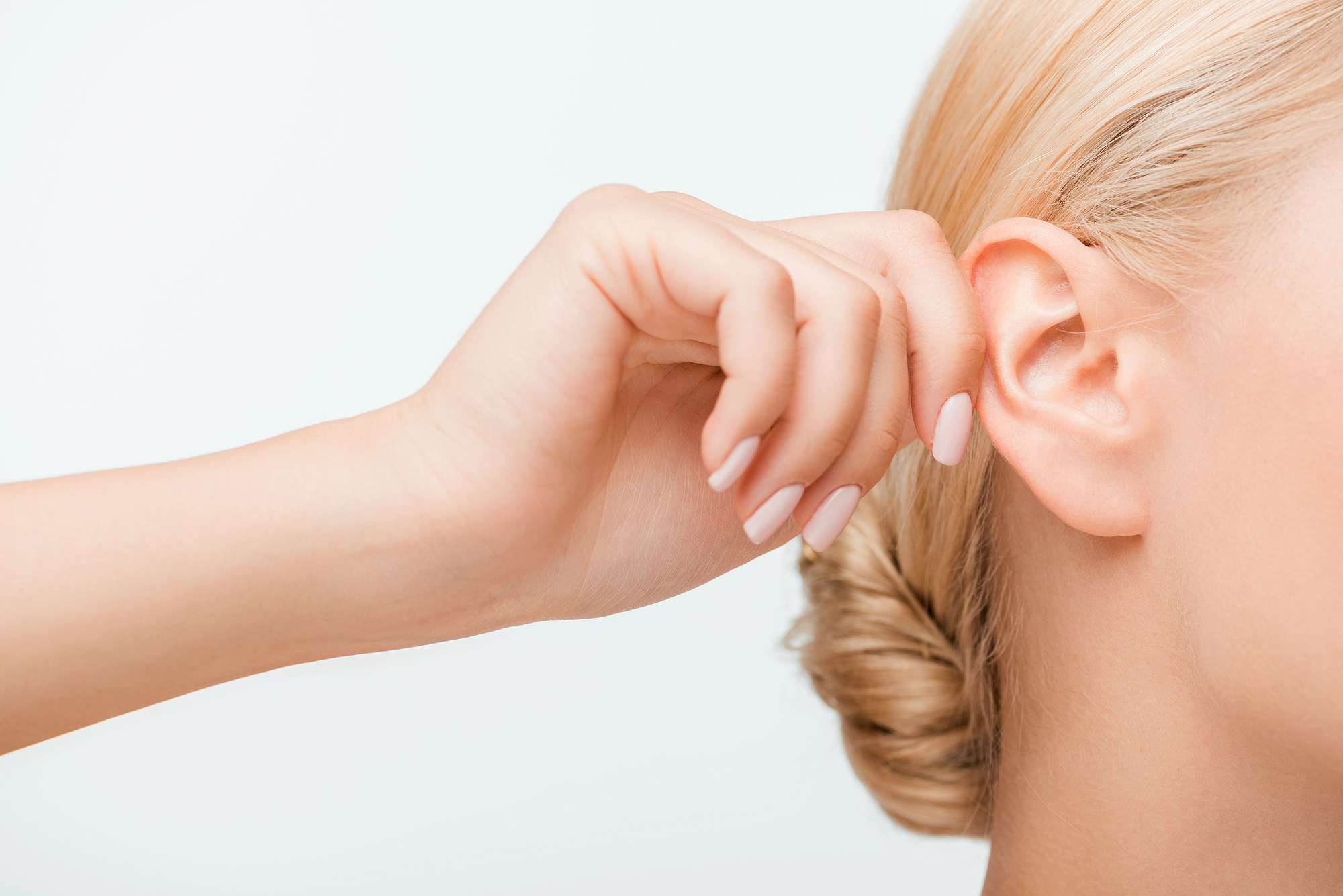
The creases and folds in your earlobes hold biometric potential beyond overall ear shape. These micro-patterns stay constant even as the lobe stretches with age, enhancing ear-based recognition systems.
Frontal Sinus Patterns

Hidden inside your forehead, your frontal sinuses have distinctive air cavity shapes. They’re so unique that forensic scientists use CT scans of them to identify skeletal remains when other clues are missing.
Beyond Surface-Level Uniqueness

From thermal patterns to sinus cavities, the human body is filled with unseen signatures of individuality. As biometric security grows more sophisticated, these hidden traits are becoming powerful tools to verify identity and celebrate our unique biology.
Even with nearly identical DNA, each of us carries countless markers that prove we are unmistakably ourselves—inside and out.
More from Go2Tutors!

- The Romanov Crown Jewels and Their Tragic Fate
- 13 Historical Mysteries That Science Still Can’t Solve
- Famous Hoaxes That Fooled the World for Years
- 15 Child Stars with Tragic Adult Lives
- 16 Famous Jewelry Pieces in History
Like Go2Tutors’s content? Follow us on MSN.



