15 Plants That Purify Air Better Than Machines
Indoor air quality has become a growing concern for many homeowners, especially as we spend more time indoors than ever before. While expensive air purifiers and filtration systems promise cleaner air, nature offers a more elegant solution that’s been working for millions of years. Plants don’t just look beautiful — they actively filter toxins from the air, remove harmful chemicals, and boost oxygen levels in ways that mechanical devices simply can’t match.
NASA’s groundbreaking Clean Air Study revealed something remarkable: certain houseplants can remove up to 87% of air toxins within just 24 hours. Here is a list of 15 plants that purify air better than machines.
Snake Plant
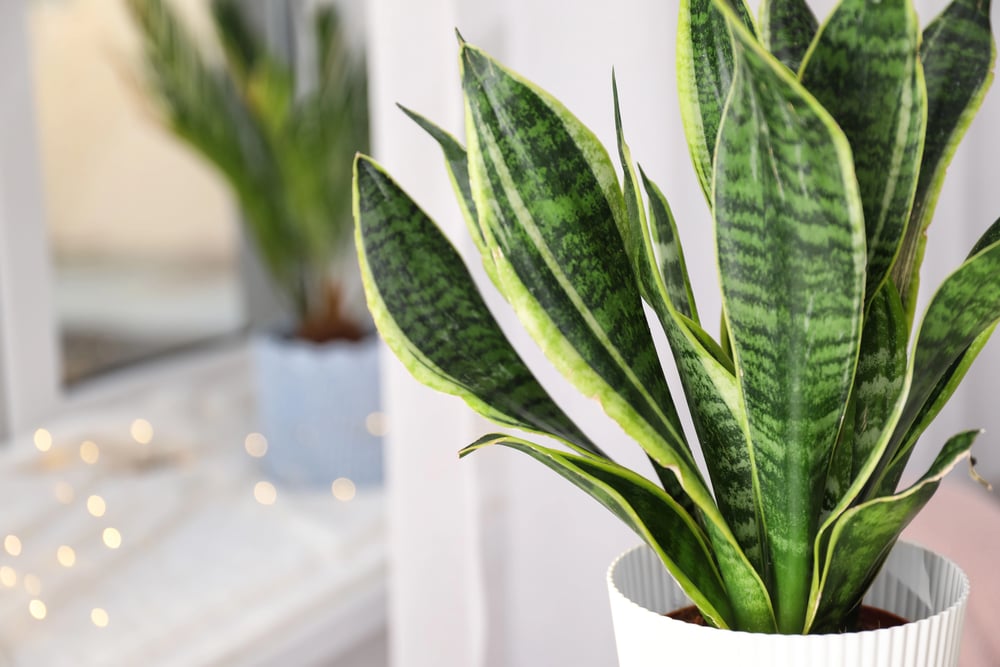
Snake plants are virtually indestructible air-cleaning powerhouses that work around the clock — unlike most plants that only produce oxygen during the day. They excel at removing formaldehyde, xylene, and toluene from indoor air.
These hardy plants thrive in low light and need watering only once every few weeks, making them perfect for busy homeowners or office spaces.
Spider Plant

Spider plants are champion air purifiers that specifically target formaldehyde and xylene — two common household toxins found in cleaning products and furniture. They’re incredibly easy to grow and propagate, producing baby plants that you can share with friends.
A single spider plant can effectively clean the air in a 200-square-foot room while requiring minimal care.
Like Go2Tutors’s content? Follow us on MSN.
Peace Lily
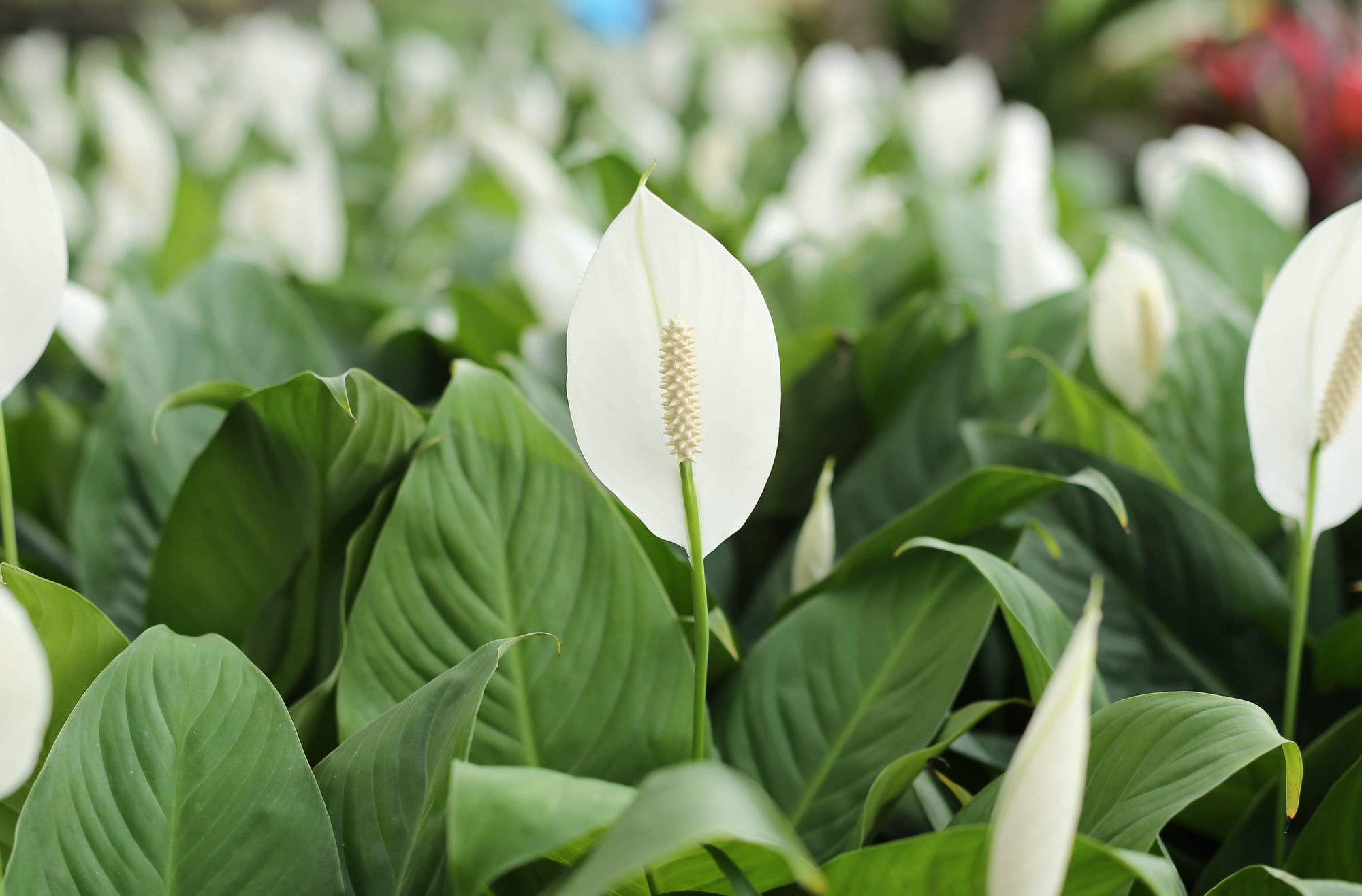
Peace lilies are elegant plants that remove ammonia, benzene, and formaldehyde from indoor air — chemicals commonly found in household cleaners and synthetic materials. They also add humidity to dry indoor environments, which can help with respiratory issues.
These plants prefer indirect light and will actually droop slightly when they need water, making them perfect for beginners.
Boston Fern
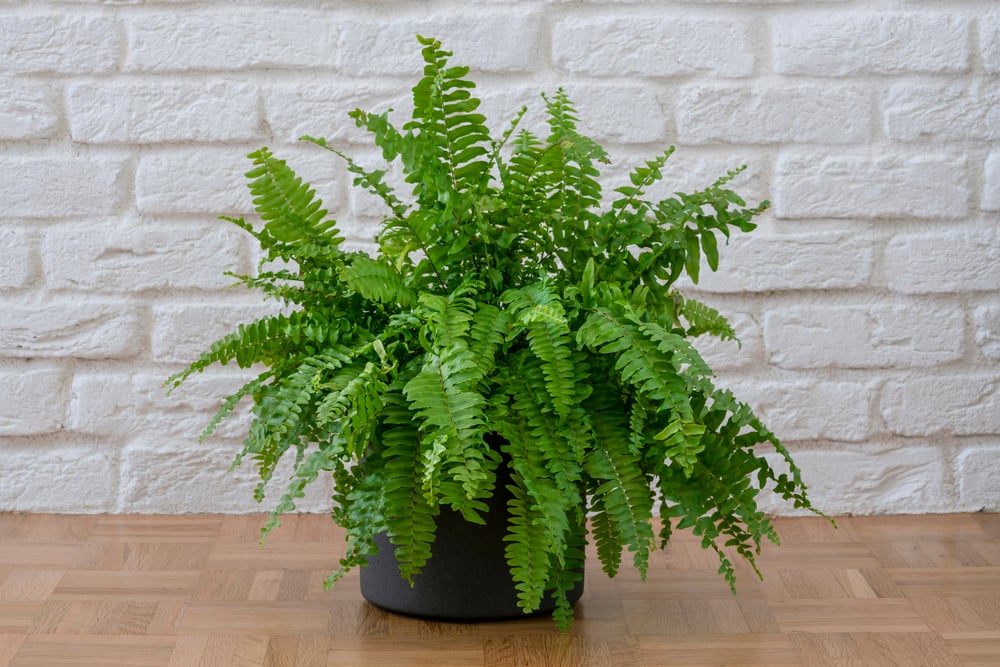
Boston ferns are natural humidifiers that excel at removing formaldehyde — a chemical commonly released by carpets, upholstery, and pressed wood products. They can increase indoor humidity levels by up to 10%, which helps reduce dust and allergens in the air.
Though they require consistent moisture and indirect light, their air-purifying abilities make the extra care worthwhile.
Rubber Plant
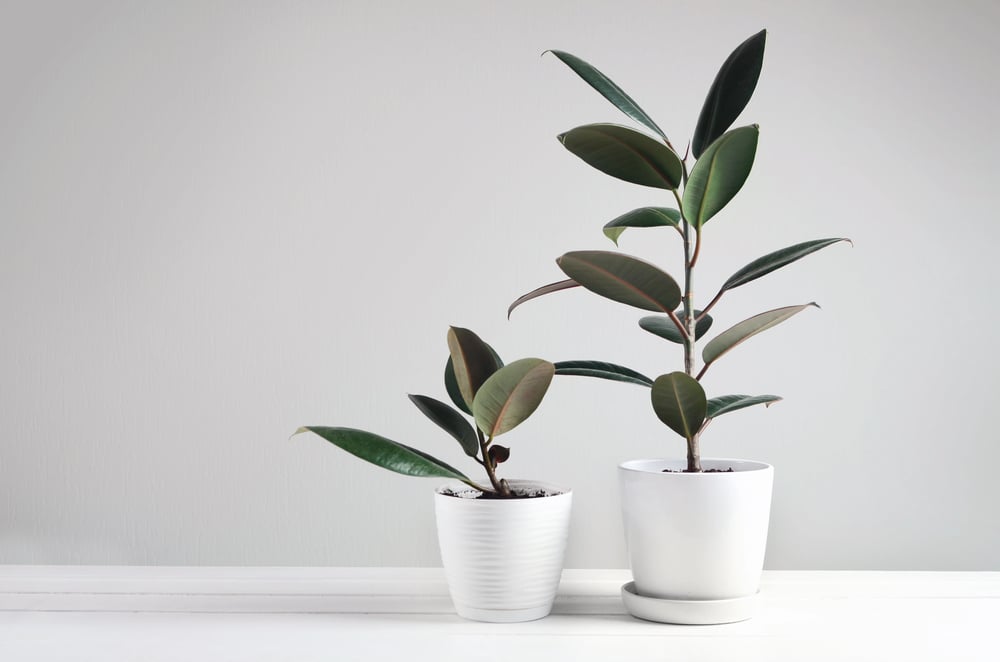
Rubber plants are exceptionally effective at removing formaldehyde from indoor air — particularly from furniture, carpets, and building materials. Their thick, glossy leaves trap dust particles while their roots filter toxins from the air.
These low-maintenance plants tolerate various lighting conditions and can grow quite large, making them ideal for cleaning air in bigger rooms.
Like Go2Tutors’s content? Follow us on MSN.
Aloe Vera
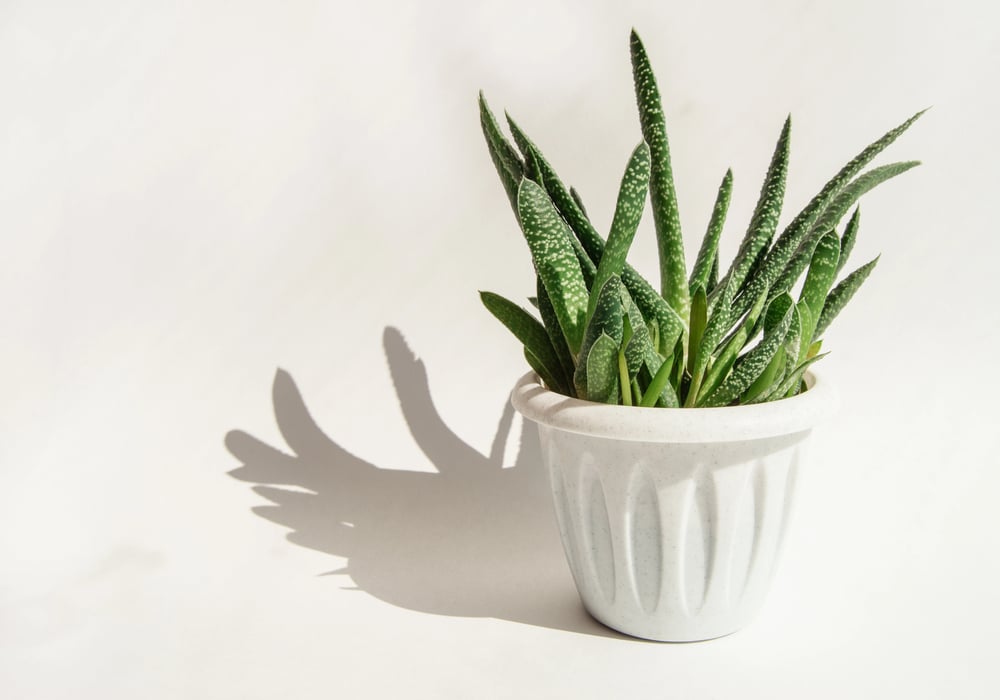
Aloe vera plants serve double duty as air purifiers and natural medicine cabinets — removing formaldehyde and benzene while providing healing gel for minor cuts and burns. They’re incredibly drought-tolerant and thrive in bright, indirect light.
When the air quality drops significantly, aloe leaves may develop brown spots, acting as a natural air quality indicator.
English Ivy

English ivy is particularly effective at reducing airborne mold particles — making it excellent for bathrooms, basements, or any area prone to moisture issues. Studies show it can reduce mold levels by up to 78% within just 12 hours.
This versatile plant grows well in hanging baskets or as a climbing vine, adapting to various lighting conditions.
Bamboo Palm

Bamboo palms are natural air filters that excel at removing formaldehyde, benzene, and trichloroethylene — chemicals commonly found in furniture and cleaning products. They also act as natural humidifiers, adding moisture to dry indoor air.
These graceful plants prefer bright, indirect light and can grow up to 7 feet tall, making them perfect statement pieces for larger rooms.
Like Go2Tutors’s content? Follow us on MSN.
Chrysanthemum

Chrysanthemums are colorful flowering plants that remove benzene, formaldehyde, and ammonia from indoor air — toxins commonly found in plastics, synthetic fabrics, and cleaning products. They need bright light to bloom and purify air most effectively.
While they require more care than some houseplants, their beautiful flowers and superior air-cleaning abilities make them worth the effort.
Dracaena

Dracaena plants are excellent at removing trichloroethylene, formaldehyde, and benzene — chemicals found in varnishes, adhesives, and synthetic materials. They come in various sizes and leaf patterns, making them versatile decorative options.
These plants prefer bright, indirect light and can tolerate some neglect, though they’re toxic to pets.
Philodendron

Philodendrons are fast-growing plants that effectively remove formaldehyde from indoor air — particularly from pressed wood products and synthetic materials. They’re incredibly adaptable and can thrive in various lighting conditions, from bright indirect light to lower-light areas.
Their heart-shaped leaves add visual appeal while constantly working to clean the surrounding air.
Like Go2Tutors’s content? Follow us on MSN.
Golden Pothos

Golden pothos plants are nearly impossible to destroy while consistently removing formaldehyde, benzene, and xylene from indoor air. They grow rapidly in water or soil and can trail beautifully from hanging baskets or climb up supports.
These plants tolerate low light and infrequent watering, making them perfect for offices or darker rooms where other plants might struggle.
Gerbera Daisy

Gerbera daisies are cheerful flowering plants that remove benzene and trichloroethylene from indoor air — chemicals commonly found in inks, paints, and synthetic fabrics. They also release oxygen at night, which can improve sleep quality.
These plants prefer bright light and regular watering, rewarding proper care with vibrant blooms and excellent air purification.
Chinese Evergreen

Chinese evergreens are stunning plants with variegated leaves that remove formaldehyde and benzene from indoor air — toxins commonly released by carpeting and synthetic materials. They’re incredibly tolerant of low light conditions and irregular watering schedules.
These plants can survive in offices with fluorescent lighting where many other plants would fail.
Like Go2Tutors’s content? Follow us on MSN.
Weeping Fig

Weeping figs are tree-like plants that excel at removing formaldehyde, benzene, and trichloroethylene from indoor air — chemicals commonly found in carpets, furniture, and household products. They can grow quite large and effectively clean air in bigger spaces.
Though they prefer consistent conditions and may drop leaves when stressed, their superior air-cleaning abilities make them valuable additions to any home.
Nature’s Gift to Indoor Living
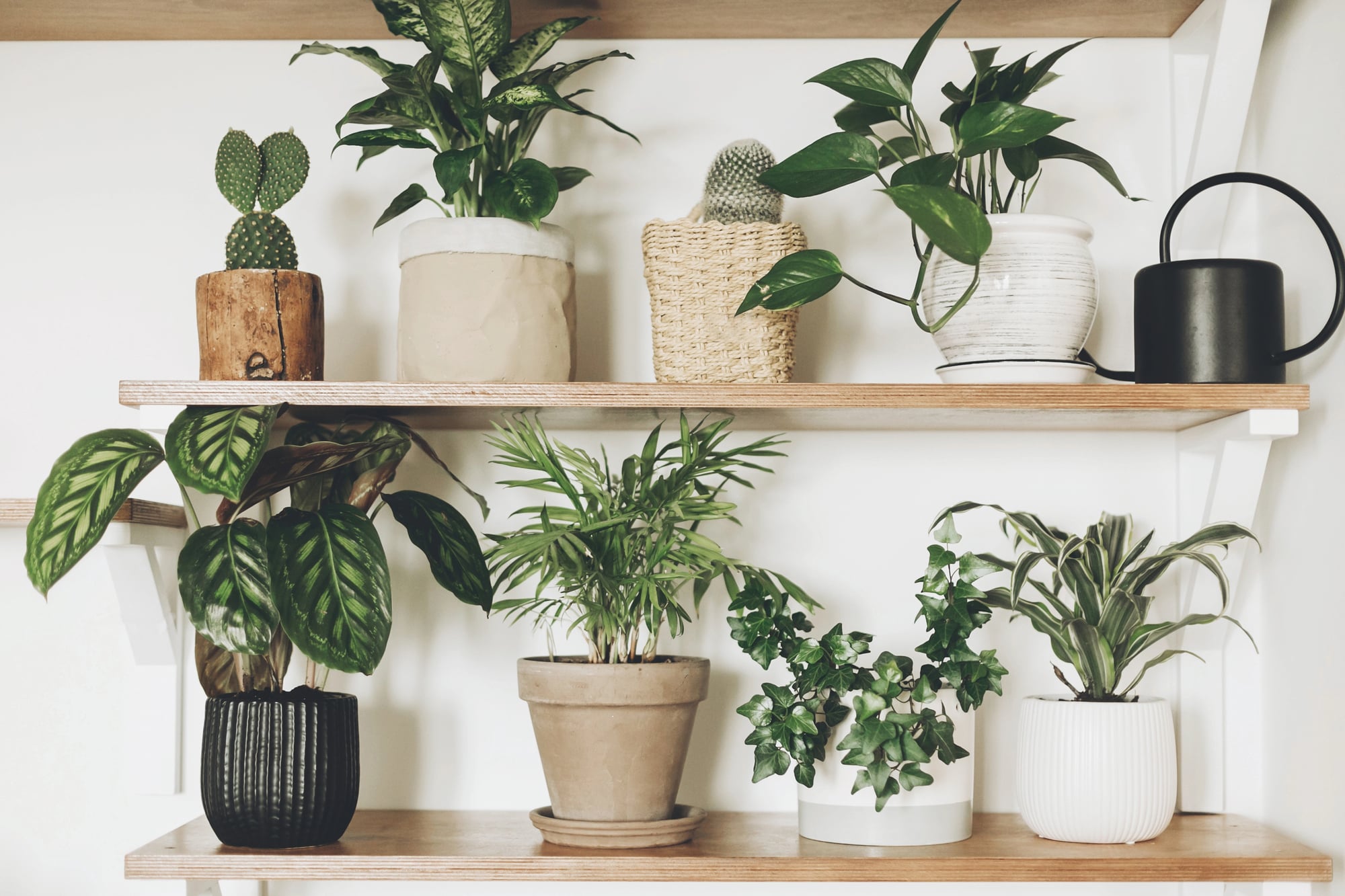
These natural air purifiers offer something that mechanical devices simply cannot: they improve air quality while adding life, beauty, and tranquility to indoor spaces. Unlike machines that consume electricity and require filter replacements, plants work continuously using only water, light, and nutrients from the soil.
The combination of cleaner air, increased humidity, and psychological benefits makes these green companions far more valuable than any electronic alternative.
More from Go2Tutors!

- 16 Historical Figures Who Were Nothing Like You Think
- 12 Things Sold in the 80s That Are Now Illegal
- 15 VHS Tapes That Could Be Worth Thousands
- 17 Historical “What Ifs” That Would Have Changed Everything
- 18 TV Shows That Vanished Without a Finale
Like Go2Tutors’s content? Follow us on MSN.