Rarest Dog Breeds in the World
Dogs come in all shapes and sizes, from the tiny Chihuahua to the massive Great Dane. Most people recognize popular breeds like Golden Retrievers or German Shepherds, but some dog breeds are so rare that most people will never see one in person.
These uncommon breeds often have fascinating histories and unique traits that make them special, but small populations and limited breeding programs keep them on the edge of extinction. Here are some of the rarest dog breeds that still exist today.
Norwegian Lundehund

This breed has six toes on each foot instead of the usual four or five. The extra toes helped these dogs climb steep cliffs in Norway where they hunted puffins for their owners.
Their shoulders are so flexible they can spread their front legs straight out to the sides like wings, and they can bend their heads backward to touch their spine. Only a few hundred of these dogs exist worldwide, mostly because they almost went extinct during World War II.
Their unusual body makes them fascinating to watch move around.
Azawakh

Tall and incredibly thin, the Azawakh looks like it hasn’t eaten in weeks, but that’s just how the breed naturally appears. These dogs come from West Africa where nomadic tribes bred them to hunt gazelles across the desert.
Their skin is so tight you can see the muscles and bones moving underneath, and they can run at speeds over 40 miles per hour. The breed nearly disappeared outside Africa until recent decades when a few made it to Europe and America.
They’re loyal to their families but often standoffish with strangers, true to their guarding heritage.
Mudi

Hungary gave the world this energetic herding dog that looks like a smaller, curlier German Shepherd. The Mudi can herd sheep, hunt wild boar, catch rats, and compete in dog sports without breaking a sweat.
World War II devastated their numbers, and the breed never really recovered since Hungarian shepherds started using other dogs or modern methods. Fewer than a few thousand exist today, with most still in Hungary.
Their wavy coats come in several colors, and their intense work drive means they need jobs to stay happy.
Stabyhoun

The Netherlands produced this black and white spotted dog that does everything from hunting to retrieving to watching the farm. Pronounced ‘sta-bay-hoon’, these dogs have calm personalities at home but turn into focused hunters in the field.
Dutch families kept them for generations, but the breed stayed mostly unknown outside a small region. Only about 3,500 exist worldwide, making them one of the rarest Dutch breeds.
They’re patient with kids and other pets, which makes them great family dogs when someone can find one.
Thai Ridgeback

A ridge of hair grows backward along their spine, creating a distinctive mohawk-like stripe. Thailand kept this breed isolated for centuries, using them to hunt cobras, pull carts, and guard homes.
Their independence and strong prey drive make them challenging for inexperienced owners. The breed only left Thailand in recent decades, so most people outside Asia have never heard of them.
They come in four colors, with blue being the rarest and most sought after by collectors.
Otterhound

England bred these shaggy dogs specifically to hunt otters in rivers and streams. Their webbed feet and waterproof double coat made them perfect for swimming in cold water all day.
When otter hunting became illegal in 1978, the breed lost its purpose and numbers crashed. Fewer than 1,000 exist today, making them rarer than giant pandas.
They have deep, booming voices and a goofy personality that doesn’t match their large size.
Catalburun

Turkey has the only dog breed in the world with a split nose. The nose literally divides down the middle, creating two separate sections that supposedly give them a better sense of smell.
Turkish hunters valued them for tracking game through difficult terrain. The breed never spread beyond a small region in Turkey, and even there, only a few hundred remain.
Scientists aren’t sure if the split nose actually improves their hunting ability or if it’s just a unique genetic quirk.
Chinook

New Hampshire sled dog driver Arthur Walden created this breed in the early 1900s by mixing Mastiffs with Greenland Dogs. The Chinook became the official state dog of New Hampshire despite being nearly extinct.
At one point in the 1980s, only 11 breeding Chinooks existed in the entire world. Dedicated breeders slowly brought them back, but they’re still incredibly rare with only a few hundred registered.
They’re friendly and patient, lacking the intensity of other sled dog breeds.
Lagotto Romagnolo

These curly-coated Italian dogs started as water retrievers but found a new career hunting truffles. Their incredible nose can detect truffles buried deep underground, making them valuable to Italian truffle hunters.
The breed nearly vanished when hunting technology changed and fewer people needed truffle dogs. Their teddy bear appearance and hypoallergenic coat have helped them gain popularity recently, but they’re still uncommon outside Italy.
They’re active and need mental stimulation to keep from getting bored.
Karelian Bear Dog

Finland and Russia produced this fearless hunter that tracks and corners bears without backing down. Black and white in color, these dogs have the courage to face animals many times their size.
They’re still used in North America to help wildlife officials relocate problem bears away from human areas. The breed remains rare because their intense hunting drive and independence make them difficult pets for most people.
They need experienced handlers who understand their strong-willed nature and can provide proper outlets for their energy.
Pungsan

North Korea claims this breed as a national treasure and rarely allows them to leave the country. These white dogs supposedly hunted tigers and leopards in the mountains along the Korean border.
Their existence outside North Korea is questionable, with some experts doubting whether purebred Pugsans still exist at all. South Korea has tried to recreate the breed, but political tensions make verification nearly impossible.
The mystery surrounding them adds to their rarity and intrigue.
Xoloitzcuintli

The Aztecs considered these hairless dogs sacred and believed they guided souls to the afterlife. Pronounced ‘show-low-eats-queen-tlee’, they come in three sizes and can be completely hairless or have a short coat.
Spanish conquistadors nearly wiped them out, and the breed survived only in remote Mexican villages. Their warm, smooth skin feels odd to pet, and they need sunscreen and moisturizer to stay healthy.
Despite being Mexico’s national dog, they remain rare even in their home country.
Sloughi
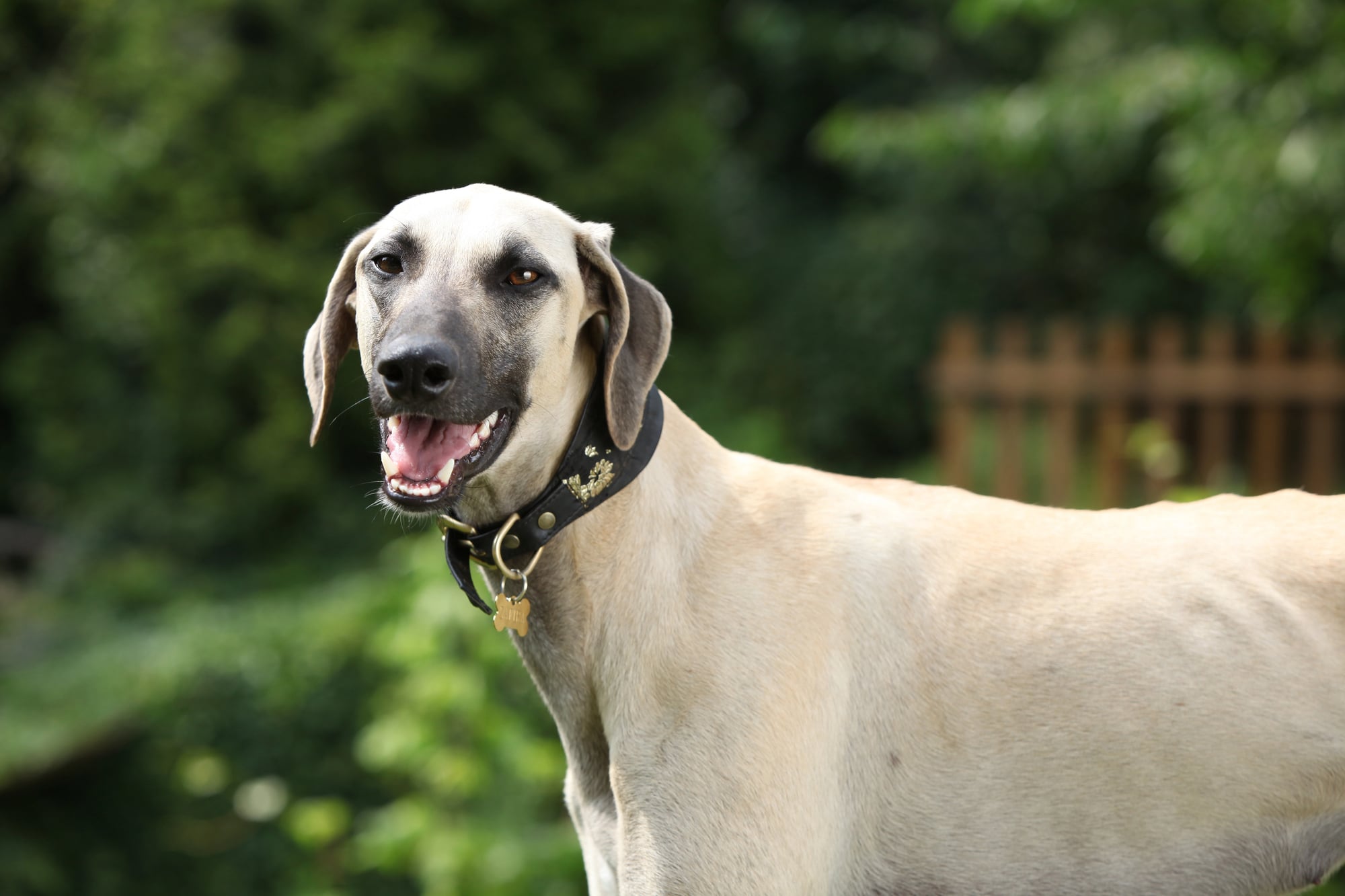
North African tribes bred this elegant sighthound to hunt gazelles, hares, and foxes across desert terrain. They look similar to Greyhounds but have a different personality, bonding deeply with their families while staying reserved with outsiders.
French colonization of North Africa nearly destroyed the breed through crossbreeding with other dogs. Today, fewer than a few hundred exist outside North Africa, with strict breeding programs trying to preserve them.
They’re sensitive dogs that don’t respond well to harsh training methods.
Czechoslovakian Vlcak
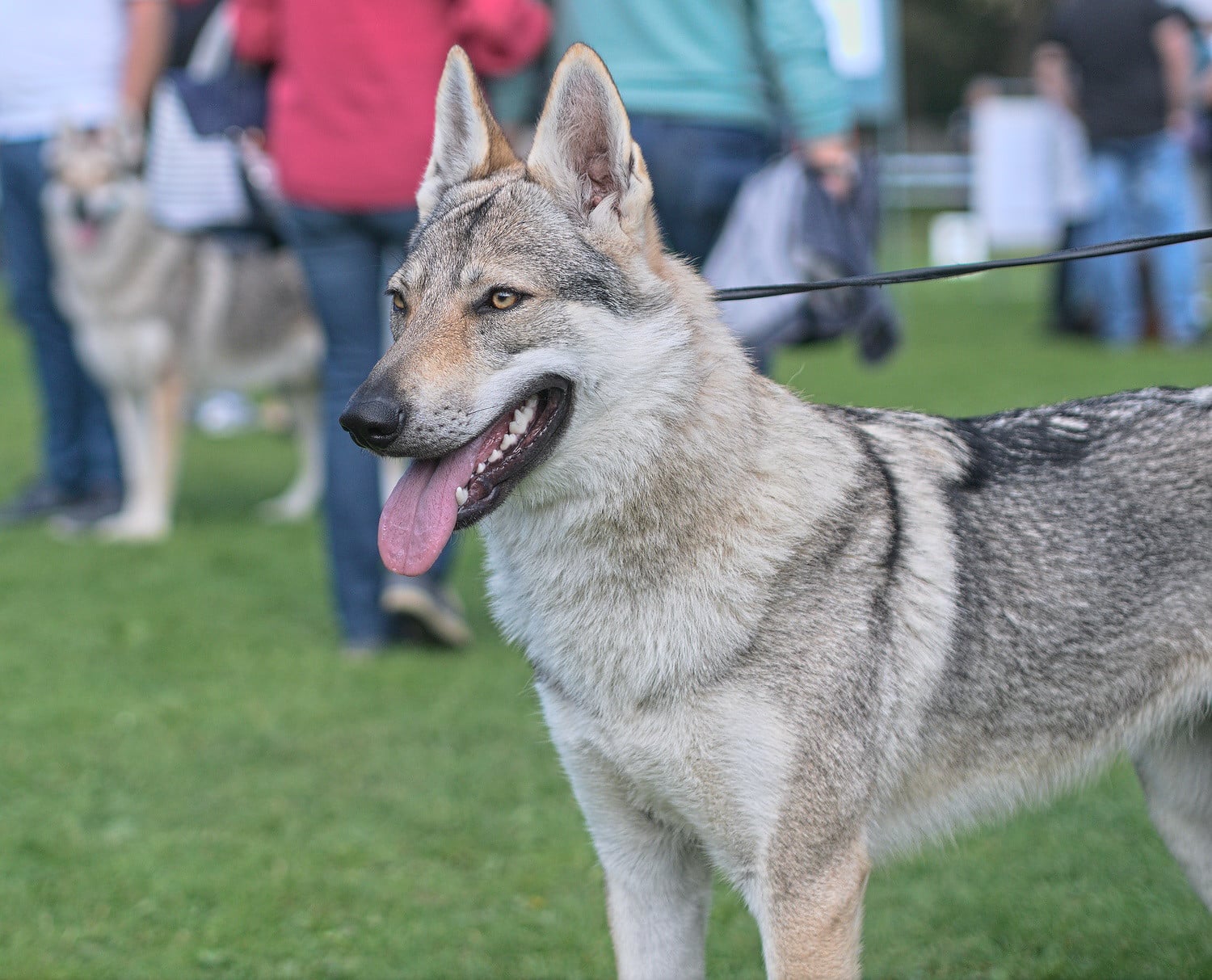
This breed started as an experiment in 1955 when Czech scientists crossed German Shepherds with Carpathian wolves. The goal was to create a dog with the trainability of a shepherd and the stamina of a wolf.
The results produced a breed that looks and acts more wolf-like than any other domestic dog. They’re pack-oriented and need strong leadership from owners who understand their complex social needs.
Only a few thousand exist, mostly in Europe, because their wolf heritage makes them challenging to own.
Catahoula Leopard Dog
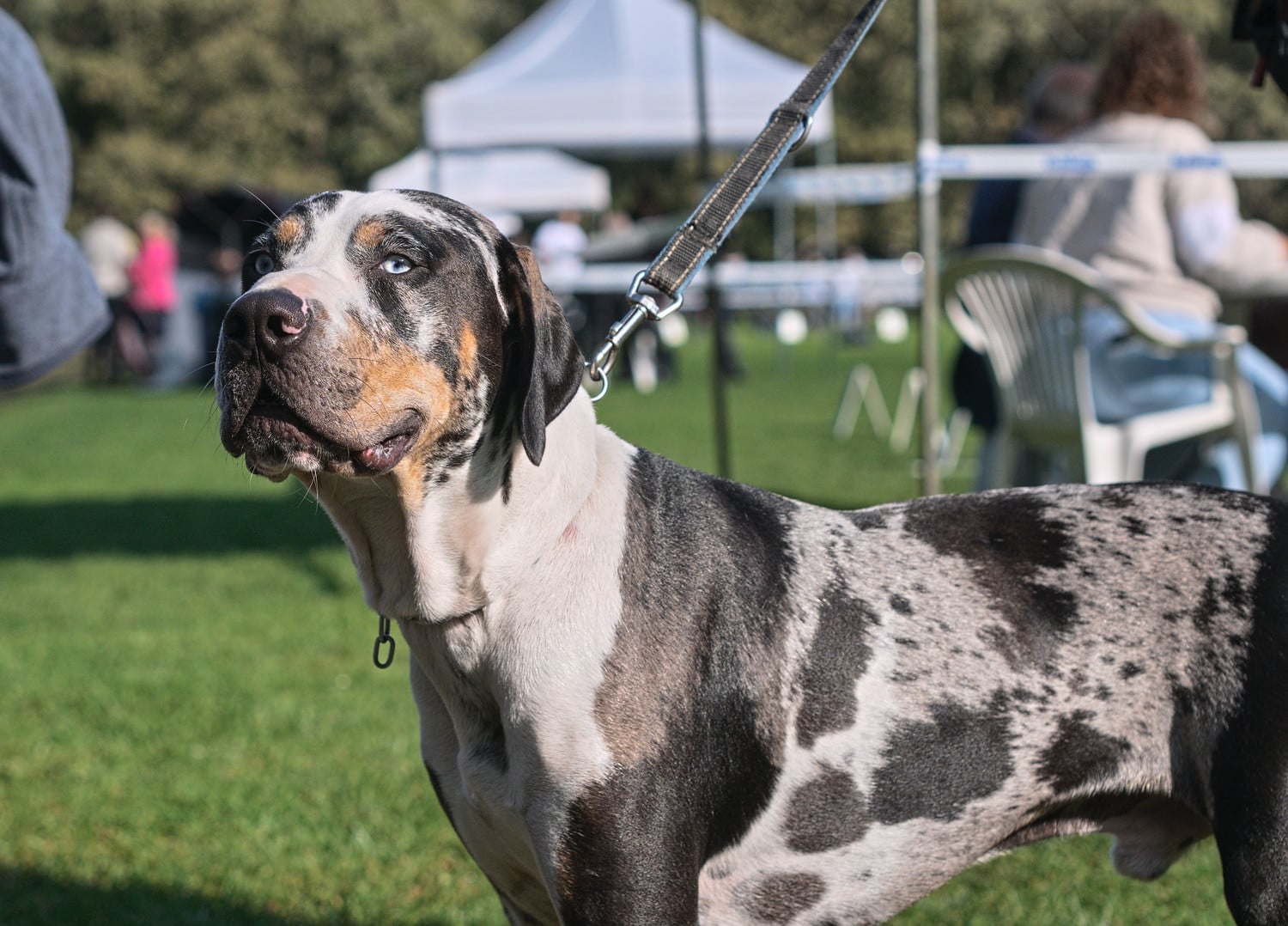
Louisiana’s official state dog got its name from the spotted coat that resembles a leopard. These dogs have striking glass eyes, often with each eye being a different color.
French settlers and Native Americans likely developed the breed to hunt wild boar in the swamps. They’re tough working dogs with strong personalities that need experienced handlers.
Outside the southern United States, most people have never heard of them despite their impressive abilities.
Peruvian Inca Orchid

Another hairless breed, this one comes from Peru where ancient civilizations kept them as companions and bed warmers. They range from small to medium size and can be completely hairless or coated.
Spanish conquest nearly destroyed them, and they survived mainly in remote coastal villages. Their skin comes in various colors and patterns, often with freckles or spots.
They’re sighthounds at heart and love to run, but they’re also affectionate lap dogs at home.
New Guinea Singing Dog

These dogs lived wild in the mountains of New Guinea for thousands of years, developing a unique howl that sounds like a song. Their flexible spine and rotating joints let them climb trees and navigate rocky terrain like cats.
Scientists debated whether they were truly domestic dogs or a separate species entirely. Captive populations descended from only eight dogs captured decades ago, making genetic diversity a serious concern.
Recent expeditions found dogs in New Guinea that might be related, giving hope for the breed’s future.
When rare becomes remembered

These uncommon breeds survived wars, changing societies, and near extinction through the dedication of small groups of breeders. Each one represents a piece of history and a different approach to what humans needed from their canine companions.
Modern interest in rare breeds has helped some of them slowly increase their numbers, though most will likely never become common household names. Their rarity makes them special, preserving unique traits and abilities that mainstream breeding might have erased.
The fact that they’re still around shows how much some people value keeping these living pieces of history alive for future generations to appreciate.
More from Go2Tutors!

- The Romanov Crown Jewels and Their Tragic Fate
- 13 Historical Mysteries That Science Still Can’t Solve
- Famous Hoaxes That Fooled the World for Years
- 15 Child Stars with Tragic Adult Lives
- 16 Famous Jewelry Pieces in History
Like Go2Tutors’s content? Follow us on MSN.



