18 Dangerous Products That Stayed on Store Shelves for Decades
We often assume that products on store shelves have passed rigorous safety tests. After all, someone must be looking out for consumers, right? The reality is far more complicated.
Throughout history, countless harmful items have been marketed as safe, practical, or even healthy—sometimes for generations before their dangers became widely acknowledged. Here is a list of 18 dangerous products that managed to stay on store shelves for decades, often despite early warning signs or concerns from medical professionals.
Lead Paint

Lead paint adorned walls across America for over a century before being banned in 1978. Manufacturers knew about its toxicity as early as the 1920s but continued marketing it as premium, durable house paint.
Children who ingested paint chips or dust faced developmental issues, learning disabilities, and serious neurological damage—a steep price for what was once considered a household staple.
Asbestos

Once hailed as a ‘miracle mineral,’ asbestos found its way into everything from insulation to brake pads to Christmas decorations. Its fire-resistant properties made it incredibly popular for most of the 20th century.
Unfortunately, it also causes mesothelioma and other deadly lung diseases, yet companies continued selling asbestos products for decades while suppressing research about its dangers.
Like Go2Tutors’s content? Follow us on MSN.
Radium Watches

In the early 1900s, watch dials painted with radium glowed brilliantly in the dark, making them popular with consumers. The ‘Radium Girls’ who painted these dials were encouraged to lick their brushes to create fine points, ingesting deadly radioactive material with each stroke.
Many developed radiation poisoning and cancer, yet these watches remained on the market into the 1960s.
DDT Pesticide
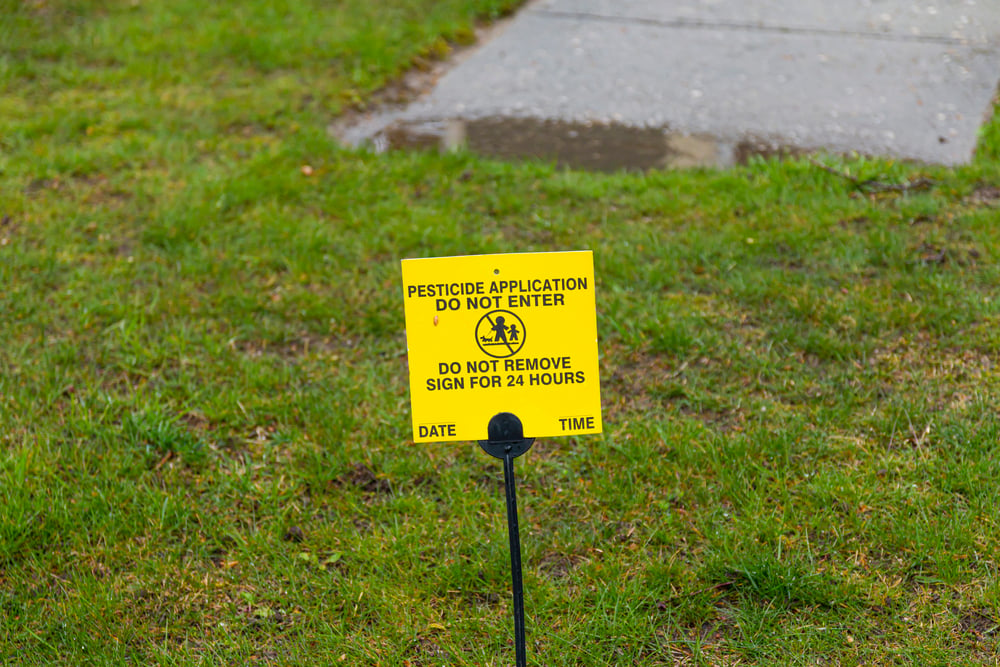
DDT was once sprayed directly on children at public swimming pools and promoted as harmless to humans. The powerful insecticide promised to eradicate malaria and protect crops, becoming a household and agricultural staple in the 1940s and 50s.
Evidence of its devastating environmental impact and links to cancer emerged long before its eventual ban in 1972.
Thalidomide
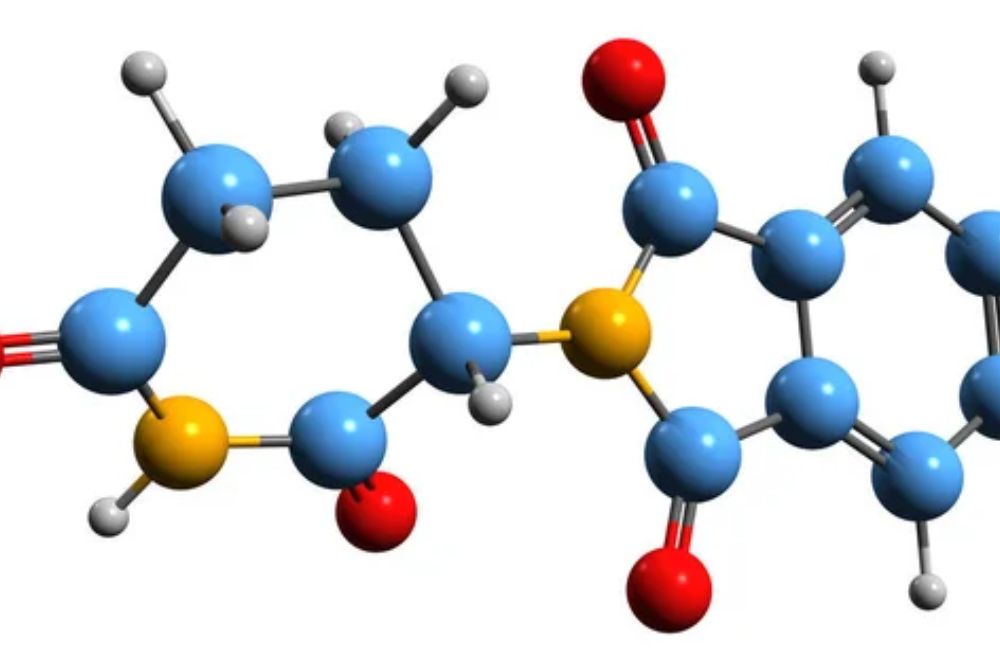
Marketed as a safe sedative and morning sickness remedy in the late 1950s, thalidomide caused thousands of babies to be born with severe limb deformities. While the FDA never approved it in the U.S., it was sold in 46 other countries.
The thalidomide tragedy finally prompted stronger pharmaceutical testing regulations, but not before affecting more than 10,000 children worldwide.
Like Go2Tutors’s content? Follow us on MSN.
Lawn Darts

These oversized darts with weighted metal tips were marketed as a family lawn game for decades. Players would toss them in an arc toward a target on the ground, but predictably, many ended up somewhere unintended—including in the heads and bodies of children.
Despite causing numerous injuries and deaths, lawn darts weren’t banned in the U.S. until 1988.
Benzene in Consumer Products
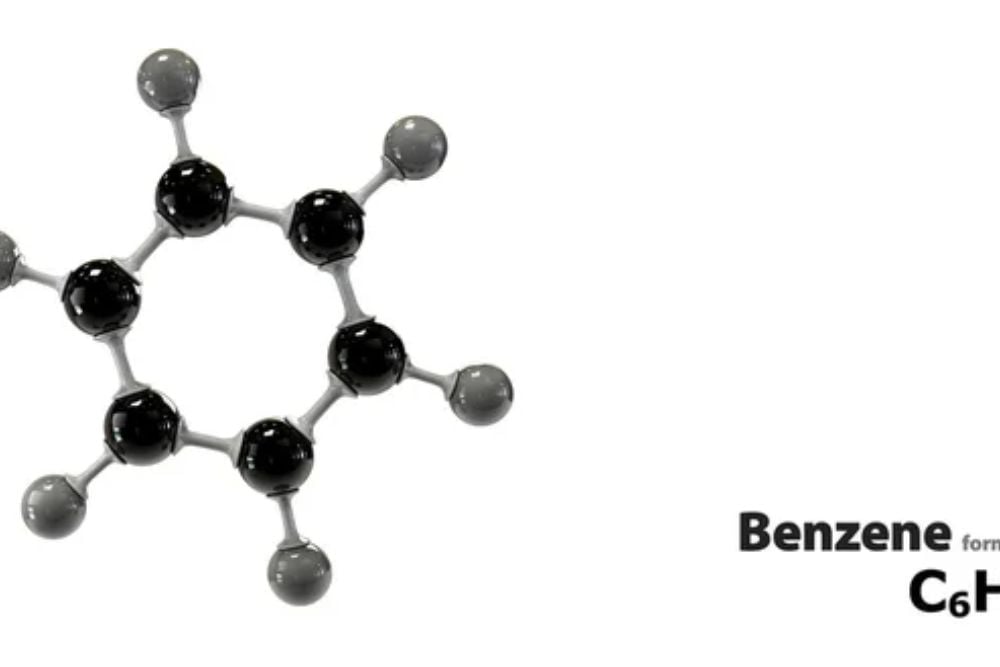
This sweet-smelling chemical once appeared in everything from aftershave to graphic arts supplies. Benzene was valued for its solvent properties and pleasant aroma, making it a common ingredient in household products throughout much of the 20th century.
It wasn’t until decades of use that its connection to leukemia and other blood disorders became impossible to ignore.
Mercury Thermometers

These seemingly innocent household medical devices contained significant amounts of mercury, one of the most potent neurotoxins known to science. A broken thermometer released mercury vapor and droplets that could cause serious neurological damage.
Despite these dangers, mercury thermometers remained standard in American homes until the early 2000s.
Like Go2Tutors’s content? Follow us on MSN.
Leaded Gasoline

For over 60 years, Americans fueled their cars with gasoline containing tetraethyl lead, a potent neurotoxin. The additive prevented engine knocking while slowly poisoning generations.
Even after its creator suffered hallucinations from lead exposure and workers at manufacturing plants died from toxic exposures, the additive remained in use until 1996 in the U.S.
Formaldehyde in Building Materials

This preservative and bonding agent was used extensively in particleboard, plywood, and insulation throughout the 20th century. Homes and offices filled with formaldehyde-laden materials released toxic vapors for years, causing respiratory issues and increased cancer risk.
Despite early warnings, these products remained standard building materials for decades.
Teflon with PFOA

The non-stick coating that revolutionized cooking contained perfluorooctanoic acid (PFOA), a chemical that persists indefinitely in the environment and human blood. DuPont continued manufacturing Teflon with PFOA for decades after discovering its toxicity and environmental persistence.
Only in the early 2000s did they begin phasing out this ‘forever chemical’ after mounting evidence of its health effects.
Like Go2Tutors’s content? Follow us on MSN.
Vinyl Chloride Products

This chemical, used to make PVC plastic products, was linked to a rare liver cancer in the 1970s after factory workers began dying at alarming rates. Rather than halt production, manufacturers simply implemented modest workplace safety improvements.
Vinyl chloride continued to be used in everything from pipes to shower curtains to children’s toys for decades afterward.
Talcum Powder with Asbestos
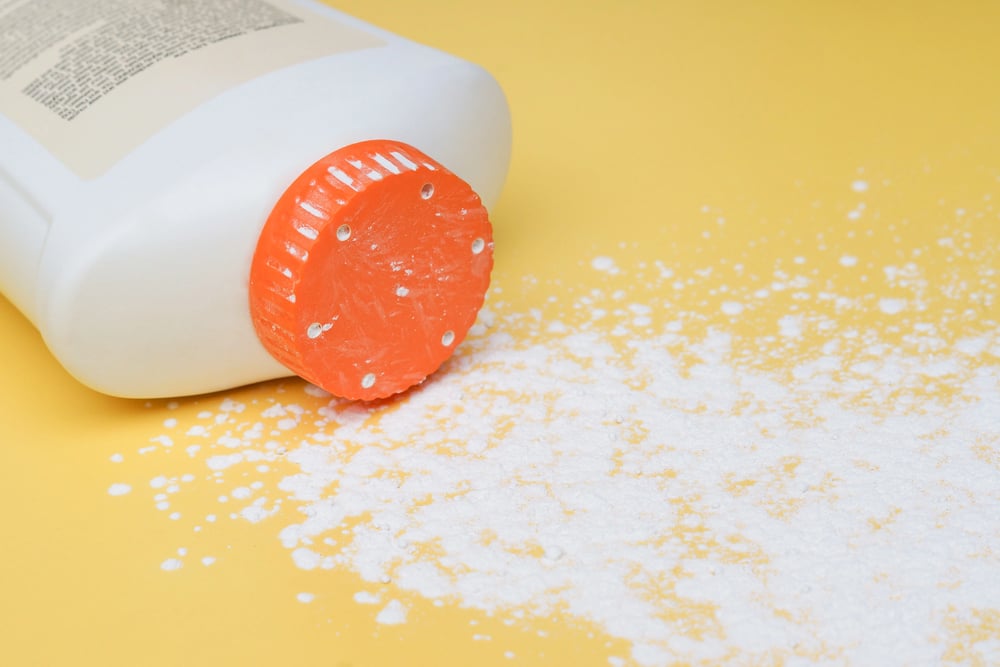
For generations, mothers dusted their babies with talcum powder, unaware it could contain asbestos due to natural co-formation in mines. Internal documents show some companies knew about potential contamination issues as early as the 1970s.
These products remained on shelves for decades before more stringent testing protocols were implemented.
Flame Retardants
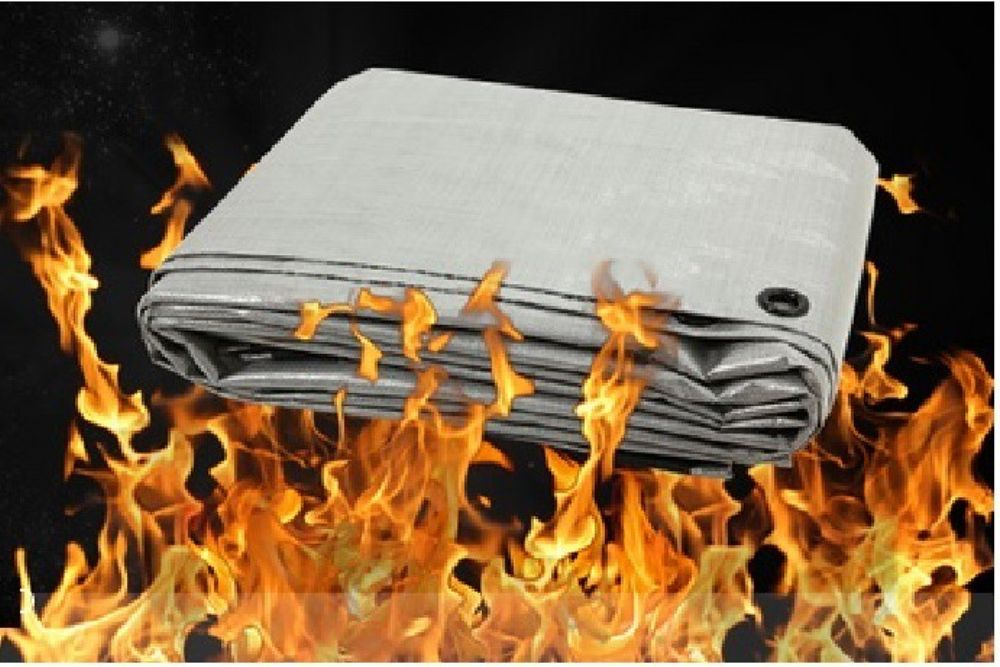
Starting in the 1970s, furniture, electronics, and children’s pajamas were doused with brominated flame retardants. These chemicals migrate into dust and bioaccumulate in our bodies.
Despite early evidence linking them to cancer, reproductive harm, and neurological problems, these chemicals remained widespread until the 2000s—and some are still in use today.
Like Go2Tutors’s content? Follow us on MSN.
Diethylstilbestrol (DES)
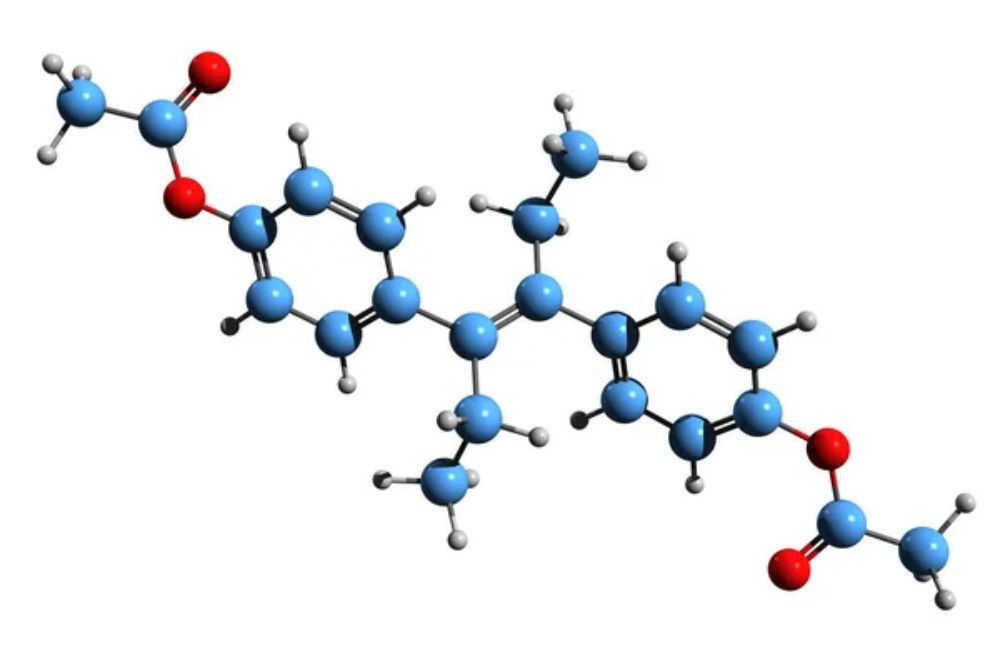
This synthetic estrogen was prescribed to millions of pregnant women from the 1940s through the 1970s to prevent miscarriage. Not only did it not work, but it also caused rare vaginal cancers, reproductive abnormalities, and other health problems in children exposed in the womb.
The FDA didn’t ban DES for pregnant women until 1971, decades after the first study linking it to cancer.
BPA in Food Containers

Bisphenol A revolutionized food packaging when it was introduced for plastic production in the 1950s. The hormone-disrupting chemical leaches into food and beverages, especially when heated.
Despite research linking it to reproductive issues, cancer, and metabolic disorders, BPA remained standard in food containers, baby bottles, and can linings for more than 50 years.
Roundup Weedkiller
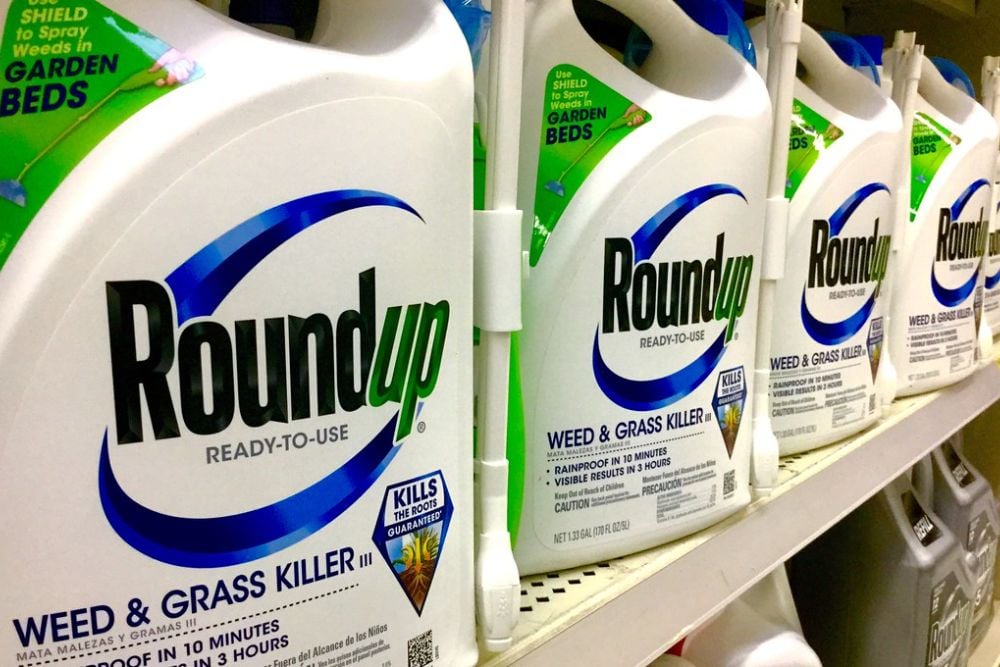
Since its introduction in 1974, Roundup has become the world’s most widely used herbicide. For decades, manufacturer Monsanto maintained it was practically non-toxic to humans.
Recent litigation has unveiled evidence suggesting the company may have influenced research and regulatory decisions while thousands of users developed non-Hodgkin’s lymphoma after years of exposure.
Like Go2Tutors’s content? Follow us on MSN.
Tanning Beds

Commercial tanning beds hit the market in the late 1970s and were promoted as a ‘safe’ way to achieve a year-round tan. Despite mounting evidence of their link to skin cancer—especially melanoma—these devices remained unregulated for decades.
Even after the World Health Organization classified them as carcinogenic in 2009, tanning beds continue to be available in many states with minimal restrictions.
The Price of Progress

Looking back at these products reveals an unsettling pattern: scientific evidence of harm often takes a backseat to commercial interests. Many of these items remained on shelves not because we lacked evidence of their dangers, but because that evidence was downplayed, disputed, or simply ignored.
As consumers in today’s market, perhaps the most important lesson is that regulatory approval doesn’t always mean something is safe—especially in the long term.
More from Go2Tutors!

- The Romanov Crown Jewels and Their Tragic Fate
- 13 Historical Mysteries That Science Still Can’t Solve
- Famous Hoaxes That Fooled the World for Years
- 15 Child Stars with Tragic Adult Lives
- 16 Famous Jewelry Pieces in History
Like Go2Tutors’s content? Follow us on MSN.