16 Hairstyles That Indicated Social Status
Throughout history, hairstyles have served as powerful social signals, broadcasting everything from wealth and rank to marital status and religious beliefs. A person’s hairdo could instantly reveal whether they were royalty or peasant, married or single, rebellious or conformist. These elaborate styles often required hours of preparation, expensive materials, and skilled servants—making them the ultimate status symbols.
What’s remarkable is how specific and rigid these hair codes were across different cultures and time periods. Here is a list of 16 hairstyles that clearly indicated social status throughout history.
Egyptian Pharaonic Wigs

Ancient Egyptian royalty wore elaborate wigs made from human hair, sheep’s wool, and palm fibers, often adorned with gold ornaments and precious stones. The more complex and expensive the wig, the higher the wearer’s status in the rigid Egyptian hierarchy.
Common people either went bald or wore simple linen caps, making the distinction between ruler and subject immediately obvious.
Roman Toga-Style Hair
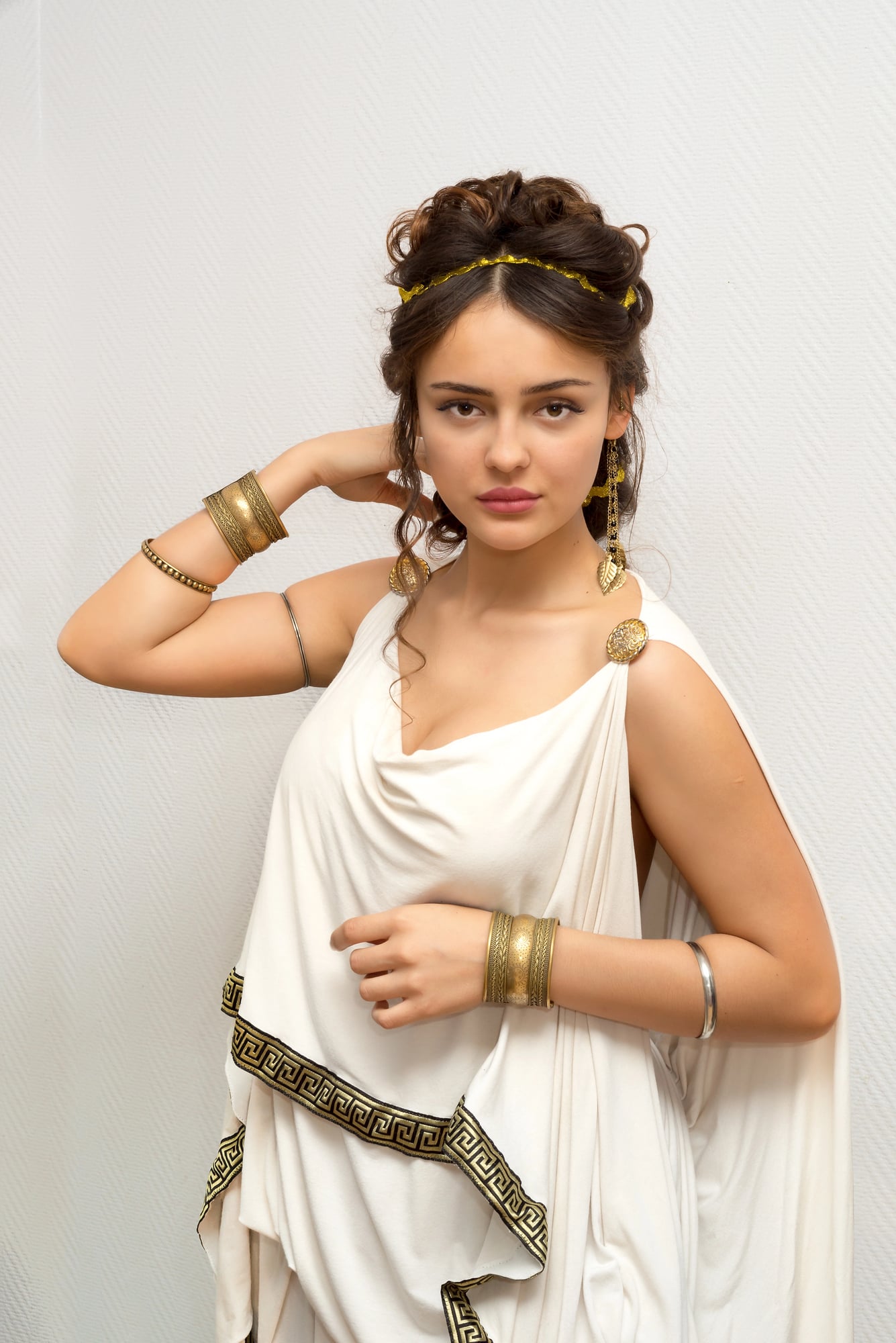
Wealthy Roman women created towering hairstyles that required teams of skilled slaves called ornatrices to construct and maintain. These gravity-defying creations involved intricate braiding, fake hairpieces, and wire frameworks that could take hours to assemble each morning.
Poor Roman women simply braided their hair or pinned it back, unable to afford the time or servants necessary for elaborate styling.
Medieval Hennin Headdresses
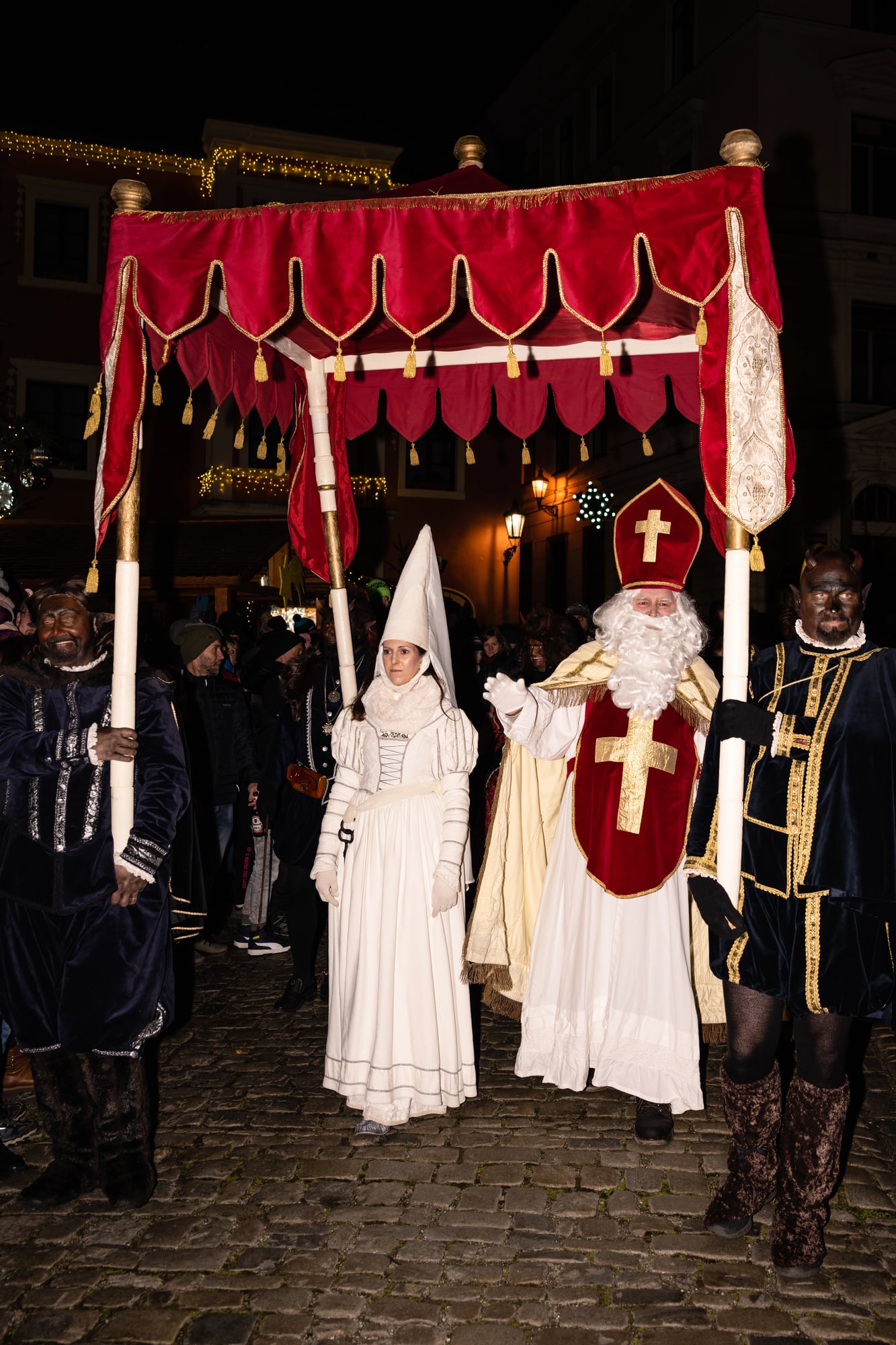
The pointed cone-shaped hennin worn by medieval noblewomen could reach heights of over three feet, making doorways a constant challenge. These towering fabric cones required expensive materials like silk and velvet, plus elaborate veils that cost more than most people’s annual income.
Peasant women wore simple cloth caps or left their hair uncovered, creating an unmistakable class divide.
Japanese Geisha Shimada
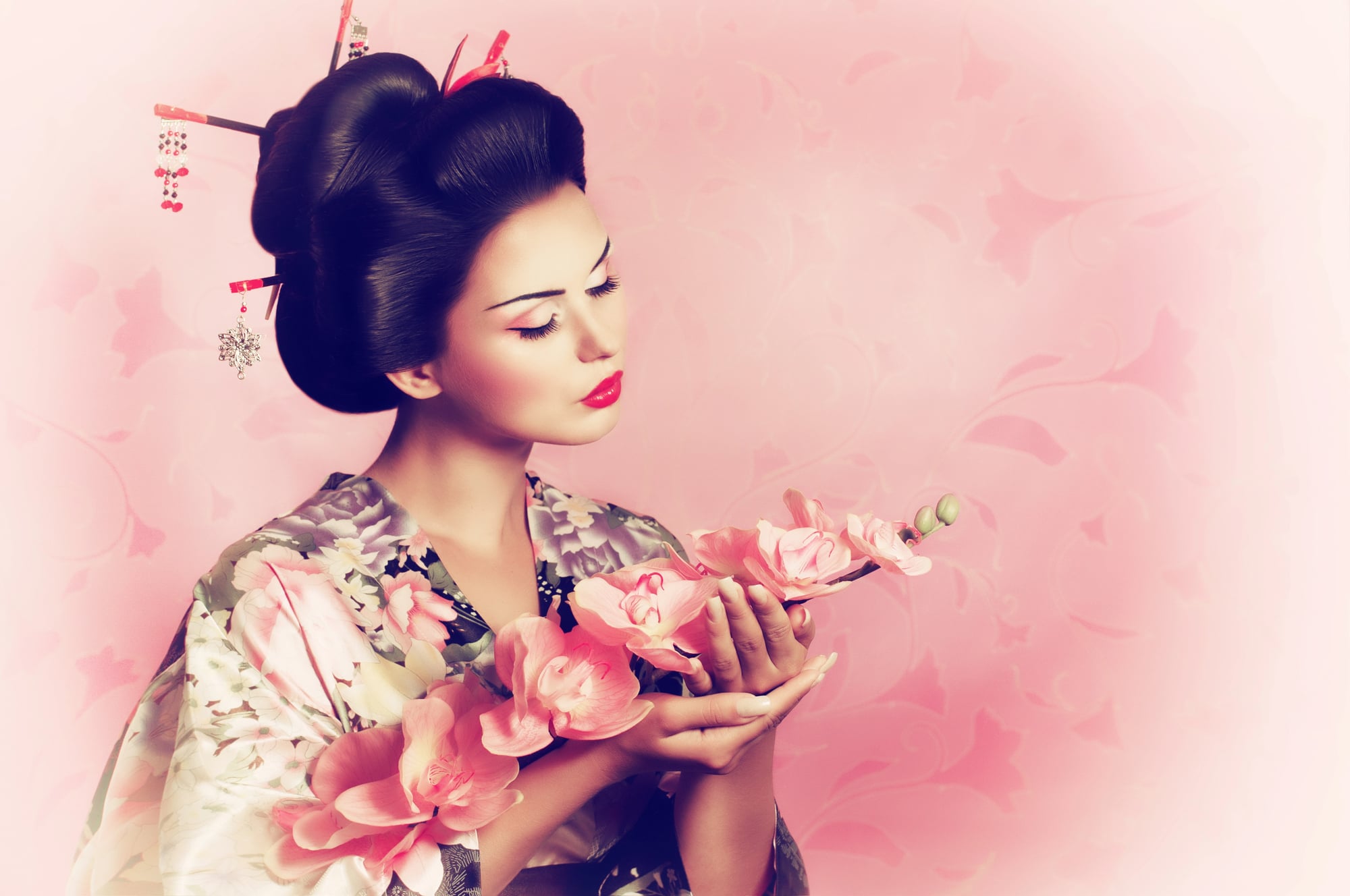
The complex shimada hairstyle required professional hairdressers and could take up to six hours to complete, using expensive combs, pins, and ornamental flowers. Only wealthy courtesans and geishas could afford both the time and cost of maintaining these intricate styles that needed weekly reconstruction.
Working-class Japanese women wore their hair in simple buns or braids that they could manage themselves.
Georgian Powdered Wigs
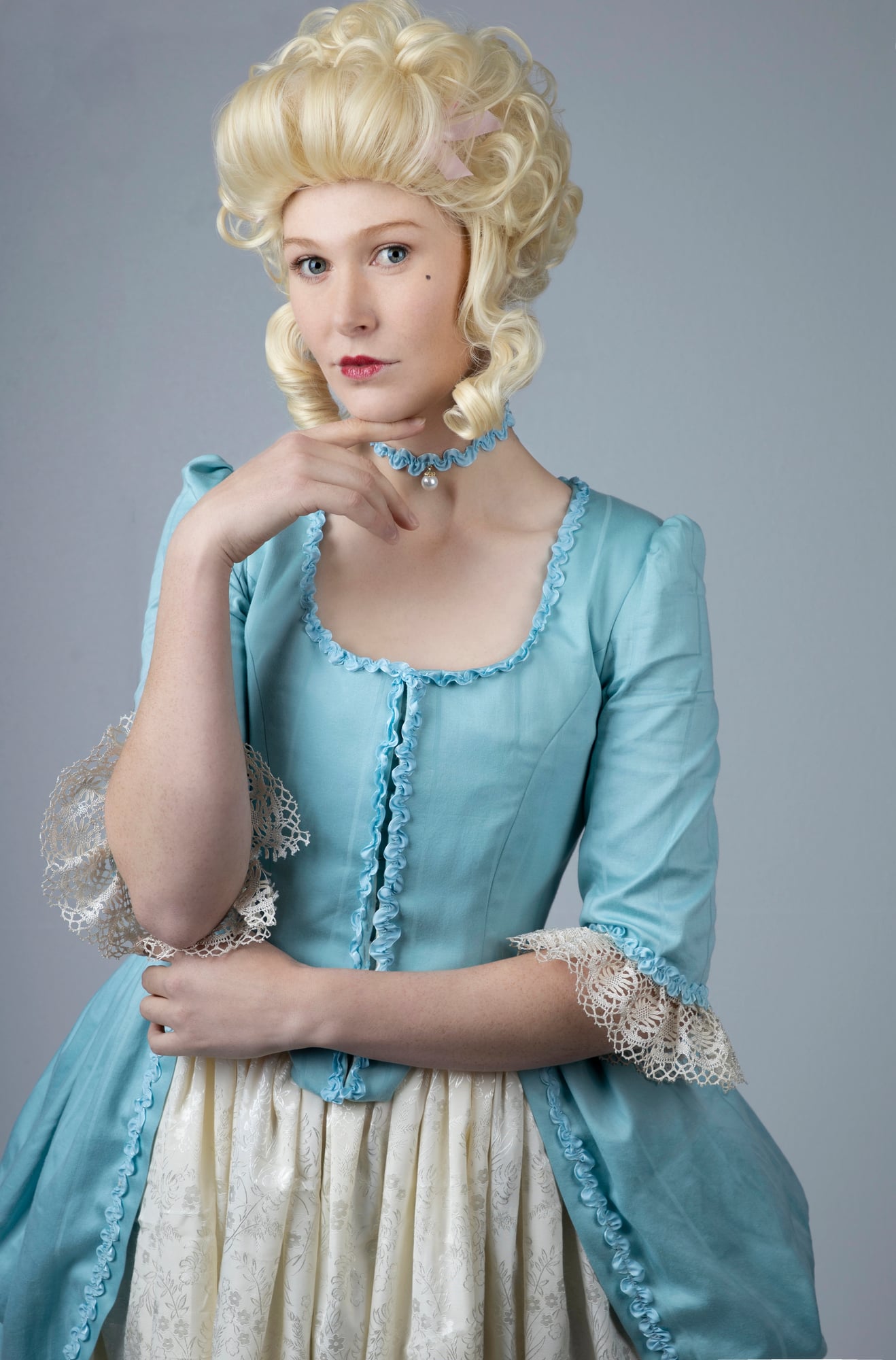
Eighteenth-century European aristocrats wore towering powdered wigs that consumed pounds of flour, pomade, and white powder daily. These elaborate creations often harbored insects and required professional maintenance, making them affordable only to the wealthy elite.
The higher and more ornate the wig, the more prestigious the wearer, while common folk kept their natural hair or wore simple caps.
Chinese Manchu Queue
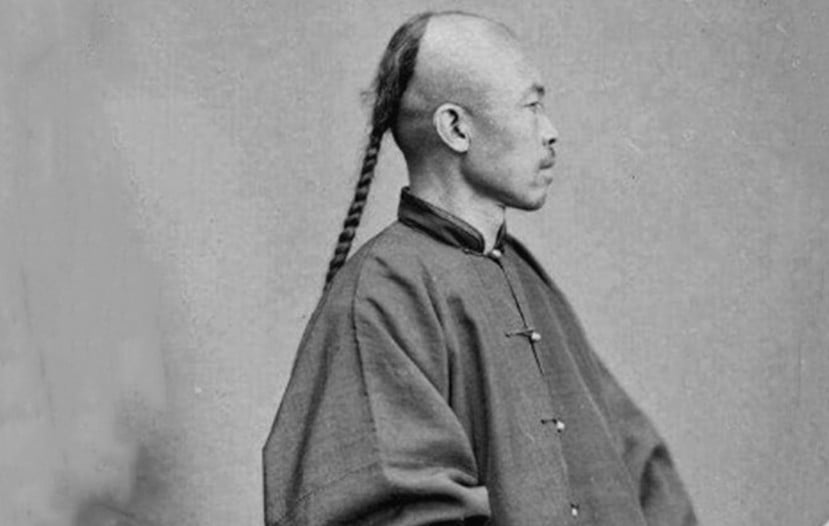
During the Qing Dynasty, Chinese men were forced to wear the queue—a shaved forehead with a long, braided ponytail—as a symbol of submission to Manchu rule. The quality and ornamentation of the queue indicated social rank, with wealthy merchants and officials adding silk ribbons and jade ornaments.
Refusing to wear the queue was considered treason, making this hairstyle both a status symbol and a political statement.
Victorian Chignon
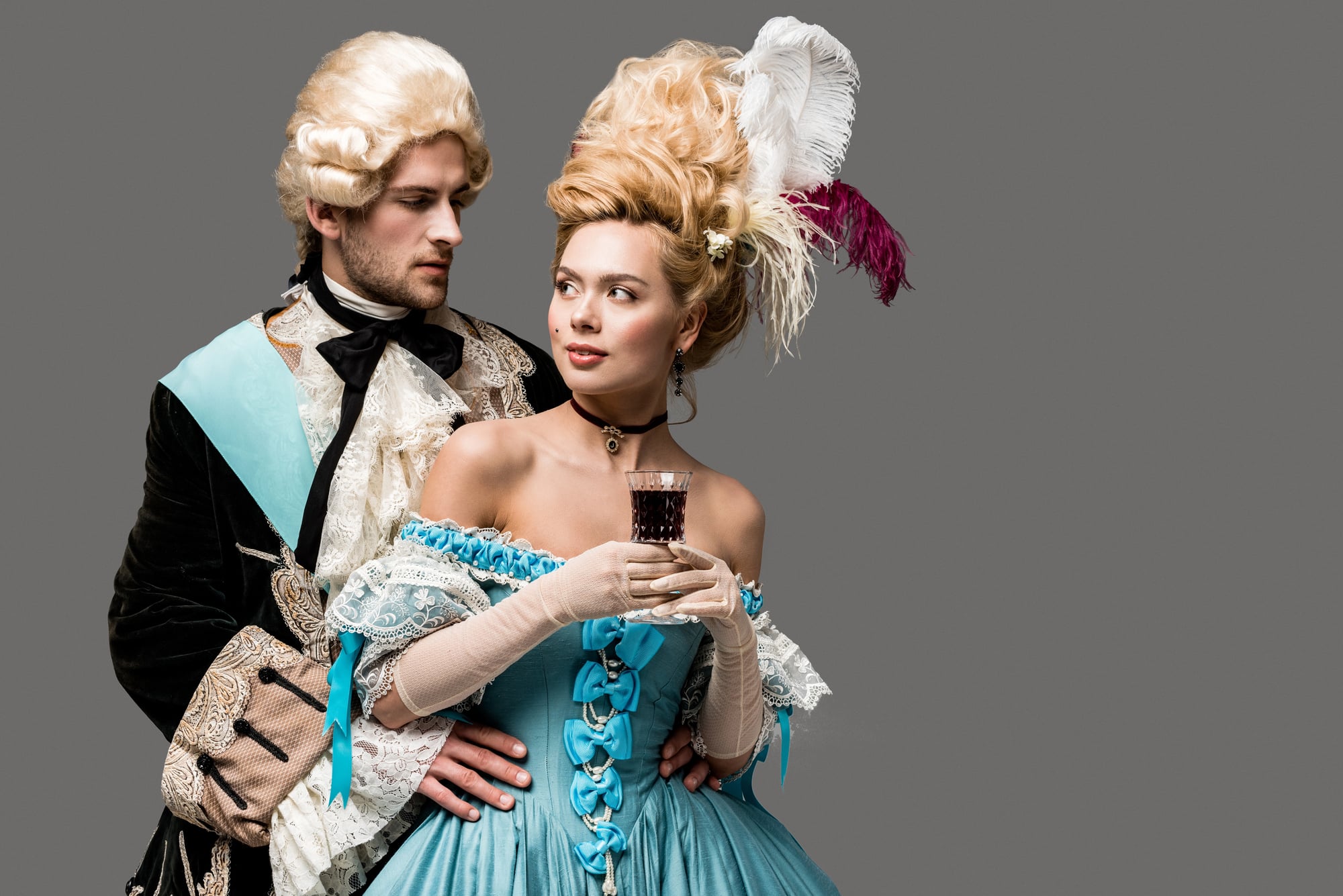
Upper-class Victorian women spent hours creating elaborate chignons that required hairpieces, padding, and dozens of pins to achieve the perfect silhouette. These styles demanded personal maids and expensive accessories like tortoiseshell combs and decorative pins made from precious metals.
Working women couldn’t afford the time or materials for such elaborate styling, settling for simple braids or buns.
Native American War Bonnets
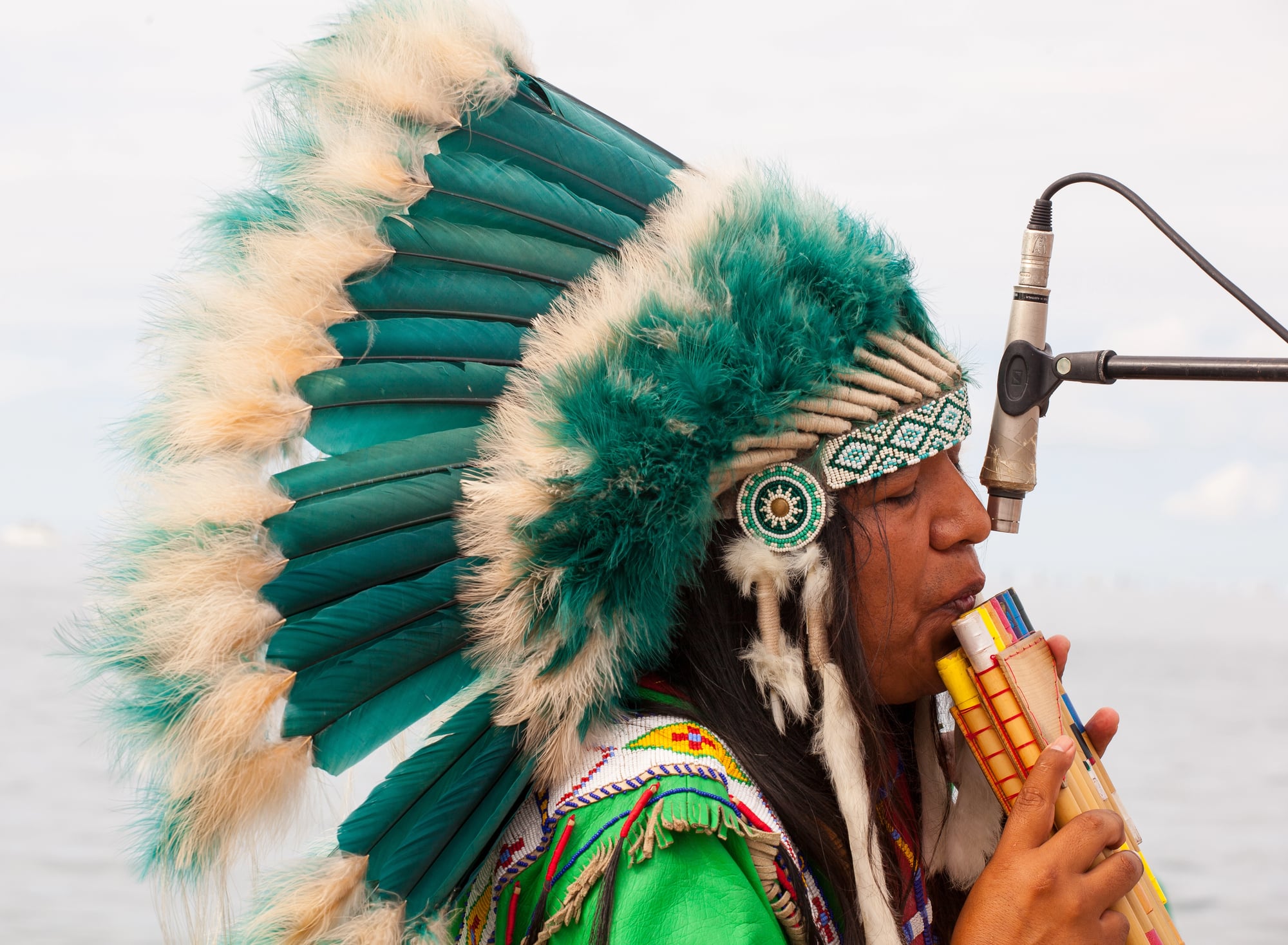
Plains Indian war bonnets were earned through acts of bravery and could only be worn by respected warriors and chiefs. Each feather represented a specific brave deed, and the most elaborate bonnets contained dozens of eagle feathers that took years to accumulate.
These sacred headdresses immediately identified the wearer’s rank and achievements within the tribal hierarchy.
Elizabethan Court Wigs
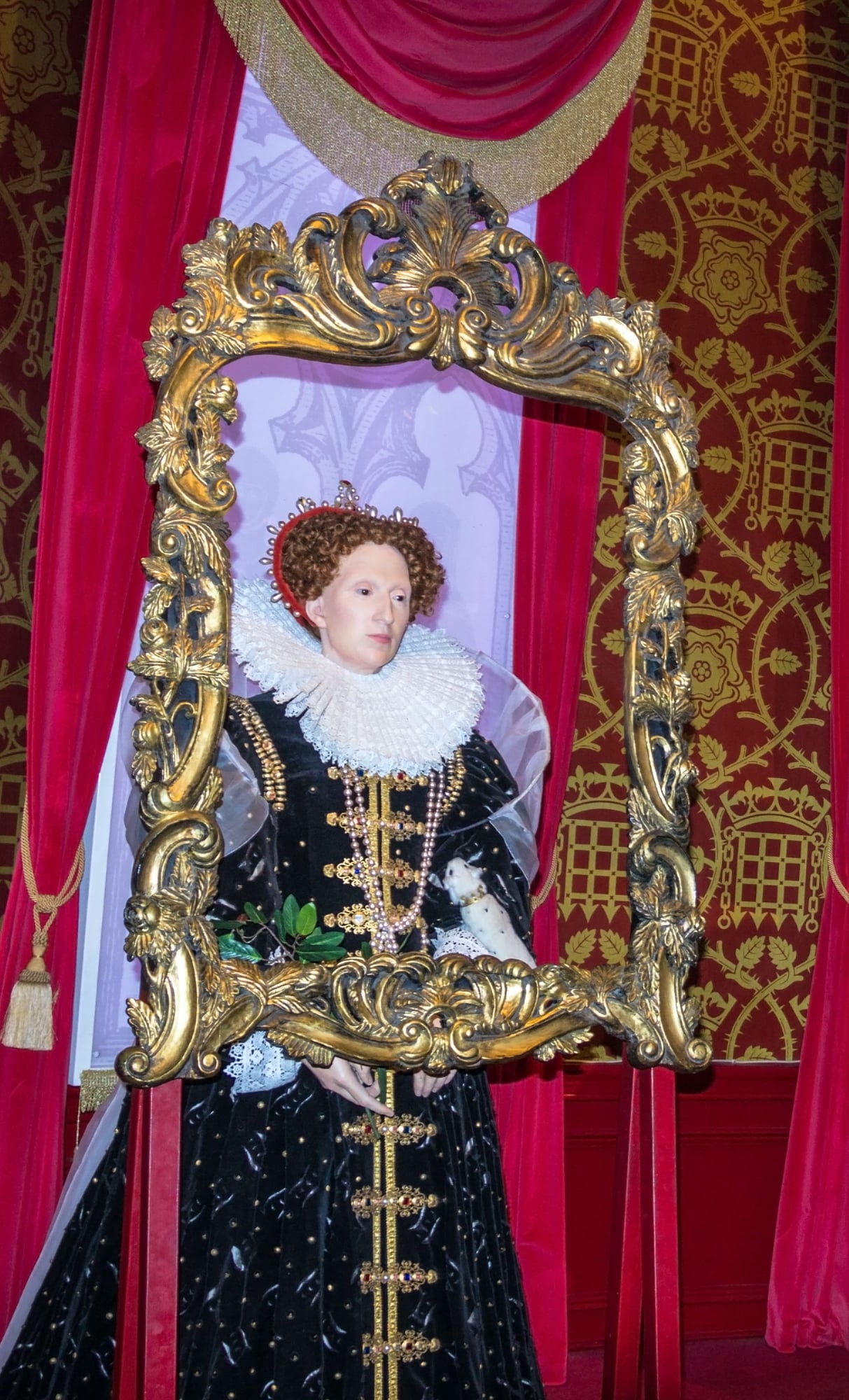
Queen Elizabeth I’s elaborate red wigs set the standard for English court fashion, with noble ladies competing to create the most impressive artificial hairpieces. These wigs required skilled wigmakers, expensive human hair, and constant maintenance to achieve the queen’s signature look.
The size and ornamentation of courtly wigs directly reflected the wearer’s proximity to royal favor and wealth.
French Pouf Hairstyles
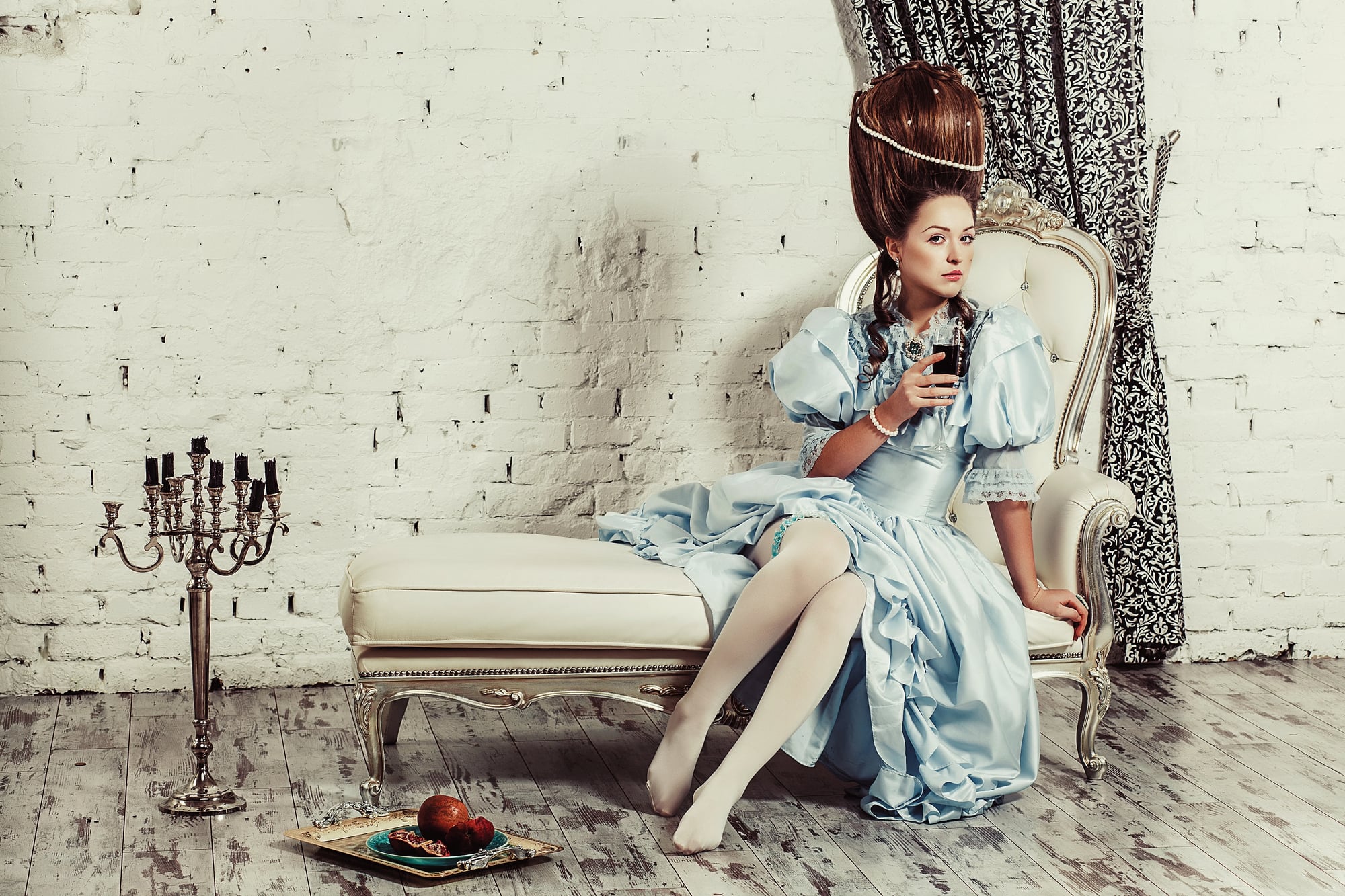
Marie Antoinette popularized towering pouf hairstyles that could reach three feet high and were decorated with miniature ships, gardens, and even bird cages. These architectural marvels required teams of hairdressers and cost more than most people earned in a year to create and maintain.
The more outrageous and expensive the pouf, the higher the lady’s standing in Versailles society.
Regency Spencer Curls
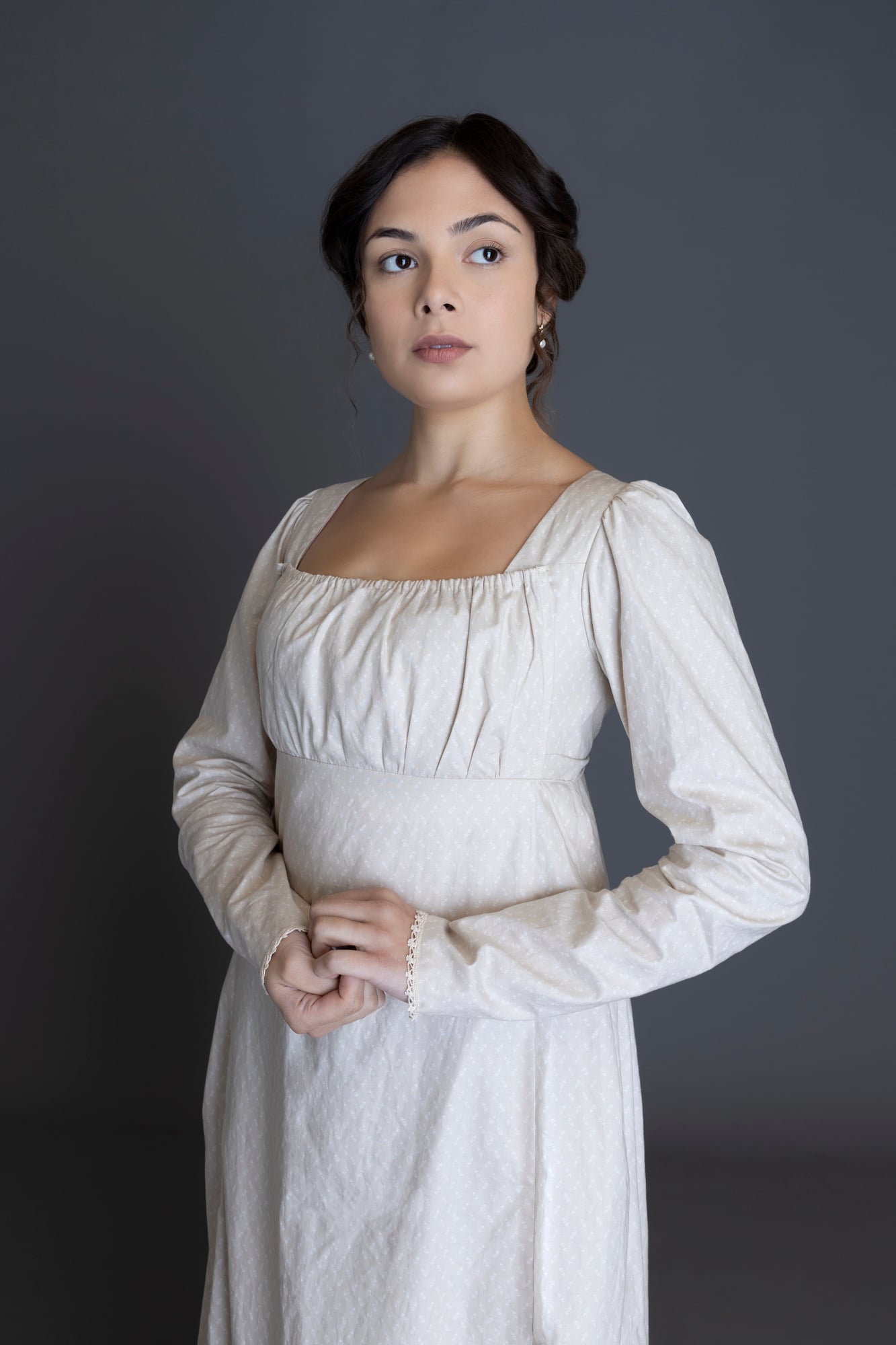
During the Regency period, fashionable women wore tight ringlet curls that required nightly preparation with curl papers and hours of styling each morning. These perfectly uniform curls were nearly impossible to achieve without a lady’s maid and expensive styling tools.
The precision and uniformity of the curls served as a clear indicator of wealth and leisure time.
Ottoman Turban Styles
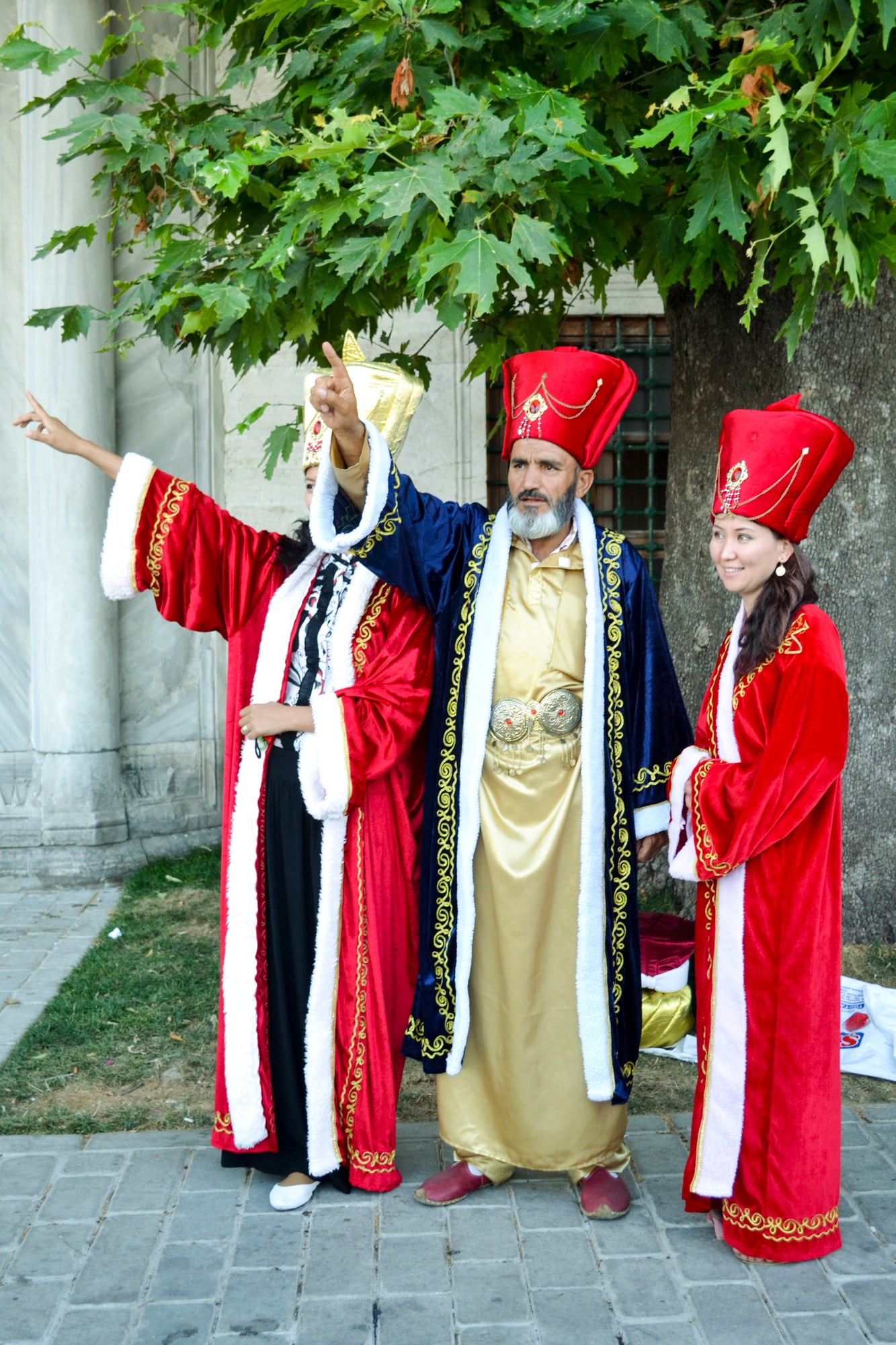
In the Ottoman Empire, the size, fabric, and ornamentation of men’s turbans indicated their exact rank in the complex bureaucratic hierarchy. High-ranking officials wore turbans made from the finest silk with jeweled ornaments, while lower officials wore simpler versions.
The turban’s height was strictly regulated by law, with only the Sultan permitted to wear the tallest and most elaborate styles.
Ancient Greek Victory Wreaths
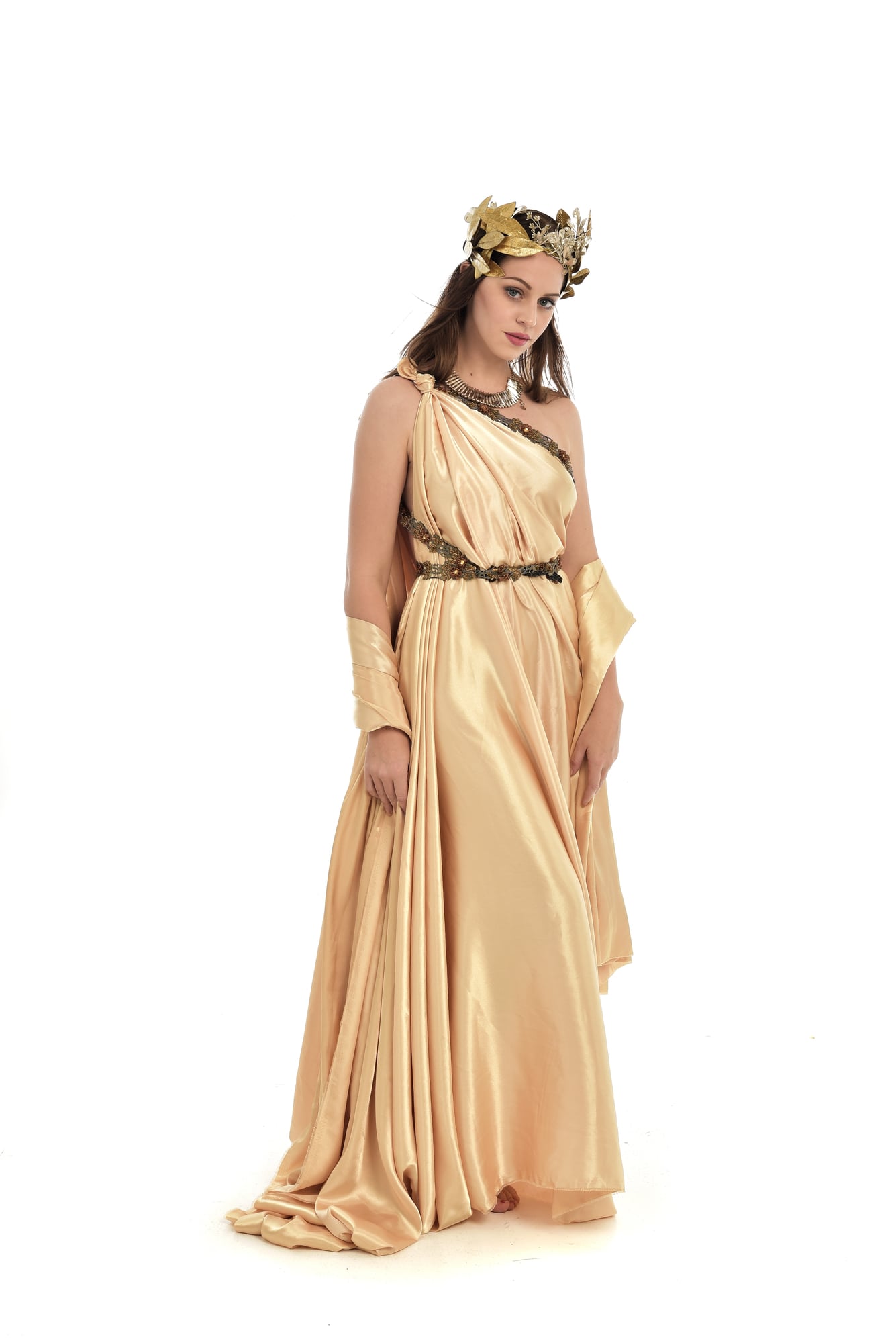
Greek athletes and poets who won competitions received wreaths made from specific plants like laurel or olive branches, indicating their achievements and elevated status. These natural crowns were temporary but highly prestigious, instantly identifying the wearer as someone who had achieved excellence in their field.
Regular citizens went bare-headed or wore simple cloth bands, making victors easily recognizable in public.
Sikh Turban Traditions
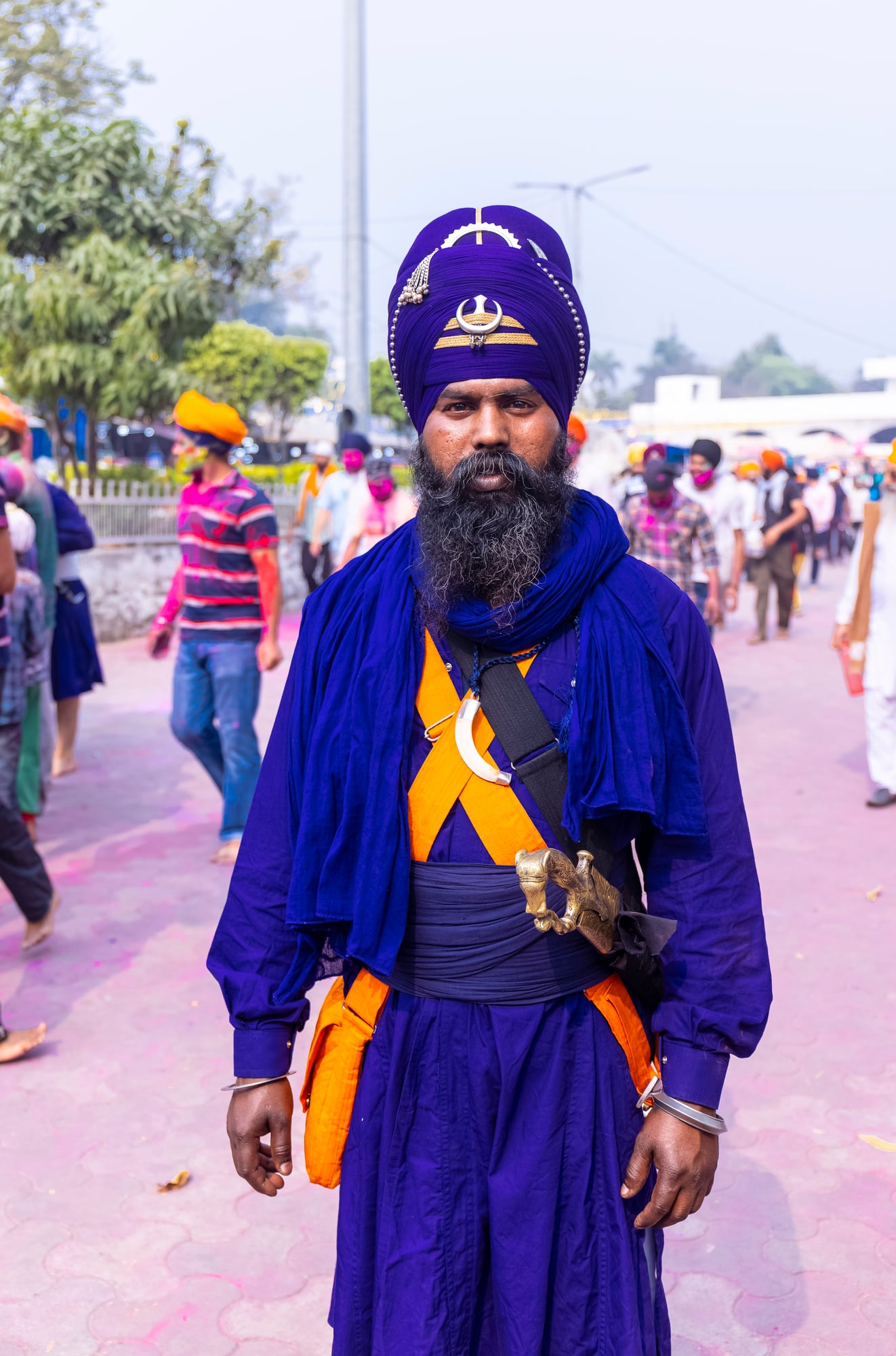
Sikh men’s turbans indicate not just religious devotion but also social standing within the community, with different colors and tying styles conveying specific meanings. Wealthy Sikhs could afford expensive silk turbans in vibrant colors, while working-class men wore simpler cotton versions.
The turban’s quality and style immediately communicated the wearer’s economic status and religious dedication.
Korean Royal Topknots

During the Joseon Dynasty, Korean men’s topknot styles were strictly regulated by social class, with specific heights and ornaments reserved for different ranks. Royal family members wore the highest topknots with expensive jade and gold ornaments, while commoners were limited to simple styles.
The government actually passed laws dictating who could wear which topknot style, making hair a matter of legal compliance.
Aztec Feathered Headdresses
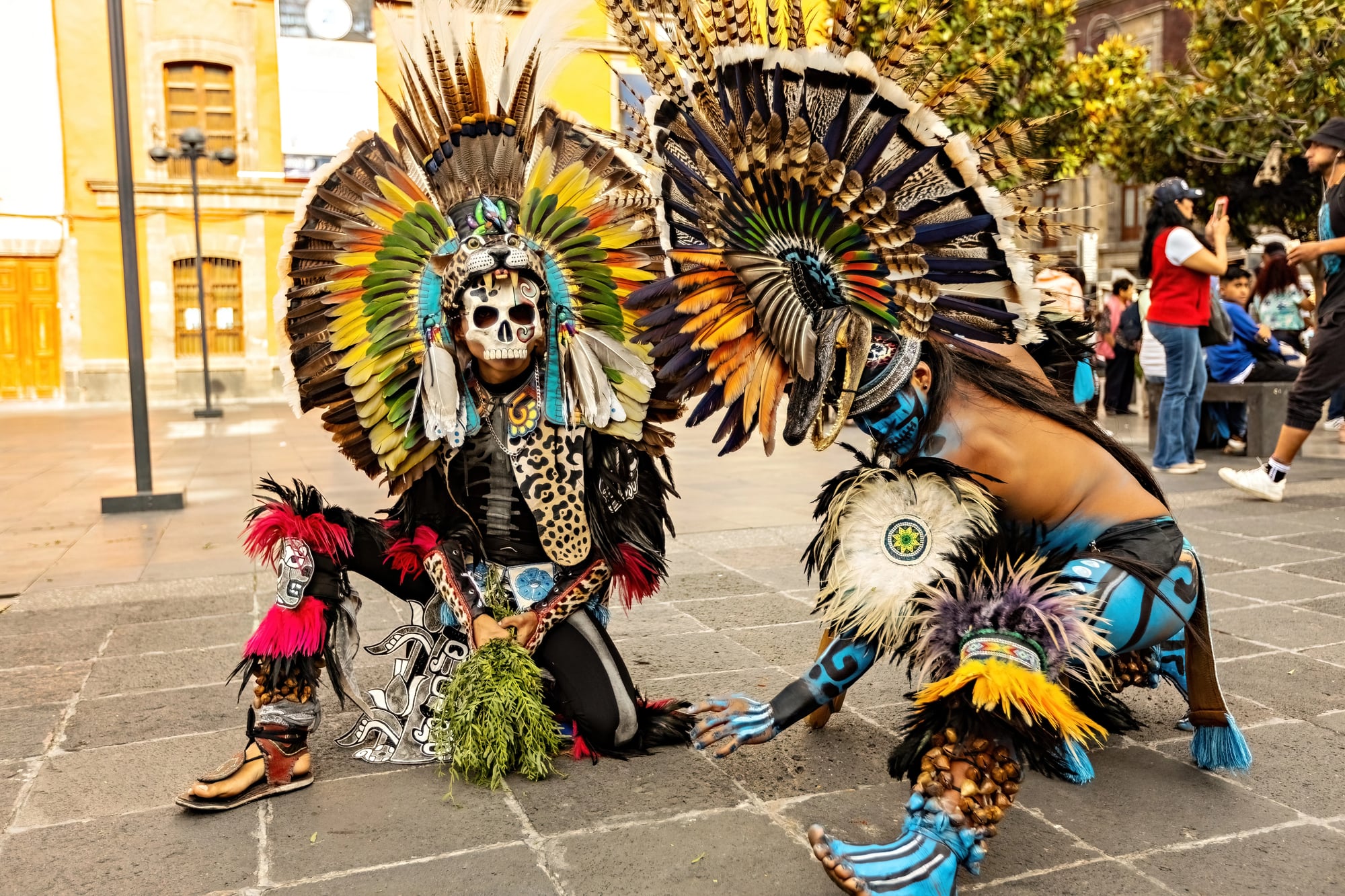
Aztec nobility wore elaborate headdresses made from thousands of exotic bird feathers, with the most prestigious pieces requiring feathers from distant tropical regions. These magnificent creations took master craftsmen months to complete and cost enormous sums that only the wealthy could afford.
The variety and rarity of feathers used immediately identified the wearer’s position in Aztec society.
When Hair Defined Your Place

These historical hairstyles remind us that fashion has always been about more than looking good—it’s been about belonging and hierarchy. Each elaborate curl, towering wig, or sacred feather served as a visual shorthand for complex social systems that determined everything from marriage prospects to legal rights.
While we might chuckle at three-foot-tall powdered wigs today, they performed the same function as luxury brands and status symbols do now. The next time you spend money on a haircut or styling product, remember that you’re participating in an ancient human tradition of using appearance to communicate identity and aspiration.
More from Go2Tutors!

- The Romanov Crown Jewels and Their Tragic Fate
- 13 Historical Mysteries That Science Still Can’t Solve
- Famous Hoaxes That Fooled the World for Years
- 15 Child Stars with Tragic Adult Lives
- 16 Famous Jewelry Pieces in History
Like Go2Tutors’s content? Follow us on MSN.



