15 Powerful Photos Of History Being Made
Some moments in history get captured in a single frame that changes how we see the world. These aren’t just pictures stored in books or hanging in museums.
They’re windows into specific seconds when everything shifted, when ordinary people faced extraordinary circumstances, or when the course of human events took a sharp turn. Let’s look at some photographs that froze time at its most critical moments.
The Tank Man At Tiananmen Square
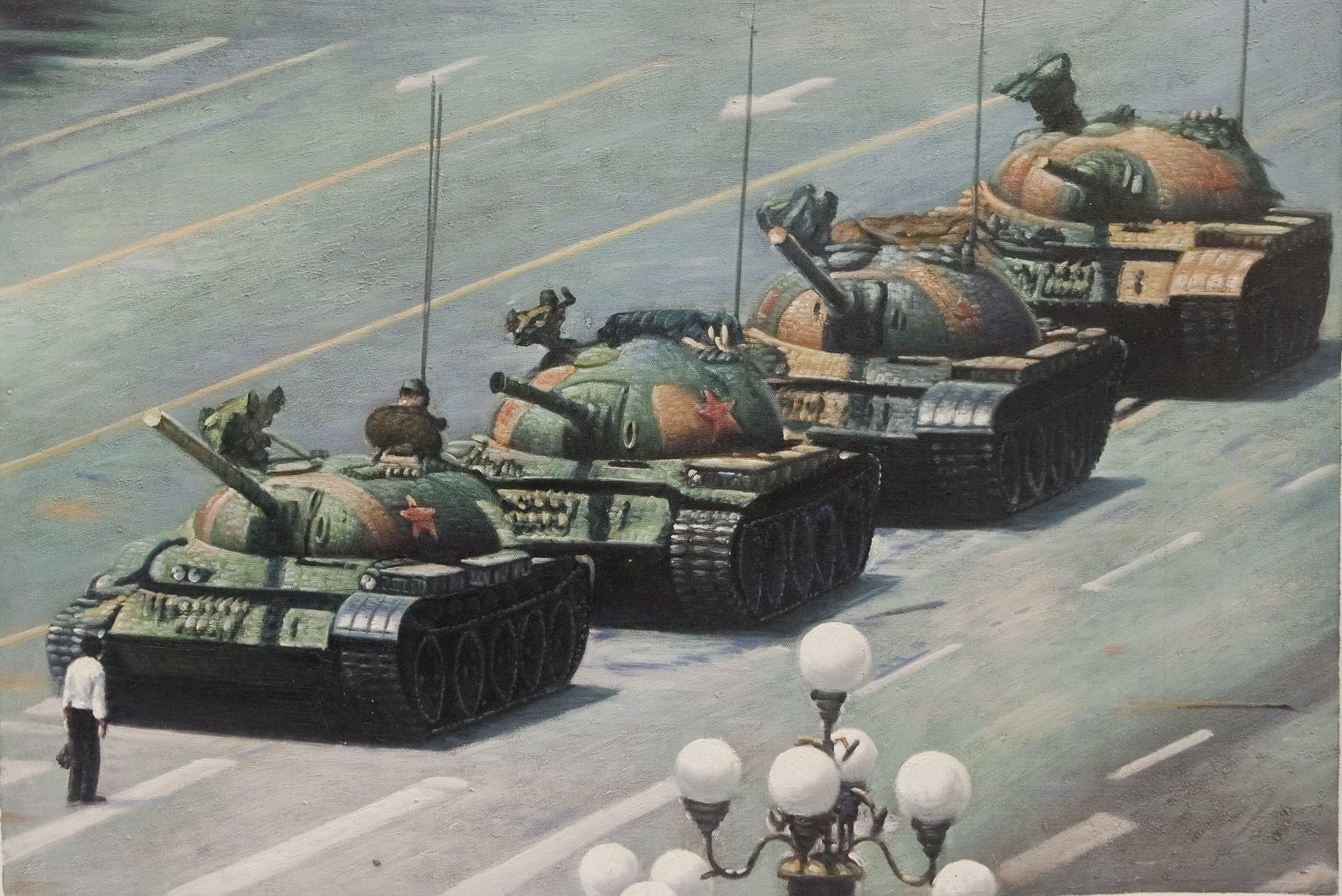
A lone figure stood in front of a column of tanks in Beijing on June 5, 1989, the day after the Chinese military violently cleared student protesters from Tiananmen Square. The man, whose identity remains unknown, blocked the tanks’ path by simply standing there with shopping bags in his hands.
When the lead tank tried to go around him, he moved to block it again. This act of peaceful resistance against overwhelming military force was captured by multiple photographers and became one of the most recognized images of individual courage.
The Hindenburg Disaster
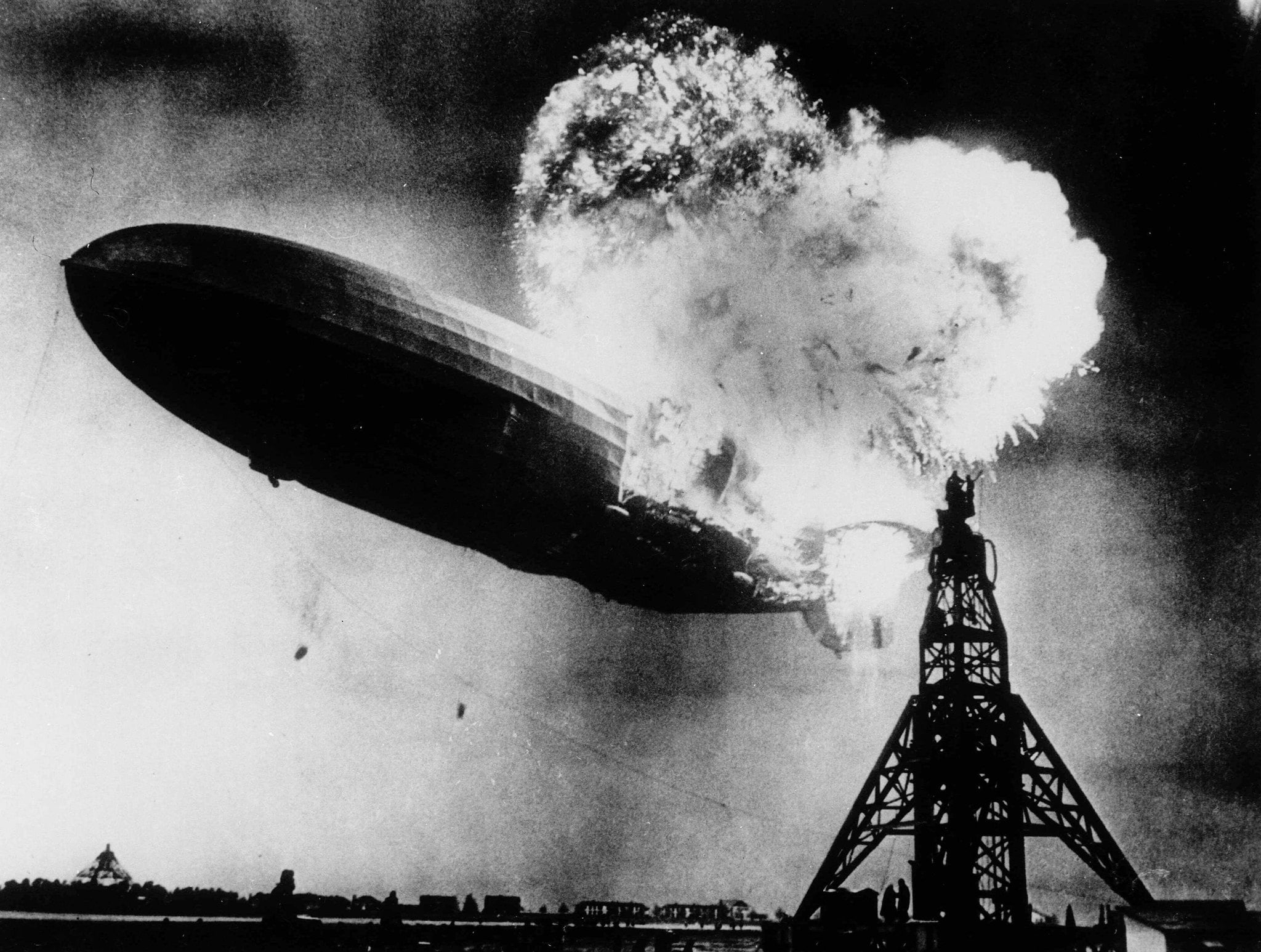
The German passenger airship Hindenburg burst into flames while trying to dock in New Jersey on May 6, 1937, killing 36 people in less than a minute. Photographer Sam Shere captured the moment the hydrogen-filled aircraft became engulfed in fire, with people still visible in the windows and on the ground below scrambling to escape.
The disaster happened so quickly that Shere barely had time to aim his camera before the massive airship was consumed. This single photograph effectively ended the era of passenger airships and changed how people thought about air travel safety forever.
Raising The Flag On Iwo Jima
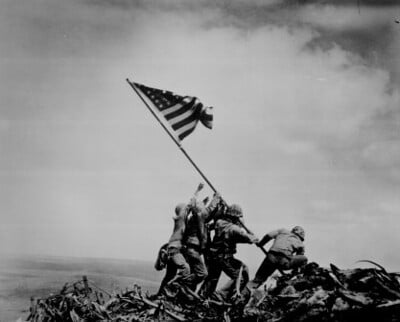
Six Marines raised the American flag on Mount Suribachi during the Battle of Iwo Jima on February 23, 1945, and Associated Press photographer Joe Rosenthal captured the exact moment. The image became the most reproduced photograph in history and inspired the Marine Corps War Memorial in Washington.
What many people don’t know is that this was actually the second flag raised that day because commanders wanted a larger flag that could be seen across the island. Three of the six men in the photograph died in battle before the island was secured weeks later.
The Falling Man
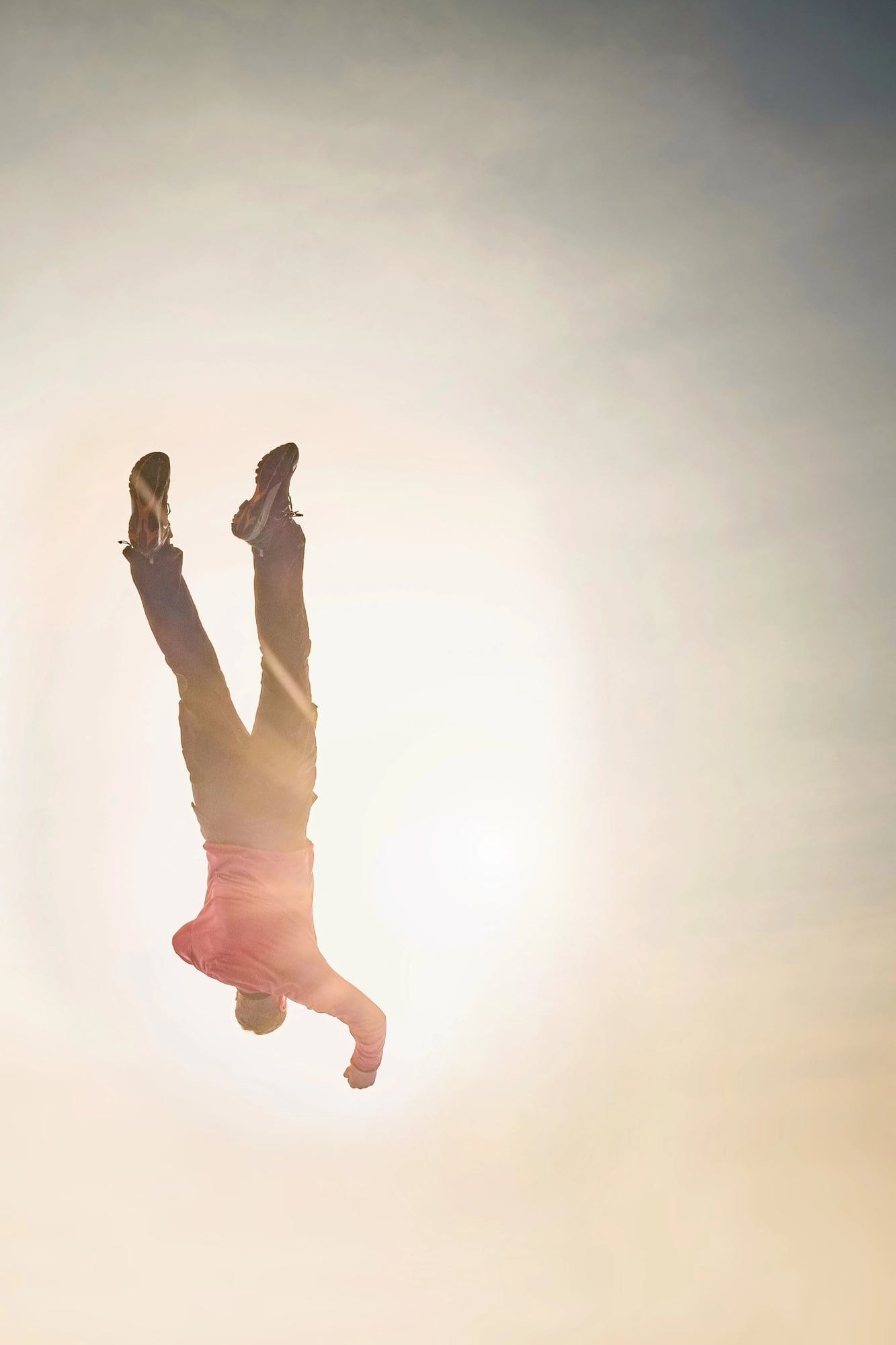
On September 11, 2001, Associated Press photographer Richard Drew captured an unidentified man falling from the North Tower of the World Trade Center. The man appears almost peaceful in the image, falling straight down with his body vertical against the building’s vertical lines.
At least 200 people jumped or fell from the burning towers that day, but this particular photograph sparked intense debate about whether such images should be published. Many newspapers ran it once and never again because readers found it too disturbing, yet it remains one of the most powerful documents of that tragic day.
The Burning Monk
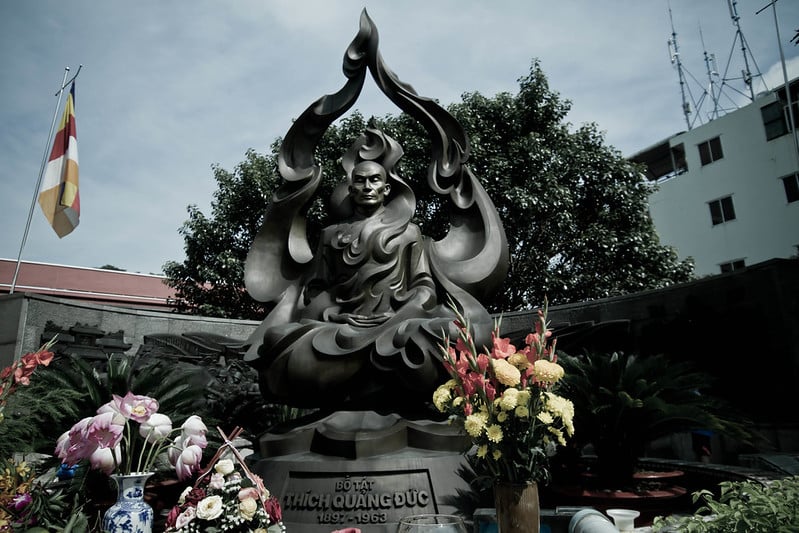
Vietnamese Buddhist monk Thích Quảng Đức set himself on fire at a busy Saigon intersection on June 11, 1963, to protest the South Vietnamese government’s persecution of Buddhists. Journalist Malcolm Browne photographed the monk sitting perfectly still in the lotus position as flames consumed his body.
Not a single sound came from the burning monk, who remained motionless until his body toppled over. President John F. Kennedy later said no news picture in history had generated more emotion around the world, and the image helped turn American public opinion against the Vietnam War.
Lunch Atop A Skyscraper
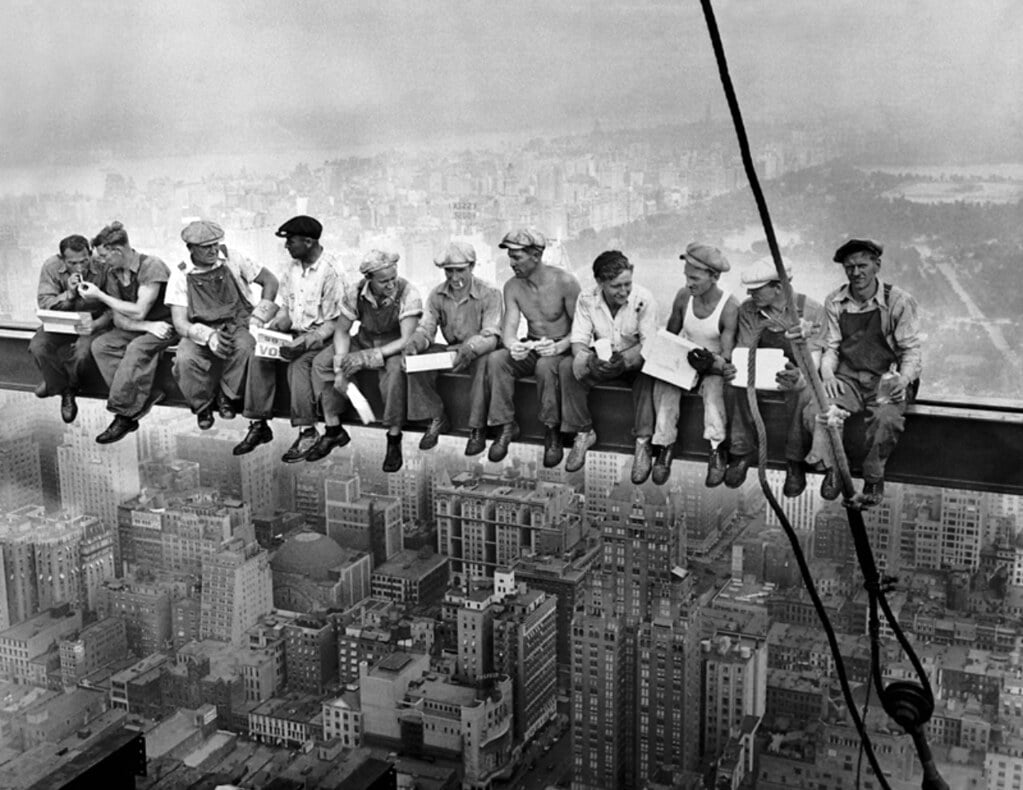
Eleven construction workers sat on a steel beam 850 feet above New York City in 1932, eating lunch and chatting as if they were sitting in a park instead of dangling above certain death. The photograph was taken during construction of Rockefeller Center and shows the men completely relaxed, some even lighting cigarettes, with nothing but air between them and the street far below.
For decades, people assumed the photo was staged or faked, but it was real, capturing how construction workers of that era simply got used to working at deadly heights without safety equipment.
The Napalm Girl
Nine-year-old Phan Thị Kim Phúc ran down a road near Trang Bang, Vietnam, on June 8, 1972, after South Vietnamese planes mistakenly dropped napalm on her village. Associated Press photographer Nick Ut captured her running unclothed, her clothes burned off, screaming in pain with other children fleeing beside her.
Ut stopped taking pictures to help the children, driving them to a hospital where Kim Phúc received treatment for burns covering 30 percent of her body. The photograph helped accelerate the end of American involvement in Vietnam and won the Pulitzer Prize, while Kim Phúc survived and eventually became a peace activist.
Earthrise From The Moon
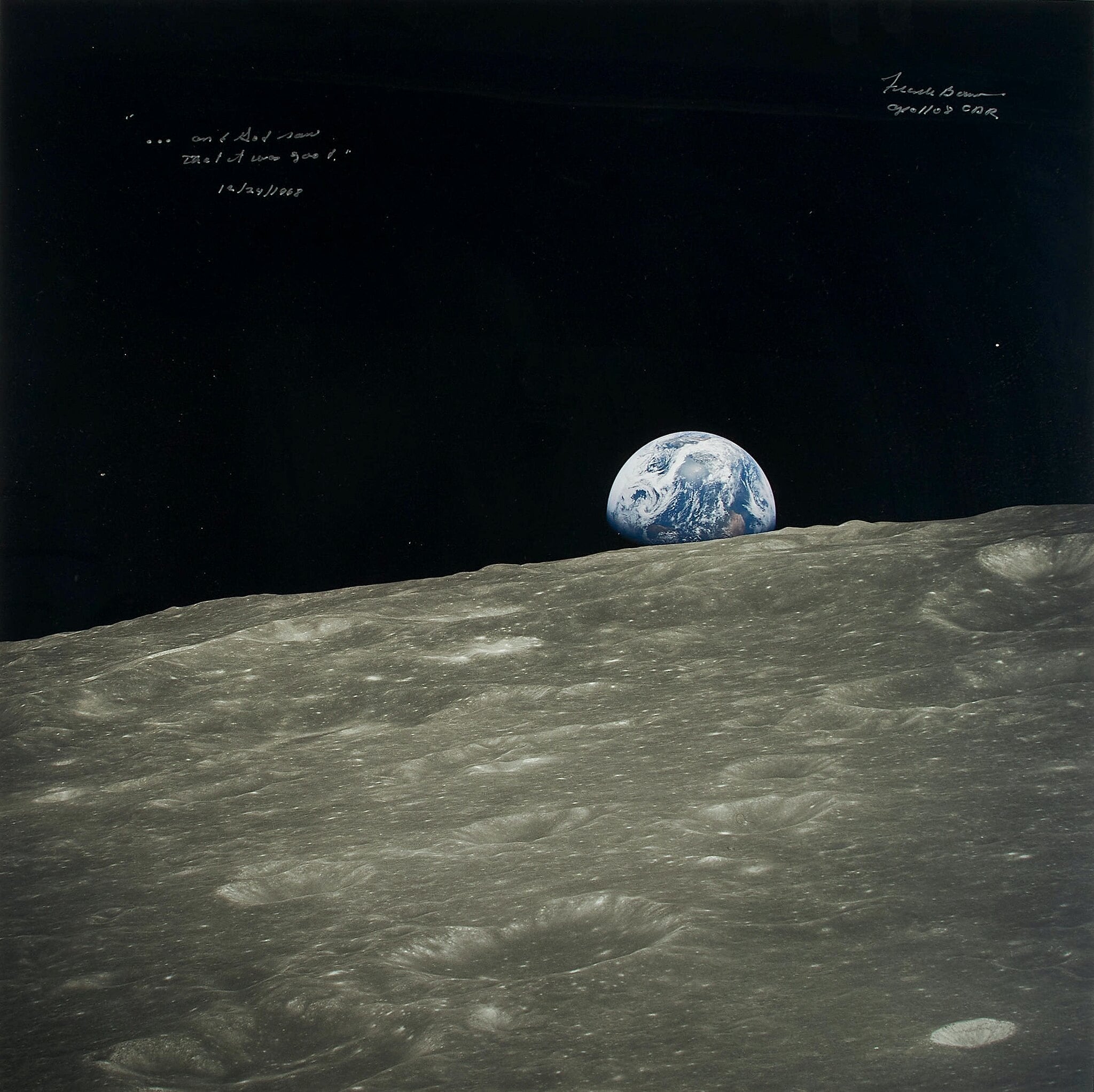
Apollo 8 astronaut William Anders took a color photograph of Earth rising over the moon’s horizon on December 24, 1968, the first time humans had ever seen their home planet from another world. The image shows Earth as a small, fragile blue and white sphere floating in the blackness of space above the barren lunar landscape.
Environmental activists credit this photograph with launching the modern environmental movement because it made people realize how isolated and vulnerable our planet really is. Anders later said they came all the way to explore the moon but ended up discovering Earth.
The Migrant Mother
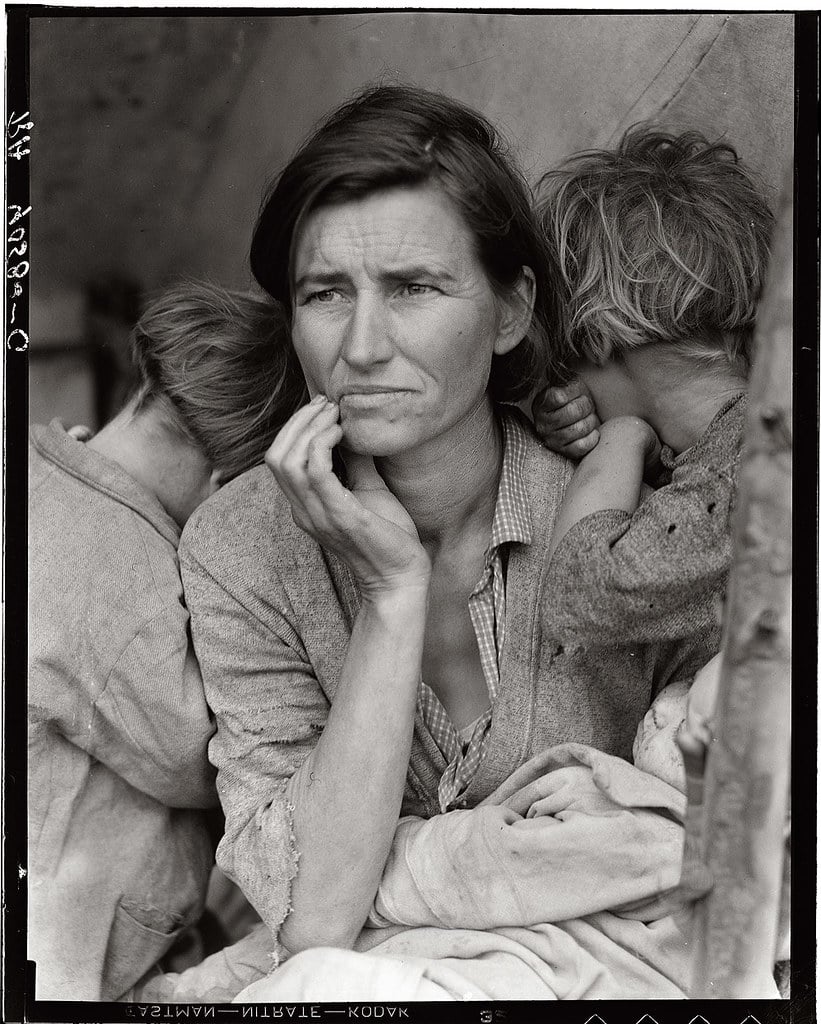
Dorothea Lange photographed Florence Owens Thompson and her children at a pea pickers’ camp in California in 1936 during the Great Depression. Thompson’s weathered face and worried expression, with two children leaning on her shoulders and turning away from the camera, became the face of Depression-era poverty.
Lange took six photographs during the encounter, but this particular frame captured something universal about parental concern during hard times. The image appeared in newspapers across the country and helped convince the government to send food aid to the camp, though Thompson herself received nothing.
The First Steps On The Moon
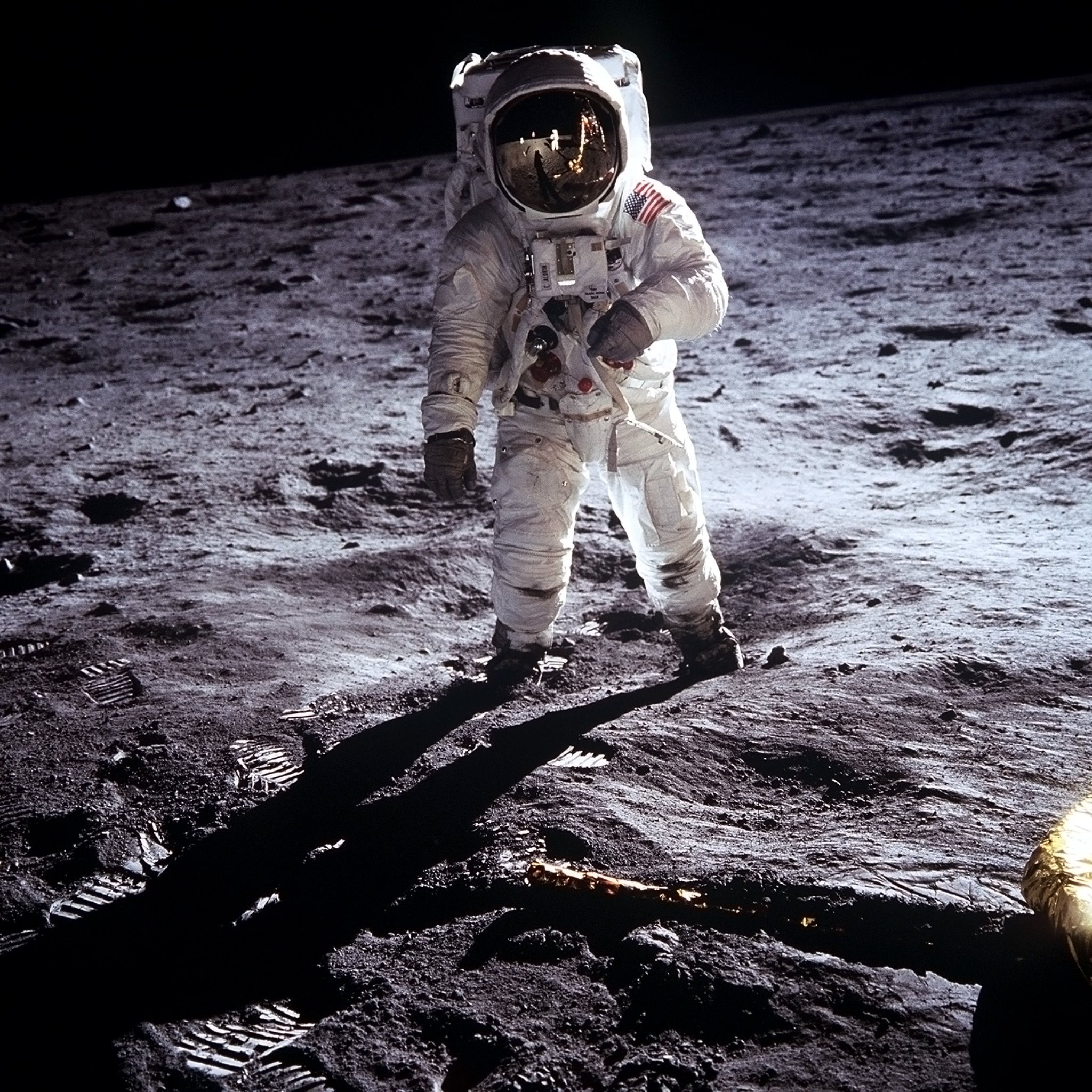
Neil Armstrong’s photograph of Buzz Aldrin standing on the moon’s surface on July 20, 1969, shows Aldrin’s gold-visored helmet reflecting Armstrong, the lunar module, and the American flag. The footprints in the lunar dust around Aldrin’s boots are still there today, preserved because the moon has no wind or rain to erase them.
Armstrong appears as a tiny figure in Aldrin’s visor, a reminder that he took most of the moon walk photographs, which is why fewer images exist of the first man on the moon.
The Mushroom Cloud Over Hiroshima
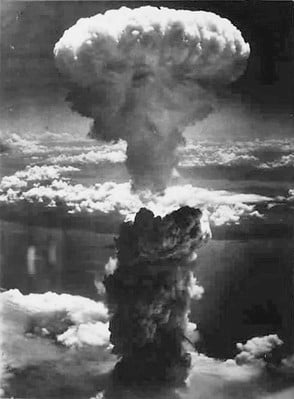
The atomic bomb dropped on Hiroshima on August 6, 1945, created a mushroom cloud that rose 60,000 feet into the air and could be seen from hundreds of miles away. Photographs of the cloud taken from reconnaissance planes show its enormous scale, with the destroyed city barely visible as a dark smudge beneath the towering column of smoke and debris.
The bomb killed between 70,000 and 80,000 people instantly, with tens of thousands more dying from radiation in the following months. These photographs introduced the world to the terrifying power of nuclear weapons and changed international politics forever.
The Situation Room During The Bin Laden Raid
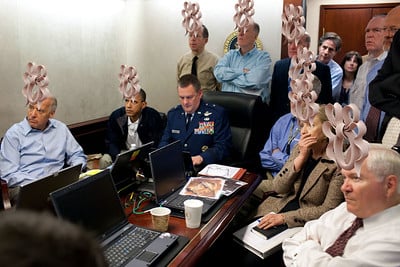
White House photographer Pete Souza captured President Barack Obama, Secretary of State Hillary Clinton, and other officials watching real-time footage of the raid that killed Osama bin Laden on May 1, 2011. Clinton’s hand covers her mouth, Obama leans forward intently, and the tension in the cramped basement room is visible on every face.
The photograph was taken during a period of radio silence when the team had lost contact with the Navy SEALs conducting the raid, making the scene even more dramatic. This image of leaders watching history unfold from thousands of miles away showed how modern technology has changed warfare and decision-making.
The Blue Marble
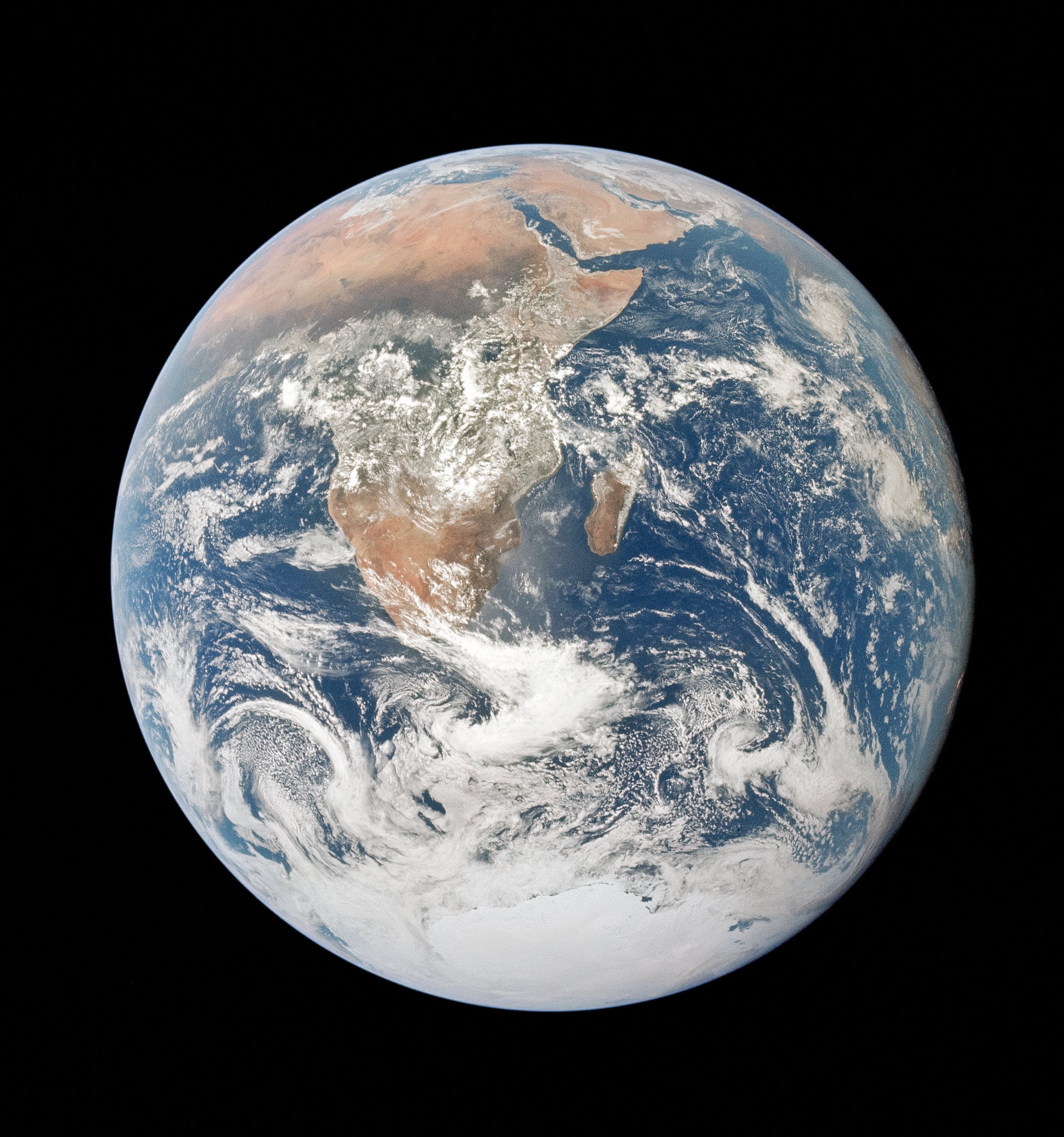
Apollo 17 astronauts took a photograph of Earth from 18,000 miles away on December 7, 1972, showing the entire planet fully lit by the sun for the first time. The image shows Africa, Antarctica, and the Arabian Peninsula clearly visible, with swirling white clouds and deep blue oceans making Earth look like a glass marble floating in space.
This became one of the most widely distributed images in human history, appearing on everything from environmental posters to album covers. It was the last time humans traveled far enough from Earth to photograph the entire planet in a single frame.
V J Day In Times Square
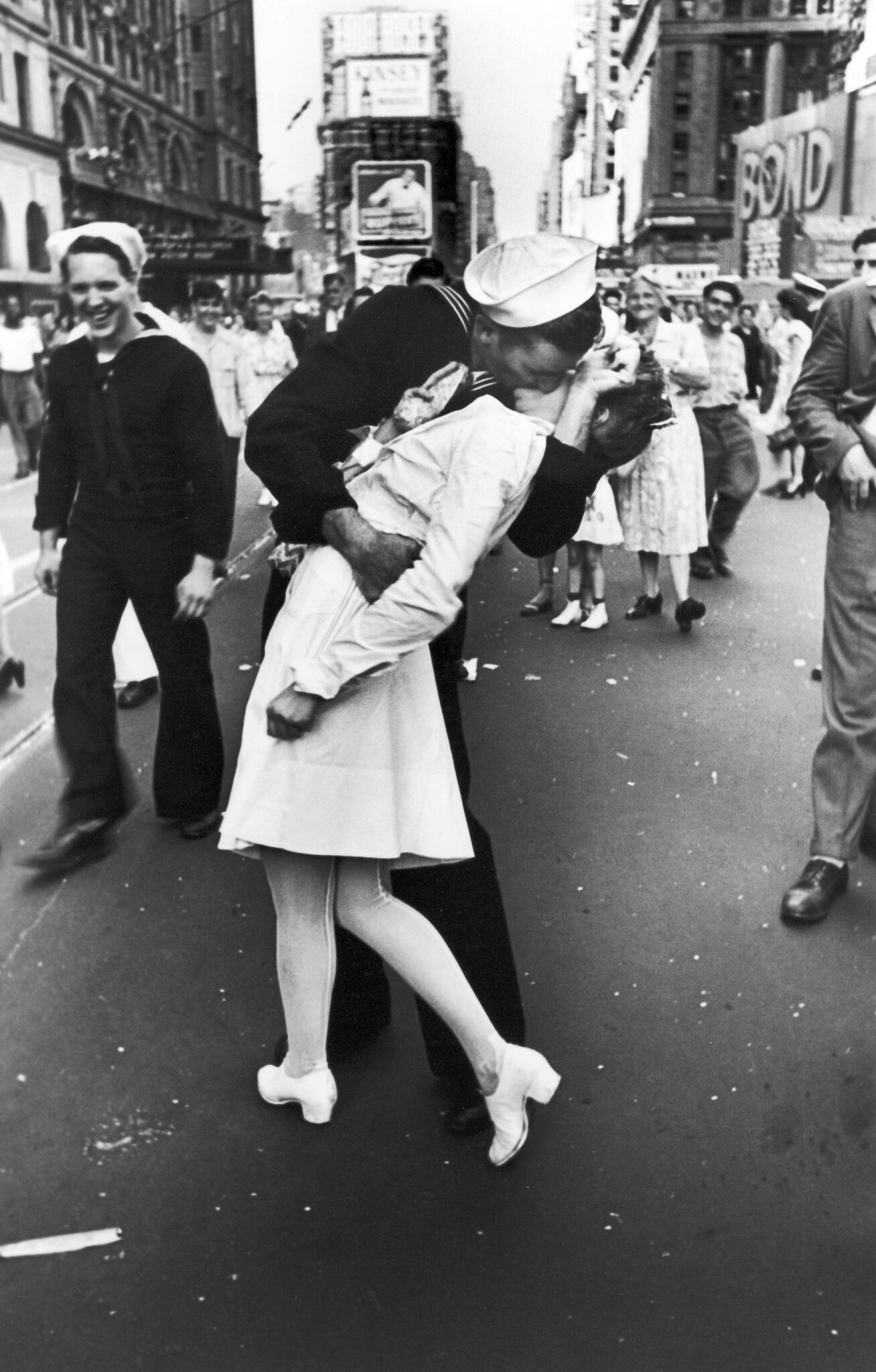
On August 14, 1945, photographer Alfred Eisenstaedt snapped a shot of a sailor embracing a nurse in Times Square – people flooded the streets when news broke that Japan had surrendered, marking the close of World War II. Joy spilled into chaos; total strangers found themselves pulled into hugs, laughter echoing through the air while some wept openly.
That sudden moment between the uniformed figures? It stirred years of guesses, since more than one person stepped forward insisting they were in the frame. Over time, the photo grew larger than itself, standing quietly for release after long tension, happiness breaking loose.
Still today, eyes linger differently on it – one sees love, another sees impulse, caught mid-celebration.
Eisenstaedt’s Photo Of Joseph Goebbels
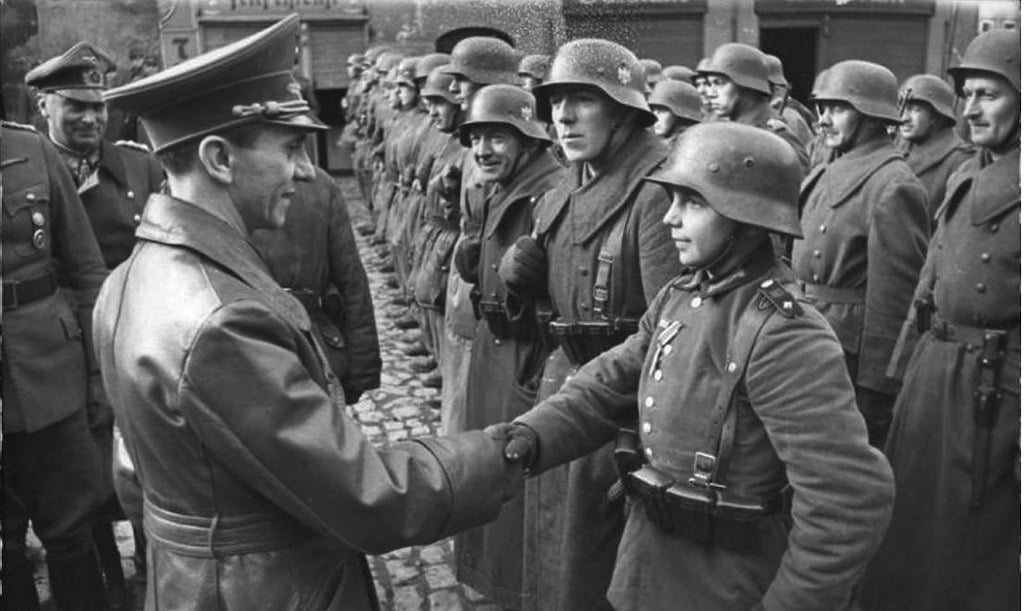
A single picture taken by Alfred Eisenstaedt for Life magazine froze the instant Joseph Goebbels saw who held the camera – Eisenstaedt, a Jew – at a 1933 League of Nations meeting in Geneva. The shot holds still as Goebbels’ calm melts into open loathing, jaw tightening, gaze turning sharp.
Though surrounded by diplomats and officials, the image feels isolated, charged. Eisenstaedt recalled years afterward that this was the sole occasion his hands paused mid-work, shutter silenced, because fear had crept too close.
He left without another click. That silence speaks louder than motion.
Hatred did not hide behind speeches here; it surfaced raw, uninvited. Evil knew its target – and showed itself.
Where Images Continue To Shape Us
Long after the people are gone, those icy instants shape how we see yesterday and picture tomorrow. Not just surviving lifetimes but outlasting every face in the frame, each shutter click moves quiet stories forward.
Instead of depending on fragile recollections or ink-heavy records, time gets locked by lenses in one breathless flash. Seeing becomes knowing when a single glimpse, caught perfectly, tells more than pages ever could.
More from Go2Tutors!

- The Romanov Crown Jewels and Their Tragic Fate
- 13 Historical Mysteries That Science Still Can’t Solve
- Famous Hoaxes That Fooled the World for Years
- 15 Child Stars with Tragic Adult Lives
- 16 Famous Jewelry Pieces in History
Like Go2Tutors’s content? Follow us on MSN.