15 Professions That Disappeared in a Single Generation
Technology moves fast. Sometimes it moves so fast that entire careers vanish almost overnight. One day, thousands of people are making a living doing something their parents did before them—the next day, machines or new methods have made their skills obsolete.
It’s not just about automation, though. Consumer habits can shift so dramatically that whole industries collapse within a few decades. The speed of these changes has accelerated dramatically since the 1980s, leaving many workers scrambling to reinvent themselves.
Here is a list of 15 professions that essentially disappeared within a single generation.
Switchboard Operator

Those old movies where someone would say ‘Get me the operator’ and a woman would manually connect phone calls by plugging cables into a giant board? That was a real job employing hundreds of thousands of people, mostly women, well into the 1970s.
Direct dialing technology eliminated the need for human operators to connect most calls. By the 1990s, the profession had nearly vanished.
Milkman

Every morning, the milkman drove through neighborhoods, delivering fresh milk in glass bottles right to people’s doorsteps. This job supported entire families while serving as a cornerstone of community life for decades.
Yet the rise of supermarkets alongside refrigeration technology in the 1960s and 70s made it more convenient for people to buy milk during regular grocery trips, effectively ending this once-thriving profession.
Like Go2Tutors’s content? Follow us on MSN.
Typist and Stenographer

Before computers arrived, offices needed armies of skilled typists to turn handwritten documents into neat, professional pages. Stenographers used shorthand to rapidly transcribe meetings—a skill that took years to master.
Personal computers with word processing software in the 1980s allowed everyone to become their own typist, making these specialized roles largely unnecessary.
Film Projectionist
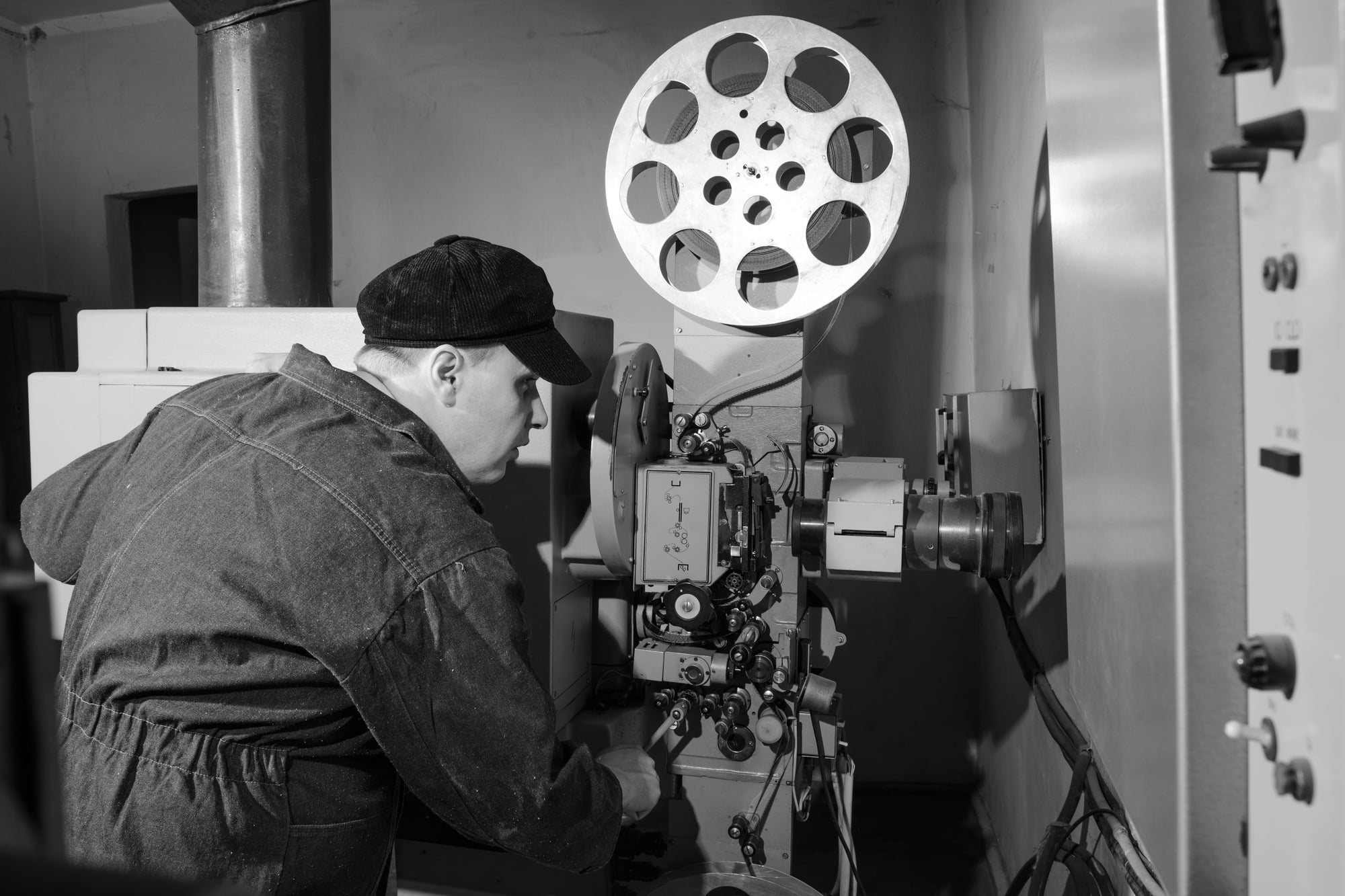
Running a movie theater used to require genuine technical skill. Projectionists had to thread film reels, adjust focus, and time reel changes perfectly to avoid interrupting the movie. They were craftspeople who took pride in delivering a smooth viewing experience.
Digital projection systems that arrived in the 2000s automated almost everything—reducing the need for skilled projectionists to just a few button presses.
Photo Lab Technician

Developing photographs was both an art and a science, requiring technicians who understood chemistry, timing, and color correction. These professionals worked in the back rooms of camera shops and one-hour photo labs, processing millions of family memories.
Digital cameras and smartphones eliminated the need for film development almost entirely by the early 2000s. Photo labs across the country shuttered as a result.
Like Go2Tutors’s content? Follow us on MSN.
Elevator Operator

Tall buildings once required a person to manually control the elevator—announcing floors while operating the controls safely for passengers. These operators were often well-dressed and considered an important part of the building’s service staff. Automatic elevator systems with push buttons replaced human operators throughout the 1950s and 60s, though a few luxury buildings kept them for ambiance until much later.
Ice Delivery Man

Before electric refrigerators became common, keeping food cold meant buying blocks of ice from delivery men who would haul heavy chunks right into your kitchen icebox. These workers had incredibly strong backs—they knew every household’s ice needs by heart.
Home refrigeration technology in the 1940s and 50s made ice delivery obsolete, except for the occasional party or power outage.
Telegraph Operator
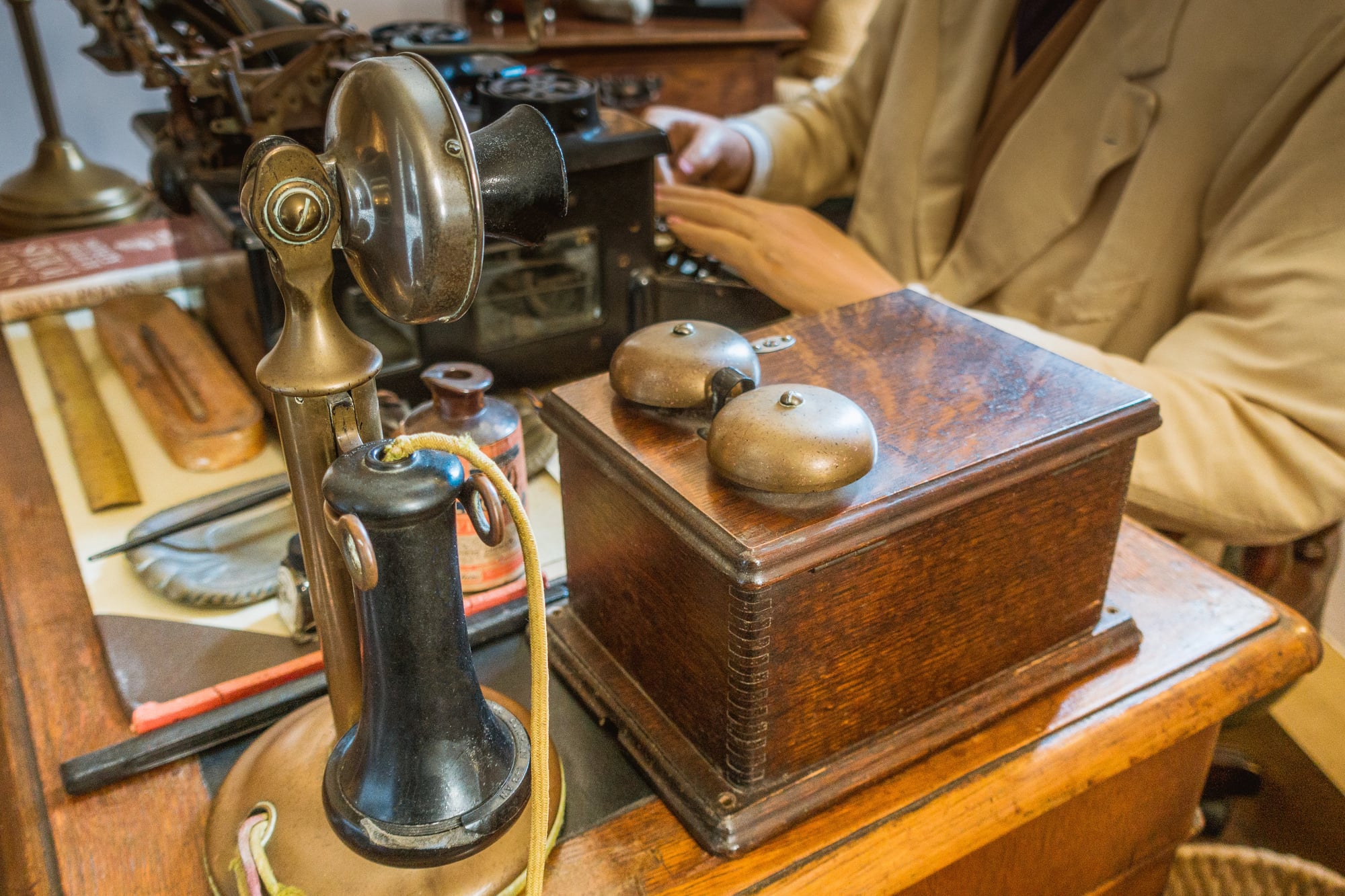
Sending messages across long distances once required skilled operators who could rapidly tap out Morse code messages on telegraph keys. These professionals worked for telegraph companies, railroads, and news organizations—serving as the backbone of long-distance communication.
The telephone network expansion, followed eventually by email, made telegraph communication unnecessary by the 1980s.
Like Go2Tutors’s content? Follow us on MSN.
Bowling Pinsetter

Before automatic pinsetters existed, bowling alleys employed teenagers and young men to manually reset pins after each frame while rolling balls back to players. It was physically demanding work that required quick reflexes to avoid getting hit by flying pins.
Automatic pinsetting machines introduced in the 1950s eliminated thousands of these jobs—virtually overnight.
Video Store Clerk
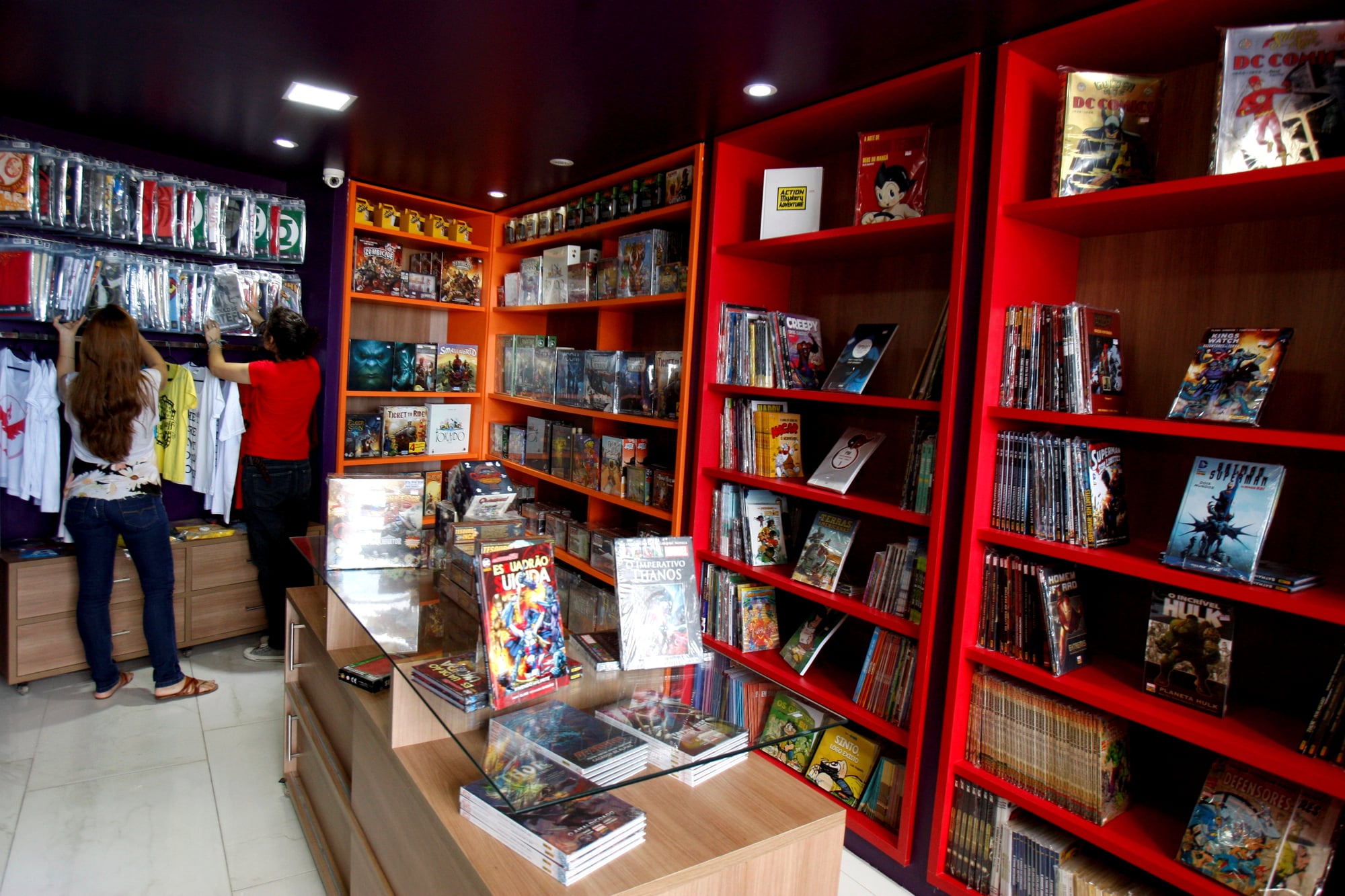
Renting movies used to mean visiting a local video store where knowledgeable clerks could recommend films based on your taste, plus help you navigate those dreaded late fees. These employees often became local movie experts, creating a sense of community around film. Netflix’s mail service in the late 1990s, followed by streaming services, closed almost every video rental store by 2010.
Travel Agent

Planning a vacation once meant sitting down with a professional travel agent who had access to airline computer systems and could book complex itineraries while offering insider knowledge about destinations. These agents earned commissions from airlines and hotels while providing personalized service.
Online booking websites like Expedia and Orbitz in the early 2000s gave consumers direct access to the same information, making most travel agents unnecessary.
Like Go2Tutors’s content? Follow us on MSN.
Telephone Book Delivery Person

Every year, workers would drive through neighborhoods delivering thick phone books to every household, whether people wanted them or not. This seasonal job employed thousands of people who knew every street in their territory.
Cell phones and online directories made phone books obsolete by the 2000s, though some companies stubbornly continued printing them for years after demand disappeared.
Gas Station Attendant

Filling up your car used to mean having an attendant pump your gas, check your oil, clean your windshield, and sometimes even check your tire pressure—all while you stayed in the car. This full-service approach was standard at stations across America.
Self-service pumps introduced in the 1970s allowed customers to pump their own gas for a lower price, gradually eliminating most attendant positions.
VCR Repair Technician
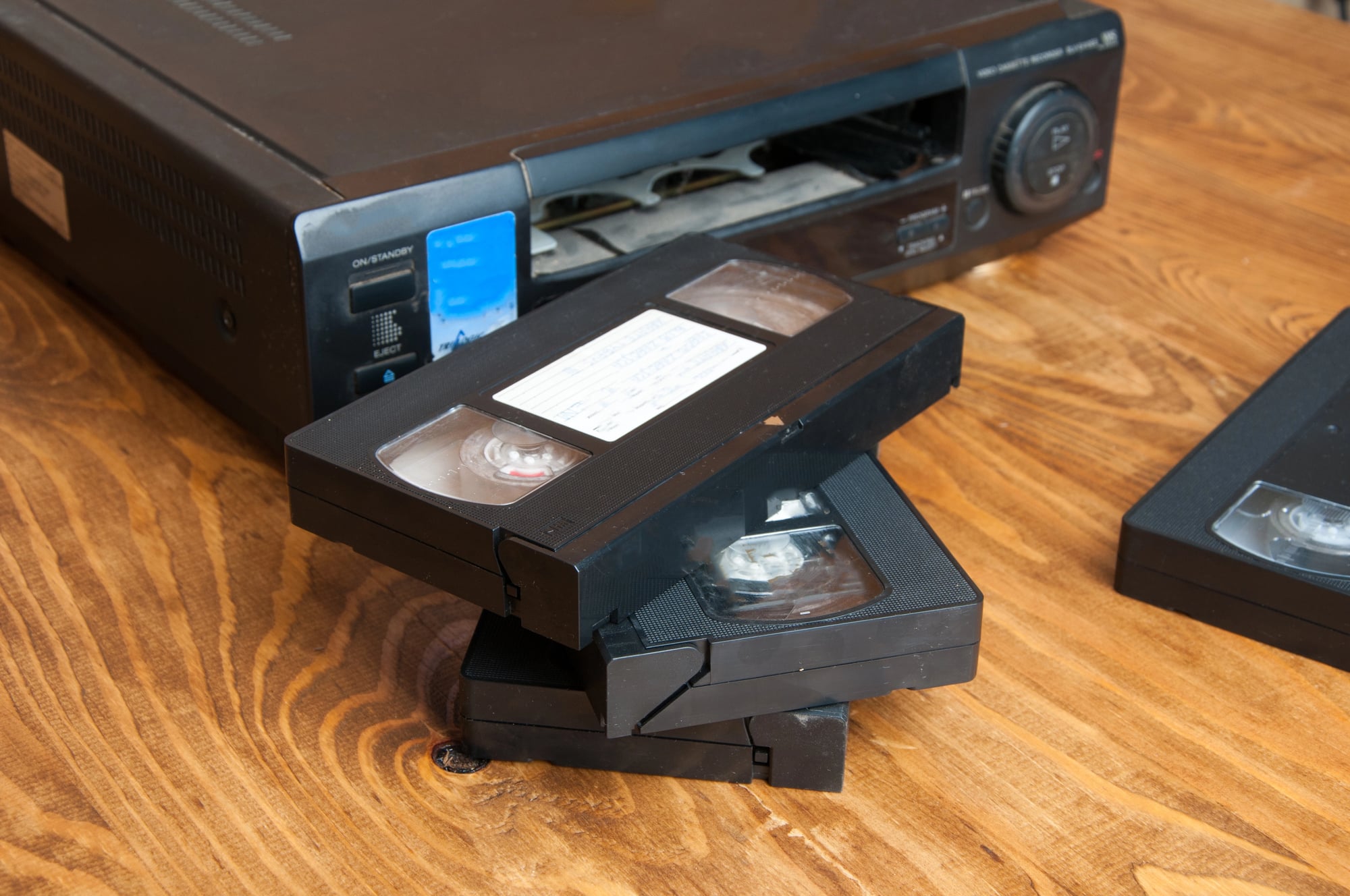
When VCRs were in every home, specialized technicians made a living fixing these complex mechanical devices that seemed to break down regularly. These repair shops were neighborhood fixtures, while technicians developed expertise with dozens of different models and brands.
The shift to DVDs and eventually streaming eliminated VCRs from most homes, making repair services unnecessary.
Like Go2Tutors’s content? Follow us on MSN.
Newspaper Typesetter
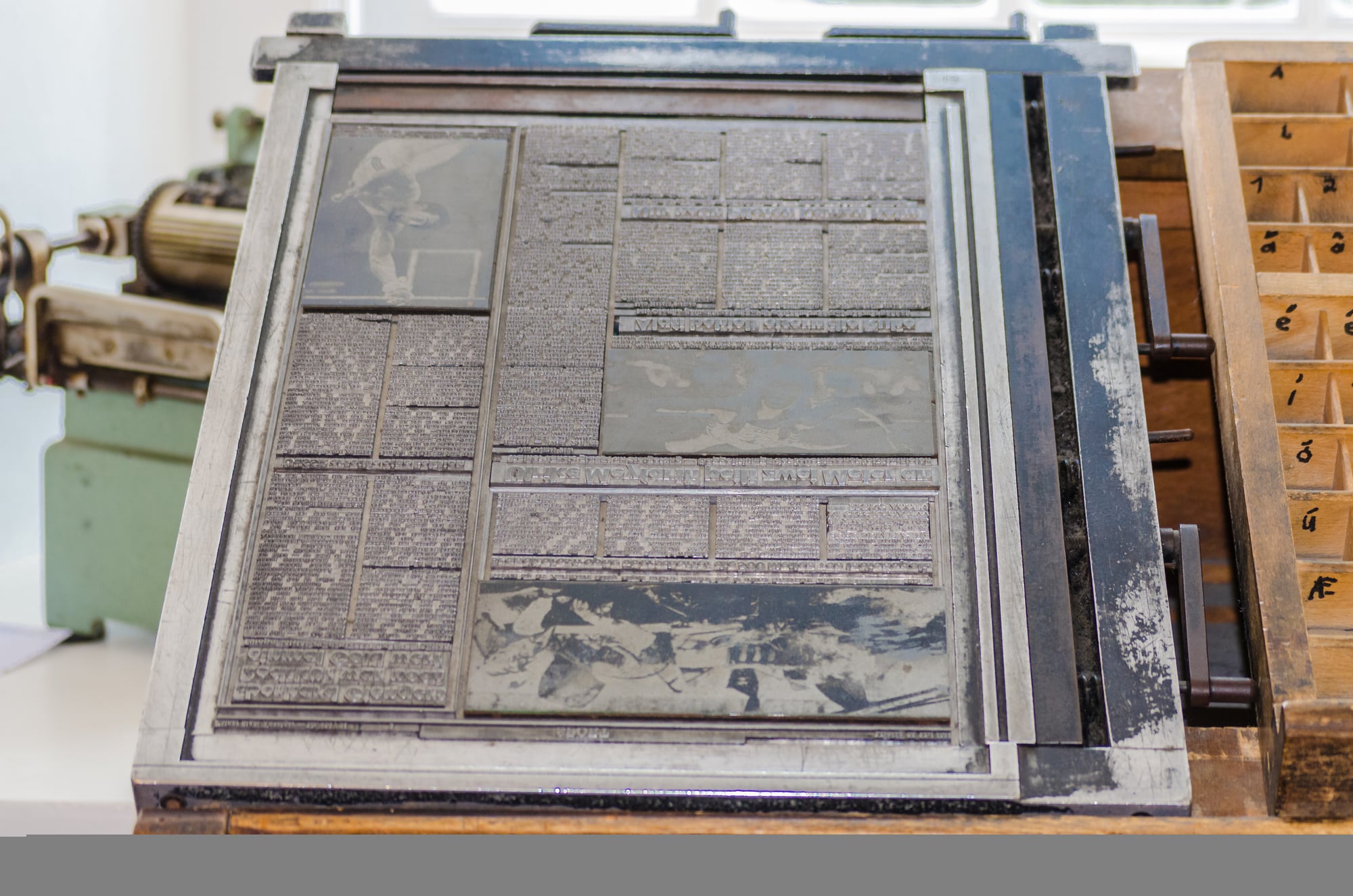
Creating a newspaper once required skilled typesetters who manually arranged metal letters into columns of text, a process that took years to master. These craftspeople worked through the night to get morning papers ready, using techniques that hadn’t changed much since Gutenberg.
Computer typesetting systems in the 1980s allowed writers and editors to format text directly, eliminating the need for manual typesetting skills.
When Progress Leaves People Behind

The disappearance of these professions shows how quickly technological and social changes can reshape the job market. Many of these workers successfully transitioned to new careers, yet others struggled to adapt as their specialized skills became worthless overnight.
Today’s rapid pace of change suggests that current jobs might face similar fates, making adaptability more valuable than ever. The lesson isn’t to fear progress, but to recognize that even the most stable-seeming careers can vanish faster than anyone expects.
More from Go2Tutors!

- 16 Restaurant Chains That Went Too Fast
- 12 Things Sold in the 80s That Are Now Illegal
- 15 Strange Things People Have Tried to Ban (And Failed)
- 16 Collectibles People Tossed Out Too Soon
- 17 Myths from Your Childhood That Were Actually Based on Real Things
Like Go2Tutors’s content? Follow us on MSN.