15 Quirky Facts About Holiday Stockings
Hanging stockings by the fireplace has become such a standard part of Christmas that nobody questions why people stuff gifts into giant socks. The tradition feels timeless, like it’s been around forever, but the story behind these decorative pouches is actually filled with weird twists and unexpected turns.
From ancient legends to modern marketing schemes, stockings have quite the history. Let’s explore some of the strangest and most surprising facts about this beloved holiday tradition.
Saint Nicholas threw gold through a window

The stocking tradition traces back to a legend about Saint Nicholas in the 4th century. A poor man had three daughters who needed dowries to get married, but he couldn’t afford them.
Saint Nicholas heard about their situation and decided to help secretly. He tossed three bags of gold coins through an open window one night, and they landed in stockings or shoes that were drying by the fire.
This single act of kindness eventually inspired millions of families to hang stockings every December.
Stockings were actually socks people wore

Early Christmas stockings weren’t decorative items made specifically for the holiday. Families simply hung up their regular everyday socks and hoped Saint Nicholas would fill them overnight.
These were the same socks people wore in their boots and shoes throughout the week. The bigger your feet, the more treats you could fit inside.
Wearing your lucky sock the next day after it held candy probably seemed like a bonus.
Dutch children used wooden shoes instead

Kids in the Netherlands followed a different approach by leaving out their wooden clogs called klompen. They’d place these shoes by the fireplace or near the door on Saint Nicholas Eve, December 5th.
The tradition made sense since wooden shoes held much more than flimsy cloth socks. Dutch settlers brought this custom to America, where it eventually merged with the stocking tradition.
Some Dutch families still use wooden shoes today while others have switched to decorative stockings.
The first commercial stockings appeared in the 1860s
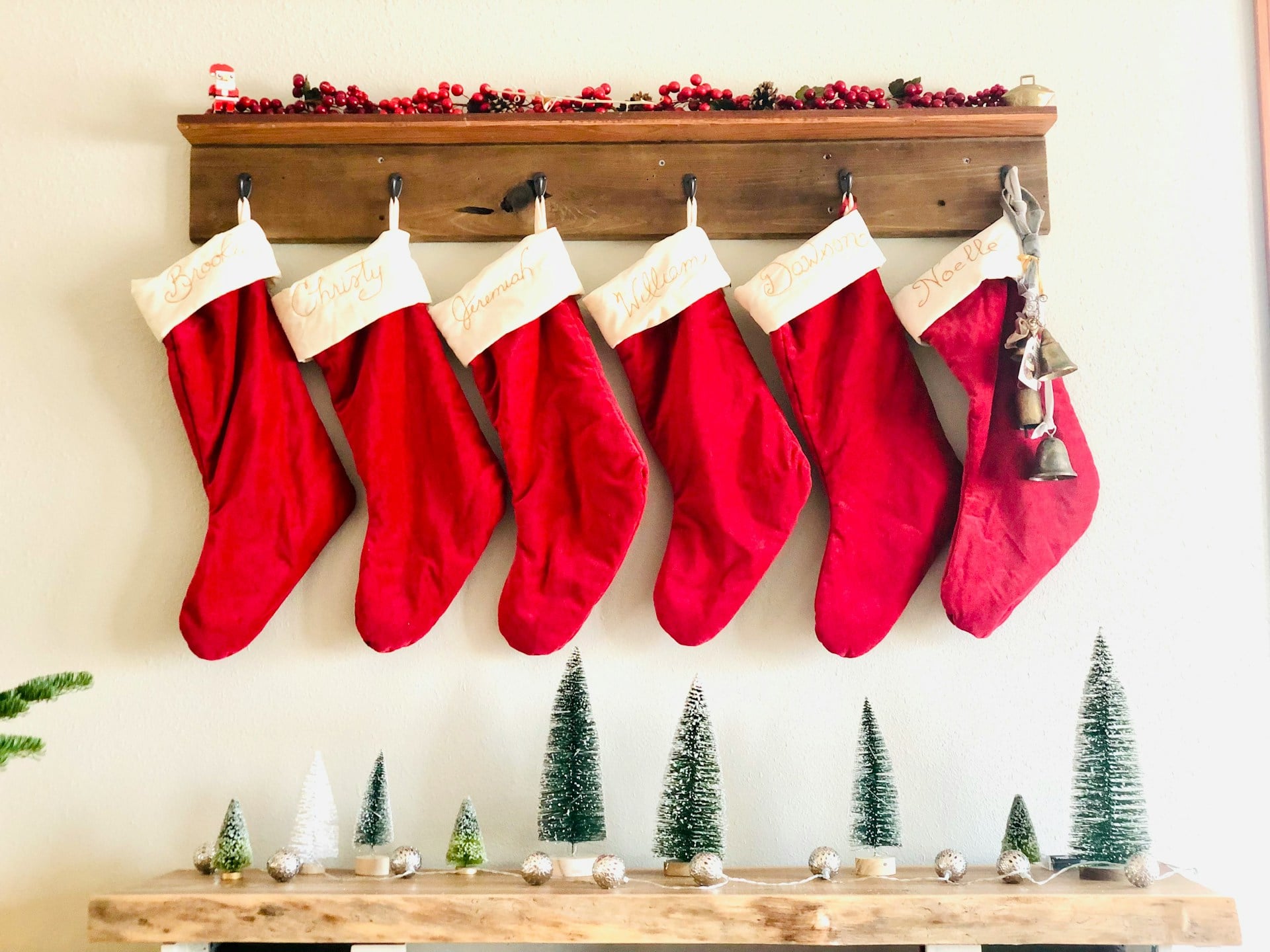
Before the Civil War, American families made their own Christmas stockings at home using whatever fabric they had available. The first manufactured Christmas stockings showed up in stores during the 1860s, targeting wealthy families who could afford such luxuries.
These early versions featured simple designs with basic stitching and cost a pretty penny. Mass production didn’t really take off until the early 1900s when department stores started stocking them regularly.
Now they’re everywhere from dollar stores to high-end boutiques.
Stockings once held practical gifts only

Victorian families stuffed stockings with useful everyday items rather than toys and candy. Common stocking stuffers included oranges, nuts, pencils, handkerchiefs, and small tools.
An orange was actually a luxury item that many children only received once a year. Pennies and small coins also went into stockings as a nod to Saint Nicholas’s gold.
The shift toward toys and treats happened gradually as manufacturing made these items cheaper and more available.
Coal for naughty kids started as a real punishment

The threat of getting coal in your stocking wasn’t just a scary story parents told. Families actually did put chunks of coal in stockings to show disappointment with a child’s behavior throughout the year.
In homes heated by coal fires, this made the punishment especially obvious and embarrassing. The child would pull out their stocking expecting treats and instead find dirty black rocks.
Today’s parents rarely follow through with actual coal, though some novelty stores sell candy coal as a joke gift.
Firefighters adopted stockings as their symbol

Firefighters in the United States have long considered Christmas stockings part of their tradition and imagery. This connection stems from their relationship with fireplaces and chimneys, the same route Santa supposedly uses.
Many fire stations decorate with oversized stockings and host holiday events for children. The Muscular Dystrophy Association’s ‘Fill the Boot’ campaign evolved from firefighters collecting donations in boots, which connects back to the stocking tradition.
Fire departments across the country still display stockings prominently during December.
Some stockings cost more than regular presents

Luxury brands now create Christmas stockings that sell for hundreds or even thousands of dollars. Designer companies make velvet stockings with hand-sewn beading, embroidery, and precious metal threads.
One company offered a stocking encrusted with real diamonds and gemstones for over $10,000. These expensive stockings often become family heirlooms passed down through generations.
The money spent on the stocking itself sometimes exceeds the value of all the gifts stuffed inside it.
Stockings survived both World Wars

During World War I and World War II, families adapted their stocking traditions despite severe shortages. Parents created stockings from old fabric scraps, flour sacks, or newspapers when new materials weren’t available.
Soldiers overseas received stockings from relief organizations filled with cigarettes, chocolate, and letters from home. The tradition provided comfort and normalcy during incredibly difficult times.
Photographs from these eras show makeshift stockings hanging in military barracks and temporary shelters.
Pet stockings became popular in the 1990s

The trend of hanging stockings for dogs and cats exploded in the late 20th century. Pet supply companies started marketing specialized stockings filled with toys, treats, and accessories for animals.
Some families now hang more pet stockings than human ones if they have multiple animals. Pet stockings typically feature paw prints, bone shapes, or animal faces on the design.
This custom shows how people increasingly view their pets as full family members deserving their own gifts.
The largest stocking measured over 168 feet long
The Children’s Society in London created a massive Christmas stocking in 2007 that earned a Guinness World Record. The enormous red stocking stretched 168 feet and 5.5 inches long and 70 feet wide.
Volunteers spent weeks sewing the giant decoration, which required a crane to display properly. The organization used the publicity to raise awareness and money for disadvantaged children.
Several groups have since attempted to break this record with even larger stockings.
Little gifts that fit inside stockings? They’ve earned a section all on their own at stores now

Back in the middle of the 1900s, stores came up with the idea of stuffing stockings full of little things just to move extra goods. These tiny gifts show up close to cashiers on purpose – easy for adults rushing out the door to toss into their basket.
Over time, that corner of holiday shopping ballooned into an industry pulling in billions each winter. Funny thing? The stuff labeled just for stockings usually costs way more by weight compared to normal sizes.
Still, people keep buying it without thinking twice.
Some cultures never adopted the stocking tradition

Not every nation that loves Christmas actually hangs stockings. Shoes appear under windowsills in Italy, left there for a kind old witch named La Befana to fill after her long flight.
Across Germany, polished boots sit by doors, waiting since Saint Nicholas prefers them over cloth bags. Fireplaces stay bare in Mexican homes where joy comes from swinging sticks and bursting paper stars.
Only certain regions – mostly those shaped by Britain or the United States – keep the sock-like shapes stuffed near chimneys. Tradition takes different shapes depending on which map you follow.
Fireside spots stay empty where stockings drape across blank walls
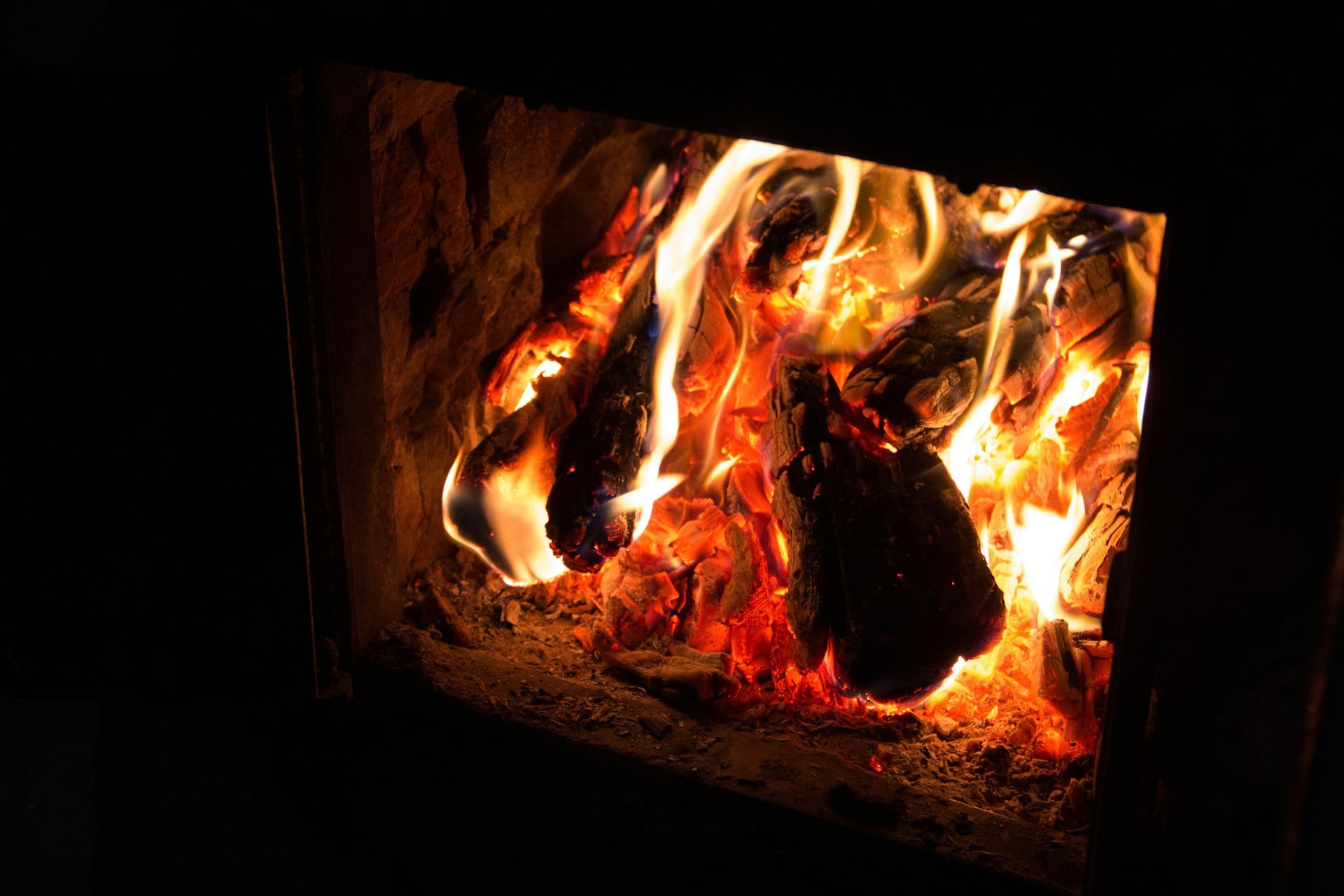
Few houses today come with old-style fireplaces, yet folks keep putting up stockings just the same. On mantels, shelves, even tabletops, you’ll find little stands made just to hold them.
Instead of built-in spots, some families screw tiny hooks into walls or stair railings. Renters skip nails altogether by using sticky mounts that won’t leave marks behind.
What counts is keeping the habit alive, not where you do it. Somehow, even flats with hot-water heaters find a way to fit it in.
Matching stockings became a social media obsession

Nowadays, looking good matters more than what’s inside. Instagram plus Pinterest turned holiday stockings into a style contest.
People hunt for hours trying to find ones that fit their home look just right. Keeping up means replacing them often, even if they still work fine.
Showing off has quietly replaced tradition somewhere along the way.
From legend to living rooms

One tale of quiet giving in old Europe now fuels an economy worth billions. Through battles, hard times, tough markets, these cloth tubes kept showing up.
Once just foot coverings, they became showpieces – some saved like heirlooms passed down without words. A sock on a mantel links modern homes to rituals long before electric lights.
That single gesture, placing fabric near heat, echoes a night when coins landed inside linen after a leap from outside glass.
More from Go2Tutors!

- The Romanov Crown Jewels and Their Tragic Fate
- 13 Historical Mysteries That Science Still Can’t Solve
- Famous Hoaxes That Fooled the World for Years
- 15 Child Stars with Tragic Adult Lives
- 16 Famous Jewelry Pieces in History
Like Go2Tutors’s content? Follow us on MSN.