15 Radio Stations That Made History
Radio has been the soundtrack to our lives for over a century, bringing us news, music, and entertainment through some of the most pivotal moments in human history. From the early days of crackling AM broadcasts to the golden age of rock and roll, certain radio stations didn’t just play music or report news—they shaped culture, launched careers, and sometimes even changed the world.
These pioneering stations broke barriers, defied conventions, and created the template for modern broadcasting. Here is a list of 15 radio stations that made history.
KDKA Pittsburgh
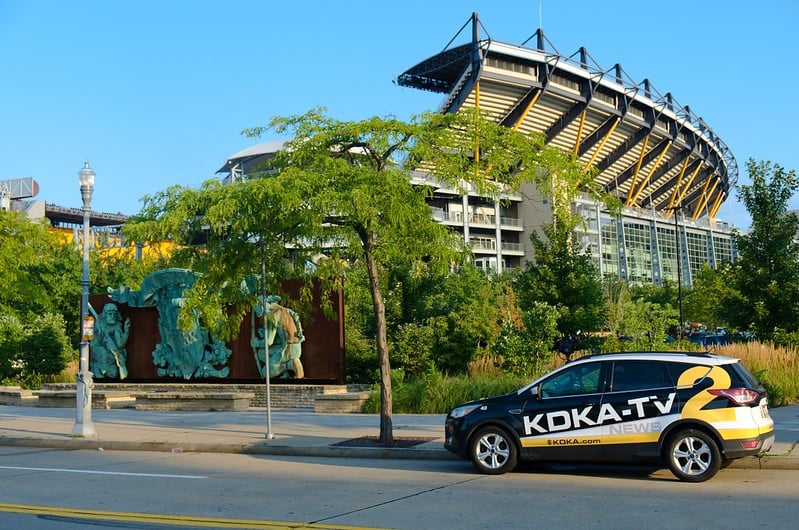
KDKA holds the distinction of being America’s first commercial radio station, launching on November 2, 1920, with coverage of the Harding-Cox presidential election. The station’s debut broadcast reached an estimated 1,000 listeners, marking the beginning of mass communication as we know it. This historic moment transformed radio from a hobbyist experiment into a legitimate medium that would connect millions of people across the nation.
WSM Nashville
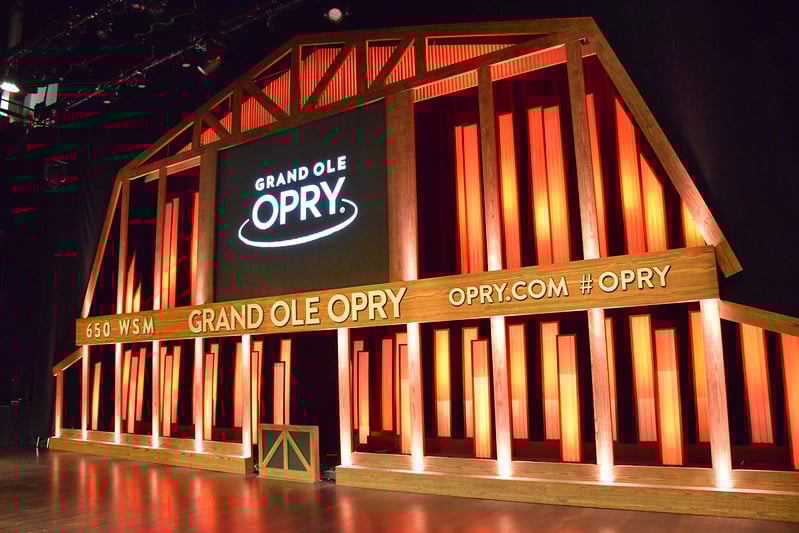
Home to the Grand Ole Opry since 1925, WSM became the launching pad for country music’s biggest stars and helped establish Nashville as Music City. The station’s 50,000-watt clear channel signal could reach across much of North America, bringing country music to fans far beyond the South. Artists like Hank Williams, Patsy Cline, and Johnny Cash all got their big breaks performing on WSM’s airwaves.
WLS Chicago

Known as the ‘Prairie Farmer Station,’ WLS became a powerhouse in the 1960s and 1970s by embracing Top 40 format and discovering new talent. The station’s legendary DJs like Larry Lujack and John Records Landecker became household names across the Midwest. WLS surveys (their weekly countdown lists) were so influential that record labels would specifically target the station to break new songs nationally.
WXYZ Detroit
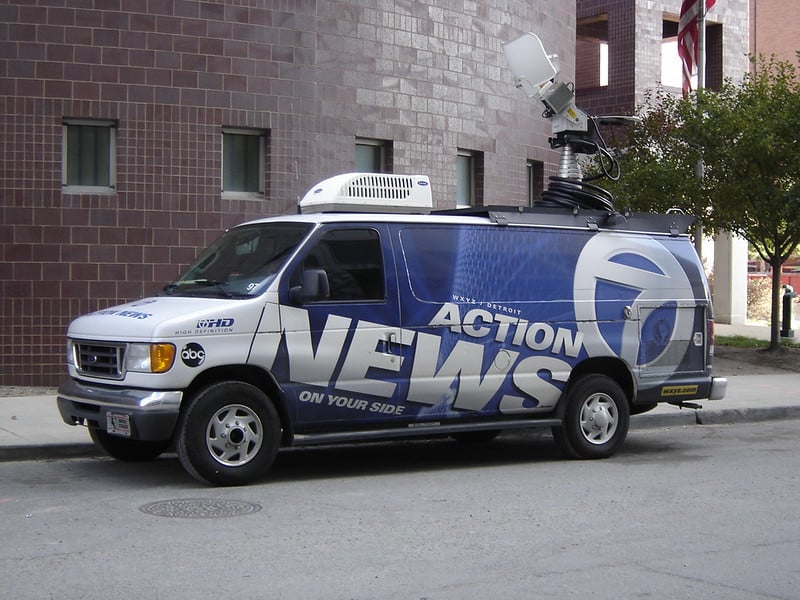
This station created some of radio’s most enduring characters, including The Lone Ranger, The Green Hornet, and Sergeant Preston of the Yukon during the 1930s and 1940s. These adventure serials didn’t just entertain—they established the template for superhero storytelling that would later influence comic books and television. The station’s dramatic productions were so popular that they spawned movies, TV shows, and merchandise empires.
WNEW New York
WNEW revolutionized radio programming in the 1930s by hiring disc jockeys with distinct personalities rather than anonymous announcers. DJs like Martin Block and William B. Williams became stars in their own right, creating the concept of radio personality that we still recognize today. The station’s approach of treating DJs as entertainers rather than just music players changed how radio connected with audiences.
KFAC Los Angeles
As America’s first all-classical music station, KFAC proved that specialized programming could find a devoted audience in major markets. The station maintained its classical format for over 50 years, from 1922 to 1989, demonstrating that radio could serve niche audiences while remaining commercially viable. KFAC’s success paved the way for other specialized formats like jazz, folk, and eventually album-oriented rock.
WMCA New York

— Photo by MelanieLemahieu
The station that called itself ‘The Good Guys’ became synonymous with the British Invasion, giving Beatles songs their first major American airplay in 1963. WMCA’s DJs were among the first to recognize the potential of British rock bands, helping to launch Beatlemania in the United States. The station’s early support of the Beatles and other British acts helped transform American popular music in the 1960s.
WABC New York
During its Top 40 heyday from 1960 to 1982, WABC was the most listened-to radio station in America, reaching an estimated 8 million listeners weekly. The station’s fast-paced format and memorable jingles became the gold standard for pop radio programming. DJs like Cousin Brucie and Dan Ingram became cultural icons, and the station’s influence on popular music was so significant that record companies would do anything to get their songs into WABC’s rotation.
KSAN San Francisco
This pioneering FM station helped create the album-oriented rock format in the late 1960s, playing entire album sides and introducing listeners to deeper cuts from their favorite artists. KSAN’s DJs were encouraged to express their personalities and opinions, creating a more intimate connection with listeners than traditional Top 40 radio. The station became the voice of the counterculture movement, covering protests, concerts, and social issues that mainstream media ignored.
WQED Pittsburgh
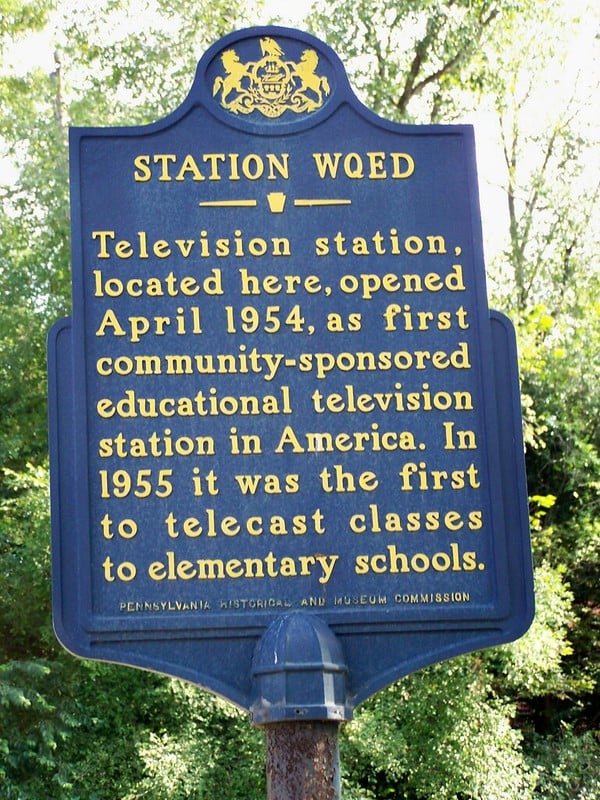
As one of the first educational FM stations, WQED proved that radio could be a powerful tool for learning and cultural enrichment. The station’s classical music programming and educational content helped establish the template for public radio that would later influence NPR’s development. WQED’s commitment to quality programming over commercial success demonstrated that radio could serve the public interest in meaningful ways.
KRLA Los Angeles

This station became a major force in West Coast rock during the 1960s, competing directly with established powerhouses and proving that newcomers could shake up established markets. KRLA’s DJs like Dave Hull ‘The Hullabaloo’ and Bob Eubanks became local celebrities who could make or break new records. The station’s success showed that personality-driven radio could thrive even in highly competitive markets.
KMPX San Francisco

Often considered the birthplace of progressive rock radio, KMPX began the freeform FM format that would later spread across the country. DJ Tom Donahue’s experimental approach to programming allowed for longer songs, album cuts, and music that commercial AM stations wouldn’t touch. The station’s influence on rock music was enormous, giving exposure to artists like Jefferson Airplane, The Grateful Dead, and Janis Joplin before they became mainstream stars.
WBLS New York

This station became a crucial platform for hip-hop music in its early days, giving airplay to rap artists when other stations considered the genre too controversial. WBLS DJs like Frankie Crocker and Mr. Magic helped break artists like Grandmaster Flash, Run-DMC, and LL Cool J to wider audiences. The station’s support of hip-hop during its formative years helped transform what started as a Bronx street culture into a global phenomenon.
WMMS Cleveland

Known as ‘The Home of the Buzzard,’ WMMS became legendary for breaking album-oriented rock acts and hosting concerts that launched careers. The station’s DJs had incredible influence over rock music, and getting played on WMMS could make a band’s career. Their support of artists like Bruce Springsteen, Rush, and Meat Loaf helped establish Cleveland as a major rock city and proved that secondary markets could have national influence.
KDAY Los Angeles

This station became the first major market radio outlet to play rap music regularly, starting in the early 1980s when most stations avoided the genre entirely. KDAY’s programming helped introduce West Coast hip-hop to the world, giving early exposure to artists like N.W.A, Ice-T, and Dr. Dre. The station’s role in promoting rap music helped establish Los Angeles as a major hip-hop center and proved that urban music could find mainstream success.
Voices That Echo Through Time
These stations remind us that radio’s greatest power has always been its ability to bring people together around shared experiences, whether that’s hearing the Beatles for the first time or staying up late listening to mysterious signals from distant cities. While streaming and podcasts have changed how we consume audio entertainment, the pioneering spirit of these historic stations continues to influence how we discover new music, share information, and connect with our communities. The next time you hear a great song or discover a new artist, remember that somewhere in radio history, a brave programmer took a chance on something different and changed the world one broadcast at a time.
More from Go2Tutors!

- 16 Historical Figures Who Were Nothing Like You Think
- 12 Things Sold in the 80s That Are Now Illegal
- 15 VHS Tapes That Could Be Worth Thousands
- 17 Historical “What Ifs” That Would Have Changed Everything
- 18 TV Shows That Vanished Without a Finale
Like Go2Tutors’s content? Follow us on MSN.



