15 Rare and Forgotten Inventions from the Victorian Industrial Age
The Victorian era wasn’t just about steam engines and top hats. Behind the familiar images of industrial progress lay a world of peculiar contraptions and ambitious experiments that history quietly forgot.
Some were too strange for their time, others too impractical to survive, and a few were simply unlucky enough to be overshadowed by flashier innovations. These forgotten inventions reveal a side of Victorian ingenuity that textbooks rarely mention — the messy, optimistic, sometimes absurd reality of people trying to solve problems with whatever materials and ideas they had at hand.
The Atmospheric Railway
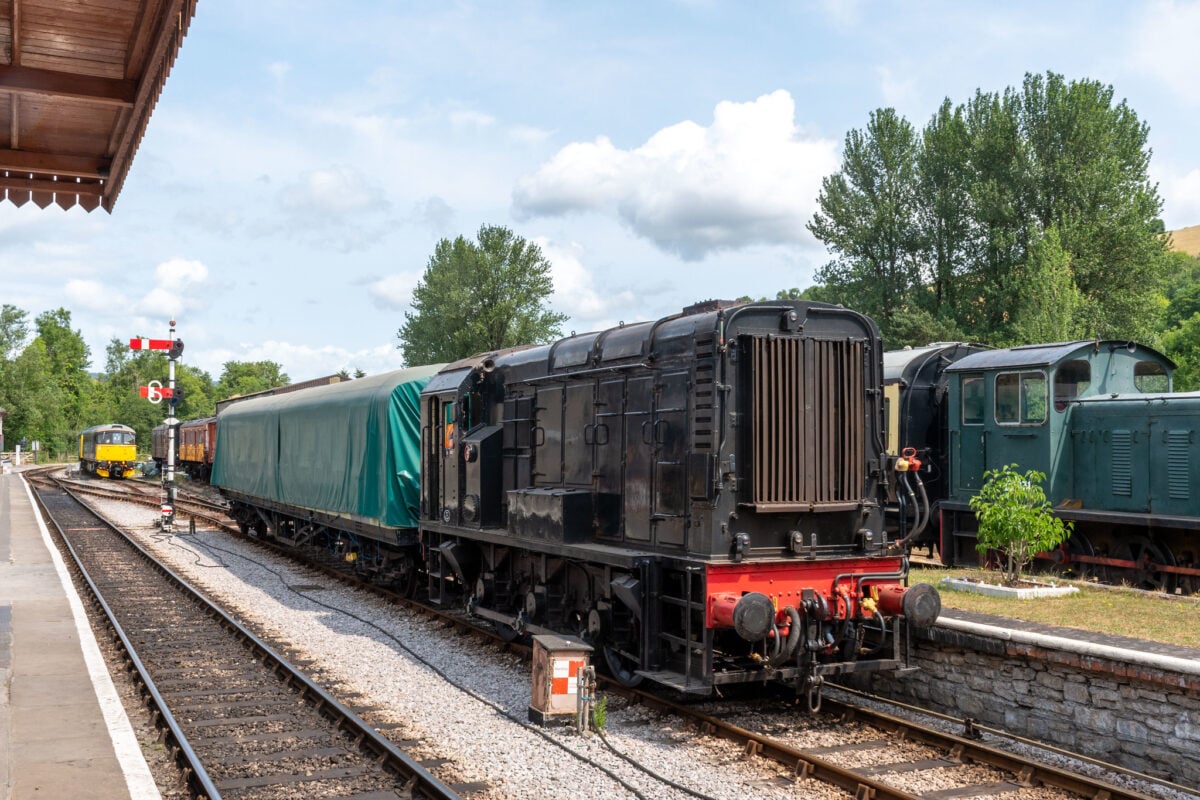
Trains without locomotives. That was the radical premise behind the atmospheric railway system that briefly captivated Victorian engineers.
Instead of steam engines, pneumatic tubes running between the rails created vacuum pressure that pulled carriages forward. The South Devon Railway tried it first in 1847, though the system was actually developed and patented by Henry Pinkham’s atmospheric system concept.
It operated from 1847 to 1848. Worked brilliantly — when it worked. The leather seals that maintained the vacuum rotted quickly in the salty coastal air.
Rats chewed through the tubes regularly.
Paternoster Lifts
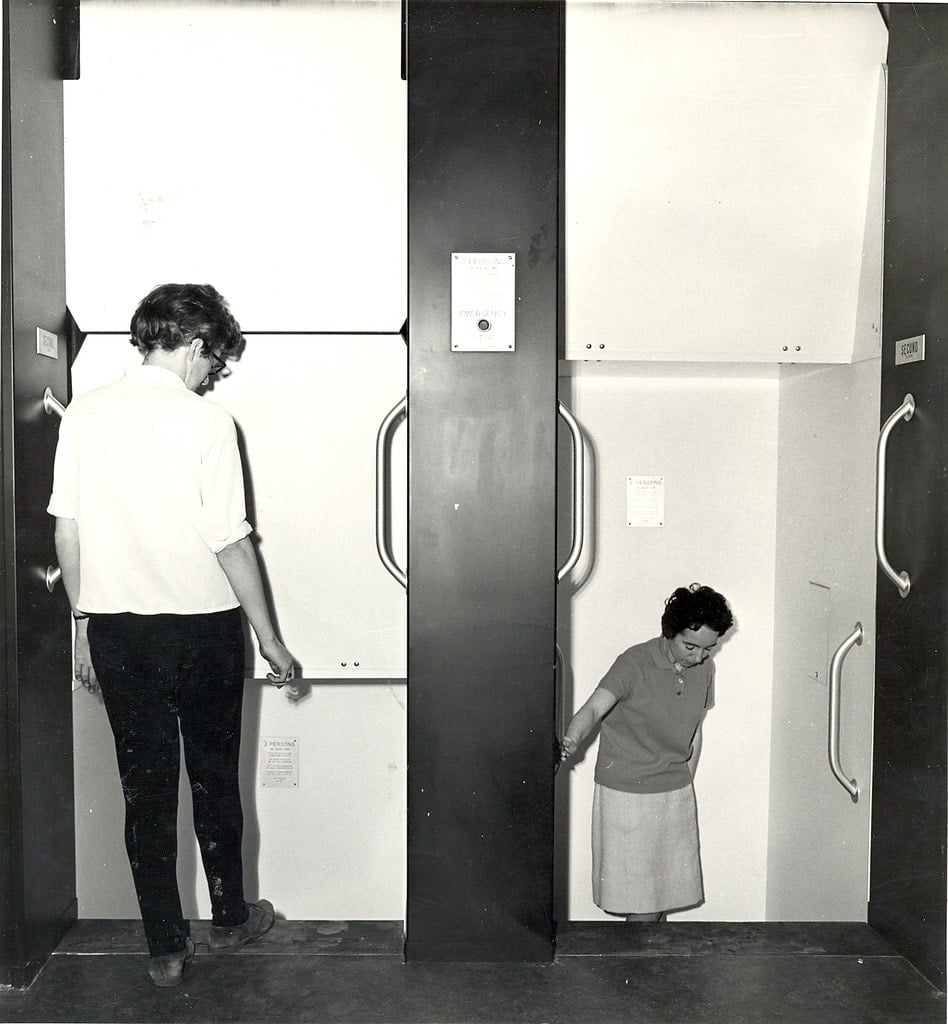
Picture an elevator that never stops moving. No buttons, no waiting, no doors — just step on as it passes your floor.
The paternoster lift operated like a giant, slow-moving chain of doorless compartments that continuously circulated through a building. These contraptions (named after rosary beads because of their endless loop) required a particular kind of Victorian confidence to operate.
You had to time your entry and exit perfectly, and heaven help you if you rode past the top floor — the compartment would flip upside down as it rounded the mechanism. Most people learned to jump off at the penultimate floor, but a few brave souls rode the full loop just to say they’d done it.
The rhythm of it became second nature to regular users: step on, step off, trust the machinery to keep moving, which it did for decades in office buildings across Europe until modern safety regulations finally declared them too dangerous for public use.
Telharmonium
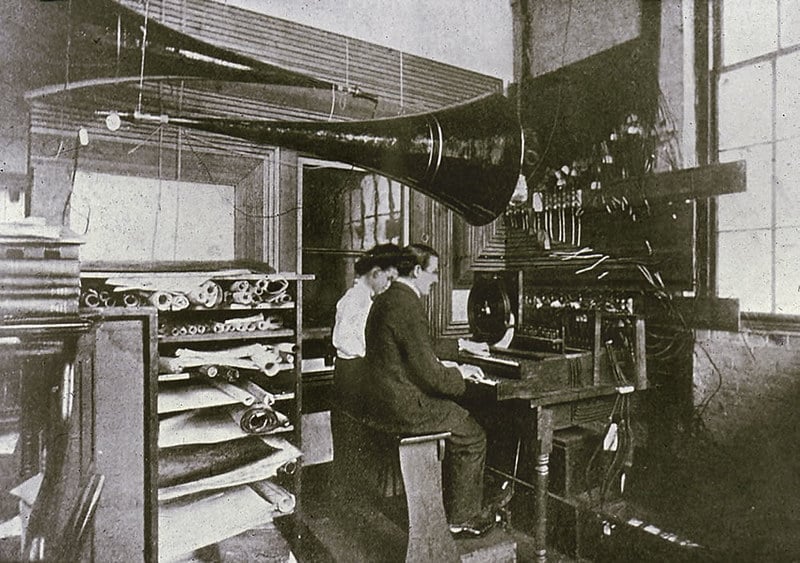
Music transmitted through telephone wires sounds impossible, but Thaddeus Cahill made it work in 1897. His Telharmonium weighed 200 tons and filled an entire floor of a Manhattan building, generating electrical signals that mimicked orchestral instruments and piped them directly into subscribers’ homes and businesses.
The machine hummed with the dedication of a cathedral organ. Subscribers could call in and request specific pieces, and a live operator would play them on the massive keyboard in real-time.
The sound quality was surprisingly rich — telephone wires carried the musical signals clearly enough that restaurants used the service as background music for diners. But telephone companies hated it.
The Telharmonium’s powerful electrical signals bled into regular phone conversations, so New Yorkers trying to conduct business would suddenly hear Chopin interrupting their calls.
Mechanical Calculators with Thousands of Gears
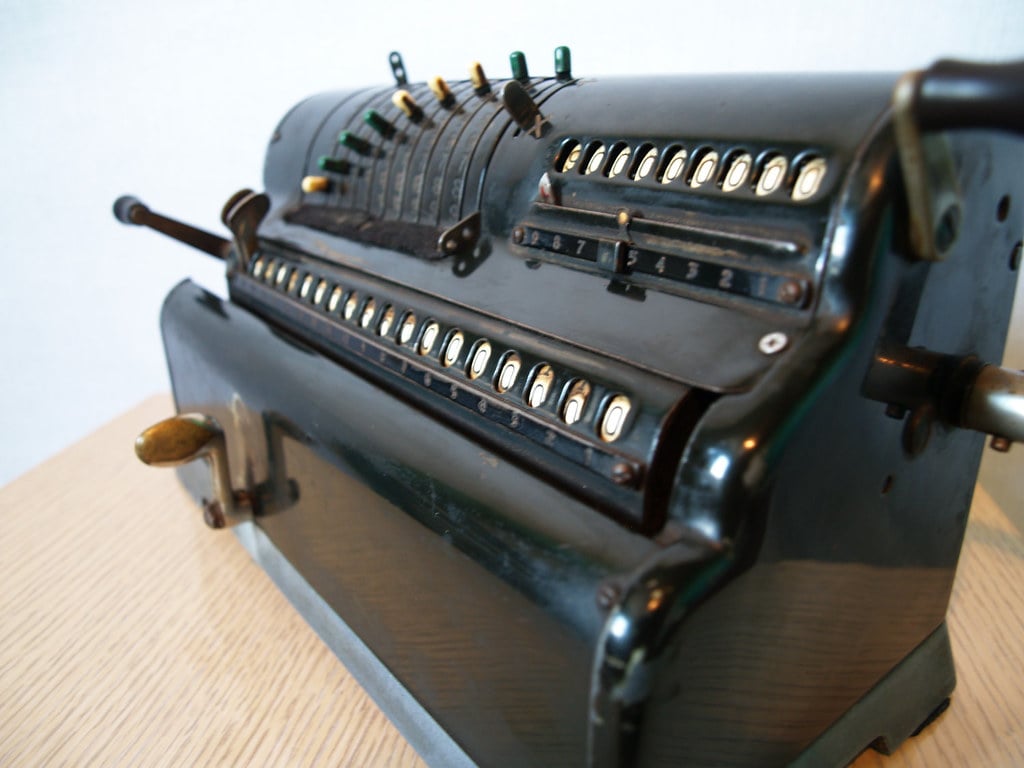
Before computers, there were machines that thought in brass and steel. Victorian mechanical calculators weren’t simple adding devices — they were intricate clockwork brains that could perform complex mathematical operations through pure mechanical precision.
The most ambitious was Charles Babbage’s Analytical Engine, a design so advanced that it included punched card programming and a separate “mill” for calculations. Never fully completed, but the surviving portions reveal gear systems of breathtaking complexity.
Steam-Powered Flight Attempts
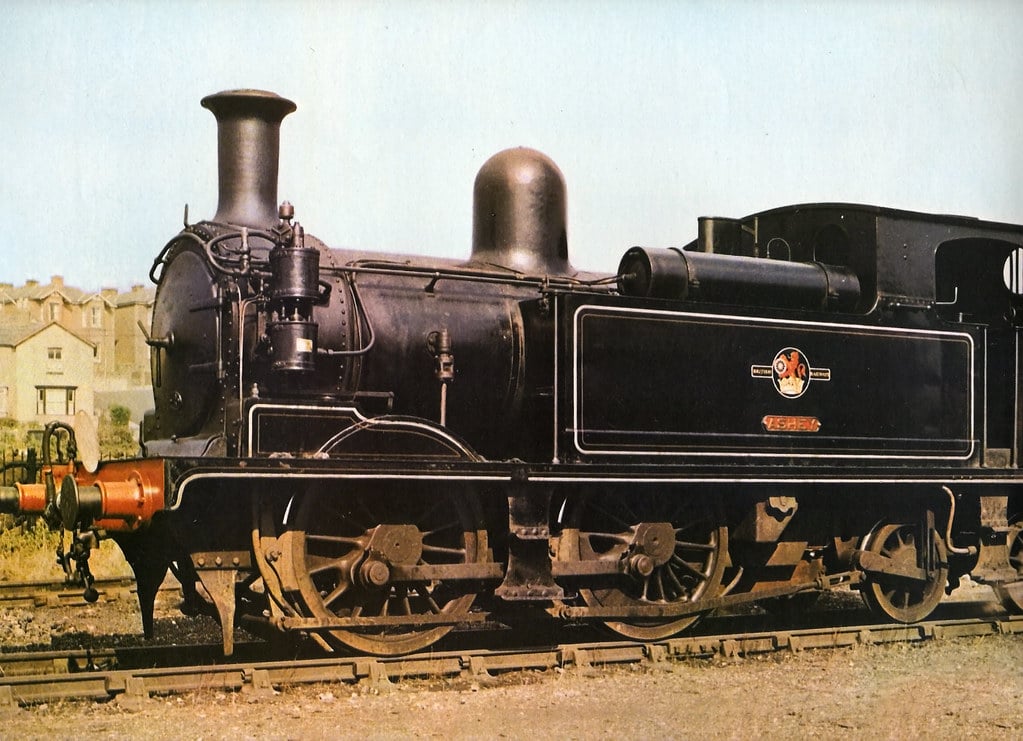
Steam engines lifted trains and powered ships, so naturally Victorian inventors tried strapping them to wings. These flying machines were doomed from the start — steam engines were far too heavy for flight — but the attempts were magnificently stubborn.
Hiram Maxim built a steam-powered aircraft in 1894 that weighed approximately 7,000-8,000 pounds and generated 180 horsepower. It actually achieved a brief lift-off during a test run in 1894, tearing free from its restraining rails before crashing back to earth.
Pneumatic Message Tubes
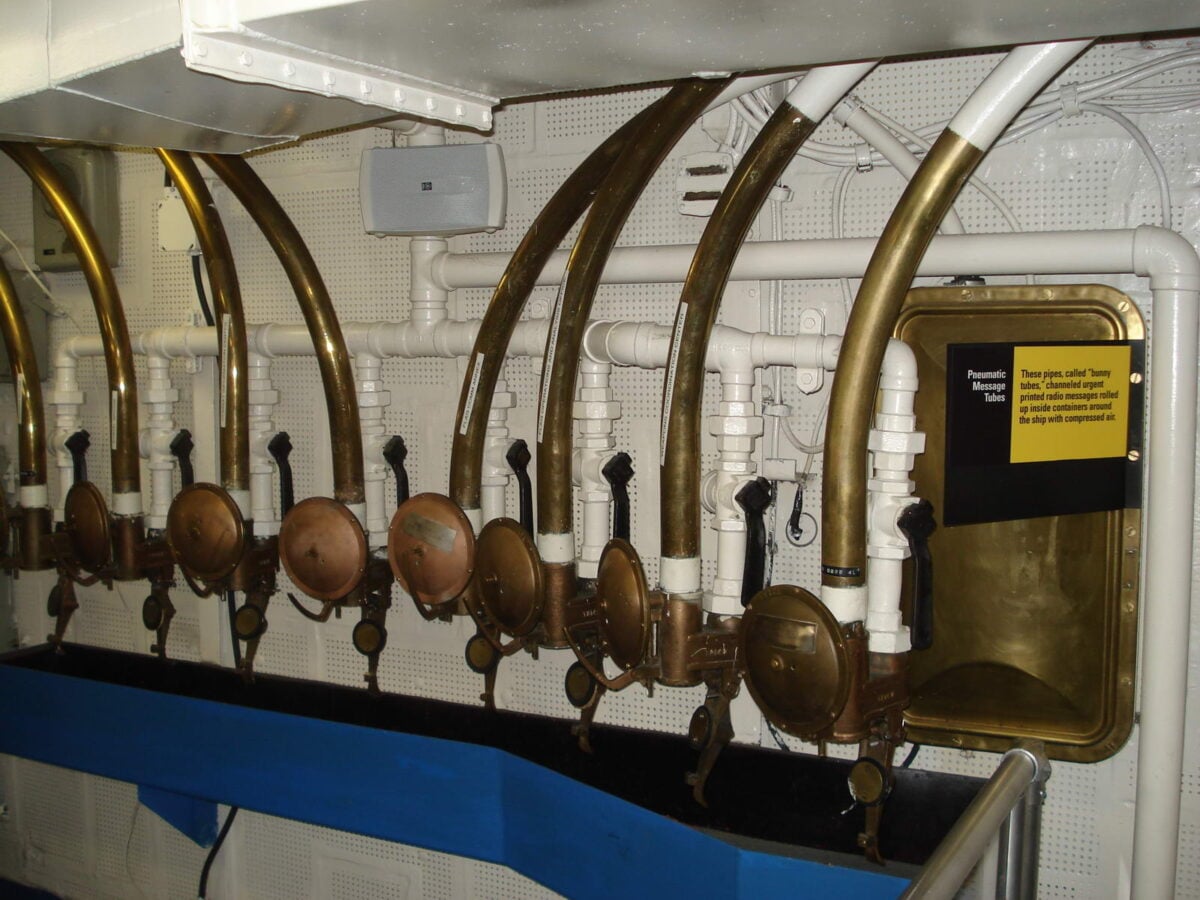
Cities once breathed through networks of underground tubes that shot messages across town faster than any messenger could run. These pneumatic postal systems used compressed air to propel brass capsules containing letters and documents through miles of underground piping.
London’s system connected post offices across the city, while Paris built an elaborate network that served businesses and government offices. The whoosh of capsules racing through tubes became the soundtrack of efficient communication — at least until telephone systems made them obsolete.
There’s something almost organic about how these tube networks spread beneath Victorian cities, like circulatory systems carrying information instead of blood, pulsing with compressed air that kept the urban body functioning smoothly until newer technologies replaced them entirely.
Mechanical Orchestras
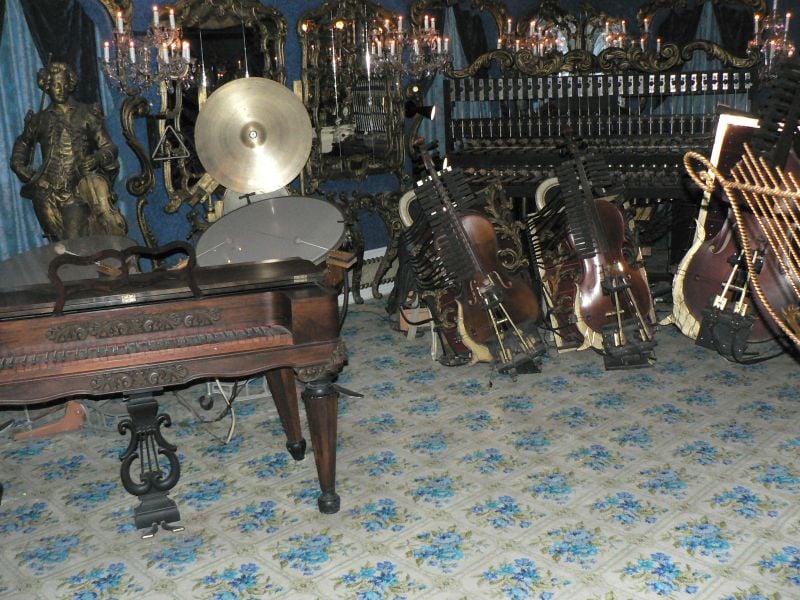
Player pianos were just the beginning. Victorian mechanical orchestras could reproduce entire symphonies using nothing but perforated paper rolls and clockwork precision.
These machines didn’t just play melody — they controlled violin bows, struck percussion instruments, and operated wind sections with mechanical fingers that moved faster and more accurately than human hands. The Orchestrion was the most impressive example.
Standing twelve feet tall and containing dozens of different instruments, it could perform complex classical pieces with dynamic expression that mimicked human musicians. Saloons and dance halls installed smaller versions for entertainment, while wealthy families bought elaborate models for their homes.
Naturally, professional musicians despised them. Why hire an orchestra when a machine could play Beethoven flawlessly every single time?
Atmospheric Computers
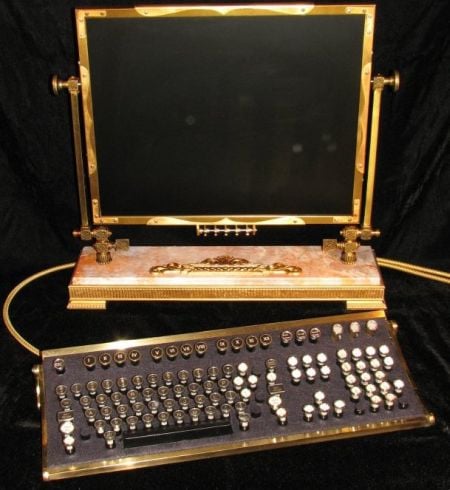
Long before electronic computation, Victorian inventors built machines that calculated using air pressure instead of electricity. These atmospheric computers used networks of tubes, valves, and pressure chambers to perform logical operations — essentially thinking with compressed air.
The principle was sound: air pressure could represent binary states just as effectively as electrical signals. But the machinery required to process complex calculations grew absurdly large and temperamental.
Weather changes affected the air pressure, which threw off the calculations. Leaks in the system could corrupt entire computational sequences.
Electric Corsets
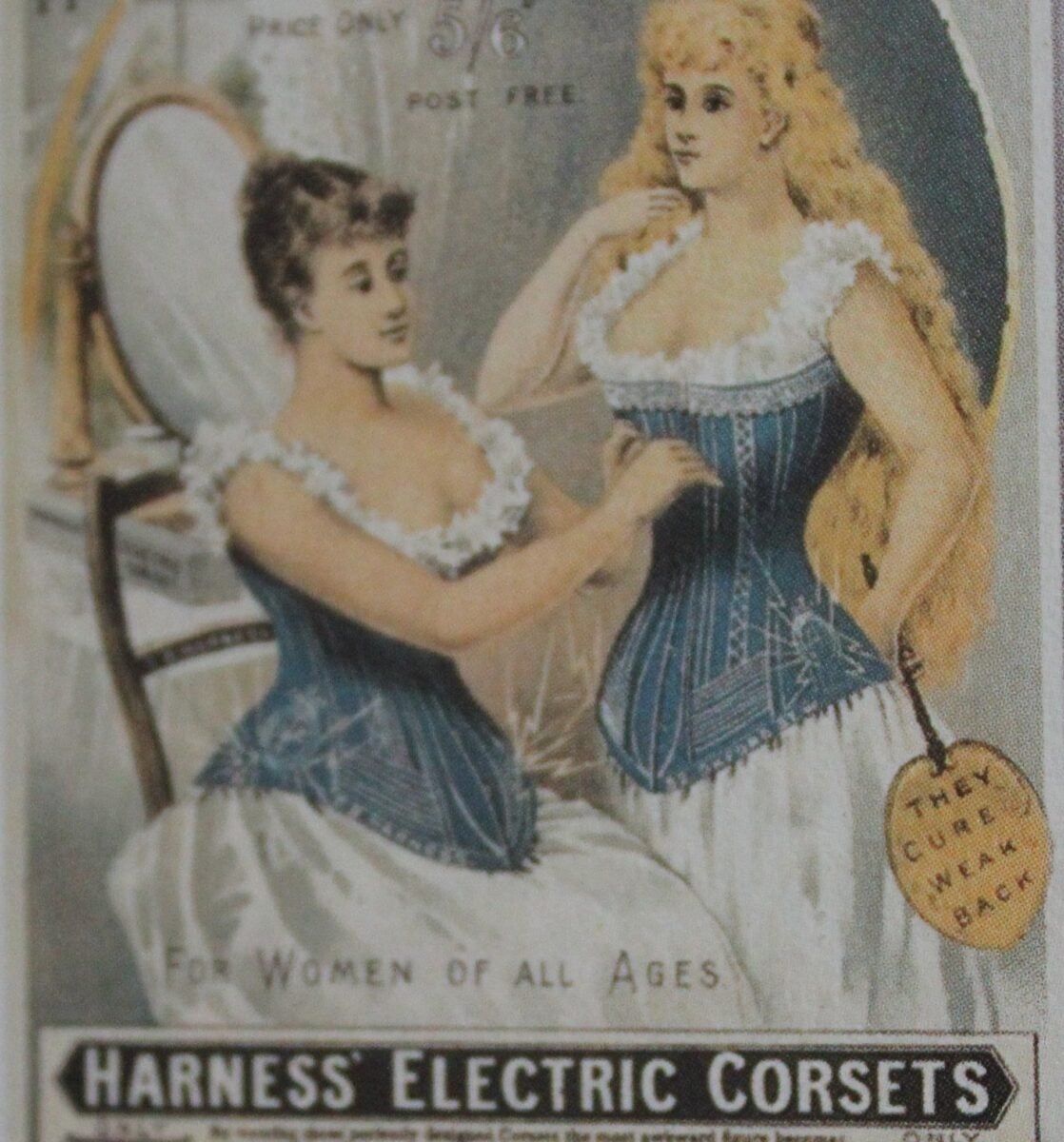
Victorian women’s fashion met electrical innovation in the form of battery-powered corsets that promised to cure everything from back pain to nervous disorders. These garments contained small electrical generators that delivered mild shocks to the wearer’s torso throughout the day.
The theory was that electrical stimulation would improve circulation and muscle tone. The reality was that most women found the constant buzzing more annoying than therapeutic.
The batteries were heavy, the wiring was unreliable, and the electrical contacts against the skin often caused irritation rather than relief.
Mechanical Typewriters with Visible Text
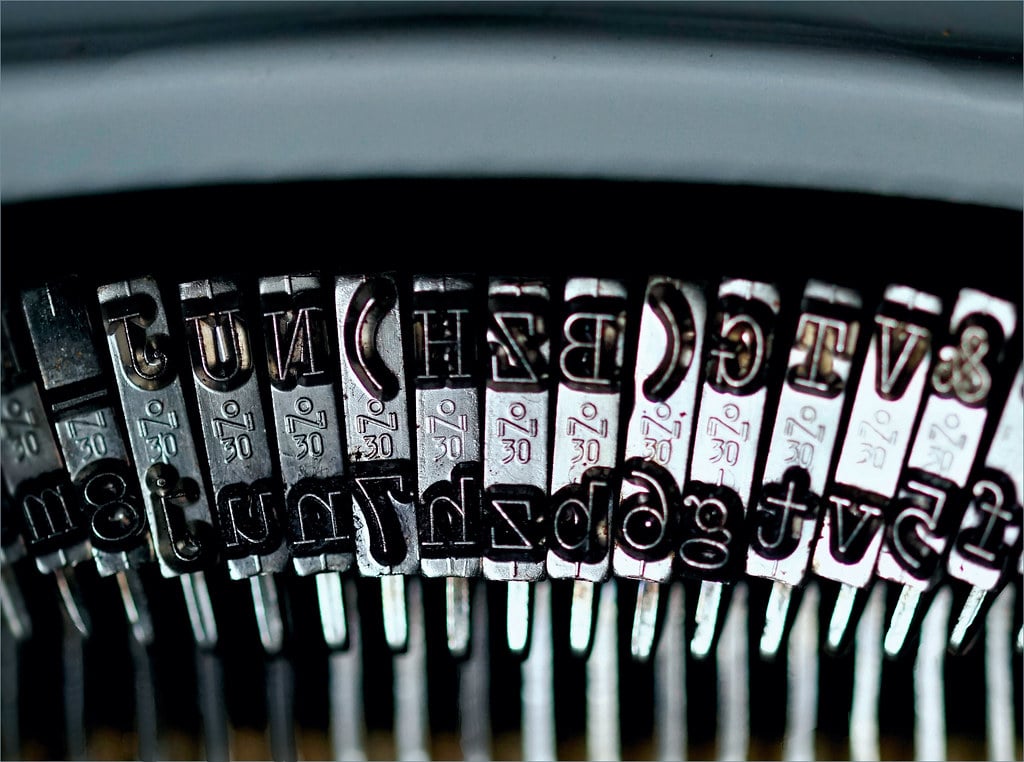
This might seem obvious now, but early typewriters were blind machines — you couldn’t see what you were typing until you finished a line and advanced the paper. The first “visible writing” typewriters were mechanical marvels that used complex lever systems to allow typists to actually watch their words appear on the page.
The Underwood No. 1, introduced in 1896, solved this problem through brilliant mechanical engineering. Instead of typing on the underside of the paper (where you couldn’t see the result), it positioned the type bars to strike the top of the page using a front-strike mechanism. This required an entirely new arrangement of gears, springs, and mechanical linkages that had to work with split-second timing to avoid jamming.
Secretaries who learned on these machines developed an almost musical rhythm, the mechanical percussion of the keys creating a steady beat that became the background sound of office work. Each keystroke required physical force — these weren’t gentle touches but deliberate strikes that engaged the full mechanical system, and typists developed strong fingers and a particular posture that accommodated the machine’s demands rather than fighting them.
Compressed Air Vehicles
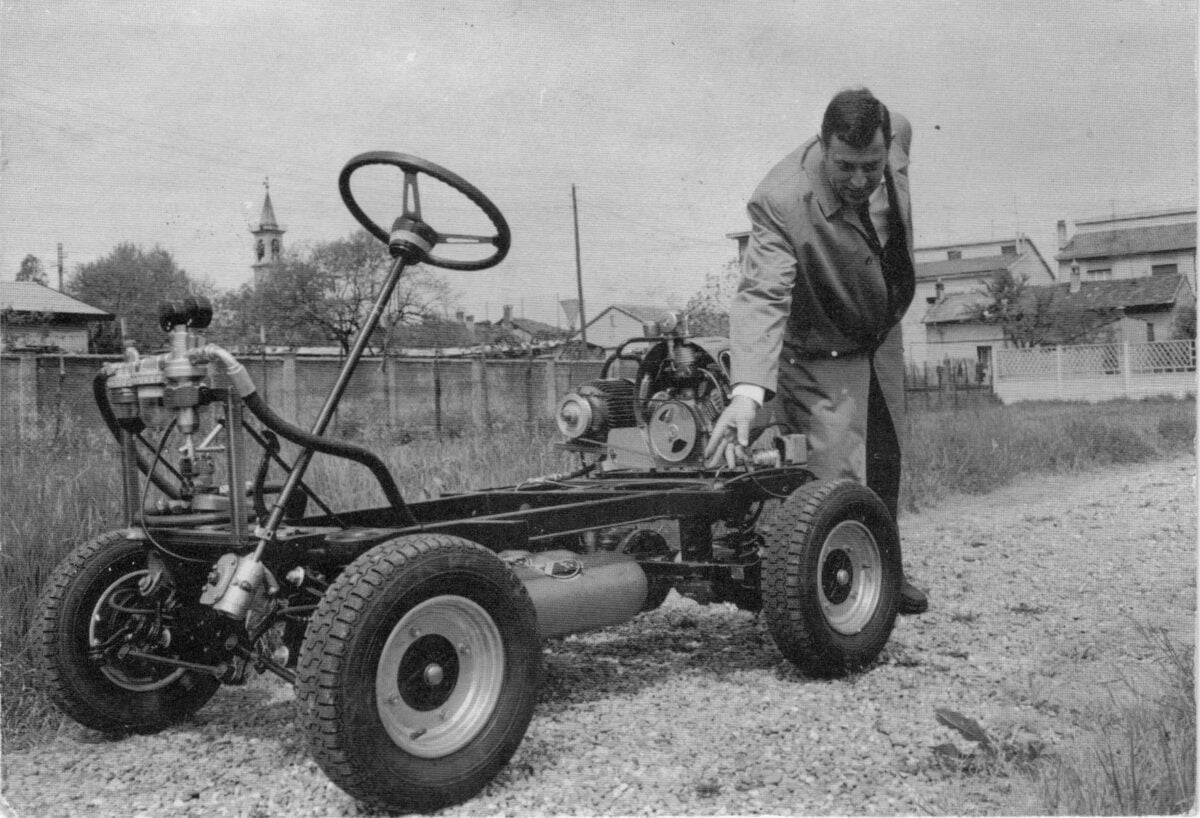
Before internal combustion engines dominated transportation, compressed air powered a surprising variety of vehicles. These machines stored pressurized air in tanks and released it through pneumatic engines that drove wheels, propellers, or paddle wheels.
The concept was elegant: no fuel needed during operation, no emissions, completely silent running. Compressed air tramways operated in several European cities, and experimental air-powered automobiles achieved respectable speeds and range.
The limitation was energy density. Compressed air tanks were heavy and bulky, and the air pressure dropped steadily during operation, causing performance to fade gradually rather than maintaining consistent power.
Self-Playing Violins
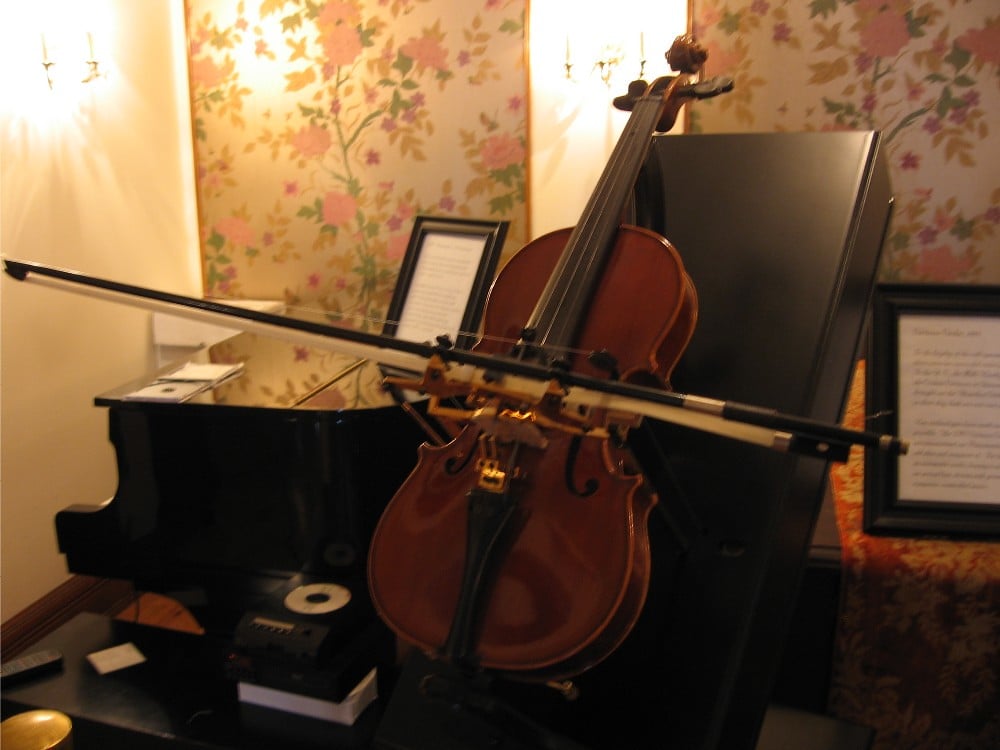
Mechanical music reached its most ambitious peak with instruments that could actually bow strings. Self-playing violins used rotating cylinders studded with pins that controlled both fingering and bowing, creating music that was indistinguishable from skilled human performance.
These machines required extraordinary precision. The mechanical bowing had to replicate the subtle pressure and angle variations that create expression in violin music.
The fingering mechanisms had to press strings at exactly the right positions while coordinating with the bowing motion.
Hydraulic Power Networks
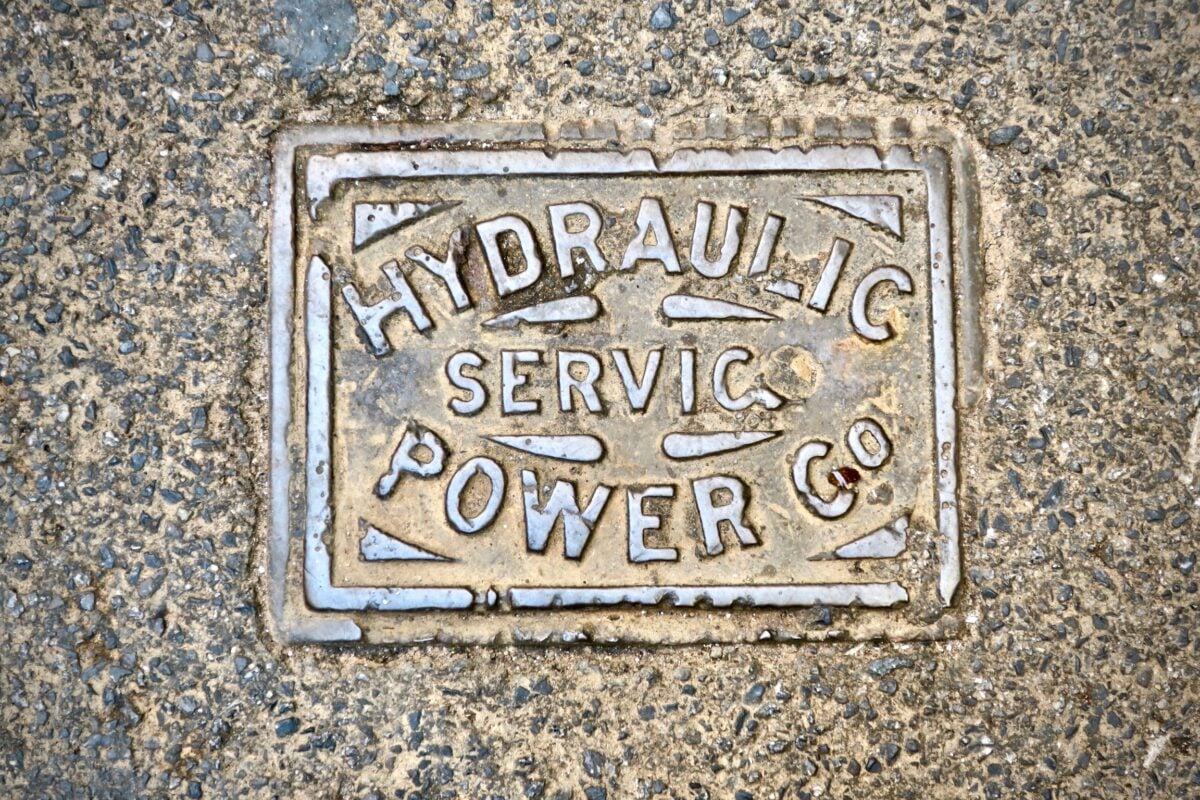
Before electrical grids, some Victorian cities distributed power through networks of pressurized water pipes. Central pumping stations generated hydraulic pressure that traveled through underground mains to power elevators, cranes, printing presses, and factory machinery throughout the city.
London’s hydraulic power system operated for nearly a century, providing reliable mechanical power to buildings across the city center. The system was remarkably efficient — water pressure could be transmitted over long distances without significant loss, and hydraulic motors provided smooth, controllable power for delicate operations.
Hotels used hydraulic power for their elevators, newspapers used it for printing presses, and construction sites used it for cranes and hoists. The network hummed quietly beneath the city, pressurized water flowing through cast iron pipes to wherever mechanical power was needed, creating an invisible infrastructure that kept Victorian London moving long before electrical motors became practical alternatives.
Mechanical Chess Players
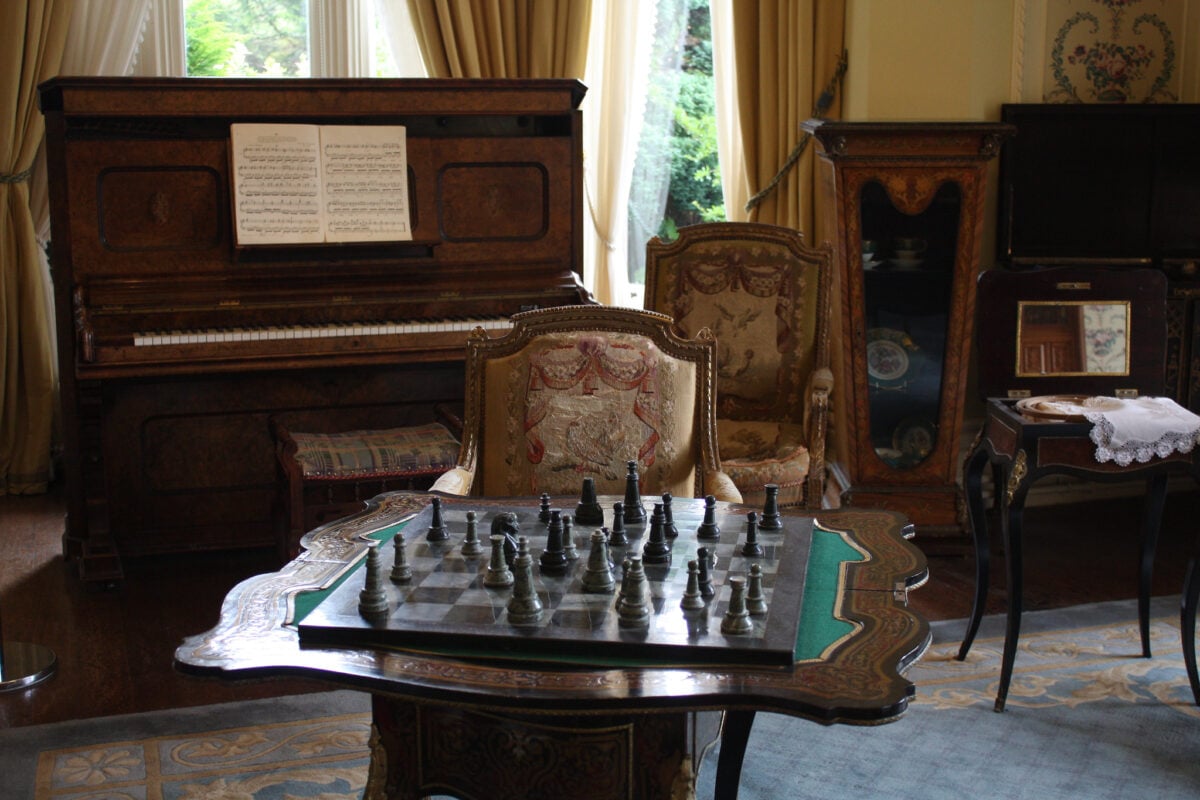
The Victorian era produced several ingenious mechanical chess-playing machines that could actually analyze positions and make strategic moves without human intervention. These weren’t the famous “automaton” chess players that concealed human operators — they were genuine mechanical computers designed to calculate chess moves through pure clockwork logic.
The most sophisticated examples used systems of rotating drums, sliding rules, and mechanical memory devices that could evaluate chess positions and select appropriate responses. The machinery had to account for the movement rules of each piece type, recognize tactical patterns, and even implement basic opening strategies.
Programming these machines required encoding chess knowledge into mechanical form — literally building strategic thinking into arrangements of gears and levers. The playing strength was modest by human standards, but the fact that brass and steel could play coherent chess at all was remarkable enough to draw crowds of amazed spectators.
Mechanical Weather Predictors
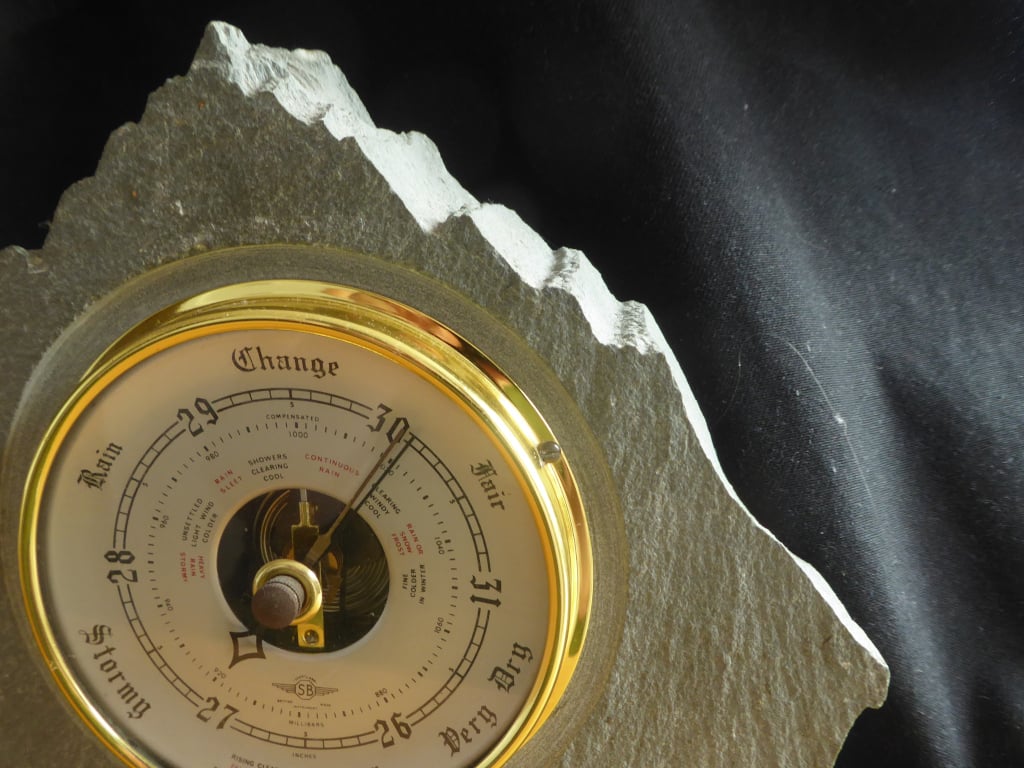
Victorian meteorology produced elaborate mechanical devices that attempted to predict weather patterns through purely mechanical calculation. These machines used multiple barometers, thermometers, and wind gauges connected to complex gear systems that processed atmospheric data and generated weather forecasts.
The most ambitious weather machines incorporated dozens of instruments and could track multiple atmospheric variables simultaneously. Operators fed current readings into the machine by adjusting dials and levers, and the mechanical computer would calculate likely weather changes based on programmed meteorological principles.
The predictions were often spectacularly wrong, but the machines looked impressively scientific with their arrays of gauges, rotating drums, and mechanical calculators clicking away as they processed atmospheric data.
When Brass and Steam Gave Way to Silicon
These forgotten inventions share a common thread — they represent the last era when complex technology remained mechanically comprehensible. You could watch a pneumatic message tube work and understand exactly how compressed air pushed the capsule through the pipe.
You could observe a mechanical calculator and trace how each gear contributed to the final computation. That transparency disappeared when electronics took over.
Modern devices perform far more impressive feats, but their operation remains invisible, hidden behind microscopic circuits and software code. The Victorian inventors who built these mechanical marvels worked within physical constraints that forced elegance and ingenuity, creating machines that were simultaneously functional art and practical tools — a combination that the digital age rarely manages to achieve.
More from Go2Tutors!

- The Romanov Crown Jewels and Their Tragic Fate
- 13 Historical Mysteries That Science Still Can’t Solve
- Famous Hoaxes That Fooled the World for Years
- 15 Child Stars with Tragic Adult Lives
- 16 Famous Jewelry Pieces in History
Like Go2Tutors’s content? Follow us on MSN.



