15 Objects Found in Shipwrecks That Raised More Questions Than Answers
Our oceans’ foggy depths act as time capsules, holding onto the remains of millennia’ worth of nautical catastrophes. Every time archaeologists and explorers visit these underwater cemeteries, they sometimes find objects that are hard to explain and cast doubt on our historical understanding.
The 15 items listed below were found in shipwrecks and continue to baffle experts and enthusiasts. They all provide clues to unsolved mysteries..
The Antikythera Mechanism
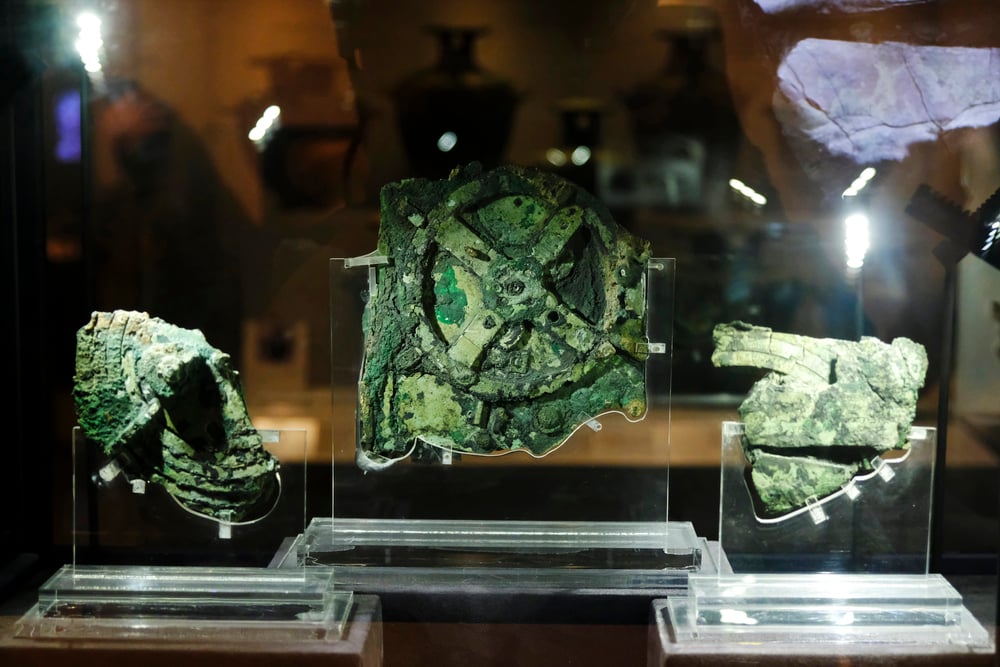
This antique analog computer, which was discovered in a Greek shipwreck from approximately 60 BCE, astounded contemporary experts with its extraordinary intricacy. Historians had thought that technology would not be developed for another 1,500 years, yet the bronze device’s more than 30 complex gears could track astronomical positions with incredible accuracy.
Its intricate engineering has compelled scholars to reevaluate ancient Greek technological prowess.
The James Cook’s Secret Maps
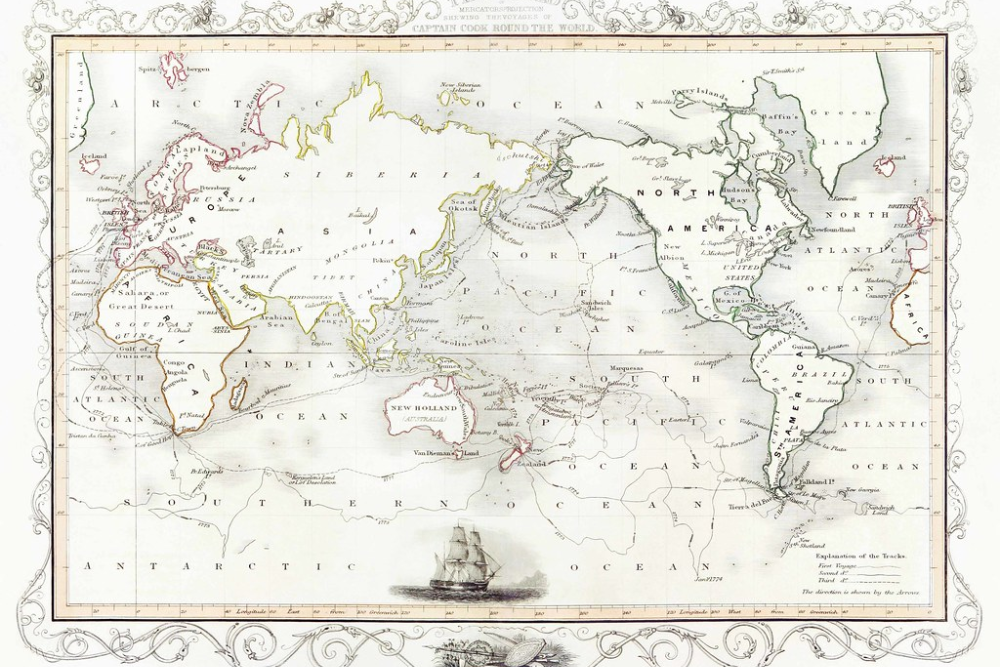
When divers explored the HMS Endeavour’s remains in the late 1990s, they discovered waterproof cases containing maps that don’t match Cook’s official navigation records. These alternative charts show landmasses in locations Cook never reported visiting, including detailed coastlines of Antarctica nearly 50 years before its official discovery.
Maritime historians remain divided on whether they represent secret missions or elaborate forgeries planted after the ship’s demise.
The Baltic Sea Anomaly

Discovered in 2011 by the Swedish diving team Ocean X, this unusual circular formation near a 19th-century shipwreck has sparked intense debate. The 200-foot diameter object bears striking similarities to the fictional Millennium Falcon spacecraft, with unusual straight lines and right angles rarely found in natural formations.
Despite numerous expeditions, experts cannot agree if it’s a natural geological formation, a man-made structure, or something else entirely.
Unopened Champagne Bottles
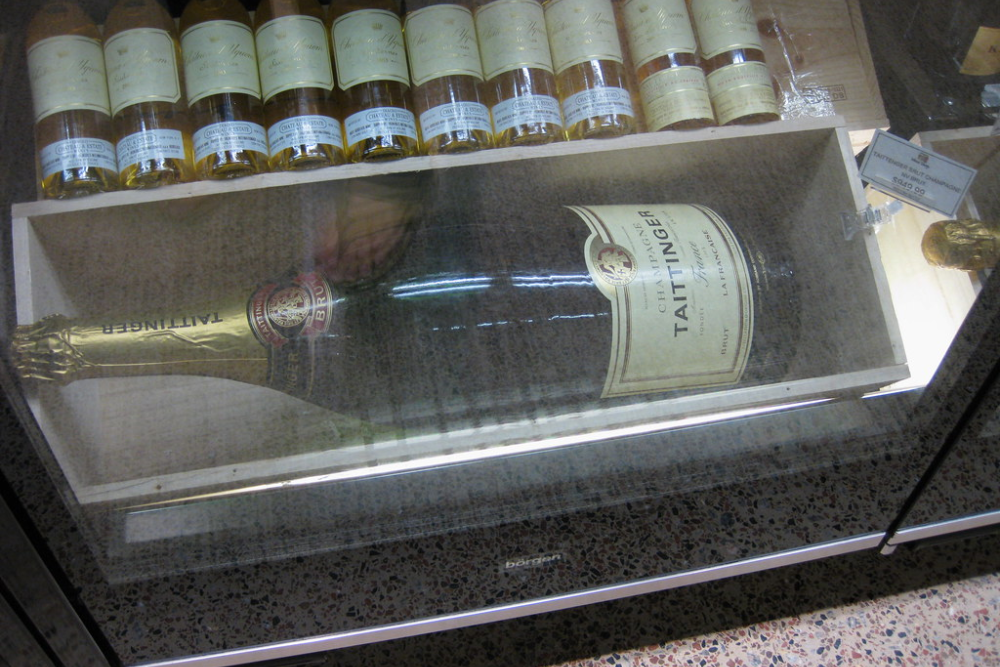
Several perfectly preserved champagne bottles recovered from an 1840s Baltic Sea shipwreck contained liquid that was still drinkable, and surprisingly sweet by modern standards. Chemical analysis revealed sugar concentrations nearly three times higher than today’s sweetest dessert champagnes, contradicting historical records about 19th-century winemaking preferences.
The discovery has prompted wine historians to question everything they thought they knew about historical taste preferences and preservation techniques.
The Copper Scroll Map
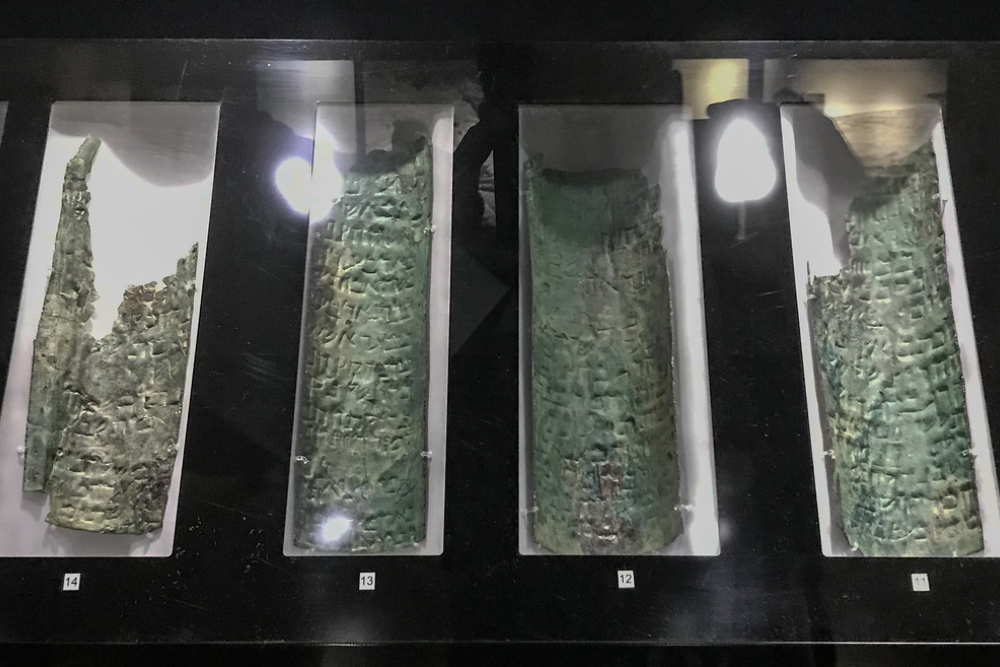
Salvaged from a 16th-century Spanish galleon, this copper scroll contains an intricate map with coordinates that don’t correspond to any known land masses today. The scroll includes strange symbols resembling Aztec and Egyptian hieroglyphics combined with European cartography techniques, suggesting a level of global cultural exchange previously undocumented.
Despite numerous expeditions following its directions, the treasures it supposedly marks remain undiscovered.
Nameless Coins

A collection of gold coins that was recovered from a Mediterranean wreck bore no recognizable nation’s markings or ruler’s portrait, unusual for currency of any era. Instead, they feature an unidentified skyline of a massive city and astronomical symbols that don’t match any known ancient civilization’s iconography.
Metallurgical tests confirmed the coins are genuinely ancient, leading to speculation about a possible advanced society erased from historical records.
Roman Batteries
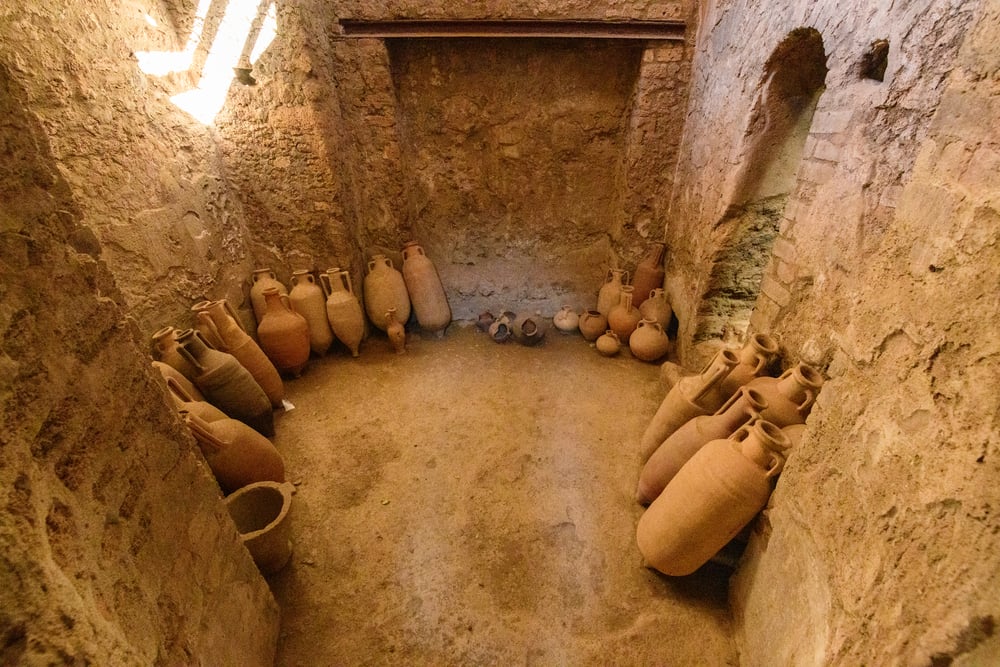
Several clay jars with iron rods and copper cylinders were discovered on board a Roman commerce ship that went down in the year 200 CE. Nearly 1,600 years before they were formally invented, these devices, which work essentially as batteries, create measurable electrical current when correctly loaded with acidic liquid.
Since no modern historical writings make reference to such technology, this discovery led scholars to wonder what the Romans might have done with electrical current.
The Uluburun Stone
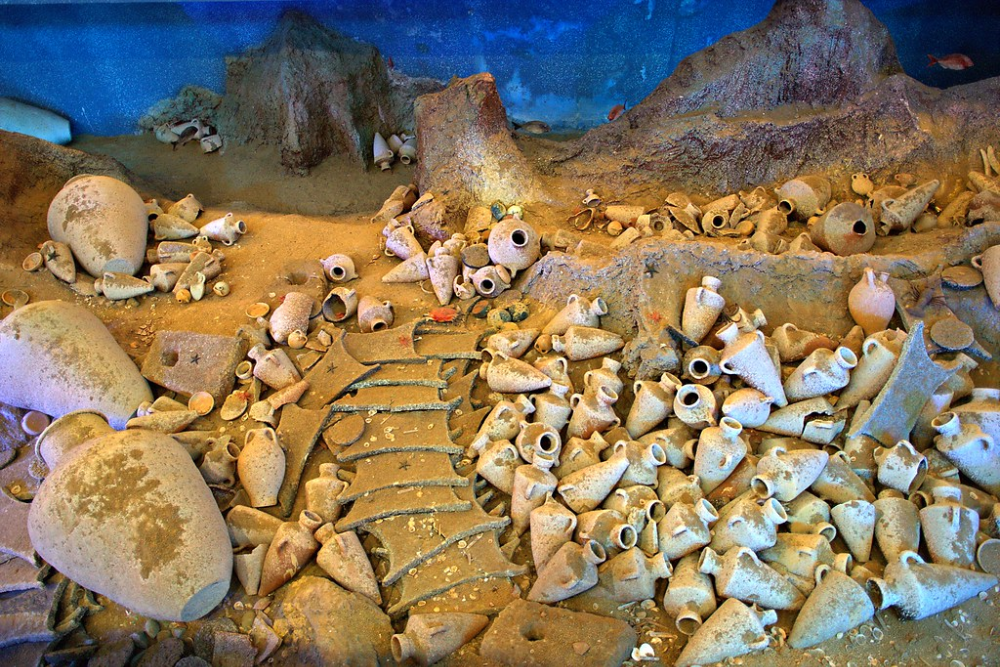
This small, carved stone tablet recovered from a Bronze Age shipwreck near Turkey contains markings that combine elements from multiple writing systems that shouldn’t have coexisted. The hybrid script includes symbols from Minoan Linear A, Egyptian hieroglyphics, and proto-Canaanite letters in patterns that suggest intentional communication rather than decorative design.
Linguists have remained puzzled by its apparent ability to bridge supposedly separate ancient communication systems.
Mercury-Filled Spheres
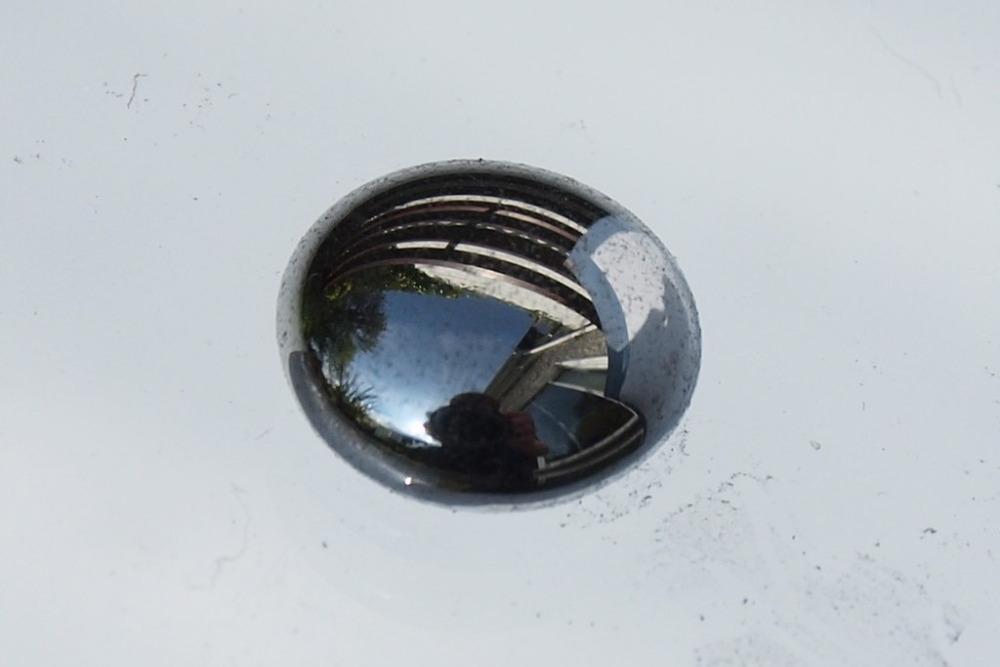
When a Portuguese ship sank off the coast of Brazil in the 17th century, several finely machined metal spheres filled with liquid mercury were found inside. Since mercury had few uses at the time and was rarely transported in such containers, the function of these finely constructed items is completely unknown.
The smooth fabrication of the spheres demonstrates a level of industrial expertise uncommon for that era.
Crystal Skulls

Although commonly associated with terrestrial archaeological sites, several crystal skulls have been recovered from Caribbean shipwrecks dating to the early colonial period. These perfectly polished quartz carvings show no tool marks and demonstrate optical properties that would have been impossible to create with technology available at the time.
Also, their presence on Spanish vessels decades before their supposed discovery on land has created significant timeline problems for historians.
The Phaistos Music Box
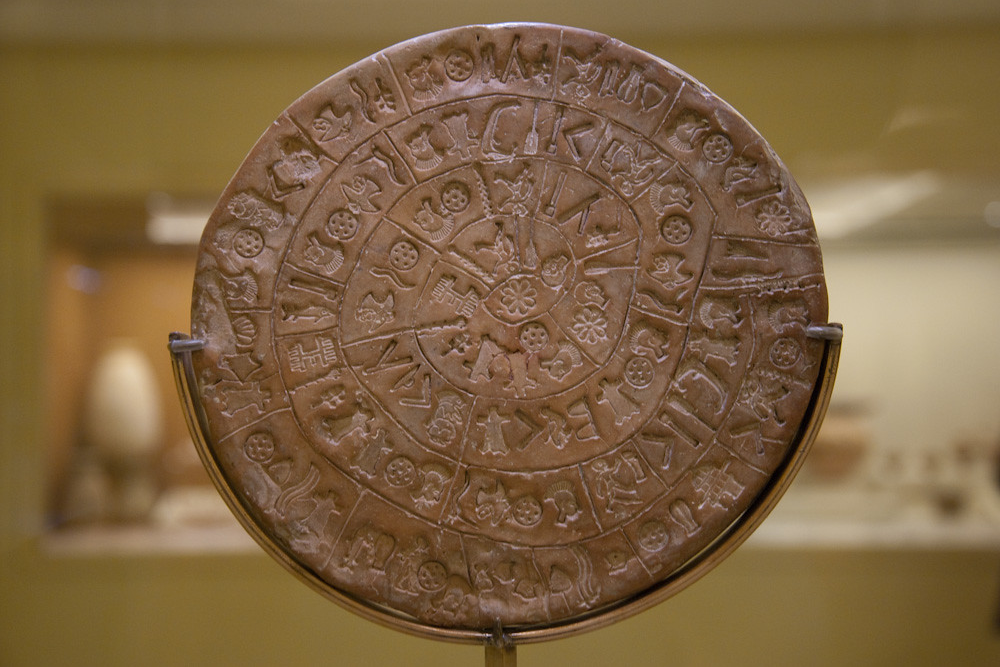
This unusual metal device recovered from a Minoan shipwreck near Crete contains a series of tuned metal reeds that produce distinct musical notes when air passes through them, essentially a sophisticated musical instrument from over 3,000 years ago. The scale it produces doesn’t match any known ancient musical system documented in historical records, suggesting entire musical traditions may have been lost to time.
The Voynich Manuscript
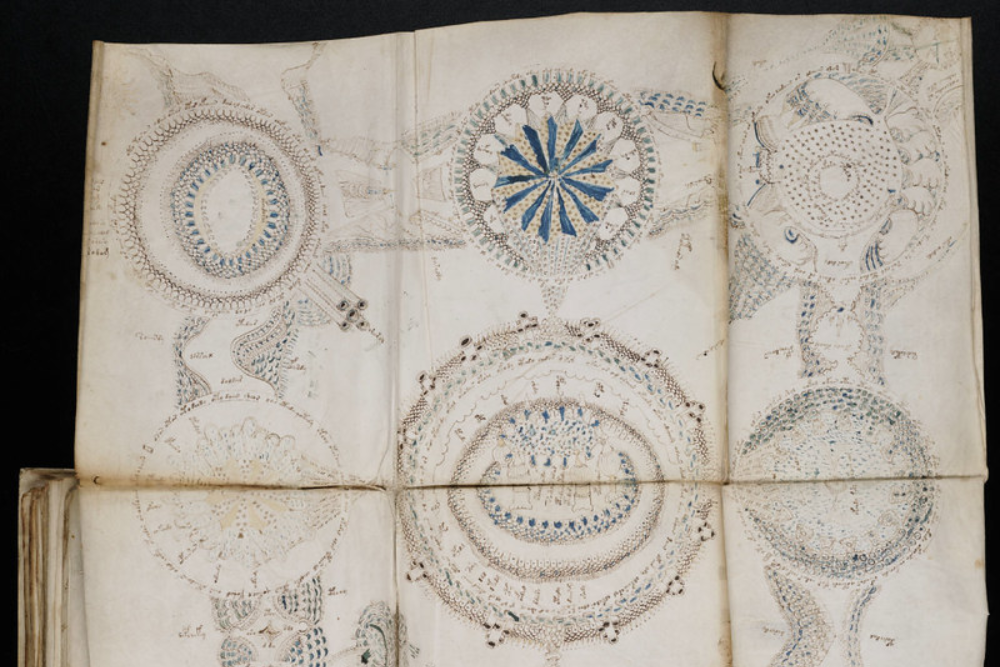
While the original Voynich Manuscript resides in Yale’s library, a nearly identical copy was discovered in a waterproof case aboard a 15th-century Venetian merchant vessel. The shipwreck copy contains additional pages not present in the Yale version, with illustrations of apparently American plant species that Europeans shouldn’t have encountered for decades after the ship sank.
The additional mystery deepens the already perplexing nature of this untranslatable text.
Metal Spheres With Perfect Ratios

Dozens of small metallic spheres, discovered in a 2nd-century BCE Greek cargo vessel exhibit mathematically perfect diameter-to-weight ratios that would require advanced understanding of metallurgical principles. More mysteriously, they’re composed of aluminum alloys that weren’t supposedly refined until the 19th century.
Their purpose still remains unknown, though some archaeologists suggest they might have been components of a larger calculating device similar to the Antikythera Mechanism.
The Black Sea Tablet
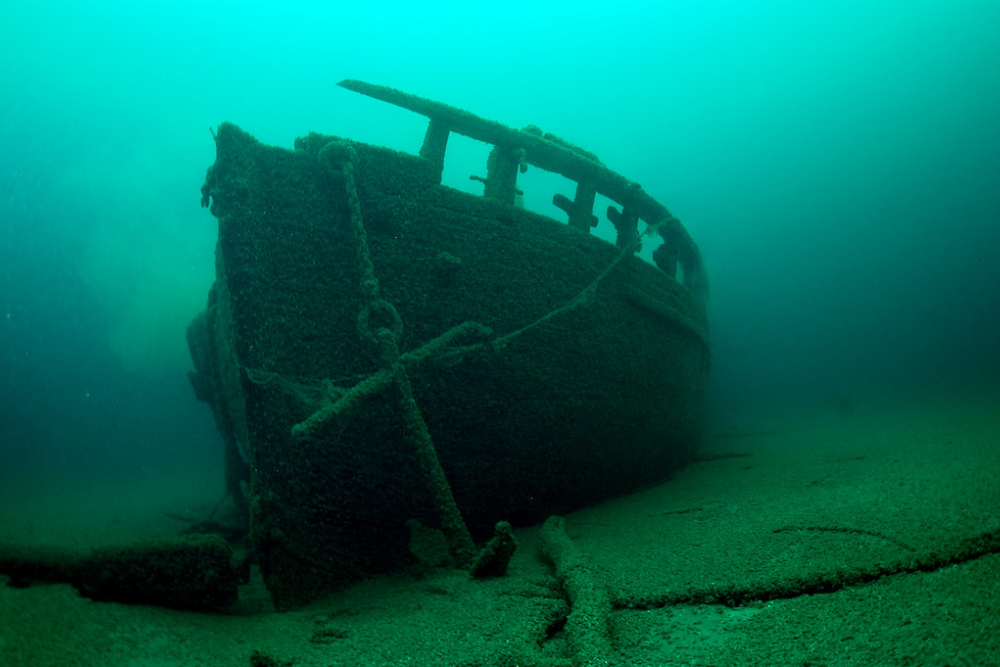
This ceramic tablet recovered from a Byzantine shipwreck contains text describing advanced medical procedures, including what appears to be a crude description of blood transfusion techniques that weren’t officially developed until the 17th century. The tablet also mentions anatomical details about the circulatory system that predates William Harvey’s discoveries by nearly a millennium, suggesting medical knowledge may have been lost and rediscovered throughout history.
The Yonaguni Monument
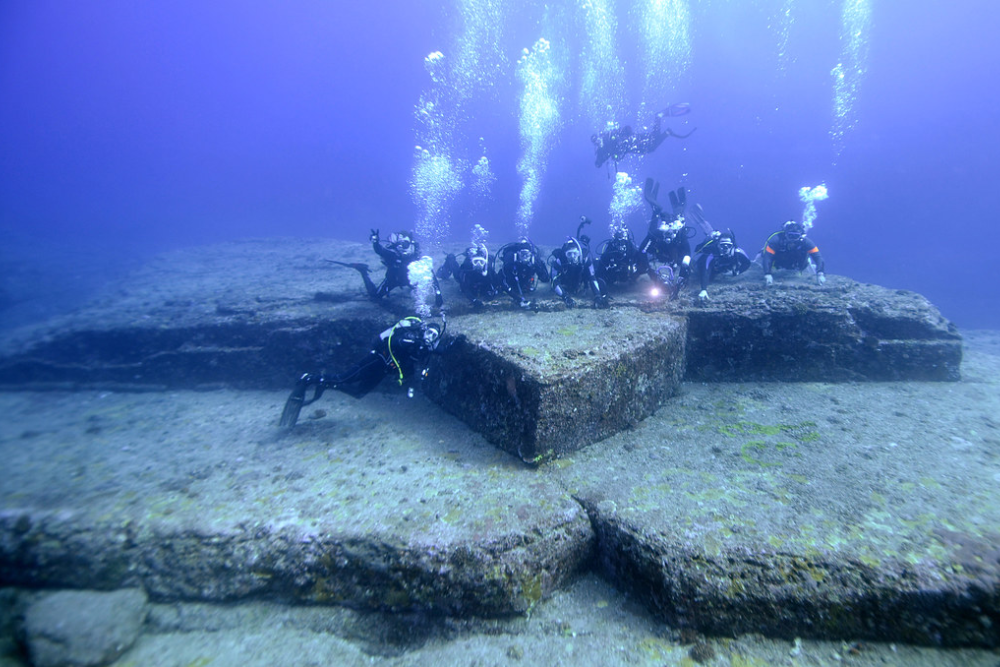
While not from a shipwreck itself, this underwater structure near Okinawa was discovered during a shipwreck investigation and has divided scientists ever since. The massive stone formation features seemingly perfect right angles, straight edges, and what appears to be a road network and staircase systems all potentially predating the last ice age.
The debate rages on whether it represents evidence of an unknown ancient civilization or simply unusual natural formations.
Mysteries Beneath the Waves
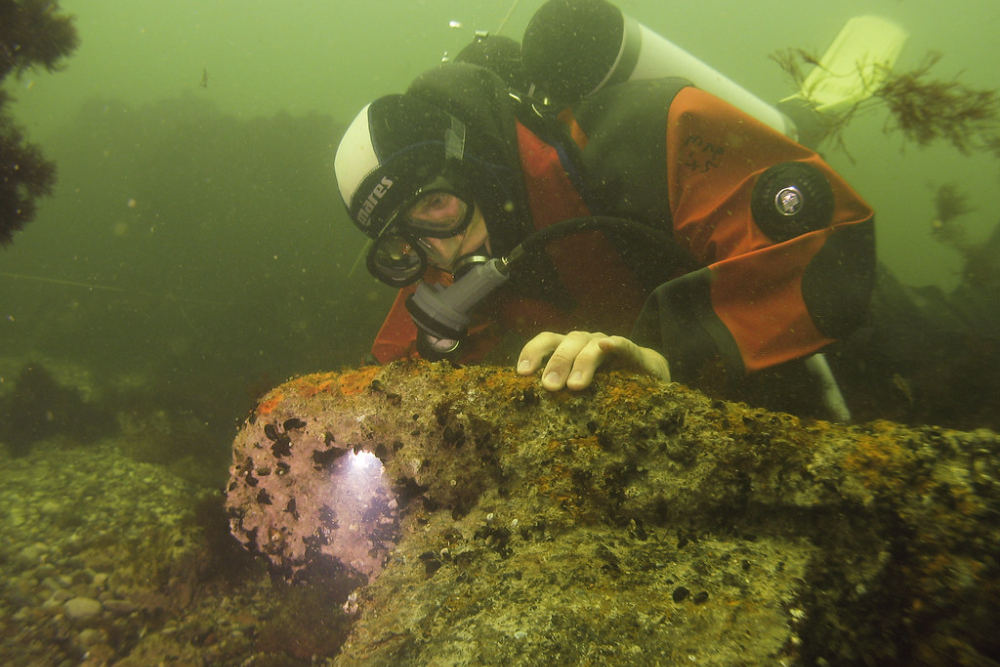
These enigmatic discoveries remind us that history is never as straightforward as we might like to believe. With each shipwreck excavation, we uncover not just answers but new questions that challenge our understanding of human ingenuity and historical timelines.
As technology advances and more wrecks become accessible to researchers, the boundary between what we know and what remains hidden continues to shift beneath the waters that cover most of our planet.
More from Go2Tutors!

- The Romanov Crown Jewels and Their Tragic Fate
- 13 Historical Mysteries That Science Still Can’t Solve
- Famous Hoaxes That Fooled the World for Years
- 15 Child Stars with Tragic Adult Lives
- 16 Famous Jewelry Pieces in History
Like Go2Tutors’s content? Follow us on MSN.



