15 Royal Pets That Became More Famous Than Their Owners
Throughout history, monarchs and nobility have shared their lavish palaces with beloved animal companions. While royals traditionally command attention, sometimes their pets steal the spotlight, capturing public imagination and affection.
These royal animals often enjoy privileges most humans could only dream of, from dedicated staff to custom-made wardrobes and even official titles. Here is a list of 15 royal pets that achieved fame surpassing their distinguished owners, becoming celebrities and historical figures in their own right.
Madam Noor Inayat Khan
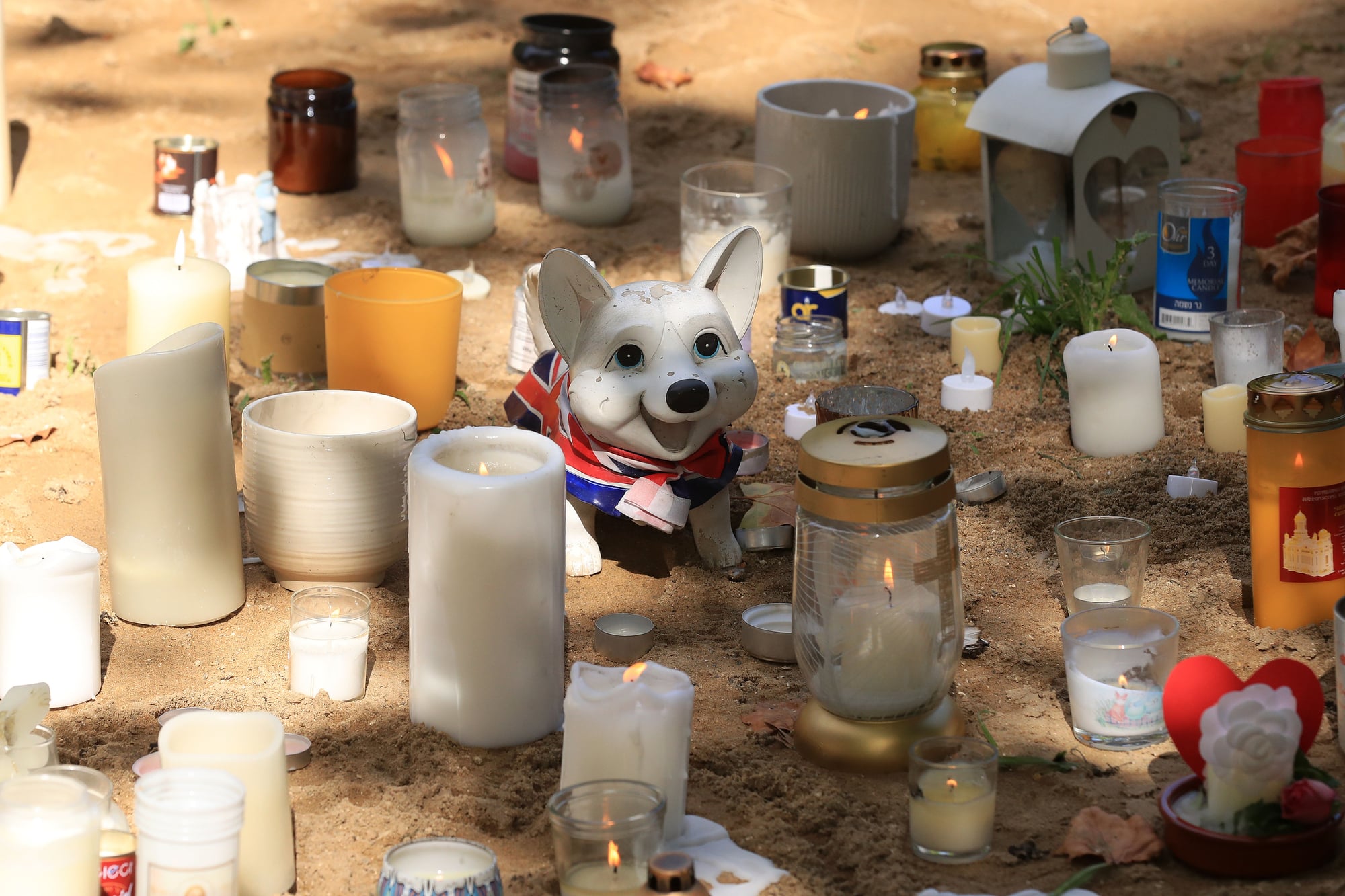
Queen Elizabeth II’s favorite corgi became an international sensation after appearing alongside Her Majesty and Daniel Craig in the iconic Olympics opening ceremony video. This clever canine performed tricks on command and had her own social media accounts managed by palace staff.
After her passing in , Madam received tributes from world leaders and a small statue in the Buckingham Palace gardens.
Caesar the Terrier
King Edward VII’s fox terrier wore a collar inscribed with ‘I am Caesar, I belong to the King.’ This privileged pooch attended diplomatic meetings and slept on a chair next to the royal bed.
During Edward’s funeral procession in , Caesar walked prominently behind the coffin, ahead of foreign dignitaries and heads of state, causing diplomatic murmurs and capturing newspaper headlines worldwide.
Like Go2Tutors’s content? Follow us on MSN.
Ding Ding

Emperor Guangxu’s Pekingese enjoyed more freedom in China’s Forbidden City than most imperial family members during the late Qing dynasty. The small dog regularly interrupted court proceedings and had six servants dedicated exclusively to his care.
His image appeared on unofficial currency and decorative items across China, making him more recognizable to common people than his reclusive master.
Noble
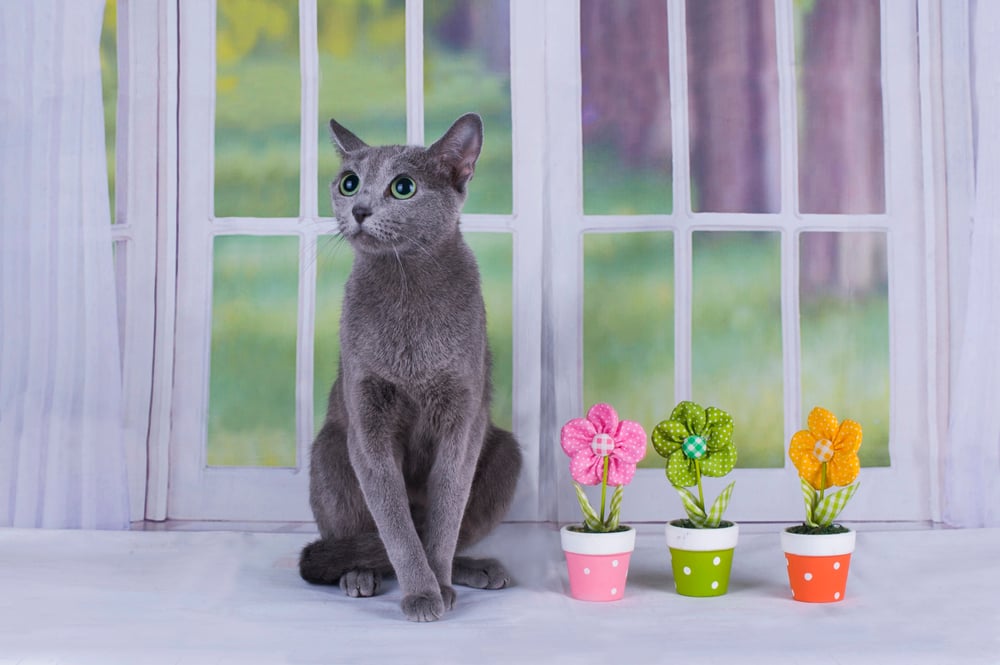
The Russian Blue cat belonging to Grand Duchess Olga Nikolaevna possessed his own heated palace apartment and a dedicated chef during the final years of Romanov rule. This pampered feline had a custom-made gold-plated water bowl and received daily brushing with silver combs imported from Paris.
Noble’s elaborate lifestyle was documented in numerous society magazines, becoming symbolic of imperial excess before the revolution.
Sully
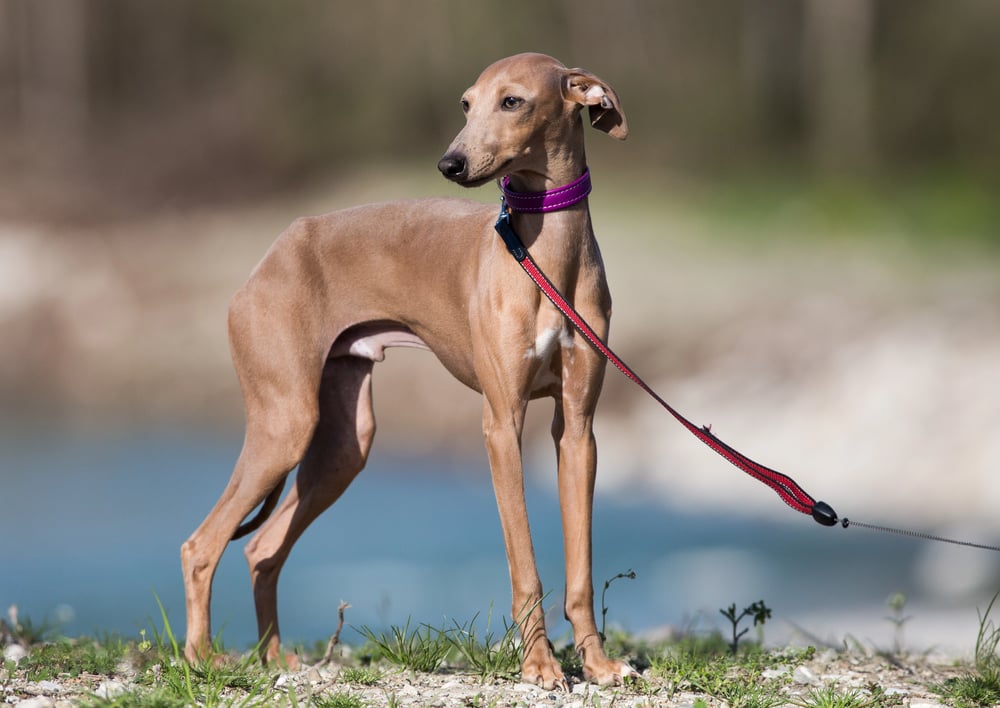
King Frederick the Great’s Italian greyhounds lived more luxuriously than most European nobility in th-century Prussia. His favorite, Sully, slept on a velvet cushion while Frederick often rested on a simple military cot.
Paintings of Sully hang in museums throughout Germany, and his carved likeness adorns Frederick’s tomb at Sanssouci Palace, fulfilling the king’s wish to be buried alongside his beloved companion.
Like Go2Tutors’s content? Follow us on MSN.
Diamond Jim
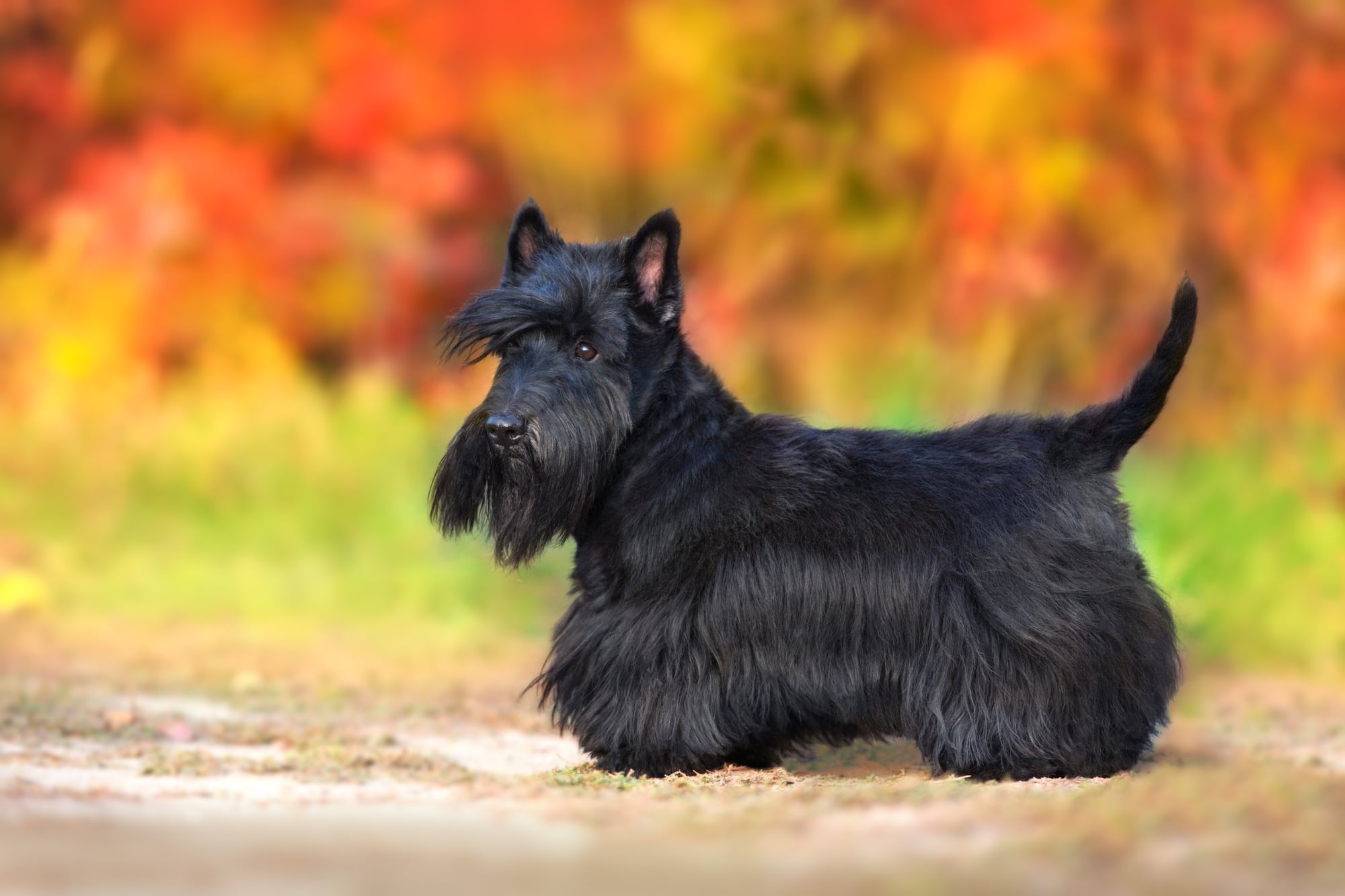
Queen Victoria’s Scottish terrier traveled with his own passport and diplomatic papers when visiting foreign countries with the monarch. Jim received birthday cards from dignitaries worldwide and had a special tea service created by Royal Doulton featuring his likeness.
His miniature replica crown, crafted by royal jewelers, is currently displayed in the Victoria and Albert Museum as one of its most popular exhibits.
Snowflake
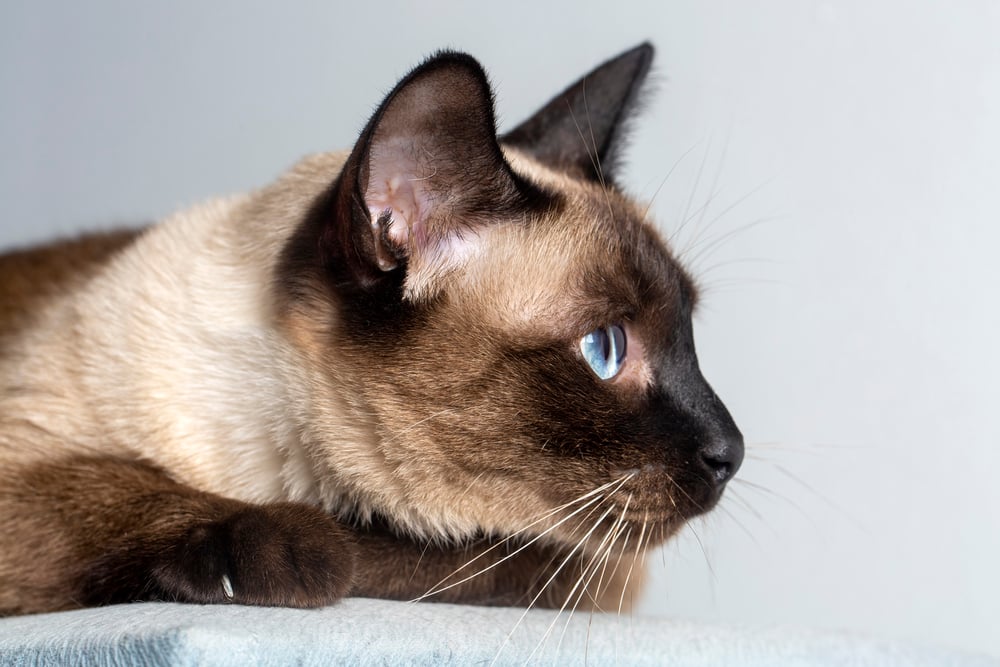
The white Siamese cat belonging to Thailand’s King Rama V had its own retinue of servants and specialized silken pillows. Poems were written about Snowflake’s beauty, and its image appeared on ceremonial items throughout the kingdom.
When the famous feline died in , the king ordered a three-day mourning period and commissioned a life-sized gold statue that still stands in Bangkok’s Grand Palace.
Whitehall
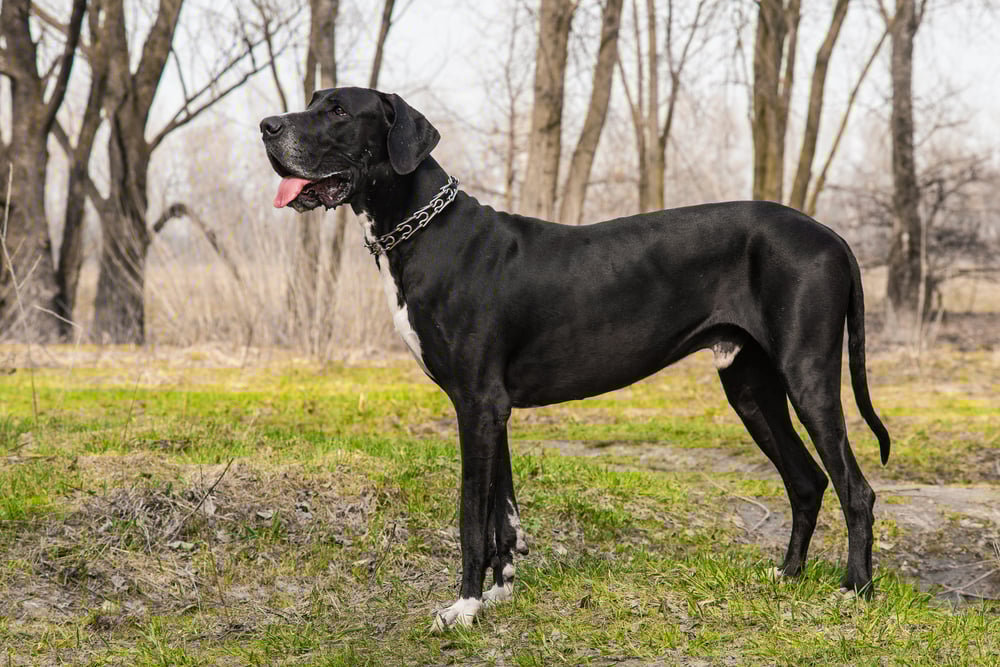
King George III’s Great Dane had meals served by white-gloved attendants and wore custom-made velvet collars for different seasons. During the king’s periods of illness, Whitehall conducted ‘royal inspections’ of the palace guards, who were instructed to salute the dog as it passed.
The massive canine became such a fixture in political cartoons that many ordinary Britons could identify Whitehall but couldn’t recognize the king.
Like Go2Tutors’s content? Follow us on MSN.
Joli Coeur
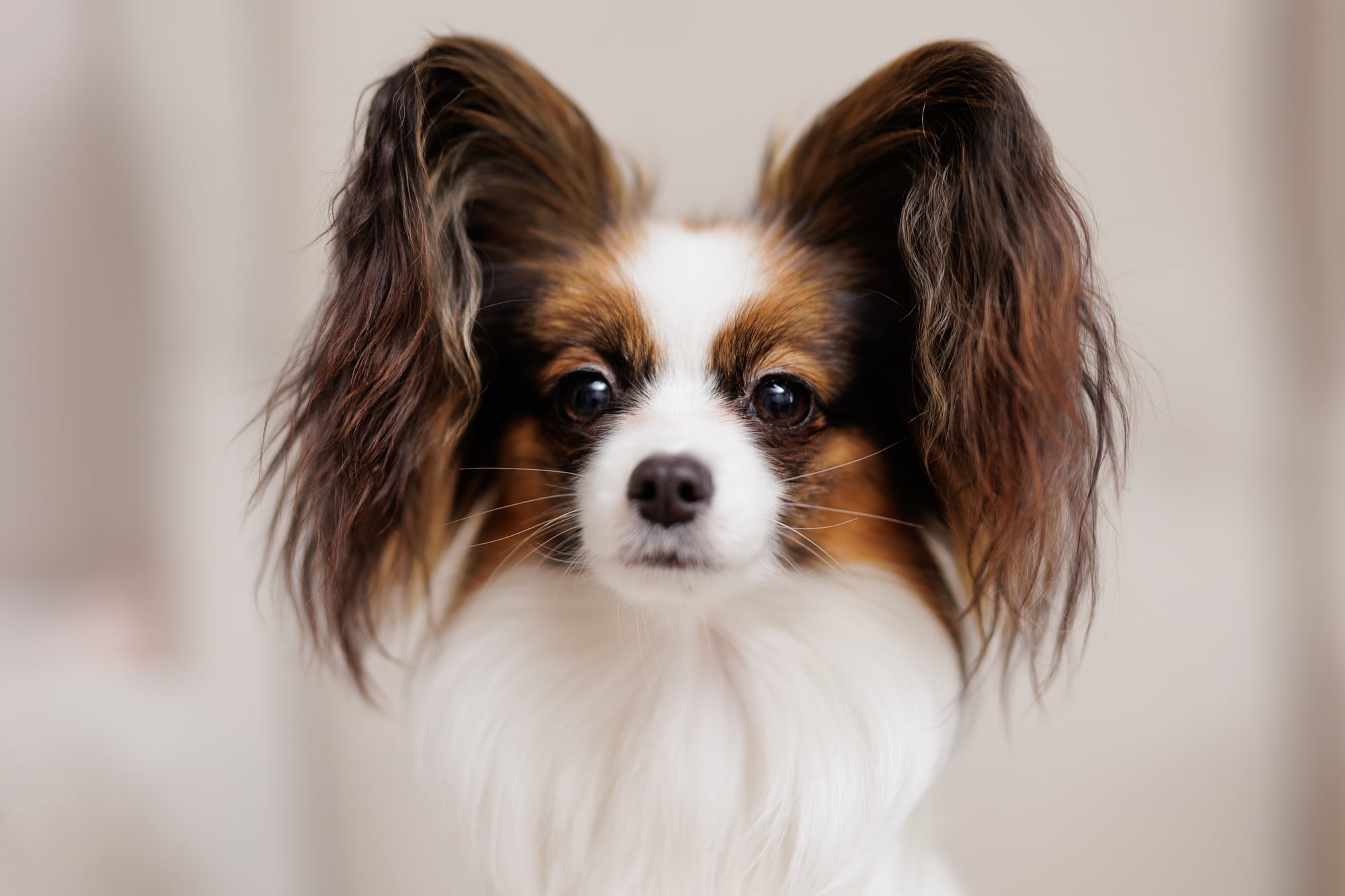
Marie Antoinette’s papillon received grooming three times daily and slept in a custom rosewood bed with silk sheets at Versailles. The tiny dog wore diamond-studded collars and had outfits coordinated with the queen’s extensive wardrobe.
During the French Revolution, more satirical pamphlets targeted Joli Coeur’s extravagant lifestyle than focused on the queen herself, making the dog a powerful symbol of royal excess.
Nero
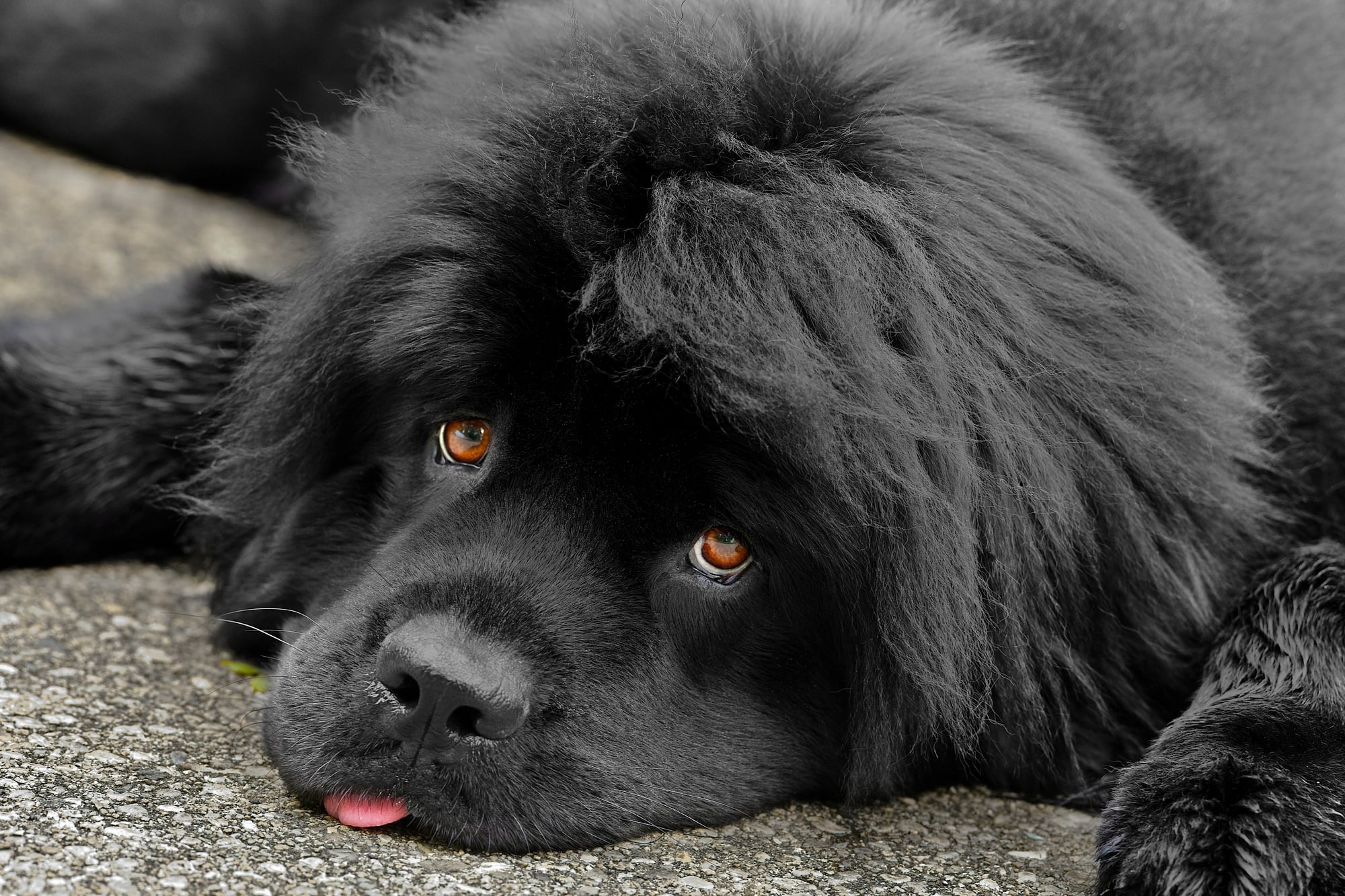
Tsar Nicholas II’s Newfoundland saved a drowning child in the Winter Palace pond, earning medals for bravery and weekly appearances in Russian newspapers. The massive dog attended military parades and had an honorary rank in the Imperial Guard with a custom uniform.
Nero’s heroism made him a household name across Russia, with children’s books and folk songs celebrating his exploits while the increasingly unpopular Tsar retreated from public view.
Tuffy
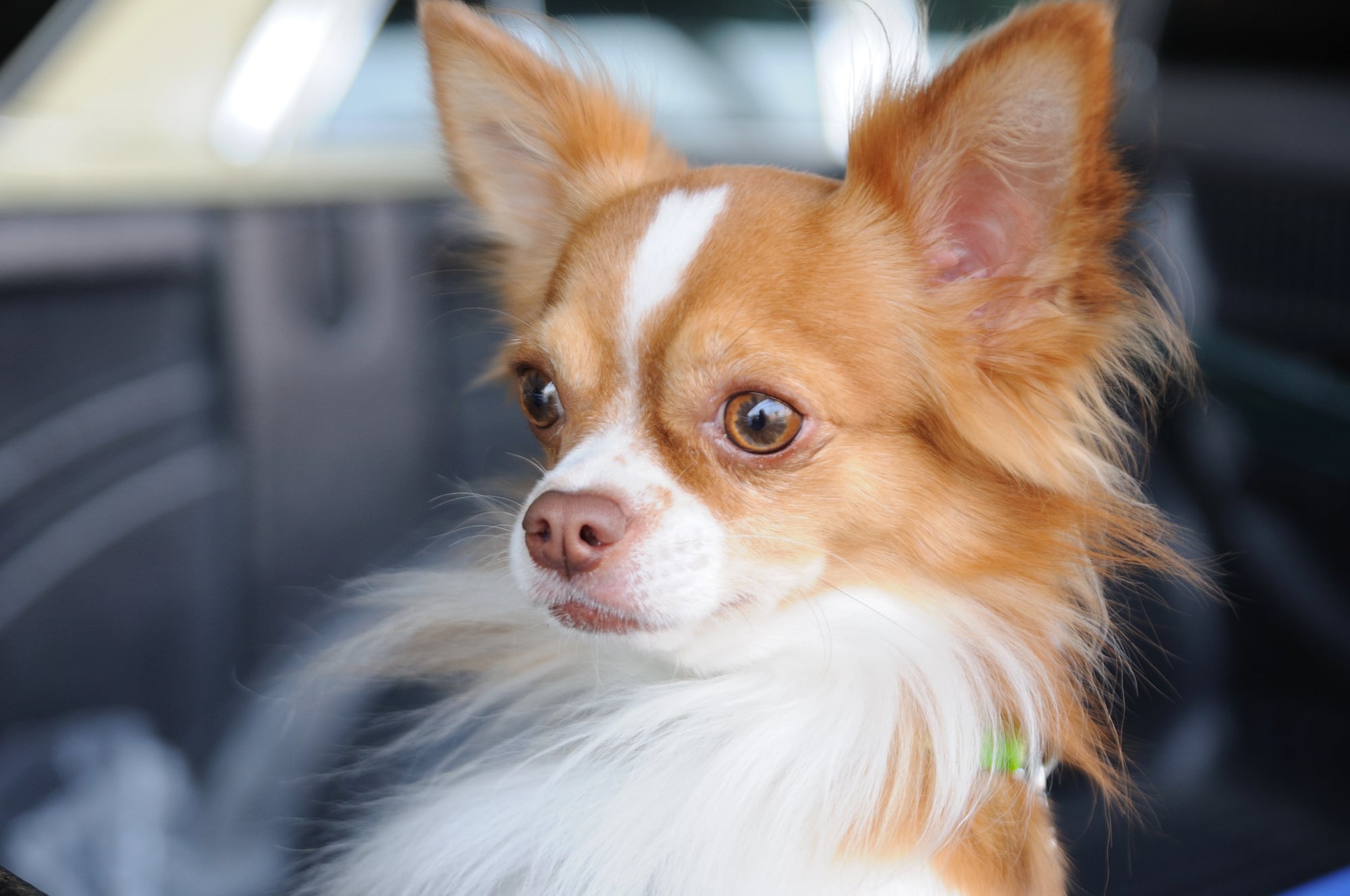
Emperor Haile Selassie’s Chihuahua attended cabinet meetings and had the unprecedented privilege of eating from Ethiopia’s imperial dinner table. The tiny canine possessed a diamond-studded collar and gold-plated feeding dishes created by the same craftsmen who made the emperor’s coronation crown.
Tuffy appeared on unofficial postage stamps and became so famous that foreign diplomats brought gifts for the dog when seeking meetings with Selassie.
Like Go2Tutors’s content? Follow us on MSN.
Victoria
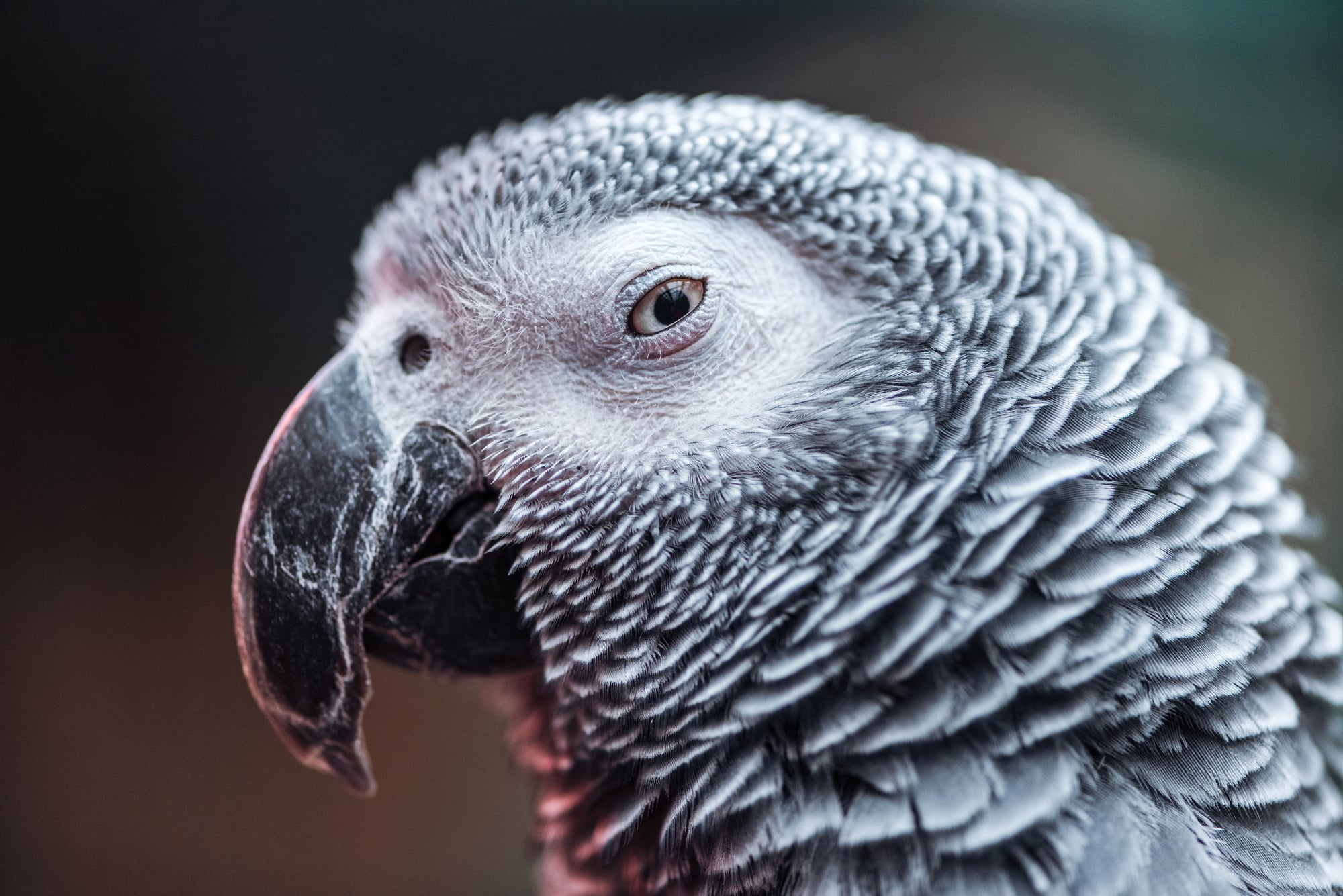
Queen Wilhelmina of the Netherlands’ parrot could speak four languages and entertain royal guests with operatic singing at state dinners. This talented bird received daily music lessons from court musicians and had a custom-built golden cage with climate control.
Victoria became such a sensation that tourists visited the palace specifically hoping to hear the famous parrot, often expressing disappointment when the queen appeared instead.
Dash
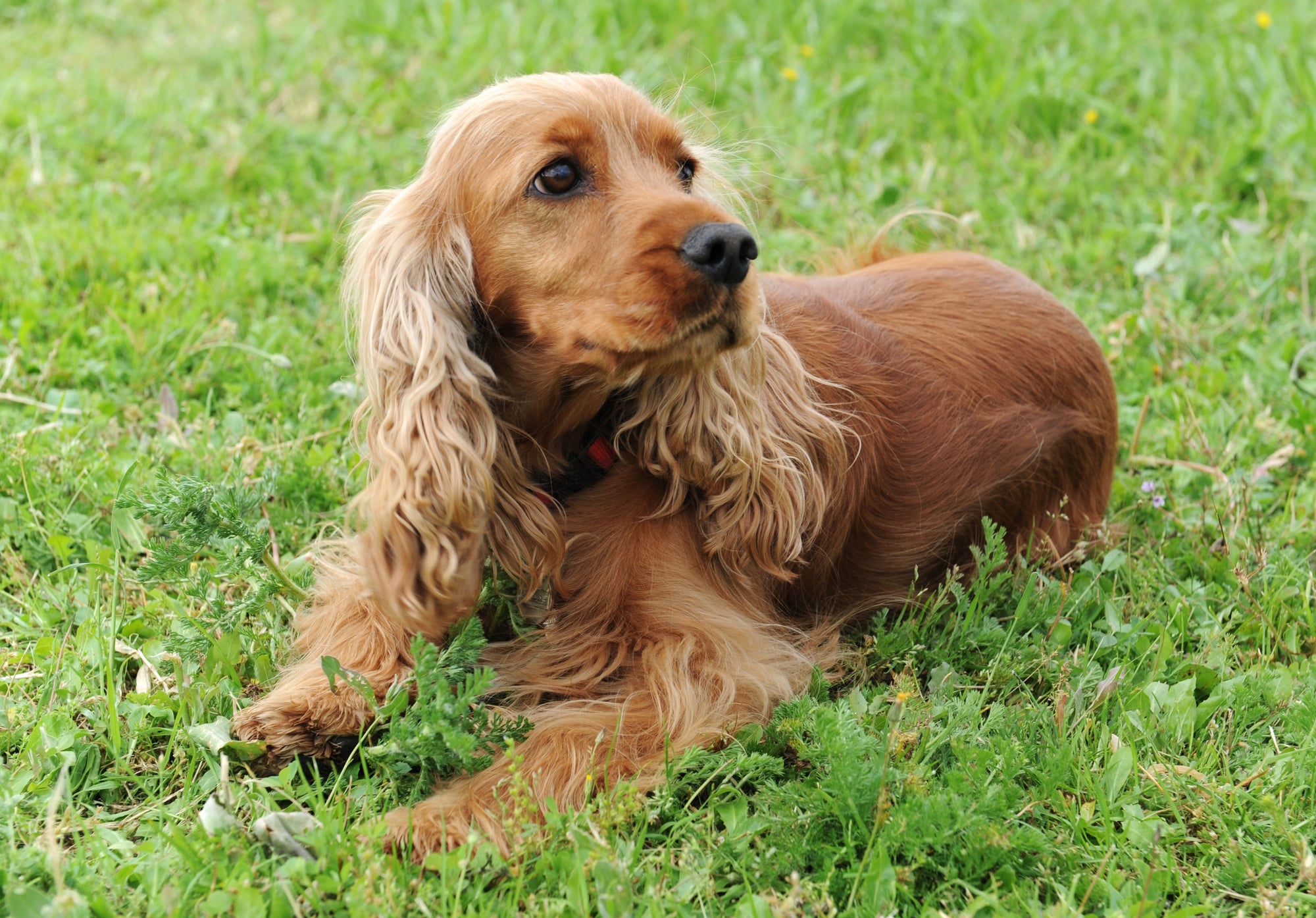
Queen Victoria’s spaniel featured prominently in royal portraits and received Christmas presents from members of Parliament during her early reign. Victoria commissioned jewelry containing Dash’s fur and kept a marble effigy of him at her bedside long after his death.
The dog’s popularity helped humanize the young queen in the public eye, with commemorative Dash merchandise outselling royal memorabilia during the s.
Chunee
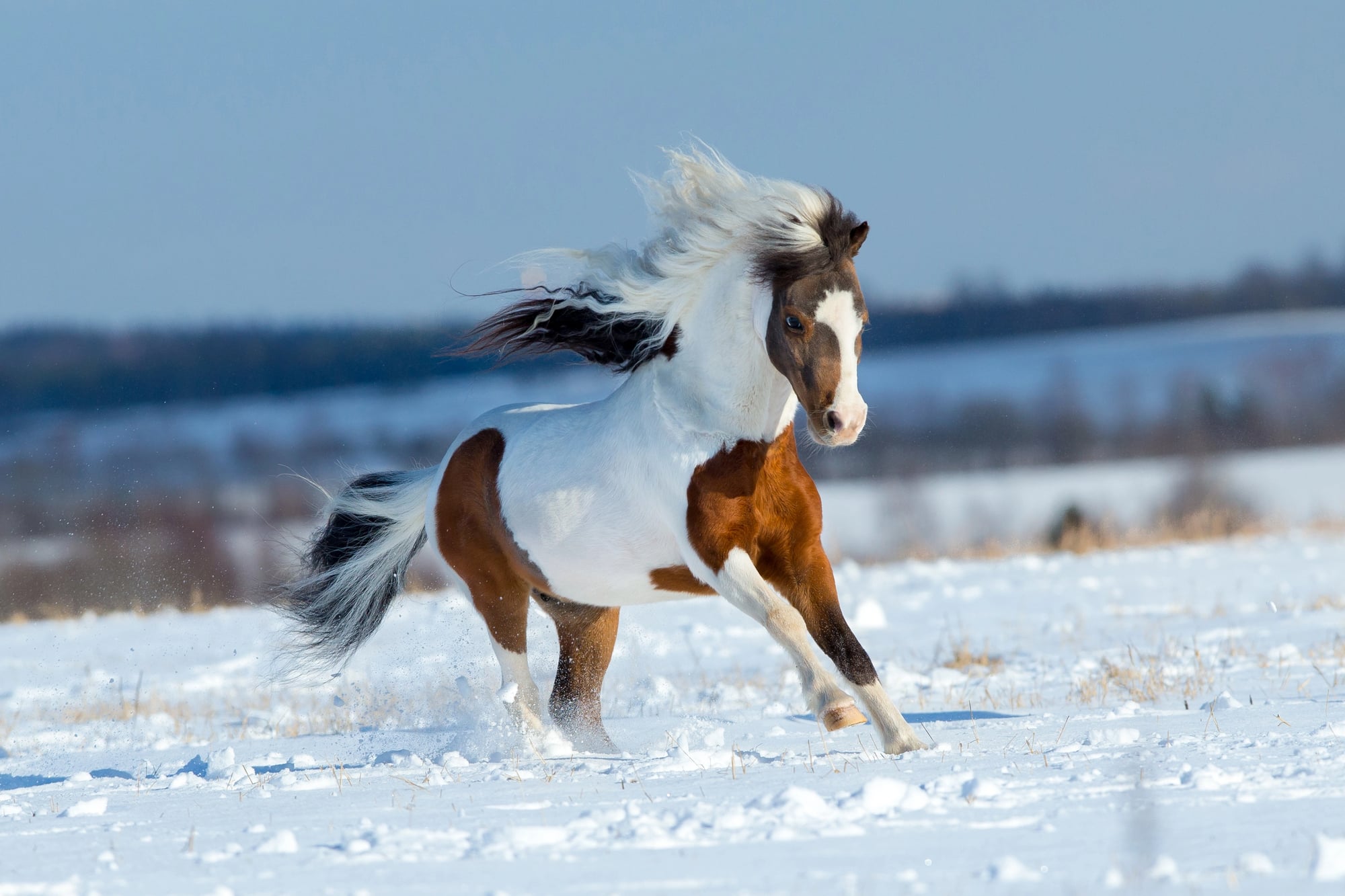
The King of Spain’s miniature horse lived in palace quarters larger than those of many courtiers and wore gold-trimmed blankets during public appearances. Royal grooms brushed Chunee’s mane with champagne to add shine, and the horse dined on imported apples served on silver platters.
Children across Spain collected illustrated cards featuring the famous equine, making Chunee more recognizable than most members of the royal family.
Like Go2Tutors’s content? Follow us on MSN.
Prince Chocolate
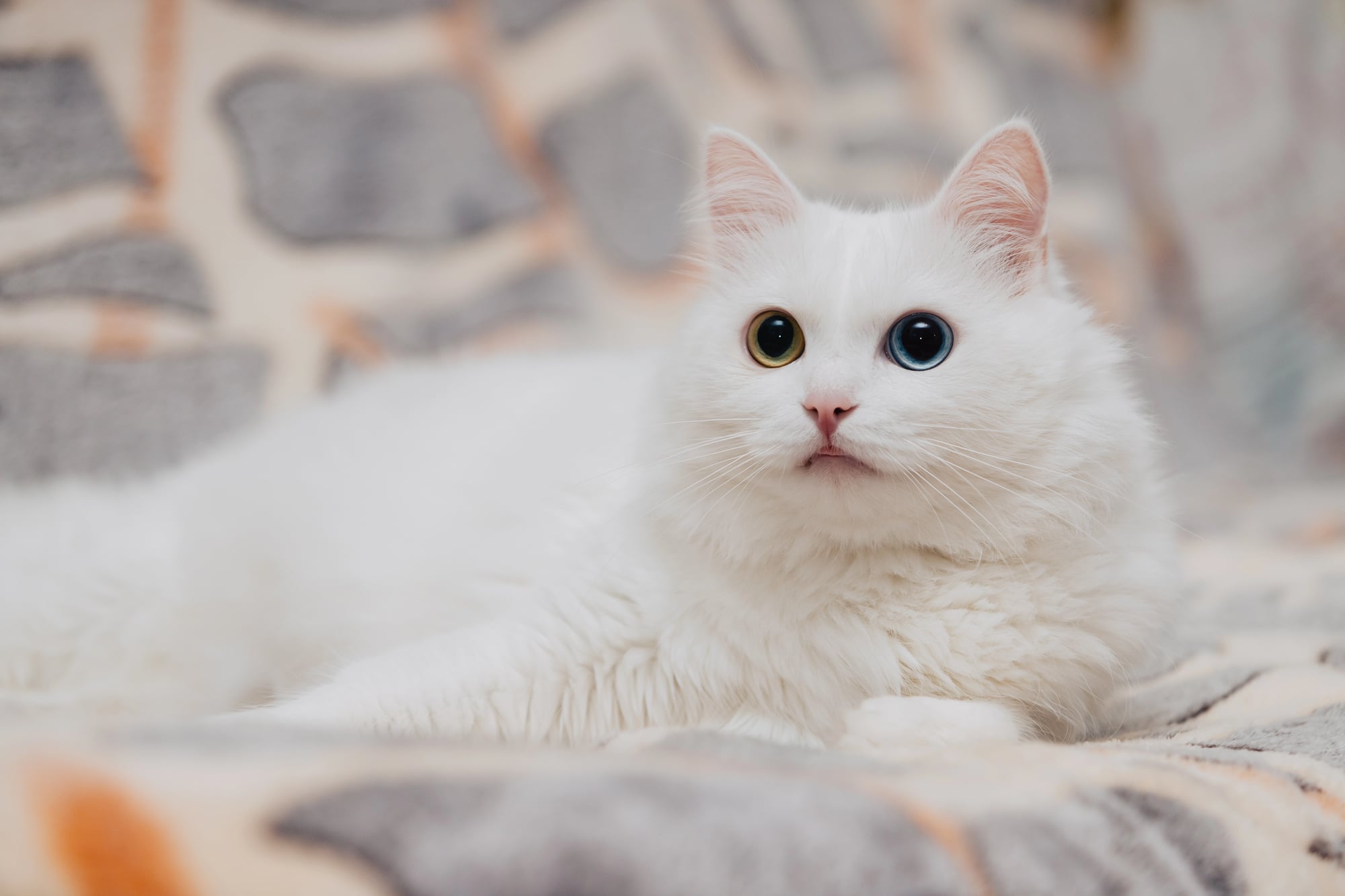
Sultan Abdul Hamid II’s Angora cat received fresh fish delivered daily from the Bosporus and slept on cushions filled with downy feathers from Russia. The Sultan established a trust fund for Chocolate’s care that survived long after the Ottoman Empire collapsed.
Visitors to Constantinople often requested audiences with the famous feline rather than the reclusive ruler, creating diplomatic challenges for palace officials trying to maintain royal dignity.
Royal Reflections
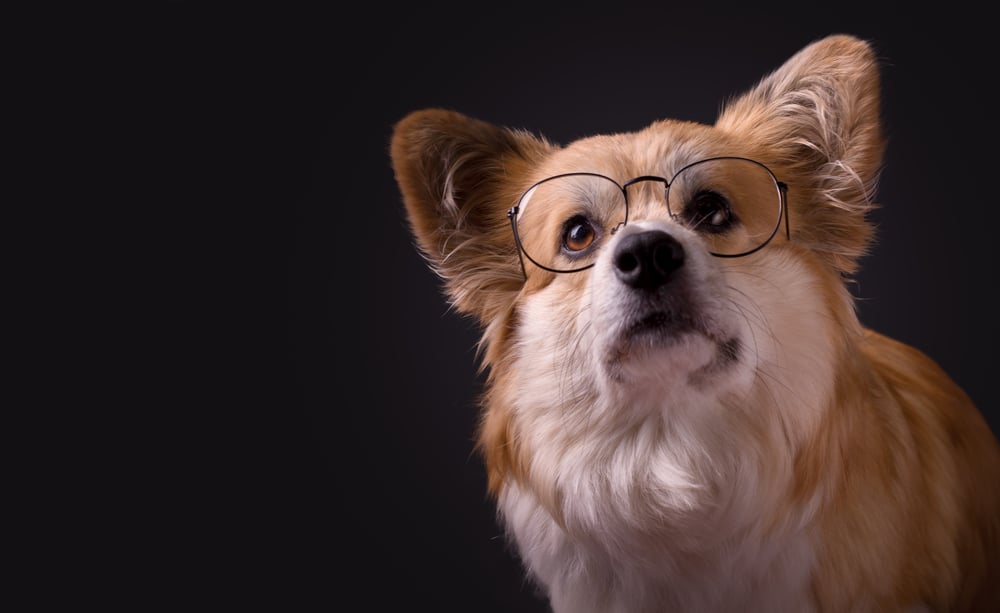
These pampered palace pets reveal an intimate side of monarchs often hidden behind pomp and protocol. Their enduring fame reminds us that kings and queens sought the same simple companionship from animals that ordinary people cherish.
While empires and dynasties have faded, these beloved royal companions live on in artwork, literature, and historical anecdotes, proving that sometimes the most lasting crown legacy has four paws or feathers.
More from Go2Tutors!

- 16 Restaurant Chains That Went Too Fast
- 12 Things Sold in the 80s That Are Now Illegal
- 15 Strange Things People Have Tried to Ban (And Failed)
- 16 Collectibles People Tossed Out Too Soon
- 17 Myths from Your Childhood That Were Actually Based on Real Things
Like Go2Tutors’s content? Follow us on MSN.