15 Royal Scandals That Were Hidden from the Public for Generations
Royal families have always understood one fundamental truth: perception matters more than reality. For centuries, palace walls have contained secrets that would topple thrones and shatter carefully constructed public images.
These aren’t the tabloid scandals you read about today — these are the deeply buried family secrets that took decades or even centuries to surface. The art of royal damage control has always been about timing.
Release information too early, and dynasties crumble. Wait long enough, and scandal becomes historical curiosity.
What emerges from royal archives and private correspondence paints a picture of monarchs who were far more human — and far more flawed — than their subjects ever imagined.
King Edward VIII’s Nazi Sympathies
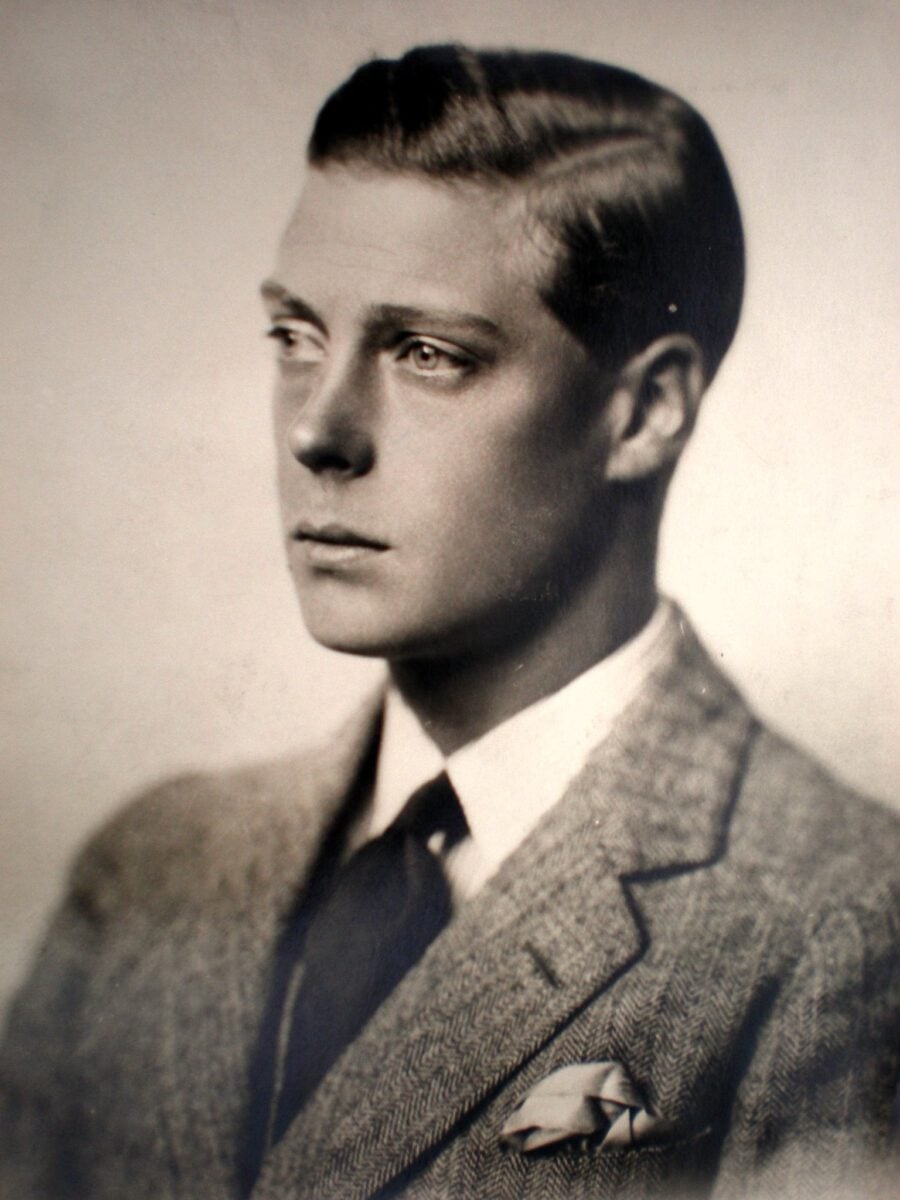
Edward VIII didn’t just abdicate for love. The man who gave up his throne for Wallis Simpson had developed uncomfortably close ties to Nazi Germany that went far beyond diplomatic courtesy.
British intelligence knew it, and they buried it deep. Newly released documents revealed that Edward had been in regular correspondence with Hitler’s inner circle, discussing everything from military strategy to post-war Europe — assuming Germany won.
The famous photograph of him giving what appears to be a Nazi salute wasn’t a moment of awkward protocol. It was genuine enthusiasm.
Queen Victoria’s Hidden Daughter
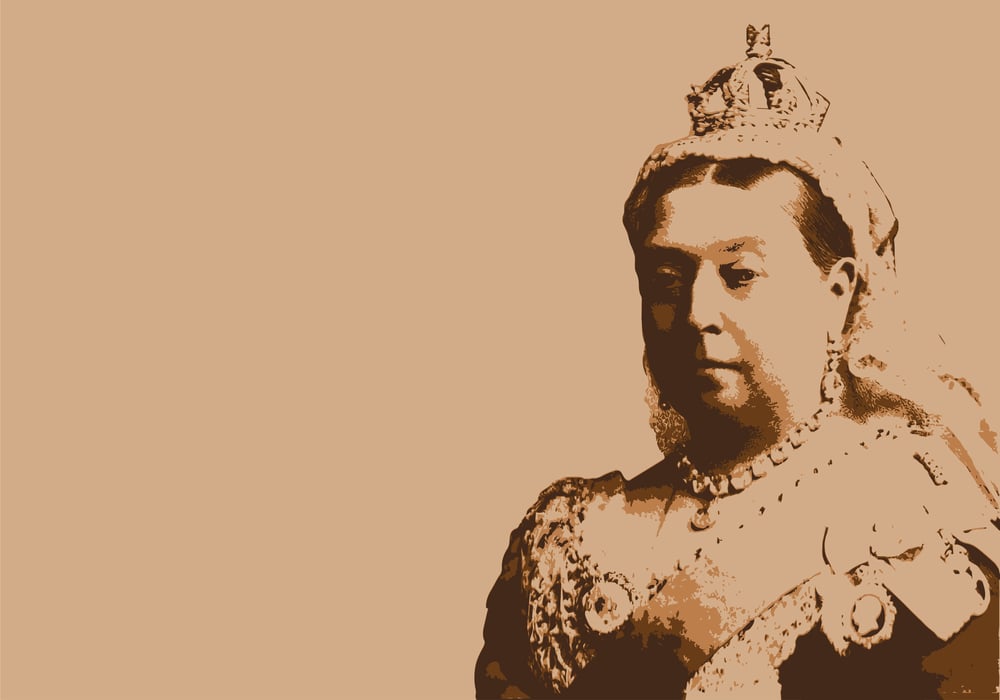
Victoria’s official records list nine children, but palace insiders whispered about a tenth for generations (and those whispers, as it turns out, had merit tucked away in private letters that surfaced only in recent decades). The child — born before Victoria’s marriage to Prince Albert — was quietly raised by a family in Scotland, her true parentage known only to Victoria’s most trusted confidants.
And the father wasn’t Albert, which complicated everything in ways that Victorian society simply couldn’t have absorbed; so the child lived and died as a commoner while her half-siblings ruled an empire. But here’s the part that really stings: Victoria visited her regularly, always in disguise, always carrying the weight of a secret that could have destroyed not just her reign but the entire concept of royal moral authority that she spent decades building.
The elaborate cover-up involved forged birth certificates, falsified travel records, and a network of loyal servants who took the secret to their graves. Victoria’s personal journals, sealed for over a century, finally revealed the emotional toll of maintaining this deception.
King George IV’s Secret Marriage
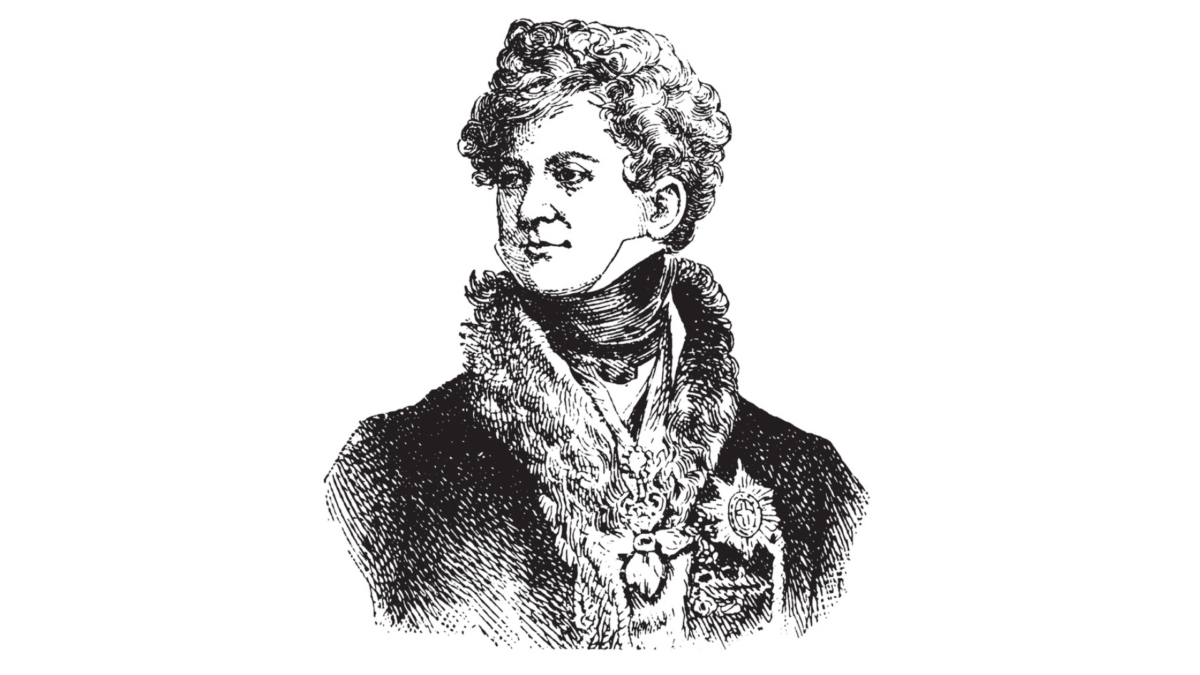
Picture a royal wedding that never officially happened but lasted longer than most marriages that did. George IV married Maria Fitzherbert in 1785, in a ceremony that was legally meaningless but emotionally complete.
She wasn’t Protestant, she wasn’t approved by Parliament, and she definitely wasn’t going away quietly. For thirty years, George maintained two households — his official royal residence and the home he shared with the woman he actually loved.
Palace staff were sworn to secrecy, foreign diplomats were kept in the dark, and Parliament remained blissfully unaware that their future king considered himself married to someone other than Queen Caroline. The deception required constant choreography: separate social calendars, coded correspondence, and enough misdirection to make a spy novel seem straightforward.
Prince Albert’s Morphine Addiction
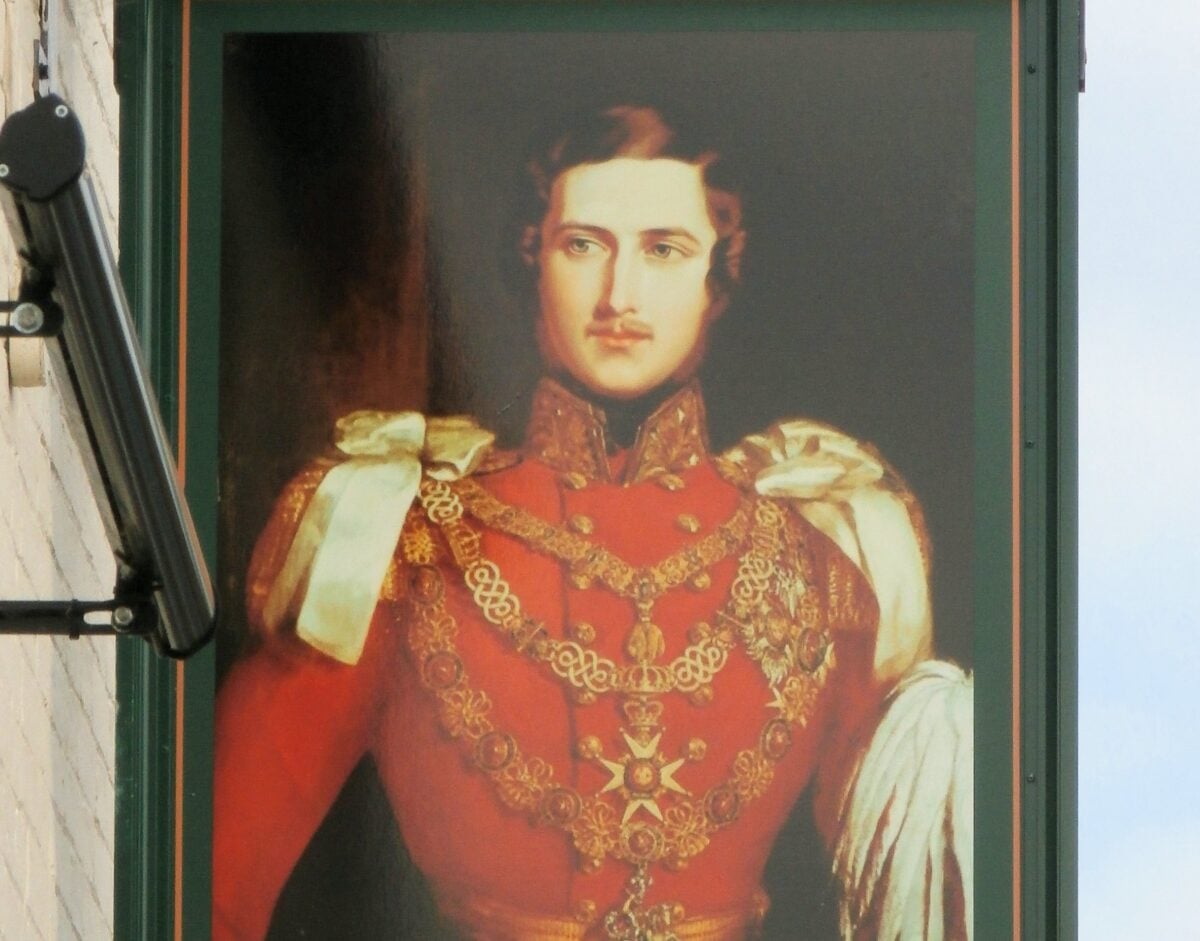
The royal physicians called it “medicinal necessity.” Everyone else might have called it something different if they’d known the extent of Prince Albert’s dependency on morphine during his final years.
What started as treatment for chronic stomach pain became something darker and more desperate. Victoria knew, of course.
Her private letters describe watching her beloved husband fade into a haze that had nothing to do with his mysterious illness and everything to do with the increasing doses he required just to function. The royal doctors kept detailed records, but those records were classified and then conveniently lost for over a century.
King Henry VIII’s Surviving Son
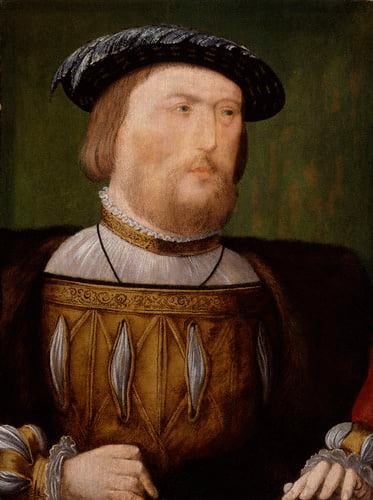
Henry VIII spent his entire reign obsessing over male heirs, never knowing he already had one living quietly in Essex. Henry FitzRoy was acknowledged as the king’s son, but palace records suggest there was at least one other — born to a servant girl who was quickly married off to a farmer and relocated far from court.
The boy grew up believing his father was the farmer who raised him (though neighbors noted his striking resemblance to portraits of the king that would arrive years later, when it was far too late to matter). Church records that surfaced in the 20th century revealed payments made by the crown to the family, along with strict instructions that the child’s true parentage never be discussed.
So while Henry raged about succession and married six women in his desperate pursuit of legitimate sons, his actual son lived and died as a commoner, completely unaware of what he’d lost — or perhaps, what he’d been spared. The irony cuts deep: Henry’s acknowledged son Henry FitzRoy died young, but his secret son lived to old age and fathered children of his own, creating a bloodline that technically had a stronger claim to the throne than some who actually sat on it.
Queen Elizabeth I’s Secret Love Affairs
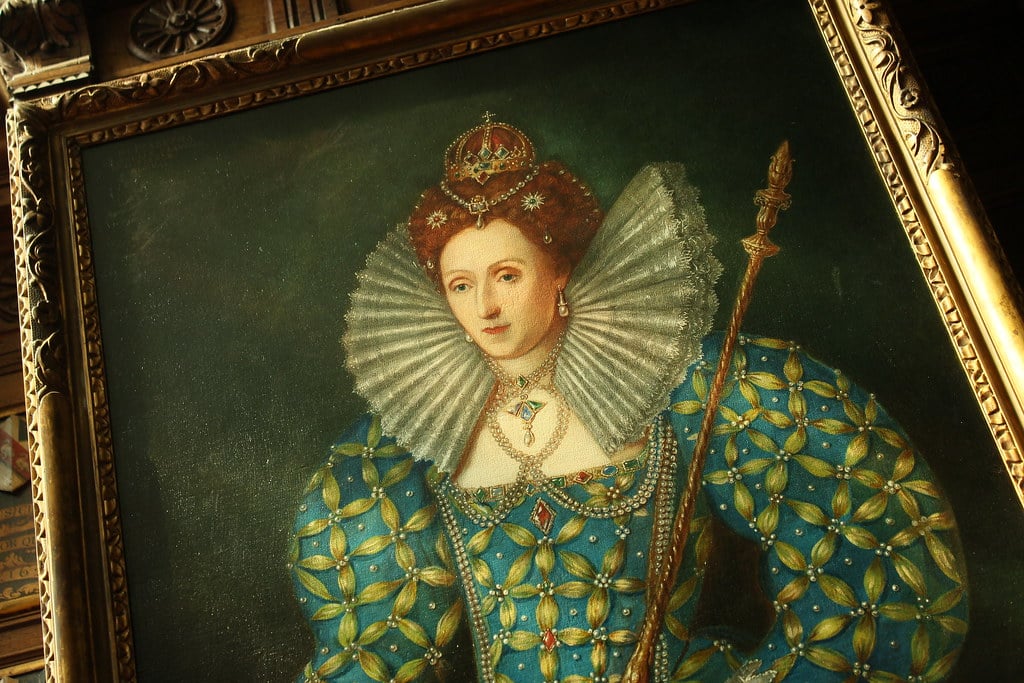
Elizabeth I cultivated the image of the Virgin Queen who sacrificed personal happiness for England’s glory. Turns out that sacrifice was more selective than her subjects realized.
Court records that remained sealed for centuries reveal not just romantic relationships, but pregnancies that were terminated or resulted in children who were quietly placed with families far from court. Her relationship with Robert Dudley was public knowledge, but the documented affairs with Christopher Hatton, Walter Raleigh, and even the Earl of Essex were carefully scrubbed from official histories.
Personal letters describe a woman who understood passion but also understood that queens who admit to human desires don’t get to die as legends. The elaborate deception required loyal servants, discrete physicians, and a network of noble families who were compensated handsomely for their silence.
King George VI’s Stutter Treatment
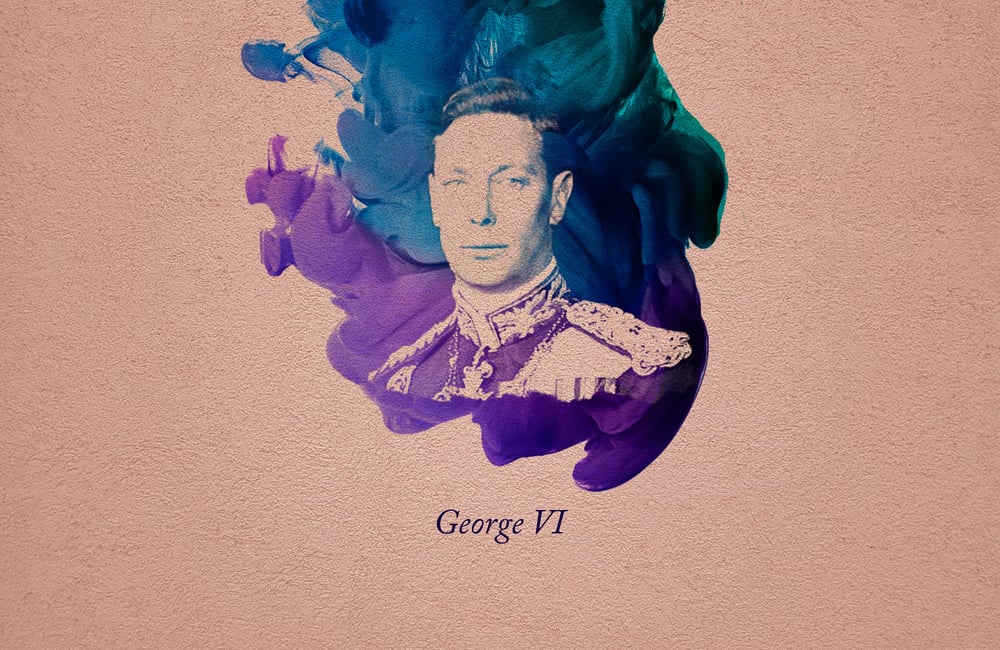
The official story credits speech therapy with George VI’s eventual ability to deliver public addresses, but medical records that surfaced decades later tell a different story — one involving experimental treatments that were considered barbaric even by 1930s standards, including electric shock therapy and surgical procedures that could have permanently damaged his ability to speak at all. The royal physicians were essentially experimenting on the king, trying increasingly desperate measures because the political situation required a monarch who could address the nation during wartime.
And it worked, sort of (the man who became a symbol of British determination during World War II was essentially tortured into eloquence, undergoing procedures that left him in physical pain every time he gave a major speech). But the public needed to believe their king had overcome his impediment through courage and determination, not through medical treatments that bordered on torture.
So that’s the story they were told, while the truth remained buried in medical files that weren’t declassified until the 21st century.
Princess Margaret’s First Marriage
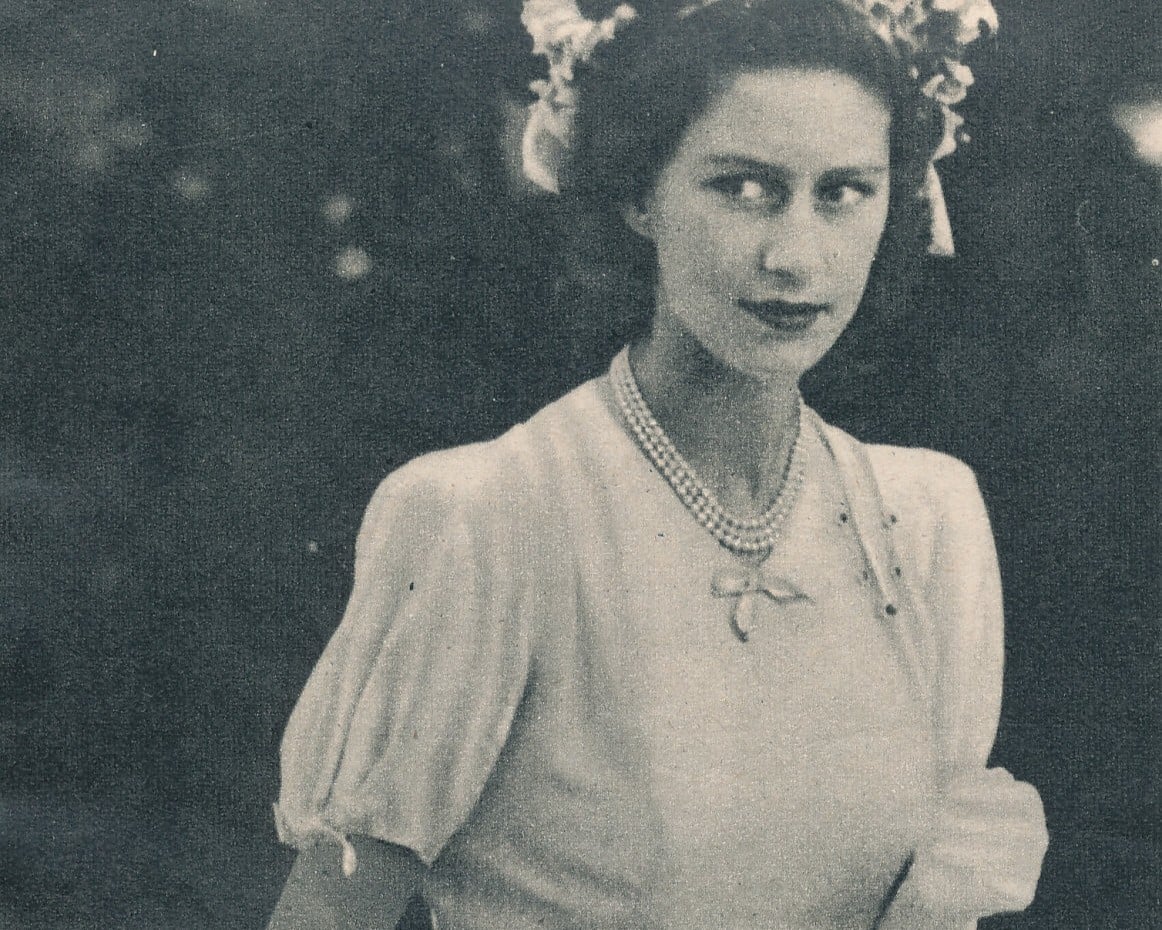
Margaret’s romance with Peter Townsend made headlines, but her secret marriage to a jazz musician three years earlier never made it to the papers. The ceremony took place in a private chapel, witnessed only by Margaret’s closest friends and officiated by a priest who was later transferred to a remote parish in Scotland.
The marriage lasted exactly six months before palace pressure forced an annulment that was buried so deeply it didn’t surface until Margaret’s personal papers were released after her death. She’d been legally married and divorced before her famous “choice” between love and duty ever became public drama.
The elaborate cover-up involved forged church records, falsified travel documents, and enough hush money to keep an entire jazz club quiet for fifty years.
King Edward VII’s Gambling Debts
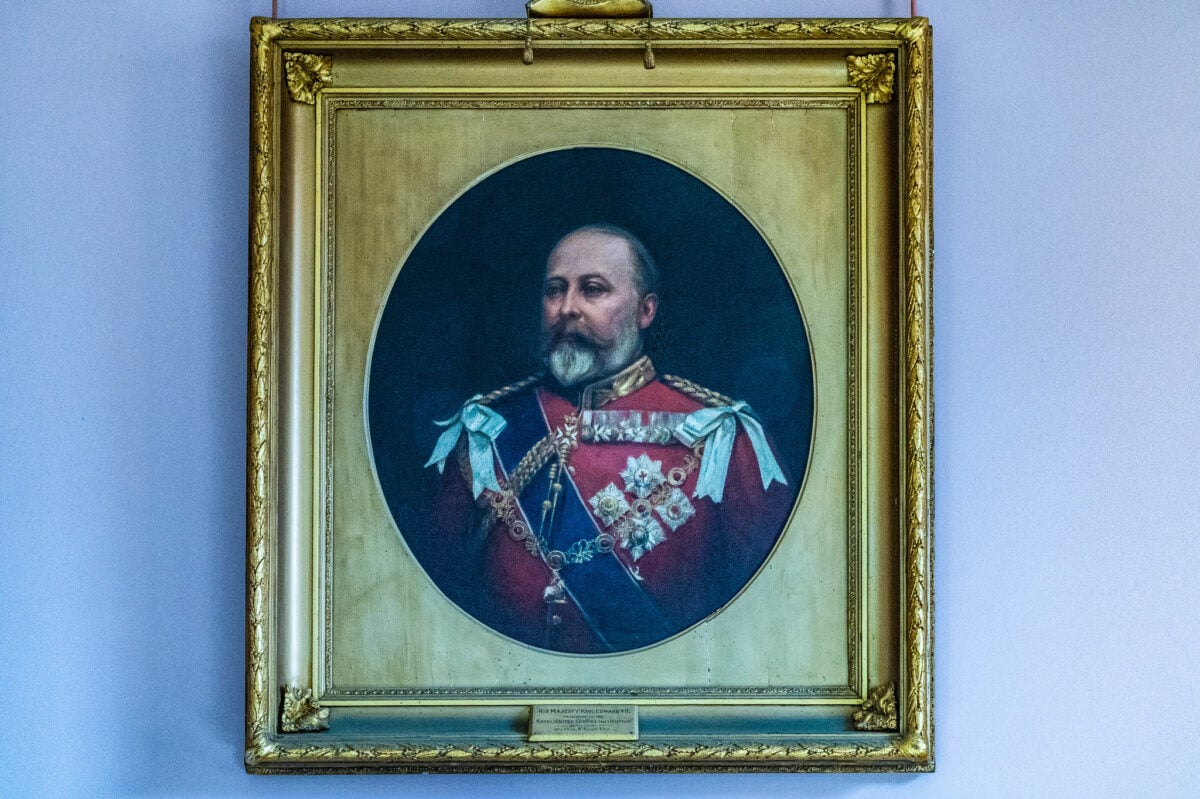
Edward VII didn’t just enjoy poker — he lost catastrophically at it, accumulating debts that totaled more than the annual budget of some small countries. The Rothschild family quietly covered his losses for decades, creating a financial relationship that gave them unprecedented influence over British foreign policy.
Palace records show that Edward’s gambling addiction shaped everything from trade agreements to military alliances. When the future king owed you enough money to bankrupt a small nation, your business interests suddenly became matters of national importance.
The arrangement was so sensitive that evidence of it was deliberately destroyed, surfacing only when private banking records were donated to archives in the 1990s.
Queen Victoria’s Depression
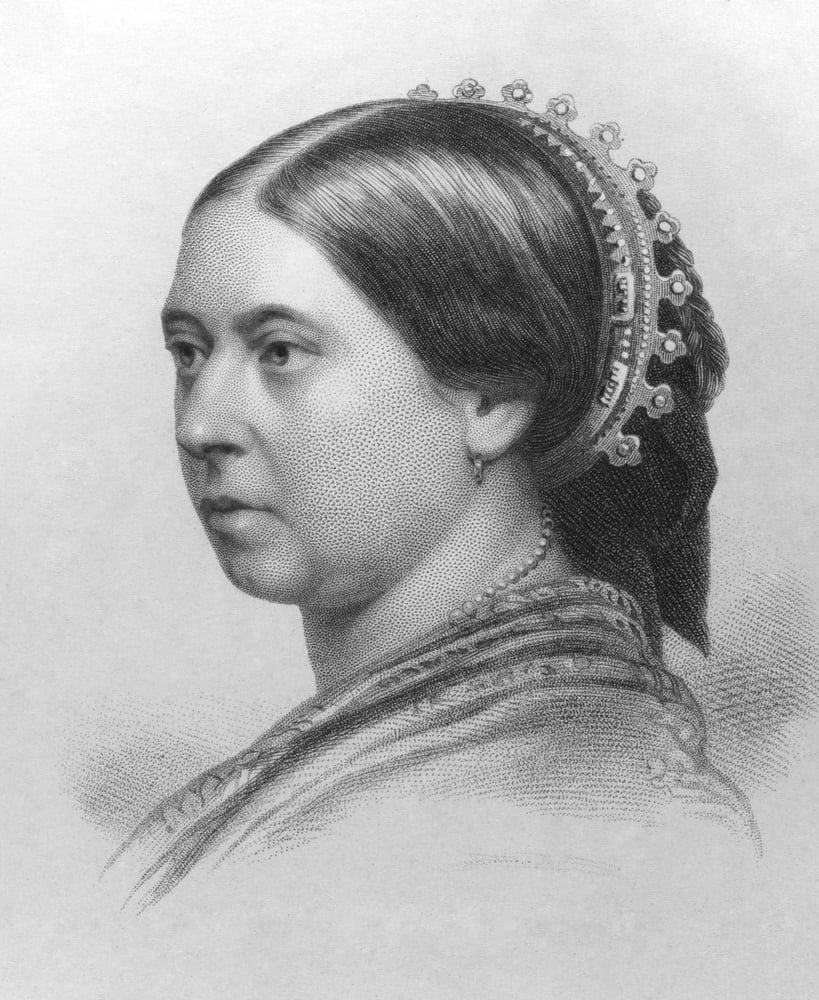
Victoria’s prolonged mourning for Prince Albert was presented as romantic devotion, but personal letters reveal something much darker: clinical depression that left her unable to function as a monarch for years at a time. She spent months in bed, refused to see ministers, and at one point drafted multiple self-harm notes that were discovered and destroyed by her staff.
The government essentially ran itself while the queen battled mental illness that would have been scandalous if the public had known its true extent. Her personal physician’s notes describe a woman who spoke of joining Albert in death and who required constant supervision to prevent self-harm.
The elaborate cover-up involved body doubles at public events, forged signatures on official documents, and a conspiracy of silence that extended from Buckingham Palace to Parliament.
Prince Philip’s Wartime Activities
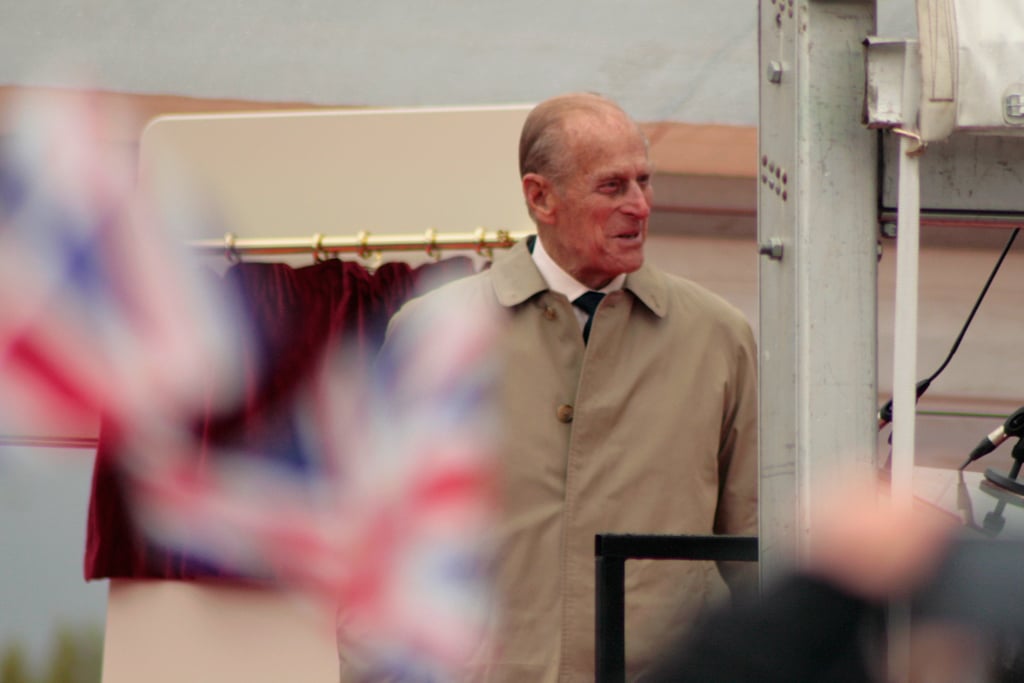
Philip’s service in the Royal Navy during World War II was celebrated as heroic, but classified military records tell a more complex story (one that involves covert operations, intelligence gathering, and activities that wouldn’t have played well with the British public if they’d known the details). His sisters married prominent Nazis, and Philip maintained contact with them throughout the war — contact that British intelligence used for their own purposes, turning the future Duke of Edinburgh into an unwitting double agent.
So while the public celebrated his military service, the real story involved a young man caught between family loyalty and national duty, feeding information to British intelligence about German military movements while his own relatives attended Nazi party rallies. But that complexity didn’t fit the narrative of a war hero marrying their future queen; the true story remained classified until the 21st century, long after it could damage anyone’s reputation or reveal intelligence methods that were still considered sensitive.
King James I’s Male Lovers
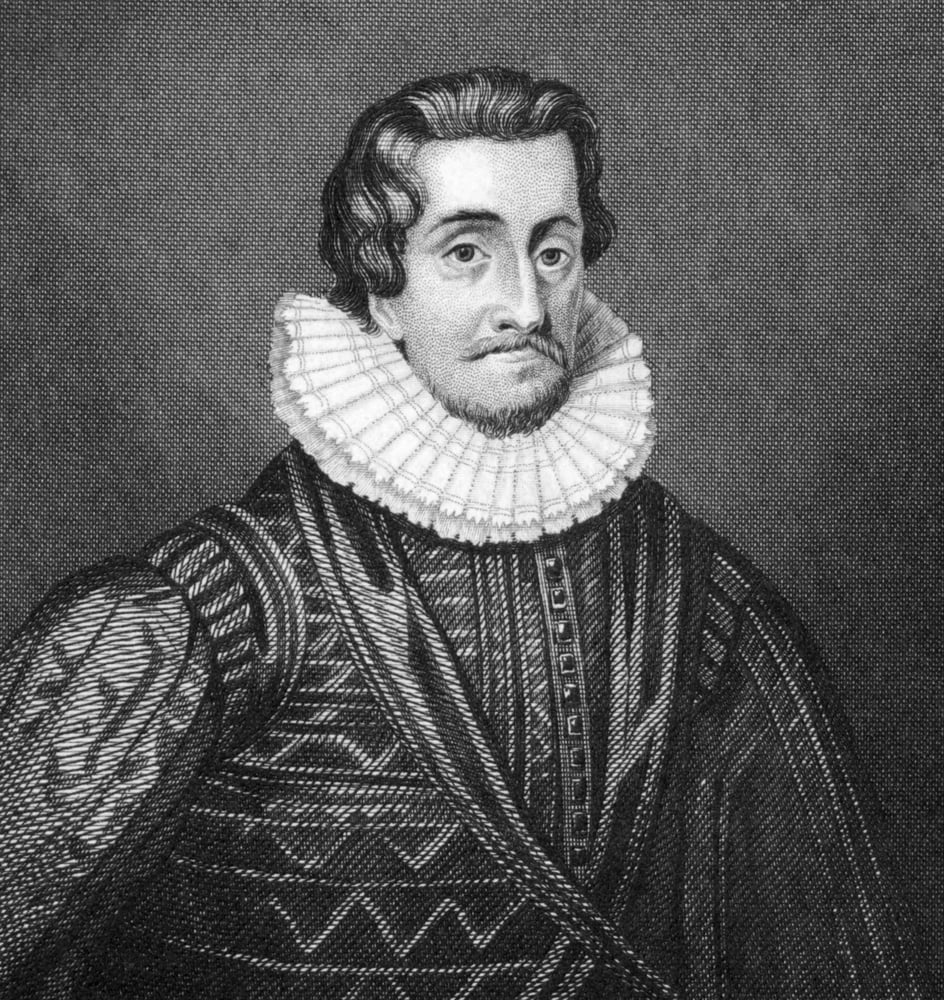
James I’s relationships with attractive young men at court were an open secret among nobles but were carefully hidden from the general public through an elaborate system of cover stories and strategic marriages. His favorites received titles, lands, and political positions that had nothing to do with their qualifications and everything to do with their personal relationship with the king.
The Duke of Buckingham essentially ran England for several years, not because of his political acumen but because James couldn’t bear to be separated from him. Letters between them were written in code, but the code was transparent enough that anyone reading them understood the true nature of their relationship.
Court records that survived describe a monarchy where personal passion determined national policy, and where the king’s emotional needs shaped everything from military appointments to foreign alliances.
Queen Anne’s Seventeen Pregnancies
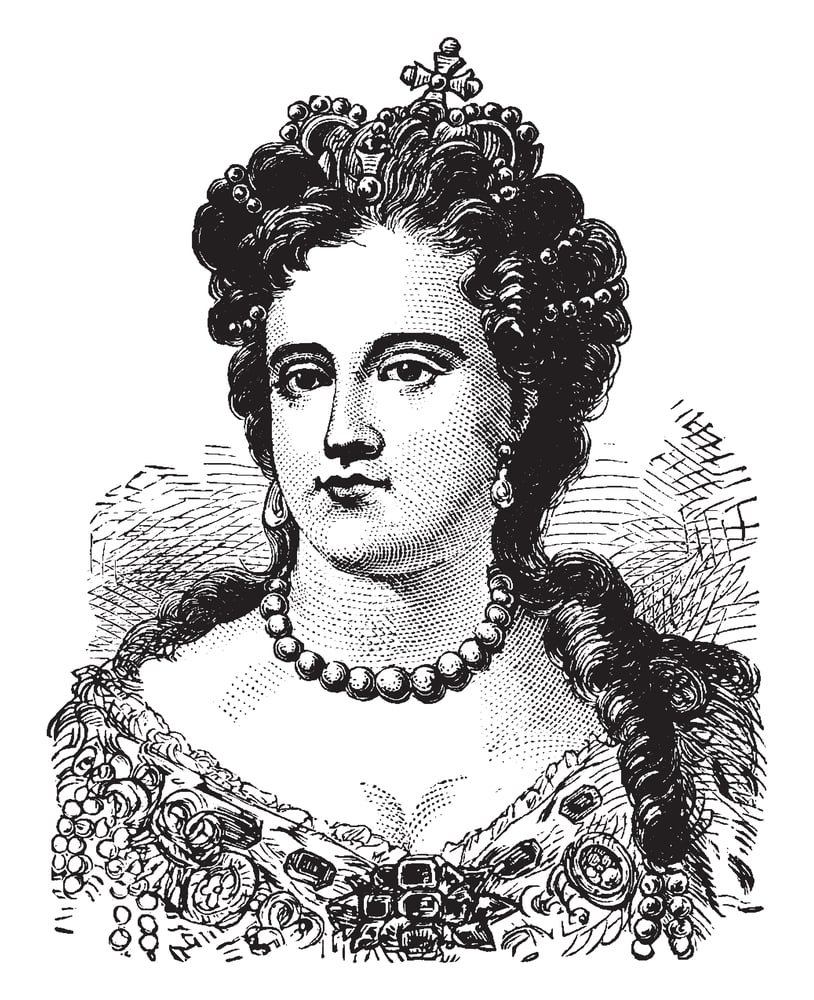
Anne’s inability to produce a surviving heir was presented as tragic misfortune, but medical records suggest something more deliberate: multiple pregnancies that were terminated for political reasons, and live births that resulted in children who were secretly placed with other families when their survival might have complicated succession plans. The official count lists seventeen pregnancies resulting in one child who survived to adulthood, but private correspondence suggests that several of those “miscarriages” were actually live births that were immediately hushed up.
Anne’s personal letters describe the emotional toll of giving up children who might have threatened Protestant succession or who were born at politically inconvenient moments. Palace physicians kept detailed records of procedures that wouldn’t be acknowledged publicly for centuries.
King George III’s Violent Episodes
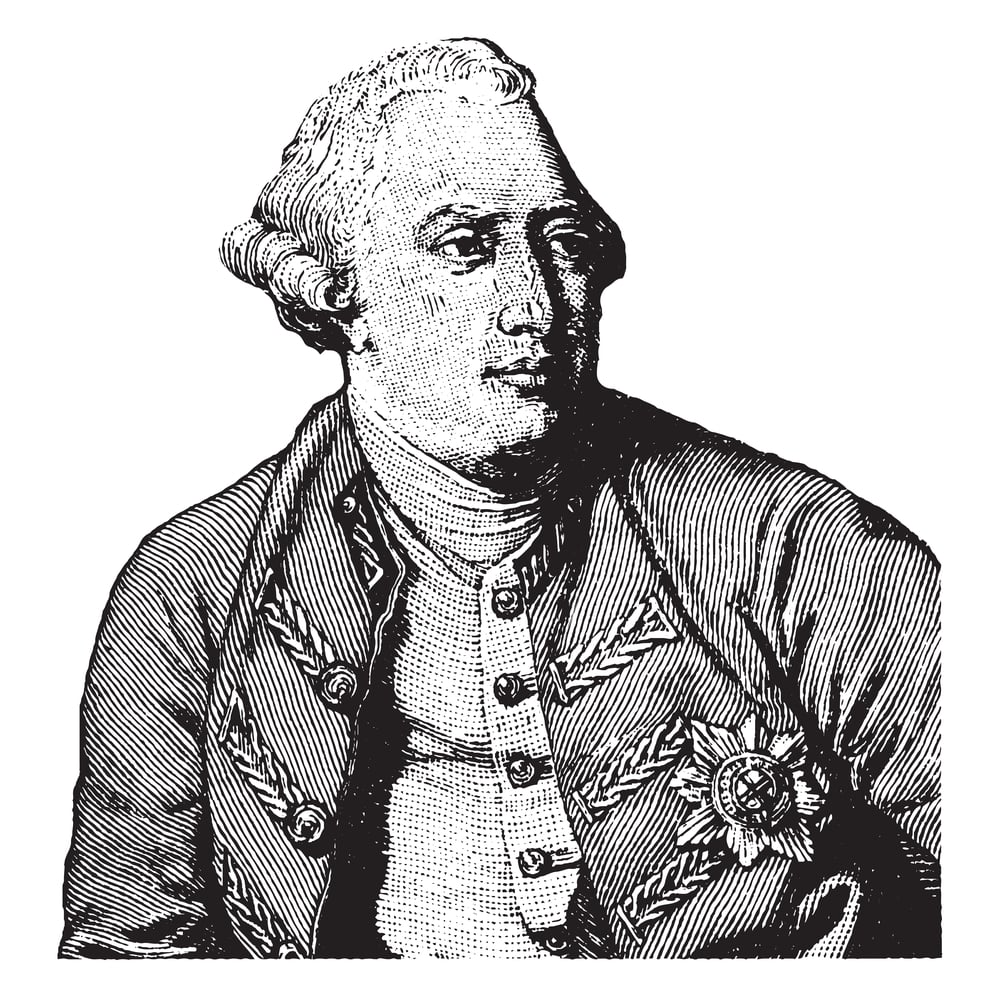
The official story credits George III’s erratic behavior to a rare blood disorder, but asylum records that surfaced in recent decades paint a much darker picture: violent episodes that required physical restraint, periods of lucidity followed by attempts to harm family members, and treatments that were brutal even by 18th-century standards. The king who “lost America” was essentially imprisoned in his own palace for years at a time, restrained in a straightjacket and subjected to treatments that included ice baths, purging, and isolation that lasted for months.
His family lived in genuine fear for their safety during his violent episodes, but the public was told he was suffering from temporary illness that affected only his ability to govern, not his fundamental character or his capacity for violence.
Princess Diana’s Secret Recordings
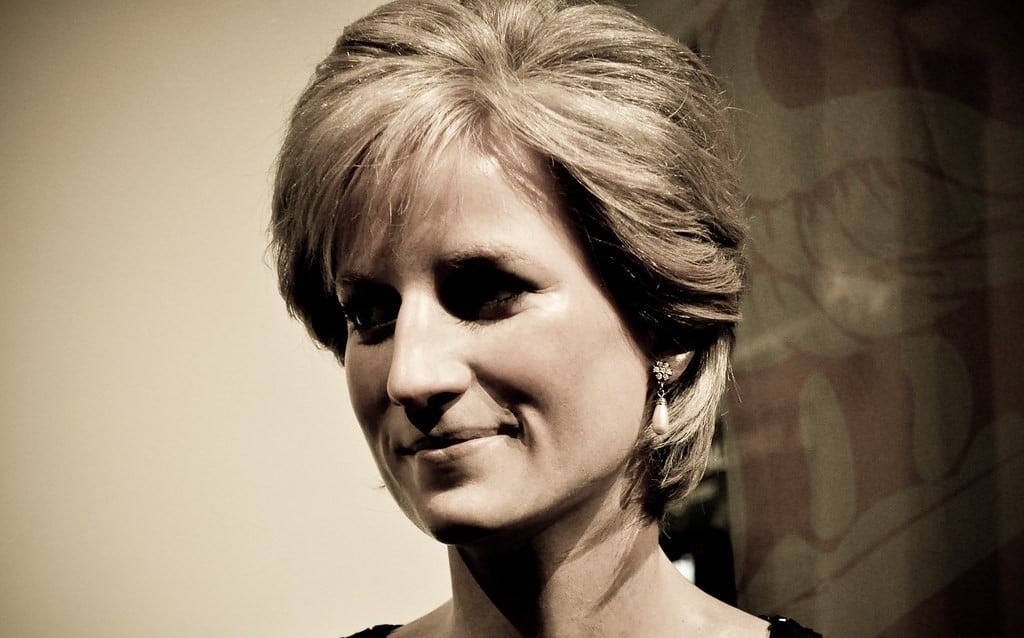
Diana’s cooperation with Andrew Morton’s biography was presented as unauthorized revelation, but recently discovered recordings show that palace officials not only knew about her participation but actively encouraged it as a way to control the narrative around her failing marriage to Charles. The tapes reveal a woman who was being coached on what to reveal and what to keep hidden, with palace spin doctors essentially writing her confessions for maximum public sympathy while protecting the institution’s long-term interests.
Diana wasn’t just speaking her truth — she was delivering carefully crafted talking points designed to make her divorce seem inevitable while preserving the monarchy’s reputation. The recordings remained hidden until after her death, when they were discovered among papers she’d left with her lawyers as insurance against further palace manipulation.
The Weight of Secrets

Royal scandals don’t age like wine — they age like plutonium, remaining dangerous long after everyone involved has died. These hidden stories reveal families who understood that survival depended not on virtue but on the careful management of vice.
They loved, lied, struggled, and failed just like everyone else, but they did it with the weight of crowns and the knowledge that their human frailties could topple governments. The most striking thing about these buried secrets isn’t their shocking nature — it’s how ordinary they make these extraordinary people seem.
Strip away the titles and the palaces, and you’re left with human beings making human mistakes, trying to protect themselves and the people they loved from consequences they couldn’t control.
More from Go2Tutors!

- The Romanov Crown Jewels and Their Tragic Fate
- 13 Historical Mysteries That Science Still Can’t Solve
- Famous Hoaxes That Fooled the World for Years
- 15 Child Stars with Tragic Adult Lives
- 16 Famous Jewelry Pieces in History
Like Go2Tutors’s content? Follow us on MSN.