15 School Subjects That No Longer Exist
Schools today look nothing like they did a century ago. While we’ve added computer science and environmental studies to modern curriculums, we’ve quietly dropped dozens of subjects that once filled classroom schedules across America. These forgotten courses tell fascinating stories about changing social values, technological progress, and shifting ideas about what students actually need to learn.
The subjects that have vanished from our schools reveal just how dramatically education has evolved. Here is a list of 15 school subjects that no longer exist.
Penmanship

Perfect handwriting was once considered as essential as basic math. Students spent hours practicing the Palmer Method, carefully forming loops and curves until their letters matched exact templates.
Teachers would walk between desks with rulers, correcting posture and grip while students copied the same sentences repeatedly. The rise of typewriters in offices made beautiful handwriting less crucial, and computers eventually made it almost irrelevant for most careers.
Domestic Science
Before home economics became a simplified cooking class, domestic science was a comprehensive program teaching everything from nutrition and budgeting to child psychology and home management.
Students learned to plan entire households, calculate food costs, and understand the science behind cooking and cleaning. This subject disappeared as fewer women became full-time homemakers and as gender roles shifted dramatically in the workplace.
Manual Training
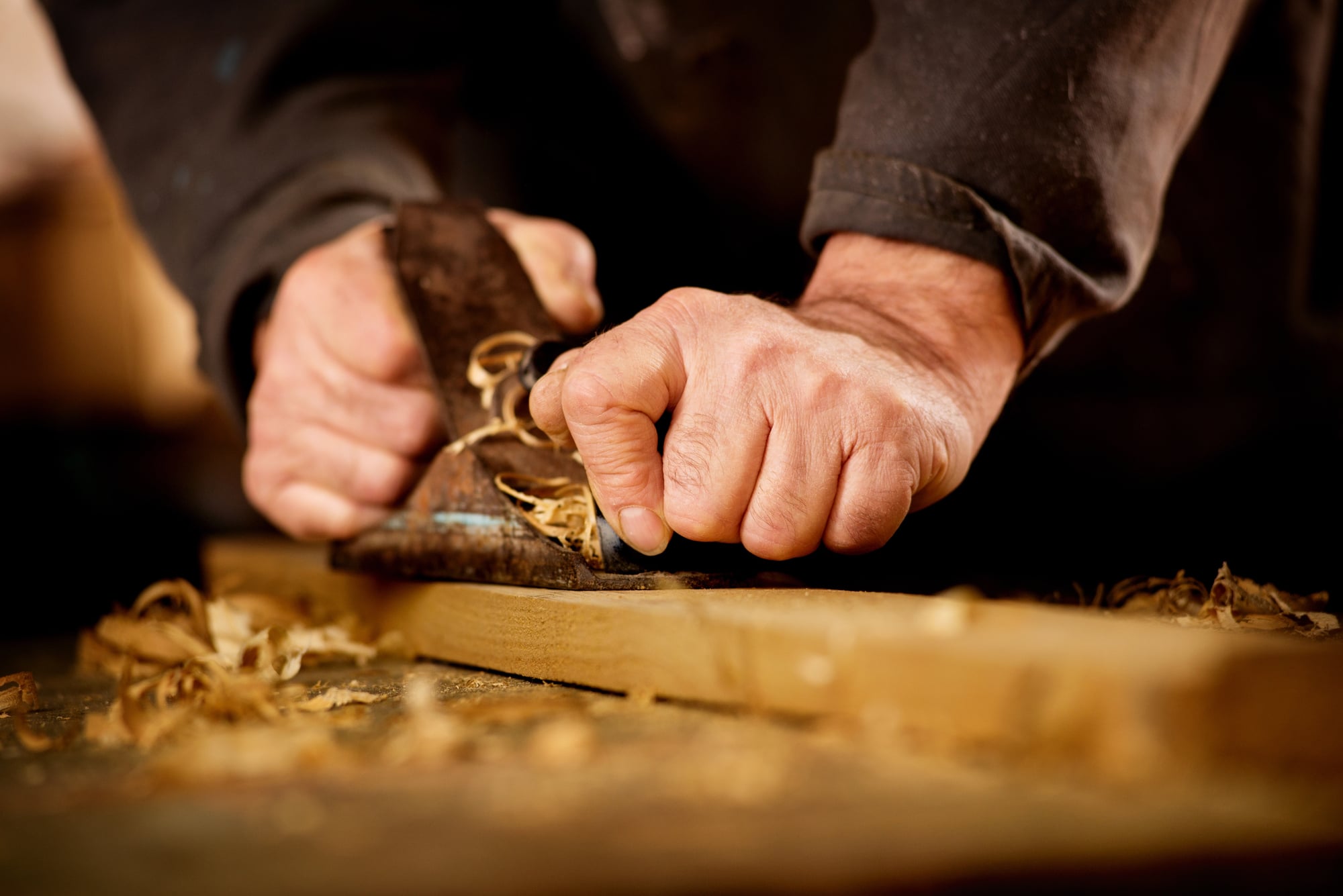
Manual training taught boys practical skills like woodworking, metalworking, and basic mechanical repair. Students built furniture, learned to use lathes and drill presses, and gained hands-on experience with tools that most would use throughout their lives.
This subject evolved into modern shop class but has largely disappeared due to liability concerns and the shift toward white-collar career preparation.
Elocution

Public speaking was once taught as a formal art, with students learning proper pronunciation, gesture, and dramatic delivery. Elocution classes included memorizing and performing lengthy poems, practicing voice projection, and mastering the subtle art of emphasis and pause.
The informal communication style of modern society made this highly structured approach to speech seem outdated and unnecessarily rigid.
Latin
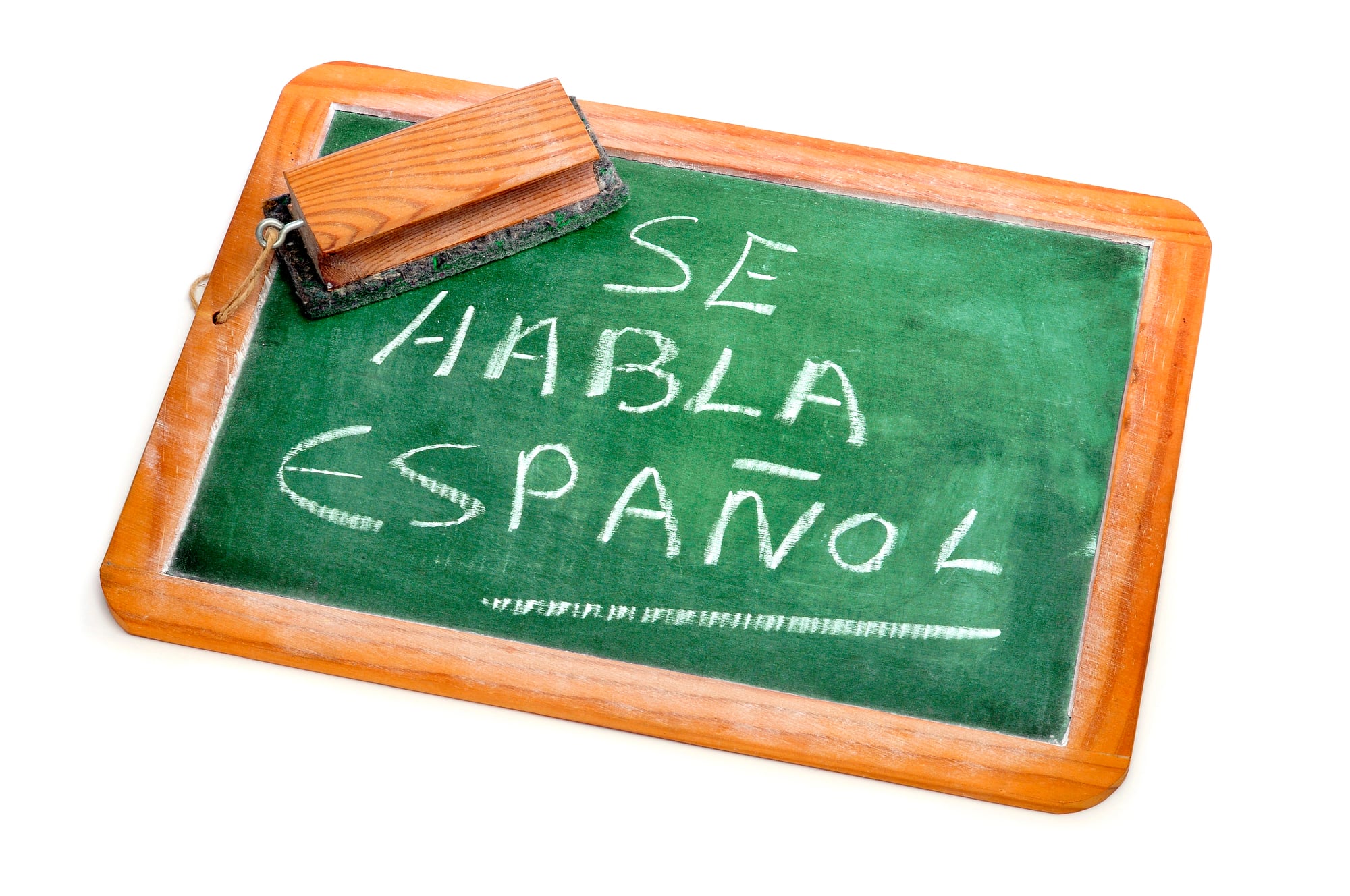
Latin dominated high school language requirements for decades, considered essential for understanding English vocabulary and preparing for college. Students spent years translating Caesar’s commentaries and Virgil’s poetry, memorizing complex grammar rules that supposedly sharpened their minds.
Modern schools replaced Latin with more practical languages like Spanish and French, though some argue we lost valuable critical thinking skills in the process.
Moral Philosophy

Before guidance counselors and character education programs, moral philosophy classes explicitly taught students about ethics, virtue, and proper behavior. These courses combined religious instruction with practical lessons about honesty, courage, and civic responsibility.
The separation of church and state gradually pushed these explicitly moral lessons out of public schools, replaced by more secular approaches to character development.
Deportment

Deportment classes taught students how to walk, sit, stand, and move with proper grace and dignity. Girls learned to balance books on their heads, practice curtsying, and master the art of elegant posture.
Boys learned to bow properly, shake hands firmly, and carry themselves with confidence. Modern casual culture made these formal social skills seem antiquated and unnecessarily restrictive.
Shorthand

Stenography was a crucial business skill when secretaries needed to transcribe dictated letters and meeting notes at lightning speed. Students learned complex symbol systems like Gregg or Pitman shorthand, practicing until they could write as fast as people spoke.
Voice recording technology and word processing software eliminated the need for this specialized skill almost overnight.
Bookkeeping

Before accounting became a college major, high school bookkeeping taught students to maintain business ledgers, calculate interest, and track financial transactions by hand.
Students learned double-entry systems, practiced with real business scenarios, and mastered the meticulous record-keeping that every business required. Computer spreadsheets and accounting software made these manual calculations obsolete for most students.
Rhetoric
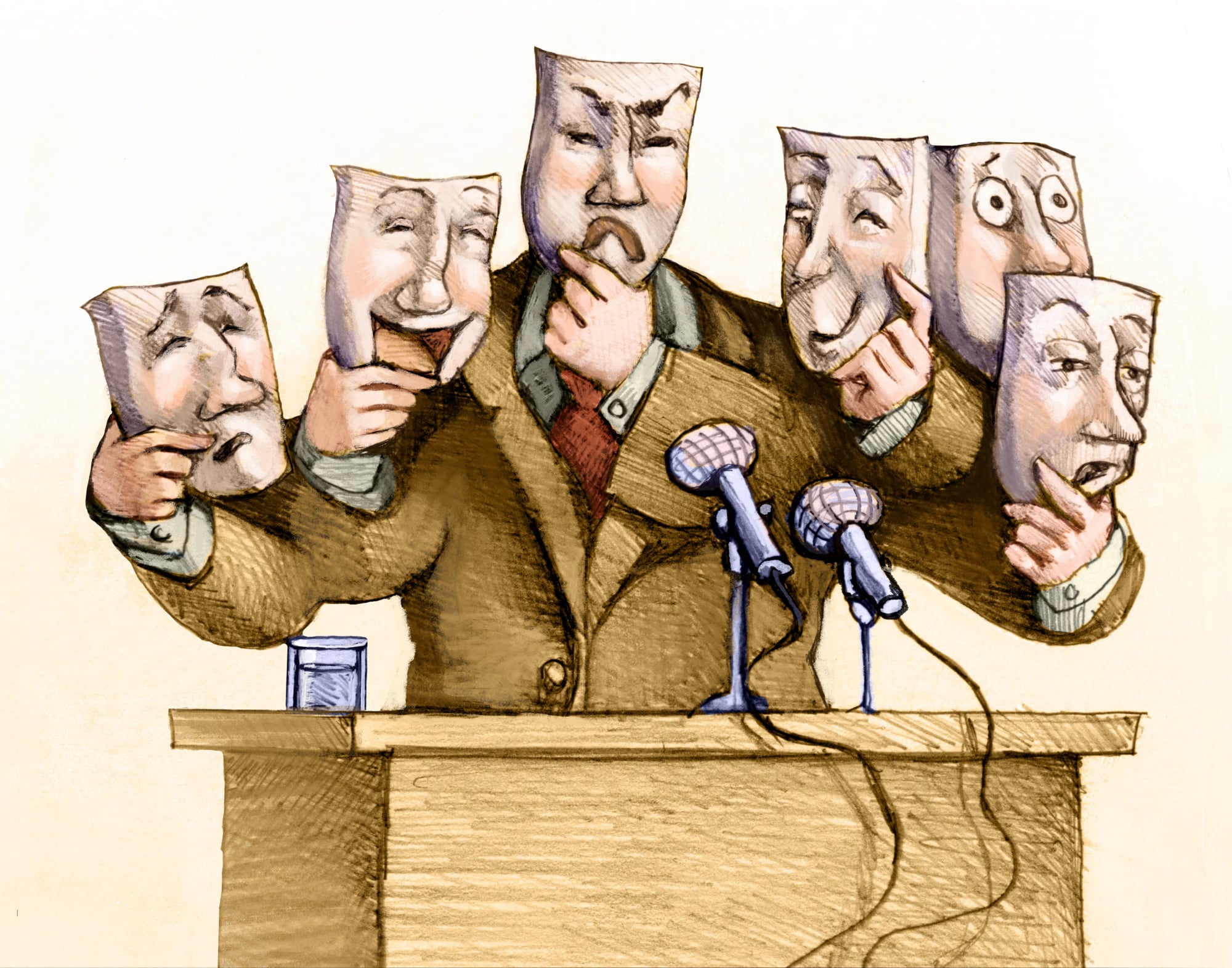
Classical rhetoric taught students to construct persuasive arguments, understand logical fallacies, and master the art of debate. This went far beyond modern speech classes, incorporating ancient techniques from Aristotle and Cicero for moving audiences and winning arguments.
Modern education scattered these skills across English, social studies, and debate clubs rather than teaching them as a unified discipline.
Agricultural Science
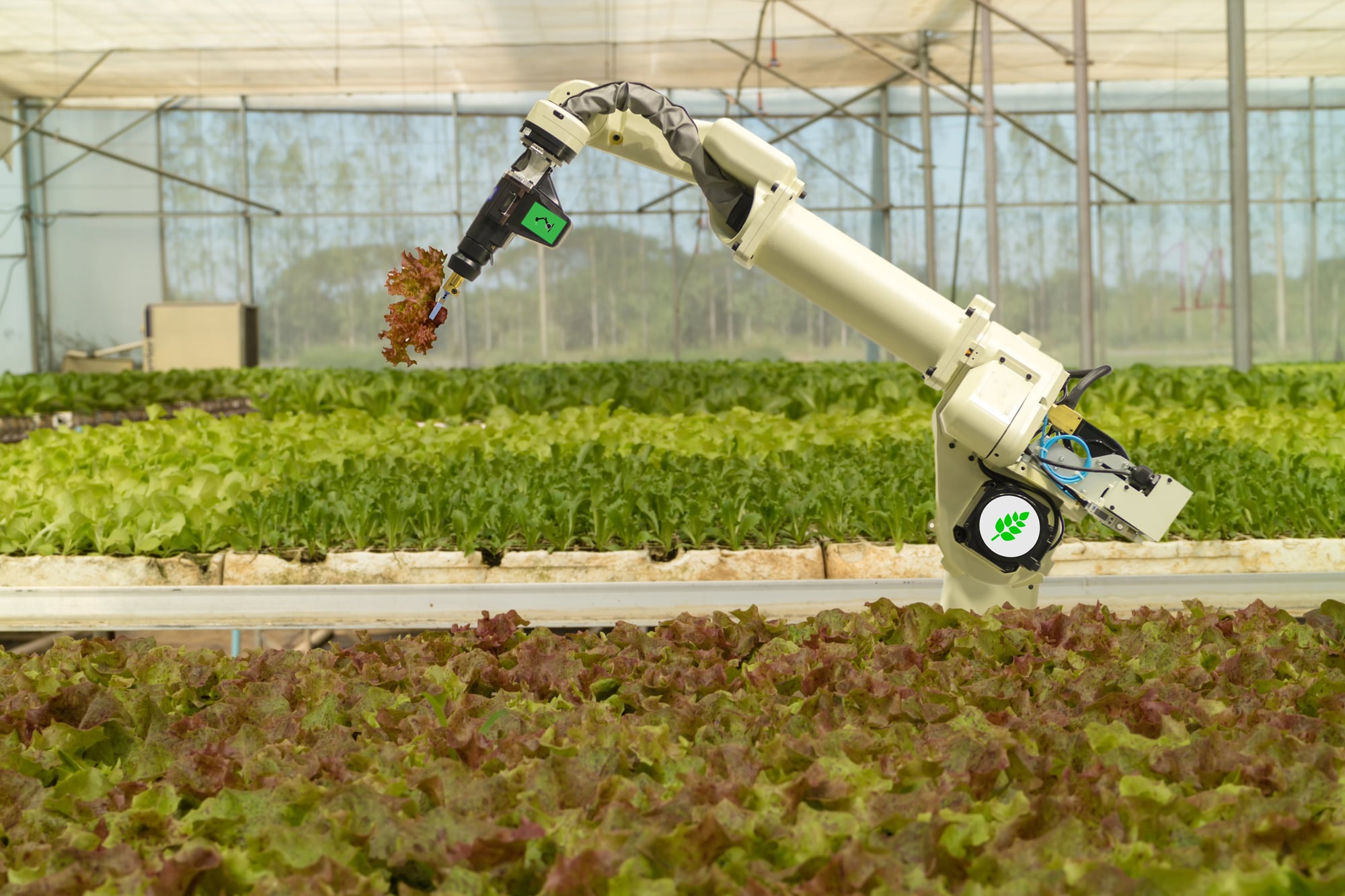
When America was still largely rural, agricultural science taught students about crop rotation, animal husbandry, and farm management. Students learned to identify plant diseases, understand soil chemistry, and calculate feed ratios for livestock.
Urbanization made these skills irrelevant for most students, though some rural schools still offer agricultural programs as electives.
Commercial Geography

This subject taught students about global trade routes, natural resources, and the economic relationships between different regions. Students memorized which countries produced rubber, cotton, and various minerals, understanding how geography shaped international commerce.
Modern social studies courses cover some of this material, but without the detailed focus on trade and economic geography.
Mental Arithmetic

Before calculators, students spent significant time learning to perform complex calculations entirely in their heads. Mental arithmetic classes taught shortcuts, estimation techniques, and rapid calculation methods that allowed students to solve problems without paper or pencil.
Electronic calculators made these skills less essential, though some educators argue we lost important number sense in the process.
Natural Philosophy

Natural philosophy was the precursor to modern science classes, combining physics, chemistry, and astronomy into one broad subject. Students learned about the fundamental laws governing the natural world, often with a philosophical emphasis on understanding God’s creation through scientific observation.
This subject split into separate science disciplines as knowledge became more specialized and detailed.
Hygiene

Personal hygiene classes taught students about proper bathing, dental care, and disease prevention when these weren’t considered basic knowledge. Students learned about germs, proper nutrition, and the importance of fresh air and exercise.
Modern health classes cover some of this material, but the basic hygiene instruction became unnecessary as standards of cleanliness became universal expectations rather than taught skills.
The Classroom Time Machine

These vanished subjects remind us that education constantly adapts to society’s changing needs and values. What seemed absolutely essential to previous generations now appears quaint or irrelevant, while skills we consider basic today would have puzzled students from a century ago.
The subjects we teach tomorrow will likely seem just as strange to future students as penmanship and deportment seem to us now. Education remains a living reflection of what each generation believes the next one needs to succeed in an unpredictable world.
More from Go2Tutors!

- The Romanov Crown Jewels and Their Tragic Fate
- 13 Historical Mysteries That Science Still Can’t Solve
- Famous Hoaxes That Fooled the World for Years
- 15 Child Stars with Tragic Adult Lives
- 16 Famous Jewelry Pieces in History
Like Go2Tutors’s content? Follow us on MSN.



