Most Venomous Snakes Living In The Amazon
Beneath the thick canopy of green, life moves quietly along winding waterways where creatures adapt without warning. Slithering through damp undergrowth, some snakes vanish into bark or leaves while others strike before you blink.
Not every fang delivers poison strong enough to stop a heartbeat fast – but those that do shape survival deep within tangled roots. Balance shifts when predators disappear, yet people still shudder at scales gliding over wet soil.
Fear spreads easier than fact, but these animals hold steady in nature’s rhythm. Out in the Amazon, venom doesn’t come from anger.
It shows up because it works. These snakes carry it not to fight, but to eat – every drop saved for moments when waiting too long brings nothing.
Survival here rewards speed, not drama. Take a moment to study the deadliest snakes living in the Amazon rainforest – each has its own sharp edge.
Not every creature relies on speed; some use surprise, others rely on stealth. One slips through water without ripple, another stays frozen until movement passes.
Their fangs differ, their poisons work in separate ways. Some strike fast, while certain types wait days before acting.
Each snake carries a distinct warning sign in color or motion. What seems like stillness might be patience shaped by hunger.
Bushmaster

The bushmaster is the largest venomous snake in the Americas, capable of growing over 10 feet long. It lives deep within the rainforest, preferring undisturbed areas where it can remain hidden for long periods.
Its coloration blends almost perfectly with fallen leaves, making it extremely difficult to detect. Its venom is highly potent, affecting both the nervous and circulatory systems.
Even so, encounters are relatively rare due to its remote habitat. When threatened, it can strike with surprising speed, but it generally avoids unnecessary conflict.
Fer-De-Lance
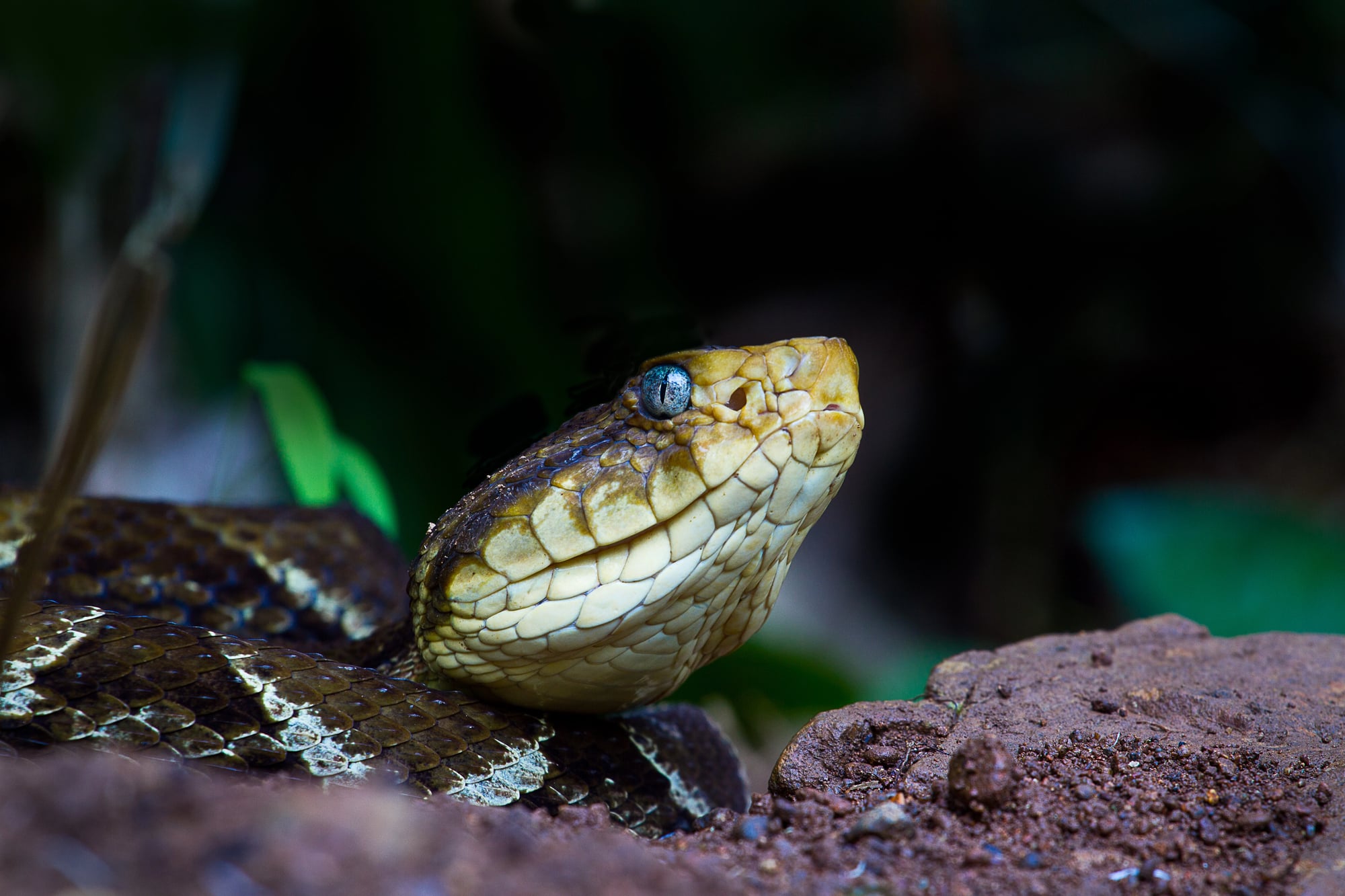
The fer-de-lance is one of the most medically significant snakes in Central and South America. It adapts well to different environments, including agricultural areas and regions close to human settlements, which increases the likelihood of encounters.
Its venom can cause severe tissue damage and internal complications if untreated. What makes it particularly dangerous is its defensive nature and tendency to remain still when approached, leading to accidental encounters rather than deliberate confrontation.
Amazon Tree Boa (Often Mistaken)
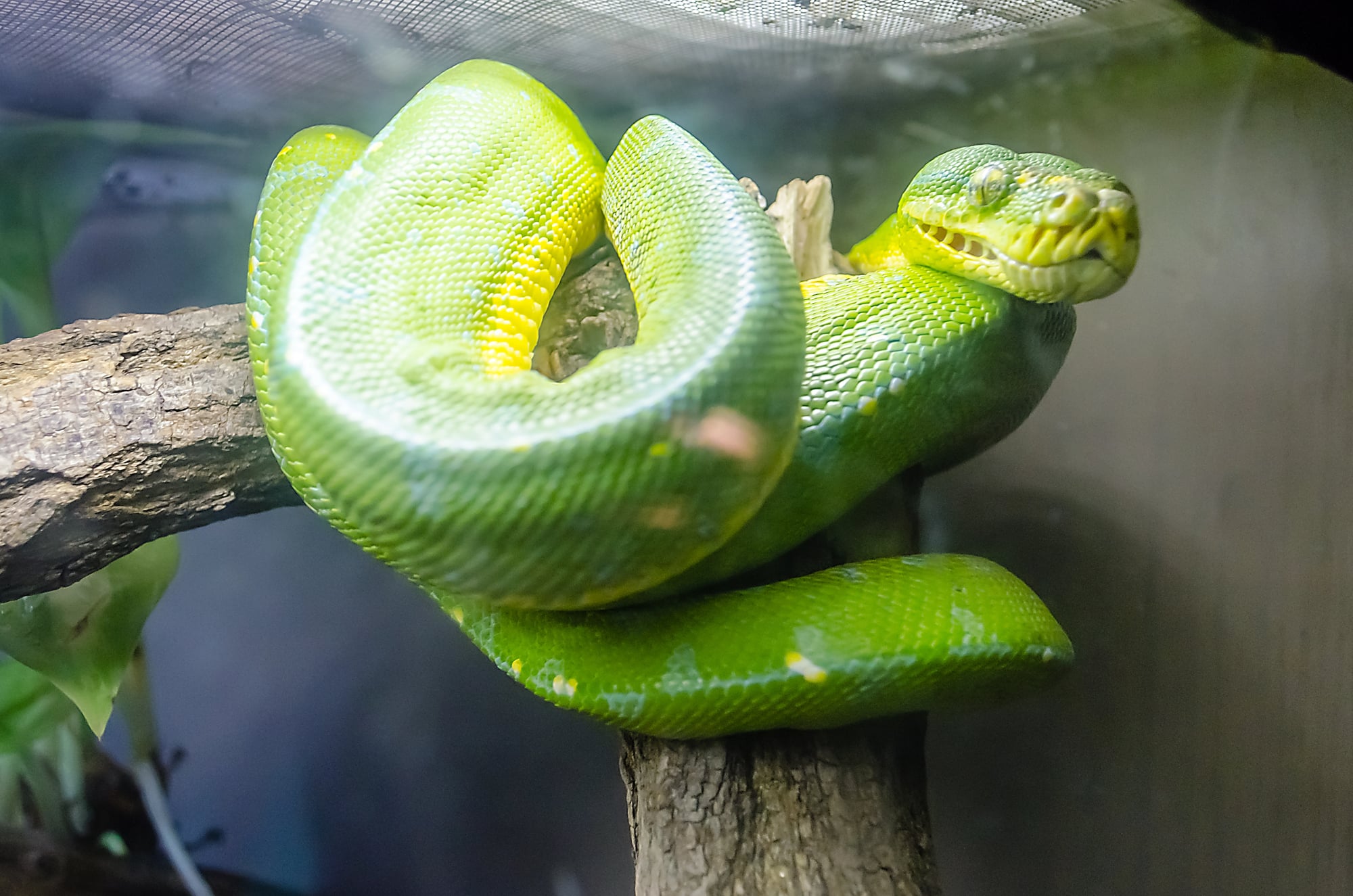
The Amazon tree boa is frequently mistaken for venomous species due to its striking patterns and defensive posture. In reality, it is non-venomous, though it can deliver a painful bite when threatened.
Its inclusion highlights how easily visual cues can mislead. In the Amazon, resemblance often serves as a survival strategy, blurring the line between truly dangerous species and harmless ones.
South American Rattlesnake

The South American rattlesnake is known for its distinctive rattle and neurotoxic venom. Found in more open or transitional areas within the Amazon basin, it tends to avoid dense rainforest interiors.
Its bite can lead to serious complications without treatment, affecting muscle control and breathing. The rattle serves as a warning mechanism, allowing potential threats to retreat before a strike becomes necessary.
Coral Snake

The coral snake is instantly recognizable by its bright bands of color. Its venom is highly potent, targeting the nervous system and potentially causing paralysis if untreated.
Despite its potency, it is shy and rarely aggressive. Most bites occur only when the snake is handled or accidentally disturbed, reinforcing the idea that danger often depends on circumstance rather than intent.
Eyelash Viper
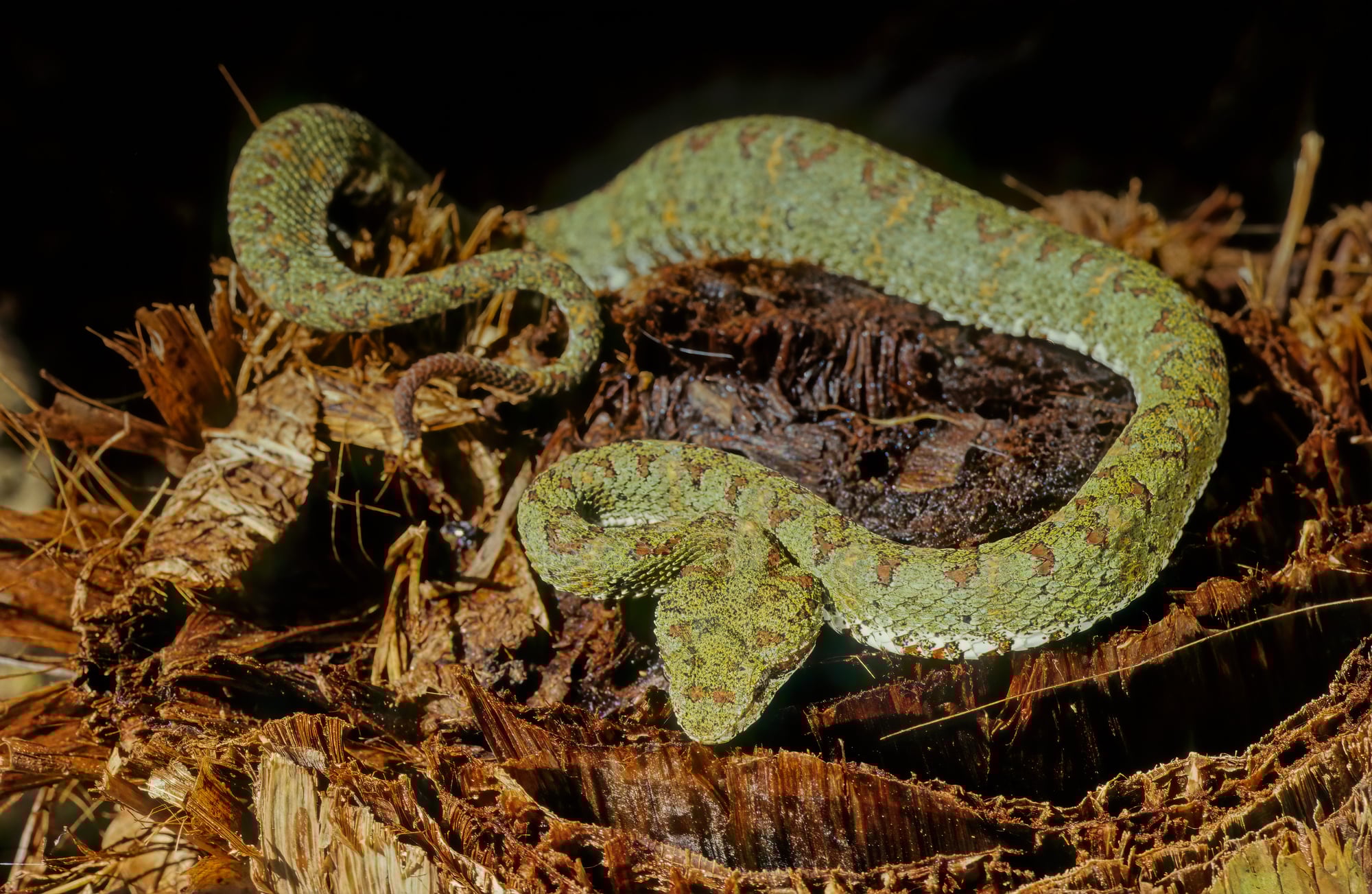
The eyelash viper is a small, tree-dwelling snake known for the scale structures above its eyes. It comes in a range of colors, allowing it to blend into flowers and leaves with ease.
Its venom is moderate compared to larger species, but still capable of causing significant symptoms. Its habit of remaining motionless in vegetation increases the risk of accidental contact.
Lancehead Pit Viper

The lancehead pit viper includes several species that are widely distributed throughout the Amazon. These snakes are responsible for a large proportion of bites due to their adaptability and proximity to human activity.
Their venom affects blood and tissue, making bites particularly serious if untreated. Their success lies in their ability to thrive in both wild and altered environments.
Amazonian Pit Viper

The Amazonian pit viper is one of the most commonly encountered venomous snakes in the region. It thrives in a variety of habitats, from deep forest to areas near rivers and settlements.
Its venom is highly effective for subduing prey and can cause severe reactions in humans. Its widespread presence makes it one of the most significant species in terms of real-world impact.
Mussurana

The mussurana stands out for its resistance to the venom of other snakes. It often preys on venomous species, including those considered highly dangerous.
While it does possess mild venom, it is not considered a threat to humans. Its role as a predator of other snakes makes it an important regulator within the ecosystem.
Parrot Snake

The parrot snake is slender, fast, and highly adapted to life in the trees. Its bright green coloration provides excellent camouflage among leaves.
Its venom is mild and used primarily to subdue small prey. While not dangerous to humans, it illustrates how venom exists on a spectrum within the Amazon.
Bush Viper (Related Species)
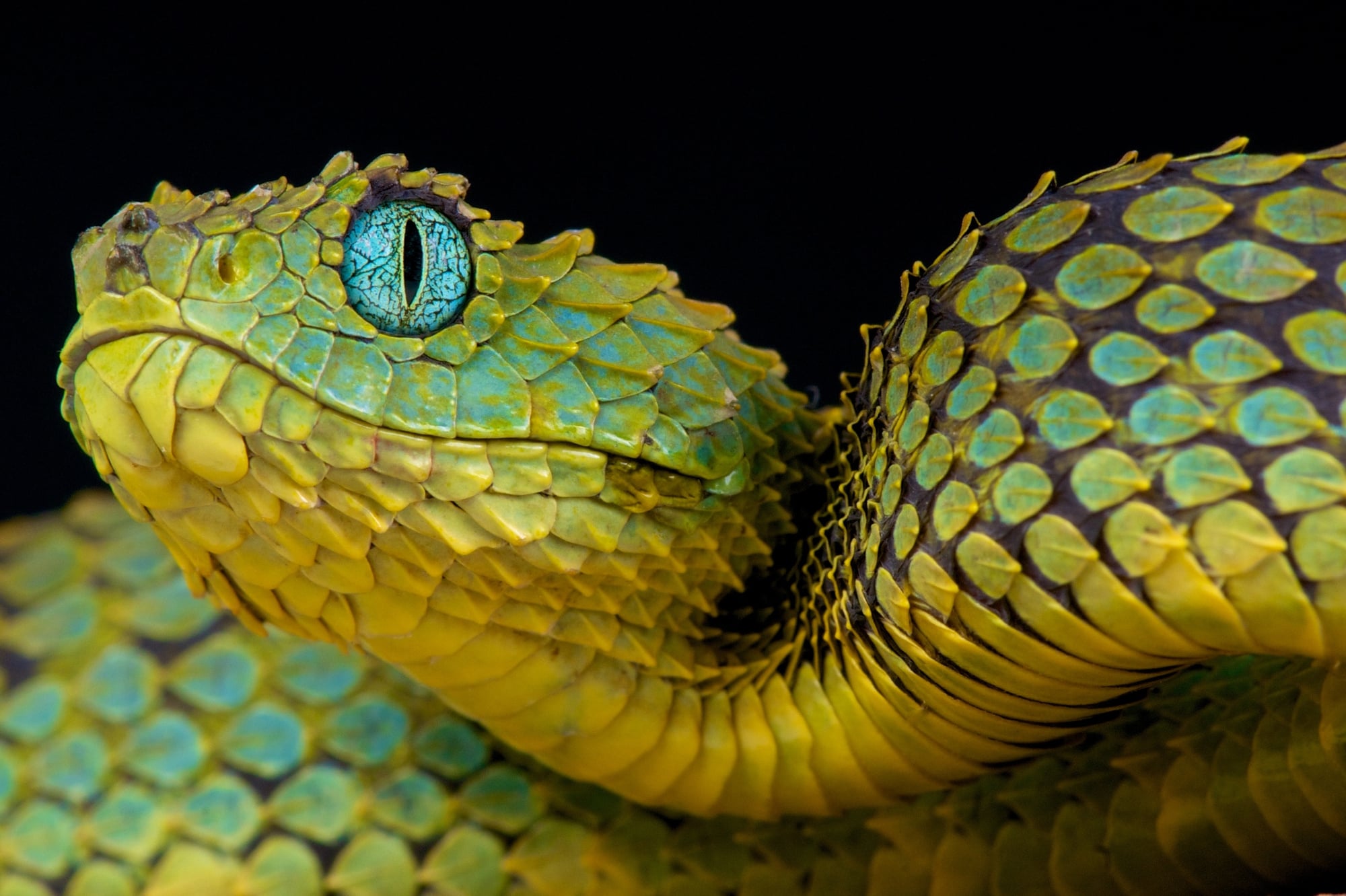
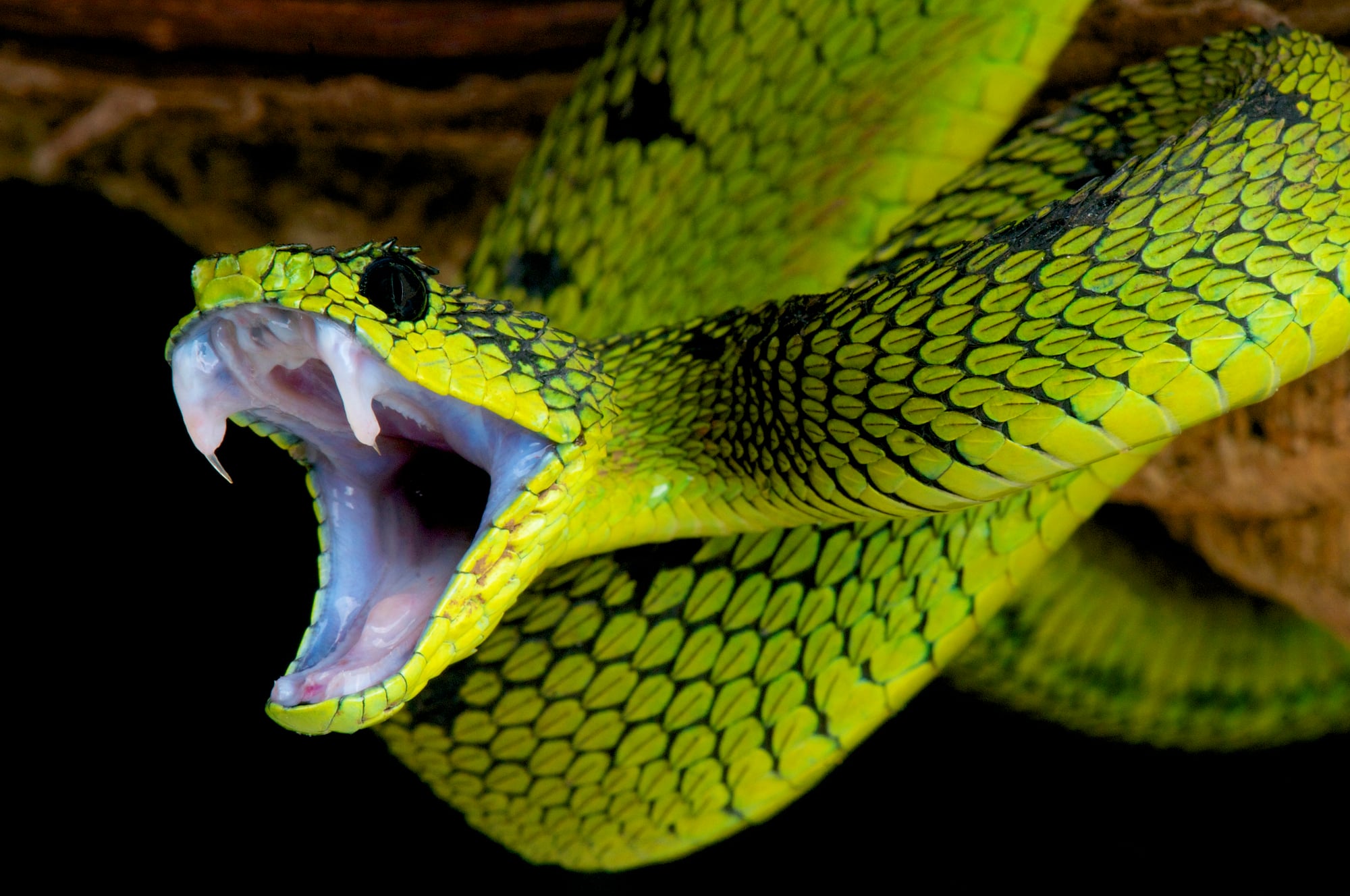
The bush viper is more commonly associated with Africa, but similar arboreal vipers in the Amazon share comparable traits. These snakes rely on camouflage and ambush tactics to capture prey.
Their presence highlights how similar evolutionary solutions can emerge in different parts of the world under comparable environmental pressures.
Forest Pit Viper
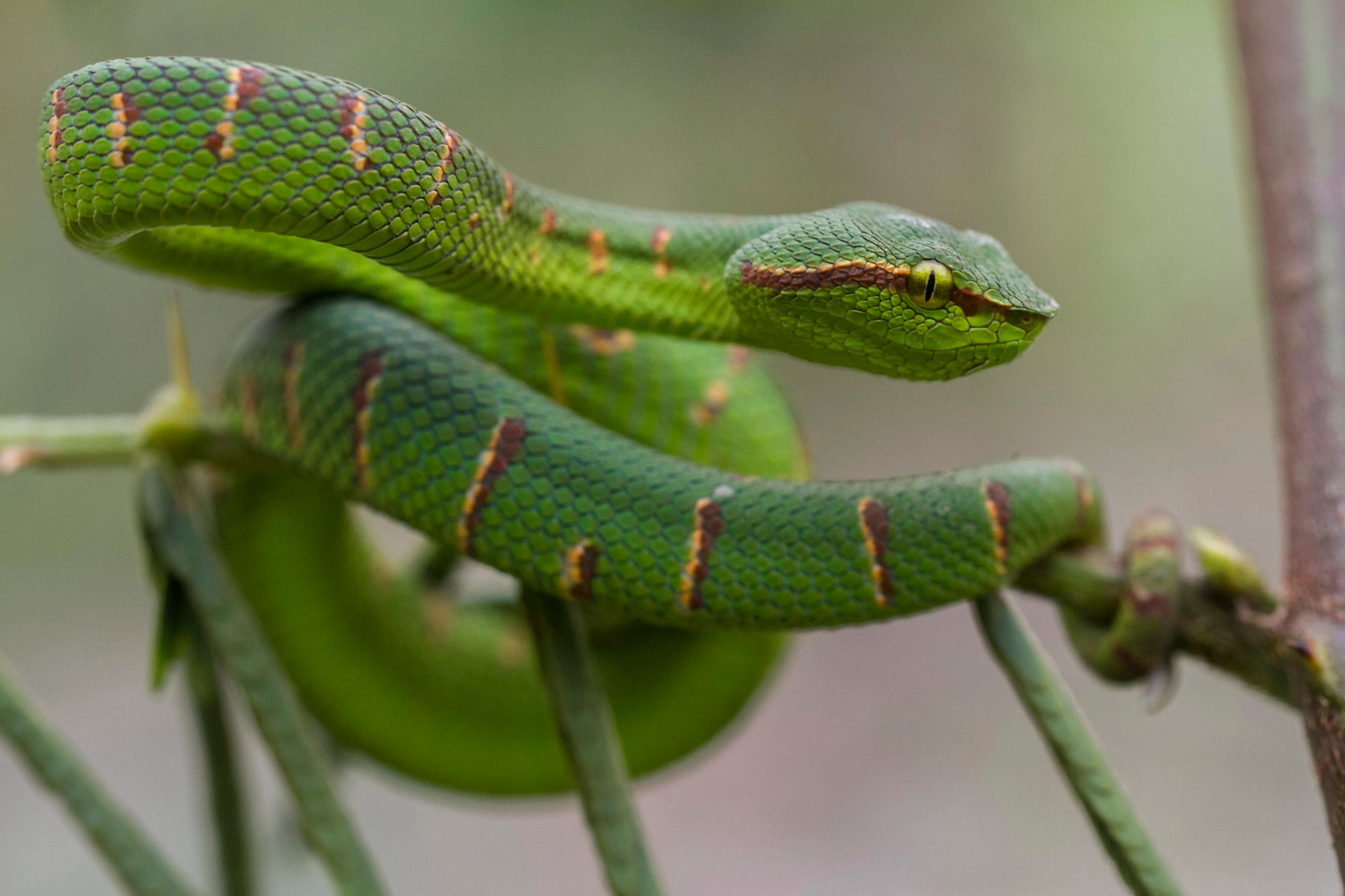
The forest pit viper represents another group within the lancehead family. These snakes are well adapted to the forest floor, where they blend into layers of fallen leaves.
Their venom is medically significant, and their widespread distribution increases the likelihood of encounters. They are a key example of how certain traits dominate within the Amazon.
False Coral Snake

The false coral snake mimics the coloration of true coral snakes, deterring predators through resemblance. While it may have mild venom, it is not considered dangerous to humans.
This mimicry demonstrates how survival in the Amazon often depends as much on appearance as on actual capability.
Cat-Eyed Snake

The cat-eyed snake is nocturnal and often found near water. It feeds on amphibians and small animals, using mild venom to assist in hunting.
Its role is subtle but important, contributing to the balance of prey populations within its habitat.
The Role Of Venom In A Living System
Out in the jungle, venom works like clockwork – predators strike fast because they cannot afford long fights. A quick dose means less danger, fewer wasted moves when survival depends on timing.
Instead of wrestling prey into submission, poison takes charge quietly, letting nature tilt in favor of the hunter. Still, plenty of these snakes won’t harm people unless startled or touched by mistake.
Running away comes before fighting, yet some get hurt just because someone steps too close. Pulling back from the instinctive dread opens up a clearer view of where they fit in nature’s web.
Because predators manage numbers, shift how animals act, life stays steady deep in the forest. What seems fierce actually holds everything in check.
Truth settles in only when you see them there – each detail, even poison, carved slowly by need across ages. The Amazon holds more than risk; it sharpens life into exact forms.
What survives does so because time demands it.
More from Go2Tutors!

- The Romanov Crown Jewels and Their Tragic Fate
- 13 Historical Mysteries That Science Still Can’t Solve
- Famous Hoaxes That Fooled the World for Years
- 15 Child Stars with Tragic Adult Lives
- 16 Famous Jewelry Pieces in History
Like Go2Tutors’s content? Follow us on MSN.



