Secrets About The Titanic Survivors
Ice swallowed the ship under a dark sky, taking over fifteen hundred souls when Titanic fell in 1912. Some seven hundred others stayed above water, pulled through cold hours they never expected to face.
Lifeboats held bodies safe, though minds drifted far beyond rescue. Survival didn’t mean peace – many lived with silence where words should have been.
Memories clung tighter than coats worn that night, returning without warning. Later on, survivor accounts brought out pieces of truth rarely shared back then.
Choices people made, sudden moments of bravery, yet questions left hanging – these came through when those who lived told their versions of the night. What stayed hidden slowly stepped forward.
Peering into shadows reveals quiet facts about those aboard when Titanic slipped beneath the waves. Not every story made it into books, yet they exist – whispers passed down through years.
Some survived by chance, others vanished without trace. Each name carried weight, though history often forgets.
Moments before disaster struck, life hummed normally on deck. Then came silence where laughter once stood.
What remains now are fragments – letters, photos, half-remembered tales told at kitchen tables. These details don’t shout – they linger.
Some Survivors Initially Stayed Quiet

In the immediate aftermath of the disaster, not every survivor wanted to speak publicly about their experience. The sinking had been deeply traumatic, and many passengers struggled to process what they had witnessed during those chaotic final hours.
Newspapers rushed to publish dramatic accounts of the tragedy, but some survivors declined interviews or shared only brief statements. A number of people avoided the press entirely, choosing instead to return quietly to their families.
Years later, some survivors gradually began sharing more detailed memories through memoirs, documentaries, and historical interviews. Those later accounts often provided richer details about the confusion and fear aboard the ship.
Lifeboats Left the Ship Half Empty
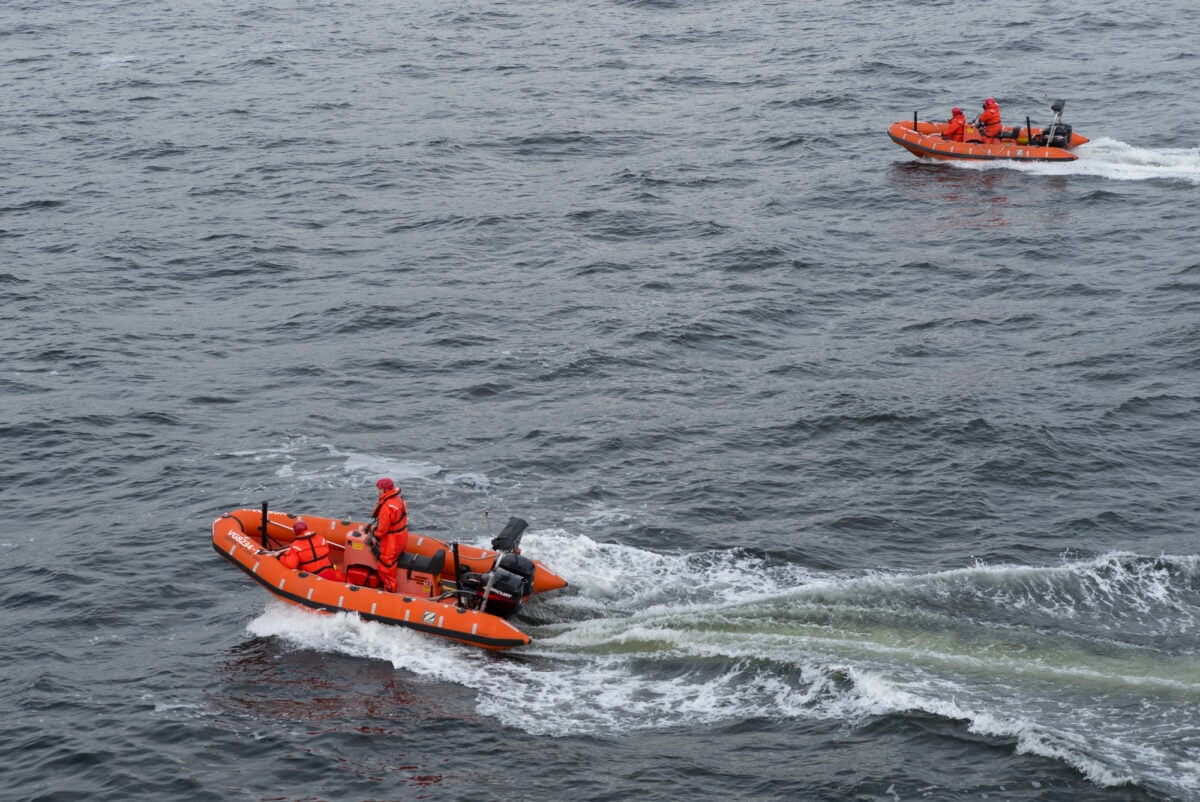
One of the most troubling revelations that emerged from survivor testimony was that several lifeboats were launched without being filled to capacity. The Titanic carried lifeboats for only about half the people on board, yet many boats still left with empty seats.
Passengers later explained that confusion and uncertainty played a major role. Early in the evacuation, many people did not believe the enormous ship was actually in danger.
Crew members were also unsure about how much weight the lifeboats could safely carry. As a result, some boats were lowered with far fewer passengers than they could have held.
The Band Continued Playing

Many survivors described hearing the ship’s band continue to perform music as the situation worsened. The musicians had originally been hired simply to entertain passengers during the voyage.
As the evacuation unfolded, the band reportedly played several pieces in an effort to keep people calm and prevent panic. Survivors remembered the music drifting across the deck as lifeboats were lowered into the dark ocean.
One of the songs often associated with the final moments is the hymn ‘Nearer, My God, to Thee,’ though historians still debate exactly what the final piece was. Regardless of the specific song, the band’s presence became one of the most memorable elements of the disaster.
Some Survivors Were Rescued Hours Later
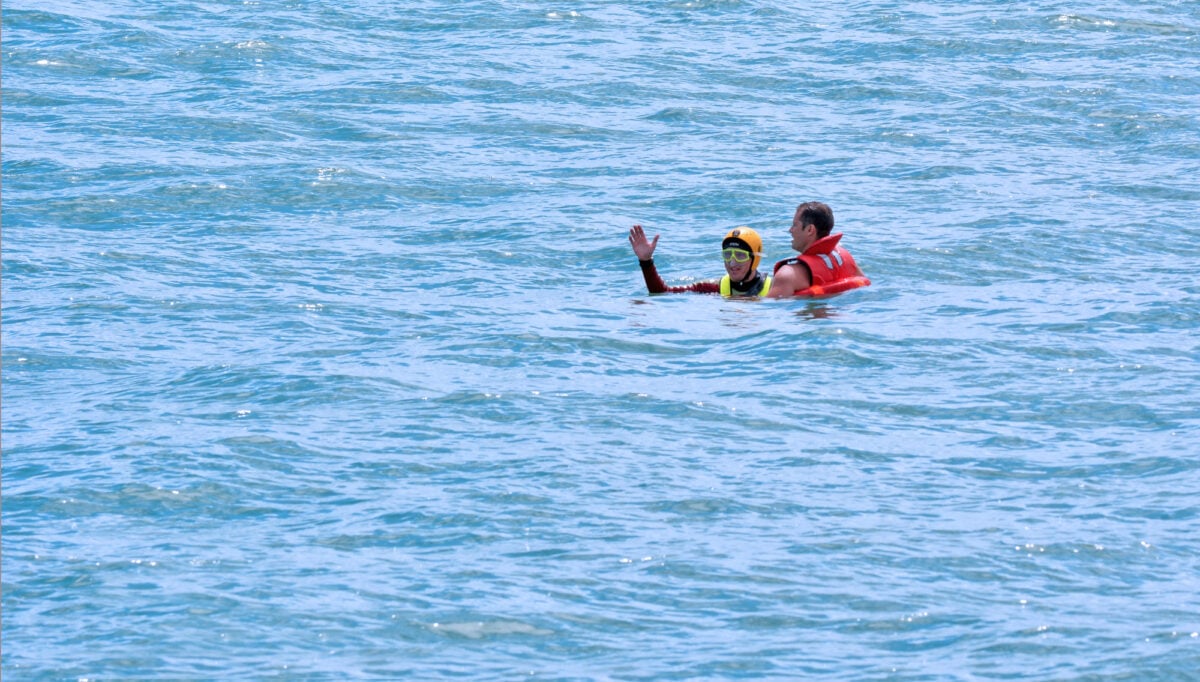
After the Titanic disappeared beneath the waves, hundreds of people were left floating in the freezing Atlantic water. Most did not survive the extreme cold.
A small number, however, were later rescued by lifeboats that returned to search the wreckage. Lifeboat 14, under the command of Fifth Officer Harold Lowe, was one of the few that went back to look for survivors.
These rescue attempts were risky because lifeboat occupants feared that large groups might overwhelm the small boats in the darkness.
A Passenger Survived by Clinging to Debris
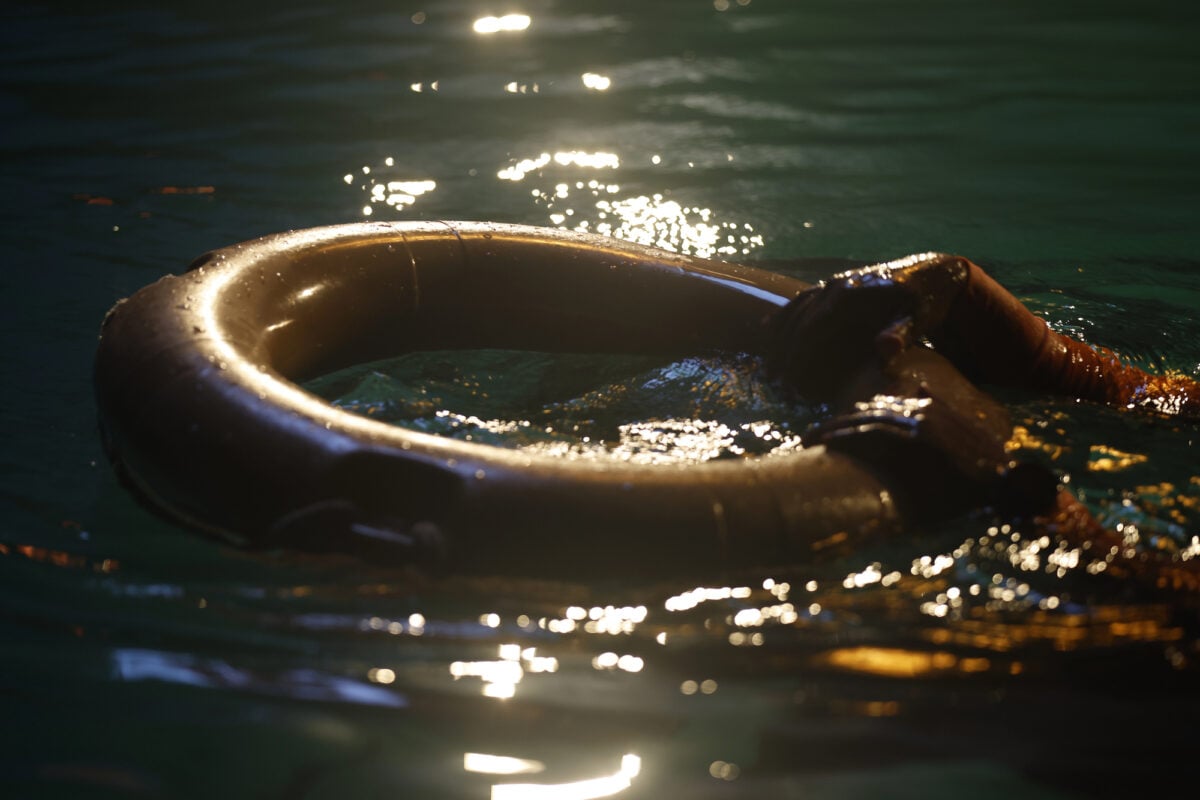
Several survivors managed to stay alive by holding onto floating wreckage after the ship sank. Wooden deck chairs, doors, and fragments of the ship drifted across the surface of the water.
One well-known survivor, Jack Thayer, described climbing onto an overturned lifeboat along with several other men. They balanced carefully on the exposed hull while waiting for rescue.
Remaining above the freezing water was the key to survival. Even small pieces of debris could mean the difference between life and death that night.
Some Families Were Separated Forever

The evacuation created heartbreaking separations among passengers. Because the rule ‘women and children first’ was often enforced, many families were divided as lifeboats departed.
Some husbands helped their wives and children into lifeboats while knowing they would likely remain behind. Others tried to find family members in the confusion but were unable to locate them before the ship sank.
For survivors, the emotional impact of these separations lasted far beyond the night of the disaster.
Crew Members Played Critical Roles
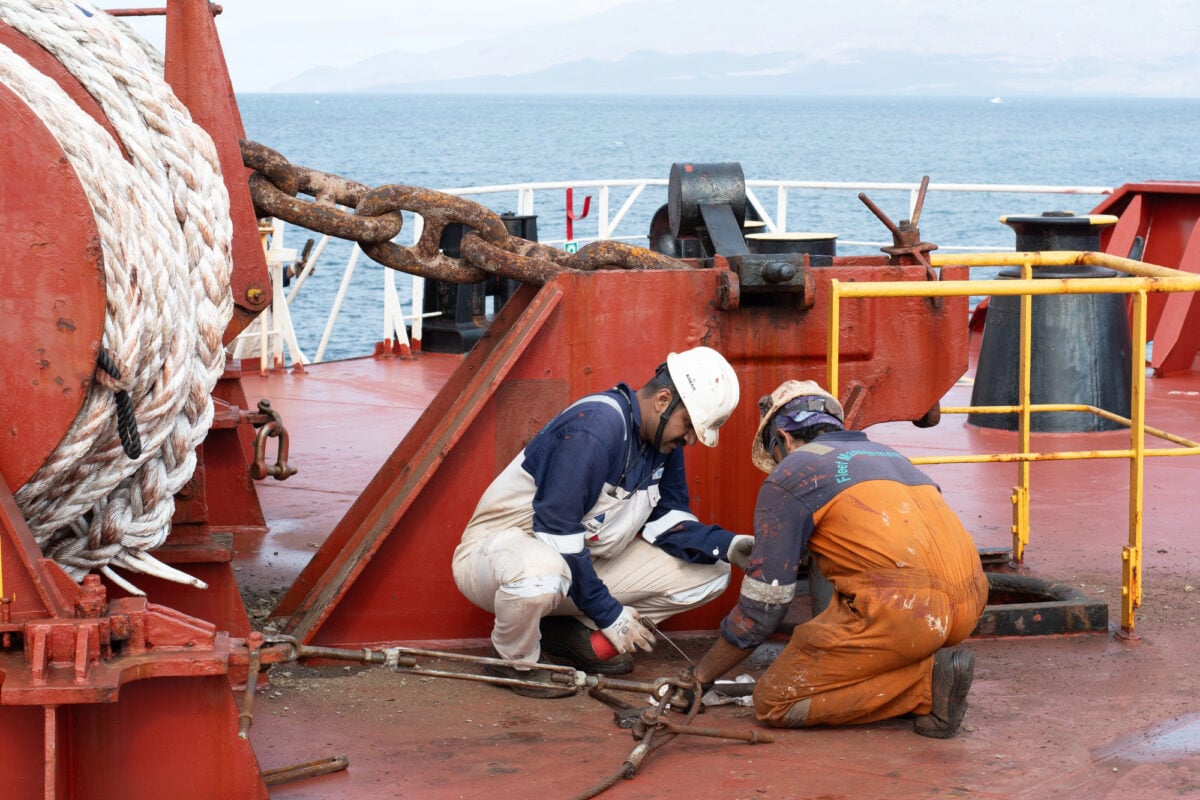
Although passengers often receive the most attention in Titanic stories, many crew members played crucial roles in helping people escape. Officers, sailors, and stewards worked to organize the evacuation under extremely difficult conditions.
Crew members helped guide passengers to lifeboats, assisted women and children, and attempted to maintain order during the growing chaos.
Some remained at their posts until the final moments, continuing their duties even as the ship tilted sharply toward the ocean.
Children Carried Lifelong Memories
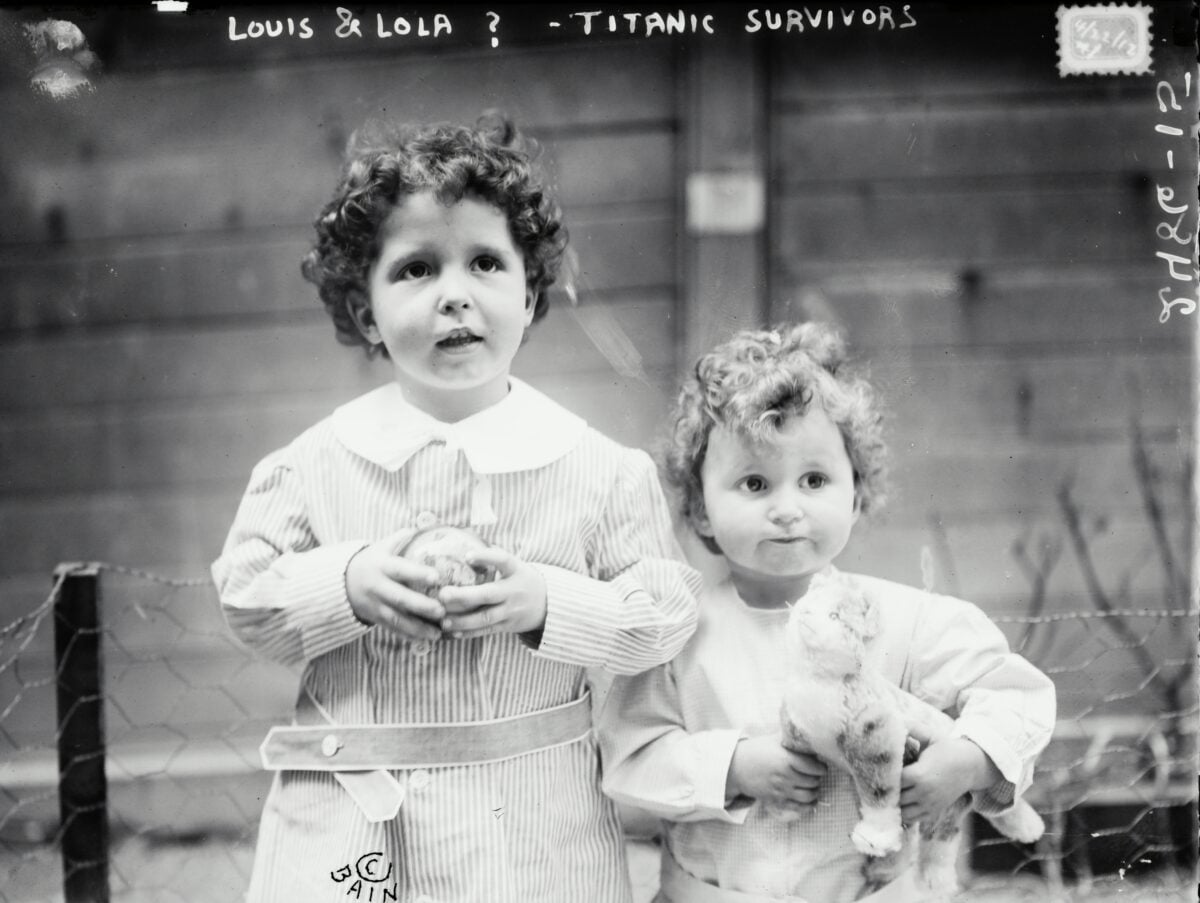
Several children survived the Titanic disaster, and some later shared their memories decades afterward. At the time of the sinking, many were too young to fully understand what was happening.
As adults, they often described fragments of memory: the cold night air, the sound of voices shouting across the deck, and the unsettling quiet after the ship vanished.
These childhood recollections provided historians with unique insights into the atmosphere during the evacuation.
Survivors Faced Public Attention

When survivors arrived in New York aboard the rescue ship Carpathia, they were immediately surrounded by reporters and curious onlookers. The world wanted to know what had happened during the ship’s final hours.
Many survivors were asked to provide testimony during official investigations in the United States and Britain. Their accounts helped authorities reconstruct the timeline of the disaster.
While some passengers willingly shared their stories, others found the attention exhausting after the trauma they had endured.
Survivor Testimony Helped Improve Safety
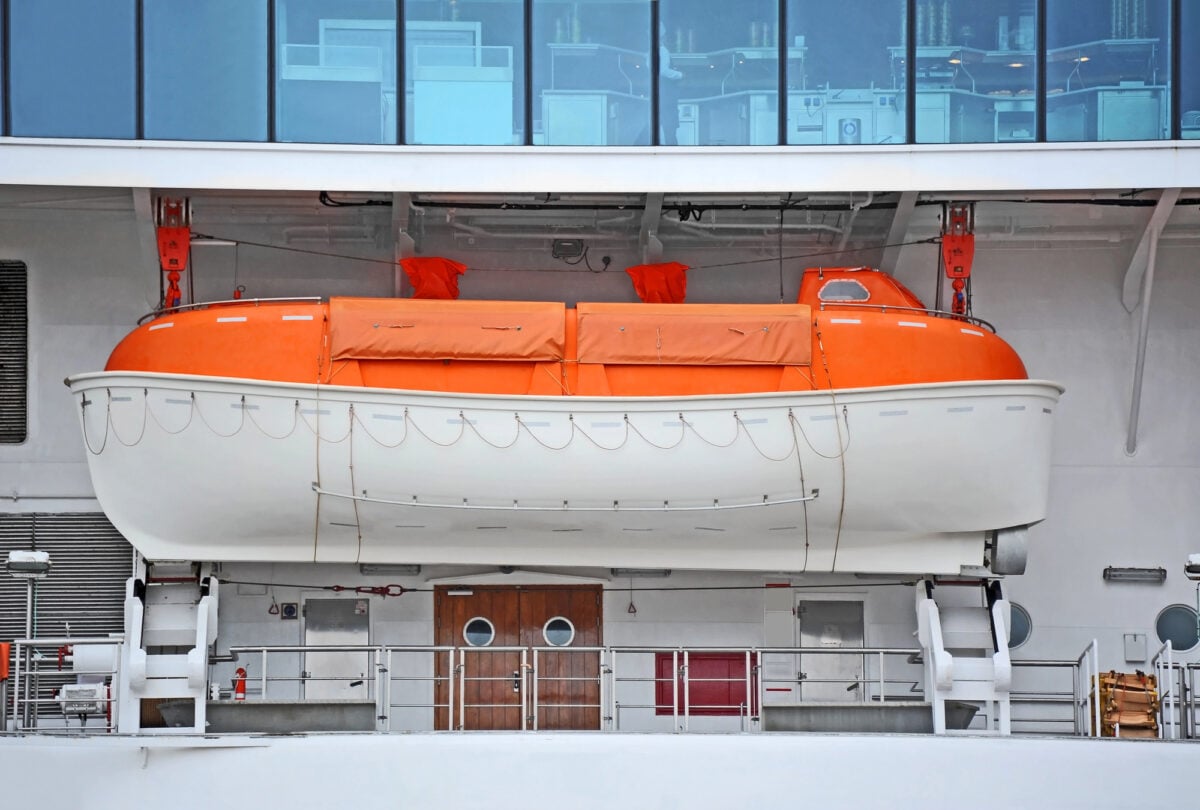
The experiences of Titanic survivors played a major role in improving maritime safety. Investigations examined why the ship had carried too few lifeboats and why warnings about ice had not been handled more carefully.
As a result, new international rules required ships to carry enough lifeboats for everyone on board. Continuous radio monitoring also became standard practice so distress signals could always be received.
These reforms changed global shipping standards and helped prevent similar disasters in the future.
Why The Stories Of Survivors Still Matter

Still talked about more than a century later, the Titanic stands out among sea disasters. But it is the stories told by those who lived through it that make the tragedy feel close.
What they recall brings depth beyond numbers printed in reports. Moments before chaos began, some noticed odd details – laughter fading into silence, shoes left behind on deck.
Cold facts never capture how fear spreads quietly at first. Survivors describe sounds most would not believe – the music playing too long, glass cracking under pressure.
Each account adds weight to what was lost. Not just lives, but routines, plans, ordinary days ripped away without warning.
Out of cold memory pages rise stories once nearly lost. Survivors spoke, wrote, dug through past wreckage so moments would not vanish.
Because of them, voices echo where silence could’ve grown. What it meant to stand on frozen decks now finds shape in words passed down.
Each account becomes a hand reaching across years, offering weight, breath, chill. A hundred years on, tales from survivors still color the way people recall the Titanic’s doomed journey.
Its sinking lingers differently because of their voices.
More from Go2Tutors!

- The Romanov Crown Jewels and Their Tragic Fate
- 13 Historical Mysteries That Science Still Can’t Solve
- Famous Hoaxes That Fooled the World for Years
- 15 Child Stars with Tragic Adult Lives
- 16 Famous Jewelry Pieces in History
Like Go2Tutors’s content? Follow us on MSN.



