15 Schools With the World’s Most Unusual Curricula
Traditional education follows a familiar pattern—rows of desks, standard subjects, predictable schedules. However, some schools worldwide are completely abandoning conventional methods, creating learning experiences that would surprise even the most creative educators.
These institutions demonstrate that education doesn’t need to be confined to four walls or follow century-old traditions. Here is a list of 15 schools that are redefining what it means to learn.
Platform Schools

Railway platforms in India have become unlikely classrooms for thousands of children. Teacher Inderjit Khurana transformed train stations into educational spaces—bringing learning directly to children from slum areas who couldn’t attend traditional schools.
Students sit on platform floors with portable blackboards while trains rumble past. This creates a backdrop that would distract most kids, yet somehow works perfectly for these determined learners. The initiative now serves over 4,000 students across multiple railway stations.
Forest Kindergartens
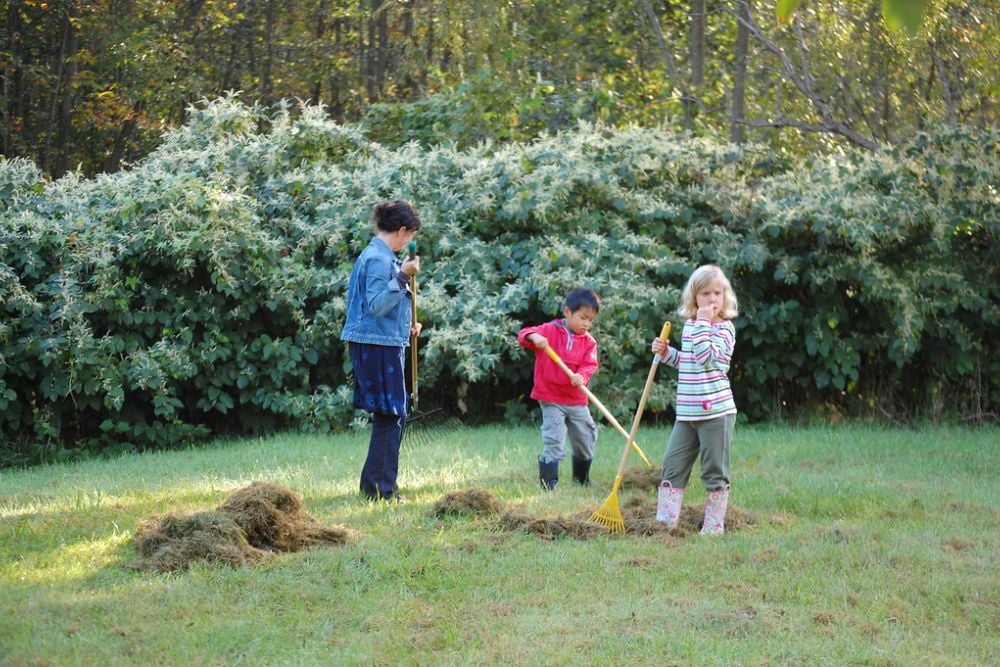
Scandinavian countries pioneered outdoor education with forest kindergartens, where children spend entire days in nature regardless of weather conditions. Kids learn math by counting pinecones.
They develop social skills through collaborative fort-building while discovering science by observing insects and plants firsthand. These schools operate under the philosophy that children need fresh air and natural exploration more than traditional classroom walls.
Floating Schools
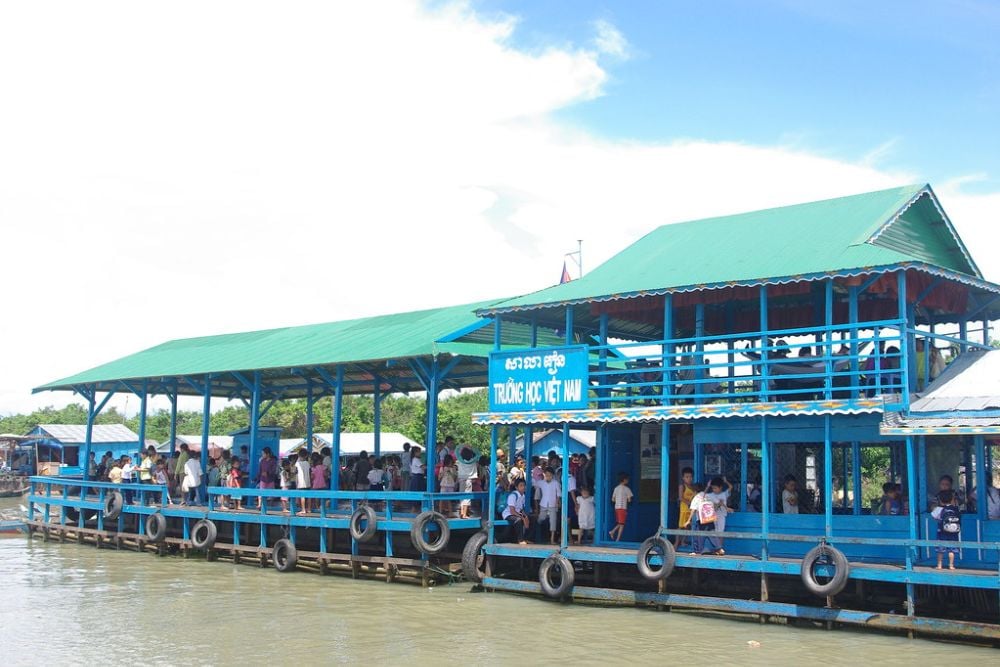
Boat schools in Bangladesh navigate waterways to reach children in flood-prone areas where traditional buildings would be impractical. These floating classrooms come equipped with solar panels, internet connectivity, and libraries—proving that education can literally go with the flow.
Students learn while gently rocking on the water, making geography lessons about rivers and tides incredibly hands-on experiences.
Underground Cave Schools

China’s Dongzhong School operated inside a massive cave for decades, serving students who lived in remote mountainous regions. The natural acoustics made it easy for teachers to address large groups, though the constant temperature eliminated the need for heating or cooling systems.
Even though the school has since closed, it demonstrated how geography can become an educational asset rather than an obstacle.
Circus Schools

Several countries operate schools that combine traditional academics with circus arts training. Students learn physics through trapeze work—developing confidence through performance while mastering coordination through juggling and acrobatics.
These programs prove that physical movement can enhance cognitive learning rather than distract from it.
Surfing Schools

Coastal communities have developed schools where students spend half their day in traditional classrooms. The other half? Learning to surf, naturally.
These programs teach ocean safety, environmental conservation, and marine biology while students develop athletic skills and water confidence. The combination creates well-rounded individuals who understand both academic concepts and practical life skills.
Farm-to-Table Schools
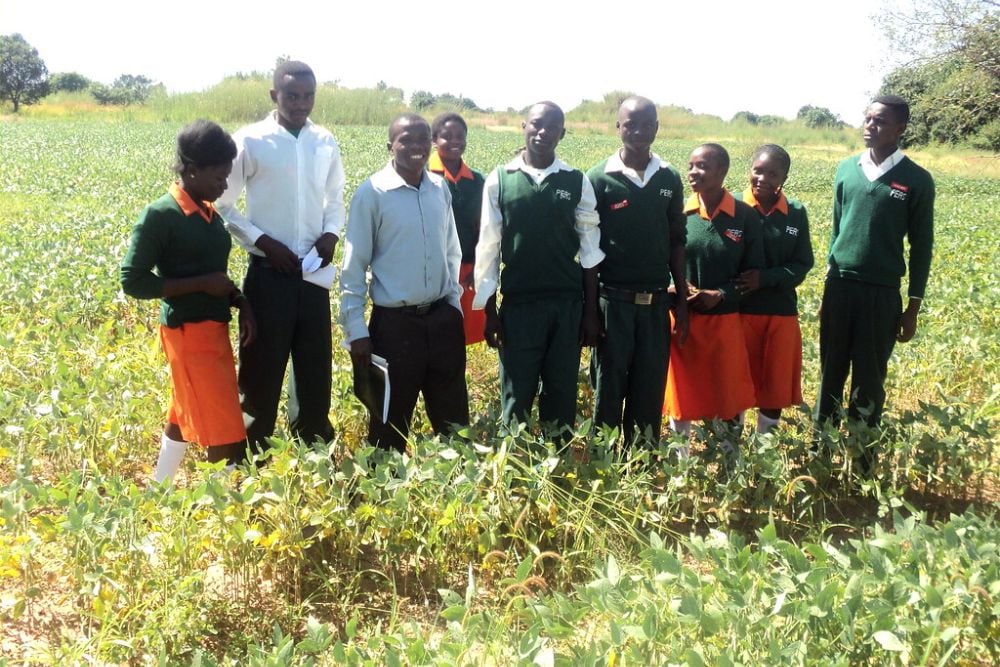
Some institutions have built their entire curriculum around food production and preparation. Students plant gardens, tend animals, cook meals—all while studying nutrition and learning traditional subjects through agricultural contexts.
Math lessons involve calculating harvest yields, whereas science classes explore soil composition and plant biology.
Music Immersion Schools

El Sistema schools in Venezuela and other countries structure entire curricula around musical education. Students learn history through folk songs, develop discipline through orchestral practice, yet build community through ensemble performances.
These programs have produced world-class musicians while proving that arts education can enhance academic achievement across all subjects.
Democratic Schools

Sudbury Schools operate on the principle that children should vote on school rules—choosing their own curricula and managing their learning independently. Students of all ages mix freely, learning from each other rather than following age-based grade levels.
These institutions challenge fundamental assumptions about how schools should be structured and who should make educational decisions.
Wilderness Survival Schools

Some schools focus entirely on outdoor survival skills, teaching students to build shelters, find water, identify edible plants—plus navigate using natural landmarks. Academic subjects get woven into survival contexts, so students learn geometry through shelter construction while mastering biology through foraging identification.
These programs prepare students for both outdoor adventures and problem-solving challenges.
Language Immersion Villages

Certain schools create entire artificial communities where students live and learn exclusively in foreign languages. Every interaction happens in the target language, from ordering lunch to playing games to solving math problems.
These intensive environments produce fluent speakers in months rather than years of traditional language instruction.
Apprenticeship Schools

Medieval-style apprenticeship programs combine academic learning with intensive trade training. Students spend mornings in traditional classrooms and afternoons learning carpentry, blacksmithing, or other crafts from master artisans.
These schools produce graduates who can both think critically and create tangible products with their hands.
Nomadic Schools
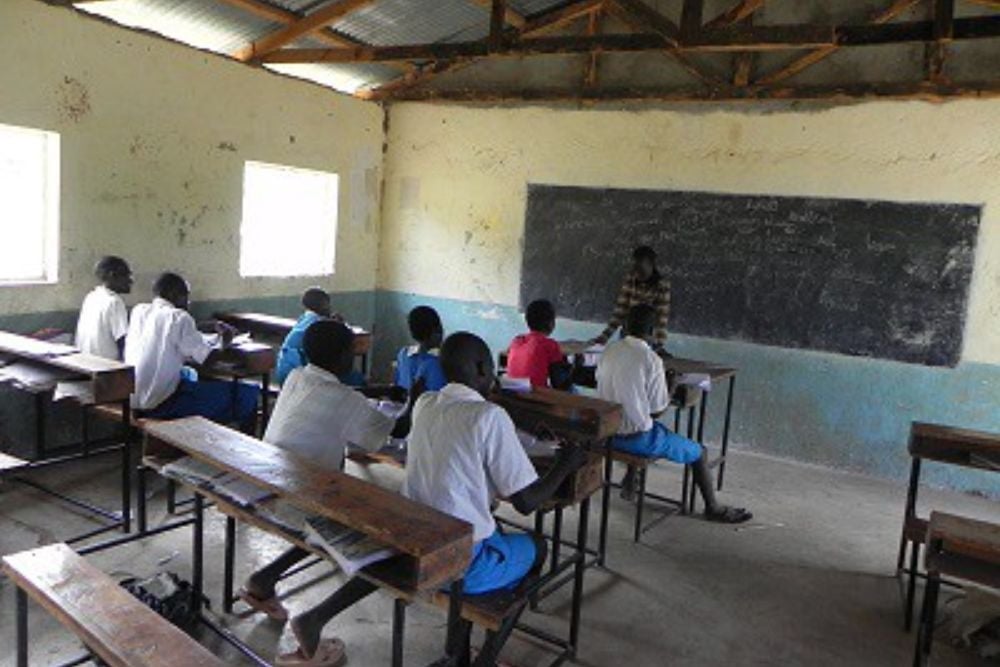
In regions where families move seasonally for work or cultural reasons, mobile schools travel with entire communities. Teachers and educational materials move from location to location, ensuring children receive consistent instruction regardless of their families’ migration patterns.
These schools adapt to cultural rhythms rather than forcing families to choose between tradition and education.
Technology Integration Schools
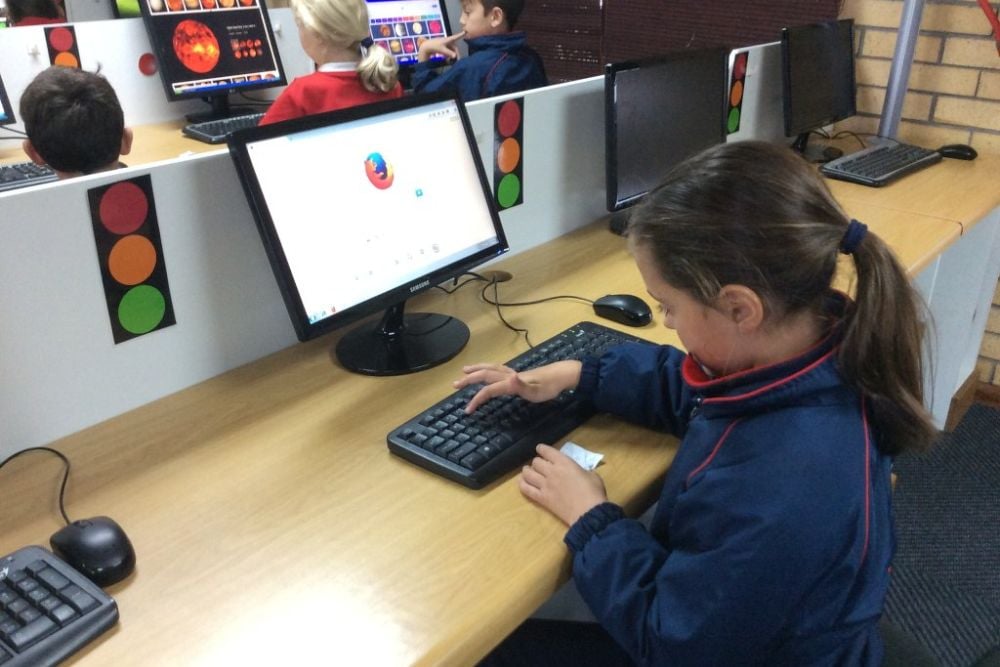
Some institutions have eliminated traditional textbooks and lectures entirely, replacing them with virtual reality lessons, AI tutors, and interactive simulations. Students learn history by virtually walking through ancient Rome, explore science through digital experiments, and develop coding skills alongside traditional literacy.
These schools represent education’s technological frontier.
Multi-Age Learning Communities
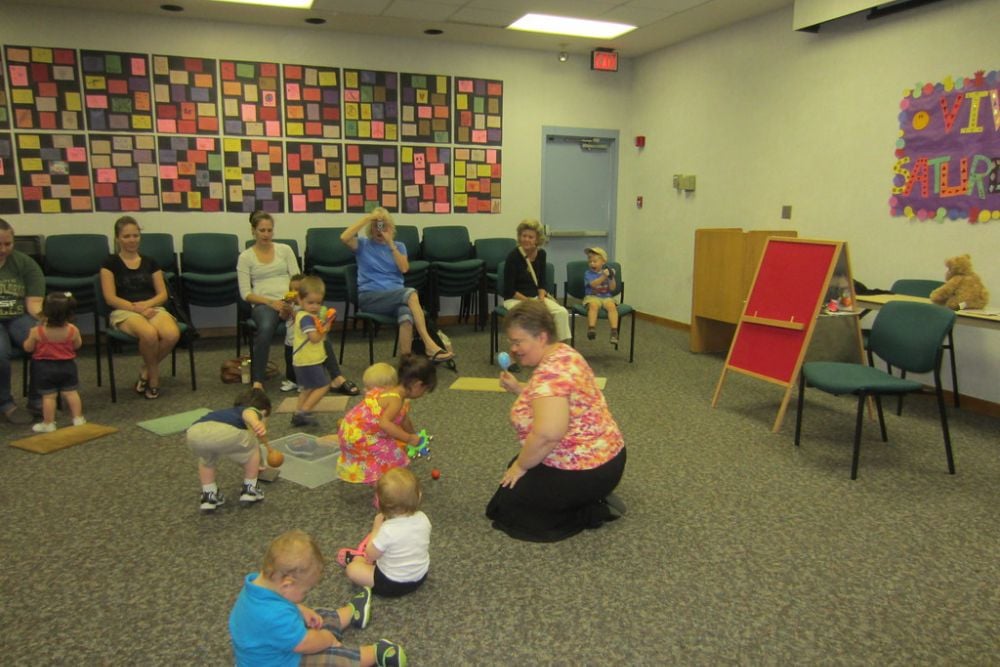
Certain schools mix students of dramatically different ages in the same classrooms, allowing older children to mentor younger ones while reinforcing their own learning. Seven-year-olds might help four-year-olds with reading while teenagers assist both groups with math concepts.
This approach creates natural teaching opportunities and builds empathy across age groups.
Beyond Traditional Boundaries
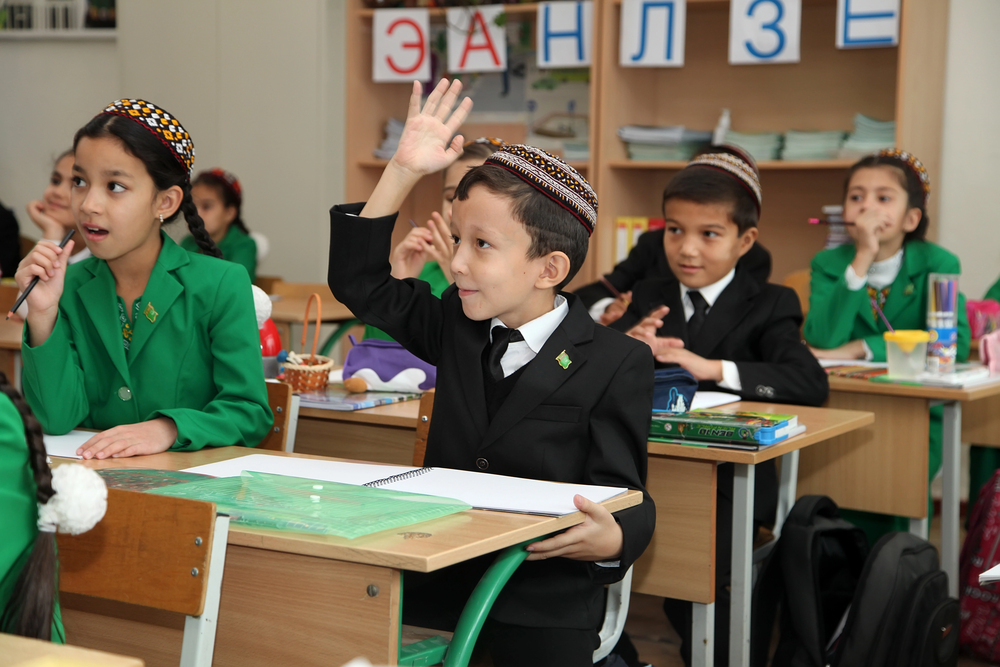
These educational pioneers prove that learning happens everywhere—on platforms, in forests, underwater, and in communities that barely resemble traditional schools. Their success challenges conventional thinking about where and how education should occur.
While not every innovative approach will work for every child, these schools demonstrate that there’s no single path to knowledge. The best education often happens when educators are brave enough to try something completely different.
More from Go2Tutors!

- The Romanov Crown Jewels and Their Tragic Fate
- 13 Historical Mysteries That Science Still Can’t Solve
- Famous Hoaxes That Fooled the World for Years
- 15 Child Stars with Tragic Adult Lives
- 16 Famous Jewelry Pieces in History
Like Go2Tutors’s content? Follow us on MSN.



