15 Shipwrecks Found in Unexpected Places
Most people picture shipwrecks on the ocean floor — somewhere deep and dark, far from shore, where the water swallowed a vessel whole and left it to rust in peace. But the sea isn’t the only place ships go to die.
Some of the most astonishing wreck discoveries have turned up in forests, deserts, city streets, and backyards. These aren’t just curiosities.
Each one tells a story about how dramatically the world has changed around it.
A Revolutionary War Warship Under Lower Manhattan
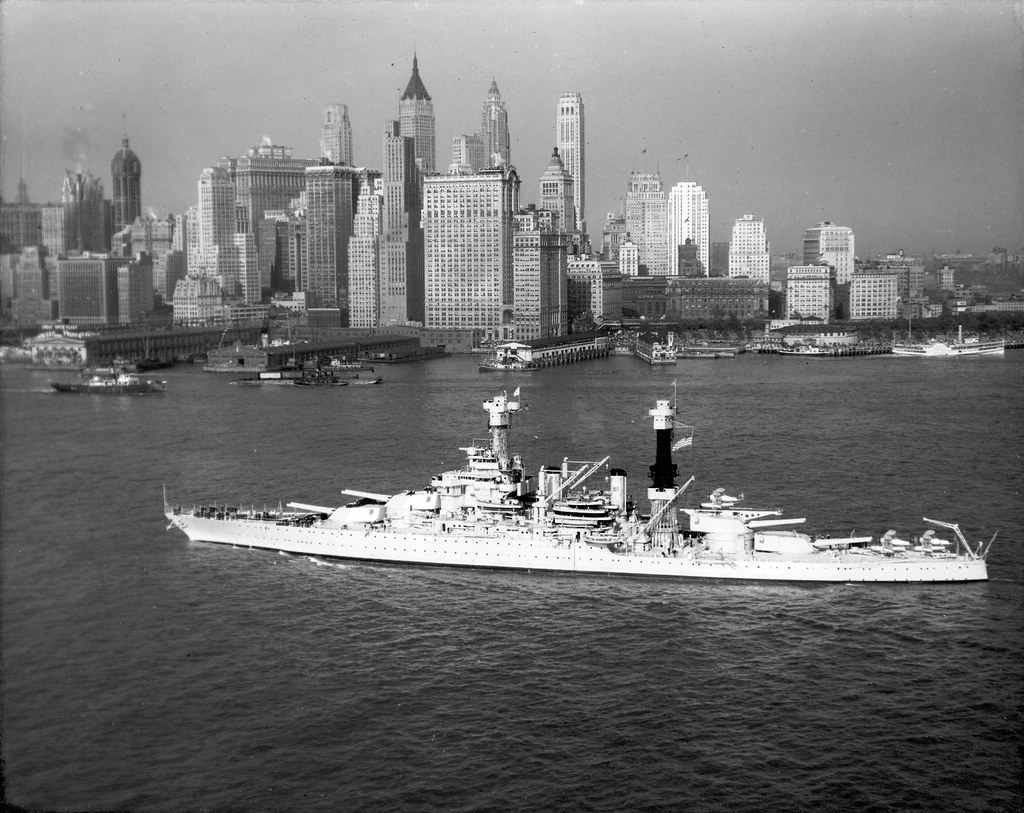
In 1982, construction workers digging at a site in lower Manhattan hit something solid about 20 feet below street level. It turned out to be the hull of an 18th-century merchant vessel, likely used as landfill when New York was expanding its shoreline outward into the Hudson River.
The ship had been deliberately buried — packed in with garbage and debris to create new land. More than 200 years later, the city had grown so far out over its own waterfront that the wreck was nowhere near the water anymore.
It was sitting under a parking garage.
The Vessel in the Nevada Desert
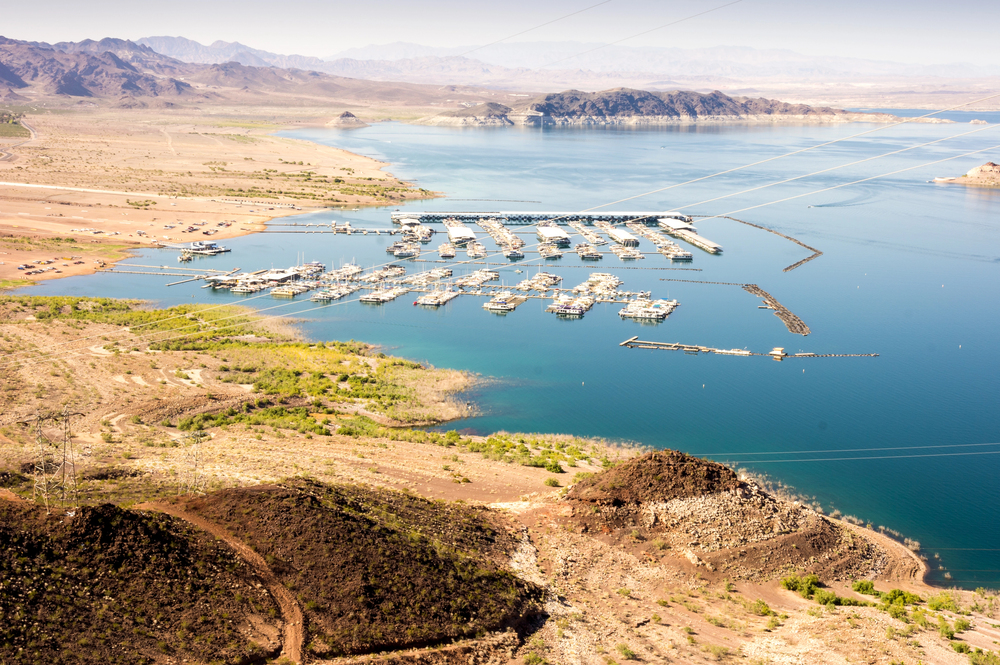
The Mojave Desert isn’t exactly prime sailing territory, but a steamboat named the Mojave once worked the Colorado River along what is now the Nevada-Arizona border. When the river shifted course and railroad transport made river travel obsolete, the boat was abandoned on the bank.
The desert slowly swallowed it. For decades, fragments of the hull stuck out of the sand like bones. It’s a strange sight — bleached wood in the middle of one of the driest places in North America.
A Bronze Age Ship in a Cornfield
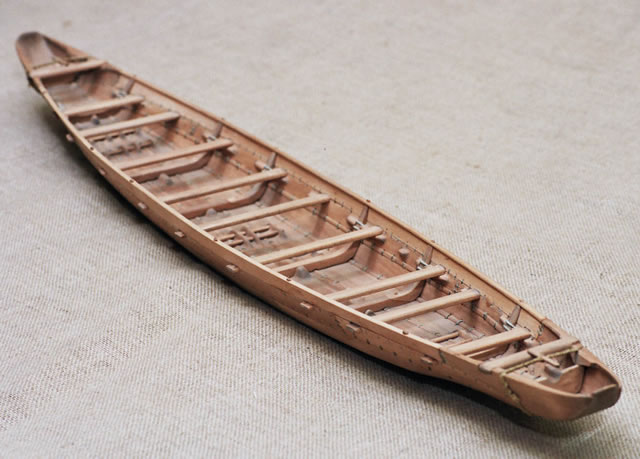
Near the town of Dover in England, workers laying a gas main in 1992 discovered a wooden boat buried about three meters below a road. It dated back around 3,000 years — one of the oldest seagoing vessels ever found in Europe.
The Bronze Age boat had been preserved by the waterlogged clay soil. The sea had retreated from that part of the coast long ago, and the land above it had been plowed and built upon for centuries, with nobody knowing what lay beneath.
The Plague Ship in the Thames Mud
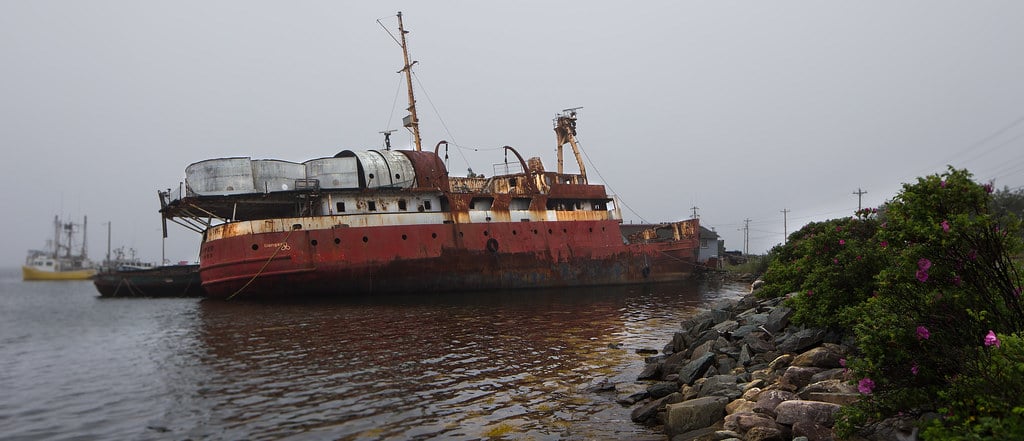
The Thames in London conceals more than most people realize. In 2014, divers and archaeologists working near Queenhithe Dock uncovered evidence of a medieval ship packed with a grim cargo — human remains showing signs consistent with the Black Death.
The vessel appeared to have been used as a burial site during the 14th century, when London ran out of churchyard space. The ship hadn’t been lost at sea.
It had been deliberately sunk in the river as a solution to a catastrophe.
A Spanish Galleon in a South American Jungle
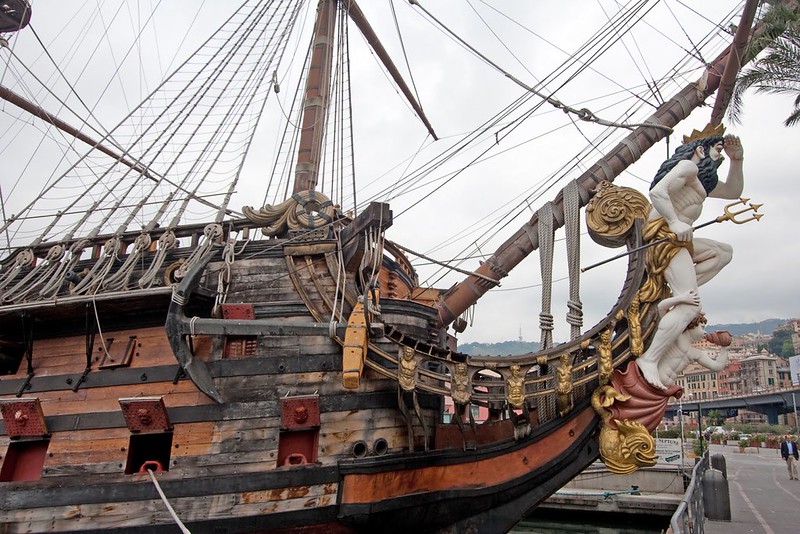
The Amazon basin holds countless mysteries, but finding pieces of a 16th-century Spanish sailing ship deep in the Brazilian rainforest wasn’t something anyone expected. Historians believe the vessel was carried inland during an extreme flood along one of the Amazon’s tributaries, then stranded when water levels dropped. Jungle growth did the rest.
The discovery raised difficult questions about just how far Spanish explorers pushed into the continent — and how many of them never made it back out.
The Swiss Lake Ship That Isn’t Underwater Anymore
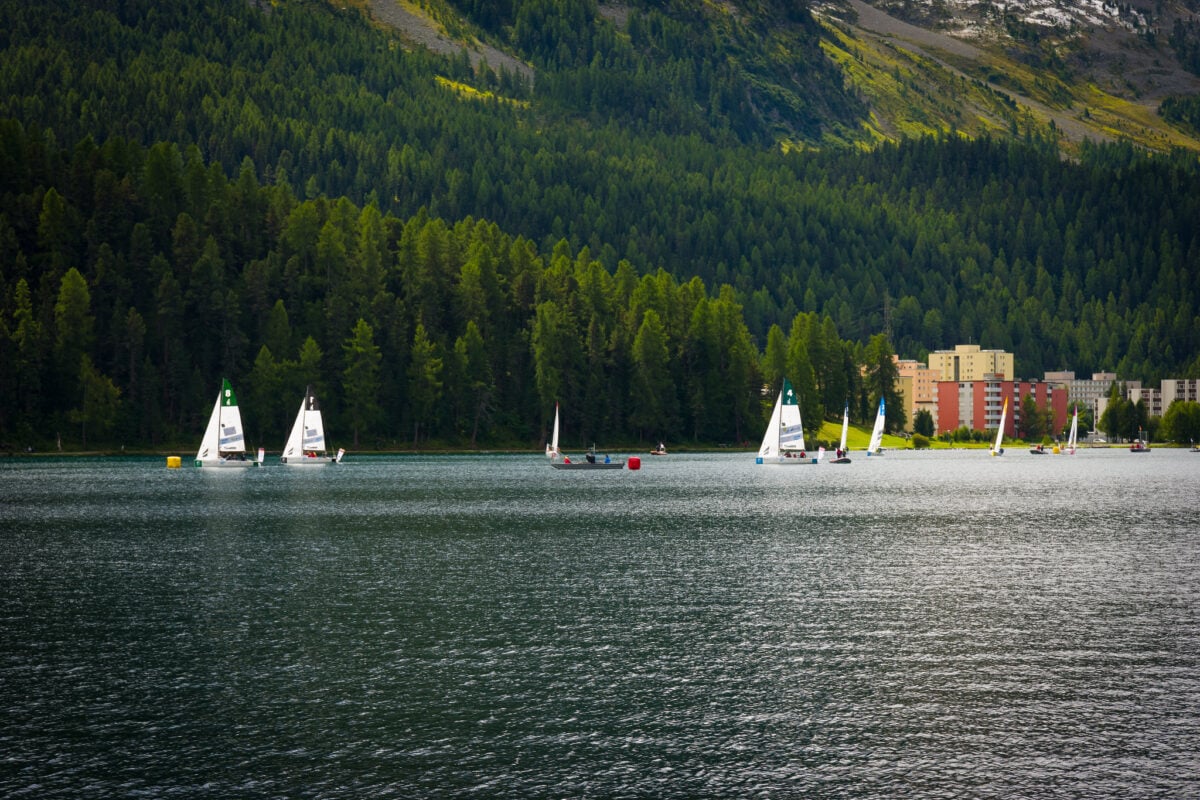
Lake Geneva in Switzerland has dropped significantly in water level since the 19th century due to engineering works and climate shifts. In several locations along its former shoreline, the remains of medieval trading vessels now sit in what is technically dry land — or at least shallow marsh.
Some are half-exposed, resting at odd angles as if the water simply walked away from them overnight. To local residents, they’re just part of the landscape now.
A Civil War Gunboat in a Kansas Wheat Field
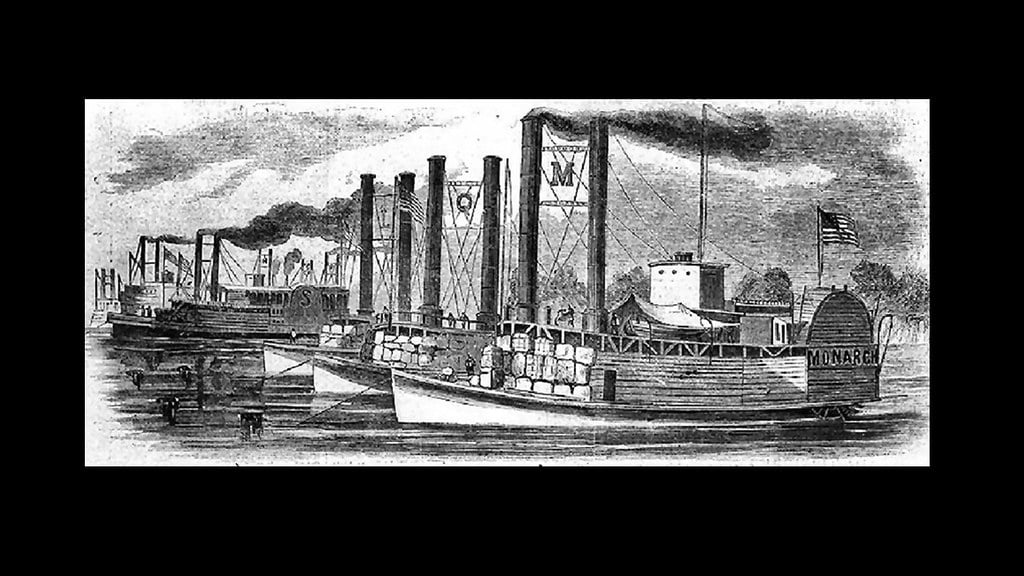
The Osage River in Missouri once ran through territory that’s now flat agricultural land. A Union Navy gunboat that sank during a skirmish in 1864 was eventually buried as the river changed course over the following decades.
By the 20th century, a wheat field sat directly above the wreck. A farmer noticed the soil in one section of his land had a strange color and texture. Ground-penetrating radar confirmed what was underneath.
The Navy technically still owns the boat, even though it’s sitting under someone’s crops.
An Ancient Roman Ship in a French Vineyard
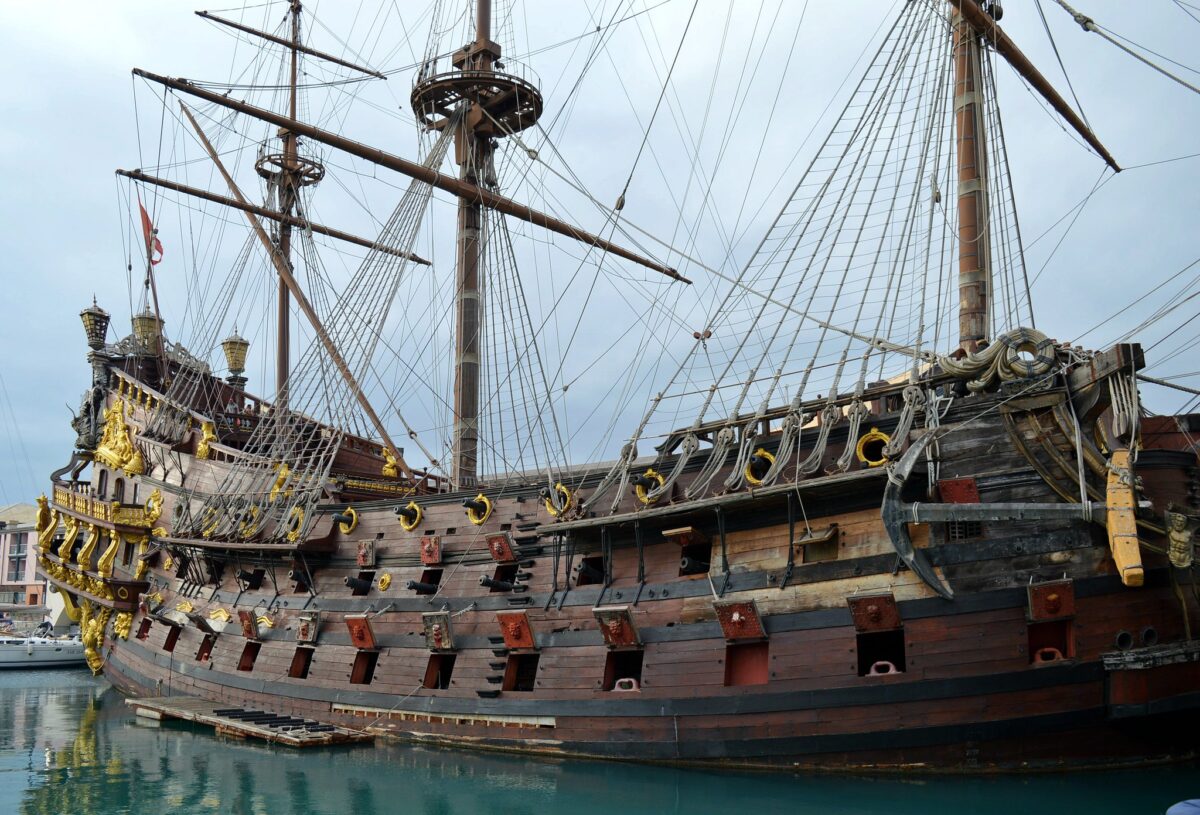
In the Camargue region of southern France, the coastline during Roman times was miles further inland than it is today. Workers preparing new vineyard plots near Arles in 2004 struck the remains of a large flat-bottomed Roman barge.
The vessel had been used to transport amphorae — the ceramic jars Romans used to ship wine and olive oil. It was found in excellent condition, surrounded by amphorae still stacked in the cargo hold.
The sea that once reached this land had long since pulled back, leaving the ship in the middle of grape-growing country.
A Viking Ship in a Norwegian Burial Mound
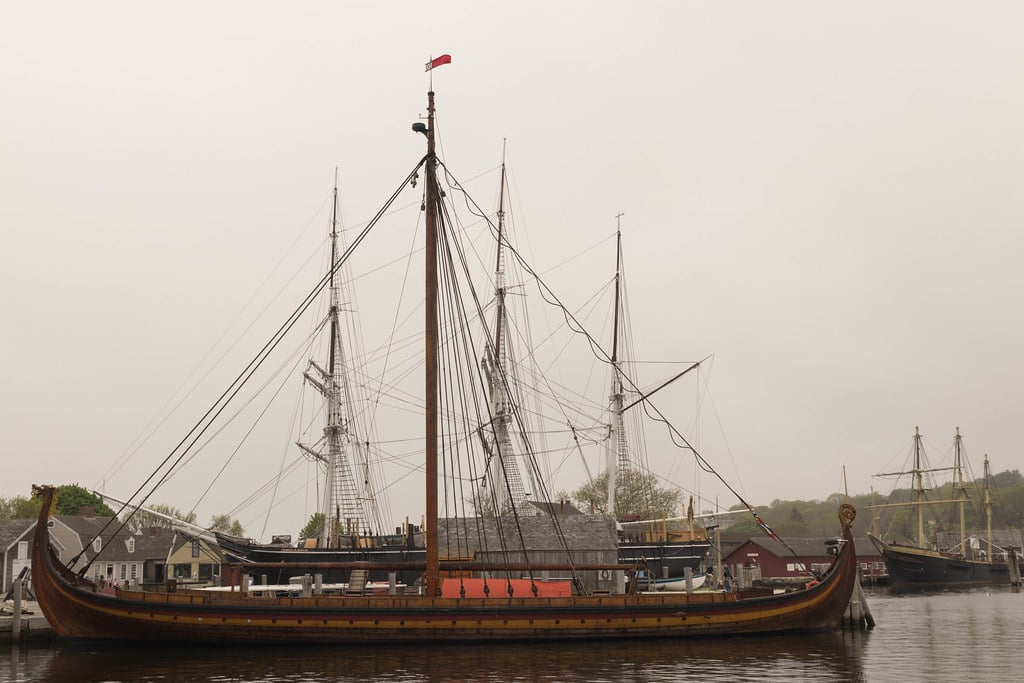
Not all Viking ship finds are at sea. In Gjellestad, Norway, archaeologists scanning a burial mound in 2018 detected the outline of a Viking longship buried just below the surface of a field. It had been placed there around 900 AD as part of a funeral rite — a high-status individual buried with their vessel.
The ship had been hidden in plain sight on private farmland for over a thousand years. Nobody had ever thought to scan that particular mound before.
A Steamship in a Chicago Parking Lot
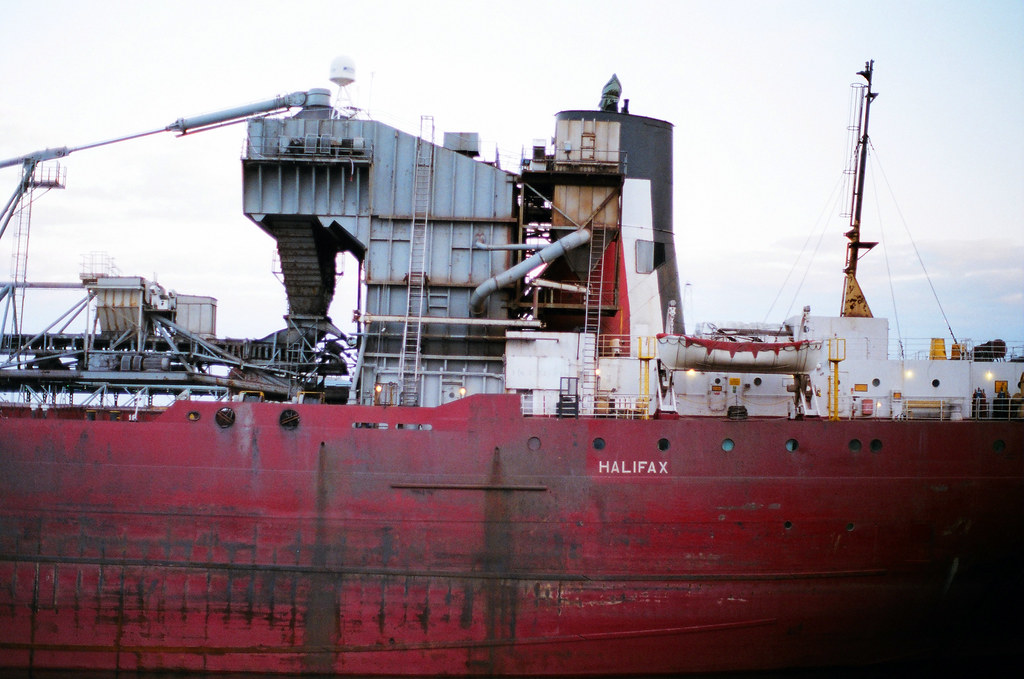
When Chicago reversed the flow of the Chicago River in the early 1900s as part of a massive sanitation project, the old riverbed in some areas was filled and built over. Decades later, during excavation for a commercial parking structure near the river, workers uncovered the wreck of a 19th-century steamship.
It had been sitting in landfill since the river changed course. The irony wasn’t lost on local historians — a vessel meant for water, buried under a place designed entirely for cars.
A Polynesian Outrigger in a Hawaiian Lava Field
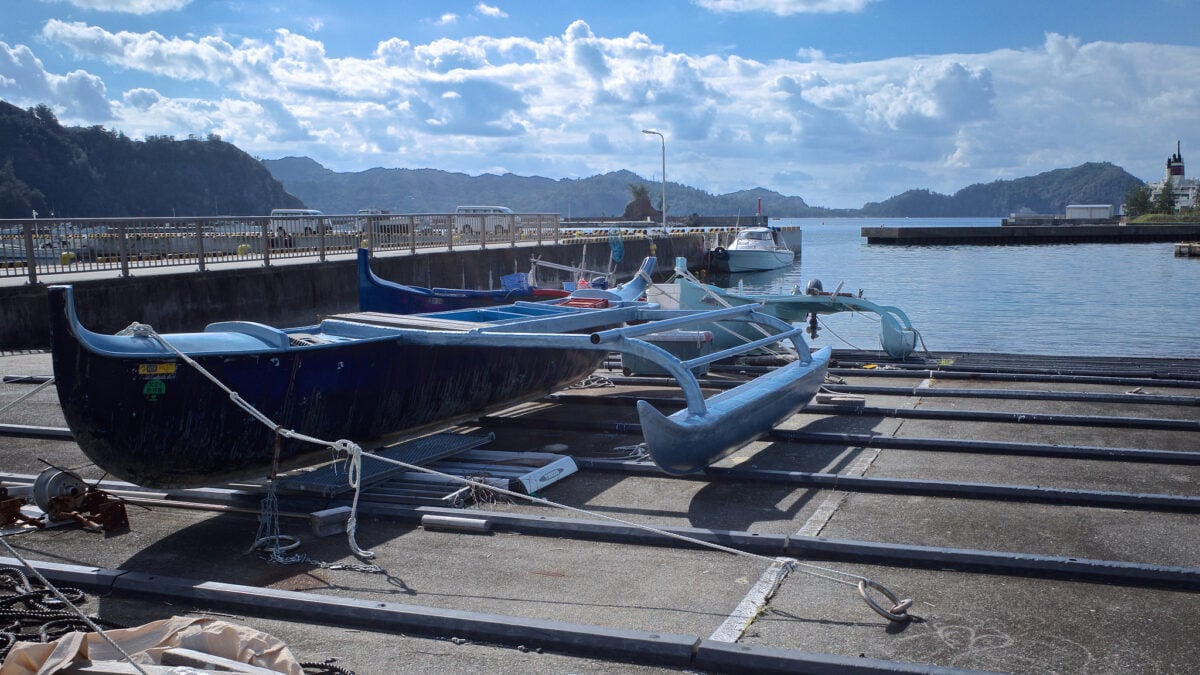
Lava flows from Kilauea have covered large portions of the Big Island’s coastline over the centuries. In one area where a lava field meets the shore, the outlines of an ancient outrigger canoe were found partially encased in hardened lava.
The canoe had been beached at the water’s edge when the flow reached it. The lava locked the wooden hull in place and preserved parts of it that would otherwise have rotted.
It’s one of the oldest surviving examples of traditional Hawaiian watercraft.
A WWII Submarine in a Pennsylvania Forest
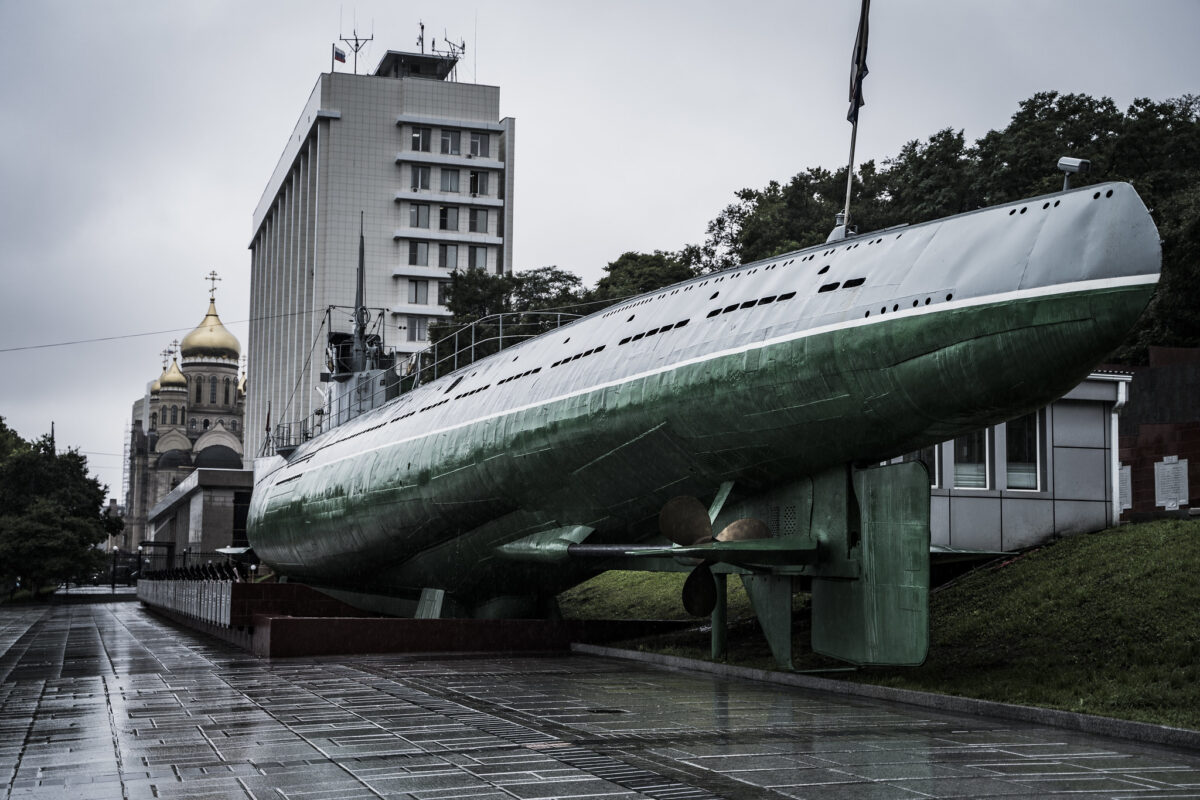
After World War II, the U.S. Navy disposed of several captured German U-boats by various means. One of them — a U-boat that had been brought to American waters for study — was eventually towed up the Delaware River and beached in a wooded area of what is now suburban Pennsylvania.
The Navy stripped it for parts and left the hull. The forest grew around it. Local children played on it for years before it was officially documented.
Parts of the conning tower are still visible through the trees.
An Egyptian Barge in the Sahara
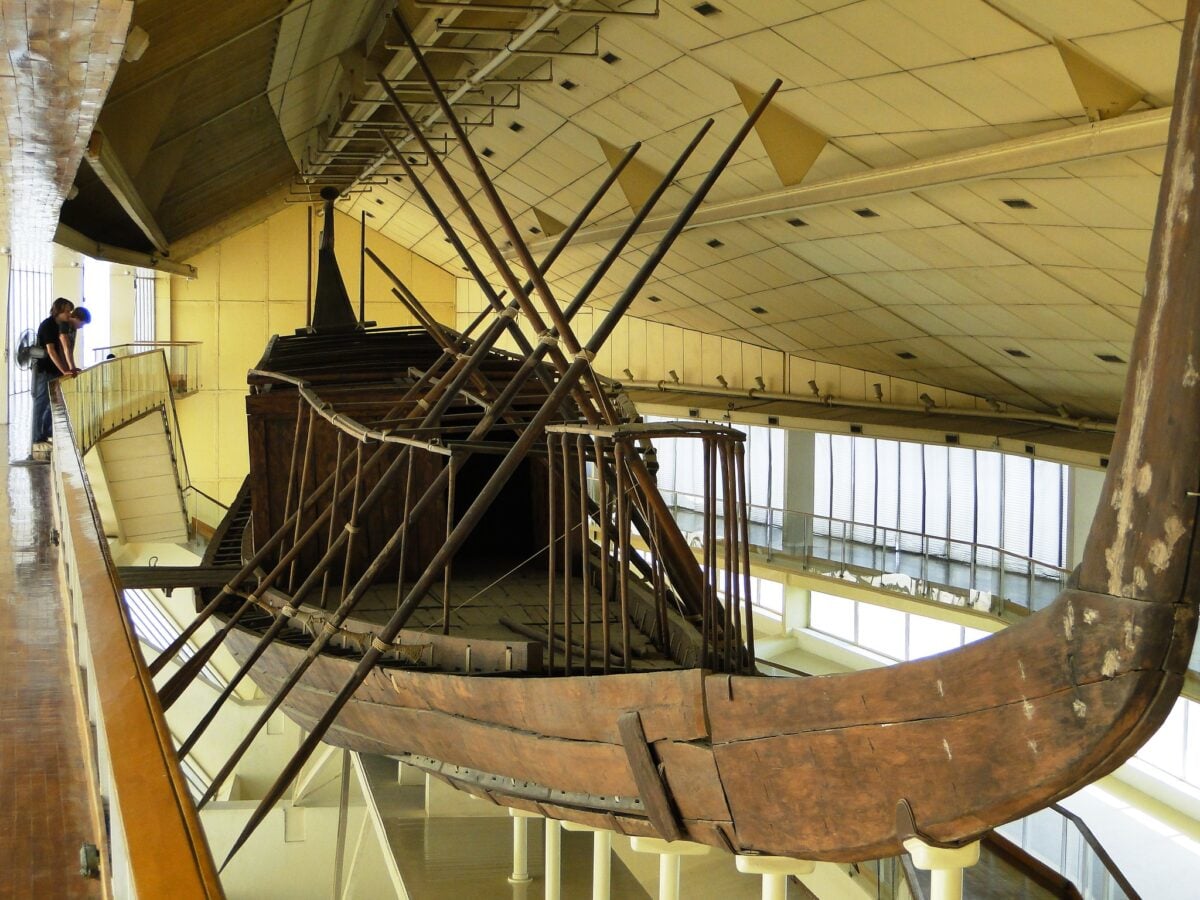
Waves along Egypt’s shores shifted greatly across many centuries. Far off in the Western Desert, researchers uncovered pieces of an old boat from about four thousand years back – the time known as the Middle Kingdom.
Heavy rains long ago had linked that spot to fertile lands near the Nile. As skies turned drier, rivers pulled away slowly.
Left alone, the vessel rested under desert grains – far from any stream today.
A Colonial Era Trading Ship Found Beneath A San Francisco Basement
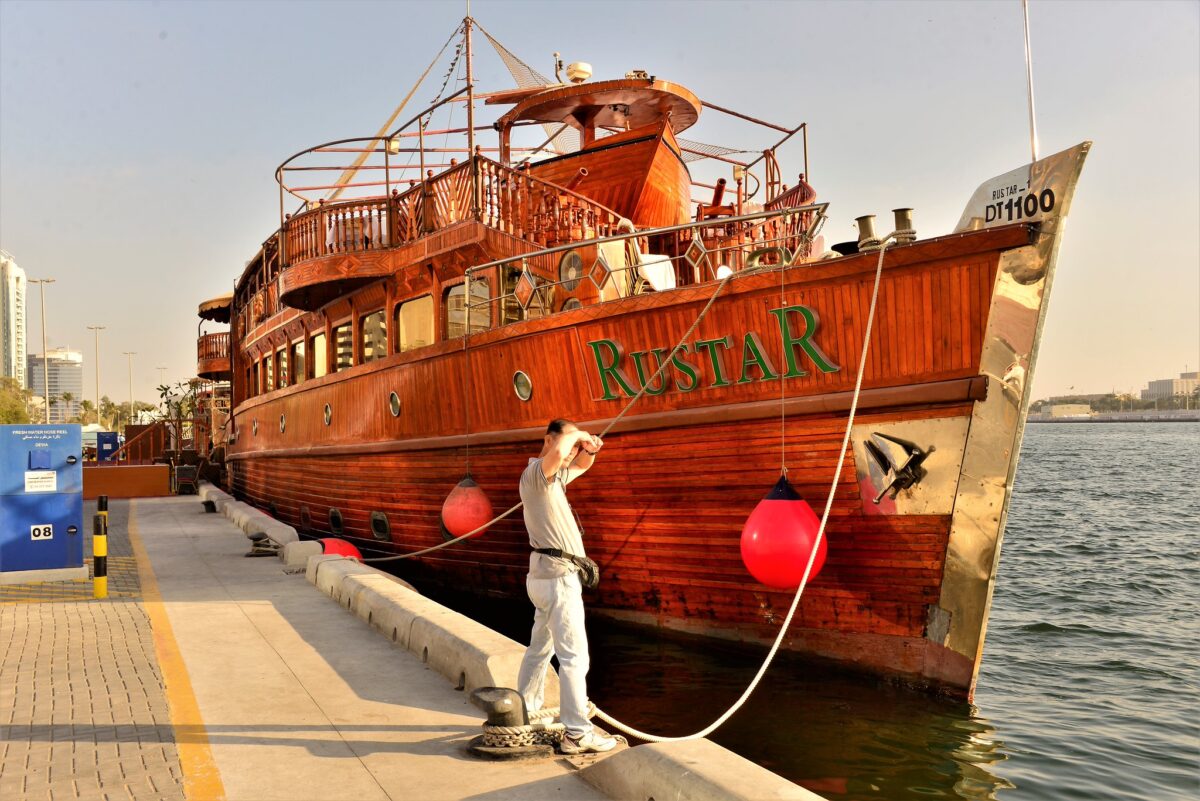
Ships once anchored in the bay found new purpose below ground when the rush for gold reshaped everything fast. Old wooden vessels from the 1840s onward vanished not by storm but by design – their timbers taken apart, planks reused, crews long gone.
One such vessel, the General Harrison, lay hidden under a downtown structure, forgotten until someone looked deeper. People passed overhead daily, unaware of what rested just beneath their feet.
Even after decades underground, its frame held together like it was waiting to be found.
A Medieval Ship Found Beneath a Modern Parking Garage
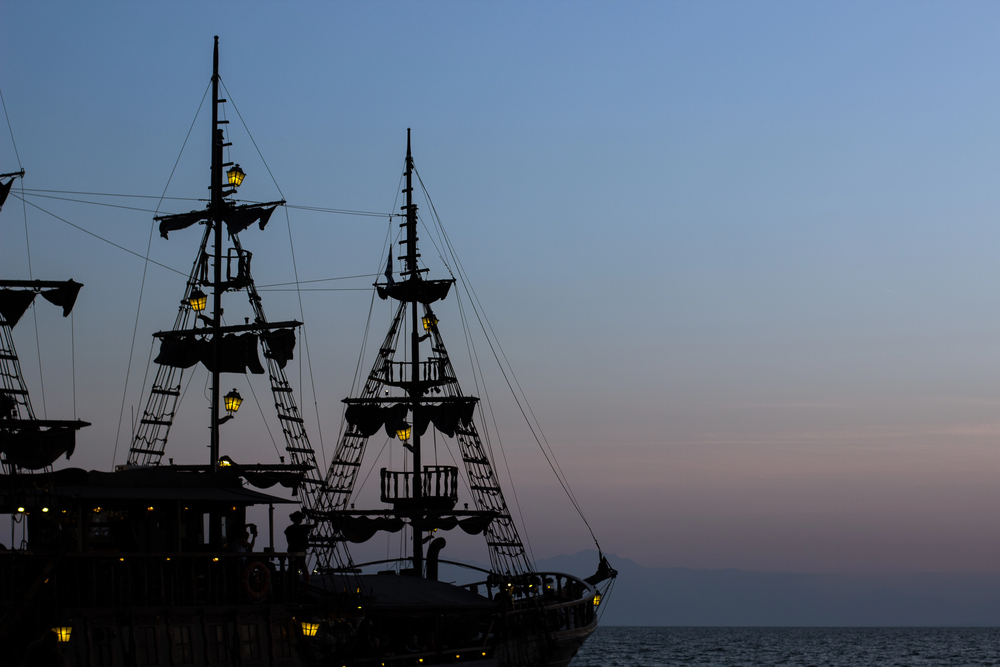
Down in Bremen, Germany, back in 1962, crews digging out space for a fresh parking garage ran into something solid beneath the ground. Buried deep, they found the frame of an ancient boat – intact, silent, unmistakably old.
This wasn’t any ordinary wreck but a medieval cog, once common across northern Europe’s trading waters between the 11th and 15th centuries. Built roughly around 1380, the ship had settled into layers of silt left behind by rivers long tamed under city growth.
Time hadn’t eaten it away; instead, mud kept its bones whole. Today, visitors can see it standing quietly inside a museum made just for it.
As for the original plan? Construction went ahead after all, though builders shifted everything over by a small margin.
What the Ground Still Holds

Beneath the soil, hidden stretches of old shorelines far exceed what anyone might guess. When rivers wander off course, coasts creep forward, or urban areas pave over streams, vessels once floating slowly vanish below.
Underneath flats they rest sometimes. Other times in dry lands where rain hasn’t fallen for thousands of years.
What strikes most isn’t just how often these are found – it’s that digs meant for sewers, pipes, or foundations suddenly uncover timbers and rusted iron nobody knew were there. Discoveries emerge not by design, rather through chance during work aimed elsewhere entirely.
More from Go2Tutors!

- The Romanov Crown Jewels and Their Tragic Fate
- 13 Historical Mysteries That Science Still Can’t Solve
- Famous Hoaxes That Fooled the World for Years
- 15 Child Stars with Tragic Adult Lives
- 16 Famous Jewelry Pieces in History
Like Go2Tutors’s content? Follow us on MSN.