15 Shipwrecks That Changed Ocean Exploration Forever
The ocean floor holds more than just sand and fish—it’s a graveyard of human ambition, filled with vessels that once ruled the waves. Some of these underwater time capsules have done more than just rest in peace; they’ve sparked revolutions in how we explore the deep blue. From ancient Roman cargo ships to modern luxury liners, certain wrecks have pushed technology forward, rewritten history books, and changed our understanding of what lies beneath the surface.
These maritime disasters turned into scientific goldmines, forcing explorers to invent new tools, develop better techniques, and dive deeper than ever before. Here is a list of 15 shipwrecks that fundamentally transformed ocean exploration.
RMS Titanic

The Titanic’s 1985 discovery by Robert Ballard marked the beginning of modern deep-sea exploration. This wasn’t just about finding a famous wreck—it required developing remotely operated vehicles (ROVs) that could work at crushing depths of 12,500 feet.
The technology created for this mission became the foundation for countless underwater expeditions that followed.
USS Monitor
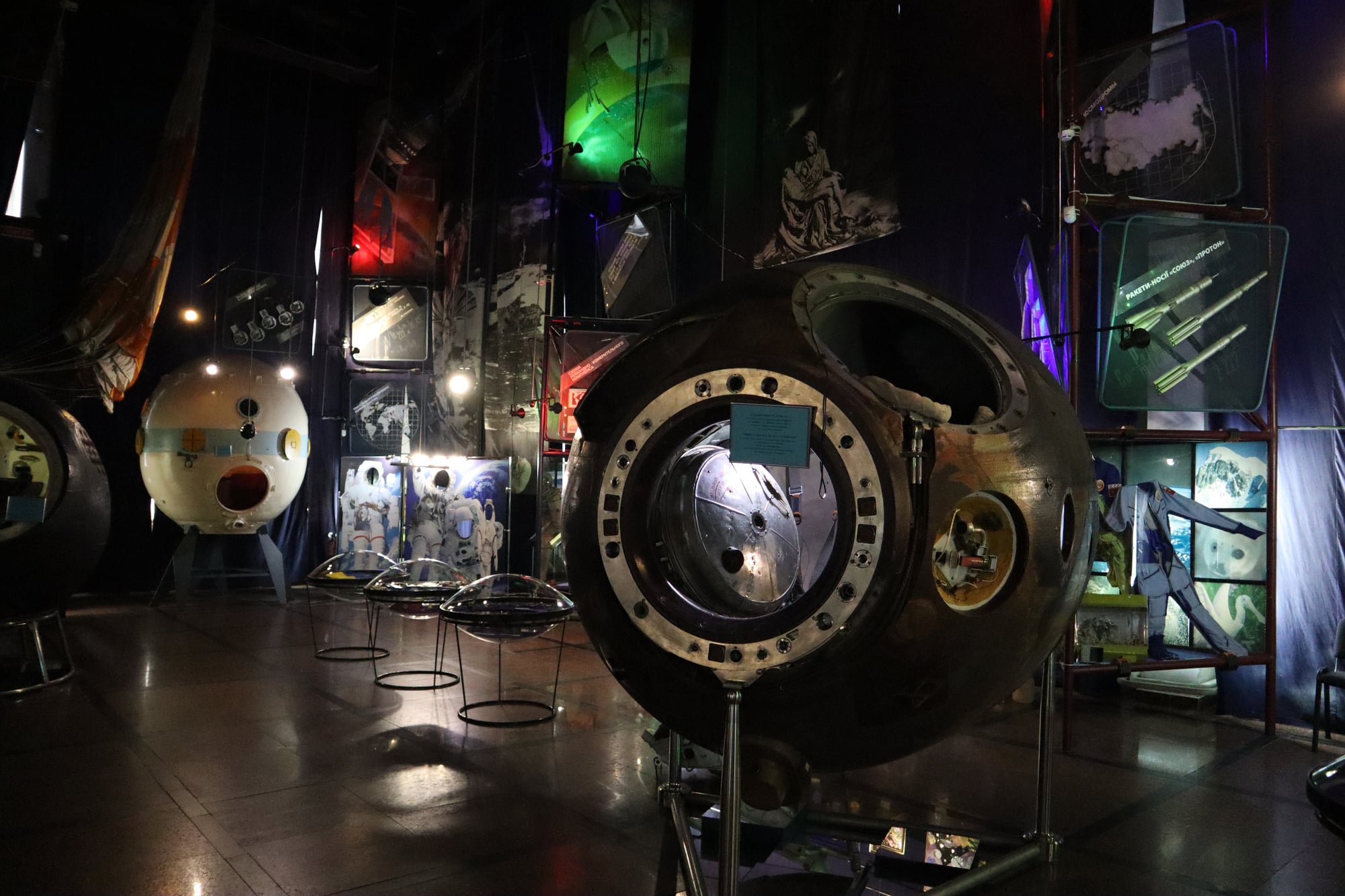
This Civil War ironclad, discovered in 1973, became the first shipwreck to be designated a National Marine Sanctuary. The Monitor’s unique design and historical significance pushed archaeologists to develop new preservation techniques for metal artifacts exposed to saltwater for over a century.
Its recovery operations established protocols that are still used today for protecting underwater cultural heritage.
Like Go2Tutors’s content? Follow us on MSN.
Mary Rose

Henry VIII’s flagship, raised in 1982 after 437 years underwater, revolutionized maritime archaeology. The massive undertaking required unprecedented cooperation between engineers, archaeologists, and conservators.
The techniques developed to lift and preserve this Tudor warship became the blueprint for recovering large historical vessels around the world.
Vasa
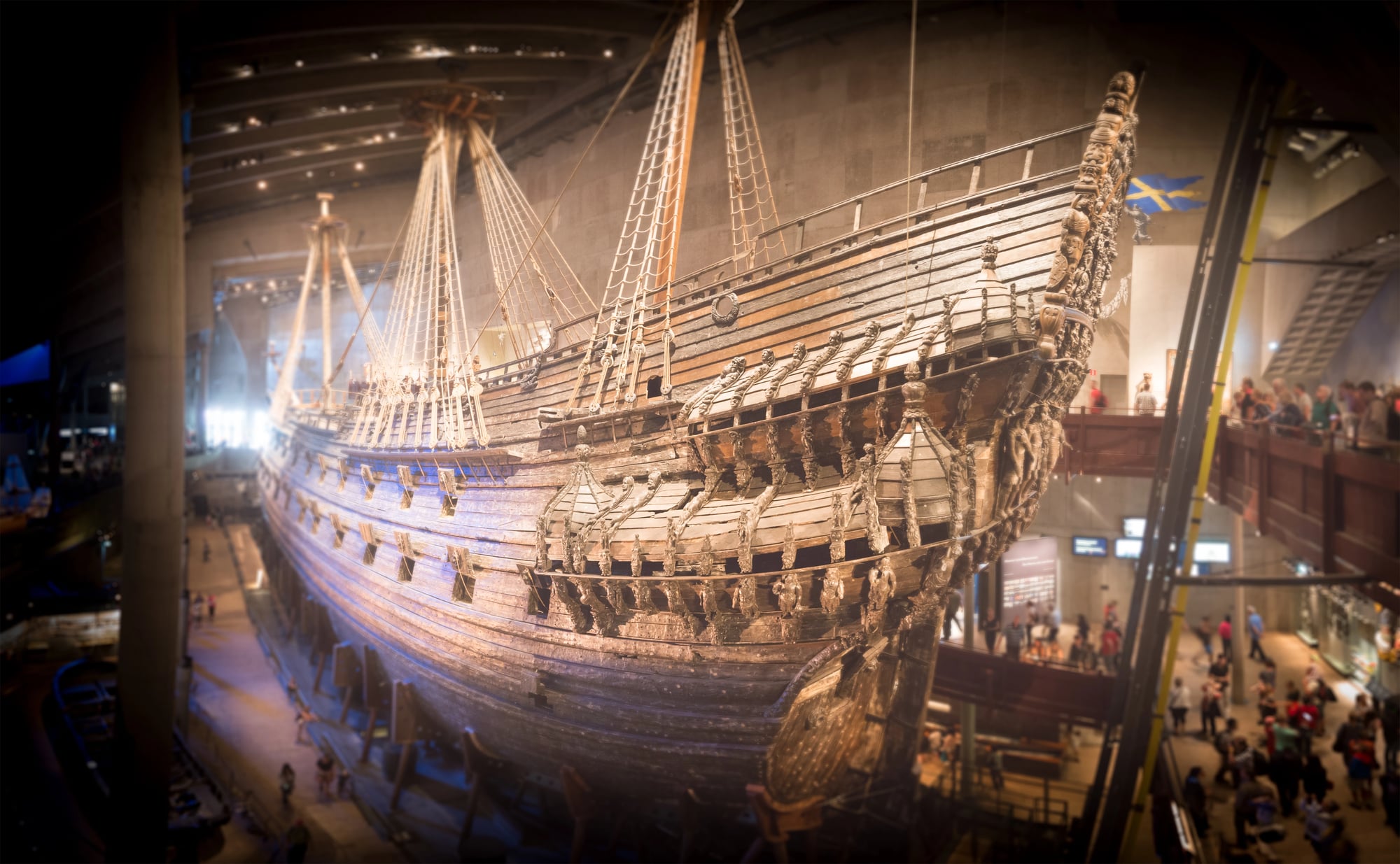
Sweden’s 17th-century warship, salvaged in 1961, proved that wooden ships could survive centuries underwater under the right conditions. The Vasa recovery operation pioneered methods for raising intact vessels and established the importance of environmental control in marine archaeology.
This project showed the world that shipwrecks weren’t just piles of debris—they were complete historical artifacts.
Uluburun

This Bronze Age merchant vessel, discovered off Turkey’s coast in 1982, pushed underwater archaeology to new depths—literally. Excavated at 150 feet deep, it required technical diving techniques that were cutting-edge at the time.
The Uluburun dug established protocols for deep-water archaeological work that extended far beyond shipwreck exploration.
Like Go2Tutors’s content? Follow us on MSN.
Andrea Doria
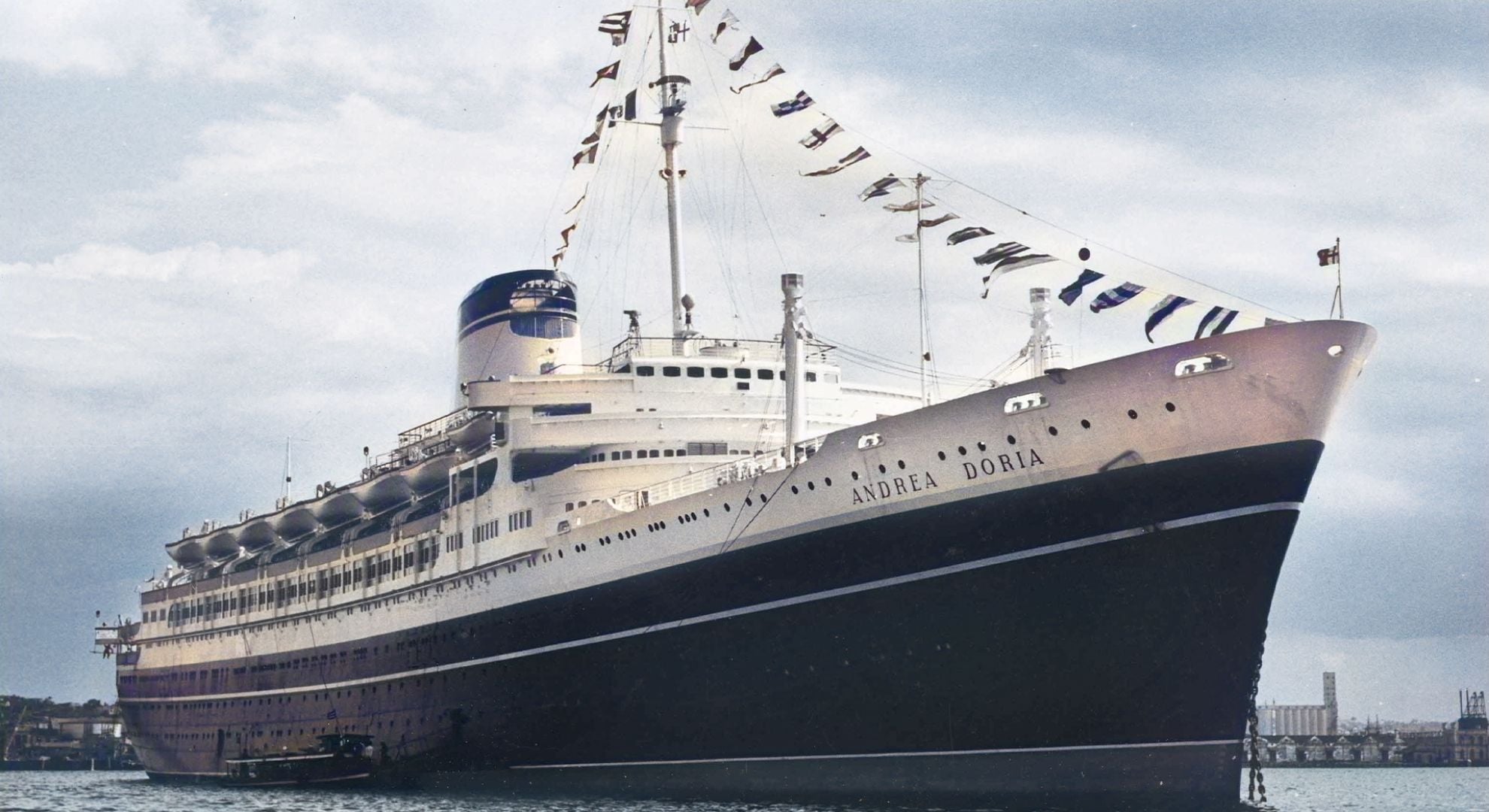
The 1956 sinking of this Italian liner created an ongoing laboratory for deep-sea diving techniques. Located at 240 feet, the Andrea Doria became a training ground for technical divers and a testing site for new underwater equipment.
Decades of dives on this wreck advanced decompression science and mixed-gas diving methods that are now standard practice.
Tek Sing
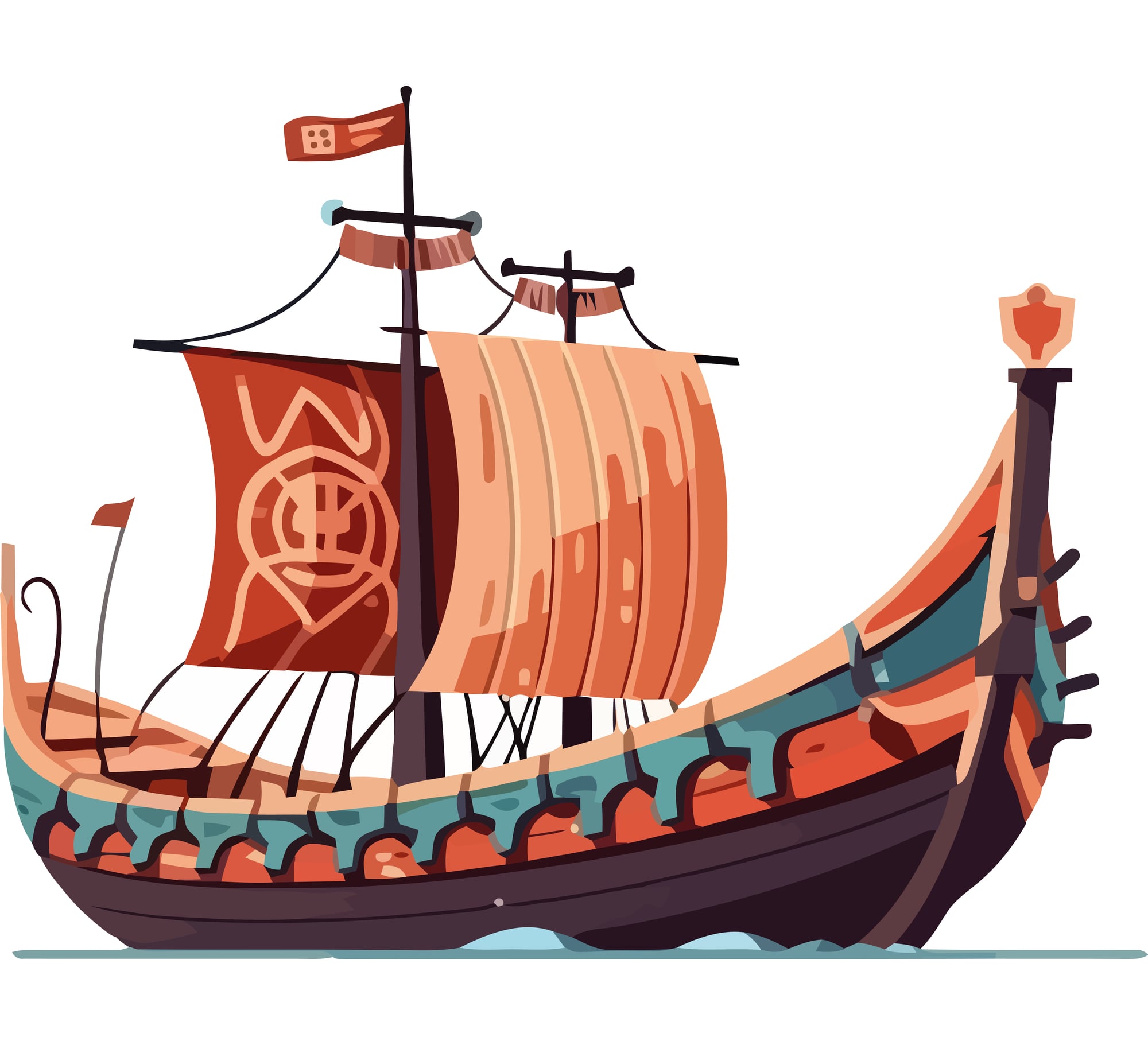
This Chinese junk, discovered in 1999, demonstrated how commercial salvage operations could coexist with archaeological science. The recovery of over 350,000 pieces of ceramics required developing new methods for documenting and preserving massive artifact collections.
The Tek Sing project showed that treasure hunting and scientific research could work together when properly managed.
Central America
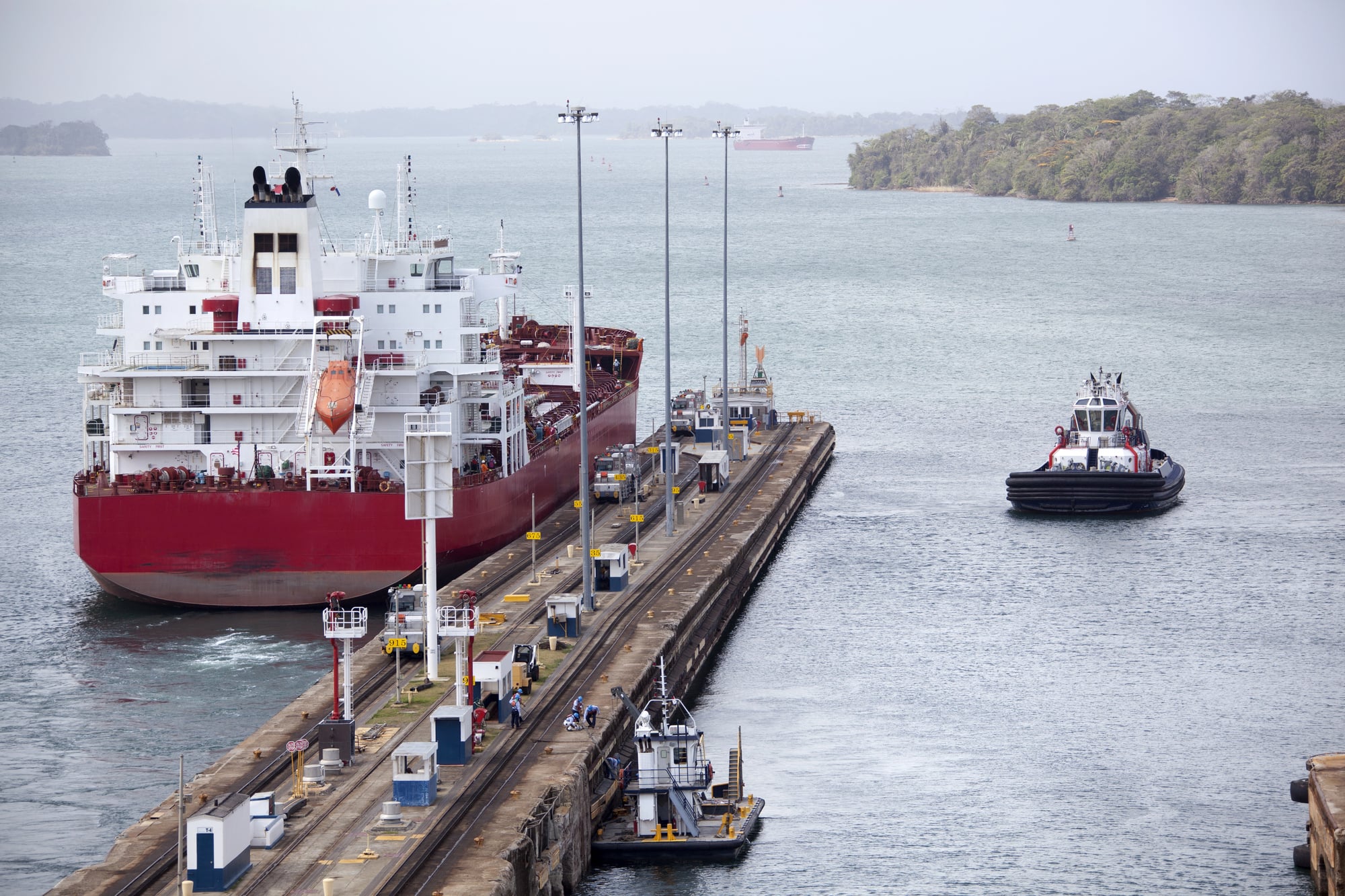
The 1988 discovery of this Gold Rush-era steamer introduced robotics to deep-sea recovery operations. The use of ROVs to retrieve gold coins and bars from 8,000 feet down proved that machines could perform delicate work in extreme environments.
This operation laid the groundwork for today’s sophisticated underwater robotics industry.
Like Go2Tutors’s content? Follow us on MSN.
Antikythera Wreck

This ancient Greek ship, first discovered in 1900, has been continuously excavated using increasingly advanced technology. From hard-hat diving to modern rebreathers, the Antikythera site has served as a testing ground for underwater exploration techniques across more than a century.
Each new dive season brings fresh technological innovations to bear on this archaeological puzzle.
Breadalbane

The discovery of this perfectly preserved Arctic ship in 1980 opened up polar maritime archaeology. Working in ice-covered waters required developing specialized equipment and techniques for extreme cold conditions.
The Breadalbane expedition established methods for underwater work in polar regions that continue to be refined today.
Kyrenia Ship
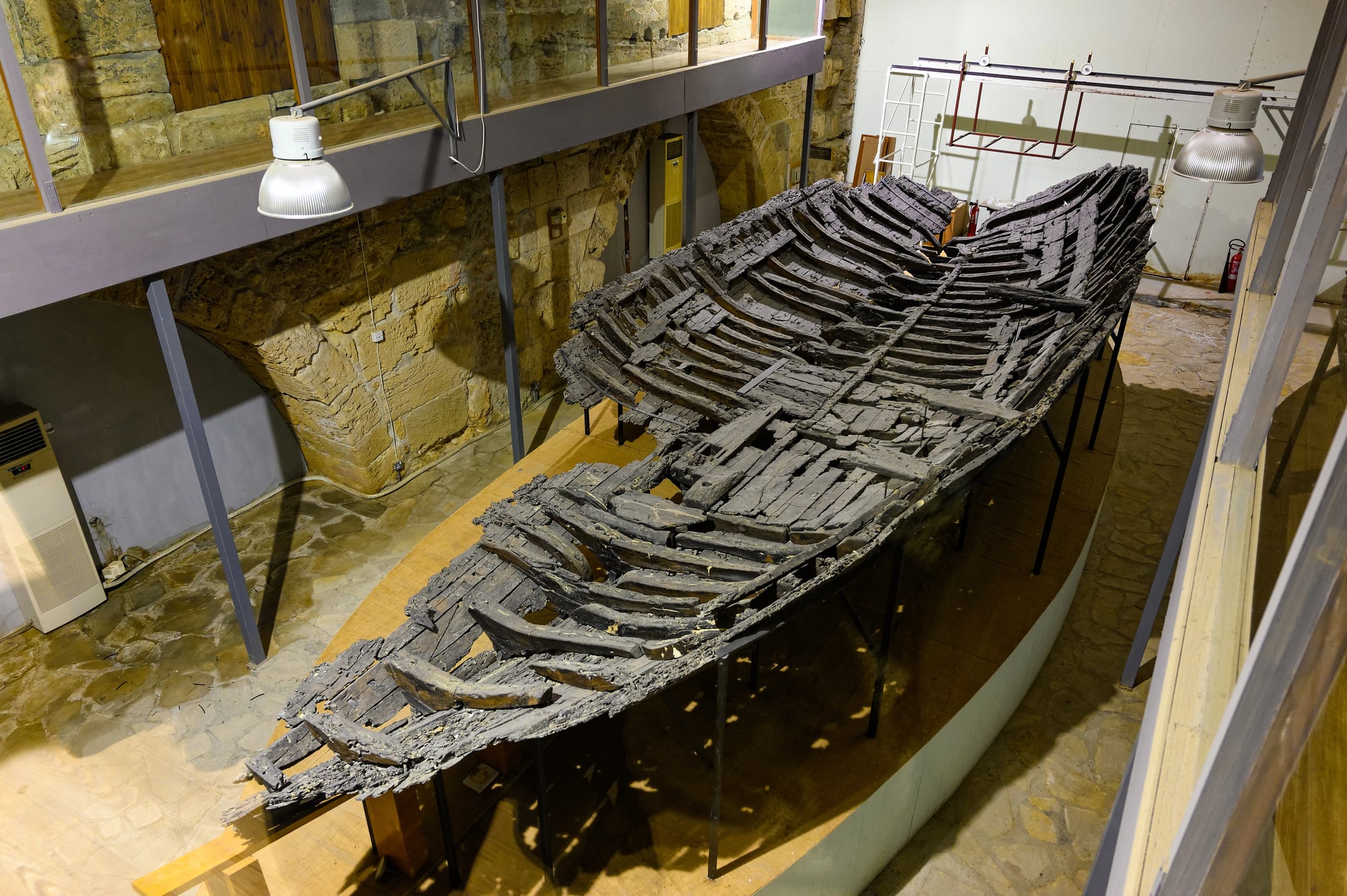
This 4th-century BC merchant vessel, excavated in the 1960s, established the scientific methodology for underwater archaeology. The meticulous recording and analysis techniques developed during this project became the standard for maritime archaeological work worldwide.
The Kyrenia dig proved that underwater sites could yield as much scientific information as land-based excavations.
Like Go2Tutors’s content? Follow us on MSN.
Batavia

The 1629 Dutch merchant ship, discovered in 1963 off Australia, pioneered the use of airlift systems for underwater excavation. The innovative techniques developed to clear sand and debris from this wreck site became standard tools for maritime archaeologists.
The Batavia project also established Australia as a major center for shipwreck research and conservation.
Belitung Shipwreck

This 9th-century Arab dhow, discovered in 1998, revolutionized our understanding of ancient trade routes. The systematic excavation of its cargo required developing new methods for recording and analyzing thousands of artifacts underwater.
The project demonstrated how shipwrecks could rewrite history books and reshape our understanding of ancient civilizations.
Queen Anne’s Revenge
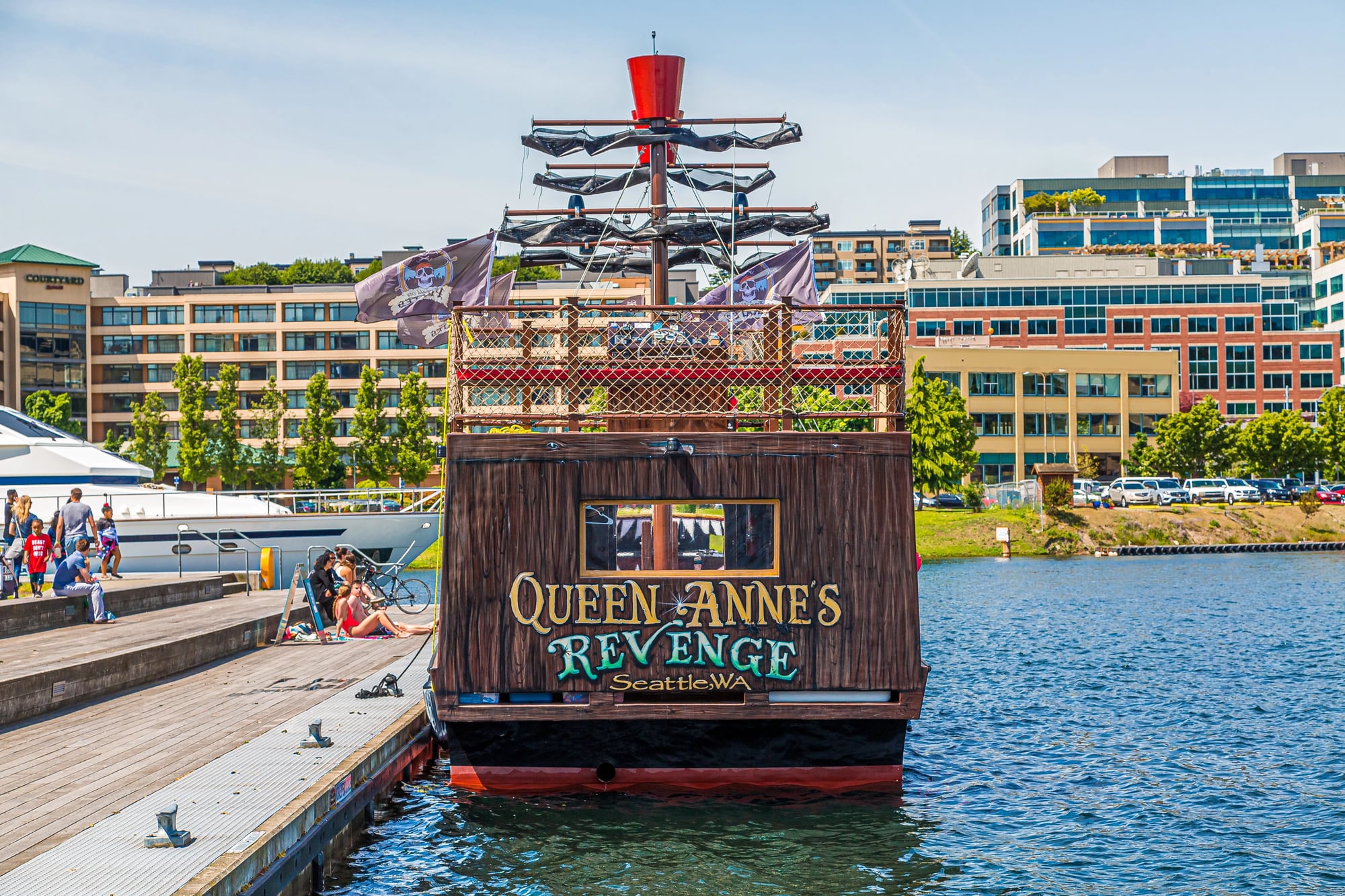
Blackbeard’s flagship, discovered in 1996, brought cutting-edge technology to pirate archaeology. The ongoing excavation has utilized everything from magnetometers to 3D modeling systems.
This project has pushed the boundaries of how archaeological data is collected, analyzed, and shared with the public through digital media.
Like Go2Tutors’s content? Follow us on MSN.
Esmeralda

Vasco da Gama’s ship, discovered off Oman in 1998, required developing techniques for working in extremely challenging conditions. The harsh environment and remote location pushed archaeologists to create self-sufficient expedition protocols.
The Esmeralda project established methods for conducting maritime archaeology in politically sensitive and logistically difficult regions.
Where Ancient Meets Modern
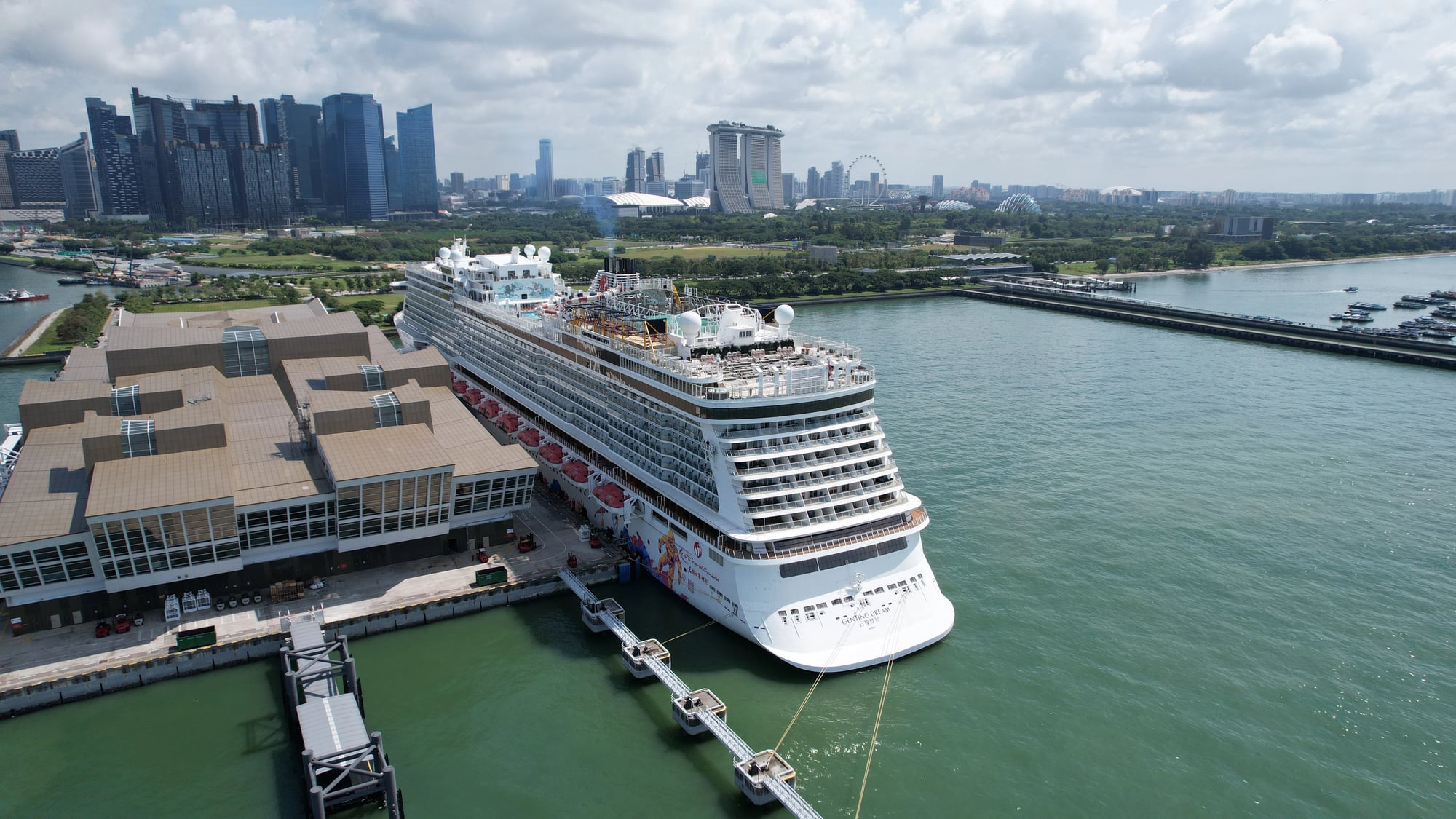
These 15 wrecks represent more than just sunken ships—they’re milestones in humanity’s quest to understand our underwater world. Each discovery forced explorers to push beyond existing limitations, creating new technologies and techniques that continue to benefit ocean research today.
From the primitive diving bells used on early sites to the sophisticated ROVs exploring the deepest trenches, shipwrecks have consistently driven innovation in marine exploration. The lessons learned from these underwater time capsules continue to guide modern oceanographers, archaeologists, and engineers as they unlock the mysteries still hidden beneath the waves.
More from Go2Tutors!

- 18 Unexpectedly Valuable Collectibles You Might Have Lying Around
- 20 Little-Known Historical Battles That Had Huge Consequences
- 20 Historical Artifacts That Scientists Can’t Explain
- 15 Inventions That Were Immediately Banned After Being Created
- 20 Actors Who Were Almost Cast in Iconic Roles
Like Go2Tutors’s content? Follow us on MSN.