Worst Internet Challenges
Social media turned ordinary people into daredevils overnight. What started as harmless fun quickly spiraled into something far more dangerous.
Teenagers and young adults chased viral fame by pushing boundaries—sometimes with tragic results. The worst challenges left scars, both visible and invisible, on participants who thought they were just having fun.
The Tide Pod Challenge

People ate laundry detergent pods. That sentence alone sounds absurd, but thousands of teenagers filmed themselves biting into brightly colored detergent packets in 2017 and 2018.
The pods contained concentrated chemicals that caused burns to the mouth, throat, and digestive system. Poison control centers received thousands of calls.
Some participants suffered permanent damage to their esophagus. Others ended up in emergency rooms struggling to breathe.
The colorful pods looked like candy, which manufacturers tried to emphasize was precisely why children needed protection from them—not why teenagers should eat them for views.
The Fire Challenge

Setting yourself on fire ranks high on any list of terrible ideas. Yet this challenge convinced people to douse themselves in flammable liquid and light a match.
The premise was simple: film yourself on fire, then jump into water or try to pat out the flames. Many participants miscalculated how quickly fire spreads.
Burns covered their bodies within seconds. Hospital stays lasted months.
Skin grafts became necessary. Some victims died.
The challenge gained traction because early videos made it look easy—participants quickly extinguished small flames. Later attempts grew more extreme as people competed for attention.
The Cinnamon Challenge

Swallowing a spoonful of cinnamon without water seems manageable until you try it. The cinnamon dries out your mouth instantly and triggers violent coughing fits.
Participants choked and gagged while their friends laughed and filmed. But the medical consequences went beyond momentary discomfort.
The powder coated lungs and caused inflammation. Some people developed pneumonia. Others suffered collapsed lungs.
A few participants ended up on ventilators. Doctors warned that inhaling cinnamon could cause permanent scarring to lung tissue.
The challenge persisted for years despite clear evidence of harm.
The Choking Game

This predates viral internet culture but social media gave it new life. Teenagers intentionally cut off oxygen to their brains to experience a brief high.
Methods varied—some used their hands, others employed belts or ropes. The goal was to achieve a few seconds of lightheadedness before releasing pressure.
Timing proved critical and difficult. Many participants passed out and couldn’t release the pressure themselves.
Brain damage occurred within minutes. Deaths happened regularly.
Parents often discovered their children too late. The challenge offered a dangerous high that young people thought they could control.
The Salt and Ice Challenge

Pour salt on your skin, place ice on top, and see how long you endure the burning sensation. That’s the entire challenge.
Salt lowers the freezing point of ice, creating temperatures cold enough to cause frostbite. The longer you held the ice, the more views you earned. Participants showed off their burns like badges of honor.
But the damage went deeper than surface wounds. The combination destroyed nerve endings and tissue.
Some people needed skin grafts. Others lost sensation permanently in affected areas.
Scars remained visible years later. The challenge targeted young teenagers who didn’t fully understand that cold can burn just like heat.
The Duct Tape Challenge
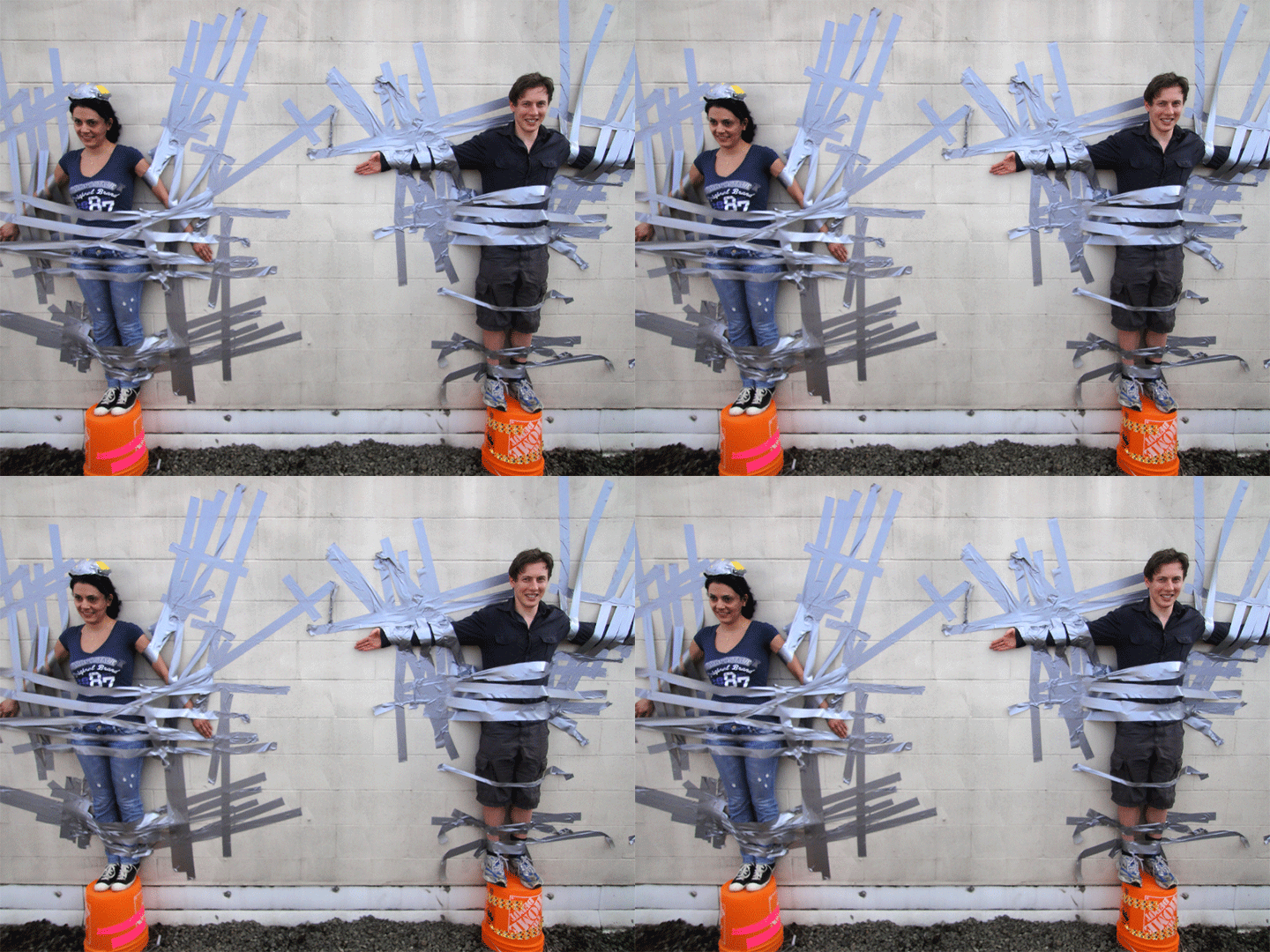
Getting wrapped in duct tape sounds harmless enough. Friends covered participants from shoulders to ankles, leaving them unable to move.
The challenge was to break free as quickly as possible. Falls caused the real danger.
One teenager fell into a concrete fireplace post and fractured his skull. He suffered brain damage and vision loss.
Others broke bones trying to escape. The duct tape restricted breathing for some participants.
What seemed like innocent fun turned catastrophic in seconds. The teenagers involved never anticipated serious injury—they thought they’d just struggle comically for a few minutes.
The Backpack Challenge

Running through a gauntlet while friends throw weighted backpacks at you tests your balance and pain tolerance. Participants stumbled and fell constantly.
The backpacks weighed anywhere from 20 to 50 pounds.
Getting hit from multiple directions made staying upright nearly impossible. Concussions happened frequently.
Broken bones became common. Some teenagers suffered severe spinal injuries.
The challenge normalized violence among peer groups who might otherwise never hurt each other. It turned physical assault into entertainment.
Schools had to intervene and ban the activity after repeated injuries sent students to hospitals.
The Condom Snorting Challenge
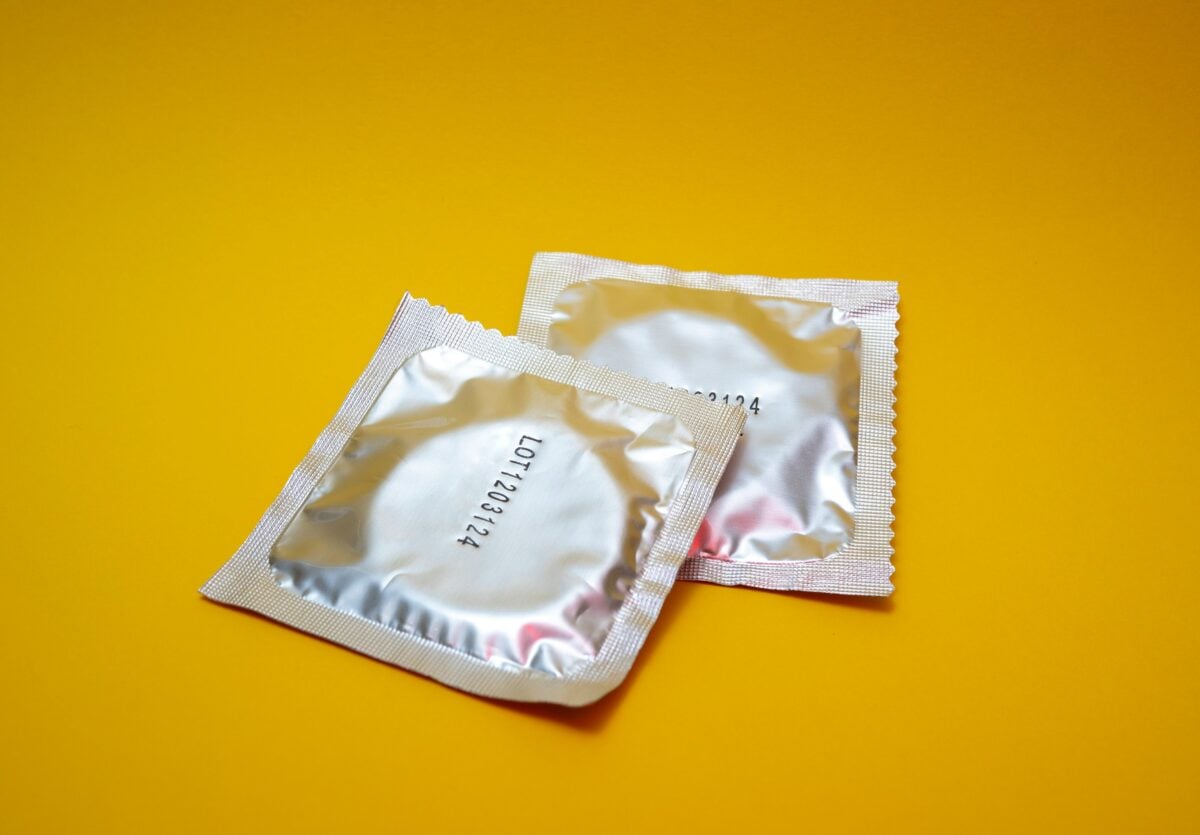
Snorting a condom through your nose and pulling it out of your mouth crosses several lines of good judgment. The challenge required inhaling an unwrapped condom up one nostril until it traveled to the back of the throat.
Then you grabbed it and pulled it out through your mouth. Medical professionals warned about numerous risks—the condom could become lodged in nasal passages or slip into airways.
Suffocation remained a real possibility. Infections from bacteria on the condom posed another threat. Some participants damaged delicate nasal tissue.
The challenge served no purpose except shock value. It hurt to watch and hurt more to attempt.
The Kylie Jenner Lip Challenge

Teenage girls wanted fuller lips like the celebrity they admired. The method involved placing a shot glass or bottle over their lips and sucking hard to create a vacuum.
The suction pulled blood to the surface, temporarily swelling the lips. Bruising appeared almost immediately.
Lips turned purple and stayed swollen for days. Some girls damaged blood vessels permanently.
Others dealt with scarring around their mouths. The temporary plumping came at the cost of actual injury.
Doctors explained that forcing blood to pool in tissue through suction causes trauma. The challenge preyed on insecurities about appearance and offered a dangerous solution.
The Outlet Challenge

This challenge combined electricity with poor judgment in the worst possible way. Participants partially inserted a phone charger into an electrical outlet, then touched a penny to the exposed prongs.
The goal was to create sparks. Electrical burns happened instantly.
Some people caused house fires. Others damaged their heart rhythms from electrical shock.
Schools reported incidents of students attempting this in classrooms. The challenge ignored basic electrical safety principles that most people learn as children.
A few seconds of sparks resulted in thousands of dollars in property damage and serious burns.
The Skull Breaker Challenge

Three people stand in a row. The two on the outside know the plan—the person in the middle doesn’t.
On cue, the outer two kick the middle person’s legs out from under them. The victim falls backward and hits their head on the floor.
Concussions occurred regularly. Skull fractures happened in severe cases.
Some victims suffered permanent brain damage. The challenge betrayed trust between friends. Many participants were younger siblings or kids trying to fit in with an older group.
They didn’t consent to being injured. Parents pressed charges in some cases.
Schools expelled students who participated. The challenge wasn’t just dangerous—it was assault disguised as a prank.
The Benadryl Challenge

Taking excessive doses of antihistamines to hallucinate sounds like a chemical experiment gone wrong. The challenge encouraged people to consume dangerous amounts of Benadryl to trigger visual and auditory hallucinations.
The line between a hallucinogenic dose and a lethal dose proved very thin. Teenagers ended up in intensive care with seizures and heart arrhythmias.
Some died. Overdosing on antihistamines doesn’t produce pleasant effects—it causes confusion, rapid heartbeat, and potentially fatal cardiac events.
Medical professionals warned that the challenge represented deliberate self-poisoning. Videos showed participants in obvious distress, yet others still attempted it.
The Pass Out Challenge

Intentionally making yourself lose consciousness carries obvious risks. Various methods circulated—hyperventilating, holding your breath, or having someone compress your chest.
The brief unconscious period supposedly felt euphoric. Brain cells die without oxygen. Even short periods of oxygen deprivation cause damage.
Some participants never woke up. Others suffered strokes.
The challenge treated the brain like a toy instead of the organ that controls every bodily function. Friends often filmed unconscious participants instead of immediately trying to revive them.
The seconds of footage mattered more than safety.
The Hot Water Challenge

Boiling water meets skin in this straightforward but horrifying challenge. Two variations existed: drinking boiling water through a straw or having someone throw boiling water on you. Both caused severe burns.
Children suffered permanent scarring. An eight-year-old girl died after drinking boiling water on a dare.
Victims required months of treatment and multiple surgeries. Skin grafts couldn’t fully repair the damage in many cases.
The challenge targeted younger children who didn’t understand how seriously hot liquids could hurt them. Parents and older siblings who filmed or encouraged it faced criminal charges.
The Momo Challenge

A disturbing image of a creature with bulging eyes appeared in messages, allegedly encouraging children to harm themselves. While debate continues about whether this was a true viral challenge or mass hysteria, the fear it generated was real.
Parents discovered their children watching videos containing the Momo character. Some kids reported receiving threatening messages.
Schools sent warnings home. The character appeared in the middle of children’s videos without warning.
Whether coordinated or not, the phenomenon terrorized families. It demonstrated how quickly fear spreads online and how vulnerable children are to disturbing content.
What Makes People Do This

Figuring out how these issues go viral means checking brain growth alongside social pushes. While teens’ minds are still building areas for judging danger or outcomes, online platforms crank up peer influence way past what older folks dealt with.
Craving hearts and replies builds a cycle – common logic gets ignored because of it. Youth watched pals beat tough situations, so figured they’d do the same.
They didn’t notice – they only saw the wins; failures stayed hidden. Clips showing crashes or ER trips rarely went around.
Fame from a trending post hit faster than fear of harm ever could. Toss in rivalry among buddies plus pressure to belong – suddenly risky stunts had ideal conditions to catch on.
When the Internet Remembers Forever

These problems create lasting digital marks – much longer than bruises. Clips showing someone getting hurt stay online for ages, easy to dig up.
Bosses down the line, school reviewers, even dates might stumble on proof of bad choices. A few ended up as internet jokes, their suffering repackaged for endless laughs.
In some cases, folks found out strangers passed around their footage across different sites. Bringing them to justice was almost out of reach.
Those brief moments chasing likes ended up lasting forever online. Teens who joined in back then now face those actions as adults.
Once something’s online, it sticks around – no second chances. Every stunt leaves folks stuck justifying what they did, year after year.
More from Go2Tutors!

- The Romanov Crown Jewels and Their Tragic Fate
- 13 Historical Mysteries That Science Still Can’t Solve
- Famous Hoaxes That Fooled the World for Years
- 15 Child Stars with Tragic Adult Lives
- 16 Famous Jewelry Pieces in History
Like Go2Tutors’s content? Follow us on MSN.



