Forgotten Rituals Tied to Seasonal Changes
The year rolls on, yet hardly anyone sees the seasons blending together. A number pops up differently online.
Temperatures creep up or down. Yet long ago, the instant light balanced dark – or the sun peaked – was crucial.
Folks celebrated those turning points with flames, big meals, and rituals tying them to natural cycles they depended on. Some of these old ways have slipped away, known now just through bits here and there or in dusty books.
But they show how tightly people’s lives used to tie into nature.
Rolling Wheels of Fire Down Hillsides

Medieval Germans along the Moselle River practiced a ritual that sounds almost reckless. They would take old wagon wheels, cover them in straw, light them on fire, and roll these flaming wheels down hillsides into the river during the summer solstice.
The burning wheel symbolized the sun at its peak strength. Watching it roll downward represented the sun’s gradual decline after midsummer.
Men competed to guide the wheels properly, and the whole village would gather to watch the spectacle splash into the water below.
Corn Dolls and the Spirit of the Field

English farmers created dolls from the last sheaf of corn harvested during the autumn equinox. They believed this final bundle contained the spirit of the field itself.
Some communities drenched these dolls with water to represent rain for next year’s crops. Others burned them in ritual sacrifice, releasing the grain spirit.
The dolls were kept through winter in some regions, then plowed back into the soil come spring. Each village had its own name for these figures and its own beliefs about what would happen if the ritual was performed incorrectly.
Jumping Through Flames to Predict Harvests
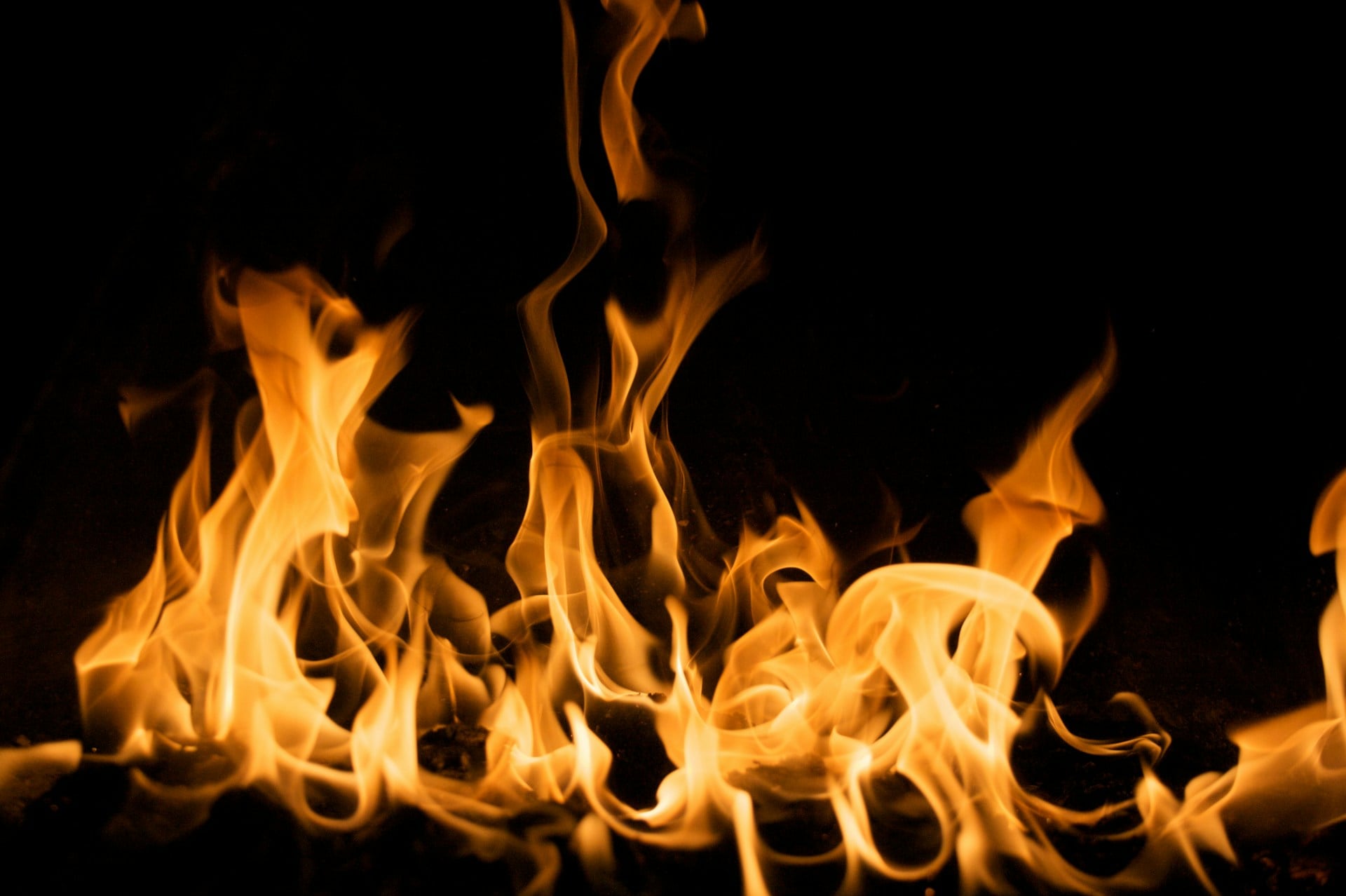
Celtic, Slavic, and Germanic peoples lit massive bonfires for the summer solstice. But they didn’t just stand around these fires.
Young couples would join hands and leap through the flames together. The height they could clear supposedly predicted how tall their crops would grow that year.
Higher jumps meant better harvests. The practice required real courage since the fires burned intensely.
People believed the flames carried purifying properties and that passing through them would bring fertility and good fortune.
The Sacred Marriage Rite for Min
Ancient Egyptians celebrated their harvest god Min during the month of Shemou, around April. A statue of Min was placed on an inclined pedestal representing the primordial mountain, a symbol of rebirth.
During the procession, the pharaoh and queen would enter the shrine together. Historians believe they performed a sacred marriage rite, though exact details were never recorded.
The ceremony included hymns, ritual dances, and other performances meant to ensure the land’s continued fertility. The festival merged cosmic renewal with agricultural necessity.
Bathing Rituals at Wells With Healing Powers

Nordic peoples visited specific wells during the summer solstice, believing these water sources gained enhanced healing properties when the sun reached its peak. They would bathe in the waters or drink from the wells while performing specific prayers or chants.
Some wells were associated with particular ailments or types of luck. Families traveled considerable distances to reach these sacred sites at precisely the right time.
The practice tied physical healing to astronomical events, suggesting that the sun’s position could amplify the earth’s natural gifts.
Wickerwork Giants Burned in Mock Sacrifice
During autumn equinox celebrations, some communities constructed enormous human figures from wicker and straw. These towering effigies represented vegetation spirits.
After days of preparation and ritual, they were burned in ceremonial fires visible from miles away. The practice appeared across multiple European cultures with variations.
Some filled the figures with offerings. Others led processions around them before the burning.
The flames were meant to ensure the spirit’s return in spring, completing a cycle of death and rebirth tied to the harvest season.
The Glove Suspended Above Harvest Fairs

English harvest fairs during the autumnal equinox featured a peculiar symbol. A large glove was hung above the fairgrounds, visible to all merchants and farmers who gathered.
The glove represented handshakes, promises, and open-handed generosity. It signified that all deals made at the fair should be honest and binding.
The practice created a symbolic space where commercial transactions carried moral weight. Some historians believe the glove also represented protection, suggesting fair dealings were watched over by forces beyond human authority.
Higan: Seven Days for Remembering Ancestors

Japanese tradition marked both spring and autumn equinoxes with a seven-day period called higan. Families visited ancestral graves during these times specifically.
They cleaned tombstones, offered flowers and food, burned incense, and prayed for the deceased. The equinoxes were seen as times when the boundary between the living world and the spirit world thinned.
The equal length of day and night created a balance that made communication with ancestors possible. This practice continues today in modified forms, but the specific astronomical timing has become less central.
The Polish Feast of Greenery

Polish communities brought bouquets and freshly harvested foods to churches during the autumn equinox for blessing by a priest. These blessed items were then taken home and used as medicine throughout the year or saved until the following harvest.
The practice merged Christian traditions with older agricultural customs. Specific plants were chosen for specific purposes.
The timing at the equinox was considered crucial because the balance of day and night was thought to balance the elements within the blessed items, making them more potent.
Sun Dances Around Symbolic Trees

Several Native American tribes performed ceremonial sun dances during the summer solstice. The Sioux would dance around a designated tree while wearing symbolic colors representing different aspects of the sun and seasons.
The ceremonies lasted for days and included periods of fasting and physical endurance tests. Dancers believed they were helping to ensure the sun’s continued journey across the sky.
The tree itself became a temporary axis between earth and sky, a physical connection point for the ritual’s purpose.
Kronia: When Slaves Served Masters

Ancient Greeks celebrated Kronia around the summer solstice, a festival honoring the agriculture god Cronus. During these days, the strict social hierarchy was temporarily inverted.
Slaves participated in festivities as equals, and in some cases, their masters served them. The reversal lasted only for the festival period, but it represented a belief that the extreme point of the sun’s journey created a moment when normal rules could be suspended.
The practice acknowledged that agricultural cycles affected everyone equally, regardless of status.
The Finnish Witch Who Stole the Sun

Finnish mythology explained winter darkness through the story of Louhi, the witch goddess of the North. According to tradition, she kidnapped both the sun and moon and trapped them inside a mountain.
Winter solstice rituals were performed to encourage the sun’s escape and return. People would tell the story around fires, enact parts of it through performance, and make offerings meant to weaken Louhi’s power.
The ritual gave communities a sense of agency during the darkest time of year, transforming fear of endless night into a narrative with resolution.
Chinese Ceremony Honoring Yin

Ancient Chinese marked the summer solstice with ceremonies dedicated to earth, femininity, and the force known as yin. This complemented their winter solstice ritual focused on heaven, masculinity, and yang.
The summer ceremony recognized that as the sun reached its peak, the opposite force was also beginning to gather strength. Balance wasn’t seen as a static state but as a constant exchange between opposites.
The ritual timing at the solstice acknowledged the exact moment when this shift began, even though it wouldn’t become obvious for months.
Animal Sacrifices for Kinder Winters

Iceland and other Nordic countries practiced Haustblót, or Winter Finding, at the autumn equinox. Celebrants gave thanks for the fall harvest and made animal sacrifices while praying to Norse gods including Freyr, Freyja, and Skaði.
The timing was specific because the autumn equinox marked the point when winter’s approach became inevitable. The sacrifice was meant to purchase favor during the harsh months ahead.
Modern celebrations of Haustblót have removed the animal sacrifice but kept the autumn feast and the practice of remembering ancestors.
When the Calendar Ruled Everything

These traditions stuck around – not ’cause they were charming or nostalgic. They vanished once farming schedules no longer called the shots for daily life.
Bright bulbs tamed the night pretty well. Worldwide supply chains wiped out worries about running short when cold months hit.
Folks don’t watch bird flights or cloud shapes much anymore – weather apps do the job now. Back then, hitting the right day, place, or plant wasn’t just a habit – it was life or death.
Once people didn’t rely on it daily, those routines faded out slowly, like footprints in snow. Today’s leftovers? Scattered lines in dusty books and half-remembered customs tagged onto celebrations no one fully gets.
More from Go2Tutors!

- The Romanov Crown Jewels and Their Tragic Fate
- 13 Historical Mysteries That Science Still Can’t Solve
- Famous Hoaxes That Fooled the World for Years
- 15 Child Stars with Tragic Adult Lives
- 16 Famous Jewelry Pieces in History
Like Go2Tutors’s content? Follow us on MSN.