18 Strange Finds That Surfaced in the Deep Ocean
The ocean covers more than 70% of our planet, yet we’ve explored less than 5% of its depths. Think of it like having a massive house where you’ve only peeked into a few closets.
The dark, crushing depths hide secrets that would make any treasure hunter’s heart race and any scientist lose sleep with excitement. What lurks in those unexplored waters ranges from ancient civilizations to creatures that look like they escaped from a science fiction movie.
Every deep-sea expedition brings up something that makes researchers scratch their heads or completely rewrite what they thought they knew about our planet’s history. Here is a list of 18 extraordinary discoveries that have emerged from the ocean’s most mysterious depths.
The Antikythera Mechanism
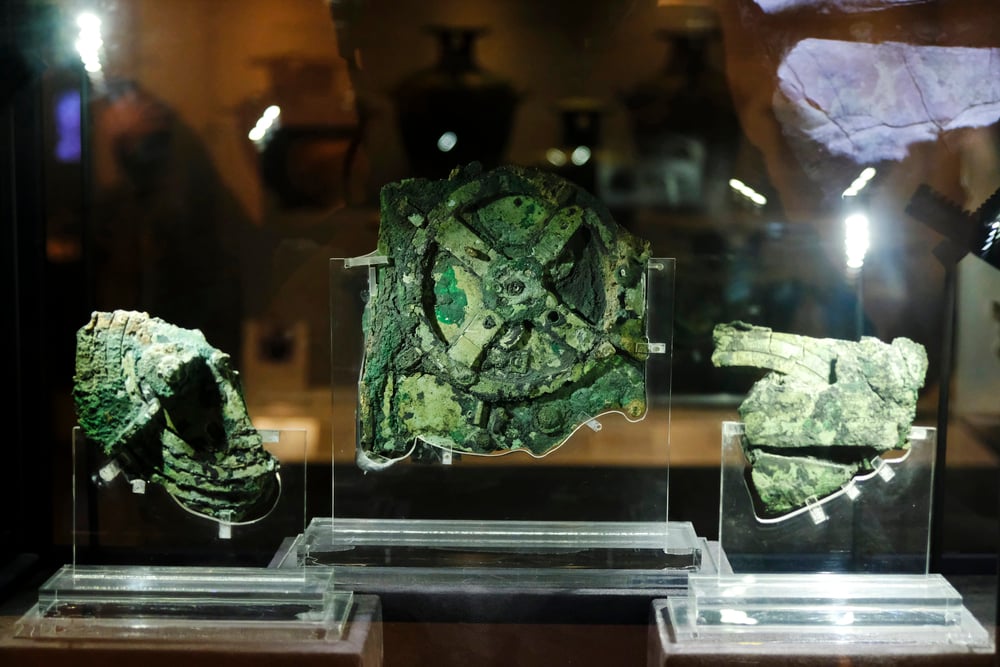
Back in 1900, Greek sponge divers stumbled upon what might be the world’s first computer sitting on the Mediterranean seafloor. The Antikythera Mechanism alone has changed our views of the limits of ancient technology, since it predates anything else approaching its level of sophistication by more than one thousand years.
This bronze contraption, found in a 2,000-year-old shipwreck, could predict eclipses and track planetary movements with mind-boggling accuracy.
Golden Mystery Orb
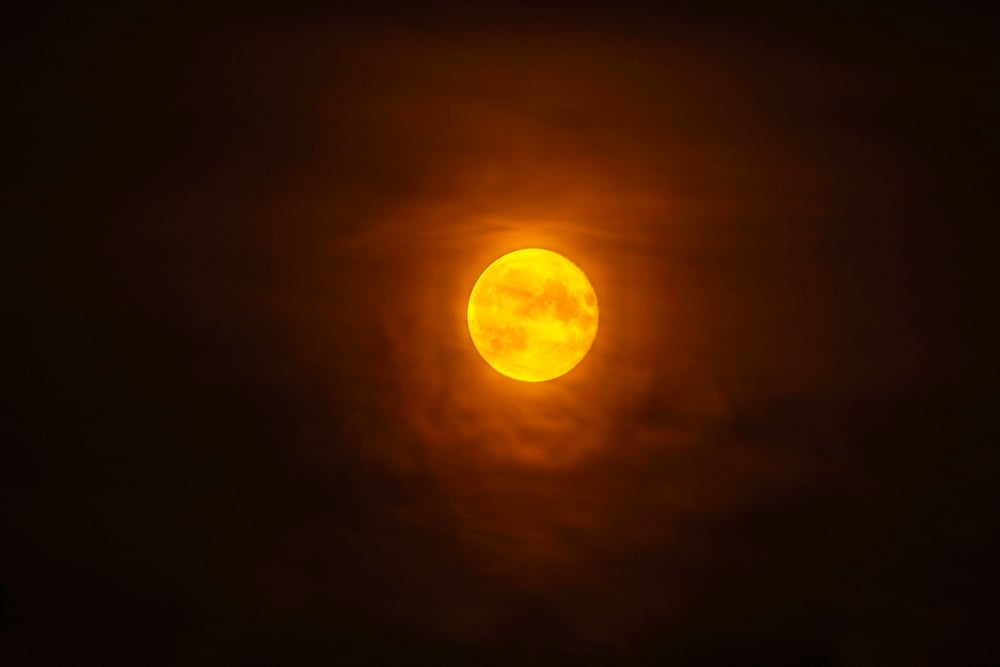
In 2023, scientists exploring Alaska’s waters with a remote submarine spotted something that had them completely baffled. During the recent Seascape Alaska 5 expedition by the National Oceanic and Atmospheric Administration (NOAA) in the fall of 2023, scientists discovered a gold-colored orb about four inches in diameter on the ocean floor.
The smooth, metallic sphere looked like it belonged in a jewelry store, not on the bottom of the Pacific Ocean. Even after bringing it to the surface, researchers still can’t agree on what it is or where it came from.
Giant Isopods
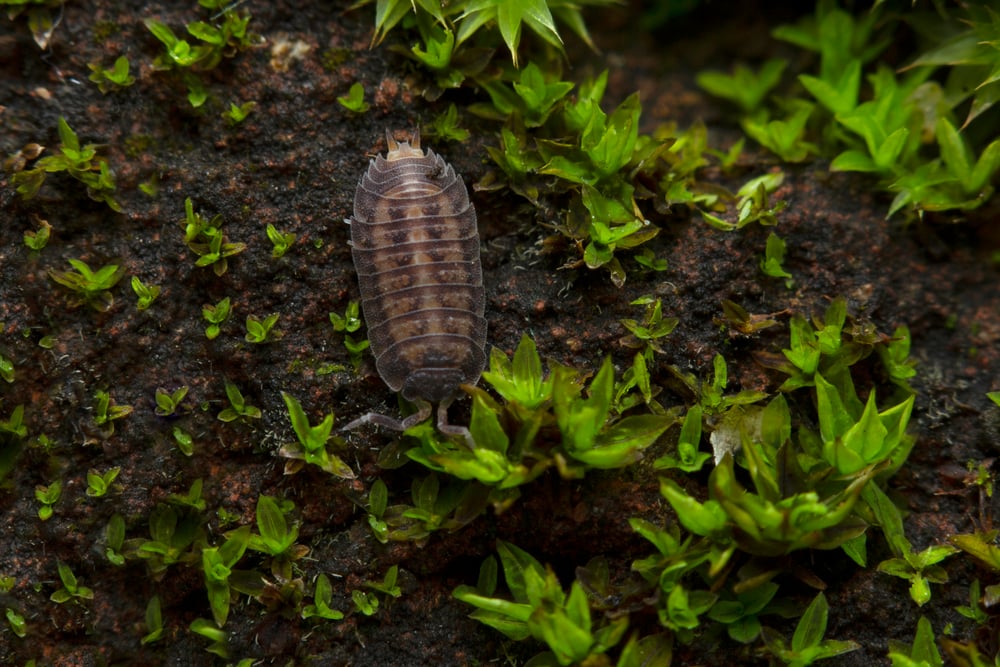
Imagine a pill bug that decided to hit the gym for several million years and grew to the size of a football. That’s essentially what giant isopods are, and divers keep finding these armored creatures crawling around the deepest parts of the ocean.
Yes, you read that right. One giant isopod grew up to 2.5 feet. They’re actually a form of crustacean related to the humble woodlouse (also called pill bugs, or roly-polys)! These living fossils scavenge the seafloor like underwater vacuum cleaners, munching on whatever dead things drift down from above.
The Dokos Shipwreck
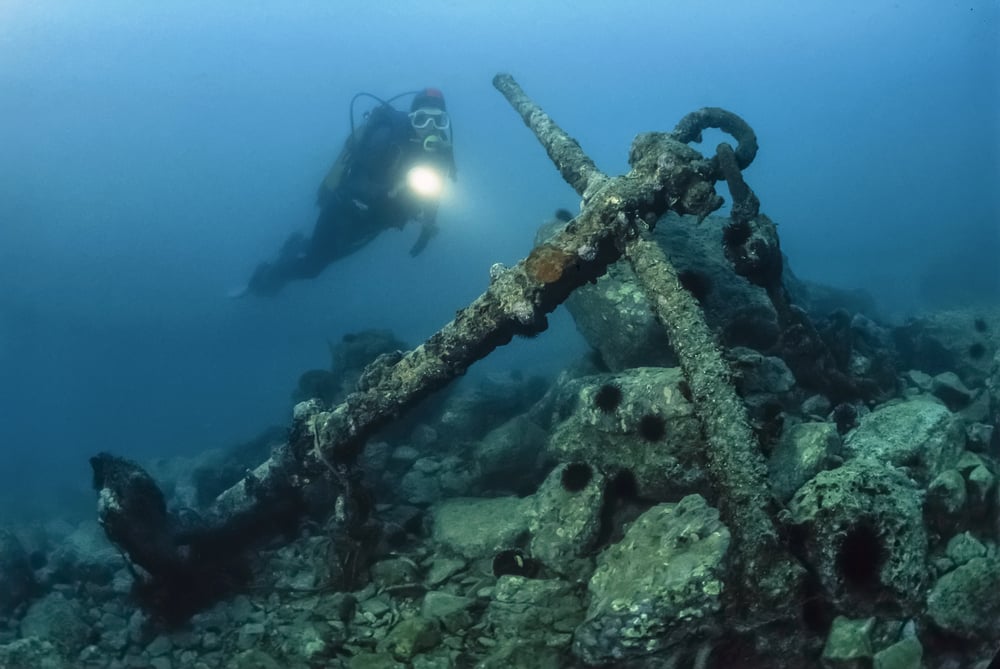
Some discoveries make you realize humans have been losing their stuff in the ocean for a really, really long time. The Dokos shipwreck is the oldest underwater shipwreck discovery known to archeologists.
The wreck has been dated to the second Proto-Helladic period, 2700–2200 BC. This 4,600-year-old cargo ship was essentially an ancient Amazon delivery gone wrong, complete with hundreds of clay pots and household items scattered across the seafloor like the world’s oldest garage sale.
War Machines Under Water
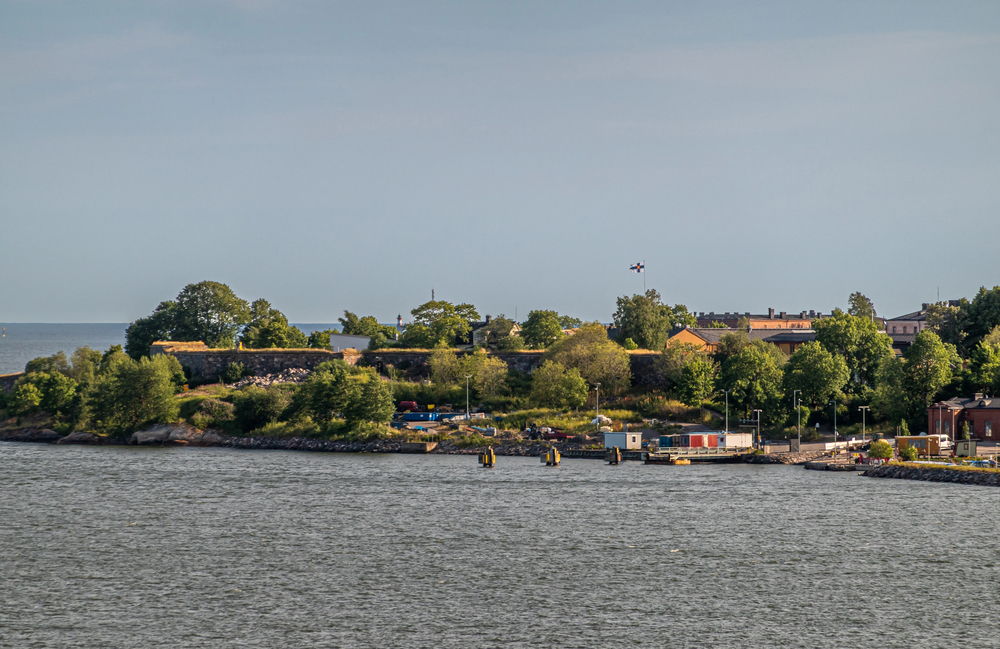
The ocean has become an accidental museum for military equipment from various conflicts throughout history. For example, deep-sea divers in Oahu, Hawaii, stumbled upon the remains of an F4U Corsair that had been in many wars and crashed into the ocean in 1946 due to fuel shortage.
From WWII fighter planes to Soviet submarines, the deep sea has swallowed up enough military hardware to stock a small army. Divers regularly encounter tanks, trucks, and aircraft that tell silent stories of wartime disasters and emergency landings.
Ancient Medical Pills

Forget modern pharmacies – ancient Romans apparently had their own version of medicine cabinets floating around the Mediterranean. In another discovery, archaeologists excavating an ancient shipwreck off the coast of Tuscany during the 1980s found small tin containers that held well-preserved pills dating back over 2,000 years, providing a glimpse into ancient pharmacology.
These 2,000-year-old pills contained a mixture of plant and animal ingredients, proving that even our ancestors were trying to cure their headaches and stomach problems.
The Yonaguni Monument
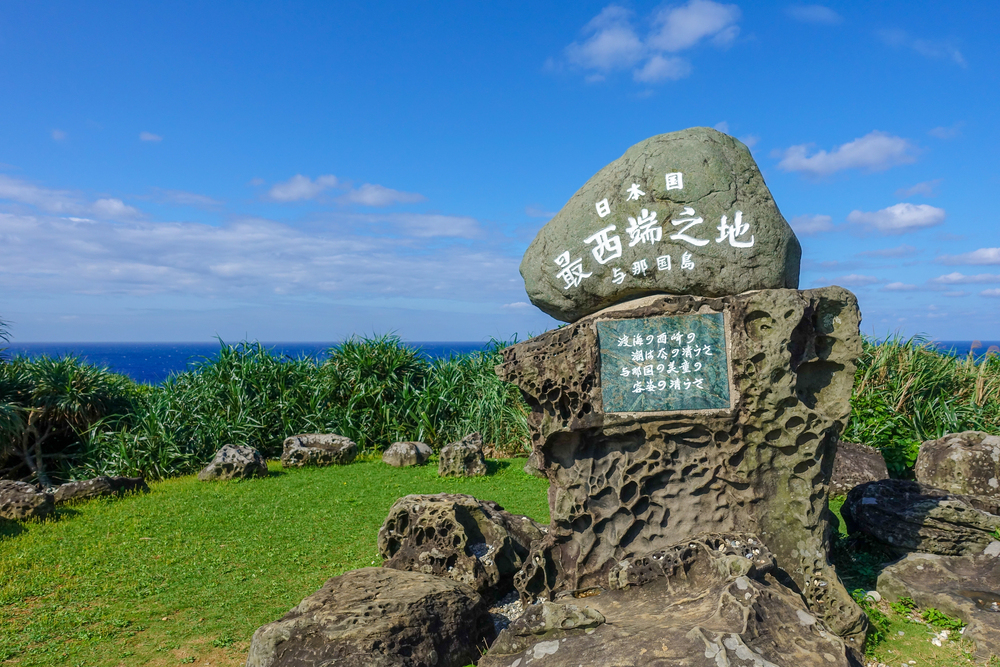
Near Japan sits what might be humanity’s oldest architectural mystery or just a really convincing rock formation that nature carved to mess with archaeologists. Off the coast of Yonaguni, the southernmost of Japan’s Ryukyu Islands, lies a weird rock formation. It was discovered by scuba diver Kihachiro Aratake in 1986, while he was trying to seek out some spots to watch hammerhead sharks.
The structure features what look like perfectly carved steps, walls, and corridors, leading some to believe it’s the remains of a 10,000-year-old civilization.
Million Skate Eggs
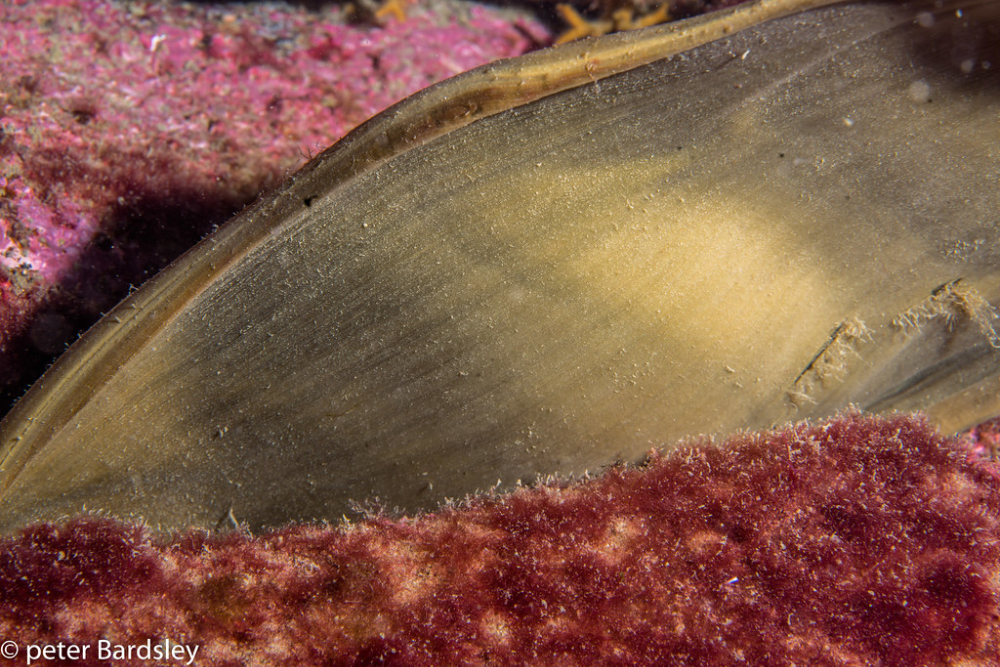
Scientists exploring an underwater mountain off Canada got the surprise of their lives when they discovered nature’s version of a massive nursery. In July, researchers explored an ancient deep-sea volcano off Canada’s Pacific coastline and discovered that it was surprisingly still active — and covered in up to 1 million football-size eggs.
These ‘mermaid’s purses’ belonged to Pacific white skates, creating what might be the largest underwater daycare center on the planet.
Underwater Crop Circles
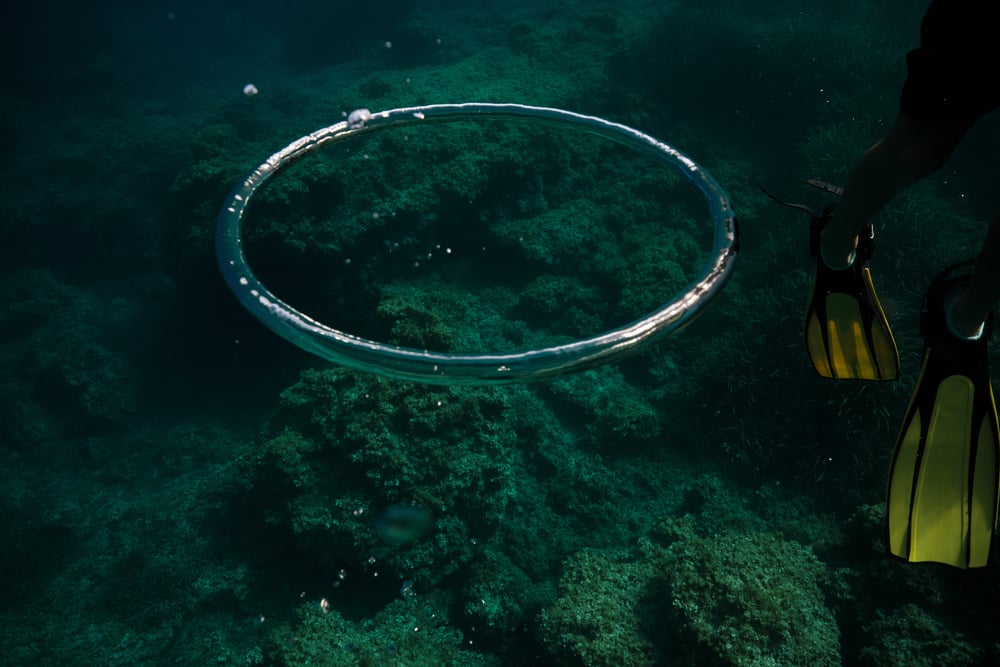
Long before anyone was debating whether aliens made crop circles in wheat fields, nature was creating its own mysterious patterns on the ocean floor. The Sur Pockmark Field, located off the coast of Big Sur, California, is comparable to the size of Los Angeles and contains over 5,200 circular patterns.
These massive circular depressions stretch for miles across the seafloor, and scientists think they’re caused by underwater avalanches rather than visitors from outer space.
Brinicles
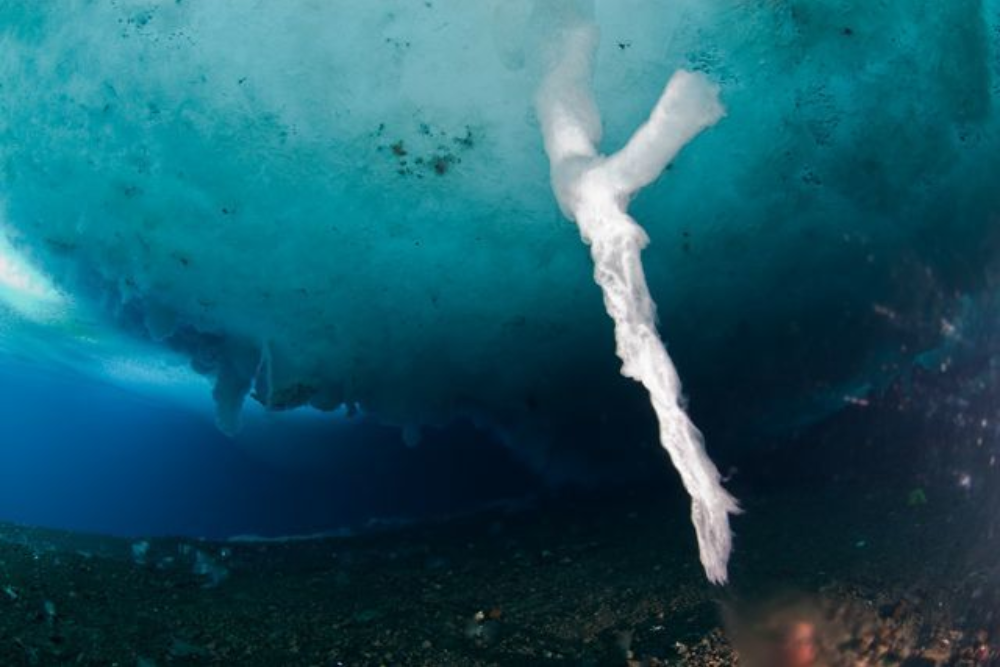
The ocean has its own version of the ice finger of death, and it’s exactly as terrifying as it sounds. Brinicles, which are better known for their common term, the ice finger of death, are incredible natural phenomena that are found at the bottom of the ocean.
These underwater icicles form when super-cold, salty water sinks and freezes everything it touches, creating deadly ice tunnels that can trap and kill sea creatures unfortunate enough to be in their path.
Apollo Rocket Engines
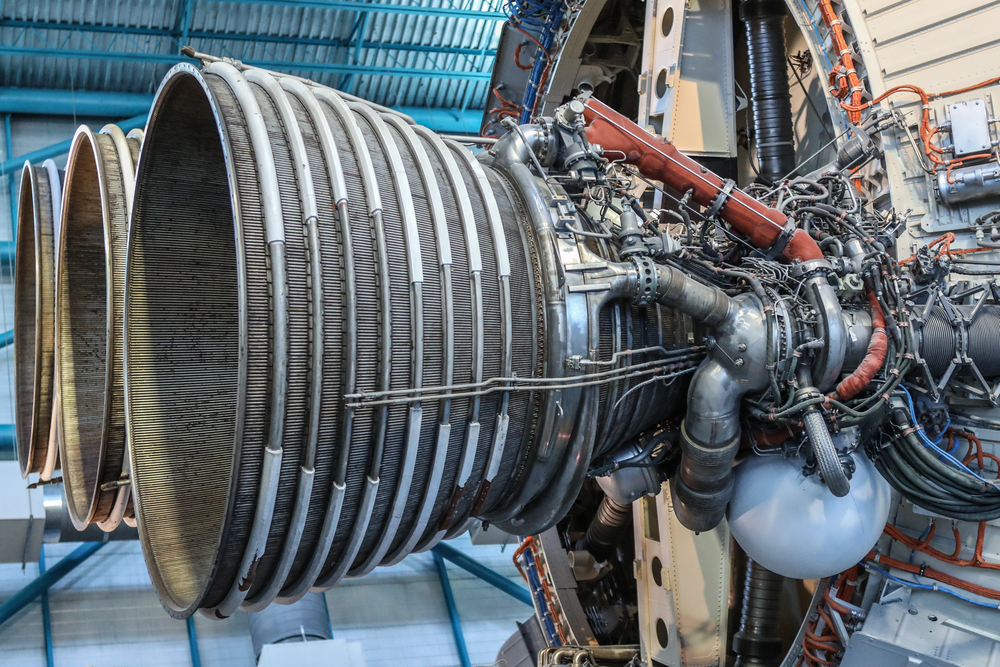
Space exploration and ocean exploration collided in the best possible way when treasure hunters discovered pieces of humanity’s greatest adventure sitting on the seafloor. The Apollo moon rocket engines were recovered from the ocean floor in 2012 and are now on display at the Museum of Flight in Seattle.
These massive engines once helped propel astronauts to the moon, but they ended up spending decades as the ocean’s most expensive artificial reef.
The San José Galleon
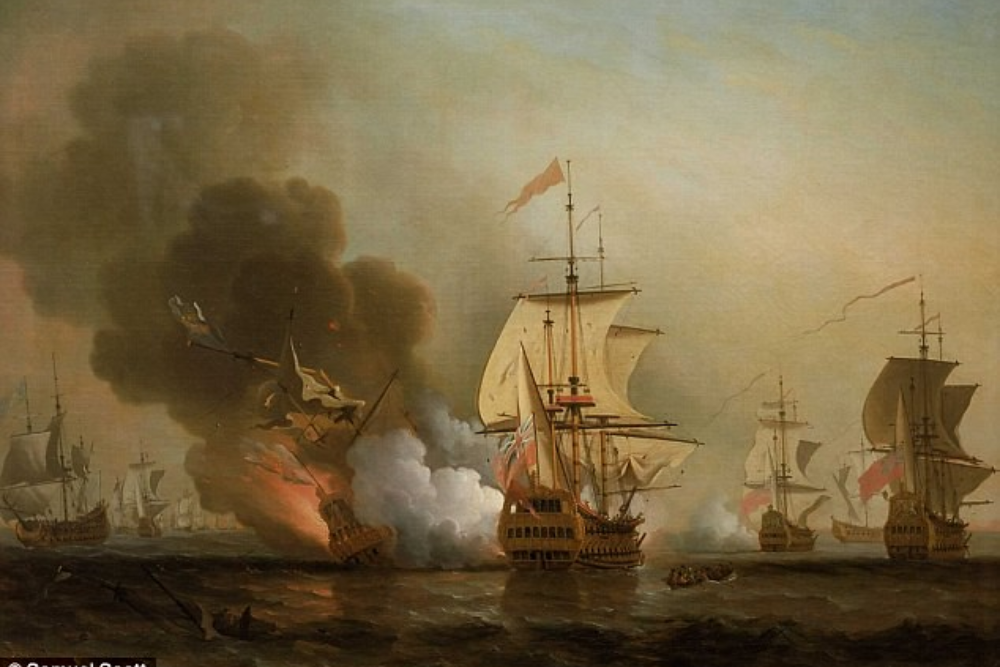
Some shipwrecks are historically significant, and others are just ridiculously valuable. The San José galleon manages to be both. Considered quite possibly the most financially valuable discovery in history, the Galleon San Jose shipwreck off the coast of Colombia near the city of Cartagena, was estimated to be worth about $17 billion!
This Spanish treasure ship went down in 1708 carrying enough gold, silver, and emeralds to make Scrooge McDuck jealous, and it’s still causing legal battles between treasure hunters and governments.
Stone Age Time Capsule

Sometimes the best preservation method is simply dropping your stuff in really cold water and forgetting about it for 11,000 years. Swedish divers made a unique and rare discovery in the Baltic Sea – Stone Age artifacts left by Swedish nomads dating back 11,000 years.
The lack of oxygen and special sediment conditions kept these ancient tools, ropes, and animal bones in pristine condition, giving us a perfectly preserved snapshot of how our ancestors lived when the world was a very different place.
Ancient Roman Statues
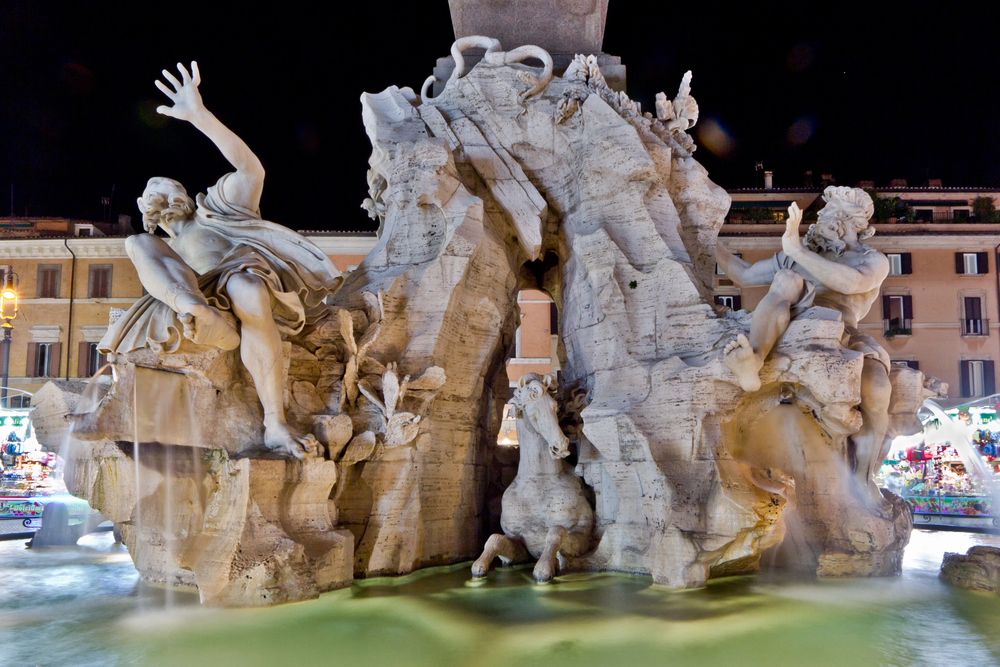
The Mediterranean Sea apparently served as ancient Rome’s lost and found department, complete with priceless artwork just sitting on the bottom waiting to be rediscovered. After alerting authorities to the discovery, thirty-six marble sculptures, several bronze statues, ship equipment, and sounding leads were found.
These statues, discovered in the same wreck as the Antikythera mechanism, give us incredible insight into Roman art and culture, though they probably weren’t meant to become underwater museum exhibits.
Glass Sponge Reefs
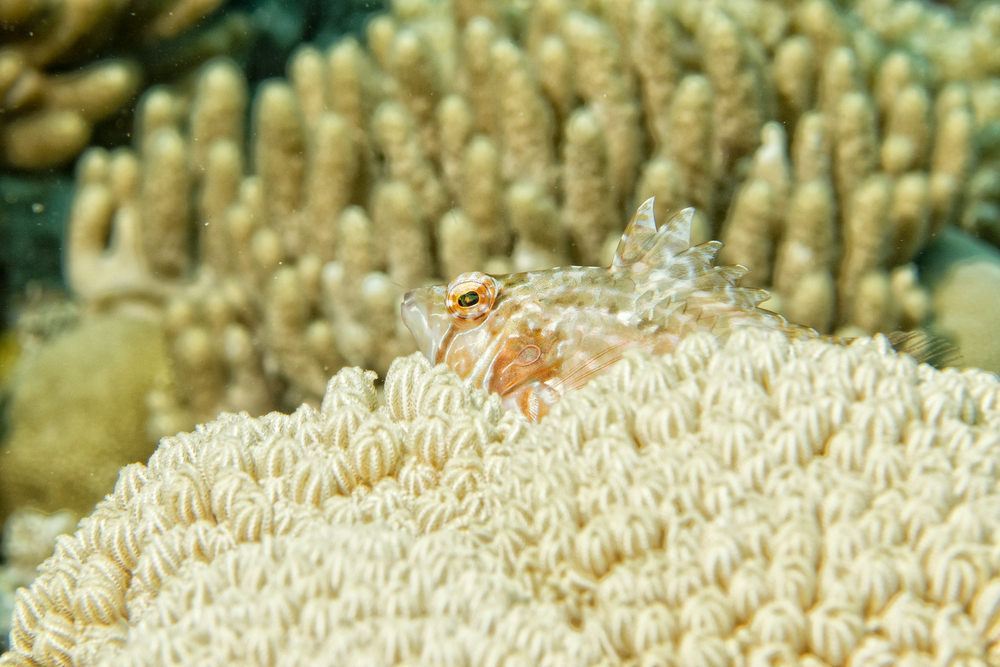
Deep beneath the Pacific Ocean, nature has been busy building what might be the most fragile cities on Earth. Glass sponge reefs create massive underwater structures that look like alien architecture made from delicate crystals.
These prehistoric creatures build towering formations that can stretch for miles, creating underwater landscapes that seem too beautiful and bizarre to be real. Scientists consider them living fossils because they’re virtually unchanged from their ancestors that lived 500 million years ago.
Locomotive Graveyard
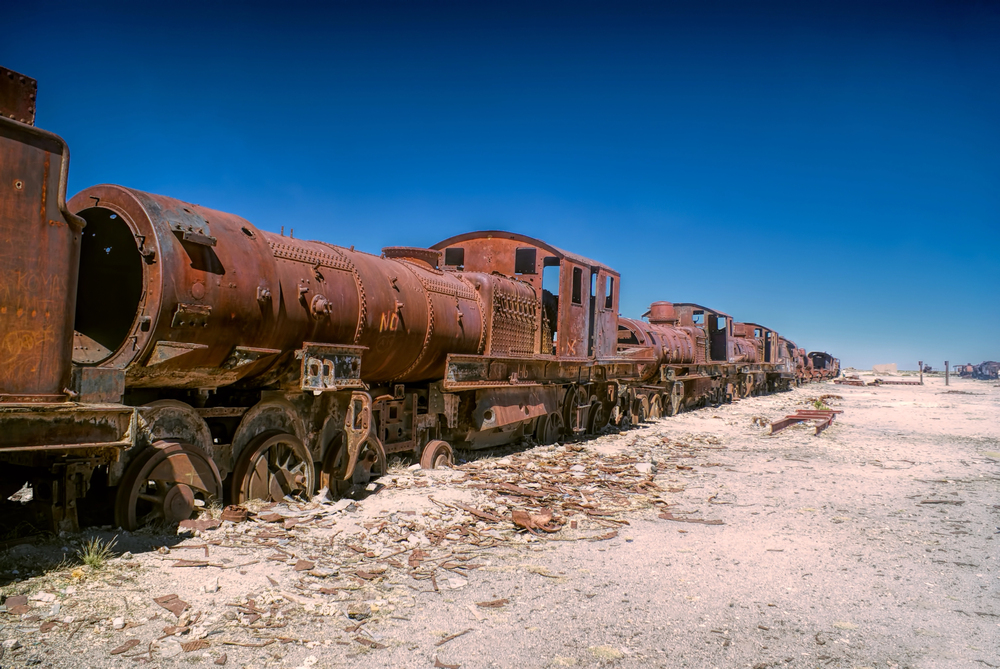
The ocean apparently has a thing for collecting old transportation methods, including an entire underwater train yard that nobody ordered. In 1985, a locomotive graveyard was discovered off the coast of New Jersey, United States, dating back to the 1850s.
These steam engines ended up on the ocean floor, possibly during transportation by ship or after coastal accidents, creating what might be the world’s most unusual underwater museum of 19th-century technology.
Black Dragonfish
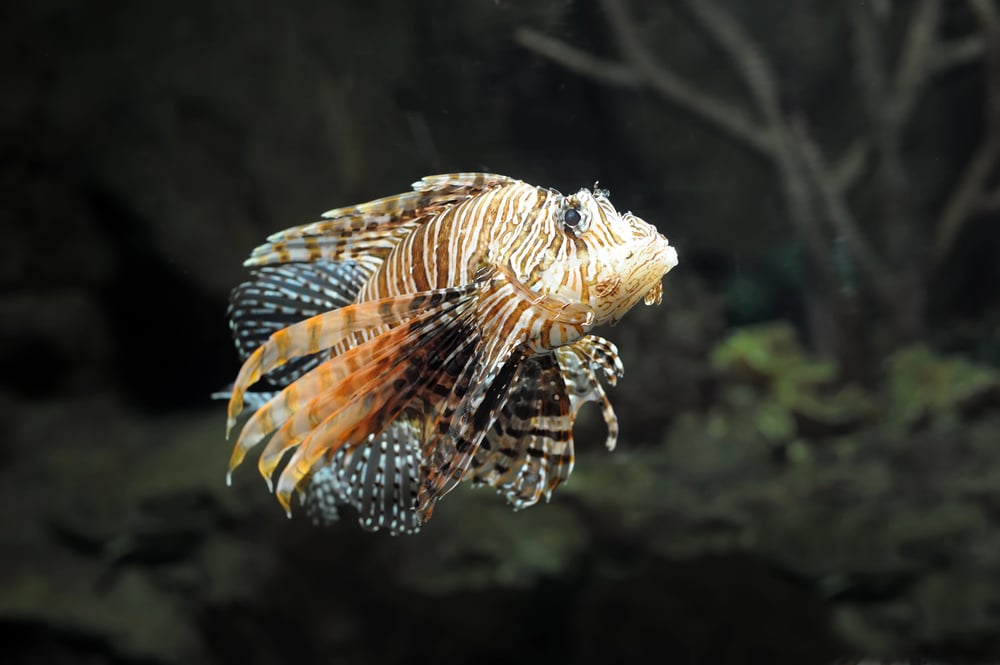
If nightmares could swim, they’d probably look like black dragonfish – creatures so bizarre and terrifying that they seem designed by someone with a very dark imagination. The black dragonfish has a scientific designation too difficult to pronounce, but it is truly one of the most intimidating creatures found in the sea.
These deep-sea predators have massive teeth, glowing lures to attract prey, and can unhinge their jaws to swallow fish larger than themselves. They’re basically the ocean’s version of a horror movie monster that actually exists.
86-Million-Year-Old Microbes

Perhaps the most mind-bending discovery of all came from scientists who found life forms that had been essentially sleeping for longer than dinosaurs roamed the Earth. In 2012, microbes dating back 86 million years were found in deep sea water in the Pacific Ocean.
These ancient organisms had somehow survived in the seafloor sediment for an almost incomprehensible amount of time, raising questions about what other ancient life might still be lurking in the planet’s most remote corners.
More from Go2Tutors!

- The Romanov Crown Jewels and Their Tragic Fate
- 13 Historical Mysteries That Science Still Can’t Solve
- Famous Hoaxes That Fooled the World for Years
- 15 Child Stars with Tragic Adult Lives
- 16 Famous Jewelry Pieces in History
Like Go2Tutors’s content? Follow us on MSN.



