16 Legendary Military Leaders and Their Tactics
Throughout the ages, certain military minds have stood apart — not just because they won battles, but because they transformed how wars are fought. These leaders didn’t merely command troops; they reshaped the art of strategy itself. Their tactics continue to echo in today’s military playbooks, proving that innovation often outweighs brute force. From ancient phalanx formations to modern mechanized assaults, these commanders turned challenges into opportunities and forever altered the rules of engagement. Below are 16 such legends whose tactical brilliance still resonates in military thought.
Alexander the Great
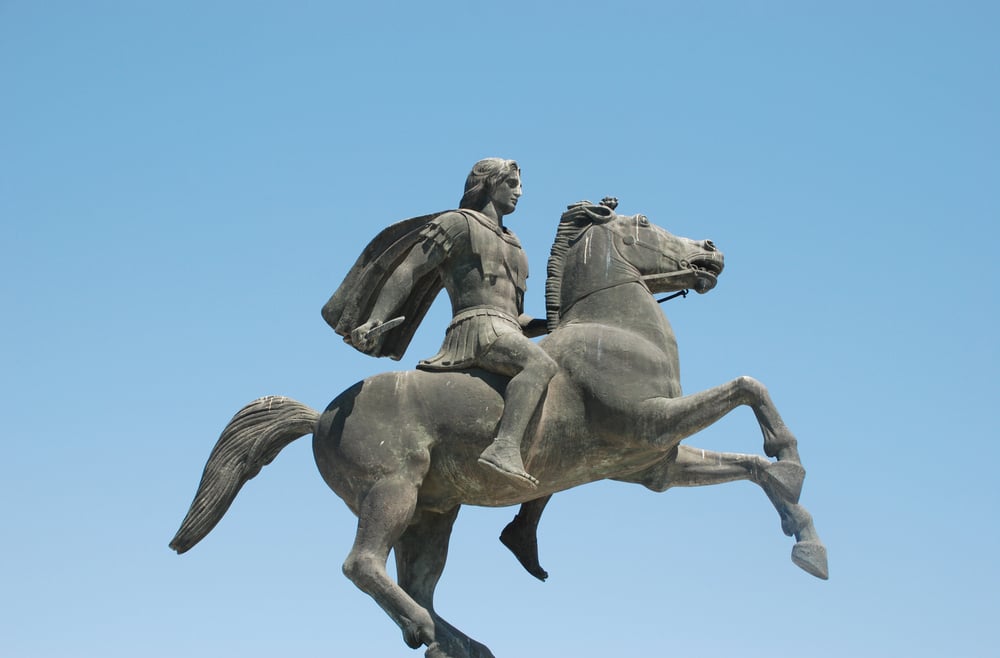
By the time he was 30, Alexander had conquered much of the known world. His success came from a fusion of bold leadership and battlefield innovation. He combined the disciplined Macedonian phalanx with rapid cavalry strikes — using infantry to engage the enemy frontally, while his elite Companion Cavalry flanked and shattered enemy lines.
This “hammer-and-anvil” approach, where cavalry acted as the hammer to crush foes against the infantry anvil, was a tactical masterstroke rarely seen at the time.
Julius Caesar

Caesar’s strength lay in his speed, discipline, and relentless adaptability. His legions were famously mobile, able to march up to 20 miles a day in full gear — allowing them to outmaneuver enemies and strike unexpectedly. He also emphasized engineering as a weapon of war.
Whether constructing bridges, siege engines, or fortified camps, his forces shaped the battlefield to their advantage, turning terrain into an ally and making Roman efficiency a lethal asset.
Like Go2Tutors’s content? Follow us on MSN.
Hannibal Barca
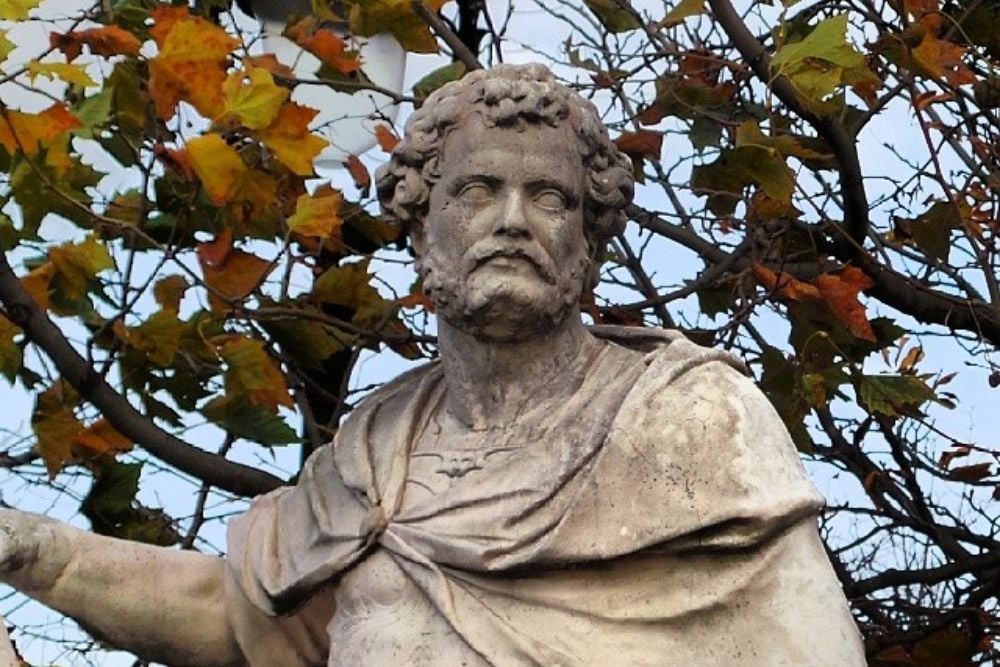
Hannibal is remembered as one of history’s greatest tacticians. At Cannae, he orchestrated a devastating double envelopment, a maneuver still studied in military academies. By deliberately letting his center falter, he baited Roman forces into overextending.
Then, with his flanks closing in, he encircled and annihilated an army twice the size of his own. Few commanders have turned disadvantage into dominance so decisively.
Sun Tzu
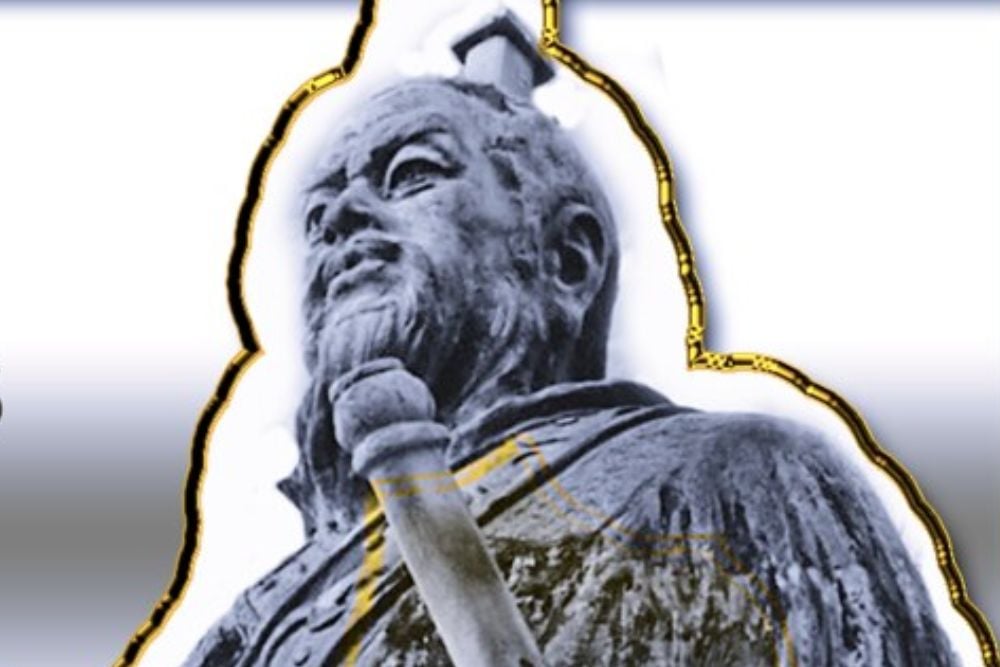
More strategist than soldier, Sun Tzu’s legacy lies in the enduring wisdom of The Art of War. He championed psychological warfare, deception, and knowing when not to fight. Rather than relying on strength alone, Sun Tzu emphasized timing, intelligence, and the value of knowing both your enemy and yourself.
His belief that the best victory is one won without fighting still informs both military and business strategies across the globe.
Genghis Khan
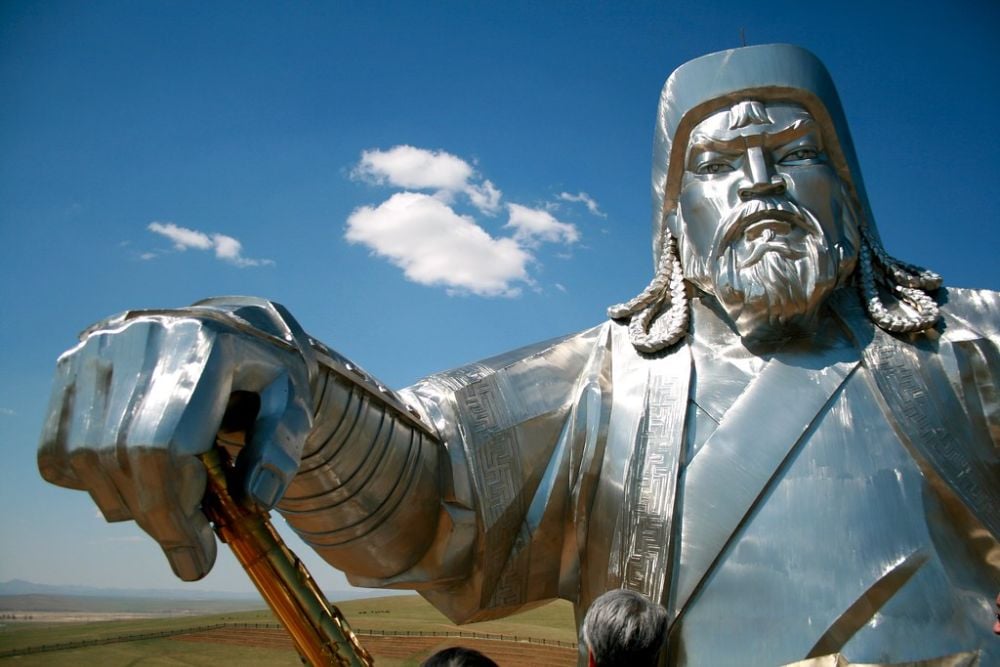
With lightning-fast cavalry and brutal efficiency, Genghis Khan built the largest contiguous empire in history. His warriors could travel astonishing distances in a single day, launching surprise attacks before vanishing.
He implemented a structured military hierarchy using units of 10, 100, 1,000, and 10,000, allowing for both flexibility and tight coordination. He also employed terror strategically, using psychological shock to break resistance before battles even began.
Like Go2Tutors’s content? Follow us on MSN.
Napoleon Bonaparte

Napoleon’s brilliance came from how he reimagined the use of artillery and troop mobility. He believed in concentrating firepower at decisive points, using massed cannons to weaken enemy positions before launching swift assaults.
His corps system allowed independent units to move separately yet converge quickly when needed — giving him both agility and strength. Napoleon didn’t just fight battles — he orchestrated them like symphonies.
Erwin Rommel
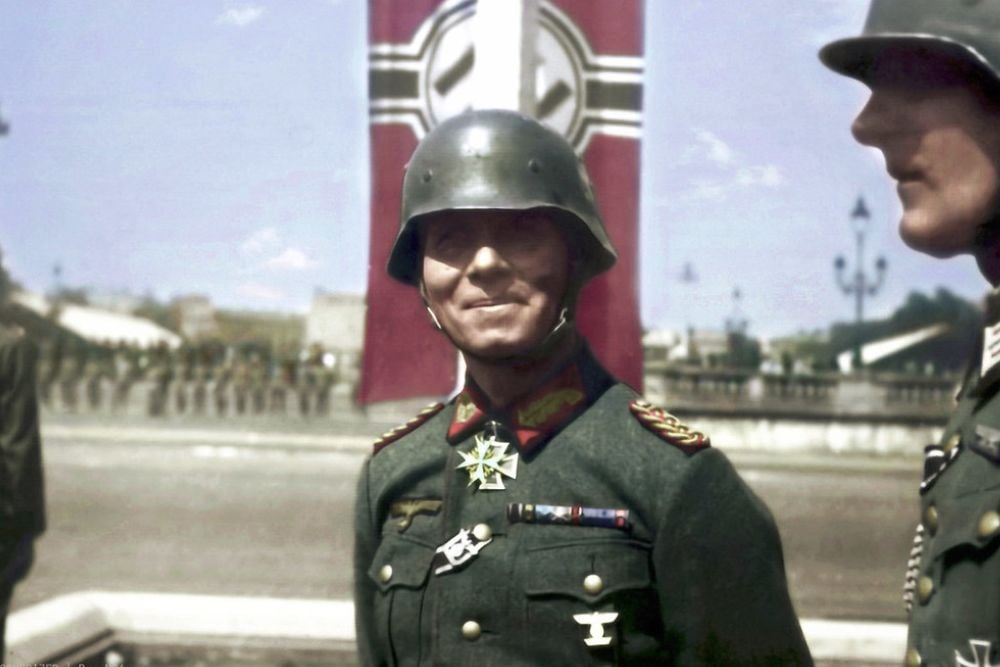
Nicknamed the “Desert Fox,” Rommel mastered the art of surprise and mobility in the vast North African theater. He made the most of his limited resources by coordinating tanks, aircraft, and infantry in highly mobile assaults.
Rommel often led reconnaissance missions himself, identifying weak points for sudden counterattacks. His ability to turn defensive situations into offensive opportunities kept his enemies constantly adjusting.
Vo Nguyen Giap
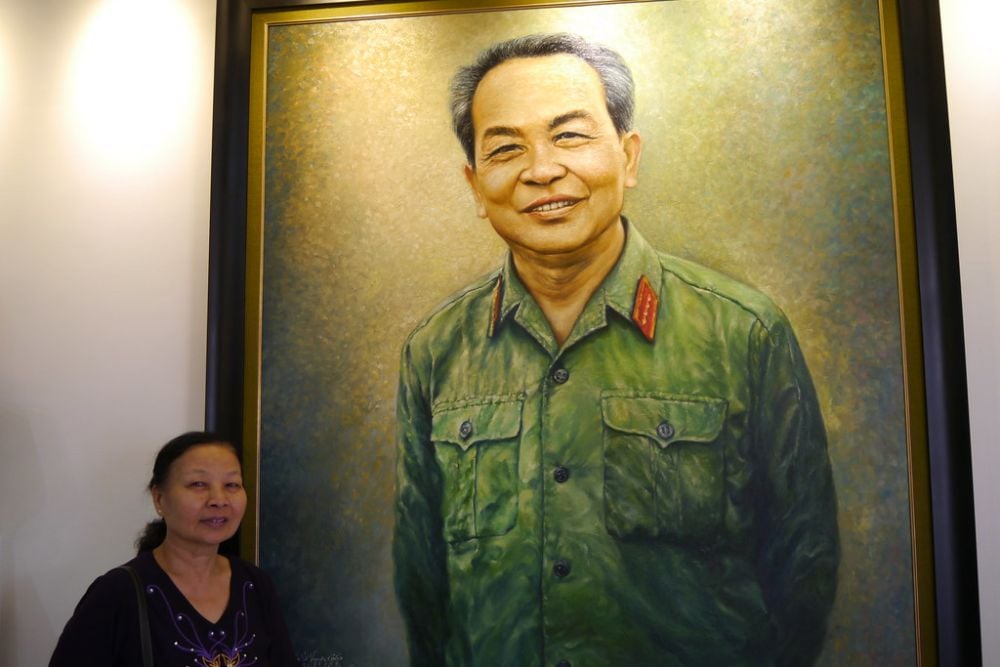
Giap knew he couldn’t outgun Western powers like France or the U.S., so he outlasted them instead. His strategy fused guerrilla warfare with conventional tactics, slowly draining enemy morale and political resolve.
By engaging in a “people’s war,” he mobilized entire communities — transforming villages into hidden strongholds and roads into ambush zones. His patience, persistence, and understanding of asymmetric warfare made him a modern master of insurgency.
Like Go2Tutors’s content? Follow us on MSN.
Robert E. Lee
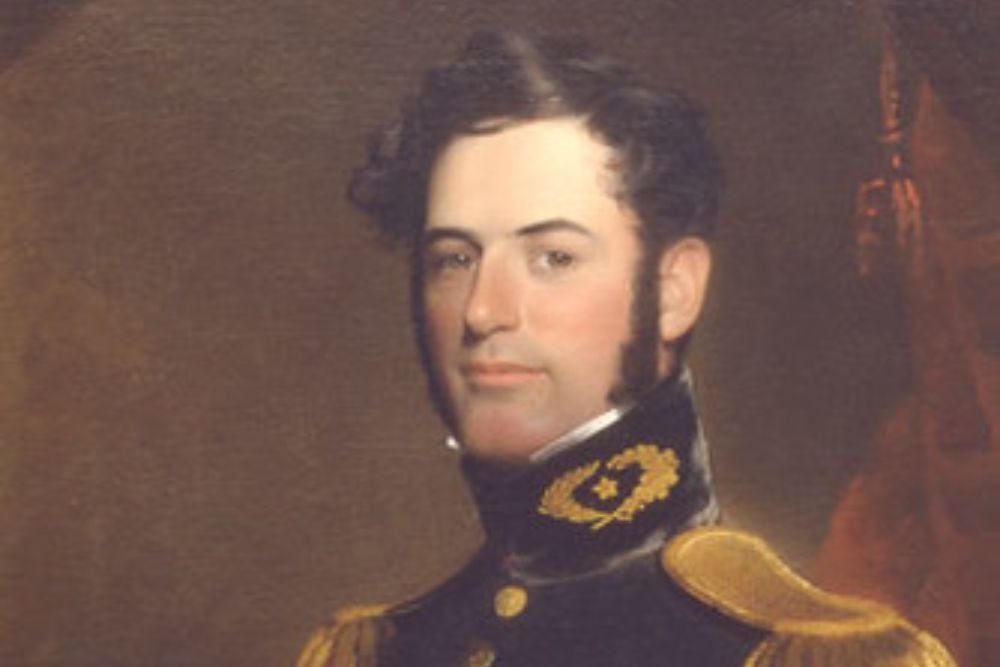
Lee faced the constant challenge of leading outnumbered Confederate forces against the better-equipped Union army. Yet through masterful use of interior lines and audacious flanking maneuvers, he won several key battles.
At Chancellorsville, he split his army in the face of a larger force — a move few generals would attempt. The result: a resounding tactical victory that remains one of the most studied operations in military history.
Heinz Guderian
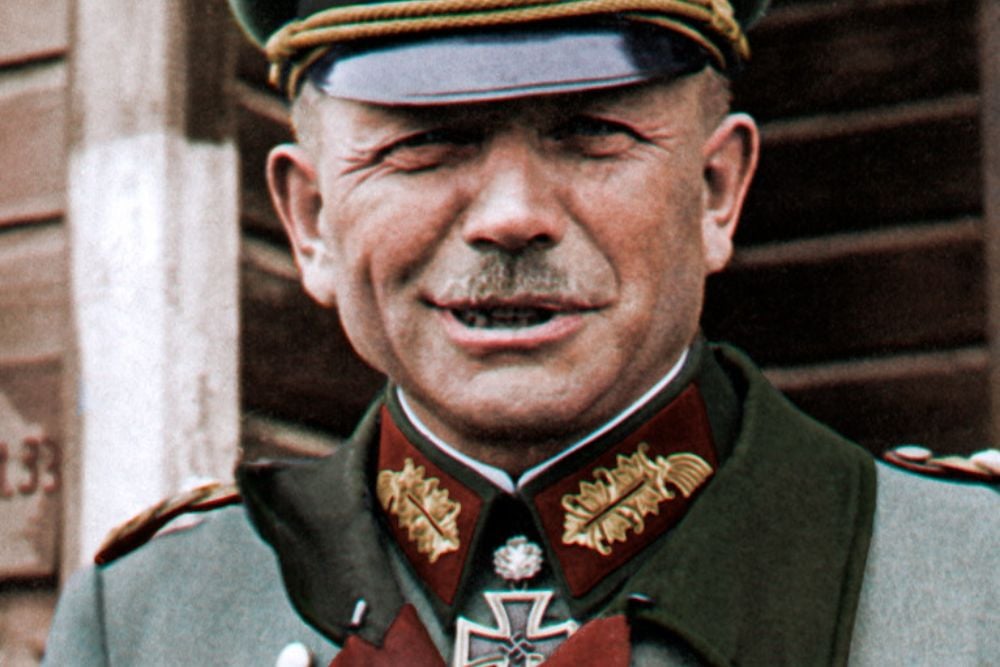
A pioneer of mechanized warfare, Guderian developed the blitzkrieg — or “lightning war” — concept that transformed World War II. Instead of slow, grinding assaults, his panzer divisions would identify weak spots, break through, and race deep into enemy territory to paralyze command and logistics.
By moving faster than enemies could respond, he often forced surrenders before pitched battles even began.
Saladin
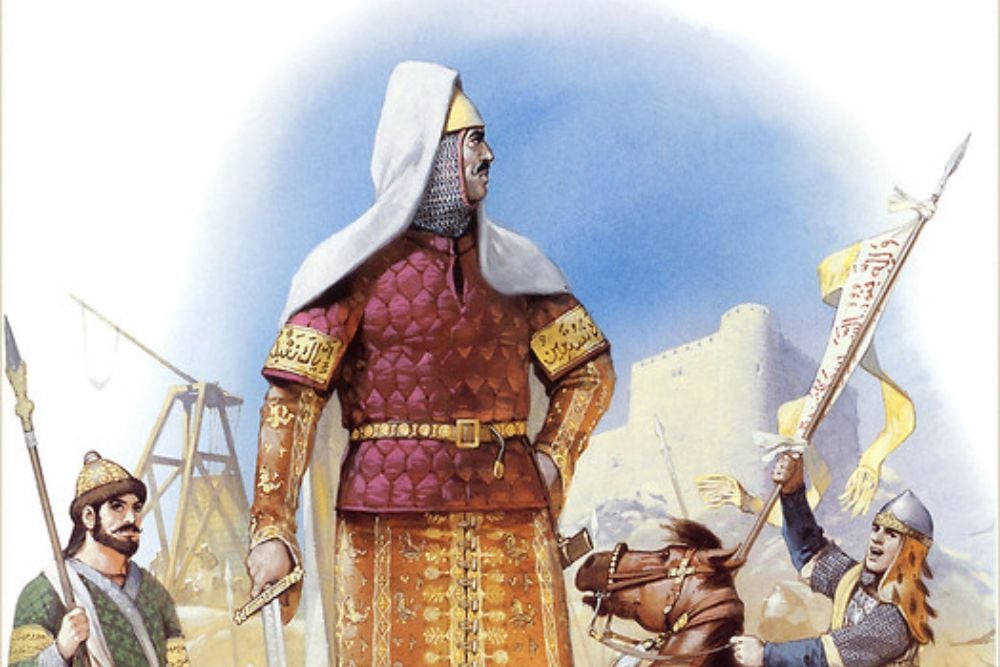
Saladin’s strength wasn’t just in his military skills but in how he combined logistics, diplomacy, and strategy. During his campaign to reclaim Jerusalem, he carefully cut off Crusader access to water sources and provisions, forcing retreats without direct confrontation.
Known for his honorable treatment of prisoners and adversaries, Saladin’s moral leadership earned him admiration from both sides — often smoothing the path to victory through negotiation rather than bloodshed.
Like Go2Tutors’s content? Follow us on MSN.
Shaka Zulu
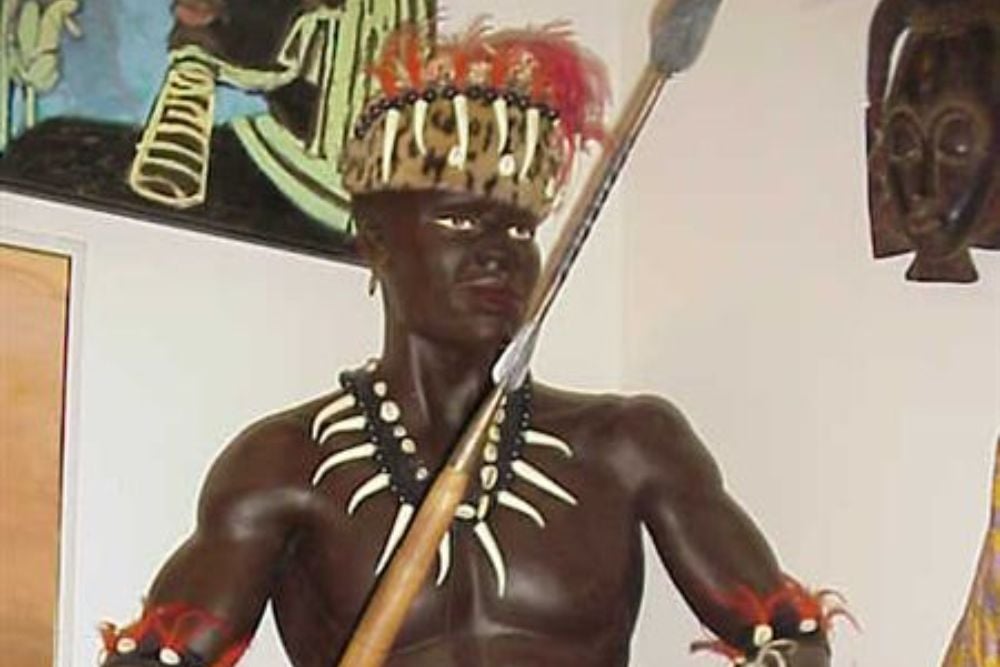
Shaka transformed the Zulu military into a fearsome force through innovation and discipline. He rearmed his warriors with the short stabbing spear and reorganized them into regiments trained for stamina and speed.
His signature “horns of the buffalo” formation used a central force to engage enemies head-on, while flanking units encircled them. Through these reforms, he turned tribal skirmishes into large-scale military campaigns.
Miyamoto Musashi
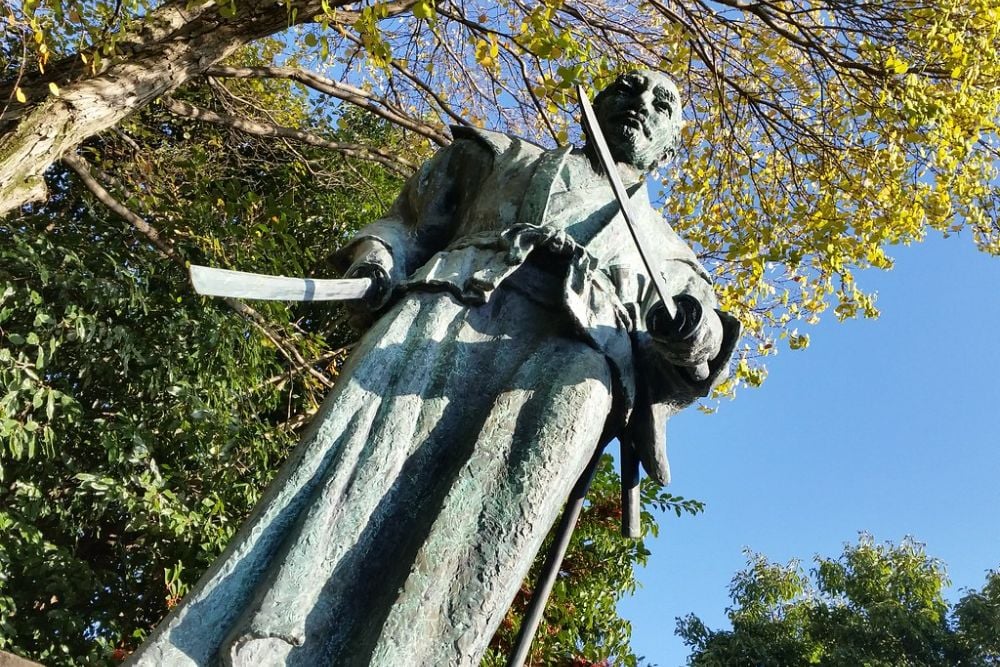
Famed for his unmatched skill with the sword, Musashi’s influence went beyond duels. His Book of Five Rings became a foundational text on strategic thinking. He emphasized flexibility, awareness, and psychological insight over rigid adherence to form.
Musashi believed that one should fight not by set technique, but by understanding the flow of conflict — a principle that resonates in modern martial arts and leadership thinking alike.
Khalid ibn al-Walid

Known as the “Drawn Sword of God,” Khalid never lost a battle. His hallmark was the pincer movement, using swift cavalry to encircle enemies while infantry held firm. Whether fighting Byzantines or Persians, Khalid adapted his tactics to the situation, deploying his forces with precision and speed.
His uncanny ability to read the battlefield and adjust in real time made him a feared and respected commander.
Like Go2Tutors’s content? Follow us on MSN.
Yi Sun-sin
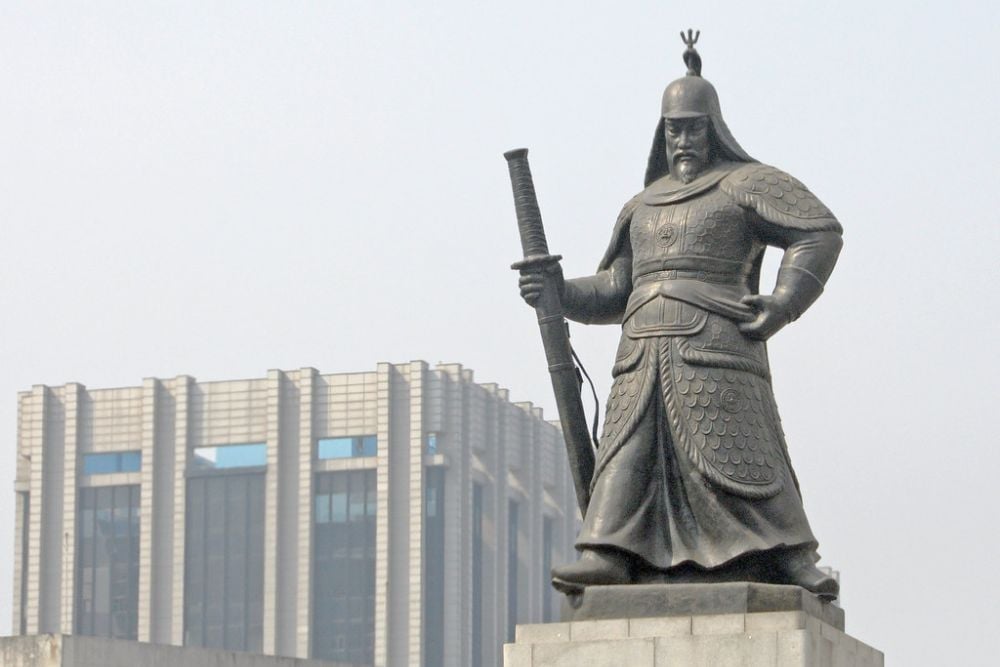
Admiral Yi changed the face of naval warfare during Japan’s invasions of Korea. His invention of the “turtle ship” — an early armored warship — gave him an edge in firepower and protection.
He used narrow coastal straits to negate numerical disadvantages, ambushing larger fleets with devastating results. Yi’s blend of innovative technology and intimate knowledge of local geography turned the tides of war at sea.
Subotai
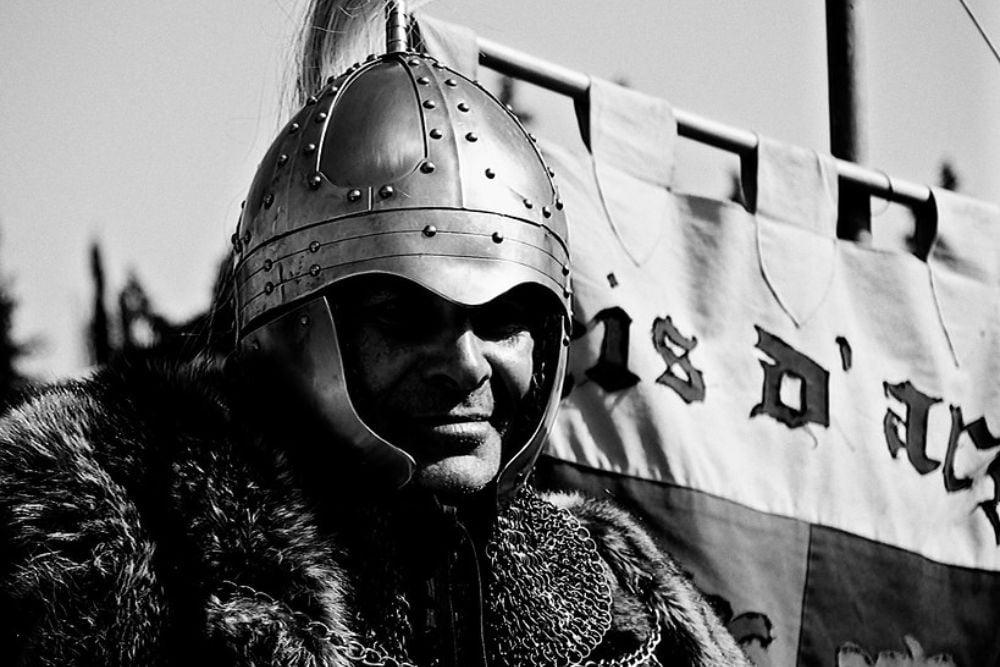
Though often overshadowed by Genghis Khan, Subotai was the strategic genius behind many Mongol campaigns. He masterminded complex, multi-pronged invasions across continents, synchronizing armies separated by thousands of miles.
By attacking from unexpected directions simultaneously, Subotai overwhelmed enemies before they could organize defenses. His ability to wage war on a continental scale makes him one of history’s most underappreciated military minds.
Echoes of Ancient Wisdom
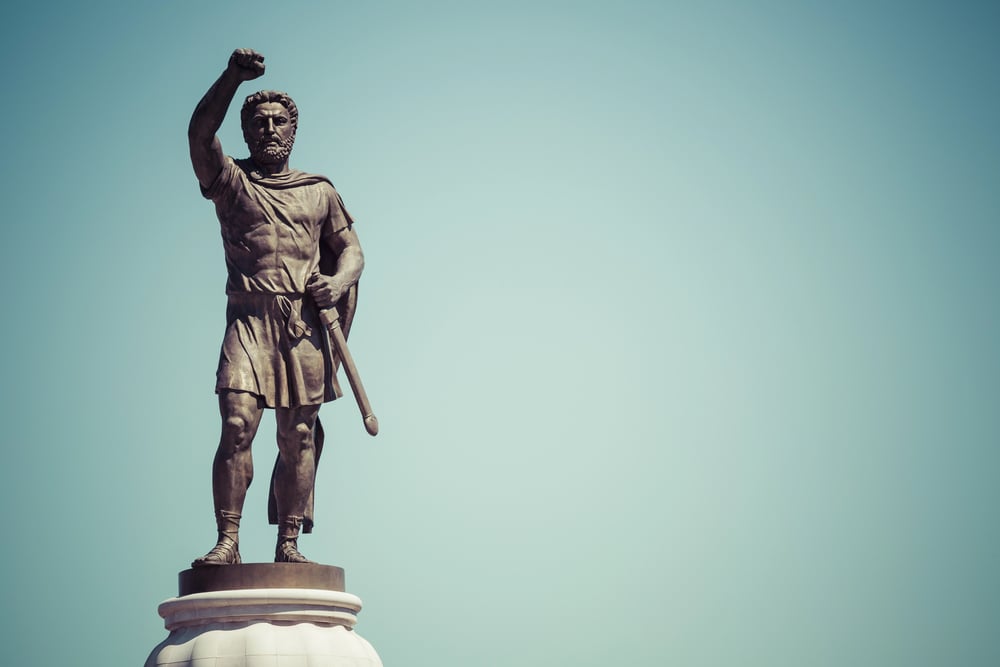
What unites these legendary commanders isn’t just their battlefield success, but how they thought — creatively, courageously, and often unconventionally. From Alexander’s crushing cavalry maneuvers to Giap’s drawn-out insurgency, these leaders redefined warfare by refusing to fight on their enemies’ terms.
They combined old tools in new ways, leveraged terrain, morale, and timing, and always stayed several moves ahead. Though the tools of war have evolved, the principles they followed — boldness, adaptability, and the will to win — remain timeless. It’s why their lessons continue to be studied not just by soldiers, but by leaders in every field.
Like Go2Tutors’s content? Follow us on MSN.
More from Go2Tutors!

- 16 Historical Figures Who Were Nothing Like You Think
- 12 Things Sold in the 80s That Are Now Illegal
- 15 VHS Tapes That Could Be Worth Thousands
- 17 Historical “What Ifs” That Would Have Changed Everything
- 18 TV Shows That Vanished Without a Finale
Like Go2Tutors’s content? Follow us on MSN.



