Christmas Movies Trivia Every Fan Should Know
Christmas movies hold a special place in holiday traditions. Families gather around the TV each December to watch the same films they loved last year and the year before that.
These movies become part of the season itself, as familiar as decorated trees and holiday cookies. Behind the scenes of these beloved classics, though, are stories that most viewers never hear.
The making of these films involved accidents, improvisation, last-minute changes, and moments that shaped the movies in unexpected ways. Every Christmas movie you know has a backstory worth discovering.
These facts might change how you watch them next time.
John Hughes wrote Home Alone in nine days

Writer John Hughes knocked out the first draft of the Home Alone script in just over a week. The idea came to him during a family trip to Europe when he made a list of things not to forget.
He jokingly added his kids to the list, then started wondering what would actually happen if a child got left behind. That quick thought turned into one of the most successful Christmas movies ever made, all because Hughes let his mind wander while packing for vacation.
Joe Pesci actually bit Macaulay Culkin during rehearsal
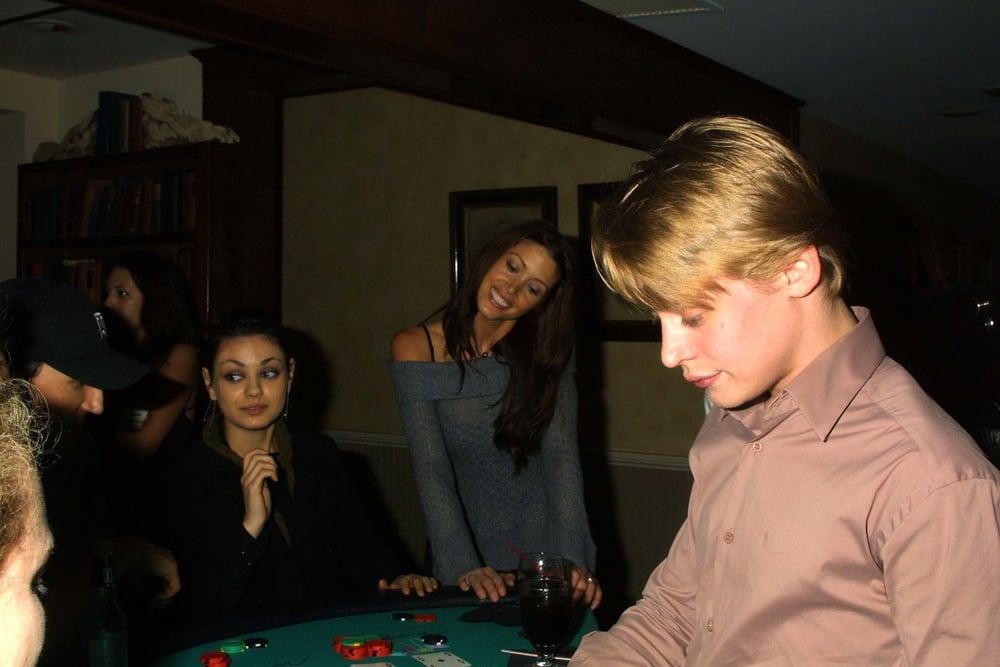
During rehearsals for the scene where Harry threatens to bite Kevin’s fingers, Joe Pesci got a little too into character. He actually bit Culkin’s finger hard enough to break the skin.
The bite left a permanent scar that Macaulay Culkin still has today. Pesci was known for his intense acting style, but this moment crossed from method acting into actual injury.
The young actor handled it professionally, and the scene made it into the final film without any real biting involved.
Angels with Filthy Souls isn’t a real movie

The black and white gangster film that Kevin watches in Home Alone looks incredibly authentic. Viewers spent years trying to track down this supposed 1940s classic.
The production team actually filmed those scenes specifically for Home Alone, creating fake footage that perfectly mimicked the style and feel of that era. Director Chris Columbus explained that getting the look and sound right took serious effort because they wanted it to feel genuinely old.
They even cast actors who had faces that looked like they belonged in the 1940s.
A real tarantula crawled on Daniel Stern’s face

When Marv gets a tarantula on his face in Home Alone, that was a real spider, not a fake one or CGI effect. Daniel Stern asked the animal handler if the stinger had been removed.
The handler said no because removing it would harm the spider. So Stern had to stay calm while a poisonous tarantula sat on his face.
His scream in that scene sounds so convincing because he was genuinely terrified. CGI technology in 1990 couldn’t create realistic spider movements, so they had no choice but to use the real thing.
Macaulay Culkin improvised the iconic scream

The famous aftershave scene where Kevin screams with his hands on his face wasn’t performed the way director Chris Columbus wanted. Columbus expected Culkin to slap the aftershave on, move his hands away, then scream, but Culkin kept his hands glued to his cheeks like they were stuck with superglue.
The director loved this unexpected choice so much that it became the image used on the movie poster. Sometimes the best moments in films come from actors doing something completely different from what the script calls for.
Jim Carrey almost played Buddy in Elf
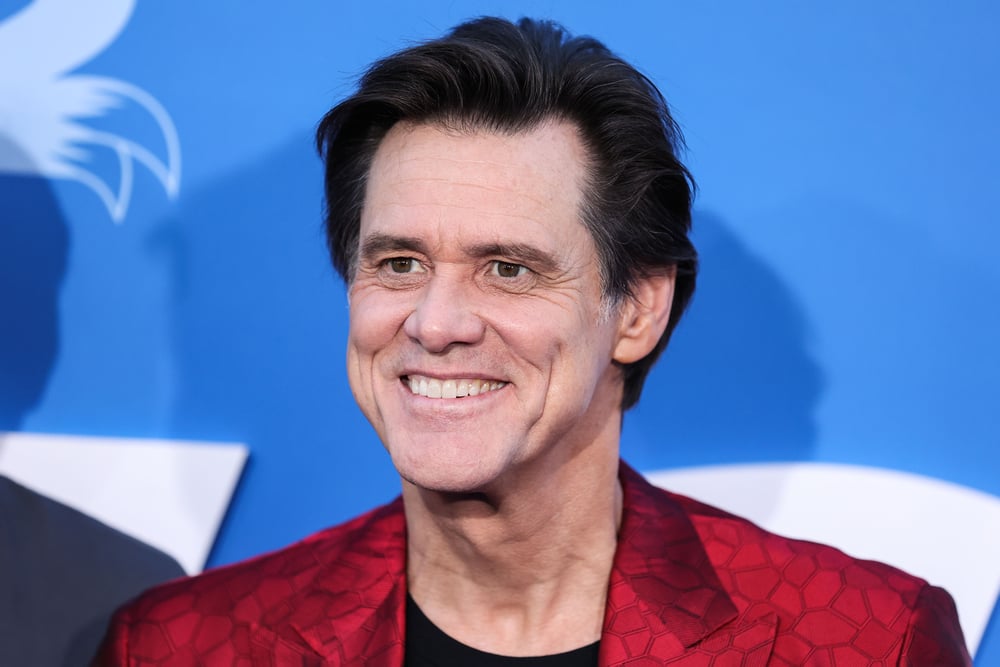
The original Elf script from 1993 was written with Jim Carrey in mind for the lead role. The project took years to get made, and by the time it finally moved forward, Carrey had moved on to other projects.
He ended up playing the Grinch instead, giving audiences a very different kind of Christmas character. Will Ferrell eventually took the role and made Buddy the Elf one of the most recognizable Christmas movie characters of the 2000s.
The movie probably would have been completely different with Carrey’s more manic energy instead of Ferrell’s sincere goofiness.
Elf used forced perspective instead of CGI

To make Will Ferrell look giant compared to the elves at the North Pole, director Jon Favreau relied on old movie tricks instead of computer effects. They built two sets at different scales, positioned them at specific distances, then used careful camera placement to create the size illusion.
This technique required precise measurements and planning but gave the film a timeless quality. Favreau wanted Elf to feel like a classic movie that could have been made decades earlier.
Using practical effects instead of digital ones helped achieve that goal.
Will Ferrell caused traffic accidents while filming Elf

When the movie filmed scenes in New York’s Lincoln Tunnel, it remained open to regular traffic, and Ferrell walked around in his bright elf costume. Several minor accidents happened because drivers got distracted seeing a full-grown man dressed as an elf.
Many New Yorkers who appear shocked in those scenes are giving genuine reactions because they had no idea a movie was being filmed. The production team couldn’t shut down major New York infrastructure, so they worked around real people going about their day.
Zooey Deschanel’s singing wasn’t in the original script

Director Jon Favreau discovered that Zooey Deschanel could sing only after casting her as Jovie. He rewrote parts of the movie to include musical moments, adding the duet of ‘Baby It’s Cold Outside’ and the city-wide caroling scene.
These musical additions became some of the most memorable parts of Elf. The film would feel incomplete without them now, yet they only exist because Favreau learned something about his lead actress after production had already started.
Happy accidents like this often make movies better than their original plans.
The original Elf script was much darker

Jon Favreau turned down directing Elf at first because the script was much darker and aimed at older audiences, rating closer to PG-13. He agreed to take the job only after spending a year rewriting it into the family-friendly movie that eventually got made.
The original version of Buddy was a more cynical character dealing with heavier themes. Favreau’s decision to lighten the tone and focus on innocence and joy transformed it into a movie that works for all ages.
Sometimes what a project needs most is someone willing to completely reimagine it.
John Candy worked on Home Alone for one day

John Candy shot all his scenes as Gus Polinski in a single 23-hour marathon filming session. He was doing the movie as a favor to his friend John Hughes and had limited availability because of other commitments.
Despite being a huge comedy star, Candy earned just $414 for his work, taking minimum pay as a gesture of friendship. Most of his dialogue was improvised on the spot, including the funeral home story he tells in the van.
Director Chris Columbus said the crew could barely keep straight faces listening to Candy work his magic in those early morning hours.
Buzz’s girlfriend was actually a boy

The photo of Buzz’s girlfriend that Kevin finds in Home Alone shows someone who Kevin describes less than kindly. Director Chris Columbus didn’t want to hurt any real teenage girl’s feelings for a joke, so the photo is actually of the art director’s son dressed as a girl.
This thoughtful decision protected an actual young woman from being the target of that mean-spirited gag. The joke still works in the movie, but no real person had to deal with being called unattractive in a film seen by millions.
It’s a Wonderful Life bombed at first
Today it’s considered one of the greatest Christmas movies ever made, but when It’s a Wonderful Life first came out in 1946, audiences weren’t interested. The movie received mixed reviews and performed poorly at the box office, then sat largely forgotten for decades.
It became a beloved classic only after television stations started broadcasting it repeatedly during the 1970s. A clerical error with copyright renewal meant TV networks could air it for free, so they played it constantly during the holidays.
What seemed like a failure became timeless simply because people got repeated chances to discover it.
The Nightmare Before Christmas took three years to make

Creating The Nightmare Before Christmas required about three years of painstaking work. Stop-motion animation demands filming tiny movements frame by frame, making it one of the slowest filmmaking techniques.
Animators would spend entire days moving characters fraction by fraction to create just seconds of screen time. The dedication shows in every detail, from Jack’s expressive face to the elaborate sets.
Modern computer animation can create similar visuals much faster, but something about the handmade quality of stop-motion gives it a warmth that digital animation sometimes lacks.
Jack Skellington has two voices

Chris Sarandon handled Jack Skellington’s lines in The Nightmare Before Christmas though Danny Elfman sang every tune. A lot of people don’t catch the change since both actors nailed the same quirky spirit.
The music was built around Elfman’s unique tone, so Sarandon needed to mirror it during spoken parts. Using separate voices for speech and song pops up a lot in animated musical films; yet it really clicks only if nobody realizes there are two different folks doing the job.
The Santa Clause nearly caused fights on set

Tim Allen’s red outfit had tiny cooling pipes built in so he wouldn’t overheat while shooting scenes. Even with that fix, trudging around in the thick fabric under blazing lights still sucked big time.
He admitted the getup made him grumpy, which nearly sparked a clash with someone on set. When your body hurts or itches, your patience shrinks no surprise there.
Folks dressed head-to-toe in movie gear quietly battle stuff audiences never see.
Peter Billingsley appears in Elf

The guy who once played Ralphie popped into Elf as an elf named Ming Ming no credit given. By 2003, he’d gotten older but still stuck around holiday films one way or another.
Later on, he shifted behind the scenes, helping produce stuff with Jon Favreau. Little appearances like that tie old Christmas flicks together, giving sharp viewers little nods they’ll catch.
Home Alone made fake snow using potato flakes instead

On only the second day of shooting, a real blizzard rolled in so the team rushed to film the holiday breakfast meetup. To boost the effect, they tossed potato bits into the air, making the snow seem thicker.
Most winter scenes aren’t made with natural flurries since you can’t wait around for storms to show up. Instead, crews go with artificial options, like ground-up soap or crushed ice or even lab-made powders built just for cameras.
Turns out, dried potatoes move through the wind on screen almost like genuine flakes when lit correctly.
White Christmas introduced its title song

The 1954 flick White Christmas introduced the tune ‘White Christmas’ to viewers soon after, it turned into one of history’s top-selling singles. Bing Crosby sang it in a way that tapped into deep yearning, hitting home for people decades apart.
The film shaped every scene around just that single track, weaving moments full of quiet sadness. Few tunes grow so tied to a season they practically own it; yet ‘White Christmas’ somehow got there.
As displays shine stronger than holiday bulbs

Christmas flicks began as fun shows yet turned into yearly rituals. Folks gather round every season, linking up through repeated viewings.
Off-camera tales spice things up showing sweat, mess, and surprise behind smooth scenes. They stick around since they reflect honest holiday vibes: loud reunions, childlike faith, or just cozy repetition.
Figuring out how they’re put together doesn’t make them less special. In fact, seeing the effort that goes into it actually makes them stand out more proof that making magic for the holidays means hard work whether you’re on screen or off.
More from Go2Tutors!

- The Romanov Crown Jewels and Their Tragic Fate
- 13 Historical Mysteries That Science Still Can’t Solve
- Famous Hoaxes That Fooled the World for Years
- 15 Child Stars with Tragic Adult Lives
- 16 Famous Jewelry Pieces in History
Like Go2Tutors’s content? Follow us on MSN.