Products That Were Marketed to Women and Men Completely Differently
The same product, two completely different marketing campaigns. Companies have been pulling this trick for decades, taking identical items and wrapping them in pink versus blue packaging, or soft messaging versus aggressive slogans.
Sometimes the differences were subtle shifts in language. Other times, they were so extreme you’d never guess the products were the same thing.
These marketing splits reveal fascinating insights into how advertisers viewed gender roles, what they thought would motivate different audiences, and how they tried to solve the puzzle of selling to everyone without alienating anyone.
The results ranged from clever to cringe-worthy, but they all tell a story about consumer psychology and social expectations.
Cigs

Cigs were men’s territory until Lucky Strike changed everything in the 1920s. The “Torches of Freedom” campaign told women that cig smoke was an act of liberation and sophistication.
Men got advertisements about ruggedness, strength, and the cowboy lifestyle. Same nicotine.
Same tar. Completely different worlds.
Diet Coke And Coke Zero
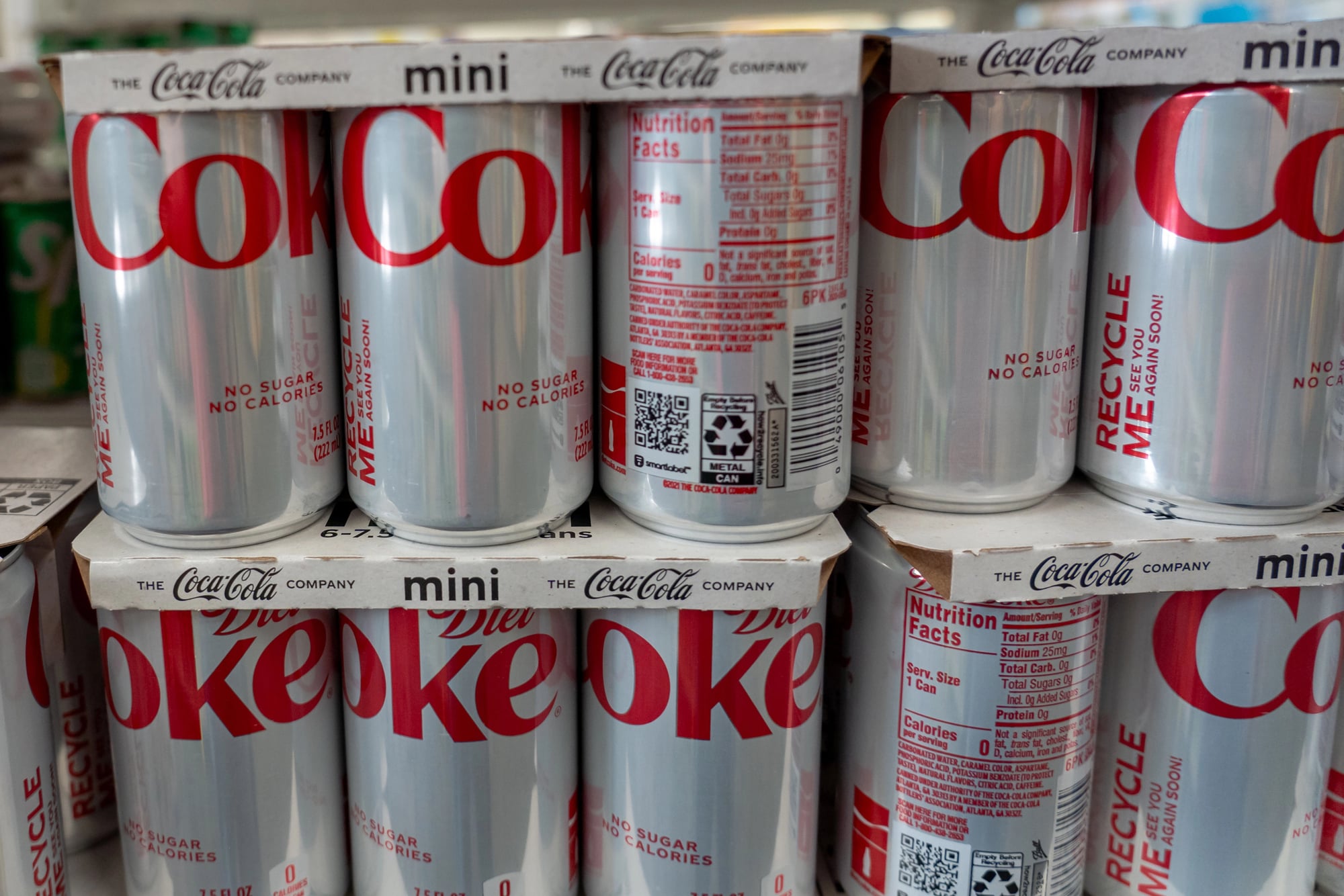
Diet Coke wasn’t failing with men because of taste—it was failing because of the word “diet.” So Coca-Cola created Coke Zero, which tastes nearly identical to Diet Coke but comes wrapped in black packaging with marketing that screams “maximum taste, zero sugar.”
Diet Coke kept its silver cans and continued targeting women with messages about treating yourself and taking a moment. Coke Zero went after men with sports sponsorships and the promise that you weren’t giving anything up.
The formula difference between the two? Practically nonexistent, but the sales numbers tell a different story entirely.
Razors

Here’s where things get expensive fast. Women’s razors cost more than men’s razors for reasons that have nothing to do with engineering and everything to do with marketing budgets (and the assumption that women will pay extra for prettier packaging).
The actual blades? Often manufactured in the same facilities with nearly identical specifications.
But women got pastel colors, moisturizing strips that were mostly marketing theater, and advertising focused on smooth skin and confidence. Men got black and silver designs, extra blades that were supposedly sharper, and campaigns built around precision and performance.
The pink tax in action, but both sides bought into it because the marketing made each group feel like their version was specifically designed for their needs.
Yogurt

Watch a yogurt commercial from the 2000s and the gender divide becomes immediately obvious—women got thirty-second spots about guilt-free indulgence and beach bodies, while men got Greek yogurt positioned as a protein source for building muscle. Same bacterial cultures, same fermentation process, but entirely different emotional territories.
Women’s yogurt was dessert you didn’t have to feel bad about; men’s yogurt was fuel for workouts and recovery. The industry essentially created two separate categories for what had been a single product, and consumers responded by shopping accordingly.
Greek yogurt’s rise to dominance happened largely because it gave men permission to eat yogurt without feeling like they were buying into diet culture.
Vitamins

The vitamin aisle looks like it was designed by someone who took a gender studies course and learned exactly the wrong lessons. Women’s vitamins come in bottles with soft curves and pastel colors, promising support for hair, skin, nails, and energy.
Men’s vitamins arrive in angular black containers that look like they could double as protein powder, focused on heart health, energy, and muscle support. The ingredient lists? Surprisingly similar, with minor tweaks to iron content (women need more, men need less) and a few targeted additions.
But the real difference isn’t in the pills—it’s in the psychology. Women’s vitamins are sold as self-care and beauty from within.
Men’s vitamins are positioned as performance optimization and health maintenance. Same basic nutritional science, completely different emotional frameworks.
And both approaches work, which is why the vitamin industry keeps doubling down on this divide rather than creating unified products that might appeal to everyone.
Deodorant

Deodorant marketing reads like a textbook in gender stereotypes, but the actual chemistry behind the products reveals how little the differences actually matter. Women’s deodorant gets names like “Powder Fresh” and “Island Breeze” with promises about 24-hour freshness and delicate scents that won’t interfere with perfume.
Men’s deodorant goes for “Arctic Force” and “Ultimate Defense” with industrial-strength claims and scents designed to substitute for cologne. The active ingredients that actually prevent sweat and odor? Identical across most brands.
Aluminum compounds don’t care about gender, and neither do the bacteria they’re designed to inhibit. But the fragrances, packaging, and pricing tell completely different stories about who’s supposed to buy what.
Women pay more for packaging that looks like it belongs in a spa; men pay extra for containers that suggest their antiperspirant was developed by engineers rather than chemists.
Pain Relievers

Advil, Tylenol, and other pain relievers have spent decades creating gender-specific versions of identical medications. Women get “Migraine Relief” formulas with softer packaging and marketing that acknowledges the emotional toll of chronic pain.
Men get “Extra Strength” versions with bold lettering and promises about getting back to activities without missing a beat. The actual medication? Often exactly the same dose of the same active ingredient.
But here’s where it gets interesting: the placebo effect means that marketing actually changes how well these products work. When women buy a migraine-specific formula, they report better results than when taking generic pain relievers with identical ingredients.
When men take something labeled “extra strength,” they feel more confident that it will handle their pain. The power of suggestion turns marketing copy into medical efficacy, which means these companies aren’t just selling pills—they’re selling the belief that the pills will work better because they were designed for someone like you.
Shampoo

Shampoo aisles reveal one of the most elaborate marketing constructions in consumer goods. Women’s shampoo promises transformation—shinier hair, more volume, color protection, heat damage repair, and solutions to problems you didn’t know you had.
Men’s shampoo keeps it simple: clean hair, maybe some thickening properties, often combined with body wash for maximum efficiency. The base cleansing agents in both products come from the same chemical families and work through identical mechanisms.
Yet the pricing structure suggests that women’s hair requires more sophisticated science, with premium formulas that cost three times as much as men’s two-in-one products. The reality is that hair responds to cleansing and conditioning the same way regardless of who it’s growing out of, but the marketing has created entirely separate product ecosystems.
Women get complex regimens with multiple steps and specialized products for every conceivable hair concern. Men get products that promise to solve everything in one bottle, which actually makes more sense from a chemistry standpoint but would never succeed in the women’s market because it doesn’t feel luxurious or comprehensive enough.
Energy Drinks

Energy drinks split along gender lines so predictably that you can guess the target audience just from the color scheme and font choices. Men get aggressive branding with names like Monster, Rockstar, and Red Bull—packaging that suggests extreme sports, late-night gaming sessions, and the kind of energy that helps you push through physical limits.
Women get softer approaches with products like Celsius and Sparkling Ice Energy, marketed as metabolism boosters and fitness companions rather than adrenaline fuel. The caffeine content tells a different story than the marketing suggests.
Many women’s energy drinks contain just as much caffeine as their masculine counterparts, but they’re positioned as wellness products rather than performance enhancers. Men’s energy drinks lean into the idea of artificial enhancement and chemical optimization.
Women’s versions promise natural ingredients and gentle energy that won’t cause crashes. Both approaches are selling the same basic stimulant experience, but they’ve created completely different cultural contexts for consuming that experience.
Protein Powder

The protein powder section of any supplement store looks like it was designed by aliens who studied human gender roles through advertising and took everything way too literally. Men’s protein powders come in massive containers with aggressive names, images of muscular torsos, and promises about building serious mass and strength.
Women’s protein powders arrive in smaller, prettier containers with names like “Lean Protein” and marketing focused on toning, weight management, and supporting an active lifestyle rather than building muscle. The protein itself—whether it comes from whey, casein, or plant sources—works exactly the same way in everyone’s body.
Muscle protein synthesis doesn’t care about gender, and neither do amino acid absorption rates. But the fitness industry has convinced consumers that they need different formulations based on different goals, when the real difference is in how much you consume and how consistently you exercise.
Women’s protein powders often cost more per serving while containing identical ingredients to men’s versions, justified by prettier packaging and marketing that promises results without bulk. The science doesn’t support the distinction, but the psychology absolutely does.
Multivitamins

Multivitamins represent one of the most successful examples of product differentiation based on marketing rather than medical necessity. Women’s multivitamins emphasize iron, folate, and calcium, along with beauty-focused nutrients like biotin and collagen support.
Men’s multivitamins skip the iron (since men need less) and load up on zinc, lycopene, and other nutrients positioned as supporting masculine health concerns like prostate function and heart health. The gendered marketing extends beyond ingredients to emotional messaging.
Women’s multivitamins are sold as daily self-care rituals and investments in long-term beauty and wellness. Men’s multivitamins are positioned as insurance policies against nutritional gaps and optimization tools for peak performance.
Both approaches target the same basic anxiety about whether you’re getting enough nutrients from food alone, but they frame the solution in completely different emotional terms. The result is that couples often buy separate multivitamins rather than sharing one bottle, even though most people’s nutritional needs overlap more than they differ.
Body Wash

Body wash marketing has created parallel universes where the same basic cleansing chemistry is transformed into completely different emotional experiences. Women’s body wash promises indulgence, relaxation, and skin benefits that extend beyond simple cleanliness.
The bottles look like they belong in spas, with names like “Shea Butter Bliss” and “Olay Moisture Renewal.” Men’s body wash goes for efficiency and intensity, with packaging that suggests industrial-strength cleaning power and names like “Old Spice Nuclear” and “Axe Phoenix.”
The actual surfactants that remove dirt and oil from skin work identically regardless of packaging color or marketing copy. But the fragrance profiles and psychological positioning create entirely different shower experiences.
Women’s body wash is positioned as a few minutes of daily luxury and self-care. Men’s body wash is sold as functional grooming that gets the job done quickly and effectively.
The same bottles could easily be swapped between sections, but consumers have been trained to seek out products that feel like they were designed specifically for their gender and lifestyle, even when the functional differences are minimal.
Laxatives

Even digestive health gets the gendered marketing treatment, which says something about how deeply companies will mine gender stereotypes to create market segments. Women’s laxatives are marketed with gentle language about regularity, natural ingredients, and gradual relief that won’t disrupt daily activities.
The packaging uses soft colors and promises comfort during an uncomfortable situation. Men’s versions use more direct language about strength and effectiveness, with packaging that suggests no-nonsense solutions to digestive problems.
The active ingredients in most over-the-counter laxatives work through the same biological mechanisms regardless of who’s taking them, but the marketing creates different expectations about how the products should work and how people should feel about needing them. Women’s laxatives are positioned as wellness products that support overall digestive health.
Men’s versions are sold as temporary fixes for specific problems. Both approaches are selling relief from the same biological issue, but they’ve created different emotional frameworks for understanding and treating that issue.
Sleeping Pills

Sleep aids reveal how gender stereotypes extend even into medical marketing, where you’d expect more scientific and less emotional approaches. Women’s sleep products focus on relaxation, stress relief, and creating bedtime routines that support overall wellness.
The packaging uses calming colors and imagery that suggests peaceful rest and morning rejuvenation. Men’s sleep aids are marketed as performance optimization tools, with language about recovery, restoration, and waking up ready for the next day’s challenges.
The actual sleep-inducing ingredients—whether they’re antihistamines, melatonin, or herbal compounds—work through identical pathways in everyone’s nervous system. Sleep physiology doesn’t vary by gender in ways that would require different formulations or approaches.
But the marketing recognizes that men and women might have different anxieties about needing help falling asleep, and it addresses those concerns through different emotional positioning rather than different chemistry. Women’s sleep aids acknowledge that stress and worry might be keeping you awake.
Men’s sleep aids focus on optimization and ensuring peak performance the next day.
Antacids

Antacid marketing splits along gender lines in ways that reveal assumptions about how men and women experience and discuss digestive discomfort. Women’s antacids are marketed with gentle language about occasional heartburn and acid indigestion, often positioned alongside other digestive wellness products.
Men’s antacids use more aggressive language about powerful relief and getting back to normal activities quickly, with packaging that suggests serious medication for serious problems. The calcium carbonate, aluminum hydroxide, or other active ingredients that neutralize stomach acid work exactly the same way in everyone’s digestive system.
Stomach acid doesn’t care about gender, and neither do the chemical reactions that provide relief. But the marketing creates different expectations about when it’s appropriate to seek relief and how quickly that relief should work.
Women’s antacids are often positioned as part of overall digestive health maintenance. Men’s versions are sold as targeted solutions to specific episodes of discomfort that need immediate resolution.
The real differences often come down to flavoring and packaging rather than efficacy, but consumers respond to marketing that makes them feel like the product was designed for someone who experiences digestive issues the same way they do.
Recognizing The Pattern

These marketing splits aren’t accidents or oversights—they’re deliberate strategies based on decades of consumer research and sales data. Companies discovered they could increase market share not by making better products, but by making the same products feel more personally relevant to different audiences.
The approach works because it taps into something deeper than rational product evaluation: it makes people feel understood and seen by brands that acknowledge their specific needs and concerns. But recognizing these patterns also reveals opportunities for smarter shopping.
Once you see through the gendered marketing to the actual product underneath, you can make decisions based on ingredients, effectiveness, and price rather than packaging color and emotional positioning. Sometimes the men’s version of a product costs less for identical ingredients.
Sometimes the women’s version includes beneficial components that the men’s version skips. Understanding the game means you can play it more strategically, choosing products based on what they actually do rather than who they’re supposedly designed for.
More from Go2Tutors!

- The Romanov Crown Jewels and Their Tragic Fate
- 13 Historical Mysteries That Science Still Can’t Solve
- Famous Hoaxes That Fooled the World for Years
- 15 Child Stars with Tragic Adult Lives
- 16 Famous Jewelry Pieces in History
Like Go2Tutors’s content? Follow us on MSN.



