Vintage Amusement Rides vs Modern Coaster Tech
Stepping into an old carnival feels like entering a time capsule where painted horses bob to organ music and wooden coasters creak with decades of stories. The rides might not launch you at 80 mph or flip you upside down 12 times, but they carry something modern attractions often lack — character earned through years of service.
Today’s theme parks showcase engineering marvels that defy physics in ways early ride designers couldn’t imagine, yet many enthusiasts find themselves drawn back to those simpler, rougher experiences that started it all.
The golden age carousel
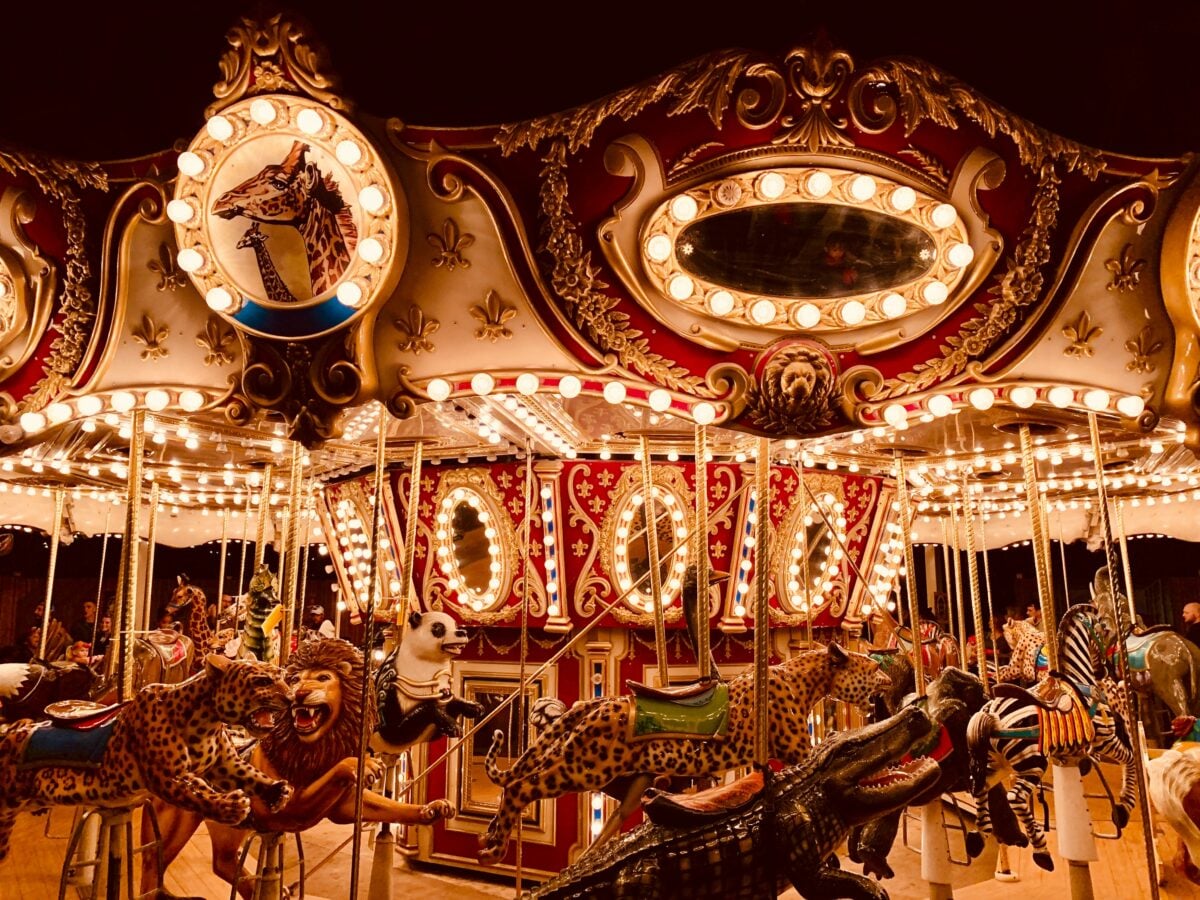
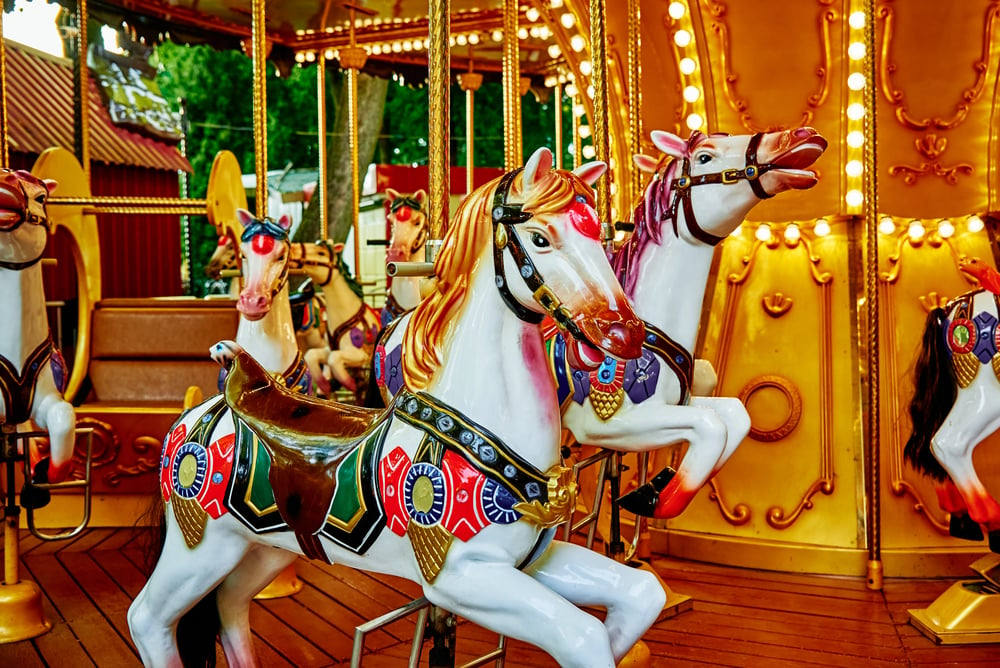
Carousel horses don’t lie. Hand-carved, painted by artists who signed their work, built to last centuries. These weren’t mass-produced.
Each horse had personality — a wild eye here, flowing mane there, details that took weeks to complete. Modern carousels exist, but they’re fiberglass copies of the originals.
Practical, sure. Soulless, absolutely.
Wooden coaster craftsmanship
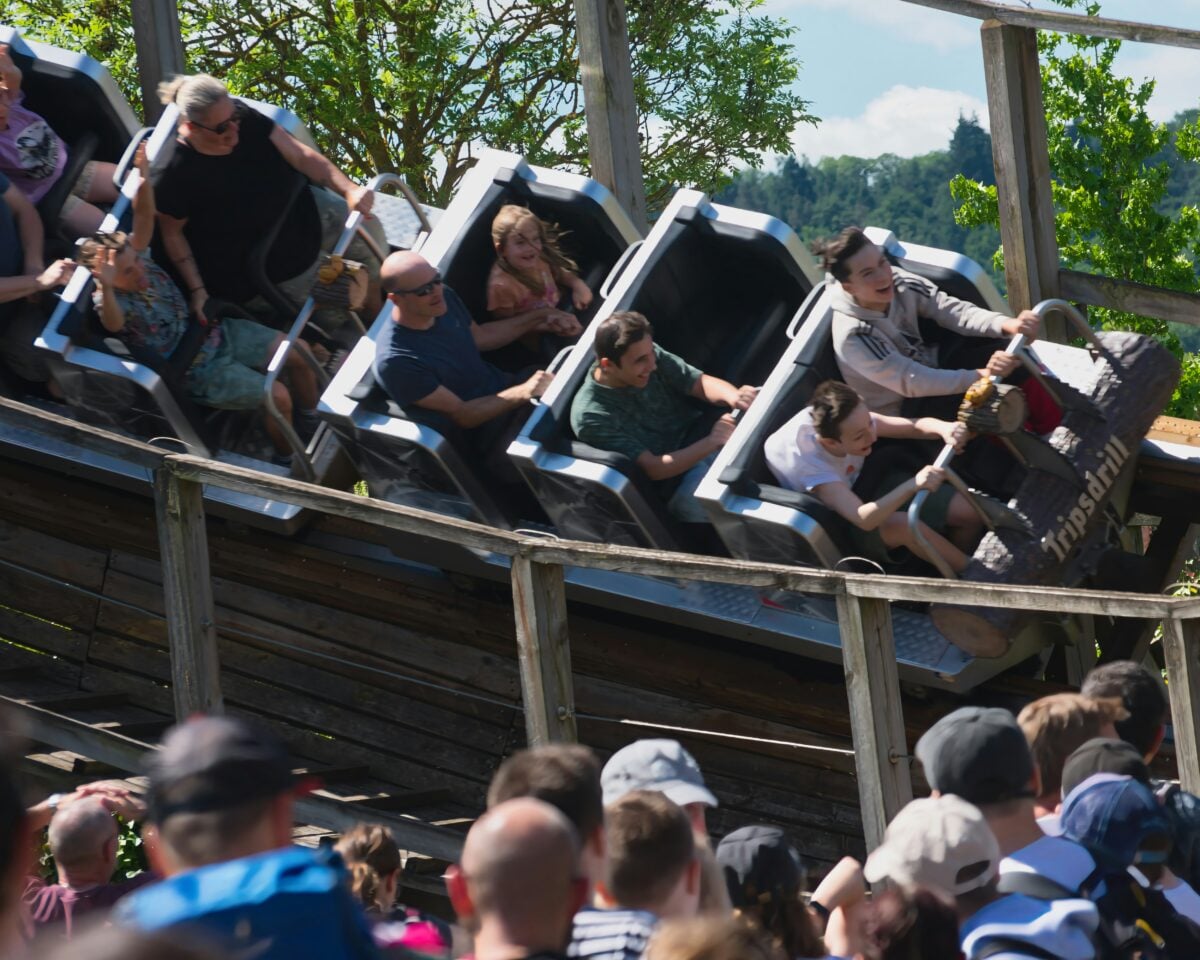
The way old wooden coasters were built resembles shipbuilding more than modern construction — timber chosen for specific grain patterns, joints that relied on compression and weight rather than computer calculations, and (here’s what gets overlooked) a tolerance for imperfection that actually made the ride more interesting. So when you hit a rough patch on the Cyclone, that’s not poor maintenance: that’s the wood settling, expanding, contracting, behaving like the living material it once was.
Modern coasters eliminate variables. Old wooden ones celebrated them.
But here’s the thing about those vintage wooden structures — they required craftsmen who understood wood the way violin makers do, not just engineers who understood forces and loads. And those craftsmen, the ones who could look at a piece of timber and know exactly how it would behave under stress for the next fifty years? Most of them are gone now.
Which means when an old wooden coaster needs major work, it’s often easier to tear it down than find someone who truly knows how to fix it properly.
The Tilt-A-Whirl philosophy
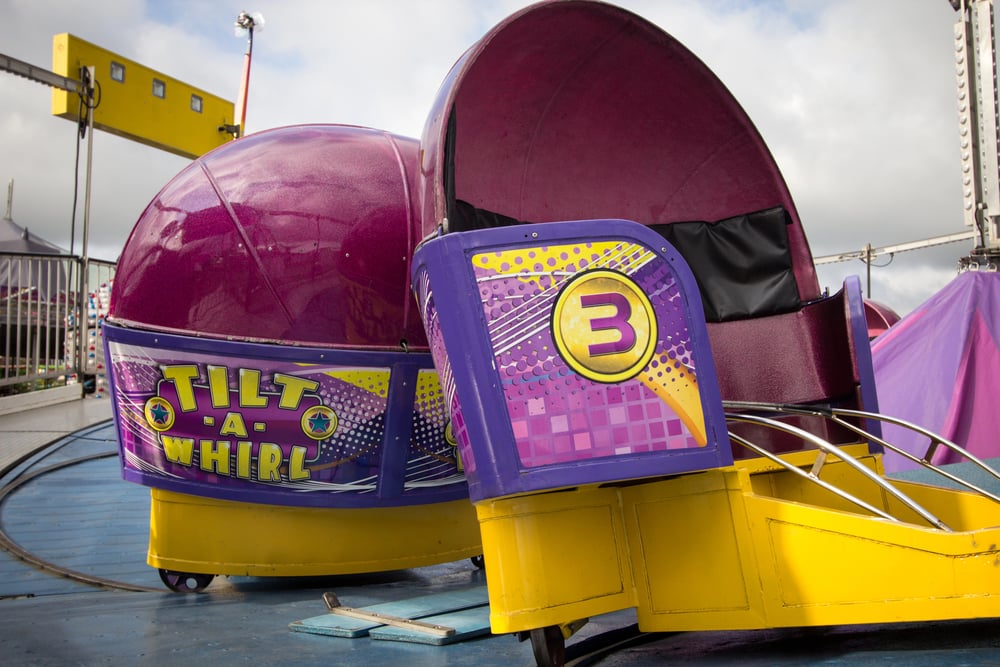
Watching people stumble off a Tilt-A-Whirl tells you everything about the ride’s design philosophy. It wasn’t trying to be the biggest or fastest — it was trying to be unpredictable.
The spinning depended on weight distribution, timing, even how the cars had settled that particular day. No two rides were identical.
The machine had moods. Modern rides eliminate that randomness through precise engineering, but they also eliminate the surprise.
You know exactly what the Millennium Force will do to you. The Tilt-A-Whirl? That thing kept secrets.
Computer-aided precision
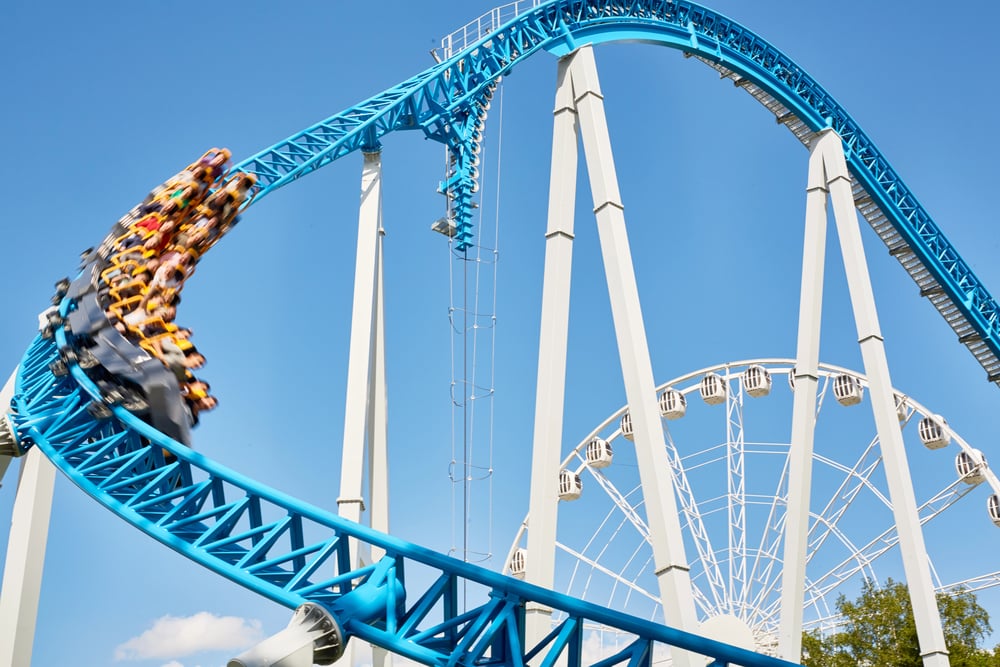
Modern coaster design happens in virtual reality before a single piece of steel gets bent. Engineers run thousands of simulations, adjusting curves down to fractions of degrees, calculating G-forces at every point along the track.
The result? Rides that deliver specific experiences with surgical precision. This represents a fundamental shift in how designers approach thrill rides — not as mechanical adventures but as carefully orchestrated experiences where every sensation has been planned, tested, and optimized.
The spontaneity gets engineered out in favor of reliability.
Safety innovations that changed everything
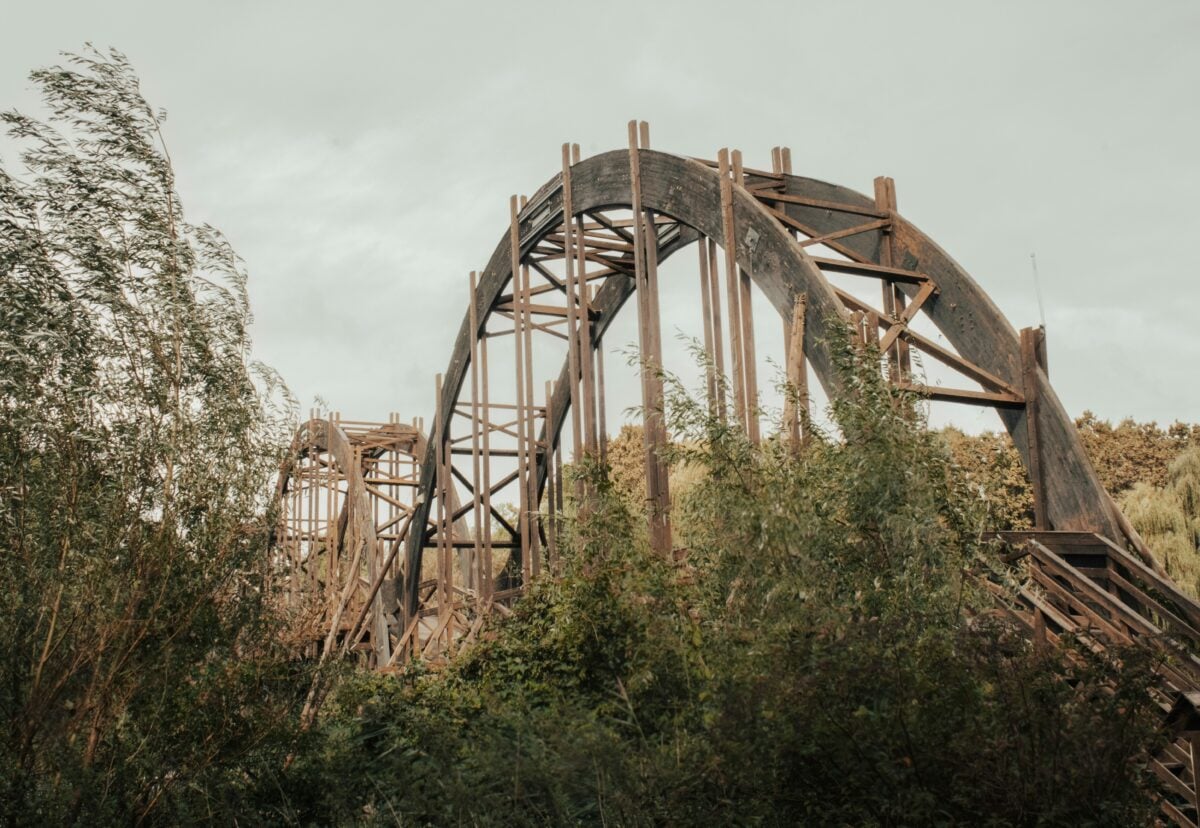
The difference between vintage and modern ride safety resembles the gap between driving a 1950s car and a current one — both will get you where you’re going, but only one has crumple zones, airbags, and computer-controlled braking systems. Modern coasters feature block zones that prevent trains from occupying the same section of track, computer systems that monitor everything from wind speed to individual restraint positions, and backup systems for the backup systems.
Those old wooden coasters relied on operators who knew their ride intimately — when to slow things down, when conditions weren’t quite right, when something sounded different. Technology has replaced that intuition with sensors, but something got lost in translation.
The human element that once made each ride slightly different every time.
Launch technology evolution
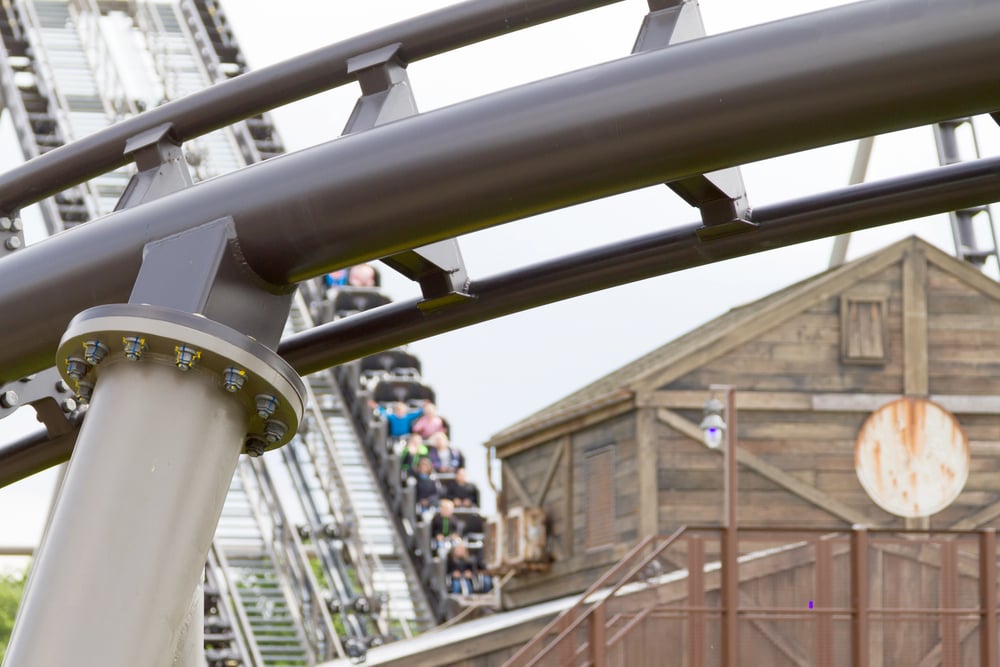
Early rides earned their speed through gravity and momentum — climb the hill, let physics take over. Modern launch systems use magnetic fields, compressed air, or hydraulics to fling trains from zero to highway speeds in seconds.
The technology is undeniably impressive. Yet there’s something to be said for earning your thrill.
Those long, slow climbs up wooden lift hills built anticipation in ways instant launches can’t replicate. You had time to think about what you’d gotten yourself into.
The maintenance equation
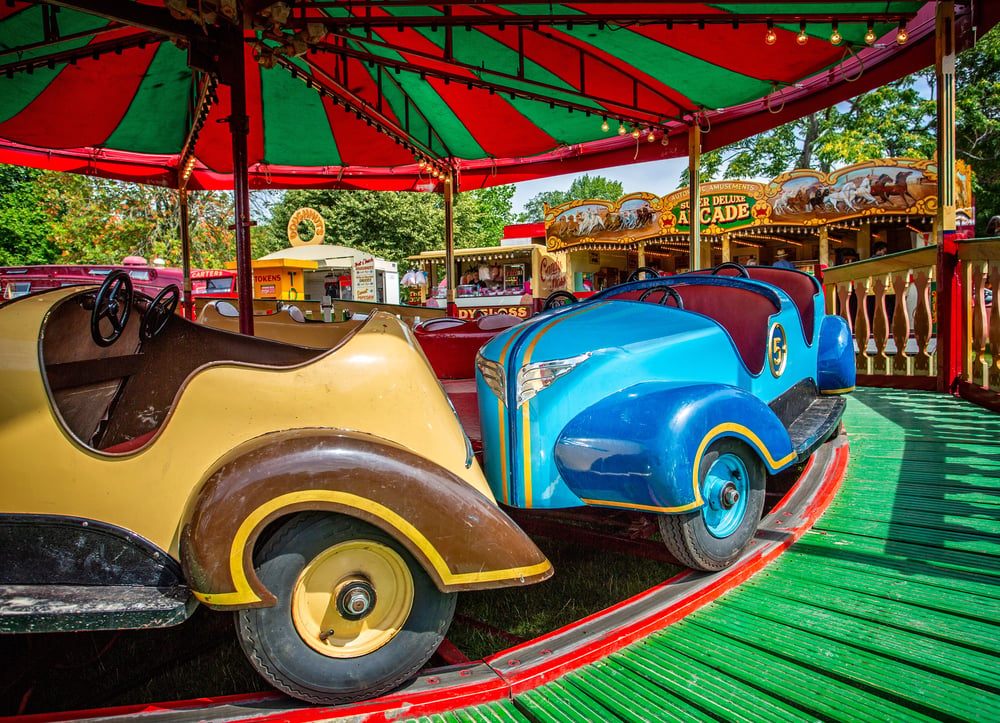
Vintage rides were built to be maintained by mechanics with basic tools and intuitive understanding of how mechanical systems work. A carousel horse came loose? Fix it with wood glue and clamps.
Wooden coaster running rough? Sand down the high spots and add a little grease. Modern attractions require specialized technicians, proprietary software, and sometimes factory-trained specialists just to diagnose problems.
The engineering is more sophisticated, but the maintenance has become exponentially more complex. When a magnetic launch system fails, you can’t fix it with a wrench and common sense.
Theming versus atmosphere
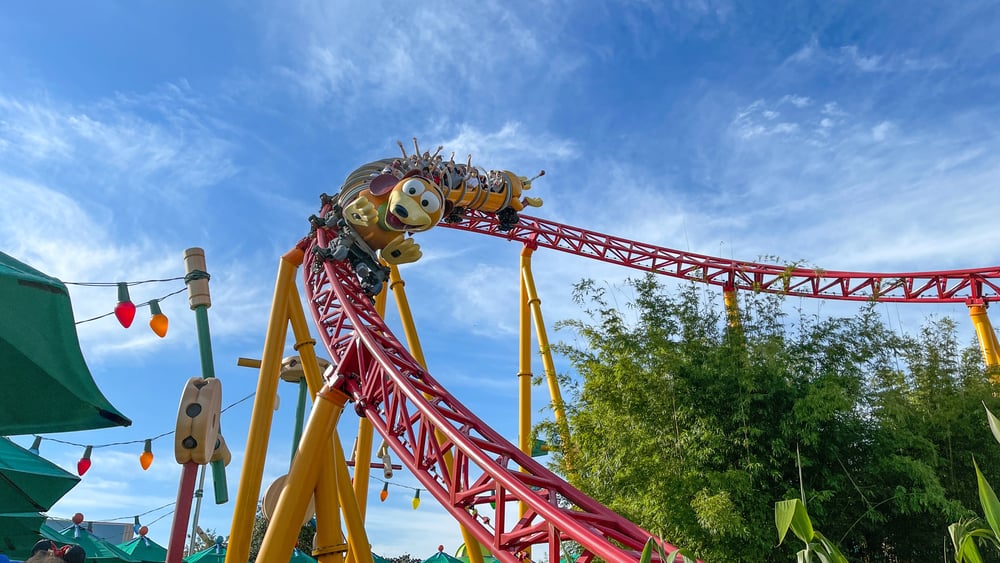
Disney pioneered the concept of total environmental design — every sight line planned, every sound engineered, every detail supporting a specific narrative. Modern theme parks have perfected this approach, creating immersive worlds where the rides serve larger storytelling purposes.
Vintage amusement parks had an atmosphere instead of theming. The difference matters.
The atmosphere happened naturally — paint fading in interesting patterns, mechanical sounds mixing with crowd noise, the accumulated patina of decades of operation. Theming is intentional.
The atmosphere is earned.
Height and speed records
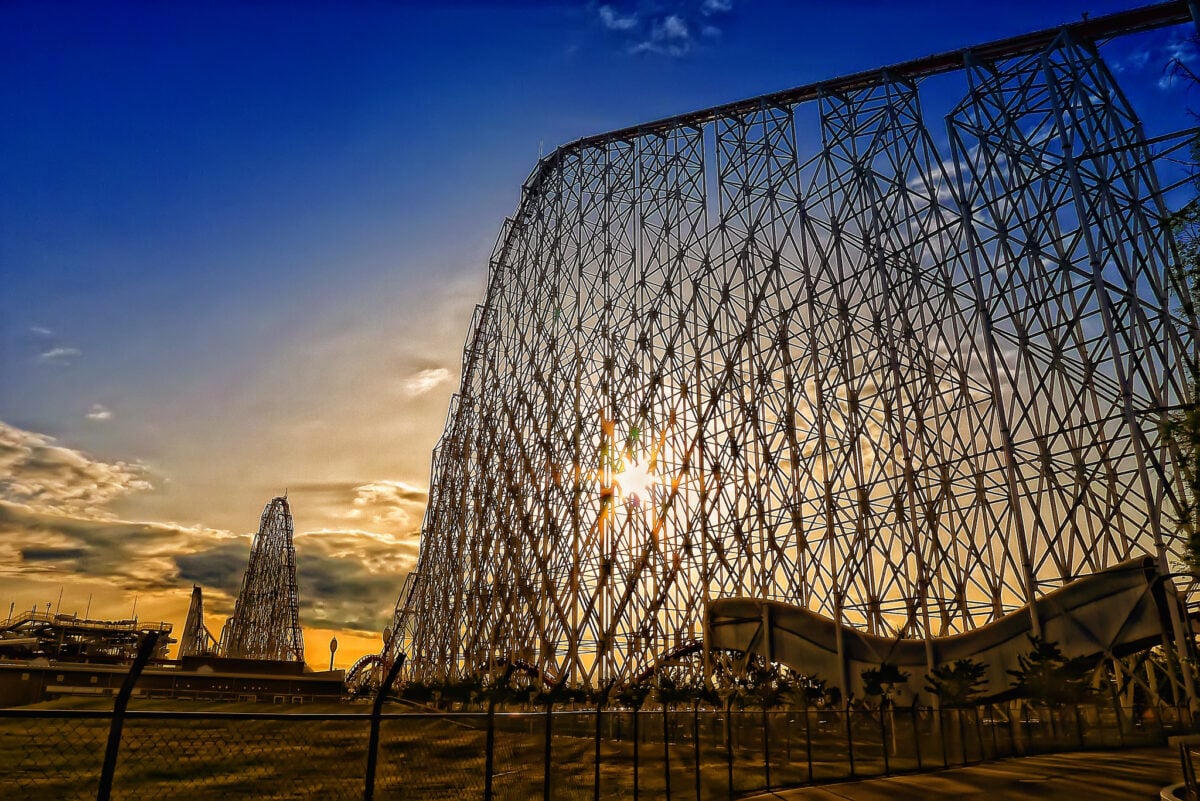
The numbers tell the story clearly enough: modern coasters go higher, faster, and longer than anything built before 1990. Kingda Ka launches riders 456 feet into the air.
Steel Dragon 2000 stretches for more than 8,000 feet. These are engineering achievements that push the boundaries of what’s physically possible.
But vintage rides weren’t trying to win statistical competitions. They were trying to create experiences.
The difference shows in how people talk about them — modern coaster enthusiasts quote statistics, while vintage ride fans tell stories.
Computer simulation versus intuitive design
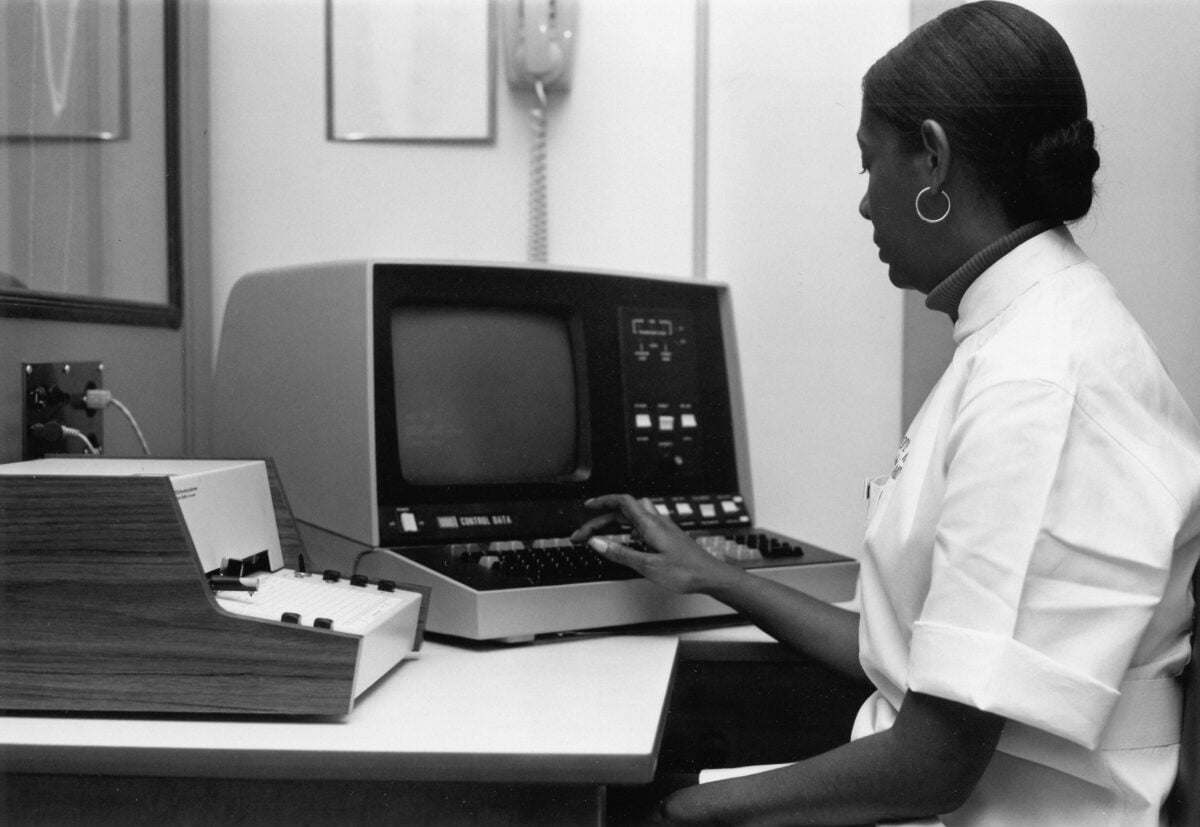
Before computer modeling, ride designers relied on experience, intuition, and educated guessing. They built test models, made adjustments based on how things felt, and accepted that some elements would work better than others.
This process produced rides with quirks and personality. Modern design eliminates guesswork through simulation software that can predict exactly how riders will experience every moment of a coaster.
The precision is remarkable, but it also means fewer happy accidents. Those unexpected moments of airtime or surprising lateral forces that made vintage rides memorable? They’ve been optimized away.
The sound difference

Close your eyes at a vintage amusement park and the soundscape tells its own story — wooden coaster trains rattling over joints in the track, mechanical lift chains clanking, steam organs wheezing out melodies, metal wheels grinding against steel rails. These weren’t sound effects.
They were the natural voices of machines doing their work. Modern rides operate with whisper-quiet precision.
Magnetic launches make barely any sound. Computer-controlled systems hum rather than clank.
Even the music is digitally perfect. The mechanical honesty of vintage rides has been replaced by engineered silence, which is probably better for everyone’s hearing but definitely less atmospheric.
Economic realities
Running vintage rides in today’s environment means dealing with insurance companies, safety inspectors, and maintenance costs that the original builders never anticipated. These rides were designed for a different economic model — lower liability exposure, simpler regulatory requirements, and communities more willing to accept mechanical risks in exchange for mechanical thrills.
Modern attractions cost tens of millions to build but they’re designed for current legal and economic realities. The liability alone would shut down most vintage rides if they were proposed today.
So the ones that survive do so partly through grandfather clauses and partly through communities that value their history enough to work around modern restrictions.
Material science advances

Steel manufacturing has improved dramatically since the first roller coasters. Modern track can be bent into shapes that would have been impossible with earlier metallurgy.
Computer-controlled manufacturing ensures tolerances measured in fractions of inches. The materials themselves are stronger, lighter, and more durable than anything available to vintage ride builders.
But vintage rides were built with materials that aged gracefully. Wood develops character over time.
Cast iron can be repaired indefinitely. Modern materials are superior in almost every measurable way, yet they lack the ability to develop patina, to become more interesting with age rather than simply wearing out.
What endures
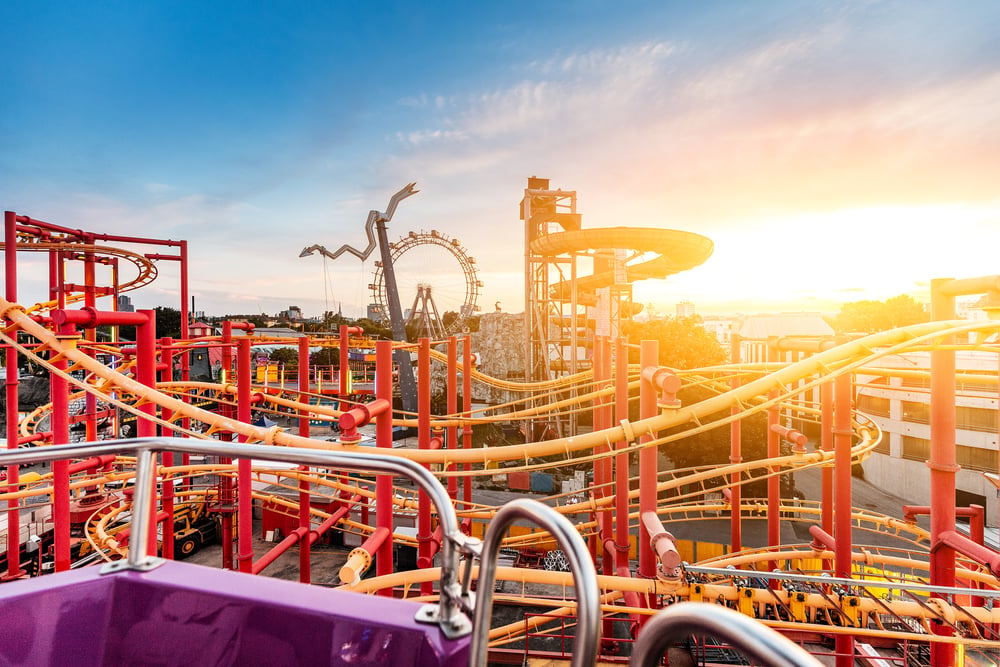
The rides that survive from amusement parks’ golden age share certain qualities that transcend their technology. They were built by people who understood that mechanical precision matters less than emotional impact.
They prioritized experience over statistics. They accepted imperfection as part of their charm.
Modern coaster technology represents genuine progress — safer, faster, more comfortable, more reliable. But progress always involves trade-offs. In perfecting the machinery, something indefinable about the soul of these experiences has been optimized away.
The question isn’t whether new rides are better — by most measures, they clearly are. The question is what we’ve given up in exchange for that improvement, and whether the trade was entirely worth it.
More from Go2Tutors!

- The Romanov Crown Jewels and Their Tragic Fate
- 13 Historical Mysteries That Science Still Can’t Solve
- Famous Hoaxes That Fooled the World for Years
- 15 Child Stars with Tragic Adult Lives
- 16 Famous Jewelry Pieces in History
Like Go2Tutors’s content? Follow us on MSN.