Furniture Trends from the 70s We Regret
The 1970s brought us some incredible things. Music, fashion, and social movements shaped a generation.
But when it comes to furniture, that decade left behind a trail of design choices that make even the most adventurous decorators wince today. Walking through vintage shops or flipping through old catalogs reveals a world where comfort took a backseat to experimentation, and not all experiments aged well.
Shag Carpeting That Swallowed Everything

Thick, deep-pile carpeting defined 70s floors. Some people installed shag so dense you could lose small pets in it.
The stuff looked cozy in theory, but living with it meant constant battles with vacuum cleaners that gave up halfway through. Food dropped into shag carpet vanished forever.
Cleaning spills required professional-grade equipment or just moving furniture over the stain and hoping everyone forgot about it.
The worst part? Those carpets collected dust, allergens, and mystery debris like nothing else.
Parents spent hours combing through the fibers looking for lost toys, keys, and loose change. And the colors—burnt orange, harvest gold, avocado green—made every room feel like the inside of a Jack-o’-lantern.
Conversation Pits That Trapped Guests

Someone decided floors needed to be several levels in one room. Conversation pits sounded fancy and modern.
You descended stairs into a sunken seating area, usually centered around a fireplace or coffee table. The concept promised intimate gatherings and sophisticated entertaining.
Reality delivered something different. Guests stumbled down the steps in the dark.
Getting out of those deep couches required youth and agility most party attendees lacked after a few drinks. Wheelchair accessibility didn’t exist.
Spilled drinks ran downhill into the seating area. And remodeling one out of your house later?
That cost more than most cars.
Macramé Everything

Plant hangers, wall hangings, room dividers, chair backs—everything got the macramé treatment. Knots and knots and more knots created textured pieces that gathered dust like magnets.
Those plant hangers seemed brilliant until the weight of a watered plant pulled the entire installation out of the ceiling at 3 a.m.
Cleaning macramé meant spraying it down outside or just throwing it away. The intricate knotwork held onto cooking smells, pet dander, and cig smoke.
After a few years, every piece looked dingy and gray no matter what color it started as.
Harvest Gold Appliances

Refrigerators, stoves, dishwashers—manufacturers offered them all in harvest gold. That particular shade of yellow-brown promised to warm up kitchens and coordinate with earth-tone decor.
Instead, it made everything look dirty from day one.
Those appliances lasted forever, which became the problem. Homeowners couldn’t justify replacing perfectly functional refrigerators just because the color made their eyes hurt.
Real estate agents begged sellers to update kitchens before listing. Some families lived with harvest gold into the 2000s, explaining to confused children that yes, refrigerators used to come in colors besides white and stainless steel.
Popcorn Ceilings

Spray-on texture covered ceilings throughout the decade. The bumpy, cottage cheese-like finish hid imperfections and provided some acoustic dampening.
It also created maintenance nightmares that lasted generations.
Painting popcorn ceilings required patience most people didn’t have. Water damage showed up immediately and couldn’t be hidden.
Removing the texture meant scraping for hours while breathing in dust and debris. And those installed before the mid-80s often contained asbestos, turning a simple home improvement project into a hazmat situation requiring professional abatement.
Vinyl Furniture in Wild Patterns

Chrome frames paired with vinyl cushions in florals, geometrics, and abstract prints. These pieces looked like they belonged in a spaceship or a disco.
The vinyl stuck to the skin in summer and cracked in winter. Sitting on vinyl furniture meant your legs made embarrassing sounds every time you shifted position.
Pattern mixing reached absurd levels. One chair might feature orange flowers, another geometric zigzags, and the couch could sport an abstract sunset.
The combined effect assaulted the eyes. And that vinyl?
It peeled, cracked, and degraded faster than fabric, leaving flaking debris on clothing and floors.
Sunken Living Rooms

Similar to conversation pits but encompassing entire living spaces, sunken rooms dropped the floor down a few steps from the rest of the house. Designers claimed this created defined spaces and added visual interest.
Homeowners discovered it created twisted ankles and arguments about whether guests should remove their shoes before stepping down.
The psychological effect bothered some people. Sitting lower than the kitchen or dining room made the living room feel like a basement even when it wasn’t.
And those steps became hazards for children, elderly visitors, and anyone carrying a tray of drinks.
Rattan and Wicker Everything

Natural materials took over interiors. Rattan headboards, wicker chairs, bamboo side tables—if it came from a plant and could be woven, someone made furniture from it.
The aesthetic worked in tropical climates or beach houses. In suburban America, it looked out of place and broke constantly.
Wicker chairs sagged and split under weight. The weave loosened over time, creating gaps that pinched skin.
Cushions slid around on the smooth surface. And try moving wicker furniture without breaking pieces off.
Those delicate strands snapped if you looked at them wrong.
Wall Units That Ate Rooms
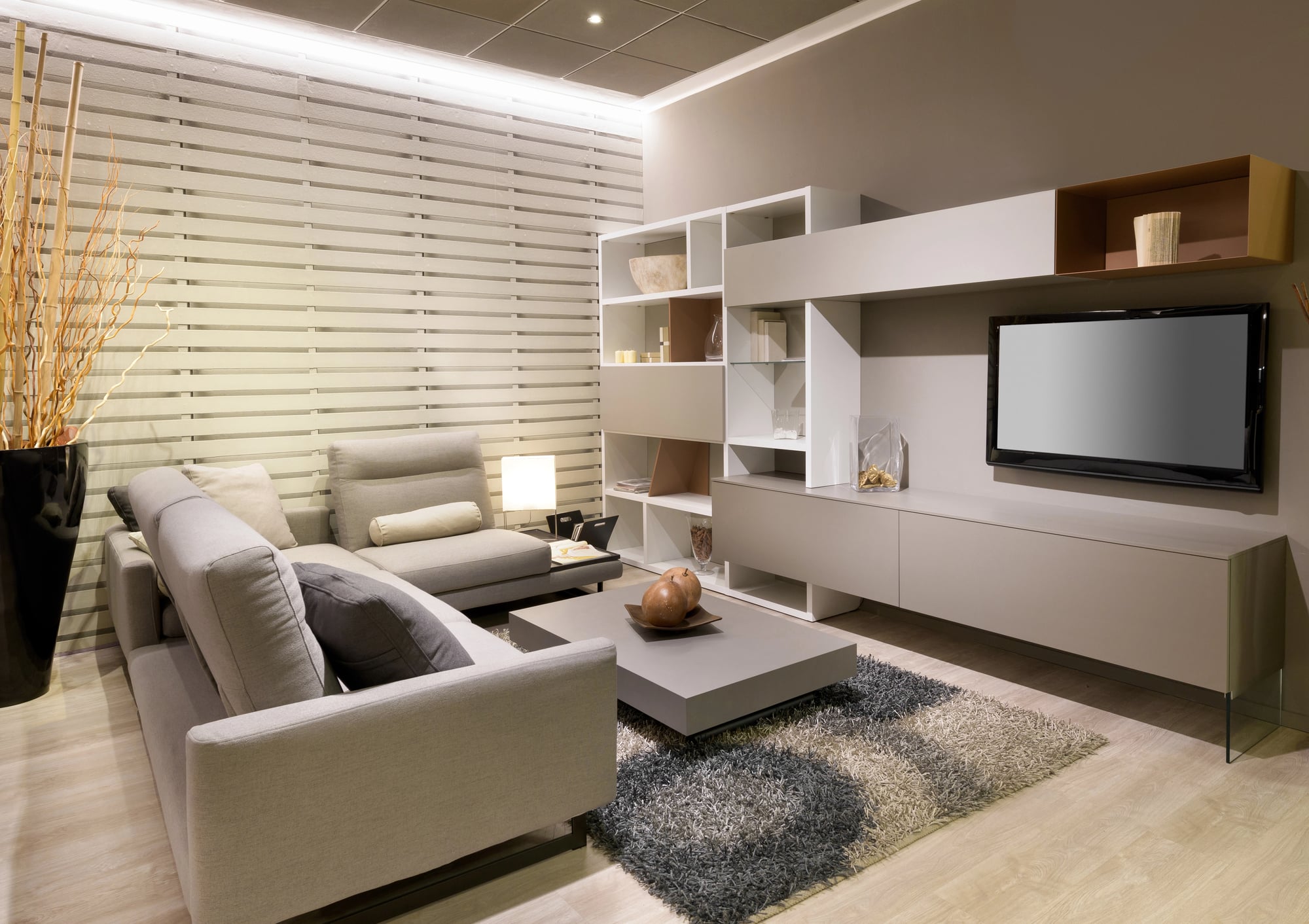
Floor-to-ceiling entertainment centers dominated living rooms. These massive pieces of furniture combined shelving, cabinets, and a space for the television into one hulking unit.
They promised organization and style. They delivered dark, cramped rooms.
The units blocked windows and made small spaces feel smaller. You couldn’t rearrange furniture without dismantling the entire wall unit.
And when entertainment technology changed from tube TVs to flat screens, those carefully measured TV cubicles became useless.
Removing a wall unit left behind openings in walls and floors where installers had anchored the beast to prevent it from tipping over.
Beaded Curtains in Doorways
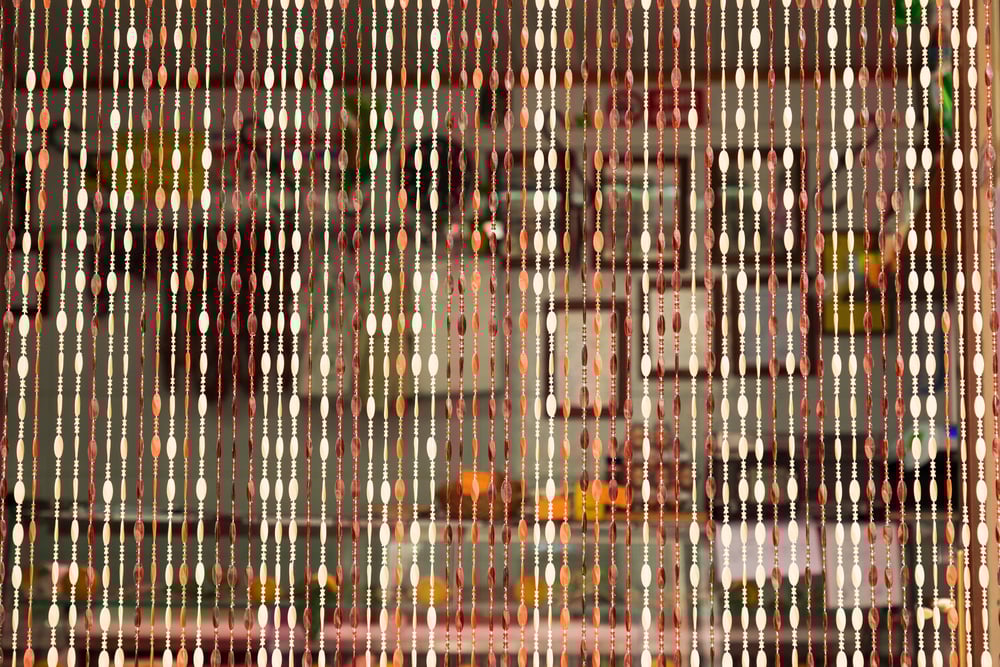
Instead of doors, homes featured strings of beads hanging in doorways. The gentle clicking sound supposedly added ambiance.
The reality involved beads constantly tangling, breaking, and scattering across floors to become tiny weapons for bare feet.
Privacy didn’t exist with beaded curtains. Sound traveled through them unimpeded.
Pets destroyed them in minutes. The strings stretched over time, leaving gaps at the top or bunching at the bottom.
And cleaning them? You either took them down and dunked them in soapy water or just accepted they’d stay dusty forever.
Avocado Green Everything
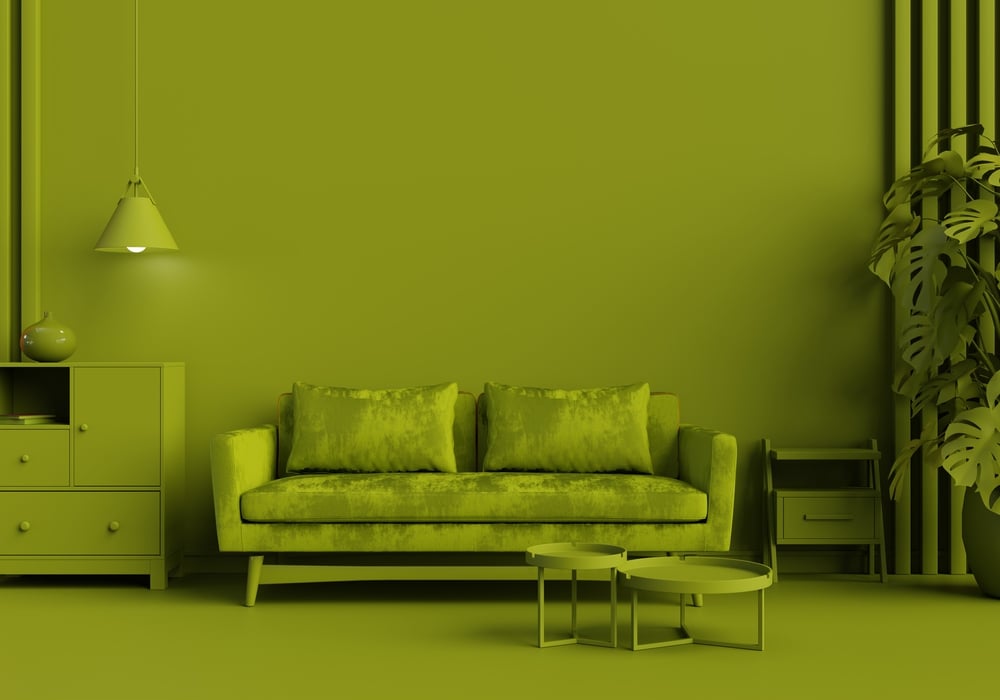
Toilets, bathtubs, countertops, appliances—avocado green infected every room. This particular shade of green supposedly brought nature indoors and promoted calm.
Instead, it made bathrooms and kitchens look like they belonged in a hospital.
That color showed every water spot, every fingerprint, every spec of dust. Trying to find replacement parts in avocado green decades later proved impossible.
Homeowners either lived with mismatched fixtures or gutted entire bathrooms to eliminate the green.
Platform Beds with Built-In Everything
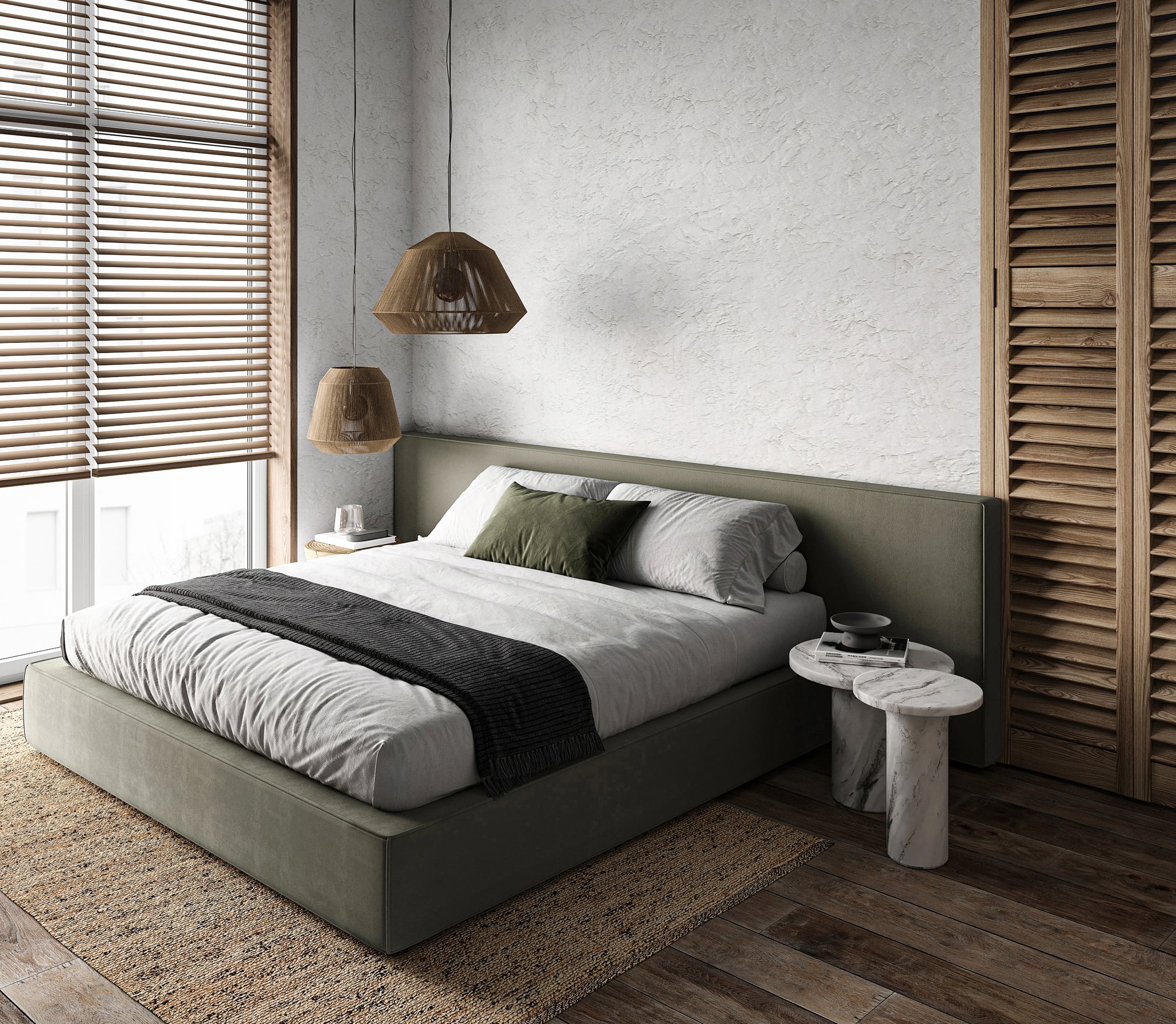
Low beds sat directly on platforms that extended out from the mattress. These platforms held nightstands, shelves, and sometimes even speakers.
The whole unit weighed hundreds of pounds and couldn’t be moved without power tools and extra hands.
The built-in nightstands never sat at the right height. The shelves collected dust in unreachable corners.
And the platforms made changing sheets an Olympic event. You couldn’t slide anything under the bed for storage because the platform covered the entire floor space.
When tastes changed, you couldn’t just swap the bed frame. You hauled the whole platform out and patched the carpet where it left indentations.
Lucite and Acrylic Furniture

Clear plastic furniture promised a modern, space-age aesthetic. Acrylic chairs, lucite tables, and transparent shelving made rooms feel open and airy—until they got dirty.
Every fingerprint showed. Every scratch became permanent.
And the stuff yellowed over time, turning from clear to a dingy amber shade. Sitting on acrylic furniture in shorts meant sticking to the surface.
The material felt cold in winter and collected static electricity year-round. And despite being plastic, it broke easily.
Drop something on a lucite table and watch cracks spread across the surface.
Wood Paneling on Every Wall

Fake wood started showing up everywhere, once real panels became too pricey. Thin layers of squashed fibers carried fake grain patterns, stuck onto walls below ground level, in lounges, even where people slept.
Brown tones soaked the spaces, turning them into dim pits.
Humid air made the panels twist out of shape. Over months, gaps appeared where the pieces met.
Taking them down showed damaged walls waiting behind. Without deep scraping and a base coat, paint would peel right off.
Most chose to install new wallboards instead of pulling the old stuff out.
When Nostalgia Meets Reality
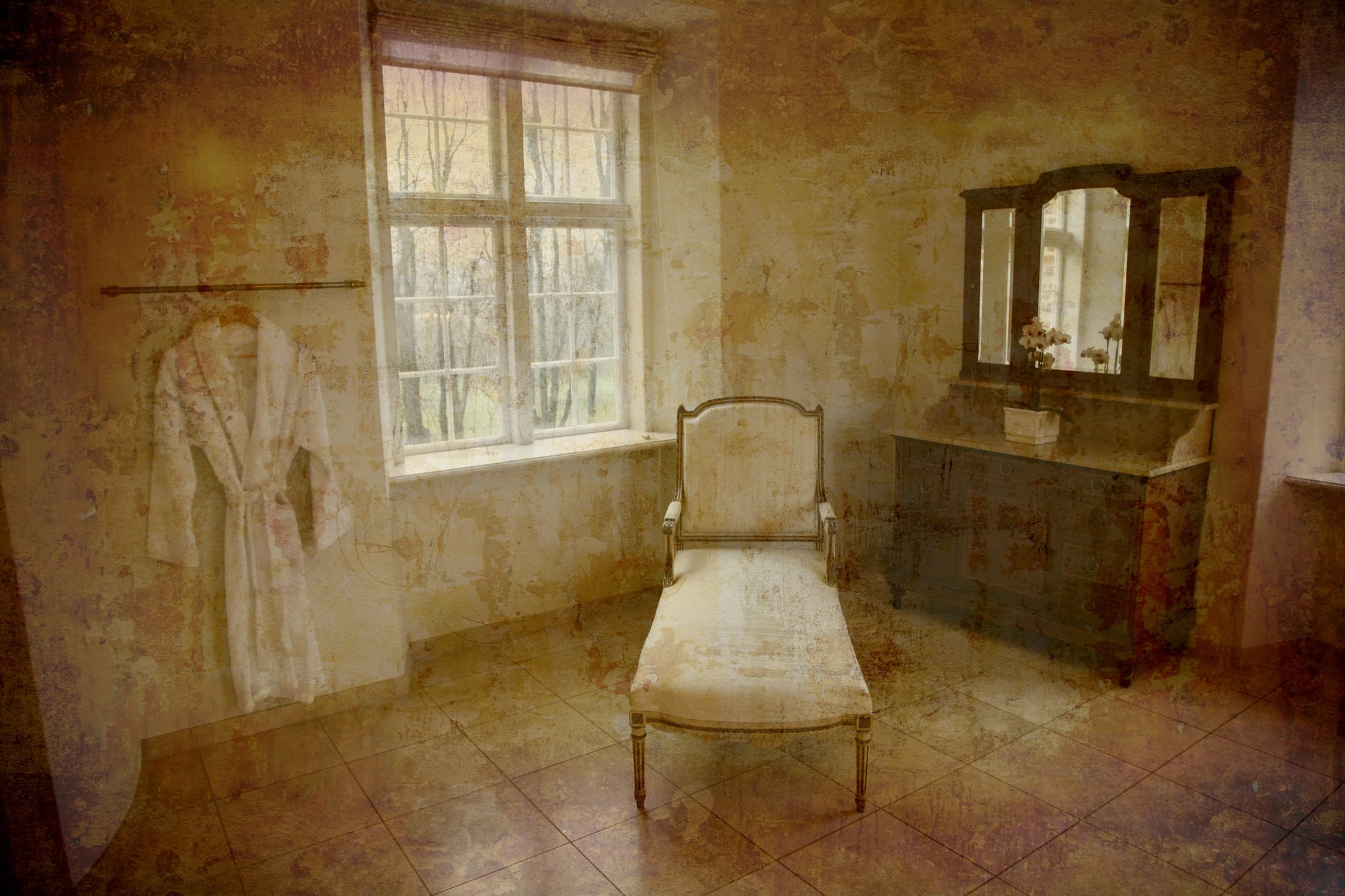
What stands out now wasn’t lack of comfort but desire to break patterns. That era leaned into risk more than rules.
Sitting sunken in a pit meant being part of the talk, not just near it. Beds built low changed how rooms felt – closer to ground, farther from formality.
Choices made sense then even if they seem strange today. Testing limits often looks odd later.
Still, someone has to try first. Still, sticking with those picks revealed truths over time.
Each fad does not earn a comeback. The old might be better left alone, held in snapshots and recollection instead of remade beneath today’s ceilings.
Admire the boldness of 70s furnishings if you like, yet see how shag
rugs fit only on pages, never on floors now.
More from Go2Tutors!

- The Romanov Crown Jewels and Their Tragic Fate
- 13 Historical Mysteries That Science Still Can’t Solve
- Famous Hoaxes That Fooled the World for Years
- 15 Child Stars with Tragic Adult Lives
- 16 Famous Jewelry Pieces in History
Like Go2Tutors’s content? Follow us on MSN.