13 Movie Scenes from the ’80s and ’90s That Became Instantly Iconic
The ’80s and ’90s gave us some of cinema’s most unforgettable moments – scenes that transcended their films to become part of our cultural language. These sequences didn’t just impress audiences; they fundamentally changed how we talk, think, and create movies going forward.
Here is a list of 13 movie scenes from this golden era that became instantly iconic. From thrilling action sequences to heartfelt exchanges, these moments continue to influence filmmaking and pop culture decades later.
Jack and Rose on the Titanic Bow

James Cameron transformed a simple moment on the deck of the doomed ship into an image recognized worldwide. The “king of the world” pose with arms outstretched became so embedded in popular culture that it spawned countless parodies and recreations.
Cameron actually filmed this scene during the last sunset of the production schedule – talk about pressure to get it right.
The Bullet Time Sequence in The Matrix

When Neo dodged bullets in slow motion while the camera swirled around him, cinema changed forever. The Wachowskis used over a hundred cameras arranged in a circle to create this mind-bending visual effect that perfectly embodied the film’s reality-questioning themes.
Every action movie that followed attempted to replicate this revolutionary sequence with varying degrees of success.
Like Go2Tutors’s content? Follow us on MSN.
Indiana Jones Outrunning the Boulder

The opening sequence of Raiders of the Lost Ark established Indiana Jones as an action hero unlike any other. This perfectly choreographed chase through a booby-trapped temple culminated with Indy desperately fleeing a massive rolling boulder.
Spielberg created this scene as an homage to old adventure serials but ended up defining adventure cinema for decades to come.
The Silence of the Lambs’ Interview Scene

Few cinematic exchanges are as chilling as Clarice Starling’s first meeting with Hannibal Lecter. Jonathan Demme’s decision to have both characters address the camera directly pulled viewers uncomfortably into their psychological tug-of-war.
Hopkins later revealed he deliberately blinked as little as possible during filming to create Lecter’s reptilian, predatory stare that haunted audiences.
The Training Montage in Rocky

Sylvester Stallone running up the Philadelphia Museum of Art steps became the blueprint for every training sequence that followed. Set to the now-legendary “Gonna Fly Now,” this scene transcended cinema to become a real-world tourist attraction and universal shorthand for overcoming obstacles.
Tourists still recreate this iconic run daily, arms raised in triumph at the top.
Like Go2Tutors’s content? Follow us on MSN.
The Chest-Burster Scene in Alien

When an alien creature erupted from Kane’s chest during a casual meal, cinema’s most shocking dinner scene was born. Ridley Scott famously kept details from the actors to capture genuine reactions of horror – particularly from Veronica Cartwright, whose visible shock wasn’t entirely acting.
This moment redefined body horror and raised the bar for practical effects in science fiction.
The Dancing Baby in Ally McBeal

The unsettling CGI baby dancing to “Hooked on a Feeling” became an early internet phenomenon before viral videos were even a concept. This bizarre hallucination sequence representing Ally’s biological clock anxieties crossed over from television to become one of the first widely shared digital media clips.
Despite its primitive animation by today’s standards, the dancing baby remains instantly recognizable.
The Twist Contest in Pulp Fiction
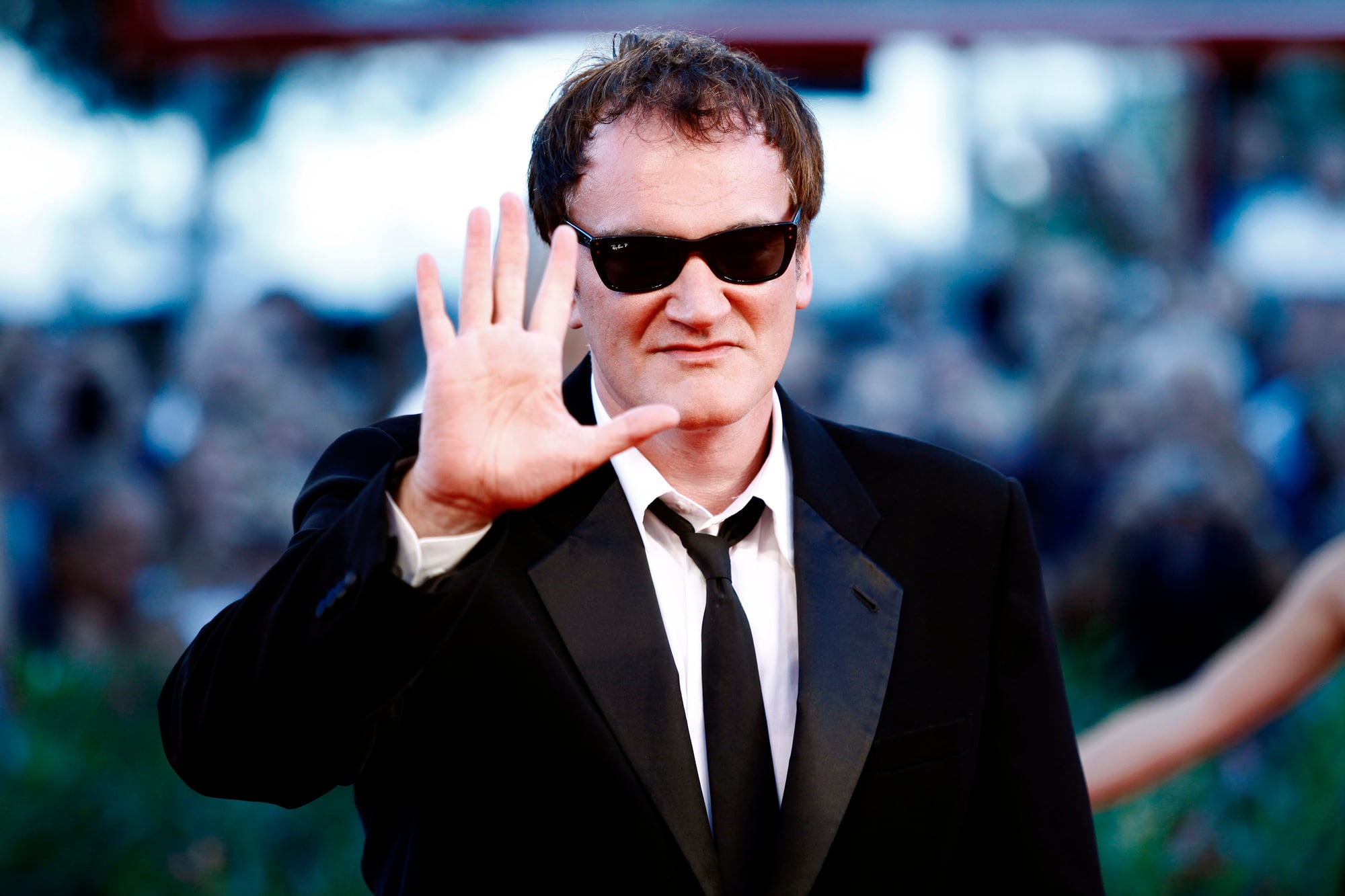
Quentin Tarantino revitalized John Travolta’s career with a simple dance sequence at Jack Rabbit Slim’s. The chemistry between Travolta and Uma Thurman as they performed the twist created an effortlessly cool moment that exemplified the film’s blend of nostalgia and modern sensibilities.
Tarantino shot this scene in just a few takes, with the third being the version used in the film.
Like Go2Tutors’s content? Follow us on MSN.
The Pottery Scene in Ghost
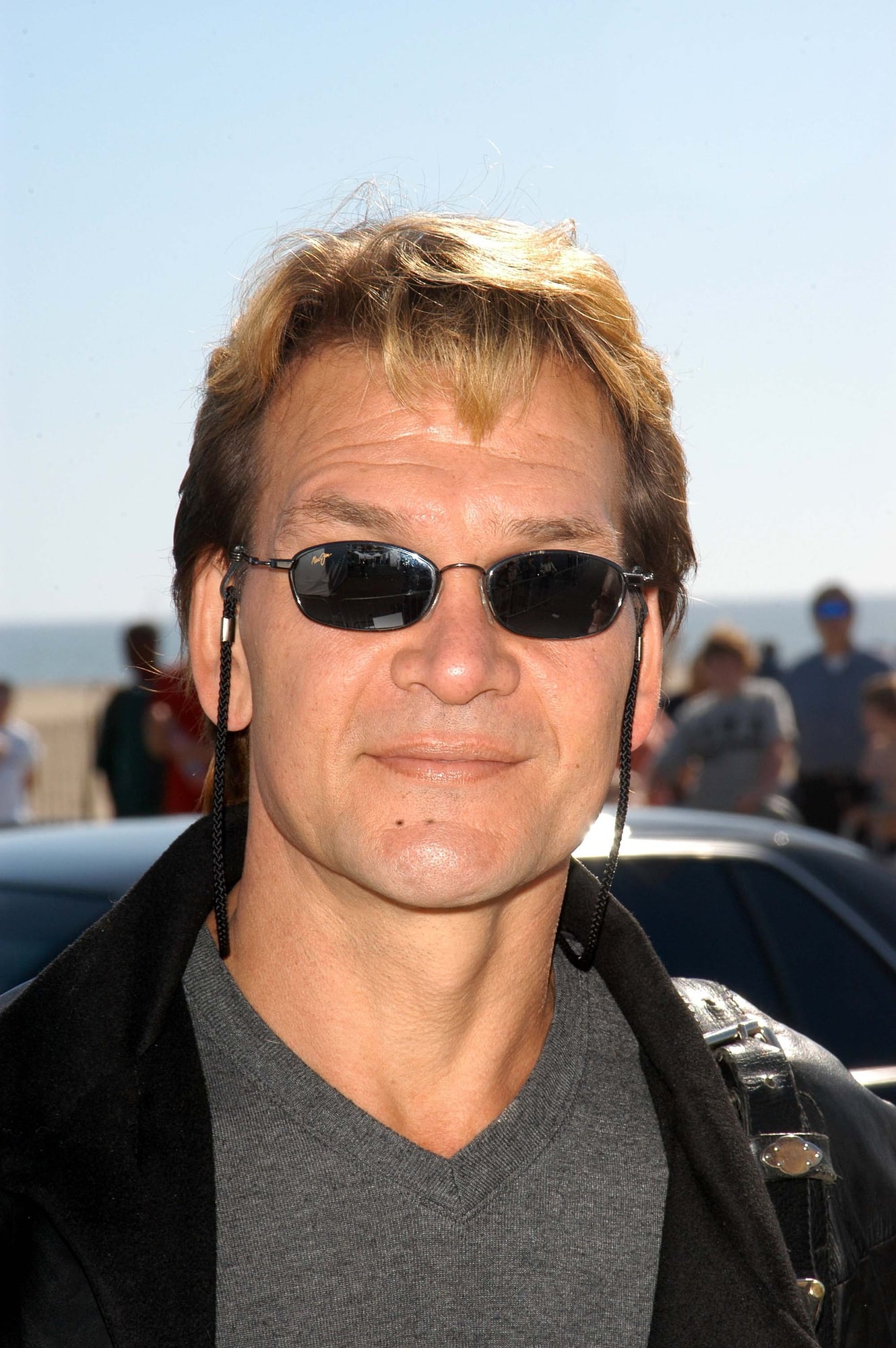
Patrick Swayze embracing Demi Moore from behind while shaping clay created one of cinema’s most parodied romantic moments. Set to the Righteous Brothers’ “Unchained Melody,” this scene blended sensuality with supernatural elements in a way that resonated deeply with audiences.
The sequence was filmed over the course of two sweaty days with multiple clay-covered costume changes.
The Cliff Jump in Thelma & Louise

When Thelma and Louise chose freedom over capture by driving off the Grand Canyon’s edge, cinema gained an enduring symbol of defiance. Ridley Scott’s decision to freeze on their car mid-air created a powerful final image representing their refusal to surrender their newfound independence.
The actual filming location was Dead Horse Point in Utah, not the Grand Canyon as commonly believed.
The First T-Rex Attack in Jurassic Park

Spielberg masterfully built tension with rippling water glasses before unleashing a terrifyingly realistic T-Rex on audiences. This sequence combined groundbreaking CGI with practical effects to create what many consider the most convincing dinosaur ever put on film.
The T-Rex animatronic occasionally malfunctioned due to rain, forcing the crew to continuously dry it between takes.
Like Go2Tutors’s content? Follow us on MSN.
The White House Explosion in Independence Day

Roland Emmerich destroyed the ultimate American symbol in spectacular fashion, creating the disaster movie money shot to end all money shots. This pre-attack demolition of the White House became the film’s defining image and set a new standard for realistic destruction in cinema.
The explosion was created using a highly detailed miniature that cost over a hundred thousand dollars to build.
The Red Pill/Blue Pill Choice in The Matrix

Neo’s choice between harsh reality and blissful ignorance became an enduring metaphor that transcended the film itself. This seemingly simple dialogue scene between Morpheus and Neo established the philosophical core of the entire franchise while providing audiences with a powerful visual metaphor.
The phrase “taking the red pill” has since entered common language as shorthand for accepting difficult truths.
Beyond the Silver Screen
These scenes didn’t just entertain us momentarily – they became cultural touchstones that continue to resonate decades later. What makes them truly special is how they transcended their medium to influence everything from fashion and music to technology and everyday conversation.
Their power lies not just in their visual impact but in how they captured something fundamental about human experience, packaged in moments of cinematic perfection that still feel fresh today.
More from Go2Tutors!

- 18 Unexpectedly Valuable Collectibles You Might Have Lying Around
- 20 Little-Known Historical Battles That Had Huge Consequences
- 20 Historical Artifacts That Scientists Can’t Explain
- 15 Inventions That Were Immediately Banned After Being Created
- 20 Actors Who Were Almost Cast in Iconic Roles
Like Go2Tutors’s content? Follow us on MSN.