15 Surprising Christmas Traditions from Around the World
Christmas looks different depending on where you celebrate it. While many people associate the holiday with Santa Claus, decorated trees, and gift exchanges, cultures around the world have developed their own unique ways to mark December 25th.
Some traditions involve food that would seem strange on an American Christmas table, while others feature characters and customs that would puzzle anyone unfamiliar with the local culture. These practices have been passed down through generations, blending religious observance with regional folklore and family customs that make each country’s celebration distinct.
The world celebrates Christmas in ways that might surprise anyone who has only experienced the holiday in one place. Here are some traditions that show just how different the same holiday can look.
Japan eats KFC for Christmas dinner

Millions of Japanese families order fried chicken from Kentucky Fried Chicken on Christmas Eve, treating it as a special holiday meal. This tradition started in the 1970s when KFC launched a marketing campaign called ‘Kentucky for Christmas’ that became wildly successful.
People now place their orders weeks in advance because demand is so high. The meal comes in special holiday packaging and costs more than regular KFC, but families happily pay the premium for what has become their version of Christmas dinner.
Catalonia has a pooping log

In the Catalonia region of Spain, families keep a small log called Tió de Nadal in their homes starting in early December. Children feed the log small treats and cover it with a blanket to keep it warm.
On Christmas Eve or Christmas Day, kids beat the log with sticks while singing traditional songs that encourage it to poop out presents. Small gifts, candies, and treats appear from under the blanket, supposedly pooped out by the log.
The tradition is quirky but beloved by Catalan children who look forward to it every year.
Venezuela roller skates to church
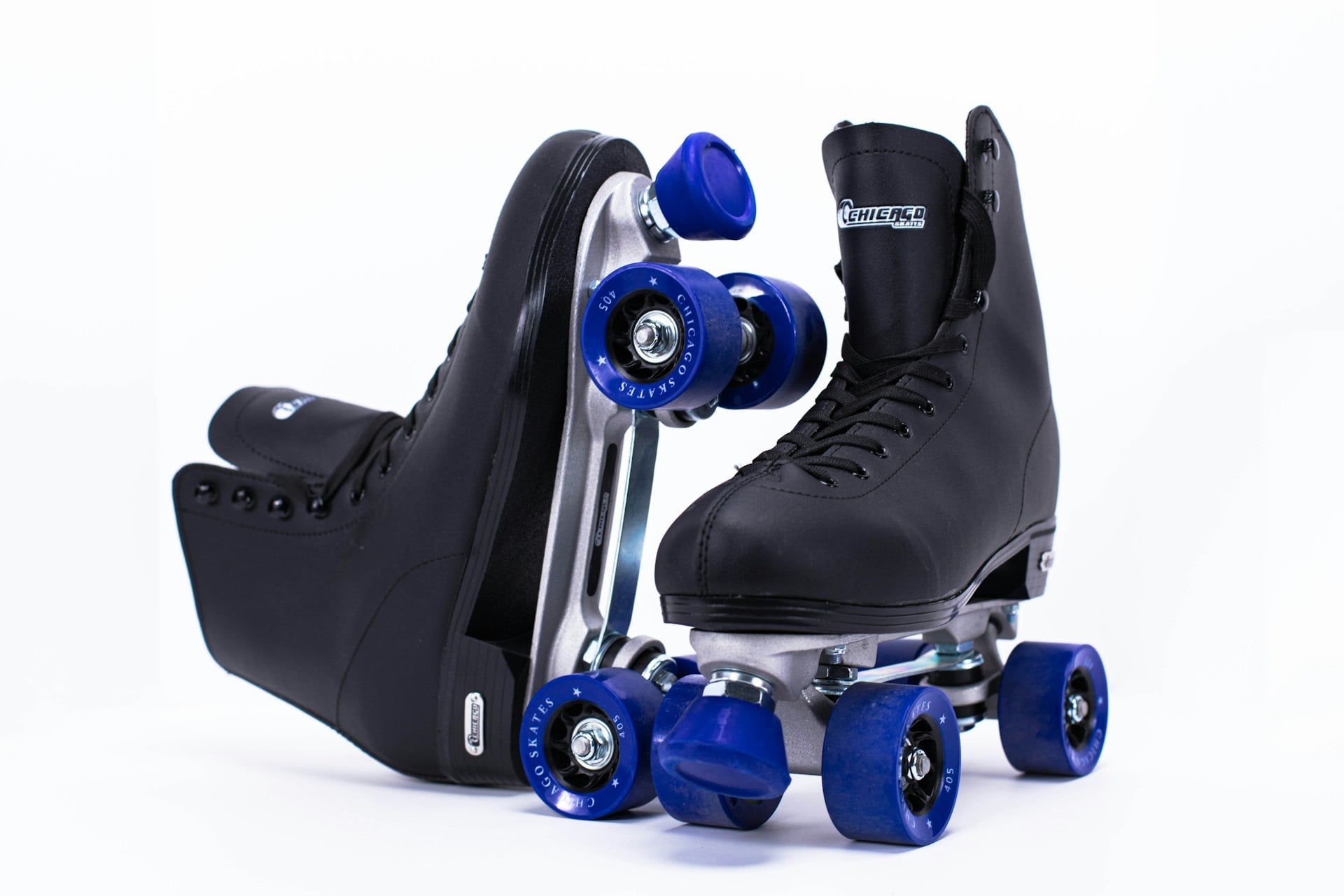
In Caracas, Venezuela’s capital city, people roller skate to early morning Christmas church services. The tradition is so popular that streets get closed to traffic so people can safely skate to church.
After the service, everyone skates home for a big family breakfast. Some people say the tradition started as a creative alternative to snow sledding, which is impossible in Venezuela’s warm climate.
Children go to bed with one end of a string tied to their toe and the other end hanging out the window, so skating friends can tug it as they pass by in the morning.
Ukraine decorates with spider webs
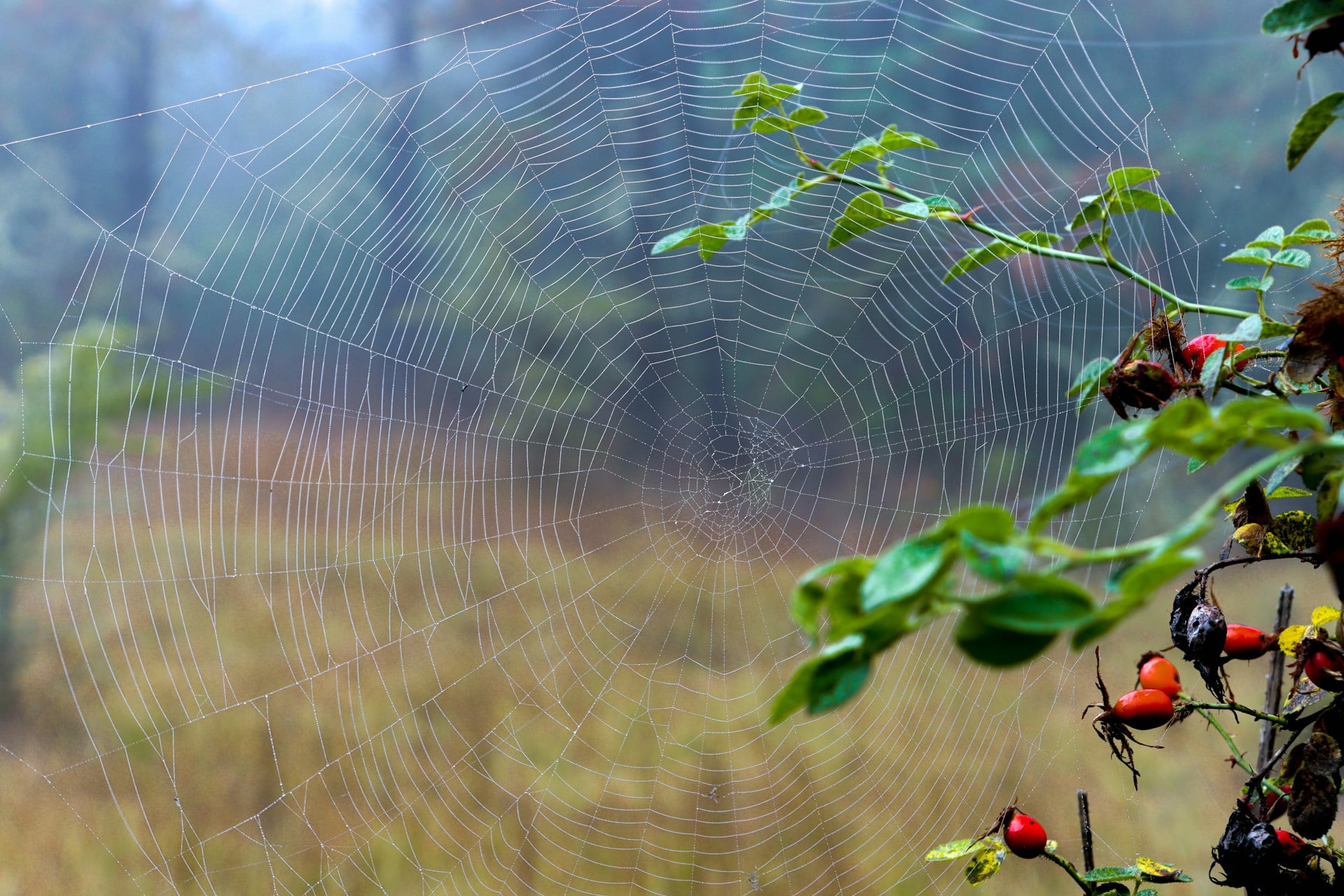
Ukrainian Christmas trees often feature spider web decorations made from silver and gold tinsel. The tradition comes from a folk tale about a poor widow who couldn’t afford tree decorations.
Spiders in her home spun beautiful webs on the tree overnight, and the webs turned to silver and gold in the morning light. Ukrainians believe finding a spider web on Christmas morning brings good luck.
The decorations represent hope and the idea that good fortune can come from unexpected places.
Norway hides their brooms
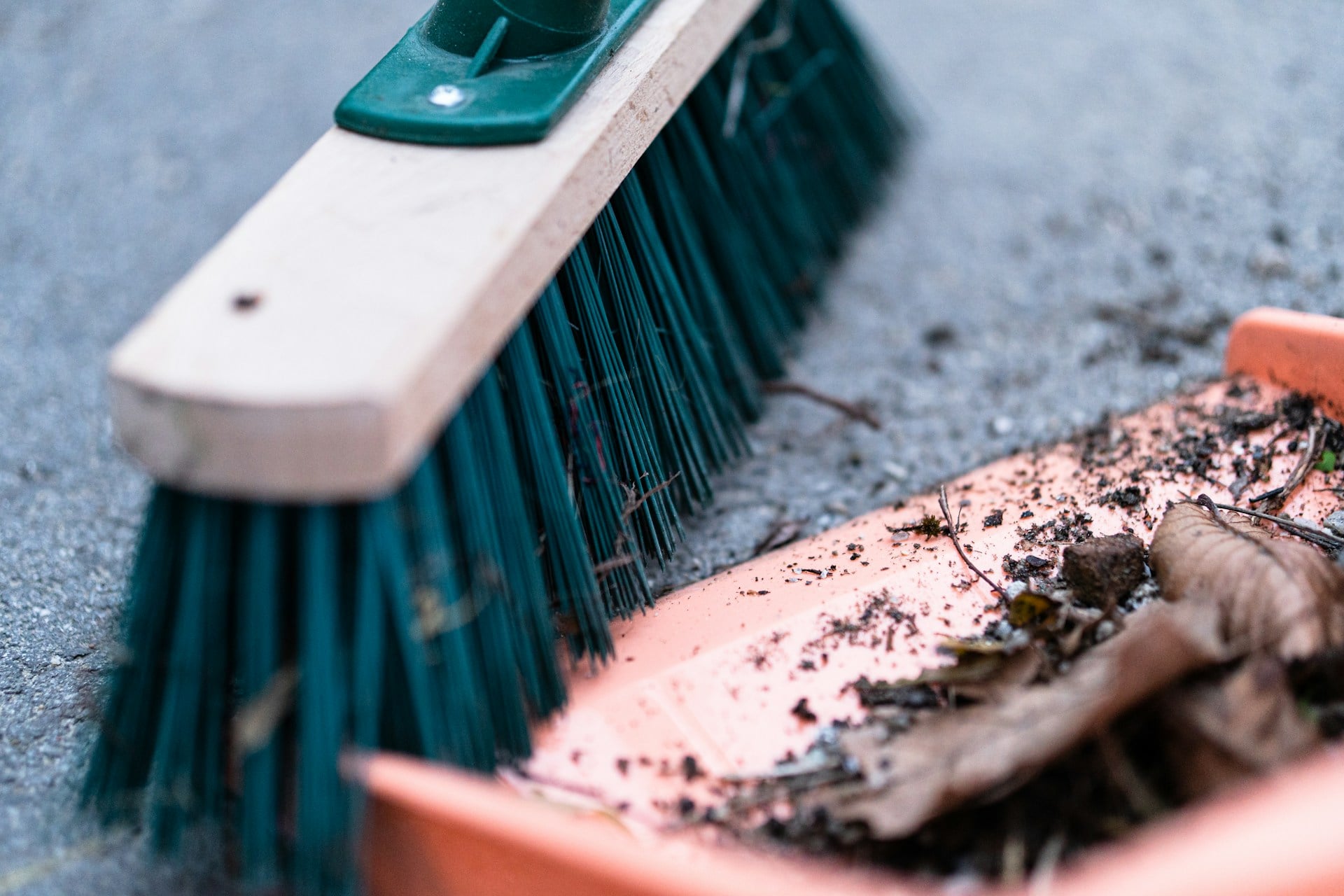
Norwegians hide all brooms, mops, and cleaning supplies on Christmas Eve because old folklore warned that witches and evil spirits came out that night looking for brooms to ride. The tradition persists even though most people no longer believe in the supernatural reasoning behind it.
Some families make a game of finding the best hiding spots for their brooms. It adds an element of fun to Christmas Eve preparations, even if the original fear of witches has faded.
Czech women throw shoes
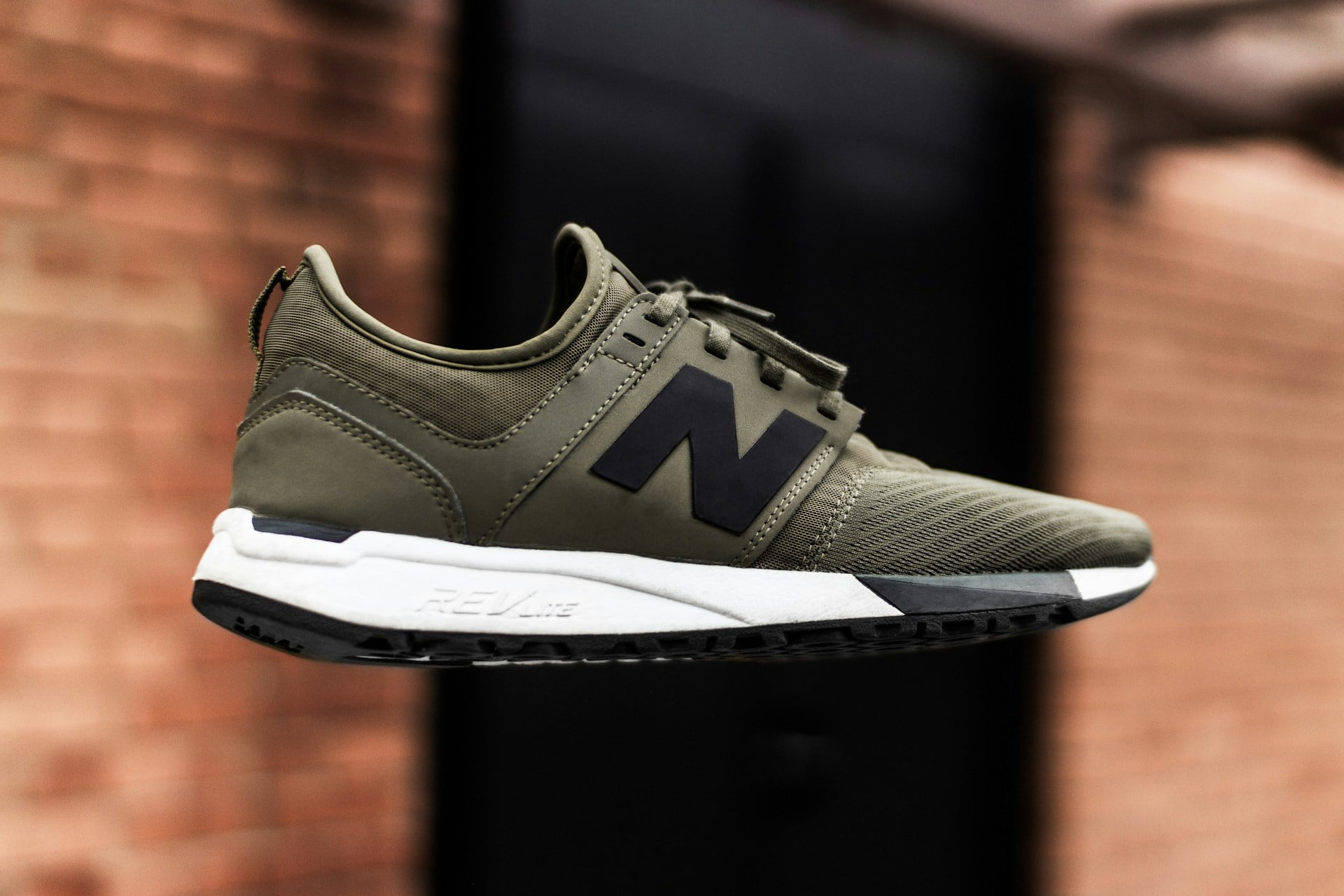
Single women in the Czech Republic throw a shoe over their shoulder on Christmas Day to predict their romantic future. If the shoe lands with the toe pointing toward the door, tradition says the woman will marry within the year.
If it points away from the door, she will remain single. The practice happens at family gatherings where everyone watches the shoe toss and weighs in on the interpretation.
Modern Czech women treat it more as entertainment than serious fortune telling, but the tradition continues.
Guatemala burns the devil
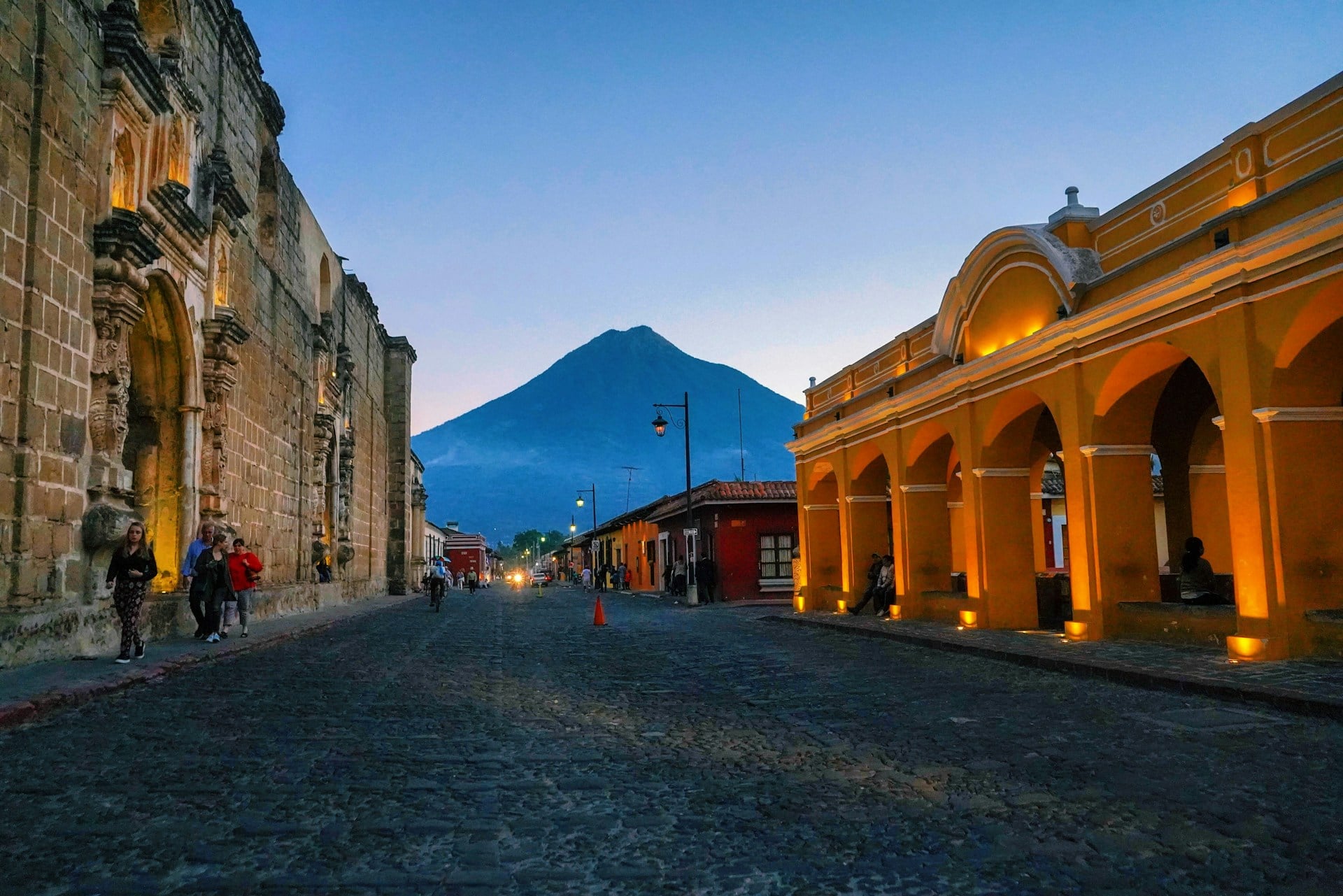
On December 7th, Guatemalans participate in La Quema del Diablo, or the Burning of the Devil. People pile up trash, old furniture, and unwanted items in front of their homes and set them on fire at 6 PM.
The burning symbolically cleanses homes of evil and bad luck before Christmas celebrations begin. Communities come together for these fires, which range from small household bonfires to massive neighborhood blazes.
The tradition also serves the practical purpose of cleaning out homes before the holidays.
Iceland has 13 Santa figures
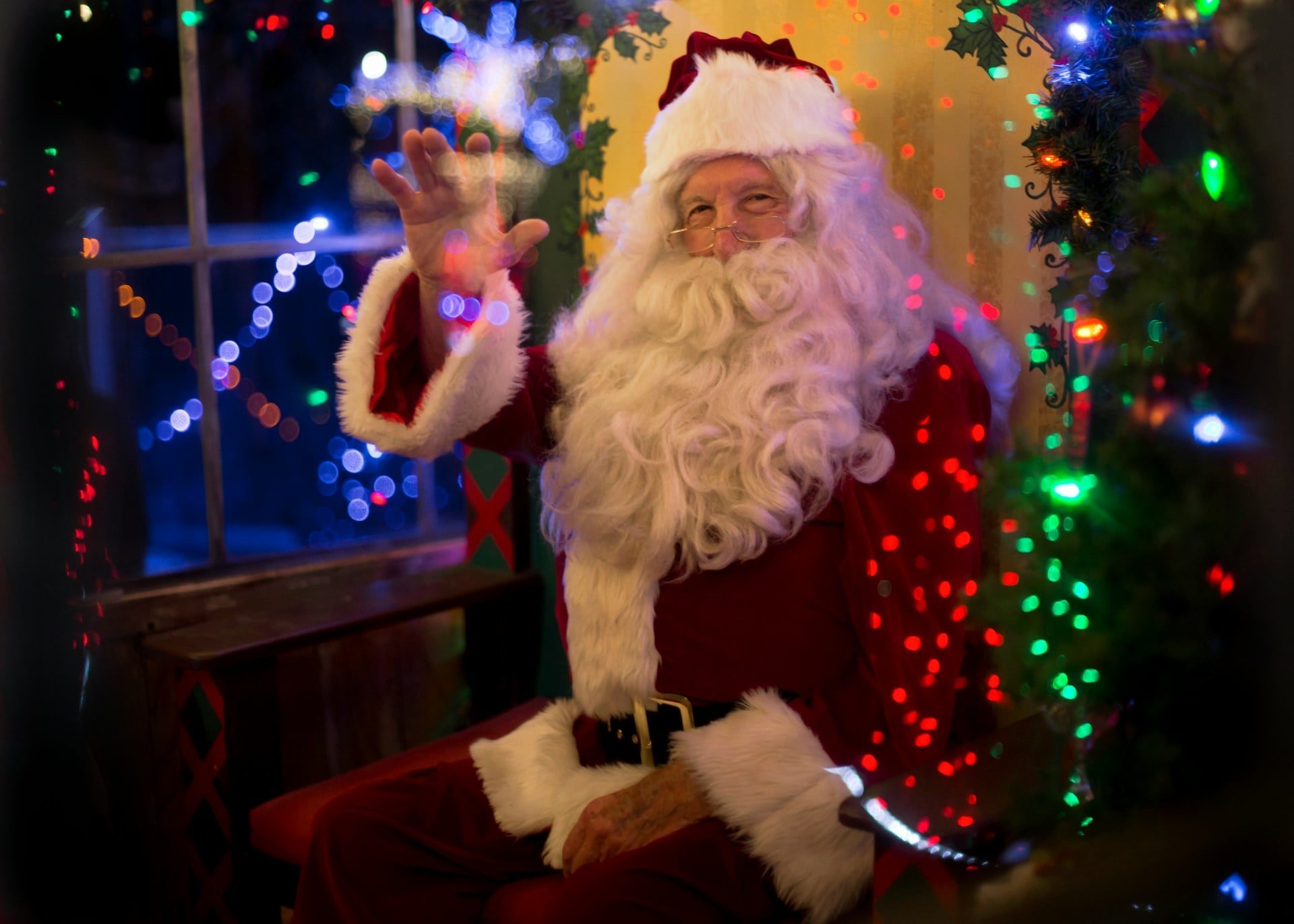
Instead of one Santa Claus, Iceland has 13 mischievous characters called the Yule Lads who visit children over 13 nights before Christmas. Each Yule Lad has a distinct personality and name related to their particular brand of troublemaking.
Spoon-Licker steals wooden spoons to lick, Door-Slammer wakes people by slamming doors, and Sausage-Swiper hides in rafters to steal sausages. Children leave shoes in their windows, and well-behaved kids receive small gifts while naughty ones get rotting potatoes.
Austria has a Christmas demon
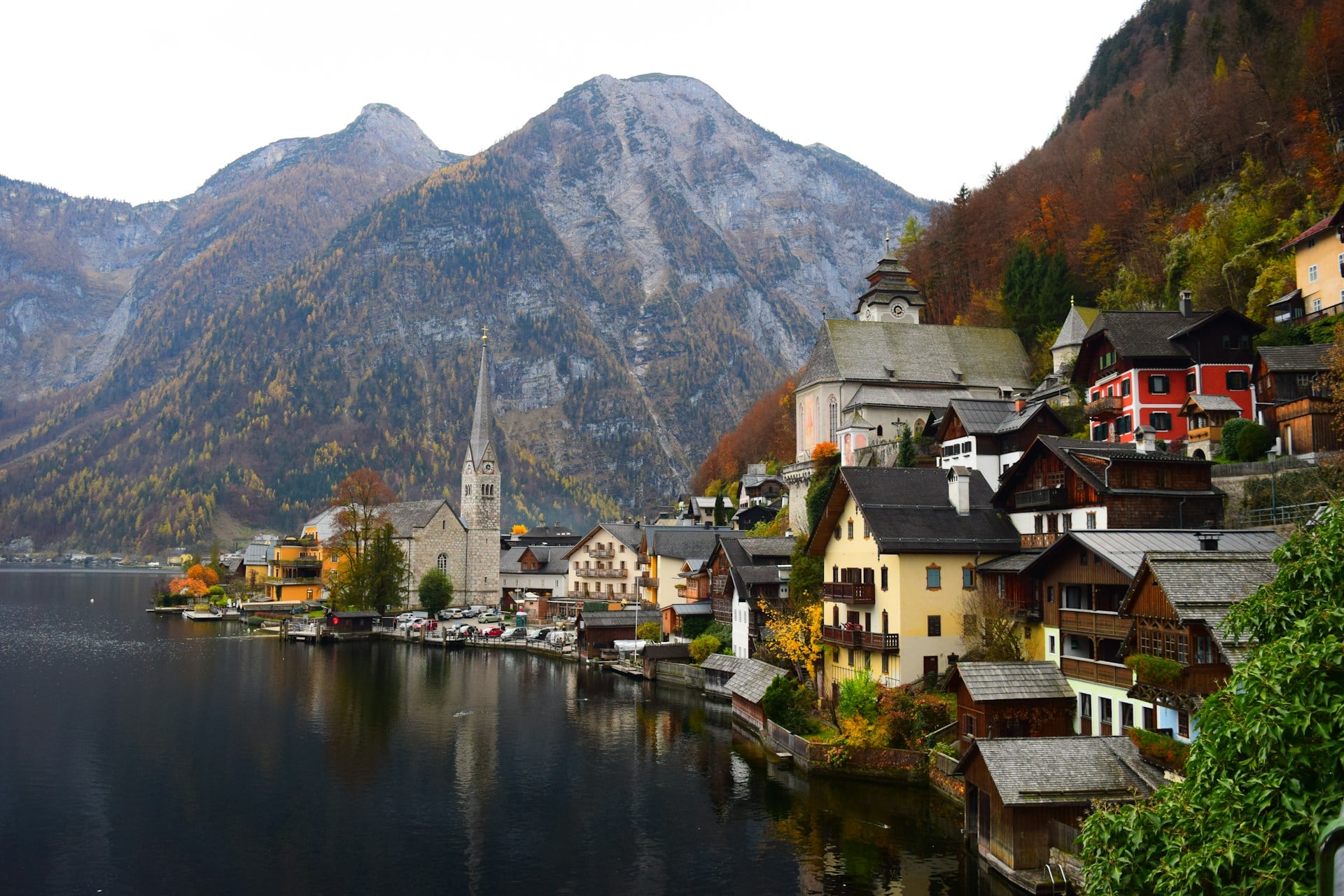
Krampus, a horned demon figure, accompanies St. Nicholas in Austrian Alpine villages during early December. While St. Nicholas rewards good children, Krampus punishes naughty ones with birch branches or threatens to drag them away in his sack.
Young men dress in elaborate Krampus costumes with fur, horns, and masks for parades called Krampuslauf. The tradition has gained popularity in other countries recently, but Austria has celebrated Krampus for centuries as the dark counterpart to the generous St. Nicholas.
Philippines holds giant lantern festivals
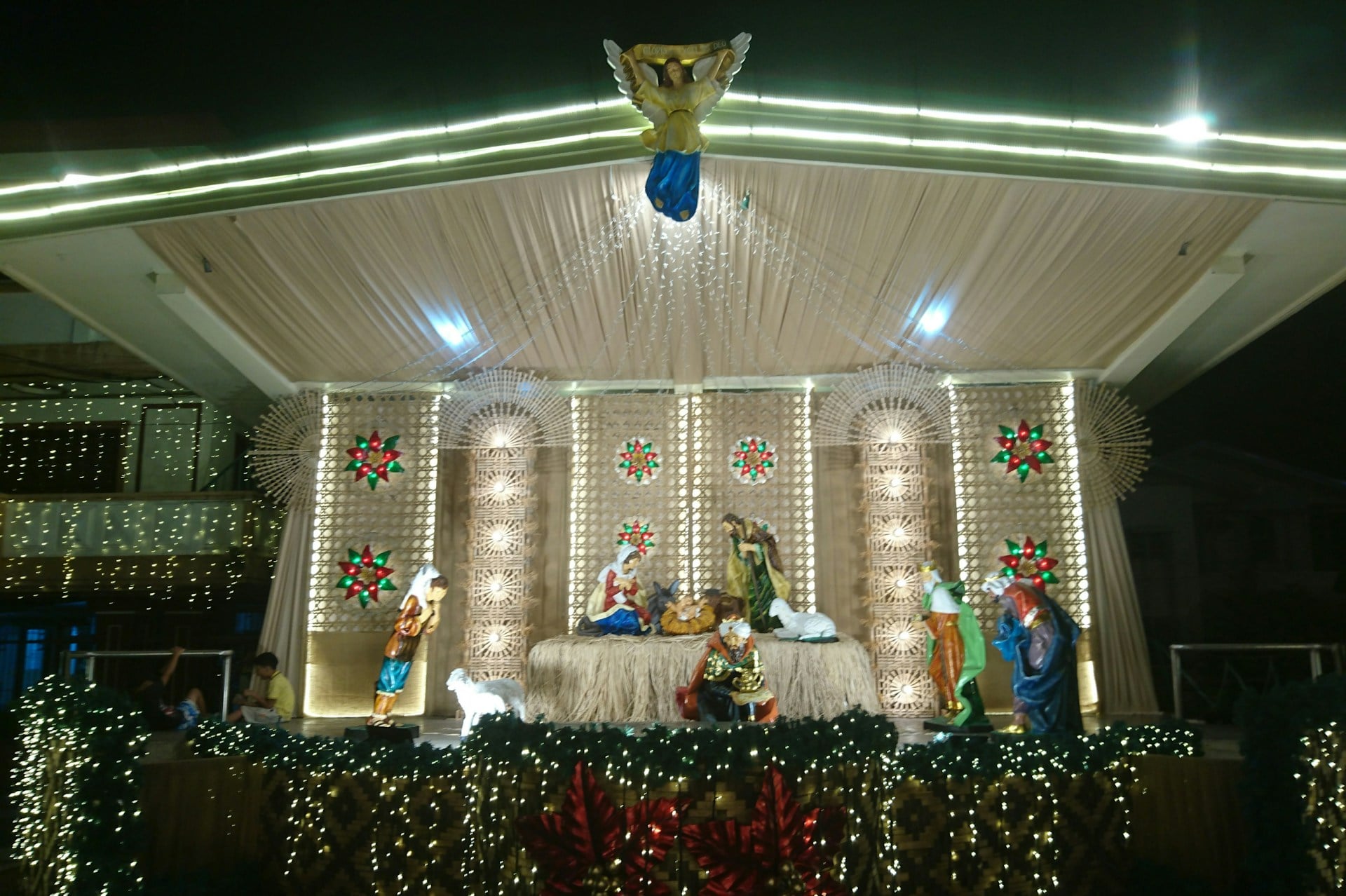
The city of San Fernando in the Philippines hosts the Giant Lantern Festival, featuring enormous star-shaped lanterns called parols that can measure up to 20 feet across. These intricate creations use thousands of spinning light bulbs in elaborate synchronized patterns.
Villages compete to create the most impressive display, with preparations taking months. The festival happens on the Saturday before Christmas Eve and draws huge crowds who watch the spectacular light show.
The tradition represents the Star of Bethlehem and has grown from simple lanterns to technological marvels.
Finland visits cemeteries
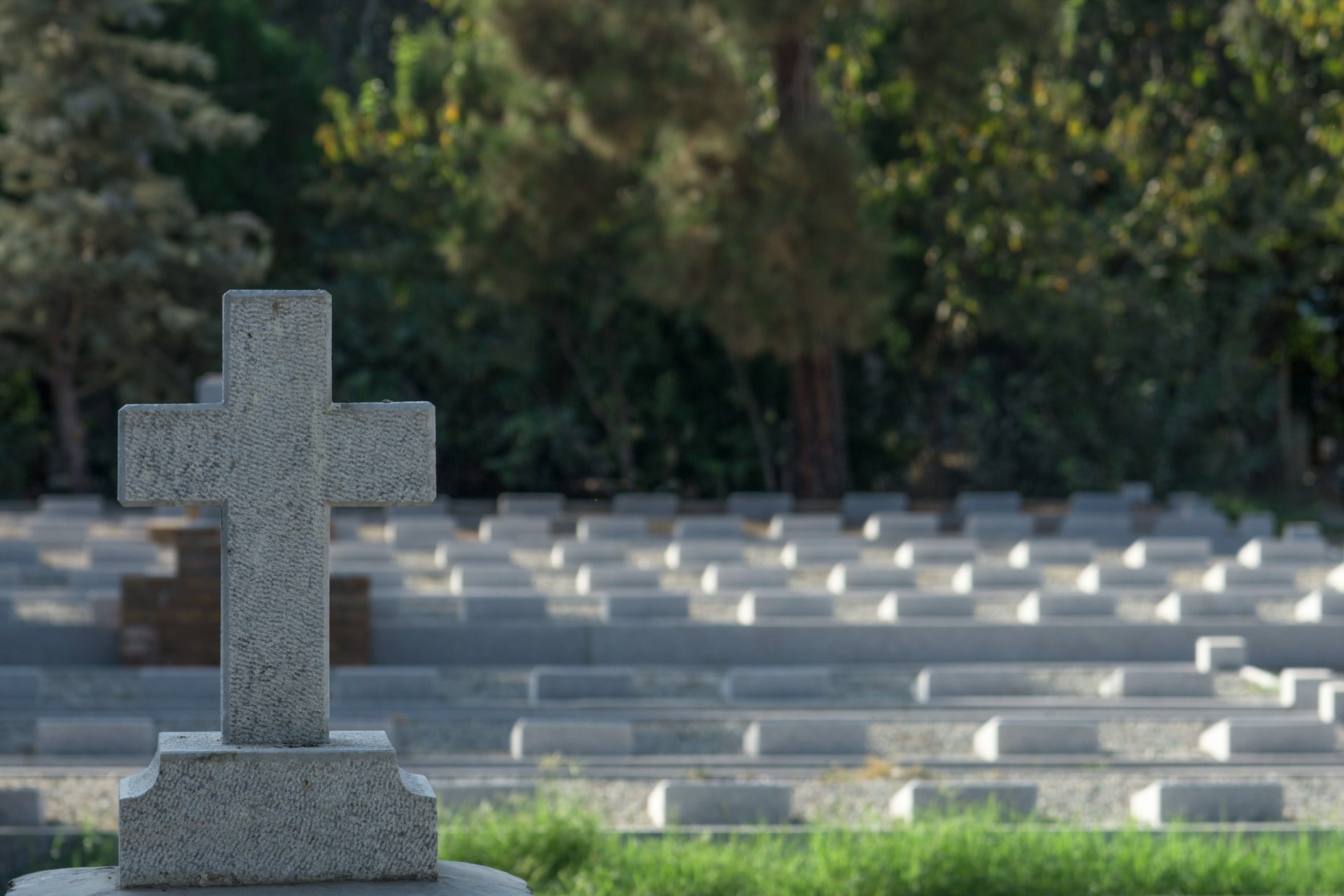
Folks in Finland head to burial grounds on Dec 24th, placing lit candles on ancestors’ resting spots. As night falls, countless little flames flicker across frozen tombstones – soft light on white snow.
People stay awhile by the markers before heading back indoors for festive meals. This act isn’t just ritual; it’s about keeping memories alive when families gather.
Even though death is sad, many feel calm doing this – it fits quietly into how they mark Xmas.
Greenland offers dishes with aged meat
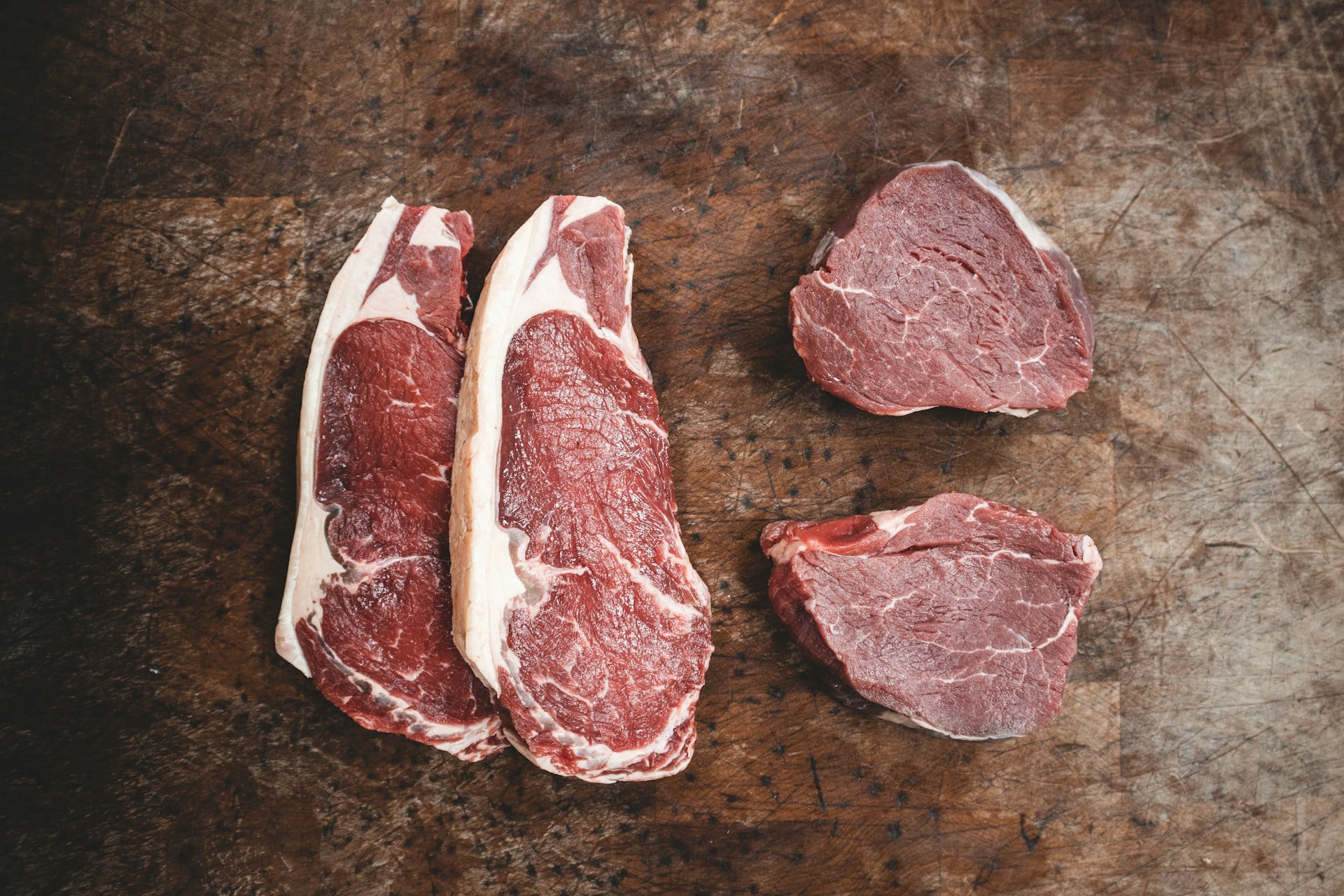
Greenlanders enjoy kiviak during Christmas – a meal crafted from tiny Arctic birds known as auks, stuffed into sealskin then left underground to ferment over many months. This natural rotting keeps the meat edible when winter hits hard across Greenland.
It reeks badly; most strangers can’t handle how intense it tastes or smells. Yet locals see more than flavor – it’s a living tie to old ways their forebears used just to stay alive.
Come holiday season, you’ll spot kiviak on tables next to whale skin, seal chunks, and similar heritage dishes.
Ethiopia celebrates on January 7th
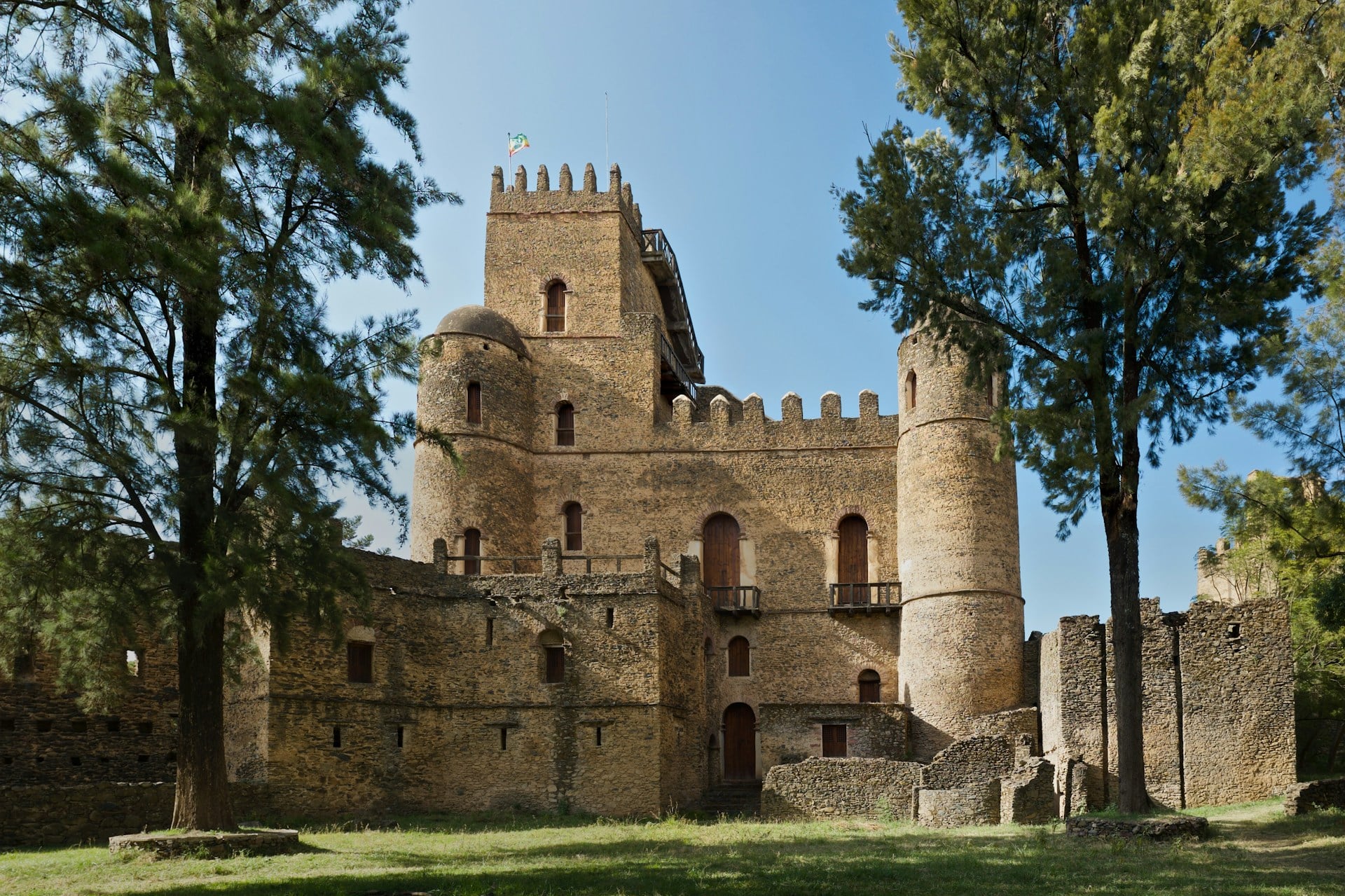
The Ethiopian Orthodox Church uses the Julian calendar – Christmas shows up on January 7 instead of December 25. Locals refer to it as Ganna, marking the day with a unique church event stretching three hours; folks stay on their feet the whole time.
Attendees dress in cultural white robes known as shamma when they go. Once worship wraps, relatives gather for wat, a hot stew dish, ending a 43-day fasting stretch leading into the feast.
Spirituality takes center stage here, far beyond present-swapping or shopping hype.
Besides Saint Nicholas Day, Belgium celebrates another time when presents are handed out
Belgian kids get presents two times around Christmas. Instead of just one event, they experience gift-giving when St. Nicholas shows up on December 6th – sweets for well-behaved ones, twigs for those who misbehaved.
Later, on the 25th, families trade presents once more. Because of this pattern, holidays feel longer, packed with extra moments to unwrap something new.
In fact, many children care more about the earlier date; the buildup to the 6th often feels bigger than what happens at year’s end.
South Africa braais on the beach

South Africans mark Christmas when it’s hot outside – beach cookouts known as braais take the place of snowy holiday meals. Folks grab iceboxes full of food, then make their way to shore for hours of roasting meat, splashing in waves, playing games under the sun.
Instead of turkey or ham, you’ll usually find boerewors sausages, sosaties skewers, along with heaps of flame-grilled cuts. Singing festive tunes could go down right on warm sand rather than beside frosty windows.
This custom shows how holidays shift shape depending on where people live – the season changes, so do the ways folks enjoy it.
Where glitter joins custom
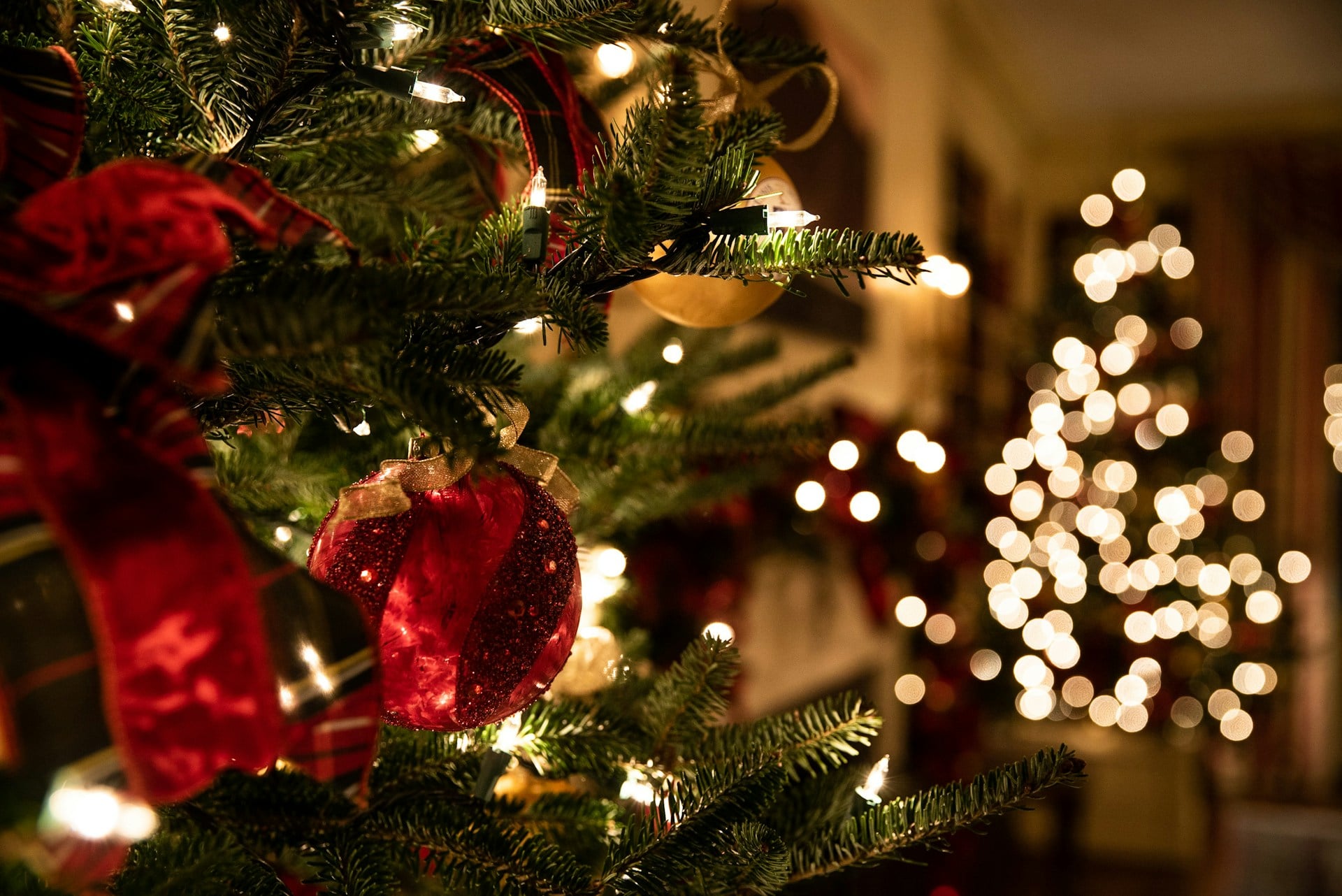
Christmas customs show how different places shape the same holiday in unique ways. From quiet moments to goofy ones, old rituals to brand-new quirks – each holds real meaning for those living them.
A kid in Iceland watching for the Yule Lads feels just as hyped as a family in Japan digging into fried chicken or someone in Venezuela rolling down the street on skates toward mass. All these varied habits highlight one truth: Christmas isn’t locked into one form – it shifts with local stories, vibes, and tastes, yet still keeps its heart alive by pulling folks close when nights are longest.
More from Go2Tutors!

- The Romanov Crown Jewels and Their Tragic Fate
- 13 Historical Mysteries That Science Still Can’t Solve
- Famous Hoaxes That Fooled the World for Years
- 15 Child Stars with Tragic Adult Lives
- 16 Famous Jewelry Pieces in History
Like Go2Tutors’s content? Follow us on MSN.