Countries with the Most Oil Reserves
Oil sits underneath the ground of just a handful of countries in quantities large enough to matter. While the world has been talking about renewables for decades, crude oil still drives economies, shapes foreign policy, and determines which countries hold real weight on the global stage.
The countries with the largest proven reserves didn’t earn that position through hard work — they got lucky with geology. But what they’ve done with that luck is another story entirely.
Venezuela

Venezuela holds the largest proven oil reserves on the planet. That fact surprises a lot of people, given how much attention Saudi Arabia tends to get.
The bulk of Venezuela’s reserves sit in the Orinoco Belt, a massive deposit of extra-heavy crude that requires more processing than conventional oil. Political instability and decades of mismanagement have kept much of this oil in the ground, leaving Venezuela’s actual production far below its potential.
Saudi Arabia
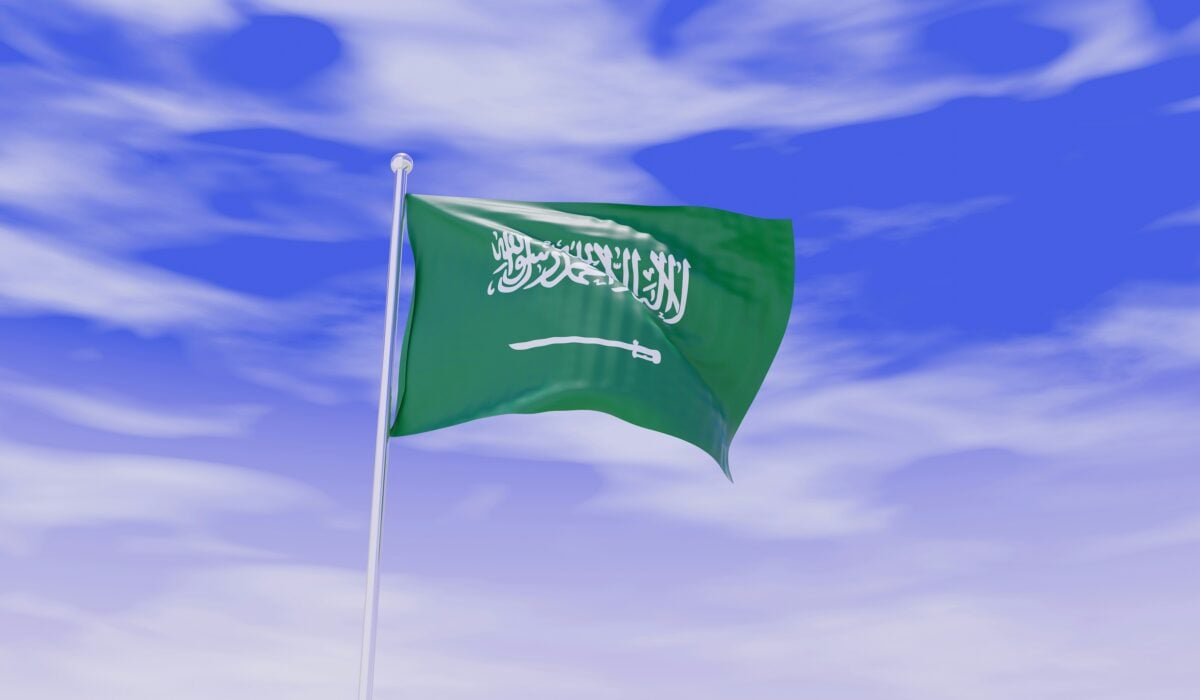
For most of modern history, Saudi Arabia was considered the undisputed king of oil. The kingdom sits on roughly 266 billion barrels of proven reserves, and its oil is some of the cheapest and easiest to extract anywhere in the world.
Saudi Aramco, the state-owned company that manages most of this, is one of the most profitable businesses ever created. Saudi Arabia also plays a central role in OPEC, the cartel that coordinates production levels among major exporters.
Canada

Canada’s massive reserves are almost entirely locked in the oil sands of Alberta — a thick, tar-like mixture of bitumen, sand, and water. Extracting it is energy-intensive, expensive, and environmentally controversial.
Still, Canada ranks third globally in proven reserves. The oil sands cover an area roughly the size of England and have been a major driver of the Alberta economy for decades, though the industry faces growing pressure from environmental regulations and fluctuating prices.
Iran

Iran has been sitting on enormous oil wealth for over a century. The country holds around 208 billion barrels in proven reserves, concentrated mainly in the southwestern Khuzestan province.
International sanctions have repeatedly disrupted Iran’s ability to export, limiting its revenue despite the scale of what lies underground. When sanctions ease, Iranian oil tends to flood the market quickly, which makes the country a significant factor in global price movements even during periods when it’s largely cut off from Western buyers.
Iraq
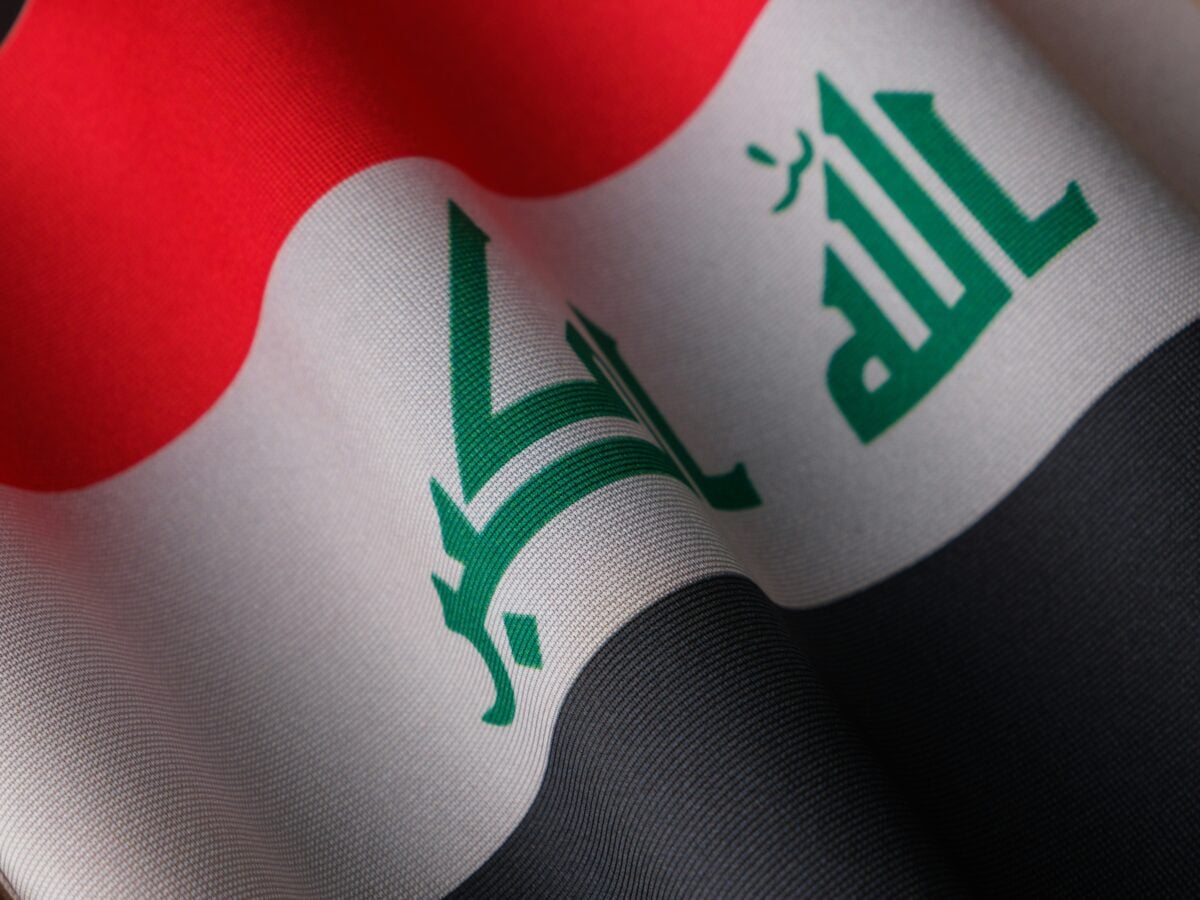
Iraq’s oil industry has had a turbulent history, to put it mildly. Wars, sanctions, and years of underinvestment left its infrastructure badly damaged.
But the country has rebuilt steadily, and its proven reserves of around 145 billion barrels place it firmly among the world’s top five. The southern Basra region accounts for most of Iraq’s production, with major international oil companies operating there under service contracts with the Iraqi government.
Kuwait

Kuwait is a small country with an outsized reserve base. Its proven oil stands at roughly 102 billion barrels, largely concentrated in the Greater Burgan field — one of the largest oil fields ever discovered. Kuwait has been pumping oil since the 1940s and has built a substantial sovereign wealth fund from the proceeds.
The country has discussed diversifying its economy for years, though oil still accounts for the overwhelming majority of its government revenue.
The United Arab Emirates
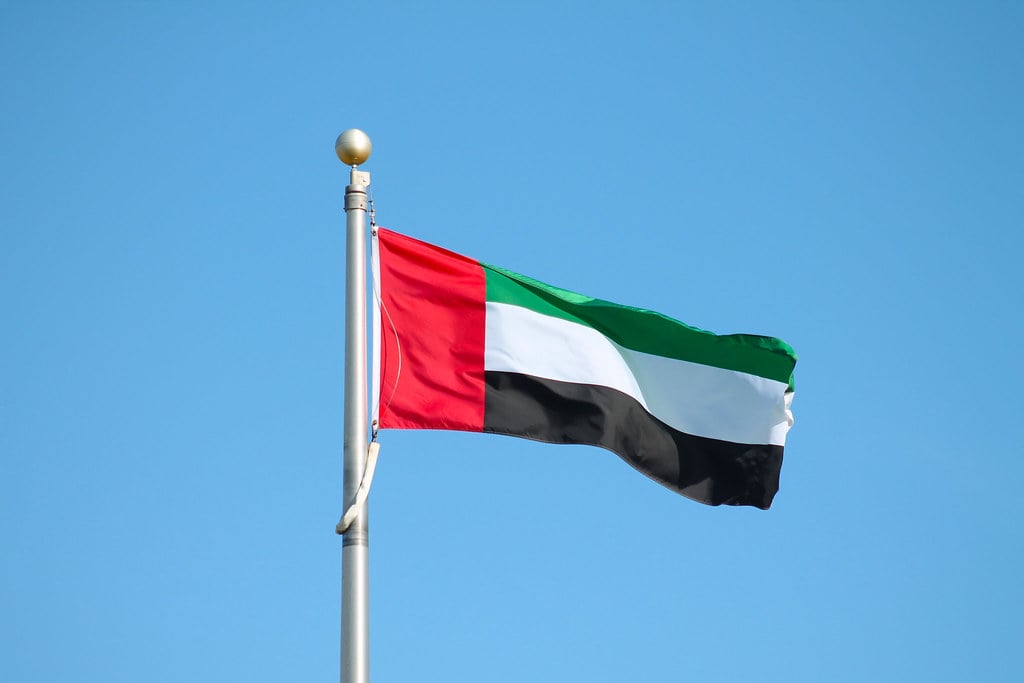
The UAE is best known internationally for Dubai, but it’s Abu Dhabi that holds the oil. The emirate controls nearly all of the country’s roughly 98 billion barrels of proven reserves.
Abu Dhabi National Oil Company, known as ADNOC, manages production and has been working to expand capacity significantly. The UAE has done a better job than many oil-rich nations of using petroleum wealth to build out other industries, though the economy remains heavily tied to hydrocarbon exports.
Russia

Russia’s reserves aren’t the largest, but the country is one of the world’s top producers. Its proven oil reserves sit at around 80 billion barrels, spread across vast stretches of Siberia and the Arctic.
Russia’s oil fields are often in harsh, remote environments that make extraction difficult and expensive. The country is also a major natural gas exporter, and its energy sector has long been a tool of geopolitical influence, particularly in Europe.
Libya

Libya holds the largest proven oil reserves in Africa, estimated at around 48 billion barrels. The country’s oil is high-quality, light crude that’s cheap to refine, and its proximity to Europe makes it a natural supplier to that market.
Political chaos following the 2011 civil war has severely disrupted production. Libya’s output has swung wildly over the years depending on which factions control which oil fields and export terminals at any given time.
United States

The United States has more proven oil reserves than most people realize — around 44 billion barrels in traditional terms. But the shale revolution changed the picture dramatically.
Hydraulic fracturing unlocked enormous quantities of oil from tight rock formations that were previously considered uneconomical. The U.S. became the world’s top oil producer by volume in the late 2010s, a shift that few analysts had predicted even a decade earlier.
American production is driven largely by private companies rather than a state entity, which makes it more responsive to market prices.
Nigeria
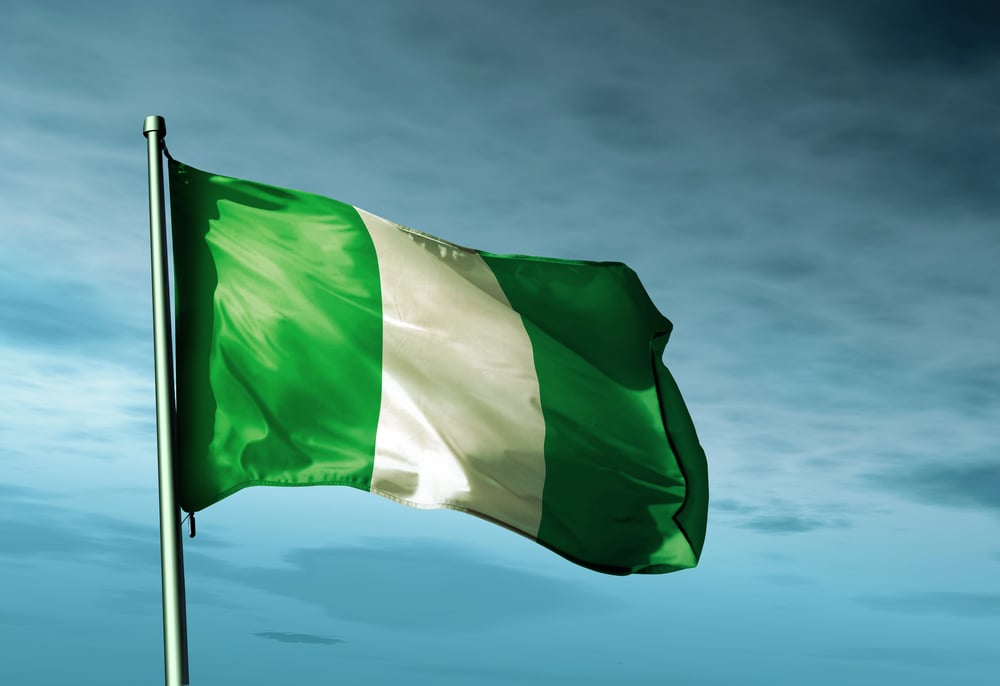
Nigeria is the largest oil producer in Africa by volume and holds around 37 billion barrels in proven reserves. Its oil sits mostly in the Niger Delta, where decades of extraction have caused severe environmental damage and fueled persistent conflict between communities, armed groups, and oil companies.
Corruption and pipeline theft have long undermined Nigeria’s ability to fully benefit from its reserves. The country has been trying to reform its oil sector through the Petroleum Industry Act, which passed in 2021 after years of delay.
Kazakhstan
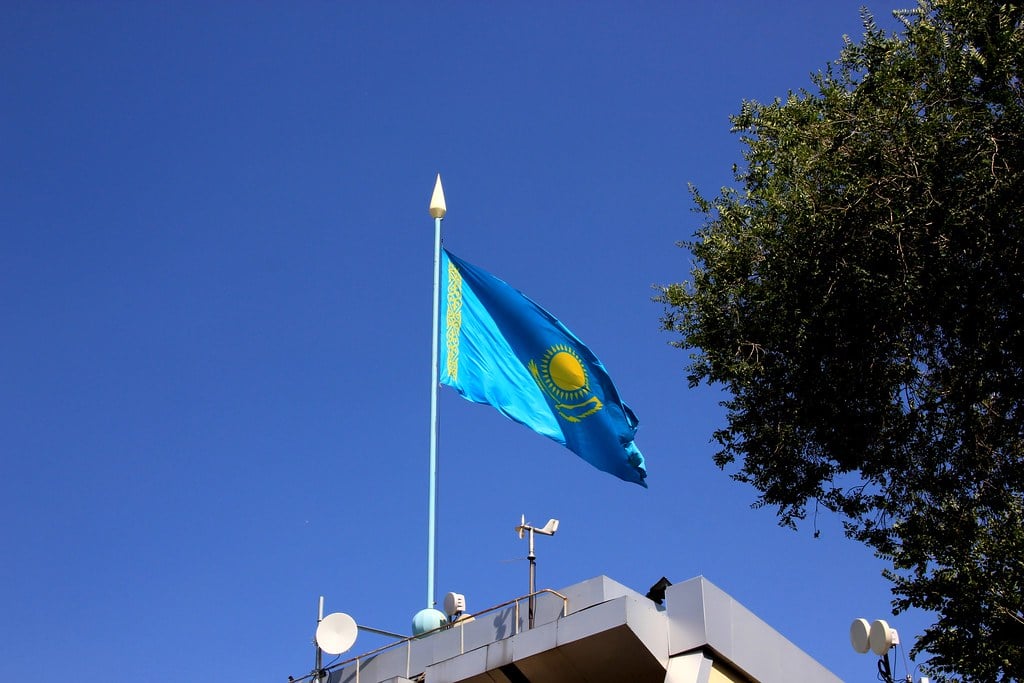
When the Soviet Union was dissolved, Kazakhstan opened a new chapter of a major oil power. With approximately 30 billion barrels of proven reserves, the country’s largest oil fields Tengiz, Kashagan, and Karachaganak rank among the most substantial discoveries in the past decades.
In fact, Kashagan is one of the top largest oil reserves in the world however it has taken much longer and cost much more to produce the oil than anyone initially thought. Kazakhstan steadily exports its oil through the Caspian Pipeline Consortium, allowing Russia the upper hand in controlling the oil supply routes.
China
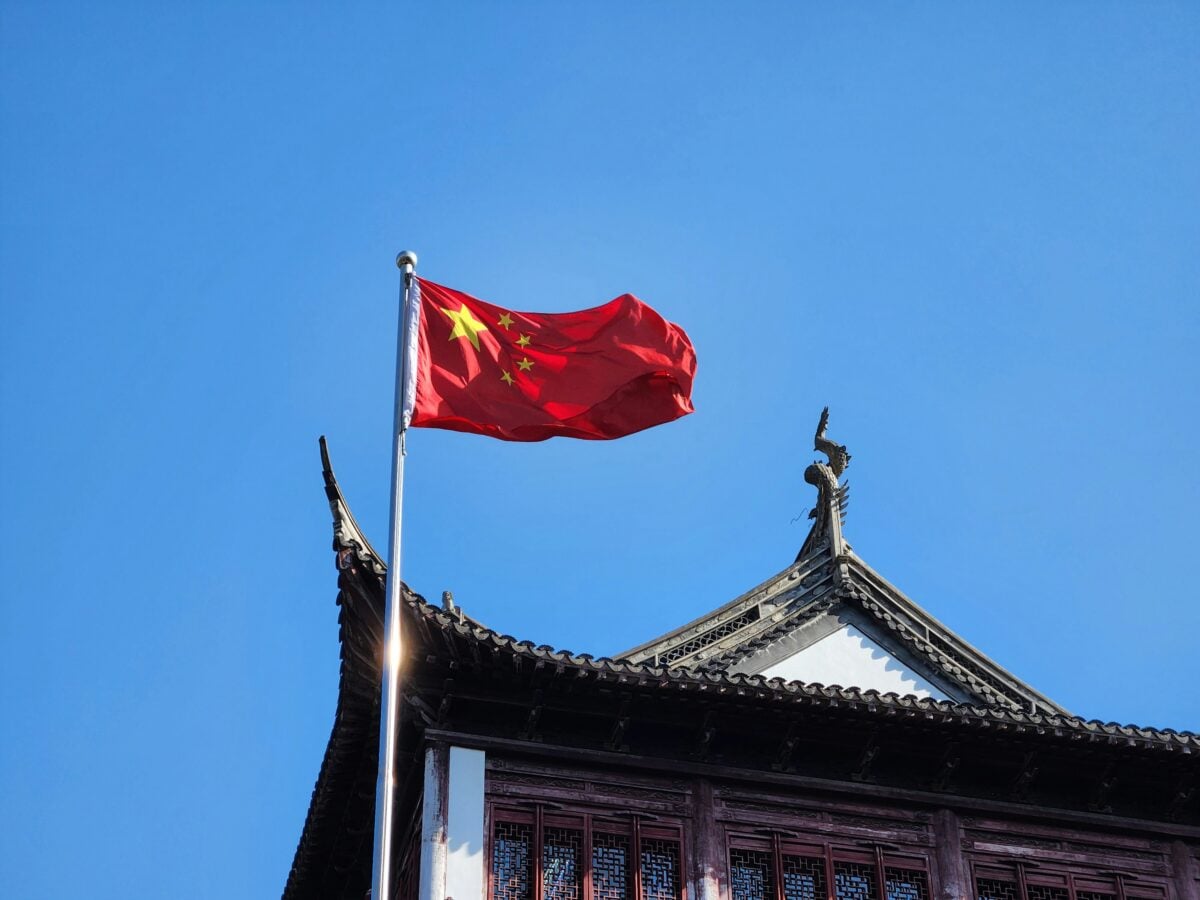
China Although China ranks in the top tier with about 26 billion barrels of proven oil reserves, it is also one of the world’s largest oil consumers by far. China imports huge amounts of oil to cover the difference between its production and the demand of its economy.
State-owned companies such as CNPC and Sinopec largely control domestic production, and China has additionally invested significantly in foreign oil assets – from Africa, Central Asia, and South America – as a means of ensuring its supply.
The Ground Beneath the Numbers

This list becomes fascinating not only due to the sheer size of the numbers but rather through the stark difference between what these countries possess and what they have been able to make out of it. While a few succeeded in converting oil riches into up-to-date infrastructures and savings funds for future generations, others observed their stocks of wealth leading to disputes, corruption, and halting economic growth.
All were given the same starting line by their location. The results however are just the opposite.
More from Go2Tutors!

- The Romanov Crown Jewels and Their Tragic Fate
- 13 Historical Mysteries That Science Still Can’t Solve
- Famous Hoaxes That Fooled the World for Years
- 15 Child Stars with Tragic Adult Lives
- 16 Famous Jewelry Pieces in History
Like Go2Tutors’s content? Follow us on MSN.